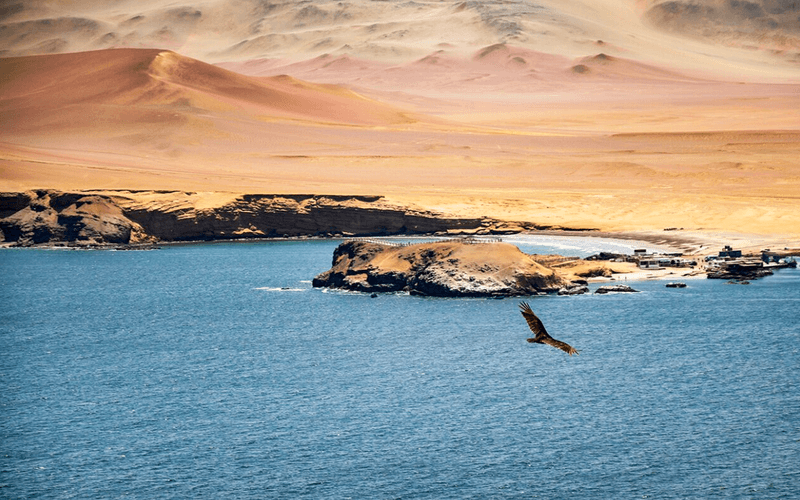
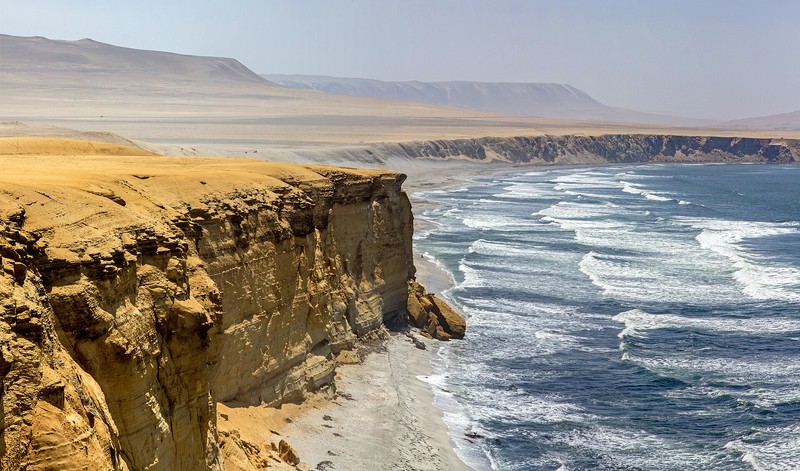
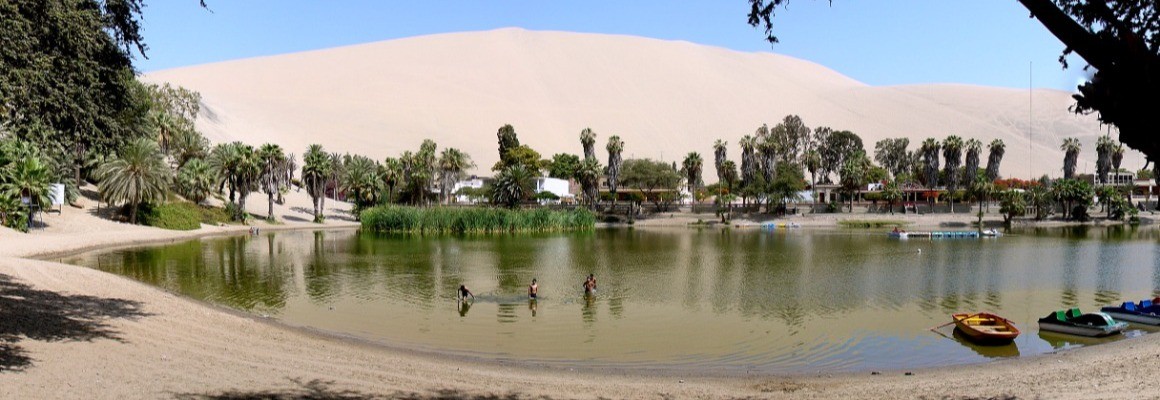
Paracas National Reserve is a unique natural area on Peru’s southern Pacific coast, in the Ica region. Here, an arid desert meets the cold waters of the Pacific Ocean, creating striking landscapes of sand dunes, rocky shores, bays, and expansive beaches. Established in 1975, the reserve protects marine and coastal ecosystems as well as the region’s rich wildlife.
The reserve covers approximately 335,000 hectares, around 65% of which consists of marine waters. The cold Peru Current, also known as the Humboldt Current, brings nutrients that support diverse marine life. Paracas is one of the most fascinating natural areas on Peru’s coast and attracts nature lovers, photographers, and ecotourism enthusiasts.
Red Beaches and Desert Landscapes
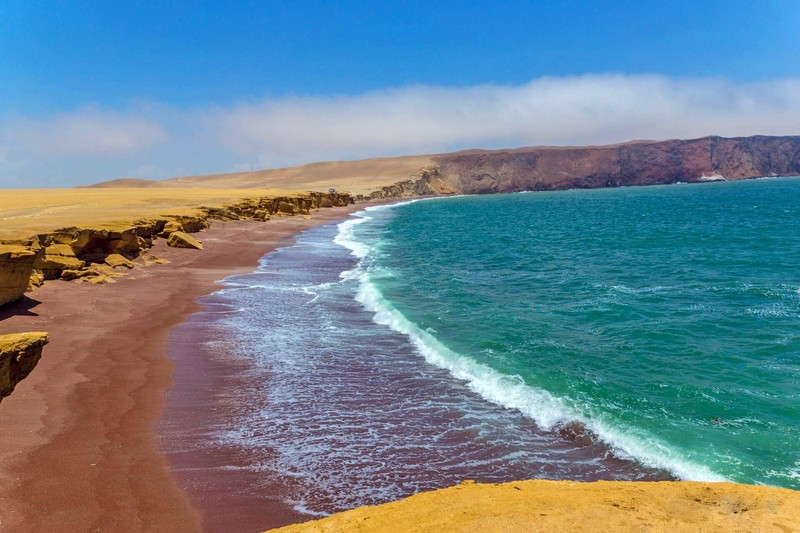
One of the reserve’s best-known attractions is Playa Roja, or Red Beach. Its unusual colour is associated with nearby reddish rock formations, which are eroded by the waves and contribute mineral particles to the sand. Against the dark blue ocean, the reddish shore creates a striking contrast. The beach is best admired from designated viewpoints while respecting the rules of the protected area.
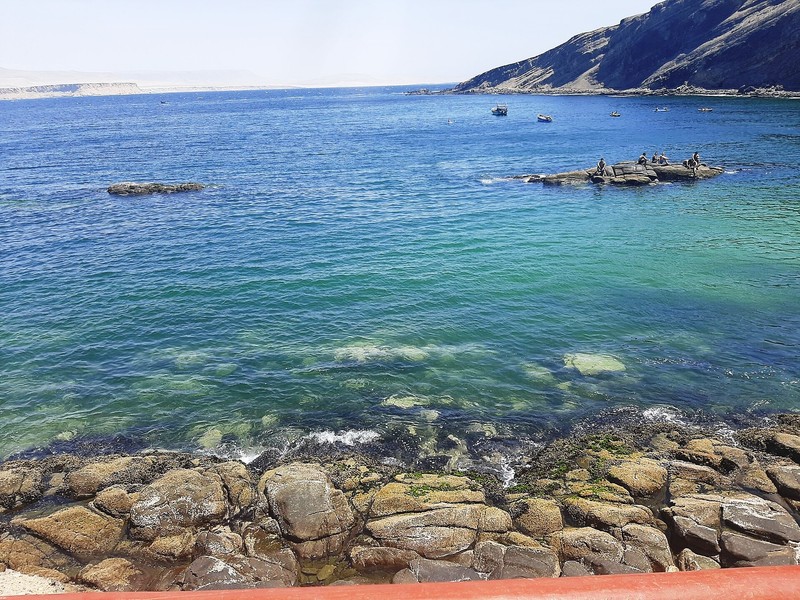
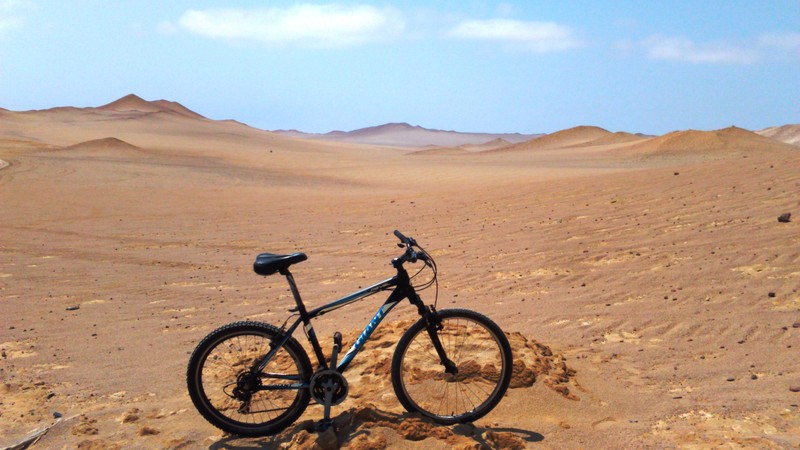
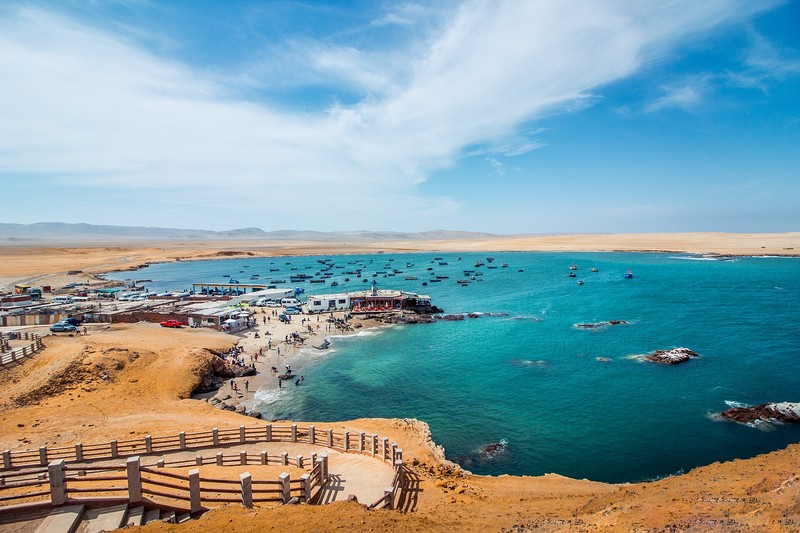
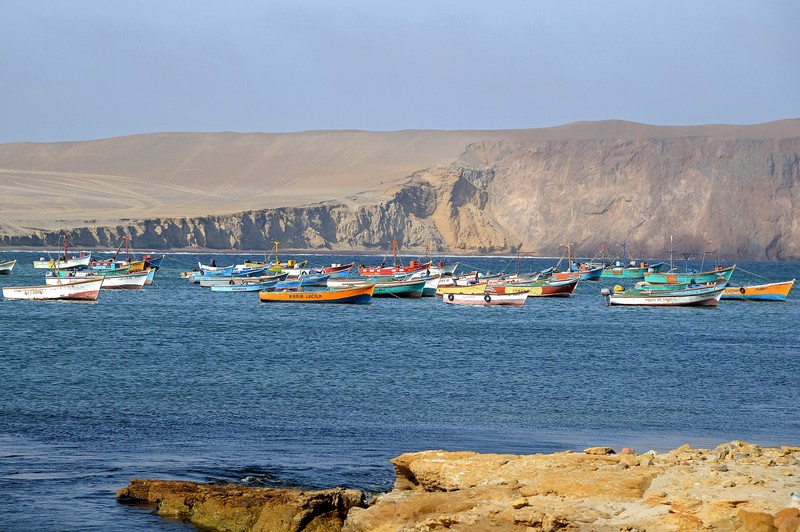
Paracas features wide sandy expanses, rocky headlands, small bays, and coastal hills. Popular places include La Mina, Raspón, and Yumaque beaches, known for their scenery and clear water when conditions are favourable. Winds can be strong and the desert sun intense, so visitors should bring sun protection and enough drinking water.
Rich Wildlife
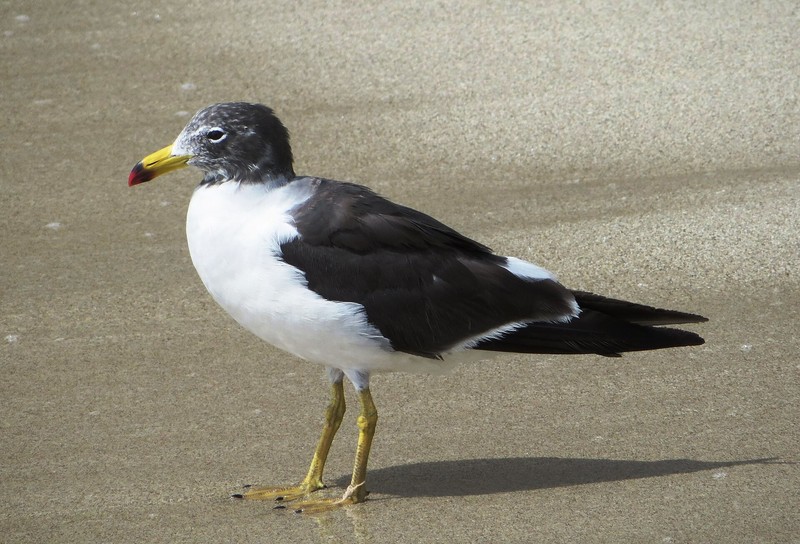
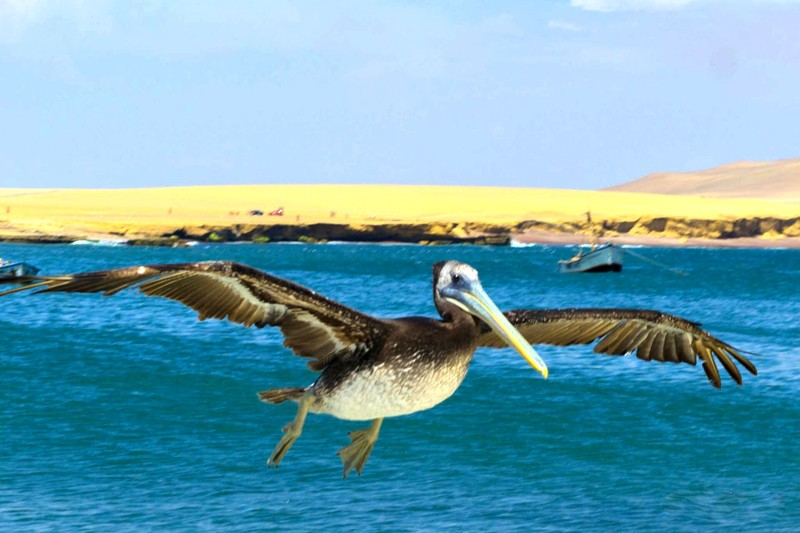
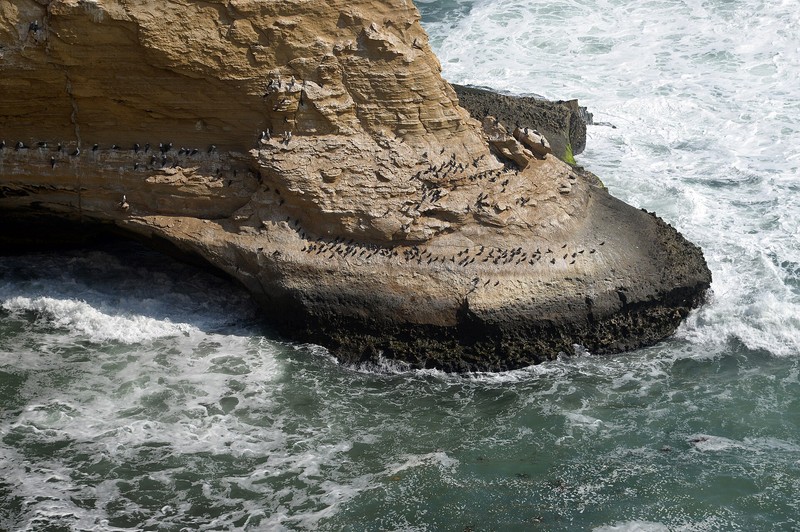
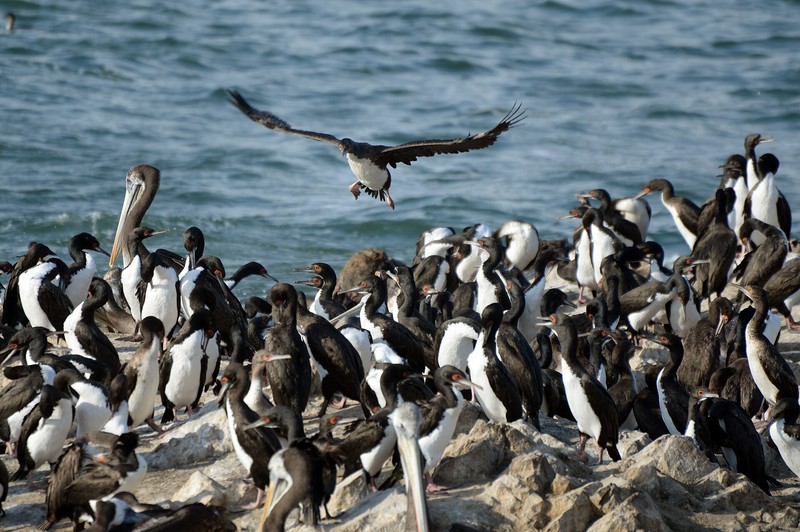
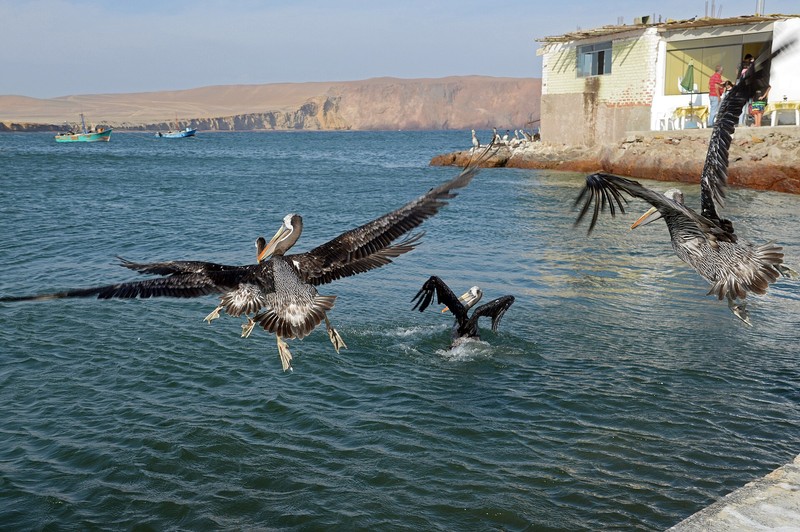
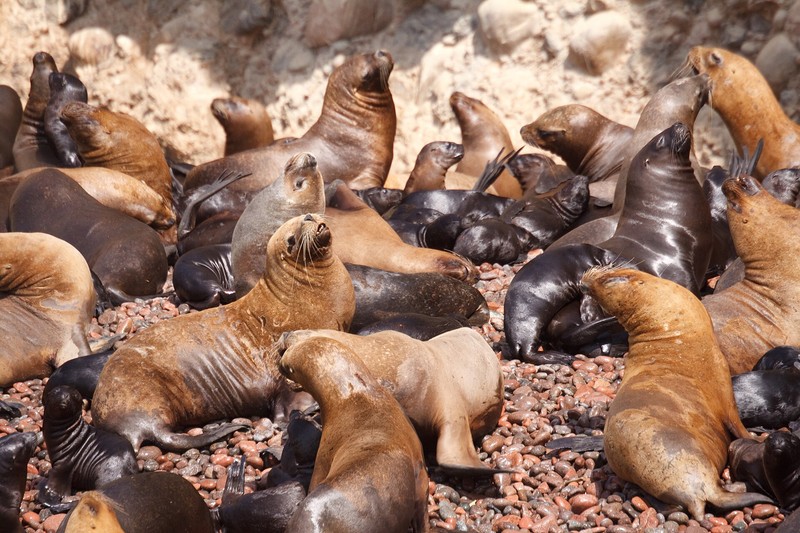
The reserve is important for marine birds and mammals. Pelicans, flamingos, Peruvian boobies, cormorants, Humboldt penguins, and many other birds can be found here. Many feed on fish in the cold Pacific waters. Sea lions can be seen along the coast, while dolphins and whales are occasionally spotted offshore. The chance of seeing particular species depends on the season and observation conditions.
Thanks to its rich marine ecosystem, Paracas provides important feeding and resting grounds for resident and migratory birds. Wildlife watching is especially appealing to photographers and bird enthusiasts. Visitors should keep a respectful distance from wild animals, avoid feeding them, and never disturb their natural behaviour.
Paracas Peninsula and the Candelabra Geoglyph
The Paracas Peninsula is home to the mysterious Candelabra geoglyph, a huge design on a hillside facing the sea. It is approximately 180 metres long, and its shape resembles a multi-branched candlestick or plant. The figure is best seen from the water, for example during a boat excursion towards the Ballestas Islands.
The origin and exact purpose of the Candelabra remain debated. It is sometimes associated with ancient cultures of the region, but no definitive explanation has resolved all the questions surrounding it. The geoglyph has become one of the recognisable symbols of the Paracas coast.
Geological Formations and Viewpoints
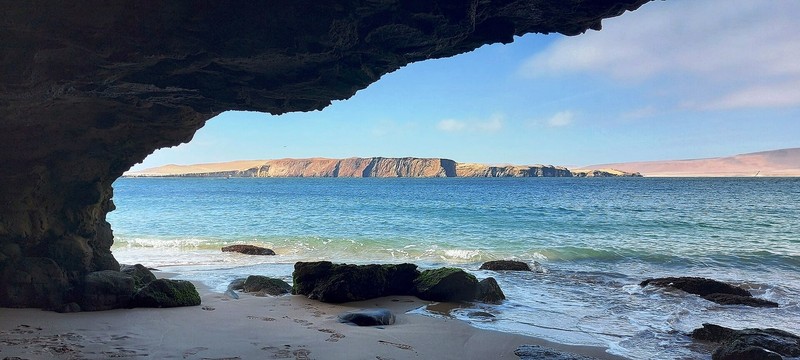
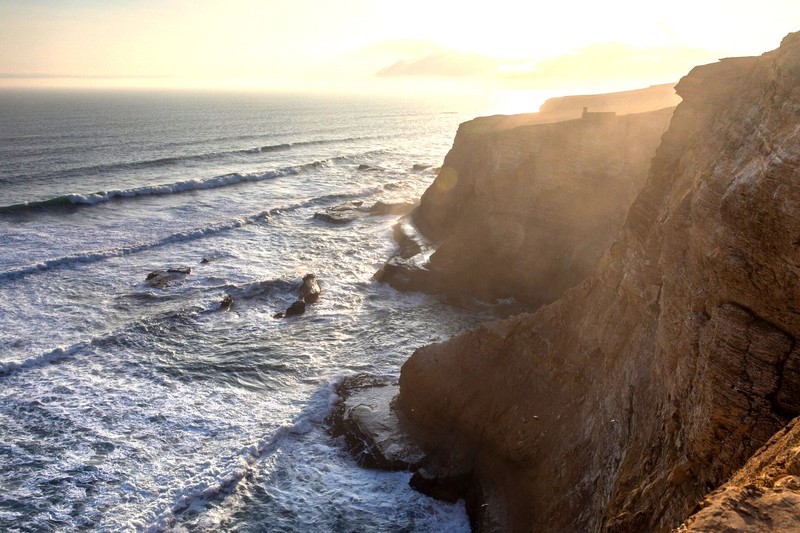
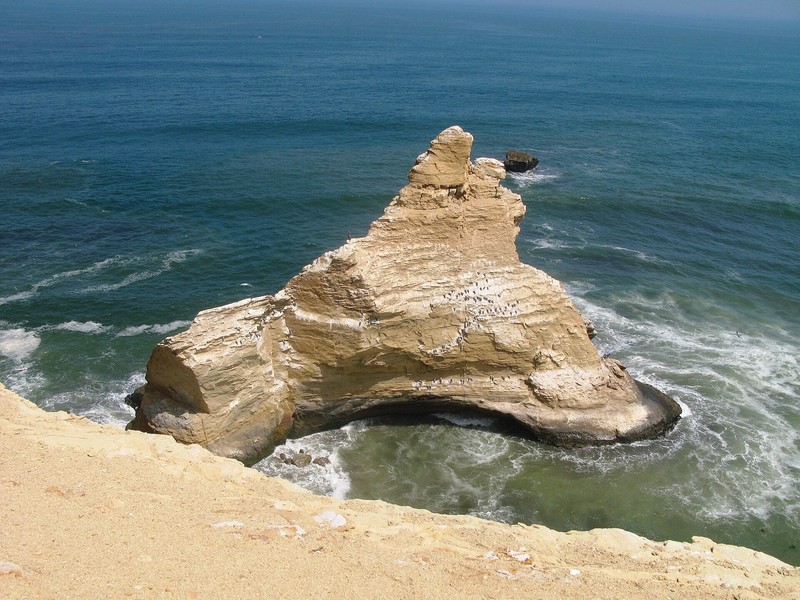
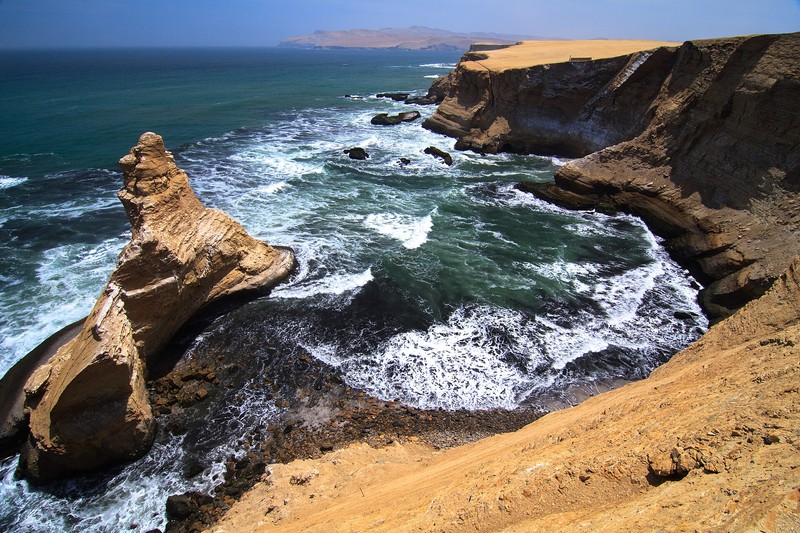
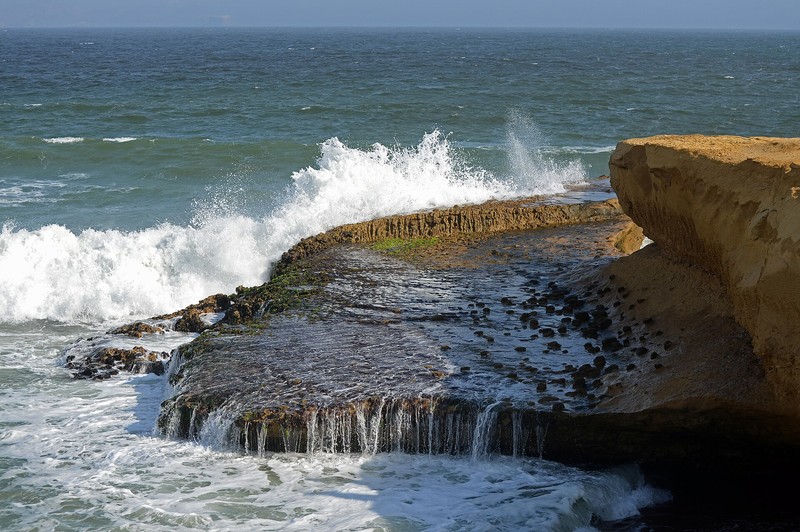
The reserve’s coastline has been shaped over time by wind and waves. One of its best-known natural features is the rocky formation in the La Catedral area. An impressive sandstone arch once stood here, but it collapsed during the 2007 earthquake. Visitors can still admire the remaining cliffs and surrounding coastal scenery from designated viewpoints.
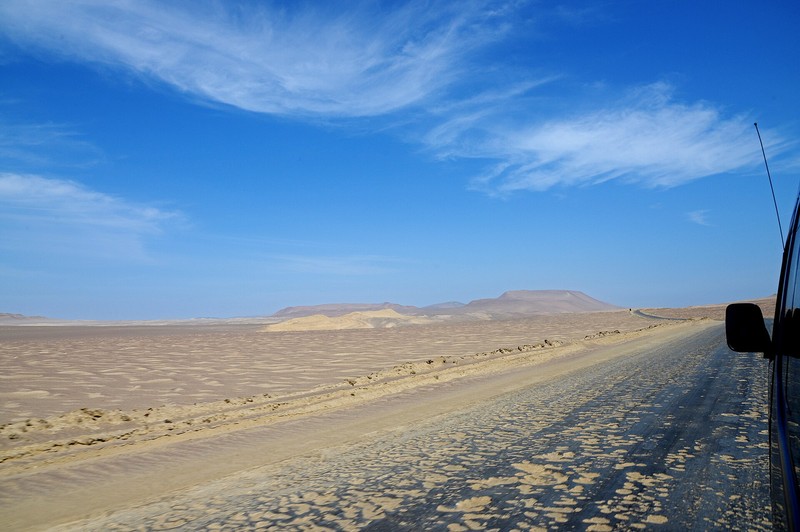
The tourist circuit includes viewpoints overlooking beaches, bays, and desert hills. Depending on the chosen route, visitors can explore parts of the reserve by car, bicycle, or on foot. Before travelling, check which areas are accessible and follow instructions from reserve staff.
Archaeological Heritage
Paracas is known not only for its natural scenery but also for its archaeological heritage. Numerous traces of ancient settlements have been found here, including sites associated with the Paracas culture, whose people lived along the coast long before the Inca period. They relied on fishing and marine resources and became renowned for producing elaborate textiles with colourful designs.
The Julio C. Tello Museum and the reserve’s interpretation centre provide opportunities to learn about the region’s history. Their displays help explain how ancient communities adapted to life between the desert and the ocean and made use of coastal resources.
Things to Do in the Reserve
Visitors can walk along the coast, watch birds, photograph unusual landscapes, cycle, or explore selected areas on an organised excursion. Some water-based activities may also be available, depending on conditions and authorised routes. Many travellers combine a visit to the reserve with a trip to the nearby Ballestas Islands, although the islands are a separate natural area.
For a comfortable visit, wear suitable clothing and a hat, use sun protection, and bring water. Stay on marked routes, avoid disturbing wildlife, and take all rubbish with you. Access to certain beaches and activities may depend on current conservation rules.
How to Get There
The reserve is in the Ica region, near the tourist town of Paracas and the city of Pisco. From Lima, it can be reached by intercity bus or car via the Pan-American Highway. The journey takes several hours, so many visitors plan a full-day trip or stay overnight in Paracas. An organised excursion or a carefully planned route is a convenient way to see the main viewpoints.
Best Time to Visit
The reserve can be visited throughout the year. The climate is mostly dry, but the coast can be windy, and temperatures vary with the time of day and season. Morning and evening often provide softer light for photography. Before setting out, check the weather forecast, access conditions, and the opening hours of tourist routes.
Paracas National Reserve brings together desert landscapes, colourful beaches, abundant marine wildlife, and the archaeological heritage of ancient Peru. It offers a rare opportunity to experience the meeting of desert and ocean and discover one of the most valuable natural areas on the country’s Pacific coast.
Gallery