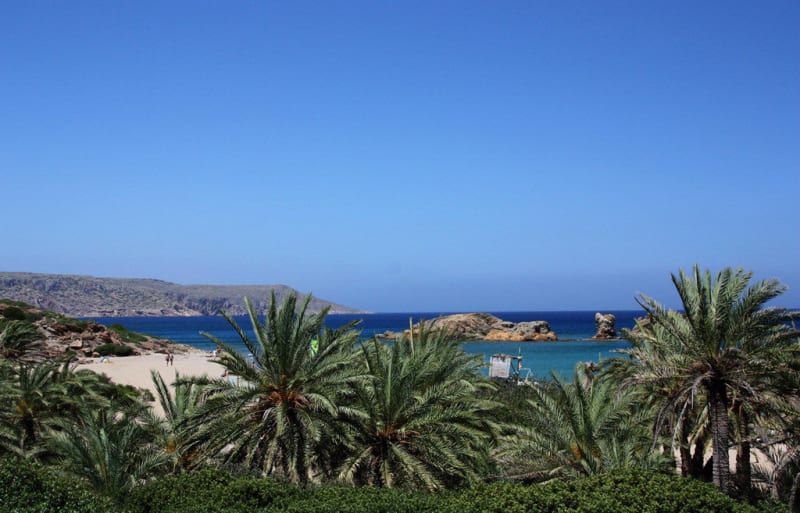
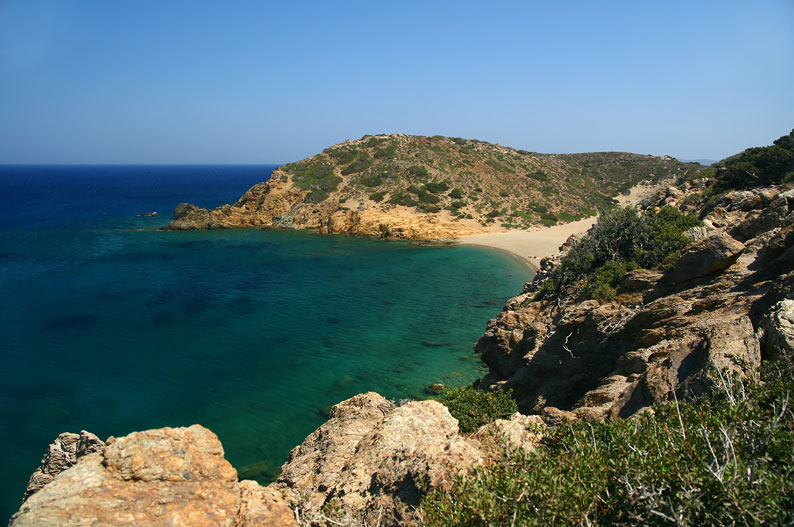
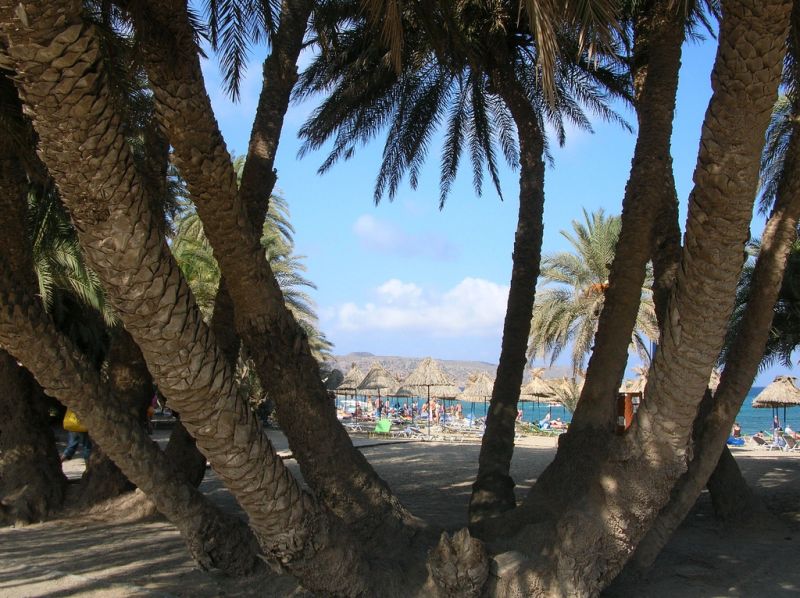
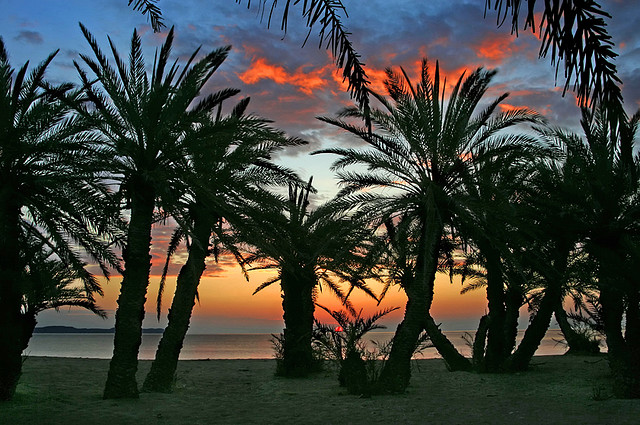
Vai Palm Forest is one of Crete’s most unusual natural attractions. On the eastern edge of the Greek island, among dry hills and rocky coastlines, a green grove of palms stretches down to a sandy beach with clear turquoise water. The landscape feels almost tropical and differs from the familiar scenery of much of the Mediterranean.
Where Vai Is Located
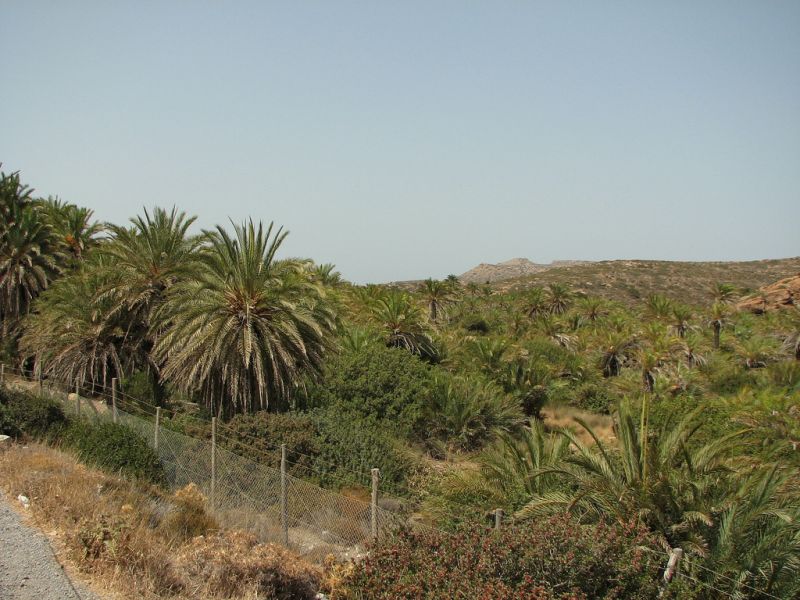
Vai lies in northeastern Crete, about 24–25 kilometres from the town of Sitia and close to Palekastro. The palm grove occupies a small valley where water supports the vegetation before reaching the sea at Vai Beach. A visit can be combined with Toplou Monastery and the archaeological remains of ancient Itanos.
A Unique Palm Forest
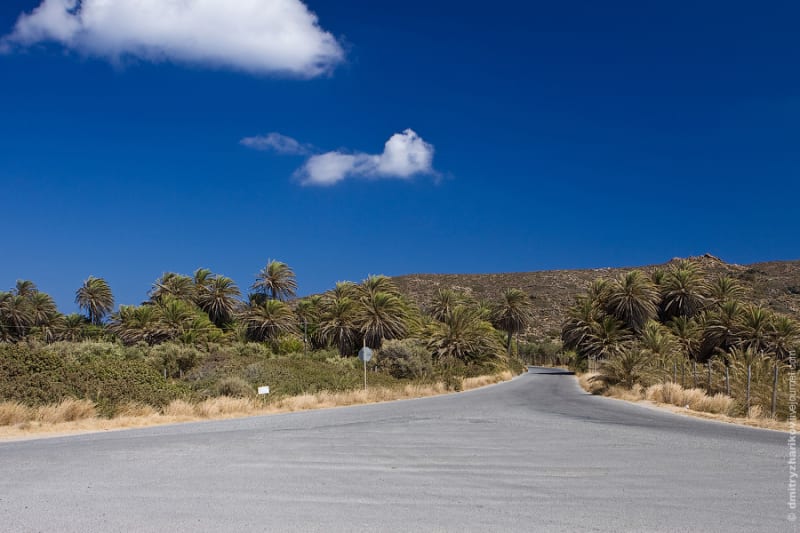
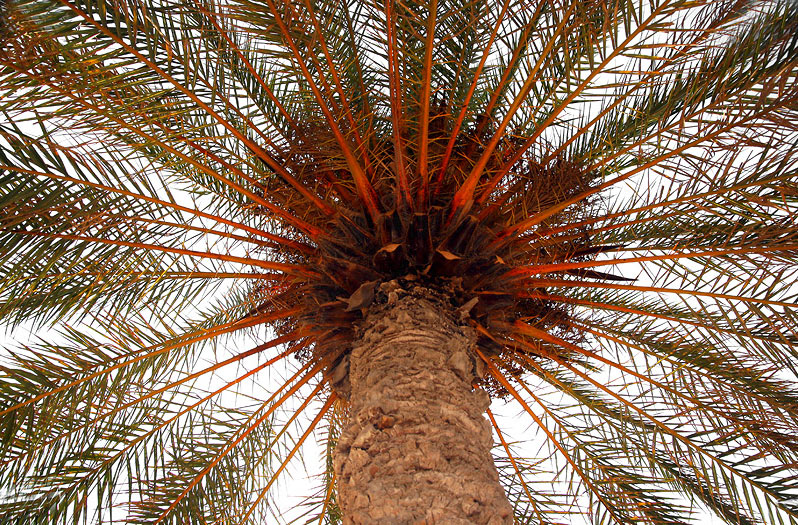
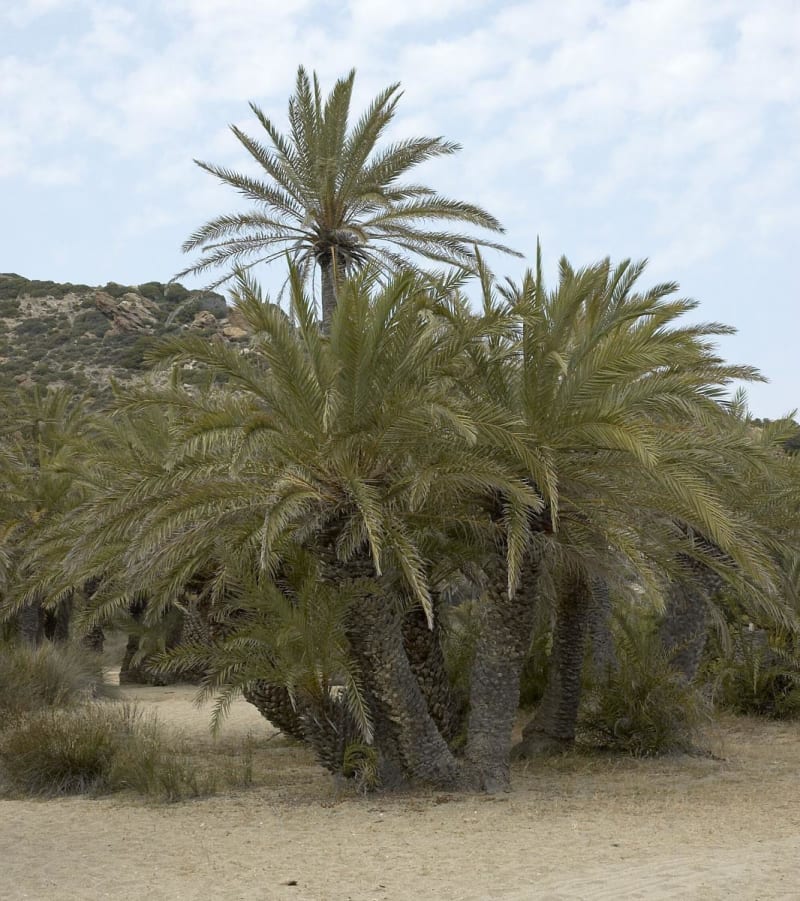
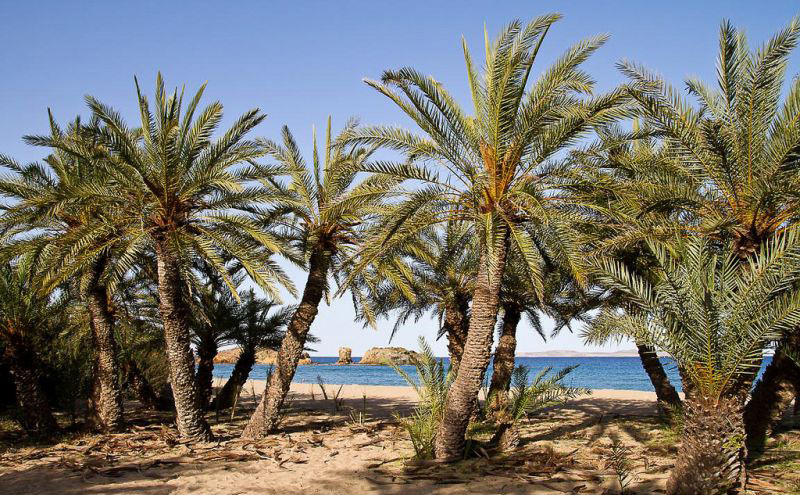
The main feature of Vai is its natural population of Theophrastus’s date palm (Phoenix theophrasti), a rare species native to parts of the eastern Mediterranean. The palms grow along the valley, forming a green corridor between arid slopes and the coast.
The local ecosystem depends on water flowing through the valley. Oleander and other Mediterranean plants grow among the palms, while wetter coastal areas provide habitats for birds, including migratory species. The area is protected for its ecological value and forms part of the European Natura 2000 network.
Vai Beach
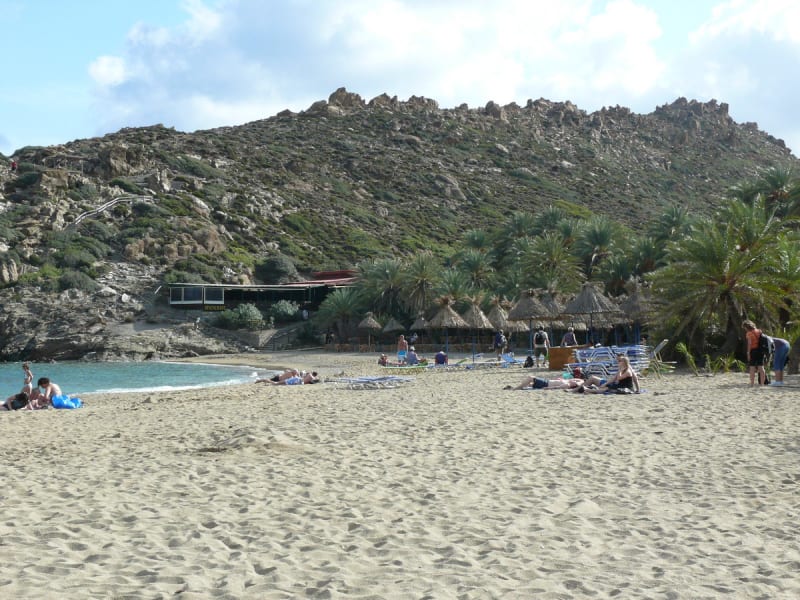
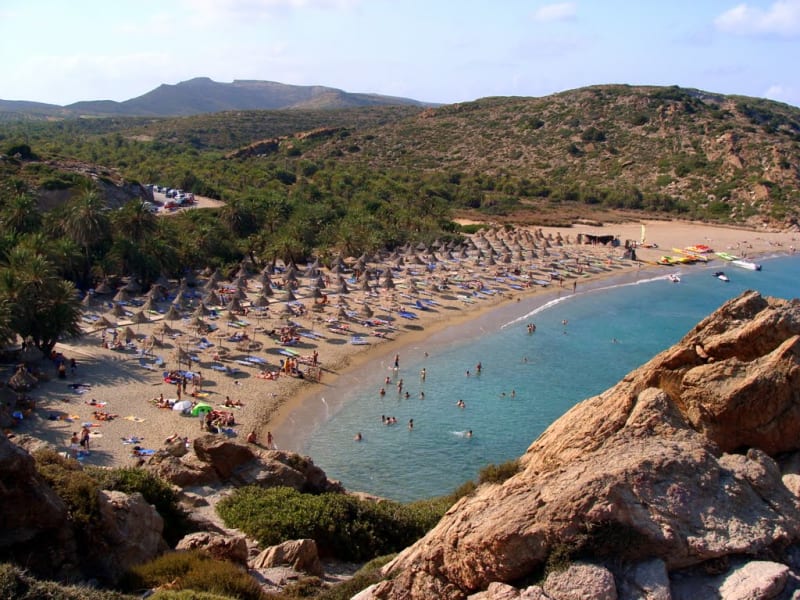
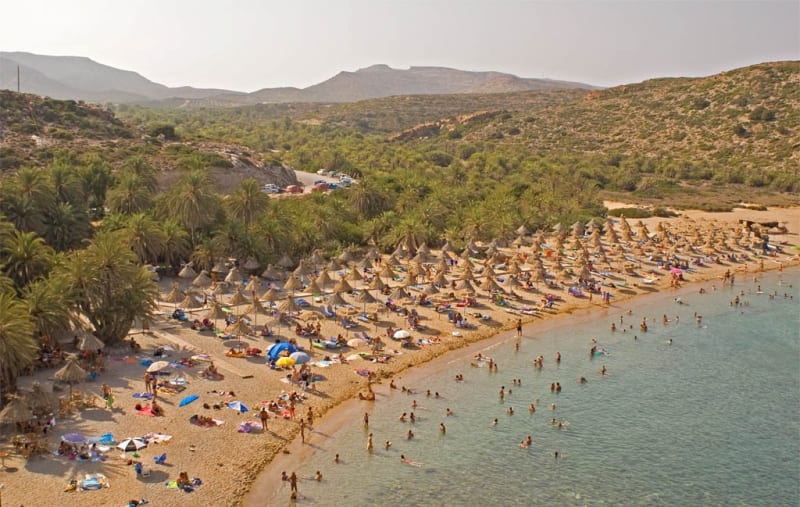
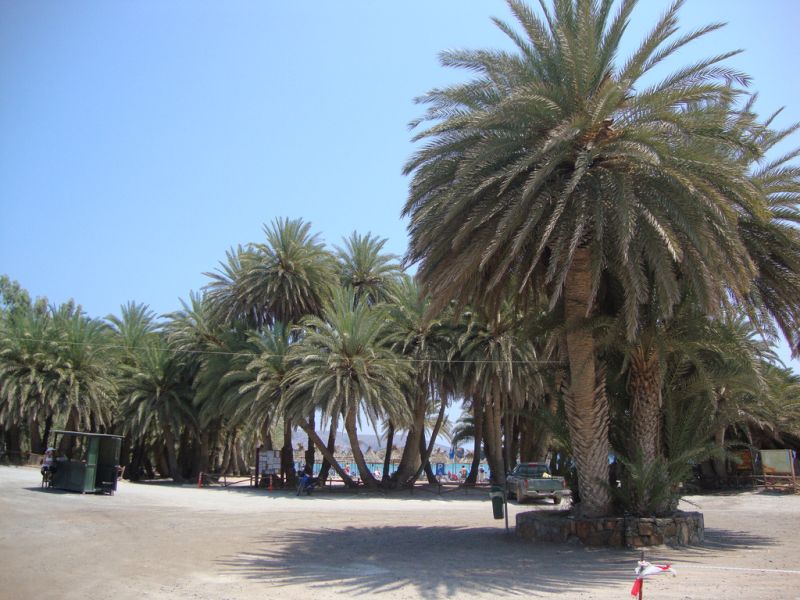
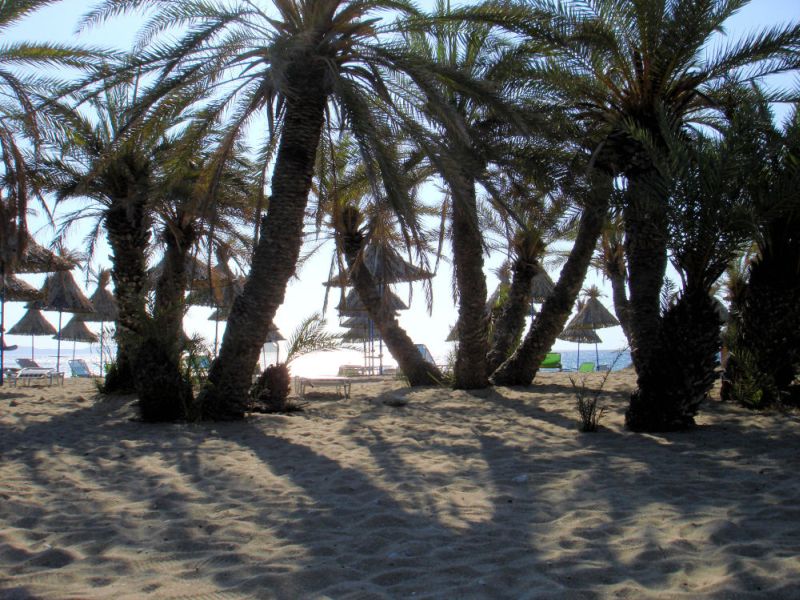
A sandy beach lies directly in front of the palm forest. Pale sand, clear water and palm trees create one of the most recognisable landscapes in eastern Crete. During the tourist season, organised beach facilities and visitor services may be available, although their operation depends on the time of year.
The beach can be crowded in midsummer, so arriving in the morning is a good way to enjoy a quieter visit. Swimming conditions depend on wind and waves, so pay attention to local warnings and the state of the sea.
Legends and Nature Protection
A popular legend says that the palms grew from date stones discarded by ancient sailors. Different versions mention Phoenicians or other travellers, but this story is not a scientifically established explanation for the grove’s origin. Theophrastus’s palm is a native species of the region.
Vai is protected because of its rare vegetation and the combination of forest, wetland and coastal habitats. Do not light fires, leave rubbish, damage plants or enter restricted areas. Stay on permitted paths and help preserve this fragile ecosystem.
Places to Visit Nearby
North of Vai are the archaeological remains of ancient Itanos, a settlement connected with maritime trade. Toplou Monastery is another worthwhile stop, while the town of Sitia offers a waterfront promenade and local tavernas. Check current access hours before visiting archaeological sites.
Best Time to Visit
Spring is pleasant for walking, early summer combines forest visits with swimming, and September can offer warm weather with less intense heat than midsummer. July and August are usually the hottest and busiest months.
How to Get There
The easiest way to reach Vai is by car from Sitia, following the road towards Palekastro and Vai. The drive usually takes around 30–45 minutes, depending on the route and road conditions. Parking can be limited during busy periods, and public transport schedules should be checked in advance.
Bring drinking water, a hat, sunscreen and comfortable shoes. Vai combines rare native palms, a beautiful beach and cultural attractions, making it a memorable stop on a trip around eastern Crete.
Gallery