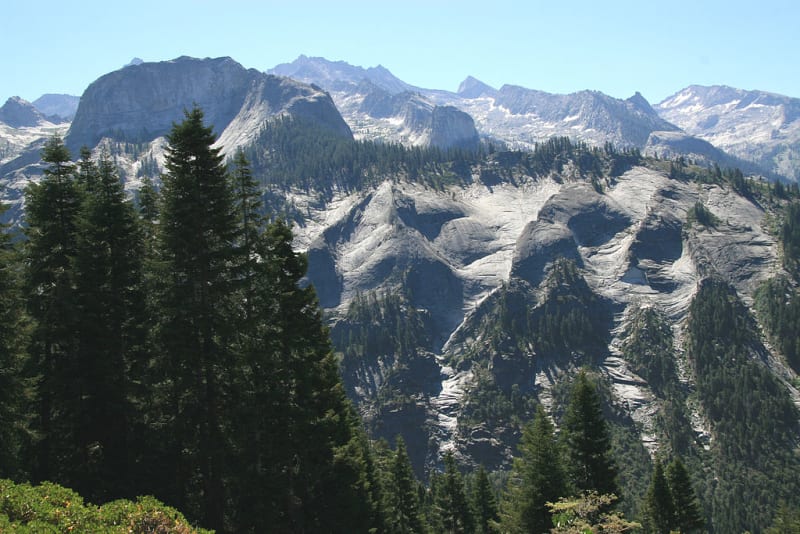
Sequoia National Park lies in the southern Sierra Nevada of California, United States. It is renowned for its giant sequoias, high mountain peaks, deep canyons, granite formations, and varied landscapes. Its most famous landmark is the General Sherman Tree, considered the largest living tree in the world by volume.
Established on September 25, 1890, the park became the second national park in the United States after Yellowstone. It was among the earliest protected areas created specifically to conserve giant sequoias. Today, Sequoia and neighboring Kings Canyon National Parks are managed together to protect the distinctive ecosystems of the western Sierra Nevada.
Giant Sequoias and Giant Forest
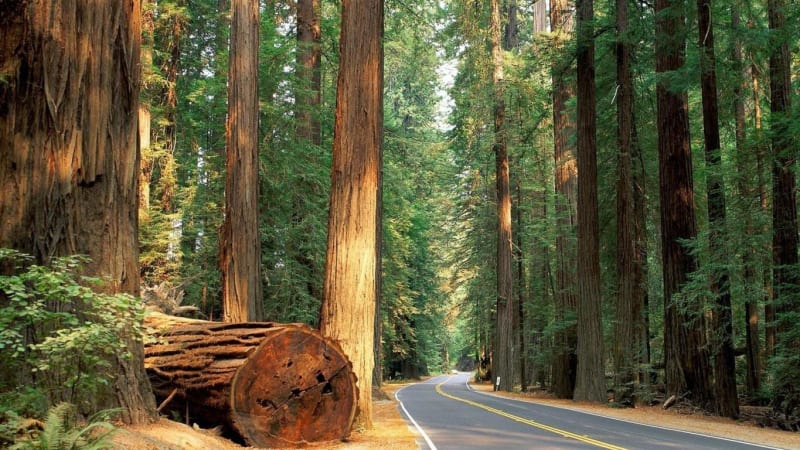
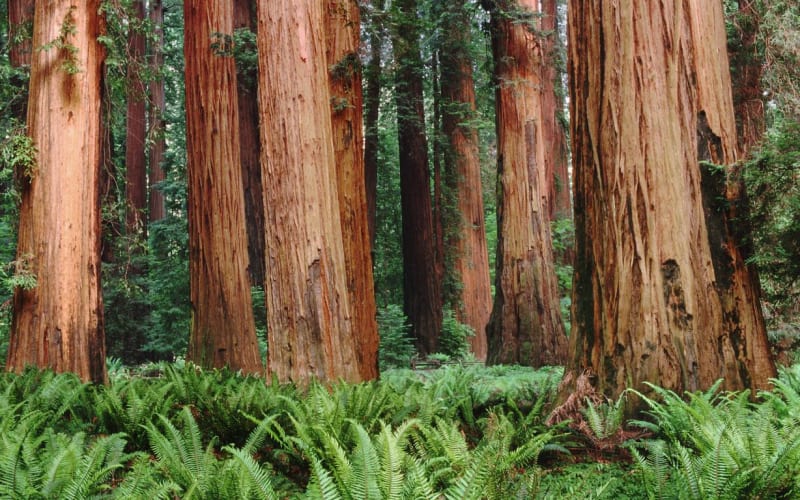
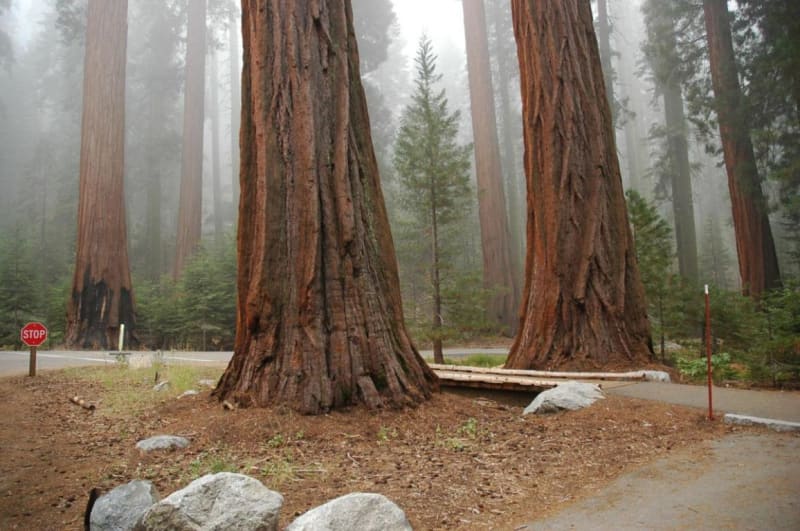
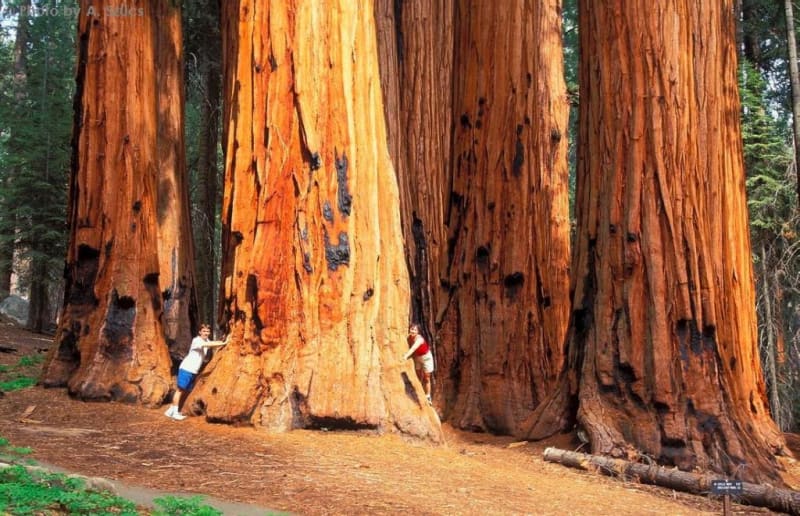
One of the park’s best-known areas is Giant Forest, home to numerous giant sequoias that can grow to immense sizes and live for thousands of years. Their enormous trunks are covered in thick reddish-brown bark, and their crowns rise high above the surrounding forest.
Giant sequoias are among the most massive trees on Earth. Their thick bark helps them withstand moderate fires, while fire also plays a role in the natural regeneration of their habitat. Park managers use prescribed burning and other forest-management techniques to support ecological processes and reduce the risk of destructive wildfires.
The General Sherman Tree
The park’s best-known symbol is the General Sherman Tree. It stands about 84 meters tall, and its trunk volume is estimated at approximately 1,487 cubic meters. By volume, it is considered the largest living tree in the world. Its age is estimated at roughly 2,200 years.
A maintained walking trail leads through the giant sequoia forest to the tree. Interpretive signs along the way explain sequoia biology and the history of conservation. The main trail is about 800 meters one way and descends toward the tree, making the return journey uphill. Visitors should stay on marked paths to protect the tree’s roots and surrounding soil.
Moro Rock
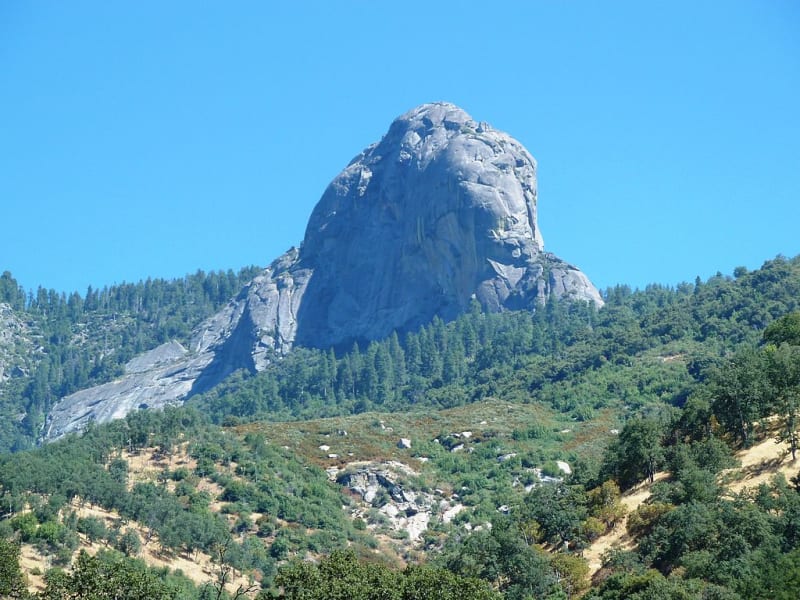
Moro Rock is a prominent granite dome offering panoramic views of the Sierra Nevada ranges, forests, and valleys. A staircase of more than 350 steps leads to the summit. The climb is steep, and some sections run close to exposed drop-offs, so visitors should proceed carefully and supervise children.
On clear days, the summit provides views of the Great Western Divide. Access can vary with the season, road conditions, and weather. In winter, ice and snow may make the steps dangerous.
Meadows, Waterfalls, and Hiking Trails
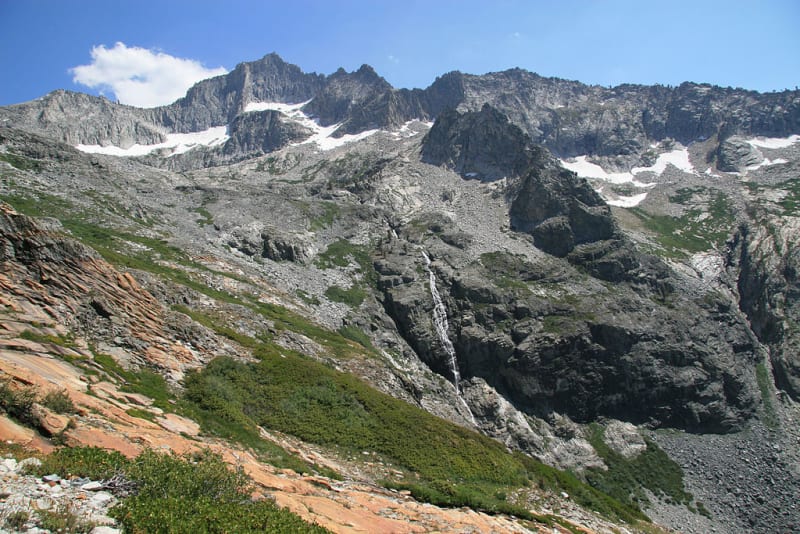
Beyond its famous trees, the park features mountain meadows, streams, waterfalls, and trails of varying difficulty. Crescent Meadow is a popular scenic meadow surrounded by sequoias. Visitors can walk among towering trees, watch birds, and sometimes spot local wildlife.
The Big Trees Trail offers an accessible introduction to the forest and its ecology. Longer hikes lead to mountain lakes, streams, and viewpoints. Before setting out on a longer route, consider the distance, elevation gain, seasonal restrictions, and your fitness level.
Crystal Cave
Another natural attraction is Crystal Cave, a marble cavern with underground chambers, passages, and mineral formations. Its features have been shaped by water and geological processes over long periods. Visits take place on guided tours because the fragile cave environment requires special protection.
Access is seasonal, and the road or tours may close for construction or due to weather. Check the current schedule before traveling and book tickets in advance when tours are available. The cave remains cool even in summer, so bring an extra layer of clothing.
Wildlife and Natural Zones
The park spans several ecological zones. The foothills include oak woodlands, chaparral, and riverside habitats. Higher elevations contain conifer forests, meadows, and mountain environments with harsher conditions. These changes in elevation support a wide range of plants and animals.
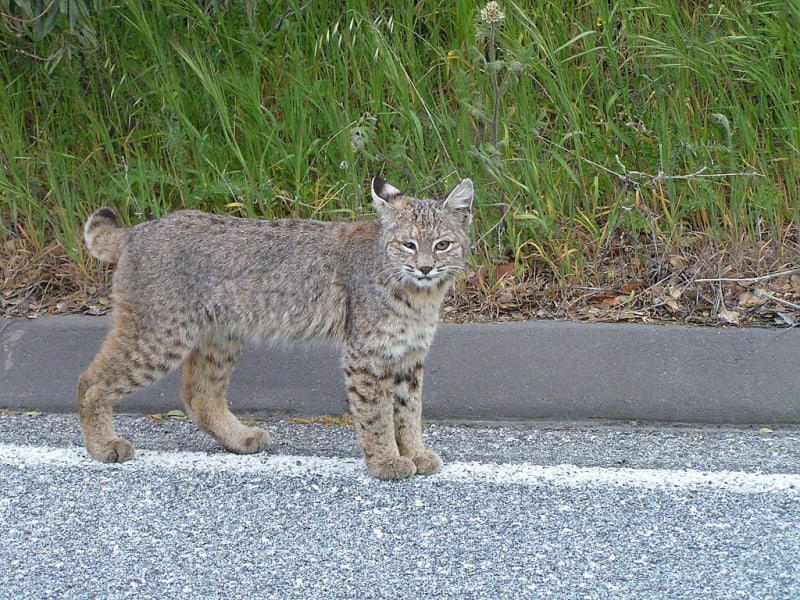
Black bears, deer, marmots, squirrels, many bird species, and other California wildlife live in the park. Food and rubbish must be stored in designated containers. Feeding wild animals is prohibited because it can endanger both visitors and wildlife.
Best Time to Visit
Summer is generally suitable for exploring Giant Forest, visiting viewpoints, and hiking popular trails. In spring, seasonal changes in vegetation and streams are especially noticeable in lower areas, while autumn brings quieter colors to the forests and mountain slopes.
In winter, some roads and trails may close because of snow and ice. Even during warmer months, temperatures at higher elevations can differ considerably from conditions near the park entrance. Check official road and trail updates before your trip.
How to Get to Sequoia National Park
The main approach is through the area around Three Rivers, California. From there, Generals Highway climbs through the foothills toward Giant Forest and the park’s principal attractions. Because of the mountainous terrain, driving across the park takes longer than distances on a map might suggest.
A car is the most convenient way to explore the area. The park has visitor centers, picnic areas, campgrounds, hiking trails, and lodging in selected districts. Allow at least one full day to see the main highlights, and more time if you plan longer hikes or visits to remote areas.
Practical Tips for Visitors
Before your visit, check road and trail conditions on the official Sequoia and Kings Canyon National Parks website. Bring water, sturdy footwear, layers for changing weather, and enough time for travel between areas. Physical exertion can feel harder at elevation, and exposed viewpoints can be windy.
Protect the environment by taking rubbish with you, leaving plants undisturbed, staying on designated trails, and keeping a safe distance from wildlife. Sequoia National Park is both a remarkable place to see some of the planet’s largest trees and an important conservation area in the Sierra Nevada.
Gallery