Cologne Cathedral is a famous Gothic church in the centre of Cologne, close to the Rhine. Its twin spires, intricate stone façades and enormous stained-glass windows form one of Germany's most recognisable urban skylines. Dedicated to Saint Peter, it is an outstanding monument of European architecture and became a UNESCO World Heritage Site in 1996.
History of construction
Christian churches stood on this site as early as the early Middle Ages, when Cologne was an important religious and trading centre. Construction of the present Gothic cathedral began on 15 August 1248. One major reason for the project was to provide a worthy setting for the relics of the Three Magi, which church tradition says were brought from Milan to Cologne in 1164.
Building progressed in stages. The choir and much of the eastern section were completed during the Middle Ages, but work slowed in the 15th and 16th centuries and eventually almost stopped. Interest in Gothic architecture revived in the 19th century. Construction resumed in the 1840s, and the cathedral was ceremonially completed in 1880. More than six centuries separated the beginning and completion of the project, although work was not continuous.
Gothic architecture
The cathedral is a five-aisled Gothic basilica with a projecting transept and a high choir. Pointed arches, ribbed vaults and external flying buttresses made it possible to build high walls with large windows. The façades are decorated with sculptures, reliefs, ornamental turrets and intricate stonework.
The western towers rise to approximately 157 metres and have become a symbol of Cologne. Despite its enormous scale, the building retains a sense of lightness through its vertical lines and numerous openwork details.
Interior and stained glass
Inside, visitors enter a lofty central nave framed by slender columns. The stained-glass windows depict biblical stories, saints and symbolic compositions. Sunlight passing through the coloured glass casts changing patterns of colour across the stone surfaces.
The cathedral preserves many works of religious art, including the monumental Gero Cross from the late 10th century, historic altarpieces, sculptures and the tombs of archbishops. These objects illustrate the changing artistic styles and religious traditions of different centuries.
The Shrine of the Three Magi
One of the cathedral's most important treasures is the Shrine of the Three Magi, located near the choir. This richly decorated reliquary dates from the 12th and 13th centuries and is considered one of Europe's outstanding examples of medieval goldsmithing. According to Christian tradition, it contains relics associated with the wise men who came to worship the infant Jesus.
The veneration of these relics made Cologne a major pilgrimage centre in medieval Europe. It encouraged the city's growth and was one of the reasons for building such a monumental Gothic church.
The treasury and tower
The cathedral treasury displays reliquaries, liturgical vessels, vestments, crosses, sculptures and historical objects. The collection is housed in medieval vaulted rooms dating from the 13th century beneath the northern part of the cathedral complex.
Visitors can also climb one of the cathedral towers by staircase. The viewing area offers views of the historic centre, the Rhine, bridges and surrounding districts. Access depends on opening hours, weather and current visitor rules.
Cologne Cathedral and UNESCO
During the Second World War, Cologne suffered extensive bombing. The cathedral was also damaged, but its main structure survived. Repairs and long-term restoration began after the war and continue today, protecting the stonework, windows and decorative features.
UNESCO inscribed the cathedral in 1996 in recognition of its exceptional architectural value, artistic treasures and importance to the history of European Christianity. It remains an active Catholic church, so tourist visits may be restricted during religious services.
Nearby attractions
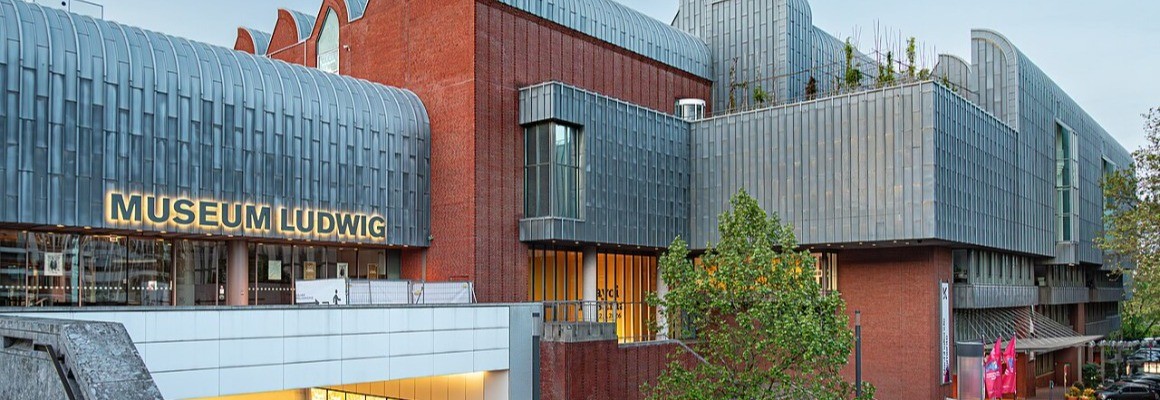
The cathedral stands beside Cologne's main railway station and the historic city centre. Nearby are the Rhine promenade, the Old Town, Museum Ludwig and Hohenzollern Bridge, famous for its love locks. A walk through the centre reveals historic squares, traditional buildings and restaurants serving regional cuisine.
Best time to visit
Spring and summer bring many visitors, while long daylight hours make it easy to combine the cathedral with a walk along the Rhine. In autumn, softer light highlights the Gothic details. In winter, the cathedral looks particularly striking among festive illuminations and nearby Christmas markets.
How to get there
Cologne Cathedral stands directly beside Köln Hauptbahnhof, the city's main railway station. It is easy to reach by train from other German cities and neighbouring countries. The walk from the station to the entrance takes only a few minutes. Cologne also has trams, buses and suburban rail services.
Practical tips
Allow at least an hour to explore the main interior, and more time if you plan to visit the treasury and climb the tower. Check the official website before travelling for current opening times and ticket rules. Since 1 July 2026, a ticket has been required for tourist visits to the cathedral interior; arrangements for prayer and religious services are different.
Cologne Cathedral combines remarkable Gothic architecture, centuries of history, important works of art and significant Christian relics. It is one of Germany's most important landmarks and an essential stop for anyone exploring Cologne.
Gallery