Hohenzollern Castle is a striking fortress on the summit of Mount Zollerberg in Baden-Württemberg, southern Germany. Its towers, battlements, courtyards and Neo-Gothic façades create the image of a fairy-tale medieval castle. It is closely associated with the House of Hohenzollern, the dynasty that produced Prussian kings and German emperors.
History of the castle
The fortress has medieval origins. The first castle served as a fortified residence of the Hohenzollern family and helped control the surrounding area. It was destroyed in the 15th century after a siege. A second fortress was built on the site but gradually fell into decline.
In the 19th century, King Frederick William IV of Prussia initiated the construction of the present castle. Work began in 1850 and was completed in 1867. The architects combined a romantic vision of a medieval fortress with Neo-Gothic design. The current building is therefore not an entirely preserved medieval structure, but a 19th-century creation on a historic site.
Architecture
Perched on a mountain summit, the castle can be seen from far away thanks to its towers, spires, battlements and fortified gateways. Inside the walls are courtyards, formal rooms, chapels and museum spaces. The pale stone walls stand out against the wooded slopes of the Swabian Jura.
The House of Hohenzollern
The House of Hohenzollern played a major role in Central European history. One branch became the foundation of the Prussian royal dynasty. In 1871, the Prussian king Wilhelm I became the first German emperor of the unified German Empire. The monarchy ended in 1918.
The castle on Mount Zollerberg became a symbol of the family's origins and historical continuity. Its 19th-century reconstruction reflected the period's fascination with medieval history, chivalric legends and national heritage.
Interiors and collections
The castle's interiors include rooms associated with the Prussian royal family and the House of Hohenzollern. Exhibitions feature works of art, historical documents, personal belongings and commemorative objects. The selection and accessibility of individual rooms may vary depending on exhibitions and visitor arrangements.
Chapels and formal halls reveal aspects of family religious traditions and court culture. Together, these spaces highlight the castle's dual role as a dynastic symbol and a place of historical memory.
Views and landscape
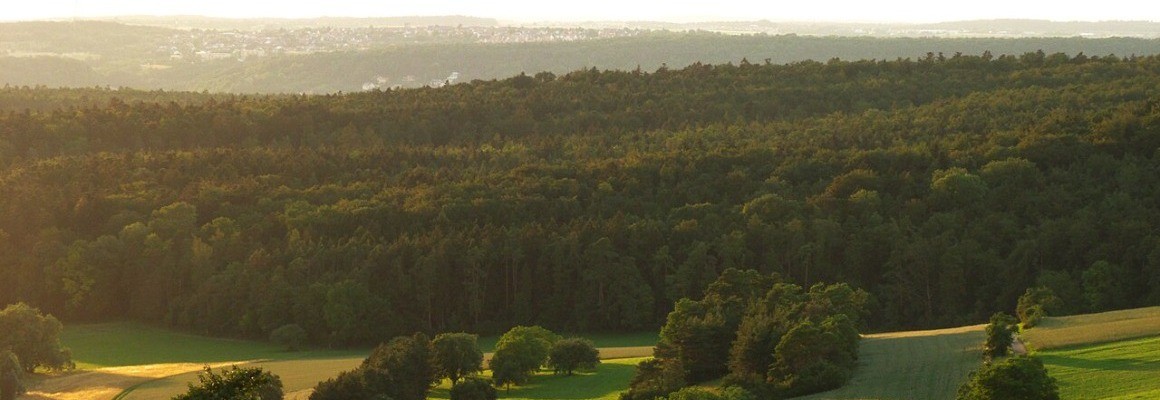
Its elevated position provides views across the Swabian Jura and the surrounding hills. In summer, the slopes are green; in autumn, they turn golden and red; in winter, the towers may emerge from snow and mist. Mountain weather can change quickly, so clear views are not guaranteed.
Best time to visit
Spring brings fresh greenery, summer is convenient for sightseeing, and autumn offers colourful landscapes. In winter, the castle can look especially romantic, although cold, wind and slippery paths may make a visit more difficult. Check opening times and any restrictions before travelling.
How to get there
The castle is located near the town of Hechingen, south of Stuttgart. The region can be reached by train or car, followed by local transport or a taxi. Parking areas are available near the foot of the mountain. Depending on current arrangements, visitors may take a shuttle for part of the ascent and walk the remaining section.
Practical tips
Allow several hours to explore the castle. Comfortable shoes are useful on slopes, stairs and stone paths. Even in summer, bring a light jacket because the summit can be cool and windy. Before visiting, check which rooms are open and whether photography is permitted inside.
Why visit
Hohenzollern Castle combines distinctive architecture, the history of an influential European dynasty and a dramatic mountain setting. Visitors can learn about Prussian history, explore historic interiors and enjoy views across southern Germany. Although the present castle dates from the 19th century, it captures the romantic vision of the Middle Ages that inspired its creators.
Gallery