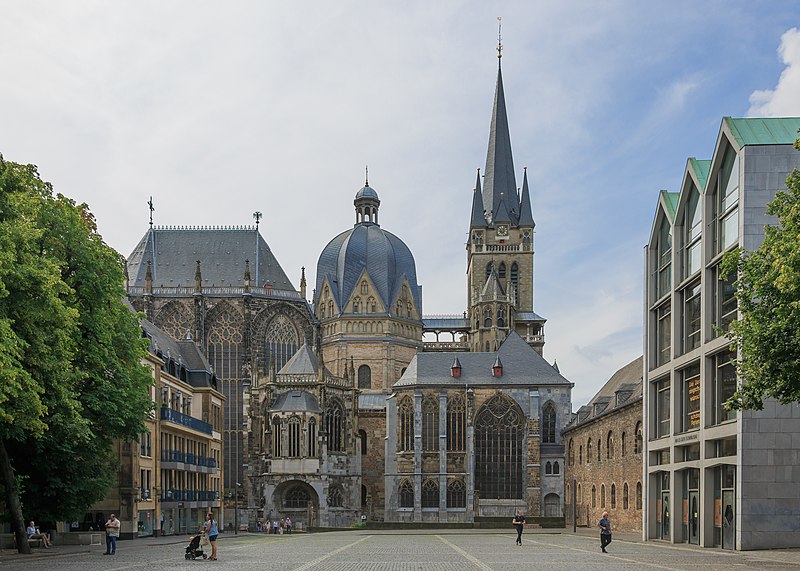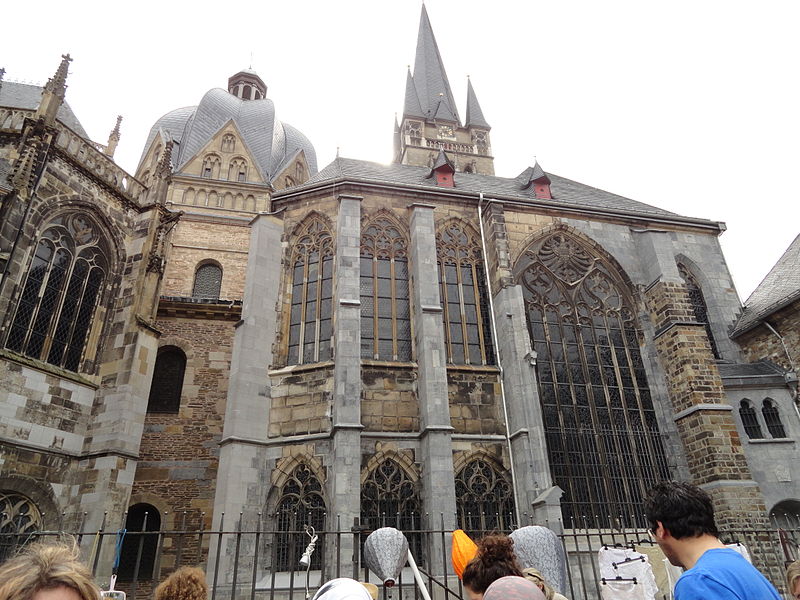

The Aachen Cathedral (Imperial) in Germany is a unique structure combining the classics of Eastern Roman art and Franco-German architecture. The cathedral is a kind of gift to the city from the powerful rulers of the Holy Roman Empire, where their coronations took place until the 16th century. There are always many tourists here who are attracted by ancient legends and great Christian shrines. In 1978, the building was added to the list of World Heritage Sites.
Briefly about the history of the Aachen Cathedral
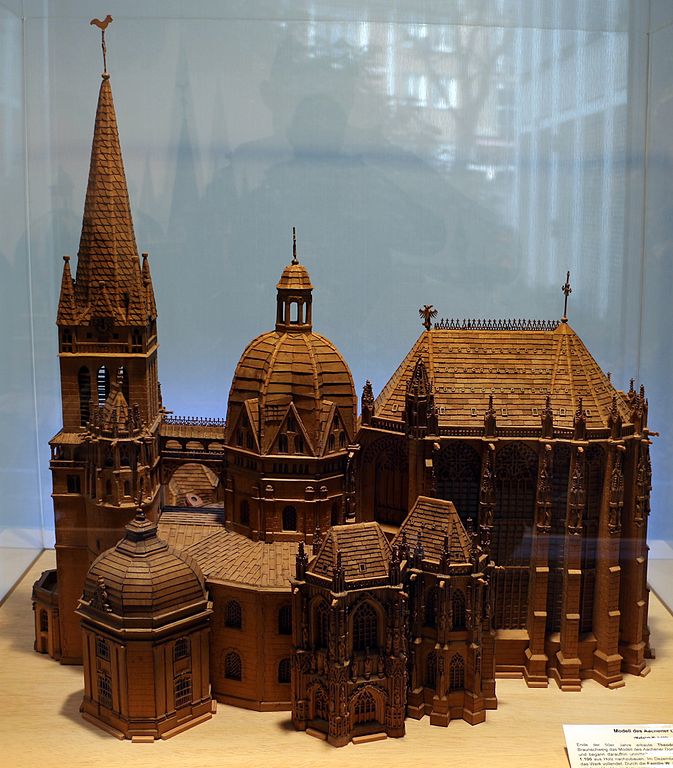
Today, Aachen is one of Germany's scientific and educational centers, and almost a quarter of its residents are students. Fifteen hundred years ago, it was the residence of the Frankish kings. In 796, by decree of Charlemagne, the Palatine Chapel was erected, which became the tomb of the ruler. The best architects of Italy and Byzantium were called in for the construction. It is an octagonal building in the Byzantine style combined with Gothic elements. Later, numerous additions were made to the chapel, which shaped the modern look of the Aachen Cathedral.
Among the relics of the temple are the dress of the Virgin, the veil of the Infant Jesus and the belt in which Christ was crucified. The shrines were brought from the East at the end of the penultimate millennium. It is impossible to establish the authenticity of the antiquities, but their importance to Christians is enormous - people cannot live without faith.
Every seven years, holy relics and other objects are brought to the historic Kachhof square for detailed inspection in front of believers and tourists. The event takes several days and is accompanied by lectures and prayer services for representatives of different faiths.
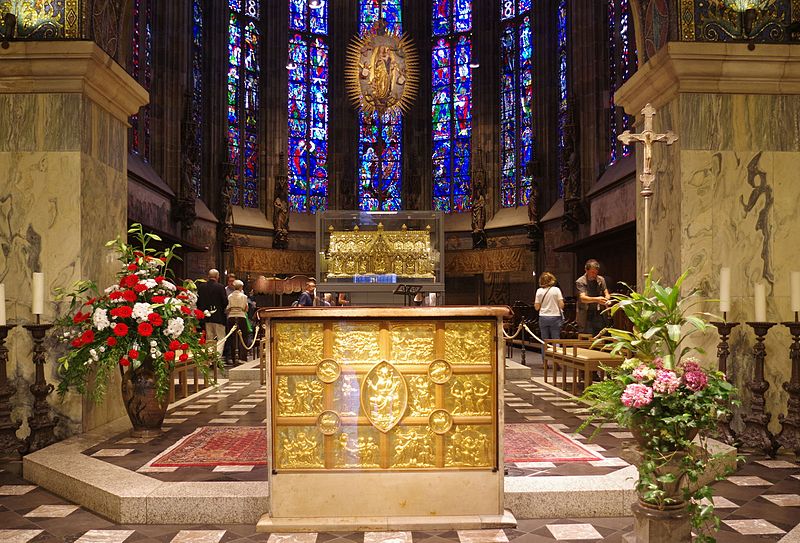
According to legend, when the tomb of Charles was opened in 1100, they saw the incorruptible emperor sitting on the throne with a crown on his head and a scepter in his hands. Later, the king's ashes were repeatedly opened and reburied. Today he rests in a small sarcophagus made of gold and precious stones. Emperor Frederick Barbarossa insisted on the canonization of the monarch. After that, Aachen became a place of pilgrimage. Over the centuries, the cathedral has been rebuilt many times, and the modern appearance of the complex was decorated as a result of the restoration of the late 19th century, carried out under the patronage of Kaiser Wilhelm I. Currently, worship services and guided tours are held in the building.
Legends of the Aachen Cathedral
It is believed that the construction of the grandiose Aachen Cathedral was not complete without the help of otherworldly forces. A local legend says that the money had to be borrowed from the devil himself on the condition that the soul of the first one who entered would be given to him. The savvy builders let the wild wolf in first, after ringing the alarm. The evil one immediately clung to the unfortunate animal. And when he realized that he had been deceived, he scratched the front door. These cracks are still being shown to tourists today, however, each guide reinterprets the legend in his own way. Grateful townspeople later erected a monument to the wolf.
Interior
The interior is decorated with sculptures of kings - Charles himself, the Hungarian ruler Istvan, who encouraged pilgrimages to Aachen. A notable gift to the temple from Frederick the Red-Bearded is a huge bronze chandelier. The forged product with a diameter of 4.5 meters still performs its functions. The throne of Charlemagne has been preserved, the seat is made of marble and precious metals. From time to time, a children's choir is engaged in the Aachen Cathedral, exhibitions are organized, and souvenir shops are available. Original darkened stained glass windows, painted ceilings, mosaics, spiral staircases create a unique atmosphere of a thousand years of antiquity. That is why the place is visited annually by almost 1.5 million tourists.
Gallery