Bavarian Forest National Park is one of Germany’s best-known protected natural areas. It lies in eastern Bavaria along the Czech border. Established in 1970, it was the first national park in Germany. Together with the neighbouring Šumava National Park in the Czech Republic, it forms a large protected landscape in Central Europe where forests are allowed to develop largely through natural processes.
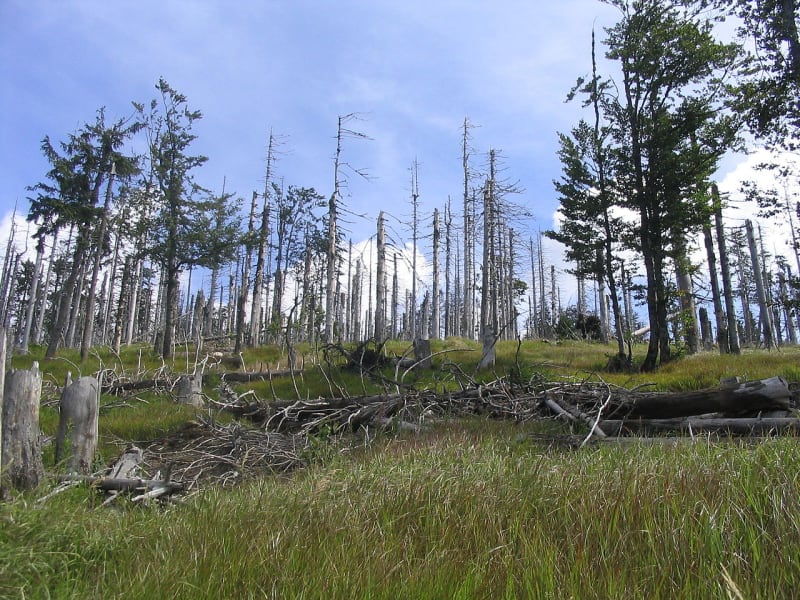
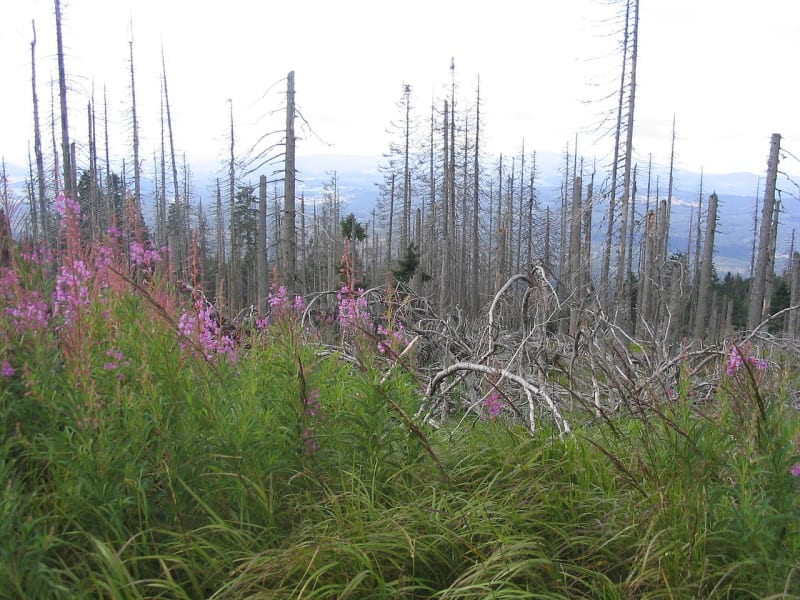
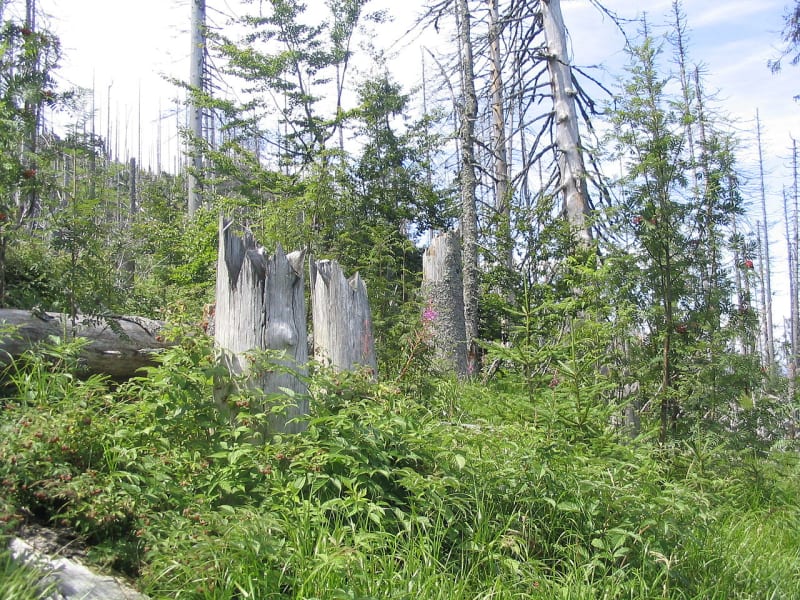
The park’s guiding principle is to let nature take its course. Across much of the area, fallen trees are left where they lie, young plants grow freely, and the forest regenerates without intensive human intervention. Visitors can observe how a forest ecosystem changes over time and experience nature in a state close to its own rhythms.
Forests, mountains and landscapes
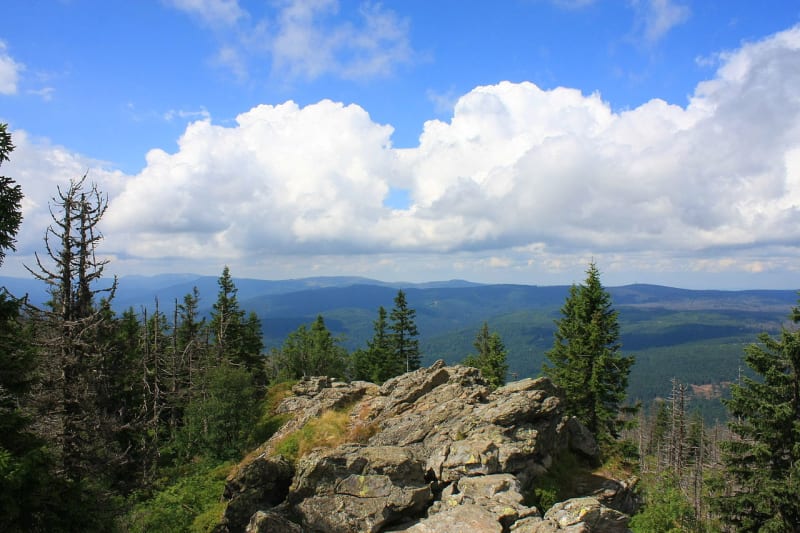
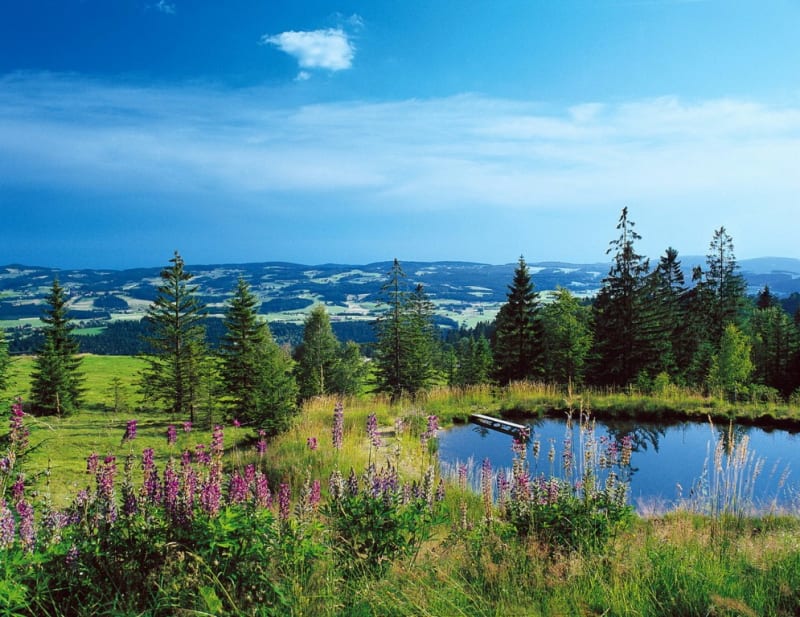
The park covers part of the Bavarian Forest mountain range and contains a varied mix of landscapes. Dense spruce and beech forests surround mountain streams, peat bogs, rocky areas and open summits. Conditions become cooler at higher elevations, and the vegetation changes with altitude and local conditions.
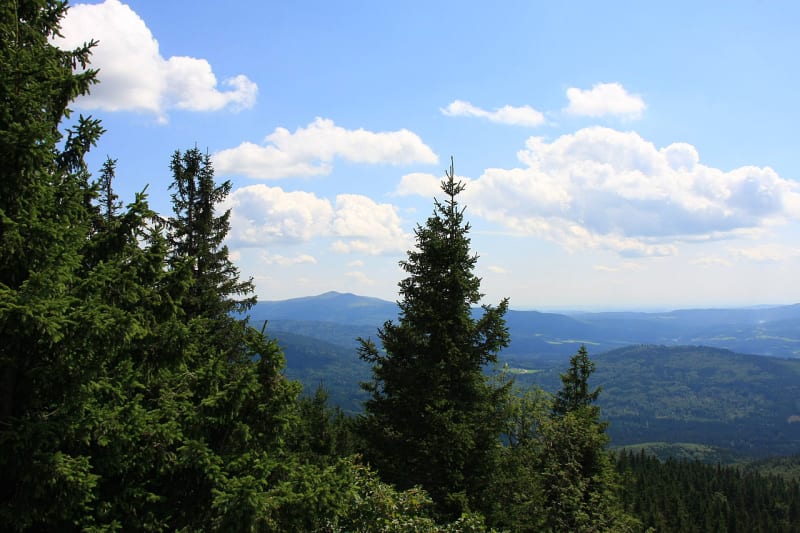
Some of the best-known peaks are Großer Falkenstein, Lusen and Großer Rachel. At about 1,453 metres, Großer Rachel is the second-highest mountain in the Bavarian Forest. Hiking trails offer views across wooded ridges, and on clear days visitors can see broad stretches of the national park and neighbouring mountain areas.
Wildlife
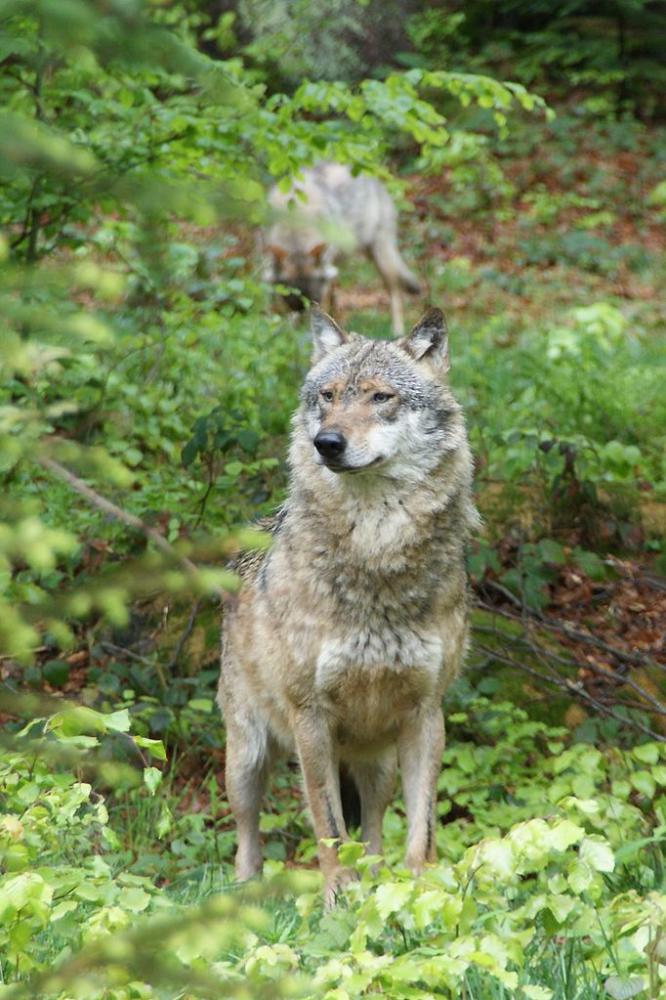
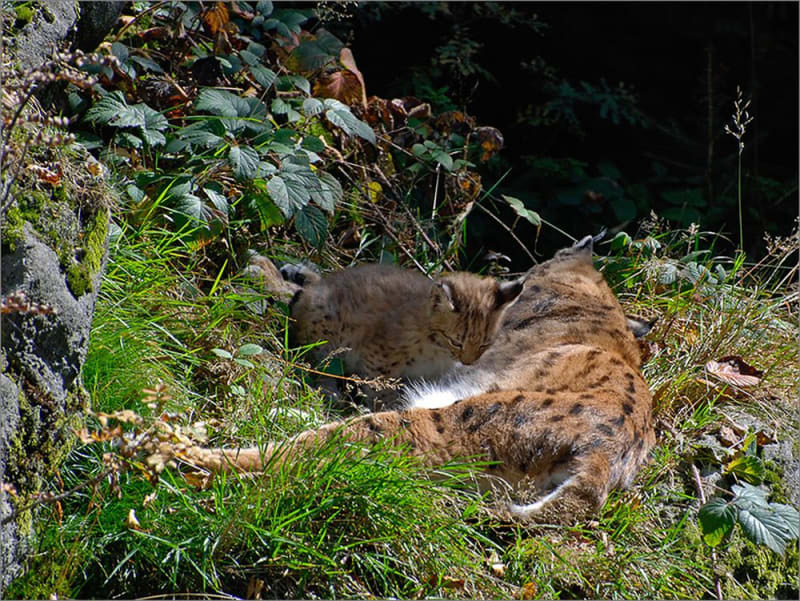
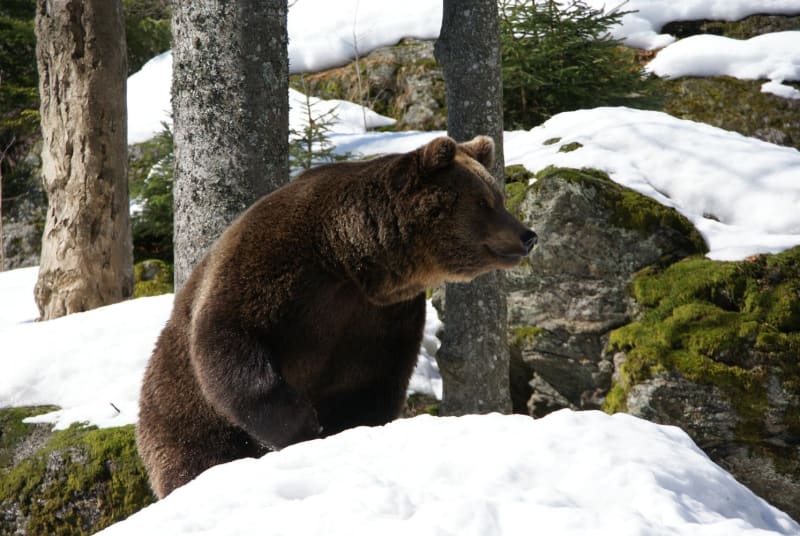
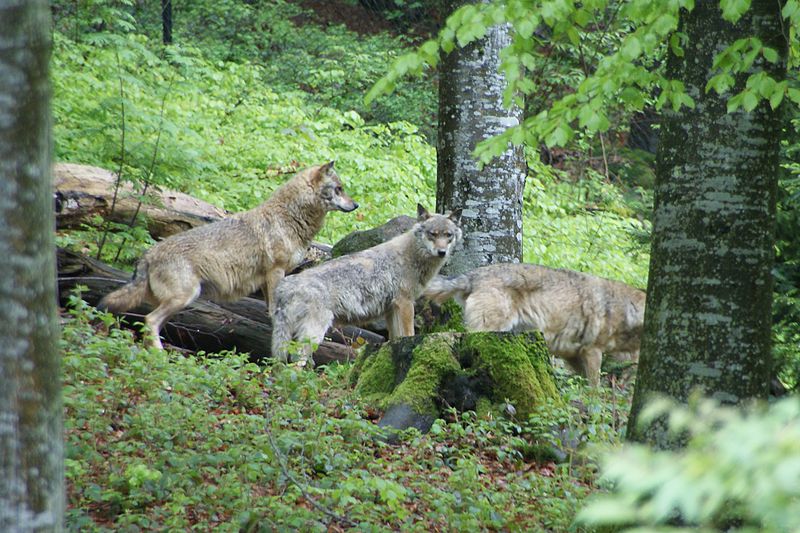
The national park provides habitat for many animals typical of Central European forests. Red deer, roe deer, foxes and numerous small mammals live here. Particularly notable species include the lynx, which has returned to the region after a long absence, as well as capercaillies and several owl species.
Old trees and deadwood are especially important because they provide habitats for insects, fungi, birds and small animals. Natural processes such as falling trees and decaying wood help maintain biodiversity and support the resilience of the ecosystem.
Trails and walks
A network of hiking routes of varying difficulty allows visitors to explore the park. Options range from short forest walks to climbs to mountain summits and full-day hikes. Popular areas include Lusen and Großer Rachel, as well as routes near lakes and woodland streams. Check current trail conditions before setting out, as mountain weather can change quickly.
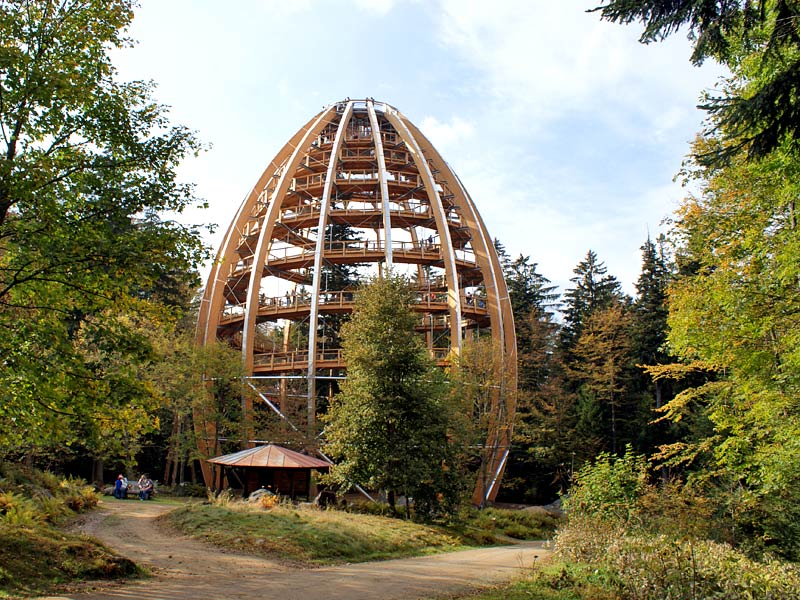
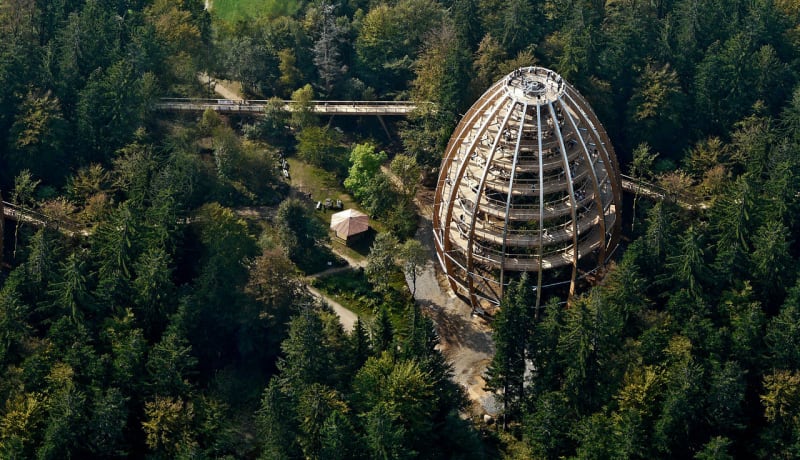
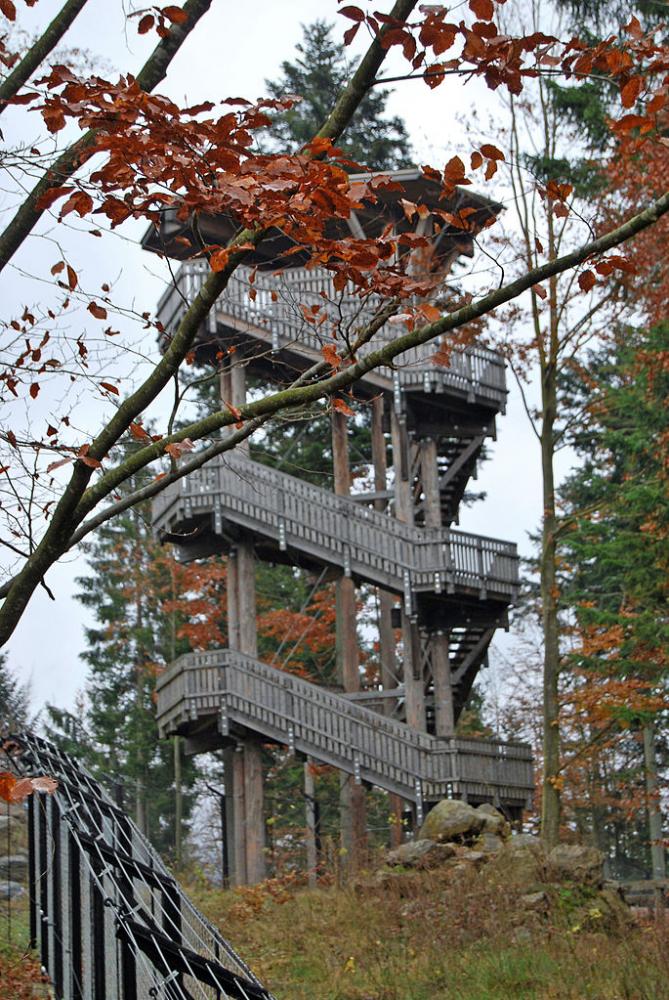
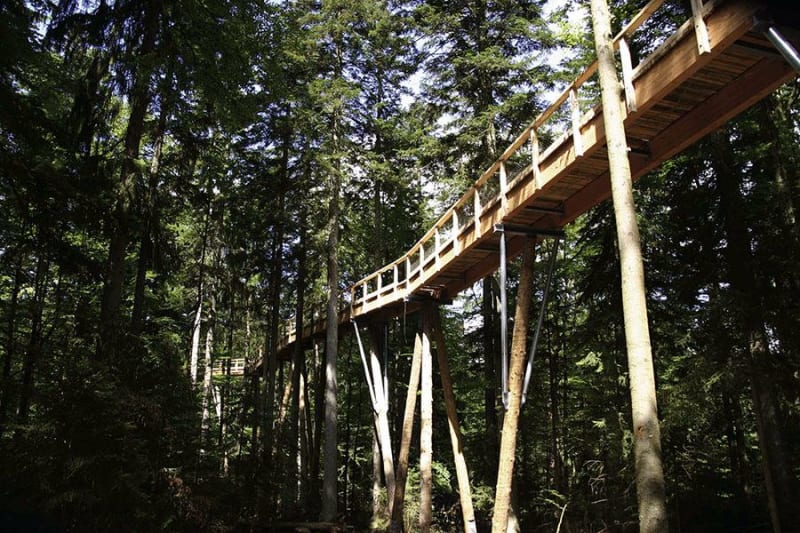
One of the best-known family attractions is the treetop walkway near Neuschönau. This elevated wooden structure passes above the forest and ends at a viewing platform with panoramic views of the surrounding mountains. The park also has visitor centres and nature exhibitions where guests can learn about forest ecology and local wildlife.
When to visit
The national park is worth visiting throughout the year. In spring, birdsong returns to the forest and nature awakens after winter. Summer is ideal for hiking, while autumn brings golden and reddish colours to the slopes. In winter, snow and ice can make some routes more difficult, but the forest takes on a particularly quiet atmosphere.
Neuschönau, Grafenau and other towns in the region are convenient bases for exploring the park. Visitors can arrive by car or public transport, but it is best to check transport schedules and seasonal services in advance. Stay on marked trails, avoid disturbing wildlife and follow the rules that protect this natural area.
Why visit Bavarian Forest National Park?
Bavarian Forest National Park offers the chance to see how forests develop with minimal human intervention, enjoy mountain scenery and discover Germany’s natural heritage. It is suitable for short family outings as well as multi-day hikes. Its value lies not only in its beautiful landscapes but also in the opportunity to observe the natural processes that shape a living, constantly changing ecosystem.
Gallery