Horyuji Monastery
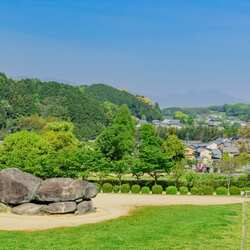
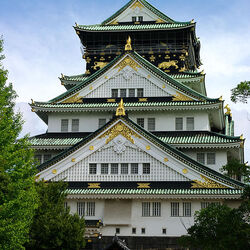
The Horyuji Monastery is located in Ikaruga, near Nara. The exact name is Horyu Gakumon-ji, the name of the complex translates as the Temple of the Prosperous Dharma. This is the first Buddhist temple in Japan and the oldest in the world, the wooden buildings of which have been preserved to the present day. However, only about 20% of the components of the structure are truly ancient.
The history of the Horyudzi Monastery
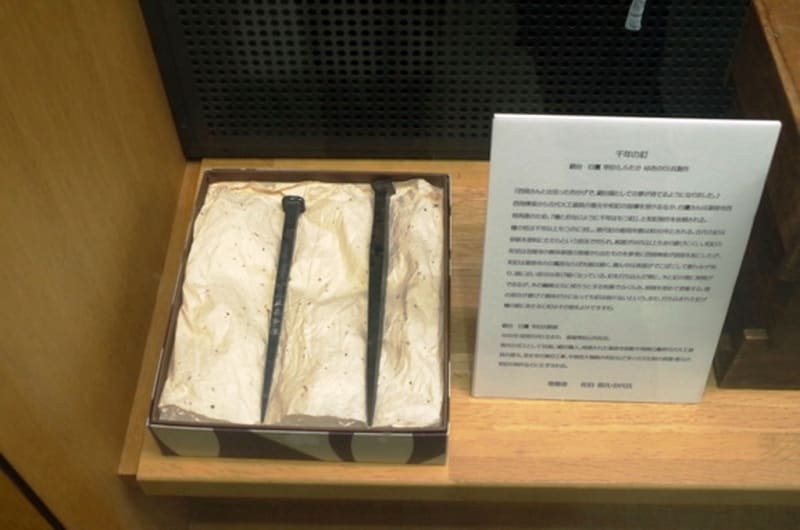
It was built in the middle of the 7th century by Korean craftsmen, the founders of the Kongo-gumi company. The carpenters were invited by Prince Regent Setoku. The Kongo-gumi company has specialized in the construction and repair of Buddhist temples for 14 centuries, and has recently become bankrupt. The construction of the Khoryudzi Monastery was completed in 607. The temple was named Ikaruga-dera. In 670, the temple burned down due to a lightning strike and a severe fire. By 700, it was completely restored. After losing power after being defeated by the Sogo clan, Setoku spent the rest of his days in the monastery he built studying Buddhist sutras.
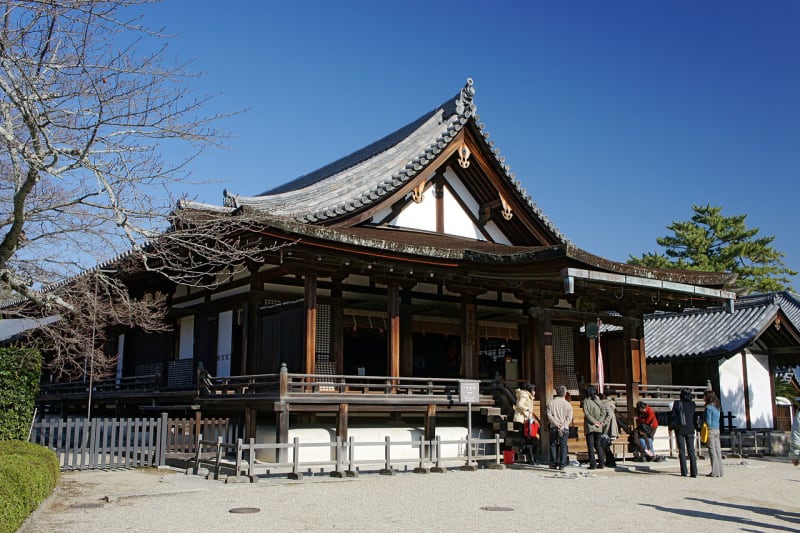
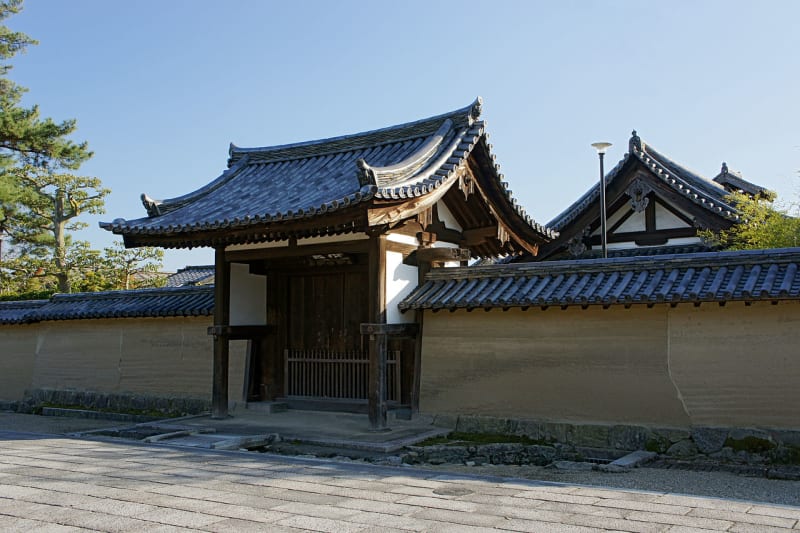
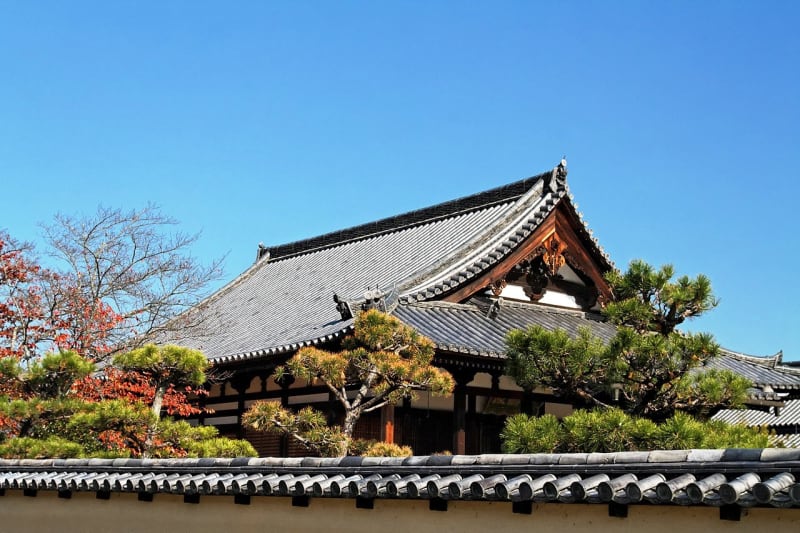
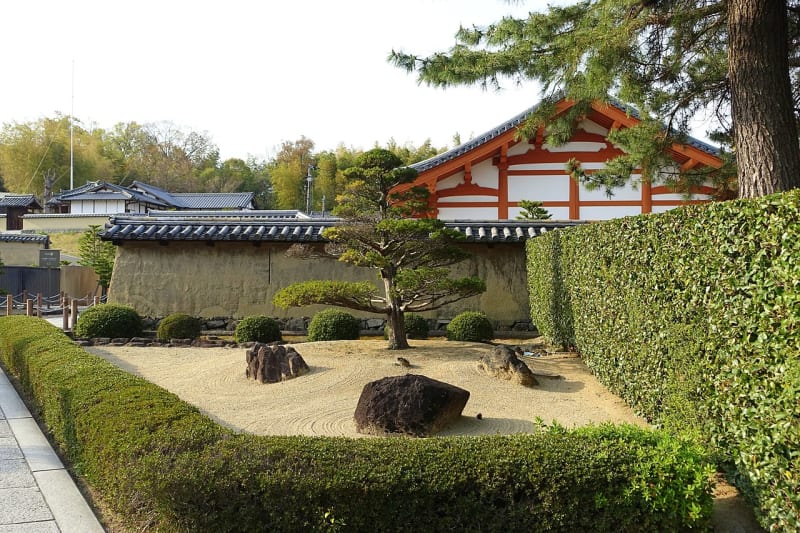
The Khoryudzi Monastery was severely damaged by fires more than once, but it was invariably restored, preserving its former appearance. The monastery complex is divided into two parts - the western and the eastern. There is a Kondo temple and a pagoda in the western part, and a Yumedono in the eastern part. The monks live in a dormitory, and they have libraries and refectory rooms at their disposal. The courtyard of the Khoryudzi Monastery can be accessed through the ritual gate. There are covered galleries around the perimeter of the courtyard. For the construction of temples, camphor wood was used, known for its durability, resistant to rot and the activity of natural pests. Due to the strength of the wood, some of the buildings have been preserved to this day.
Description of the Horyudzi Monastery
In the western part of the temple stands the Gonju-no-to pagoda, consisting of five tiers. Replicas of the pagoda are found in many Japanese Buddhist temples. The grandiose structure, which is 34 meters high, seems to float in the air, thanks to its precise proportions and wide roof removal. At the base of the pagoda is a huge stone hiding ancient relics. It is impossible to get to them without destroying the pagoda, so one has only to guess what is stored there, the pagoda was built in 700.
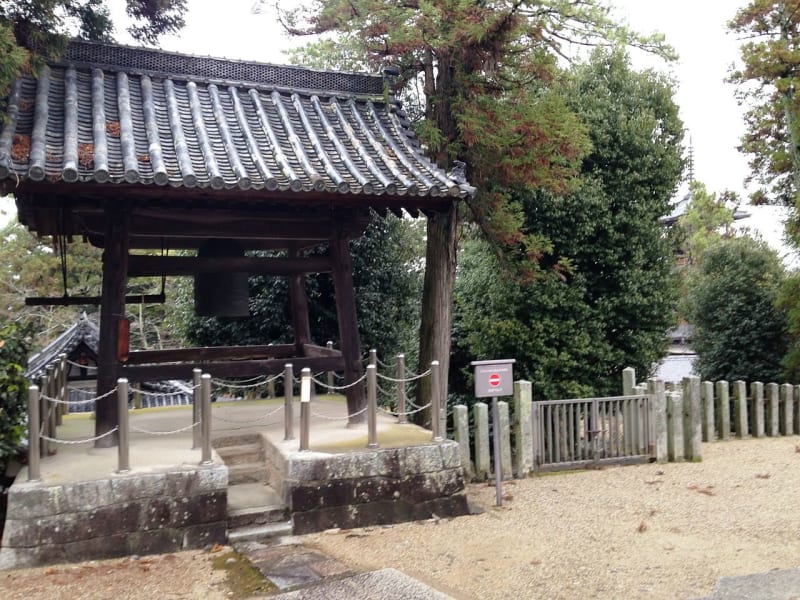
In the courtyard there is a giant log suspended on strong chains - an ancient kind of antiseismic mechanism that serves to balance the vibrations of the earth during earthquakes. Similar concrete devices are currently being installed in high-rise buildings in Japan. On the opposite side of the entrance is the Kondo Temple. In its main Golden hall stands a sculpture of Buddha Bhaishajyaguru, a Healer, made by one of the first famous Japanese sculptors, Tori-bussi. It was not damaged by fire in 670. Believers believe that by touching the statue of a deity, one can purify one's karma and be healed. The temple hall is huge, its area exceeds 280 square meters. The hall also houses the famous Syaka Triad.
During the war, the frescoes of the temple were seriously damaged by bomb explosions. They were restored from preserved drawings and photographs by experienced masters of wall painting. In the monastery complex to the east is the "Hall of Dreams" - Yumedono, where there is a statue of the goddess Guanyin-Kannon - mercy. It was in this Hall that Shotoku studied sacred Buddhist texts alone.
Pilgrims, tourists and visitors to the monastery can see the statue of the goddess only twice a year during solemn ritual ceremonies. It is believed that the soul of Prince Shotoku still resides in the Serein Hall, which is also located in the Horyuji Monastery. Since 1950, the temple has been owned by the Setoku-su school of Setoku worshippers. In 1993, the monastery was listed as a UNESCO World Heritage Site.