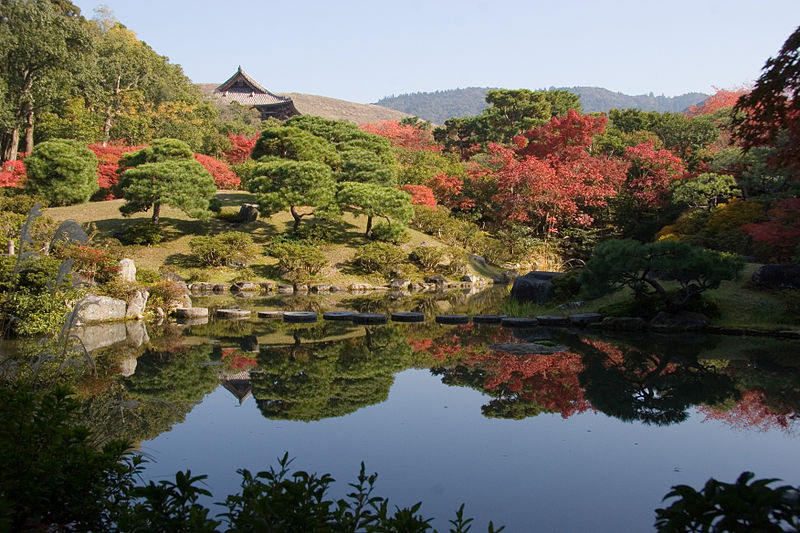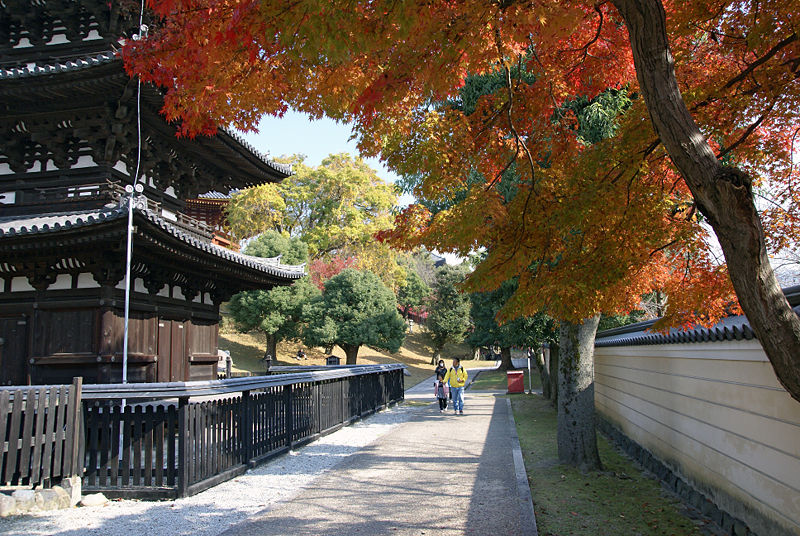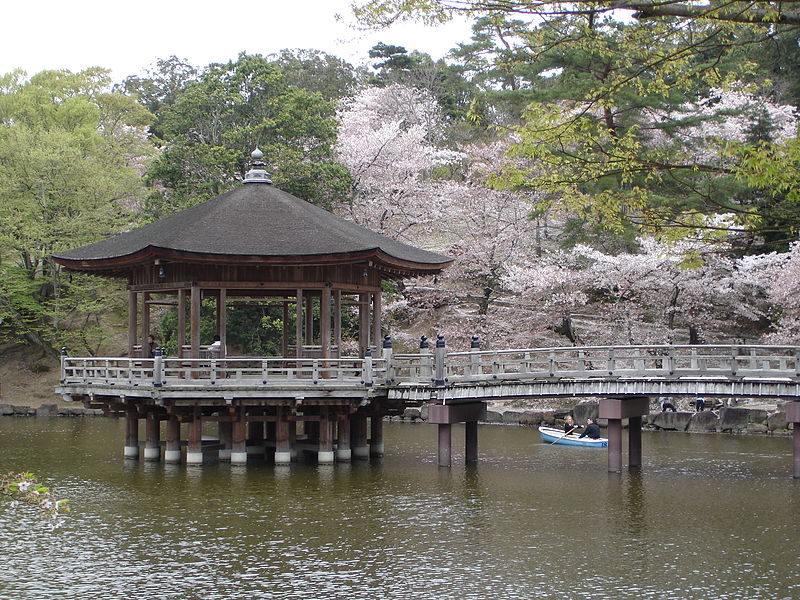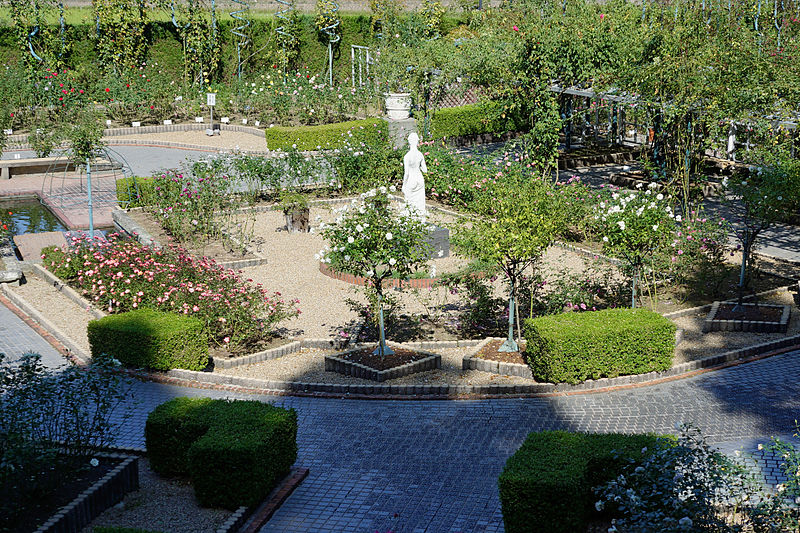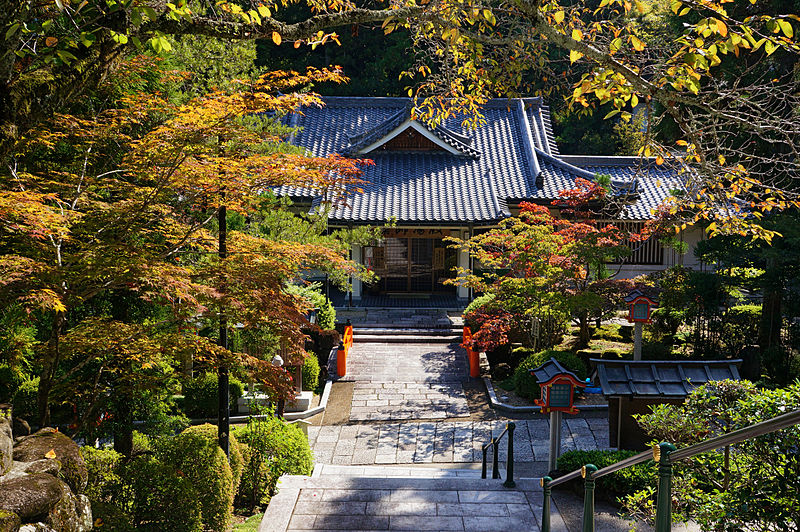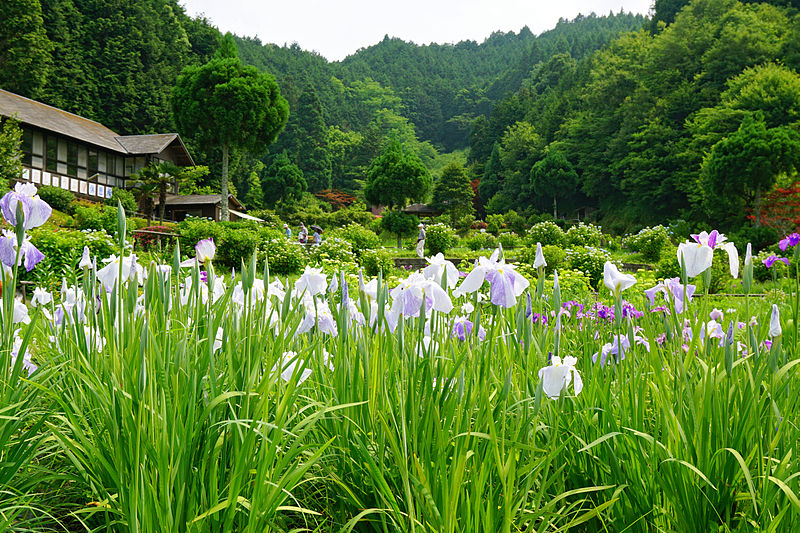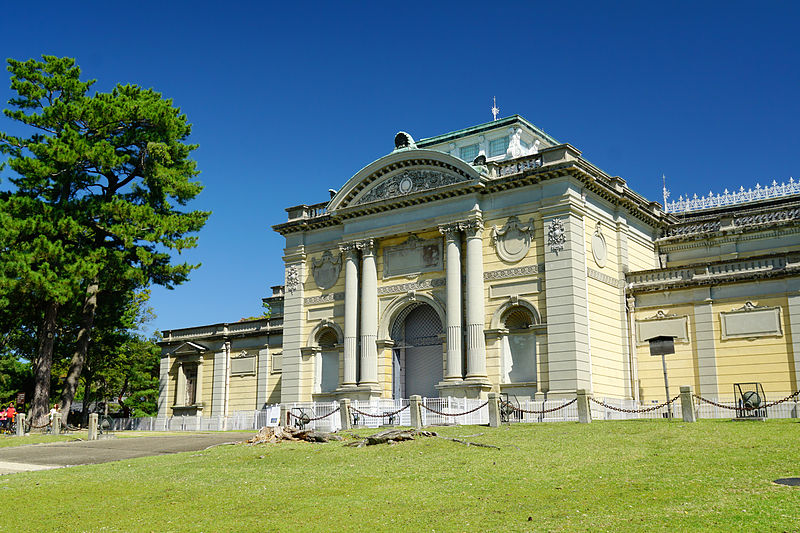

In the central part of Japan there is an amazing city called Nara. The city has many palaces, museums, parks, and temples, many of which were built when the capital of Japan was located here.
Naru was built on the model of Chang'an, which was then the capital of the Chinese state. The foundation of the Japanese state was laid here by the first emperor of Japan, Jimmu, who, according to legend, descended from heaven on a deer. Since then, deer have been greatly revered in the city, as they are considered descendants of the sacred deer of the emperor. The city itself was built due to the fact that Feng Shui teachers decided that the then capital Fujikara was not built according to Feng Shui, and in 708 they decided to build a new capital. Thus, from 710 to 784, the city was the capital of Japan. Nara developed rapidly until 784, when the capital was moved to Nagaoka-kyo. In the Middle Ages, rebellious princes with their samurai began to gather here, as well as monks in numerous Buddhist temples. In the 20th century, due to tourism, the city received a new round of development.
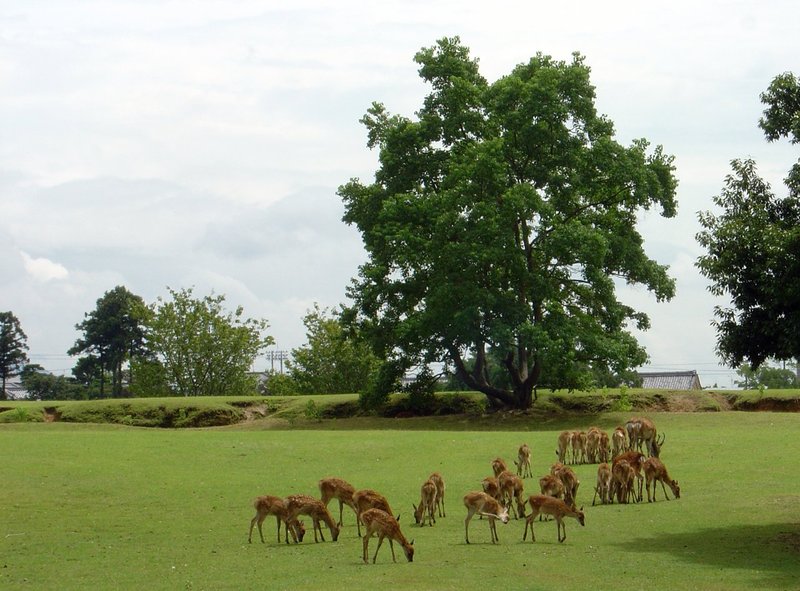
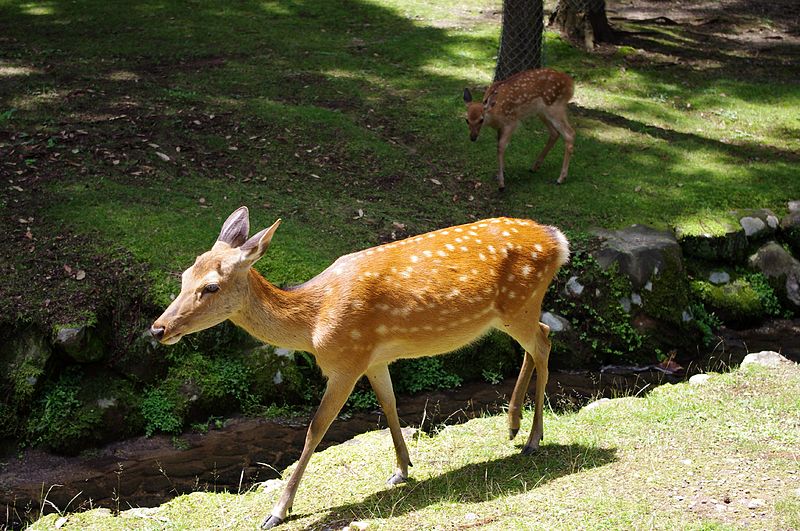
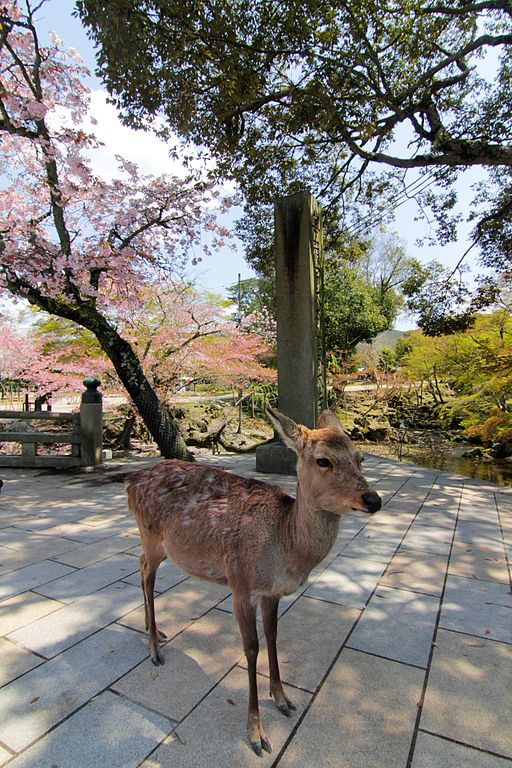
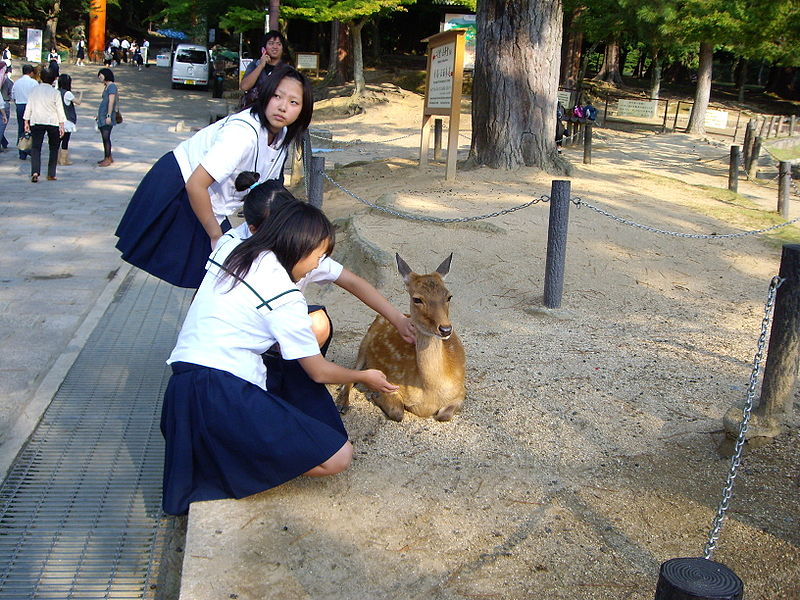
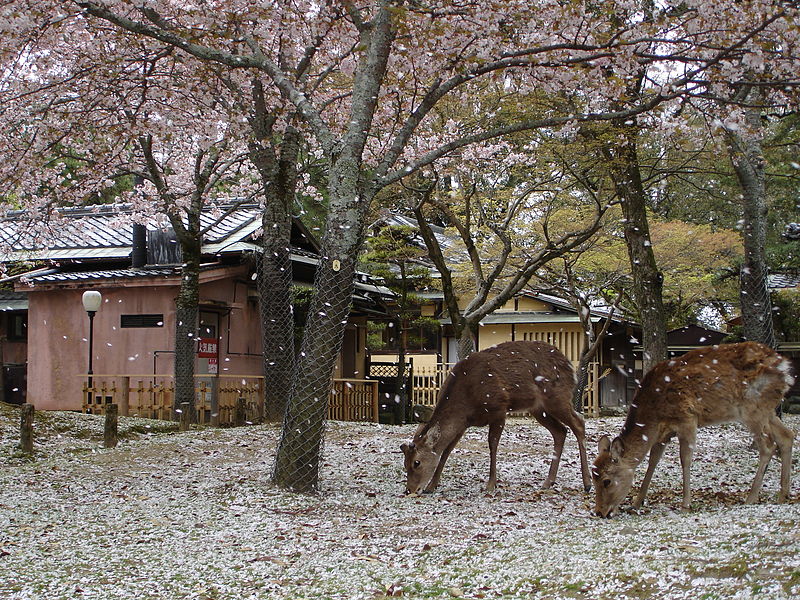
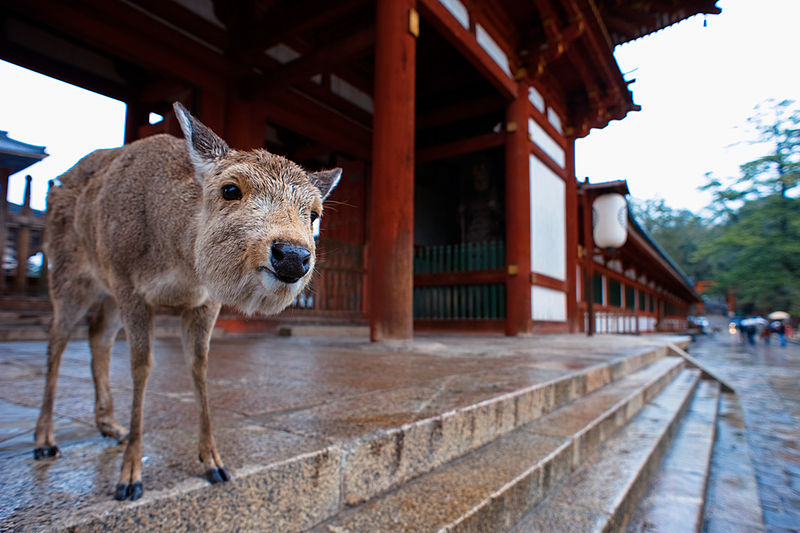
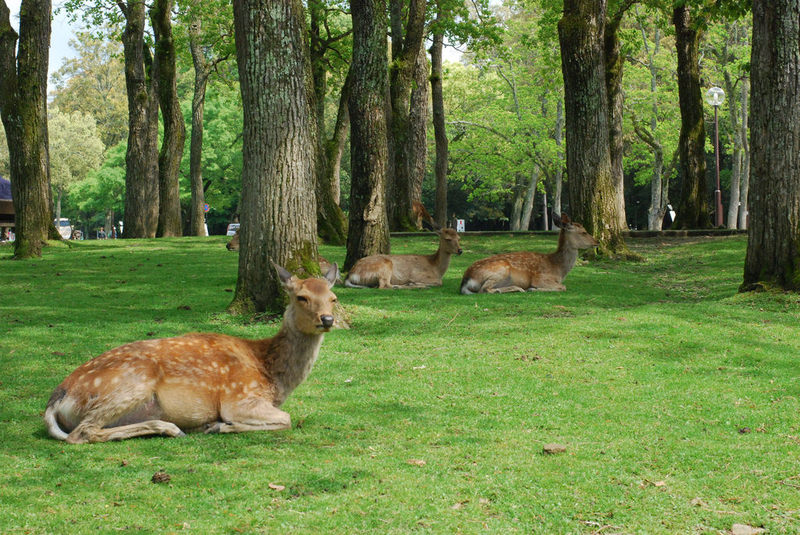
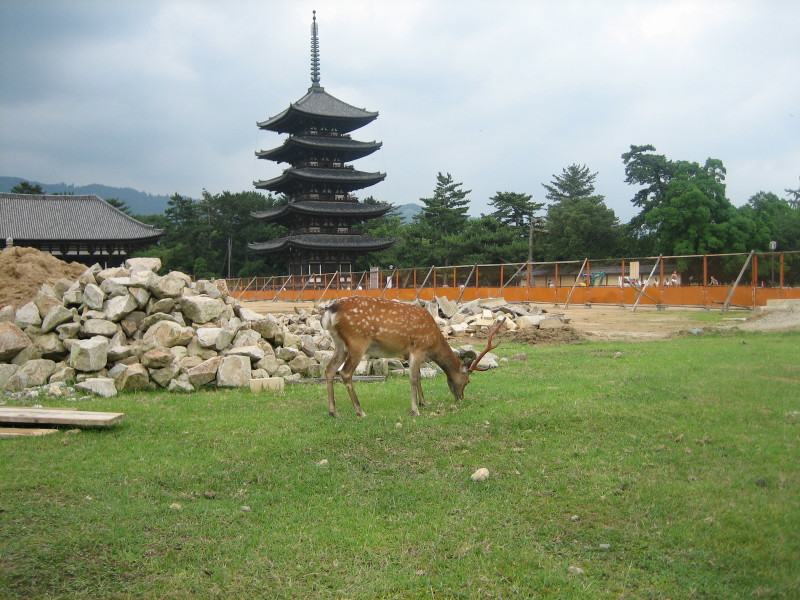
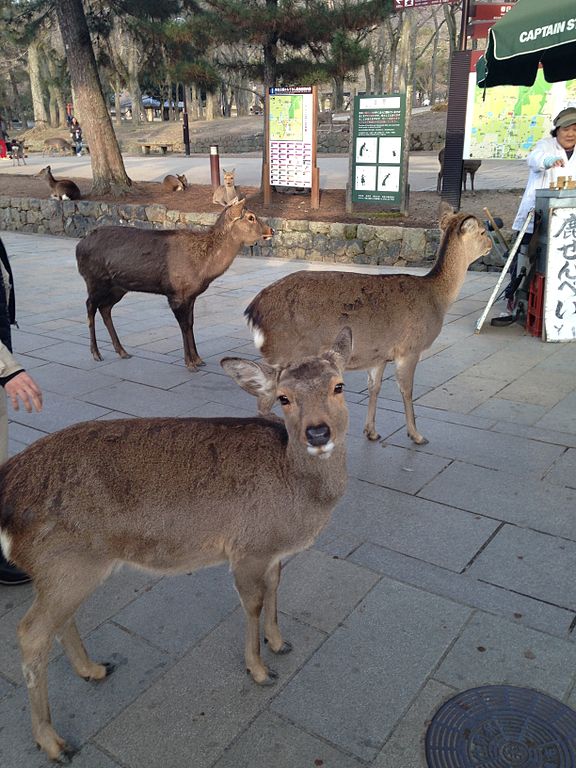
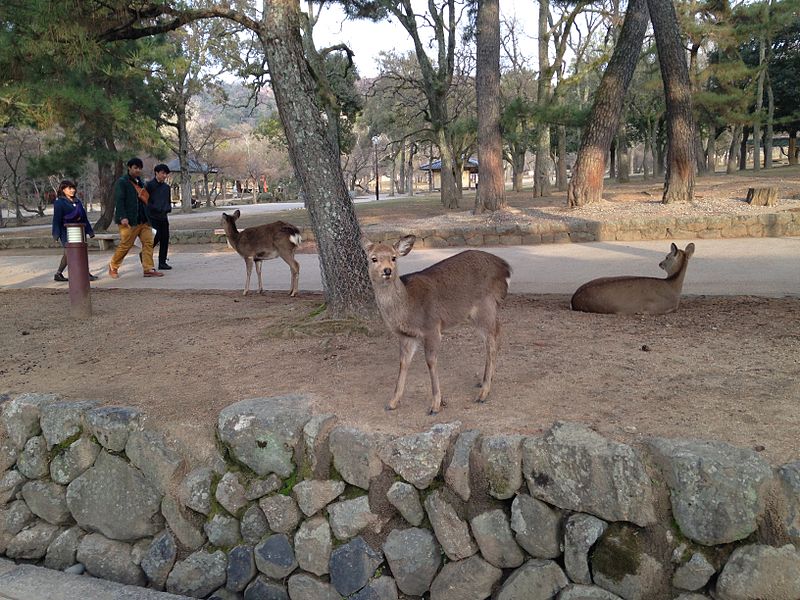
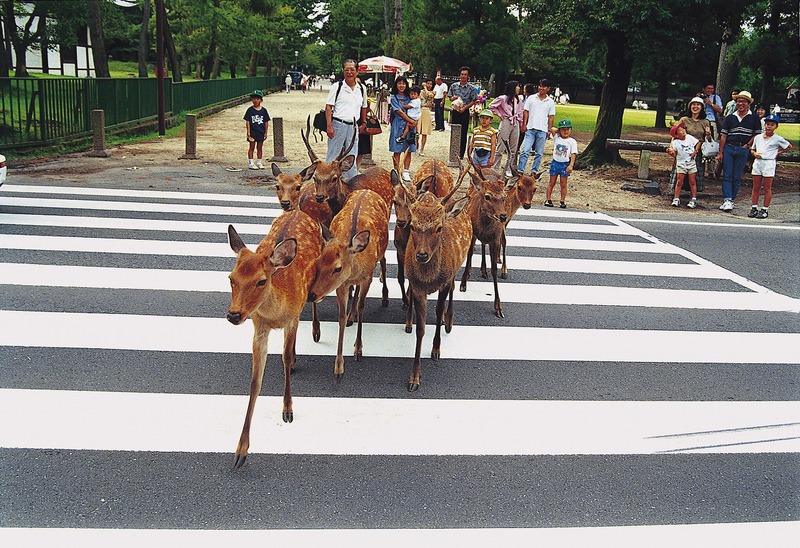
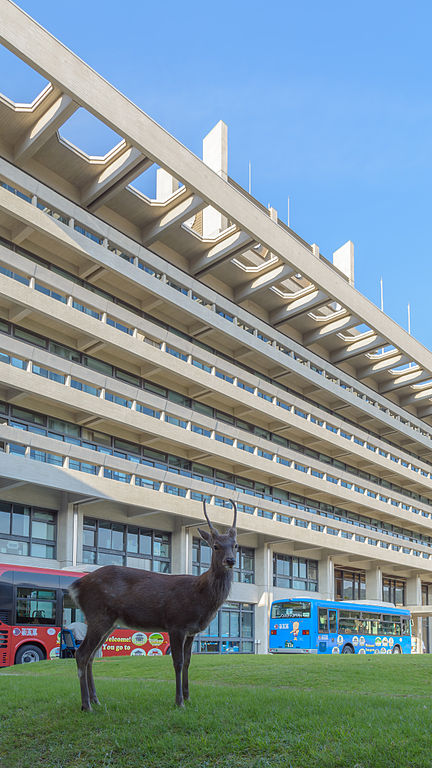
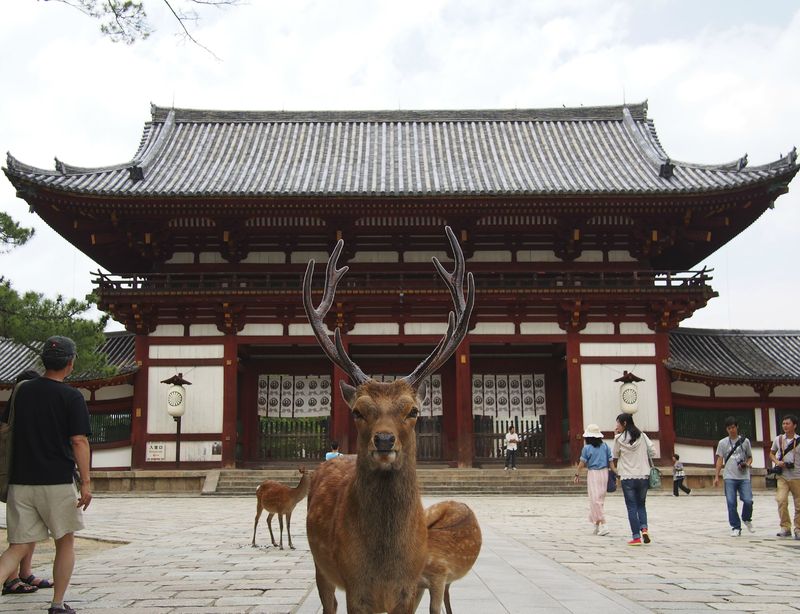
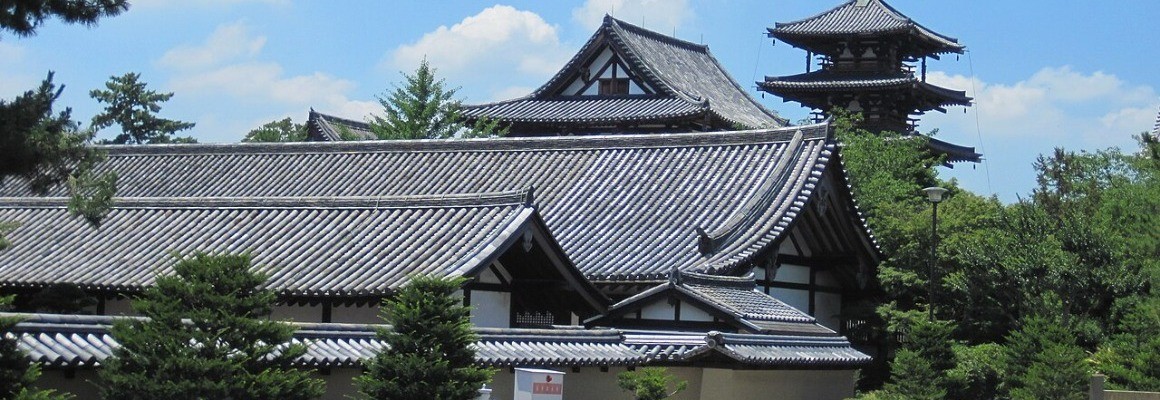
Tourists are attracted here by the spirit of old Japan, numerous temples and almost tame deer. Among the buildings, it is worth noting the oldest pagoda in the world, the Hall of the Great Buddha, the Tosedai-ji and Yakushi-ji temples, and Shinto shrines. Numerous herds of deer can be found in Nara Park, and there are a lot of them in the city as a whole. Guidebooks claim that there are about 2,000 spotted deer in the city, which are not afraid of anything and always beg for treats from tourists. Deer almost do not eat grass, as residents and tourists spoil them and feed them with special deer biscuits, which are sold everywhere in the city. Therefore, it is quite common to see a cheeky deer poking its muzzle at a person in the hope of getting a cookie. Deer feel at ease here, it is forbidden to wake them up, even if they have fallen asleep on a busy highway. Every year in October, the Shika-no-tsunokiri festival is dedicated to deer, during which all deer have their horns sawed off, as they can injure themselves and residents with them.
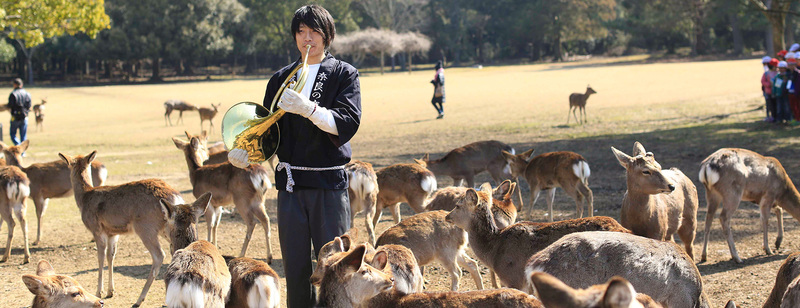
Since 1892, the tradition of feeding deer in winter, when there is little food, has been established. A musician with a horn is called to their meal, playing Beethoven's 6th symphony. This tradition was interrupted only during the Second World War and was restored in 1949. Todai-ji Temple, built in 725, is located next to the deer Park. There is a 16-meter statue of the Great Buddha in its walls, which cannot be photographed.
You can get to the city from Kyoto in just half an hour by train. Just like Kyoto, the city of Nara is included in the visiting program for Japanese high and middle school graduates.
Gallery