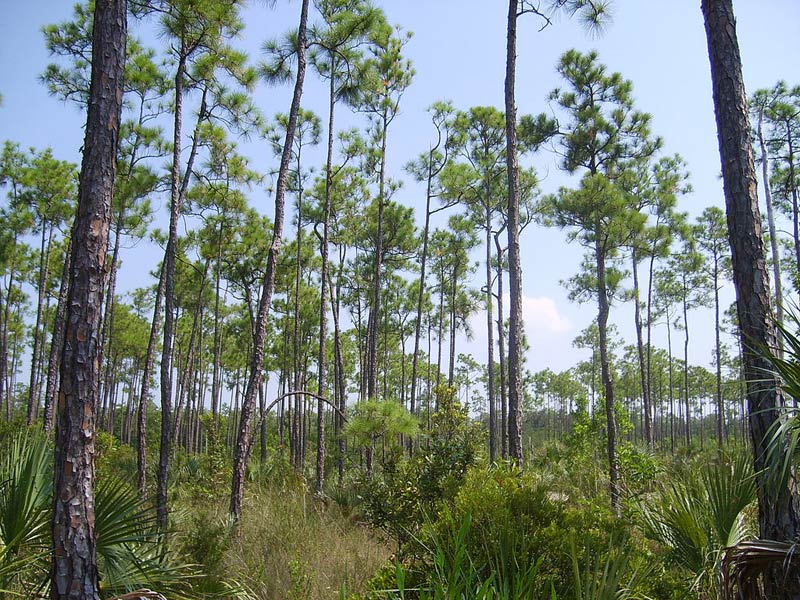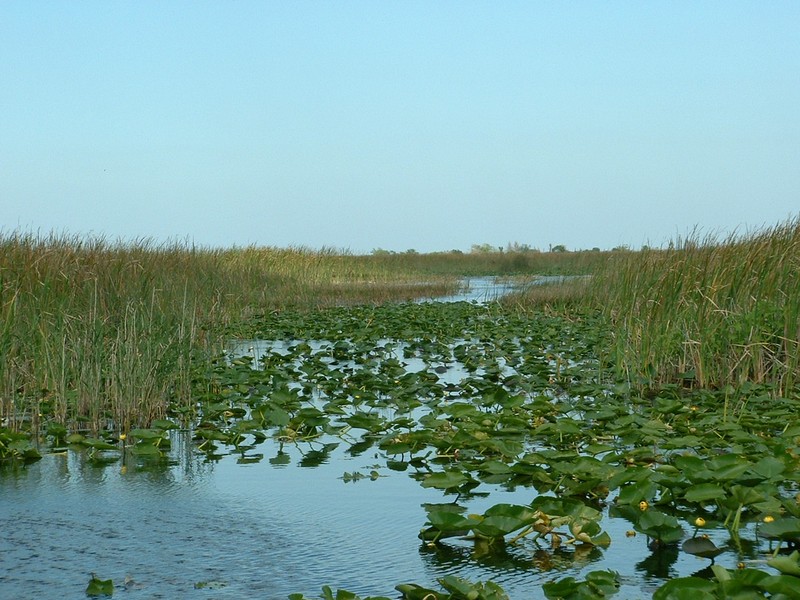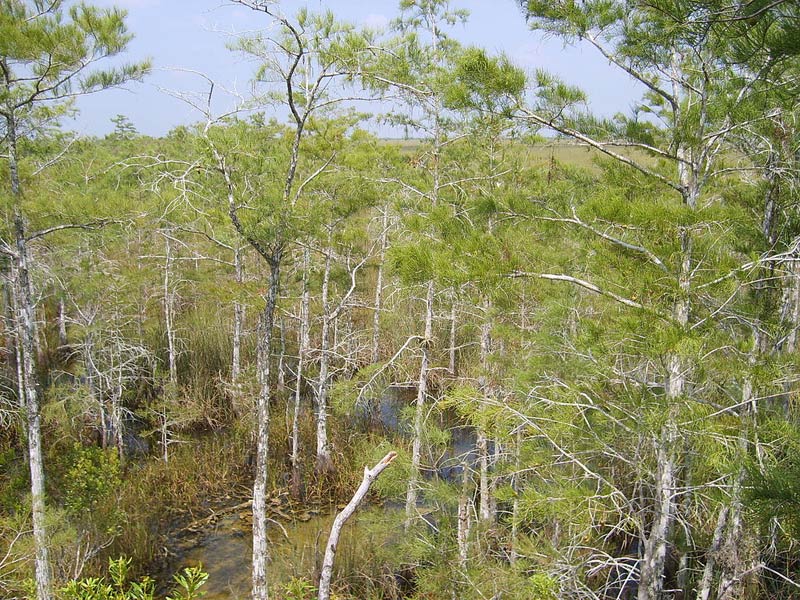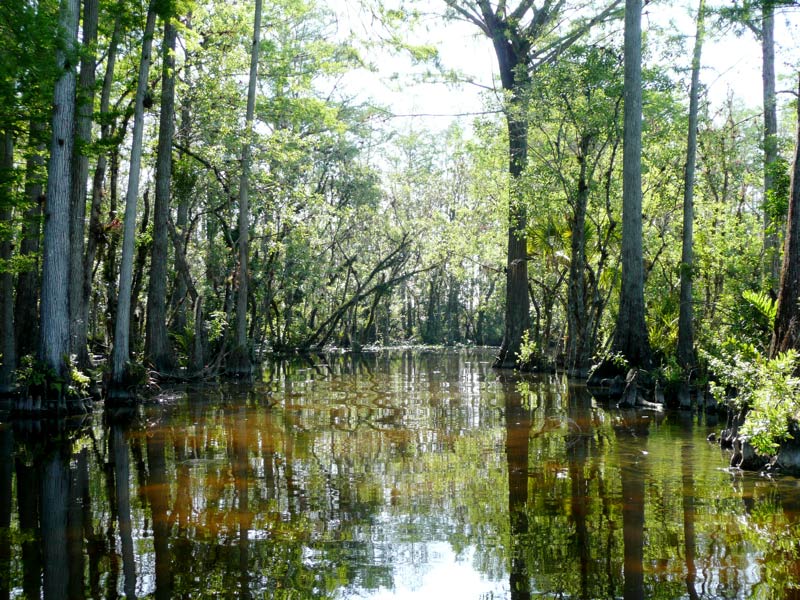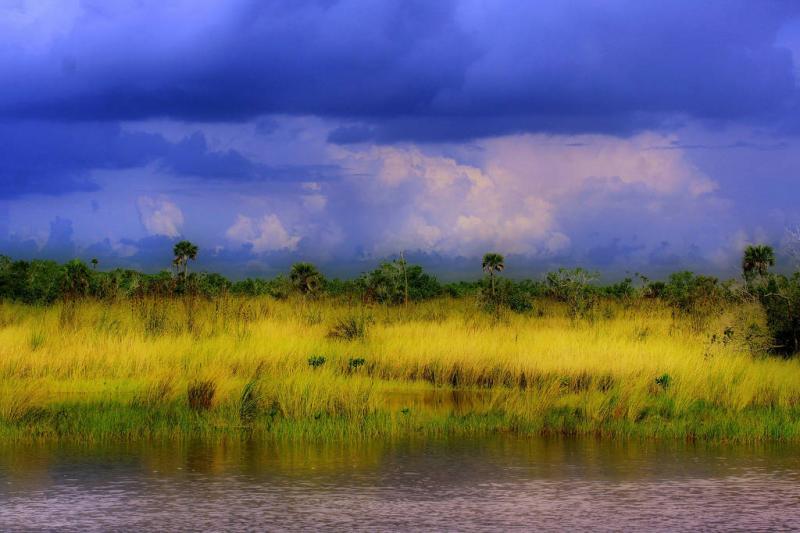

Everglades National Park is located in southern Florida, United States. It protects extensive wetlands, mangrove forests, tropical hardwood habitats, and coastal ecosystems. Instead of high mountains, the landscape features shallow marshes, grassy plains, winding waterways, and small tree-covered islands.
Established in 1947, the park was the first U.S. national park created primarily to protect biodiversity. It covers about 1.5 million acres, or approximately 6,100 square kilometers. The Everglades is part of a much larger natural system in South Florida, supporting important water resources and many rare species.
The Unique Everglades Ecosystem
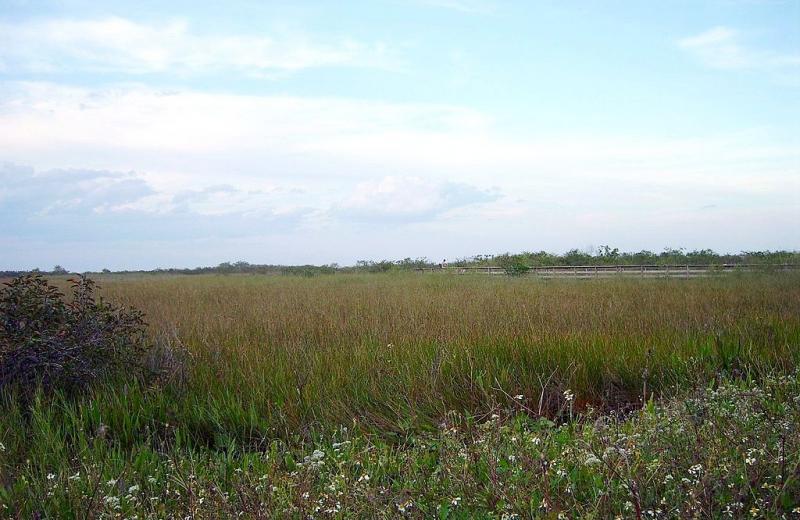
The Everglades is often described as a vast river flowing slowly through grass-covered wetlands. Water moves across a nearly flat landscape, forming shallow streams, wet prairies, and seasonal pools. This natural water cycle shapes the lives of plants and animals throughout the region.
The park contains freshwater marshes, marl prairies, tropical hardwood hammocks, pine forests, cypress groves, mangrove swamps, and coastal lagoons. Where freshwater meets saltwater, distinctive habitats support species adapted to both inland wetlands and marine environments.
Alligators and Crocodiles
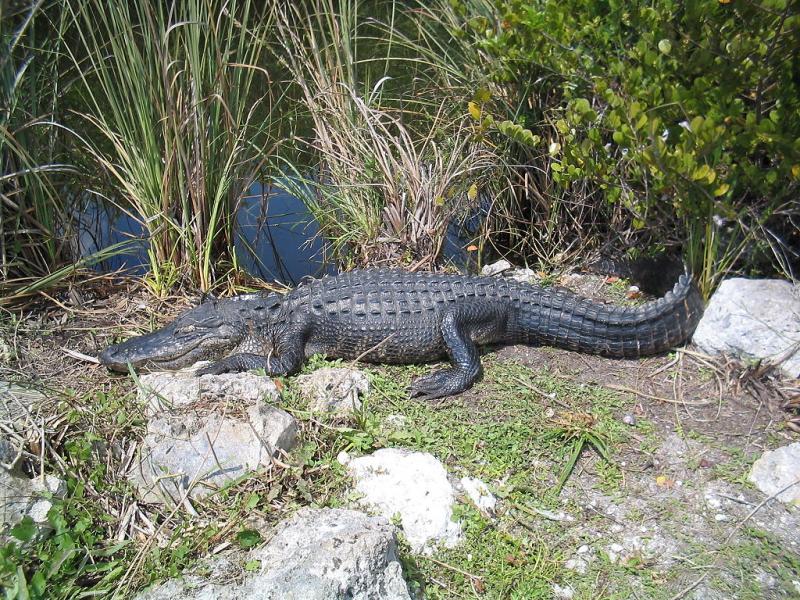
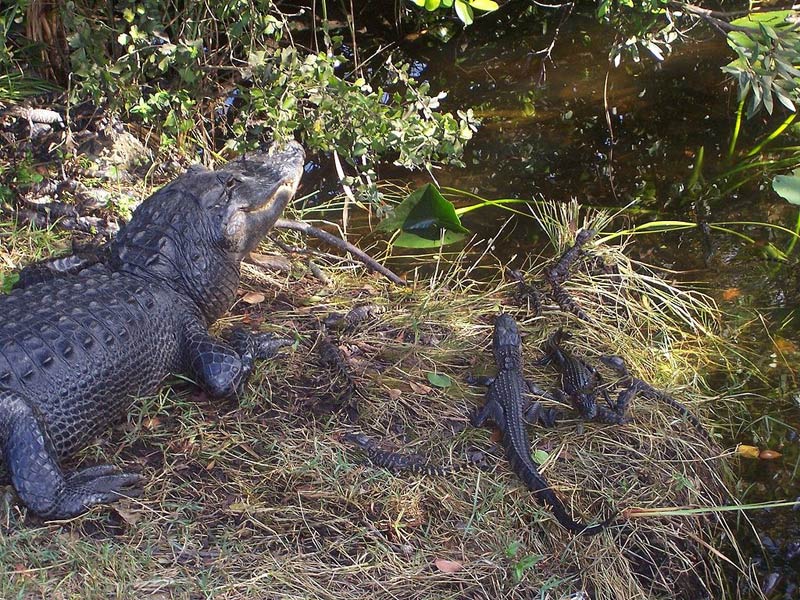
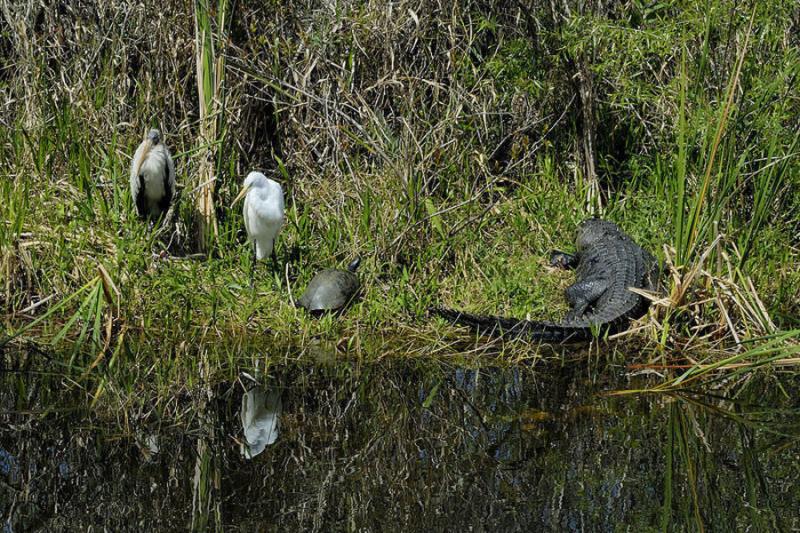
American alligators are among the park's best-known animals. They live in freshwater marshes, canals, and ponds, often resting near the shore or swimming among aquatic plants. During dry periods, shallow depressions created by alligators can retain water and provide refuge for other wildlife.
The Everglades is also home to the American crocodile, which is more often associated with brackish and coastal waters in southern Florida. Both reptiles should be observed from a safe distance. Never approach or feed them, or try to attract them for photographs.
Birds and Other Wildlife
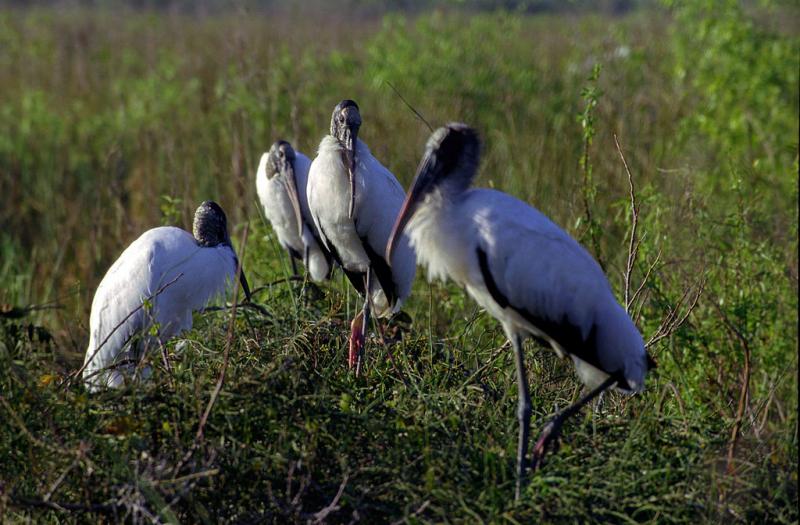
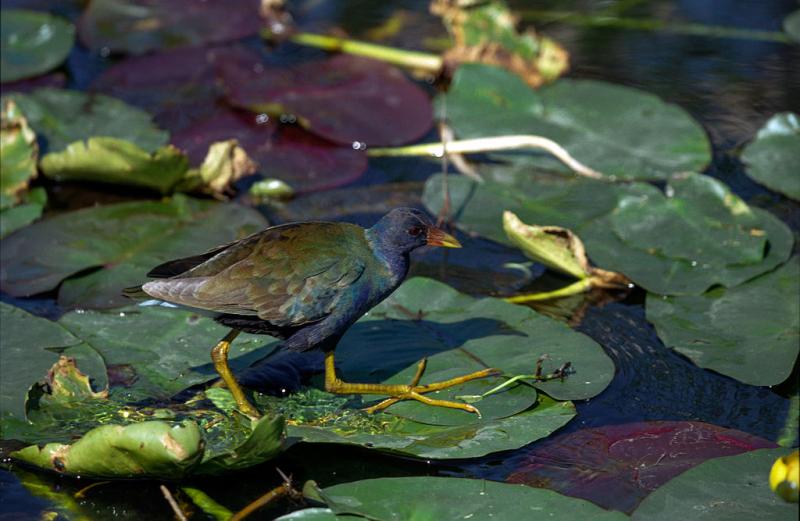
The park is an important birdwatching destination in North America. Great egrets, great blue herons, ibises, storks, and other wading birds forage in shallow water. Depending on the season, visitors may also see ospreys, pelicans, cormorants, and roseate spoonbills.
Other residents include manatees, river otters, raccoons, deer, fish, amphibians, and numerous reptiles. One of the region's rarest animals is the Florida panther, an endangered subspecies of cougar. Seeing one during an ordinary visit is unlikely, but its presence highlights the park's conservation importance.
Mangrove Forests and Coastal Waters
Mangroves cover large parts of the Everglades coastline. These trees are adapted to saltwater and periodic flooding. Their tangled roots provide shelter for young fish and crustaceans while helping reduce the force of waves and storms along the shore.
Coastal waterways are especially interesting to explore by kayak or canoe. Routes pass through narrow mangrove channels, around small tree-covered islands, and across shallow bays. Visitors can watch birds and other wildlife from the water. Before paddling, check the weather, wind, tides, and your own boating experience.
Shark Valley
Shark Valley is one of the park's most popular areas. A loop trail of approximately 15 miles, or 24 kilometers, can be explored by bicycle, on foot, or by guided tram. The route crosses open wetlands where alligators and wading birds are often visible.
An observation tower along the route offers panoramic views over the Everglades. The name Shark Valley does not mean that sharks are commonly found throughout the area; it is a geographic name. Check tour schedules and trail access before visiting, and bring water and sun protection.
Anhinga Trail
Anhinga Trail is a short, accessible route near Royal Palm and an excellent introduction to the wetland ecosystem. Boardwalks and paths cross shallow water, providing views of aquatic plants, fish, turtles, and birds. Anhingas are often seen spreading their wings after swimming, and alligators may be visible in the water or near the shore.
The trail requires little physical effort and is suitable for families. However, visitors must remain on the boardwalks, avoid disturbing plants, and keep away from alligators. Binoculars are useful for observing wildlife without approaching it.
Cypress Groves and Tropical Hammocks
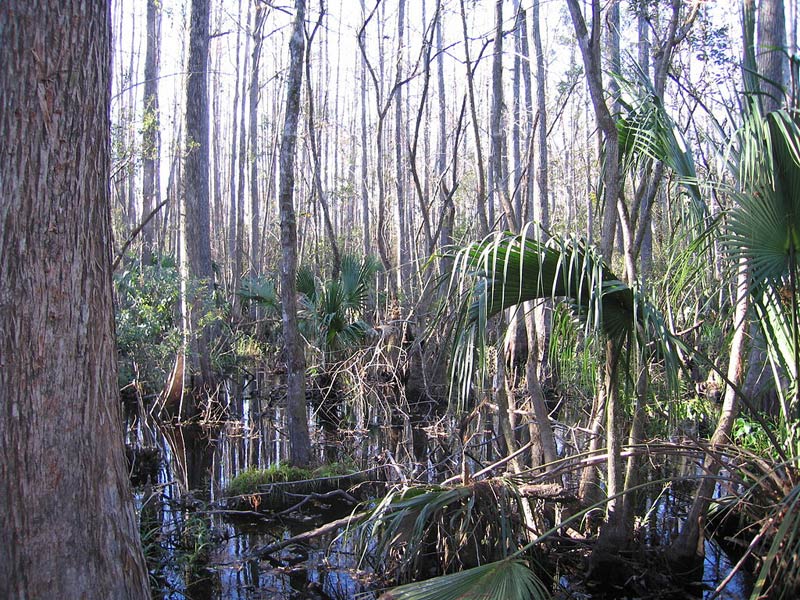
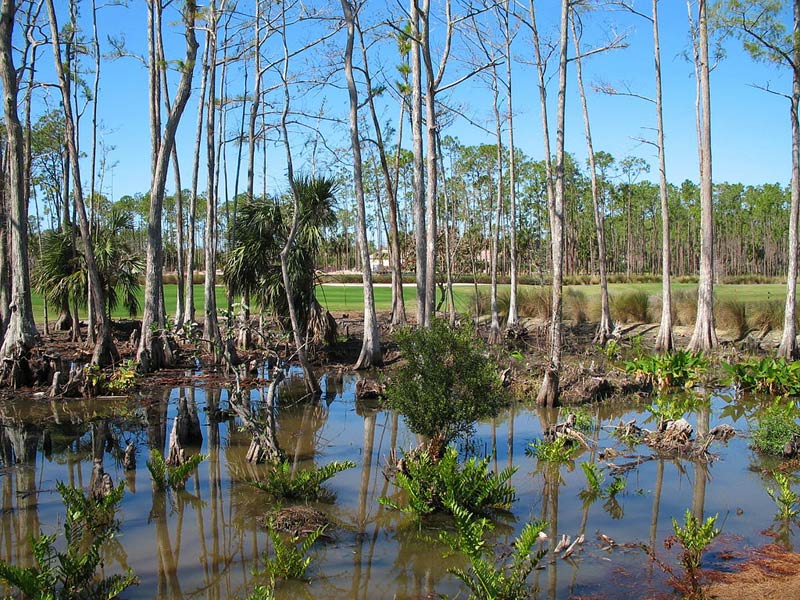
Cypress trees grow in parts of the park where soils remain flooded for long periods. Their distinctive trunks and roots create characteristic wetland scenery. Small islands of slightly higher ground, known as hardwood hammocks, support tropical trees and shrubs among the surrounding marshes.
These islands provide shelter and resting places for wildlife and allow plants to grow in conditions different from the surrounding wetlands. Transitions between vegetation types create many ecological niches and contribute to the region's biodiversity.
When to Visit the Everglades
The region has two main seasons: dry and wet. The dry season usually runs from December through April. Temperatures are generally more comfortable, humidity is lower, mosquitoes are less numerous, and wildlife viewing can be especially rewarding. This is the park's busiest visiting season.
The wet season lasts roughly from May through November. It brings higher temperatures, frequent rain and thunderstorms, and often more mosquitoes. The landscape becomes lush and changes with water levels. In any season, bring drinking water, lightweight clothing, a hat, insect repellent, and sun protection.
How to Get to the National Park
Everglades National Park has several main access areas that are not connected by internal roads. The southern entrance near Homestead leads to Royal Palm and Flamingo on Florida Bay. This area is convenient for the Anhinga Trail, mangrove scenery, and coastal activities.
The Shark Valley entrance is located along U.S. Highway 41 and is well suited to cycling and guided tram tours. The Gulf Coast area near Everglades City is a gateway to the mangrove islands and waterways of the Ten Thousand Islands. Choose your destination in advance because driving between the entrances can take considerable time.
Boating, Kayaking, and Canoeing
Water-based trips offer a different perspective on the Everglades. Kayak and canoe routes are available, and guided boat excursions operate in selected areas. Mangrove channels, shallow lagoons, and coastal islands are particularly rewarding places to explore.
Before launching, review route maps, weather forecasts, and safety guidance. Wind, thunderstorms, shallow water, and complex channels can make navigation challenging. Some routes require permits, and overnight stays in remote areas follow special regulations.
Conservation and Environmental Threats
The Everglades ecosystem depends on the natural movement of freshwater from north to south. Canals, levees, urban development, and agriculture have altered the region's historic water flow, affecting vegetation, breeding grounds, and aquatic wildlife.
Restoration projects aim to improve water quality and bring the water system closer to its natural condition. Other threats include invasive species, climate change, and sea-level rise. Protecting these wetlands is important not only for wildlife but also for communities throughout South Florida.
Practical Tips for Visitors
Check road, trail, and tour conditions on the official park website before traveling. In hot weather, drink water regularly, use sun protection, and avoid excessive exertion during the hottest hours. Insect repellent is especially useful during the wet season and around dawn and dusk.
Do not feed wildlife, leave rubbish, or stray from marked routes. Wetlands may conceal deep water and unstable ground. Everglades National Park offers a rare combination of marshes, mangroves, coastal waters, and abundant wildlife. Allow at least one full day and choose several areas in advance to make the most of a visit.
Gallery