Ao Phang Nga National Park lies in southern Thailand, in Phang Nga Province on the Andaman Sea coast. It is one of the country's best-known natural areas, famous for limestone cliffs, small islands, mangrove forests and winding sea channels.
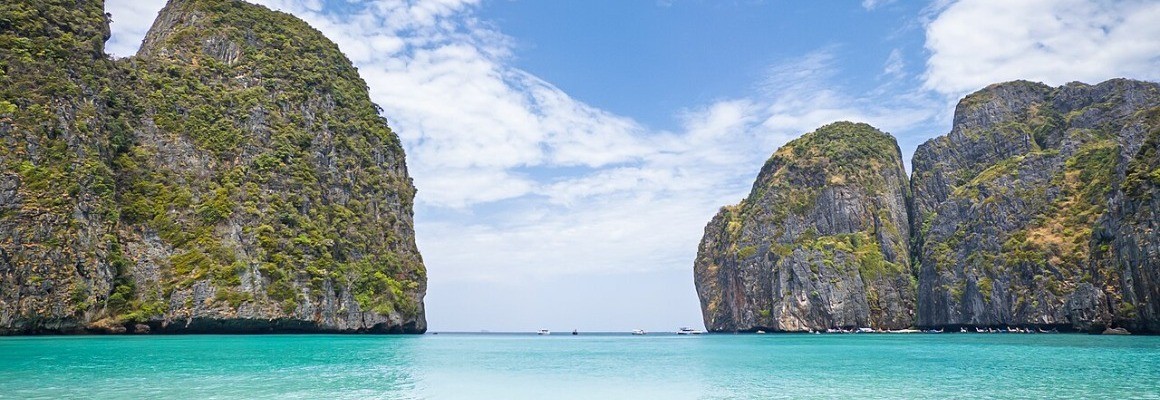
The park covers about 400 km² (40,000 hectares). It was officially established on 29 April 1981 as Thailand's 25th national park. Around 80% of its area is water, while much of the land is covered by mangroves. Dozens of islands with steep cliffs, coves and caves lie within the protected area.
James Bond Island
The park's best-known landmark is Ko Tapu, a narrow limestone pinnacle rising from the sea. It gained international fame after appearing in the 1974 James Bond film The Man with the Golden Gun. Nearby Ko Phing Kan is recognised for its tall rock walls and unusual formations. Both locations are common stops on boat tours around the bay.
Limestone islands and caves
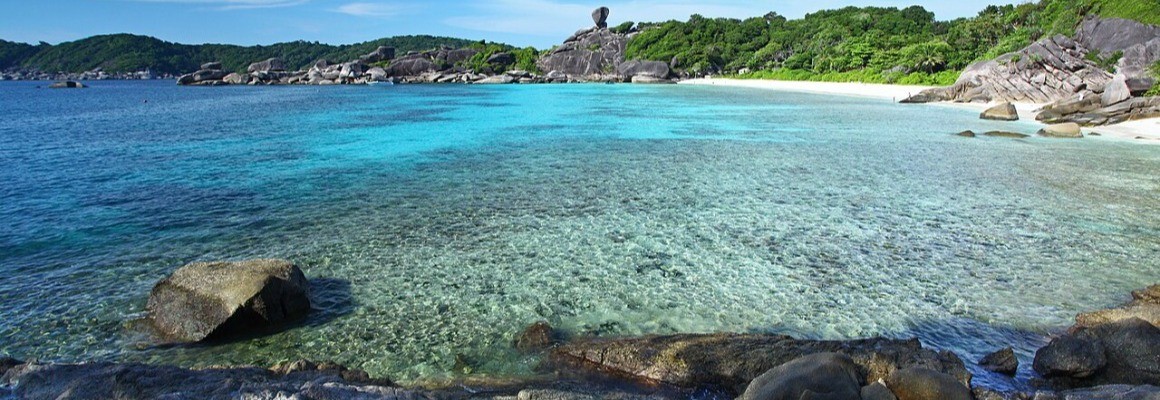
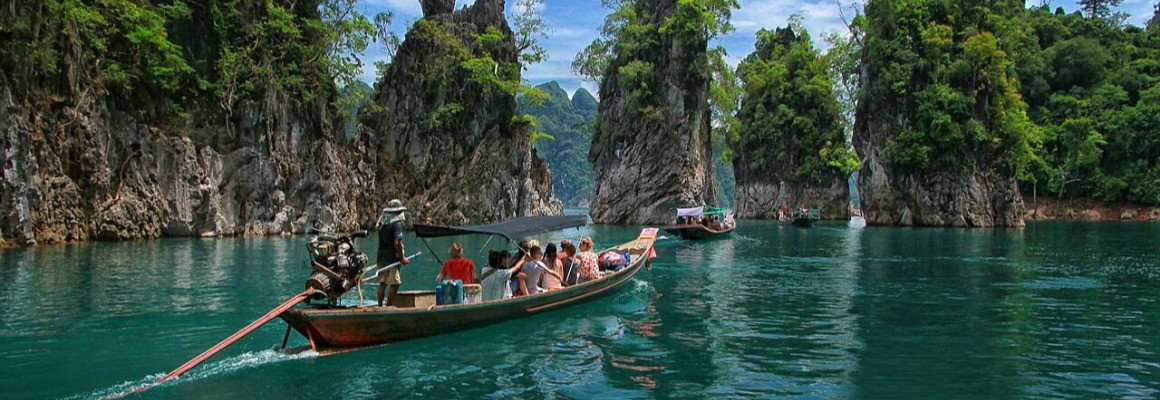
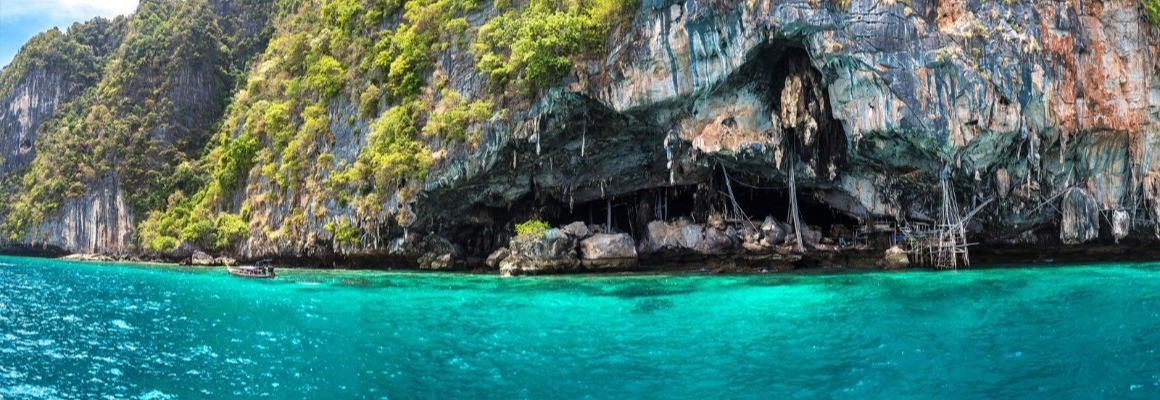
The bay's landscape was shaped over time by water and weathering acting on limestone. Isolated pinnacles and larger island formations rise from the sea, separated by narrow channels. Some islands contain grottoes, tunnels and caves whose accessibility depends on tides and weather. Popular places for boat and kayak trips include Ko Talu, known for its passages through the rocks, and the Ko Hong area.
Mangroves and wildlife
Mangrove ecosystems are vital to the bay. They help protect the coast from erosion, provide nursery habitat for young fish and crustaceans, and support diverse marine life. The park is home to various coastal birds, reptiles, fish and invertebrates. Crabs and mudskippers are among the animals found in the mangroves. These habitats are influenced by tides, water salinity and seasonal monsoons.
Ko Panyi village
Near the park's natural landmarks is Ko Panyi, a well-known fishing village built largely on stilts over the water at the foot of a limestone cliff. Visitors can learn about local life, try Thai dishes and browse for souvenirs. A stop at the village is often combined with a boat trip around the bay.
Visiting the park
The park is best explored by traditional long-tail boat, motorboat or sea kayak, often as part of an organised tour. Common departure points are in Phang Nga Province and on Phuket. Tides should be taken into account because access to certain caves and passages depends on water levels. Sea trips are often most comfortable during the drier season, although conditions can change.
Ao Phang Nga combines remarkable geological formations, mangrove ecosystems and traditional coastal culture. Visitors should follow park regulations, take their rubbish with them, avoid damaging plants and leave wildlife undisturbed.
Gallery