Similan Islands National Park lies in the Andaman Sea off Thailand's western coast, in Phang Nga Province. It is known for its clear turquoise water, white-sand beaches, unusual granite boulders and rich underwater life. The archipelago is one of Thailand's most appealing destinations for snorkelling and scuba diving.
The national park was established on 1 September 1982. Its protected area includes islands, coastal land and surrounding marine waters. The name “Similan” comes from a Malay language and means “nine,” originally referring to the main islands of the archipelago. Koh Tachai was added to the protected area later.
The islands of the Similan archipelago
The main group consists of nine islands arranged from north to south. They include Bon, Bangu, Similan, Payu, Ha, Miang, Payang, Payan and Huyong. Each island has its own terrain, vegetation and coastal scenery. Some are known for sandy coves, while others attract divers with rocky headlands and coral reefs.
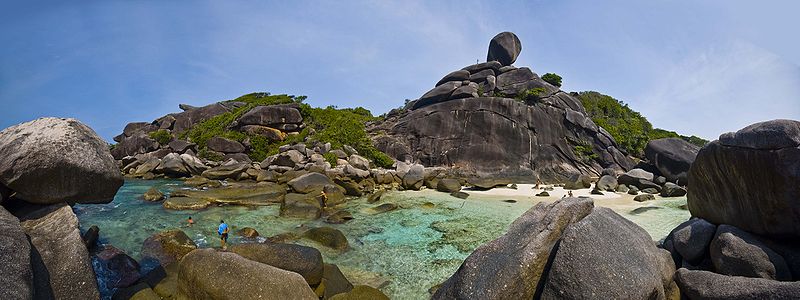
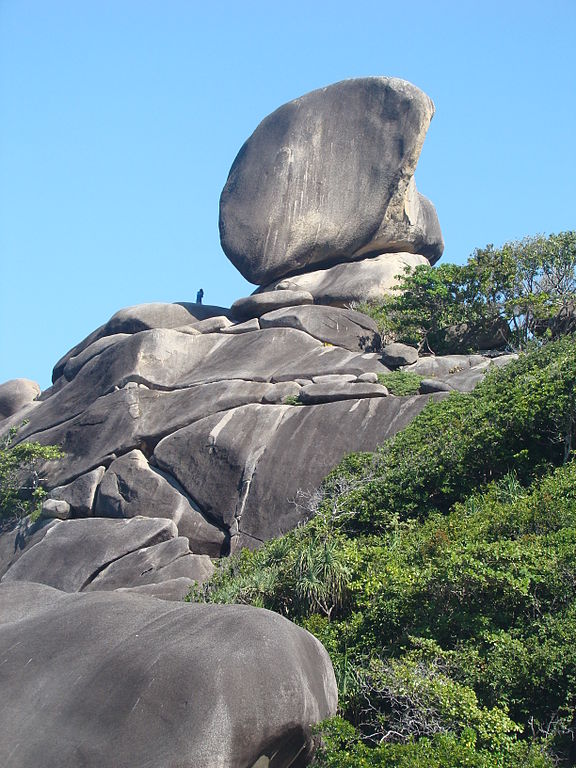
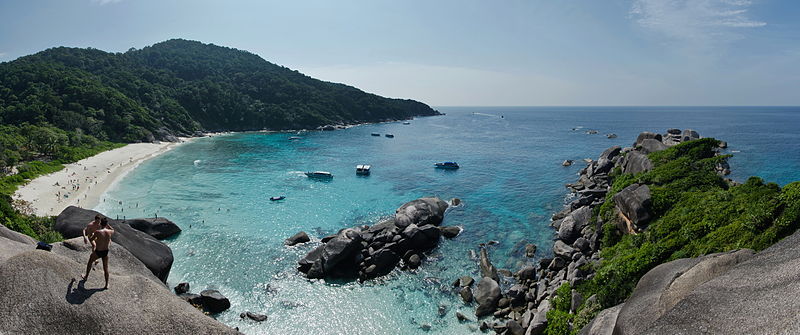
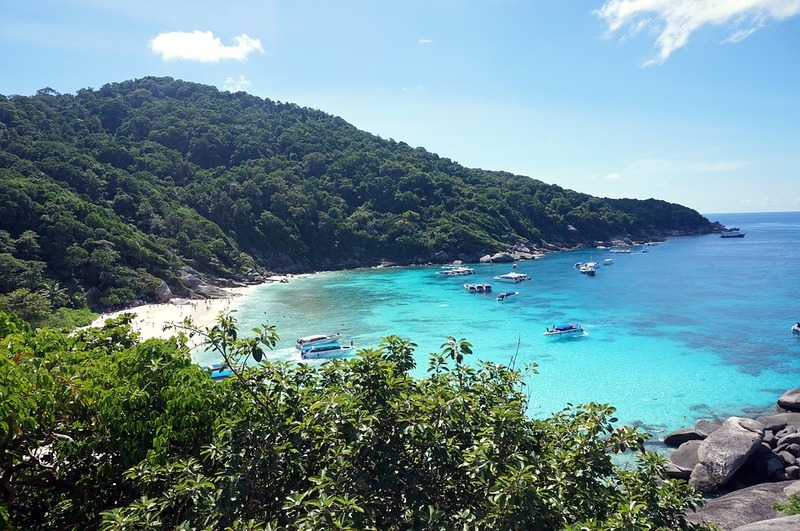
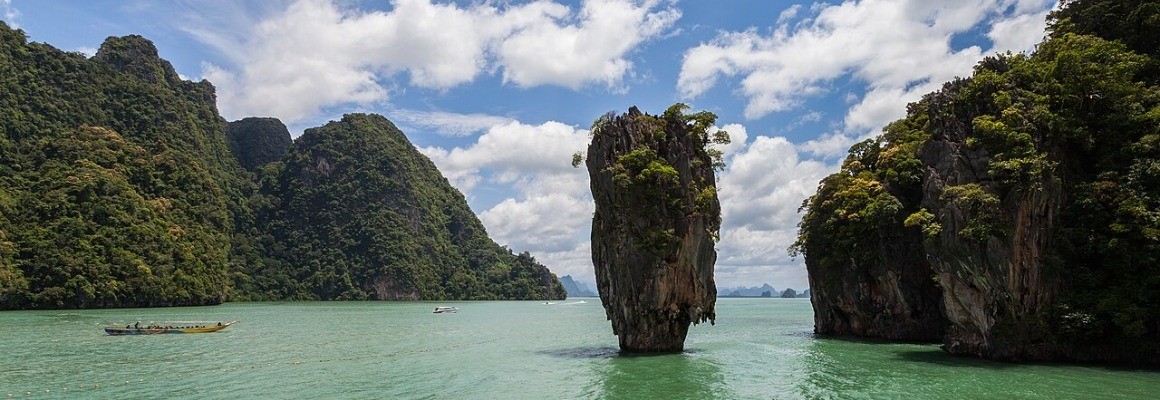
Similan Island, also known as Island No. 8, is one of the main visitor destinations. It features the famous sail-shaped rock known as Sail Rock or Hin Ruea Bai. Large boulders form striking natural compositions, and elevated viewpoints offer views across the bays and vivid blue sea.
Miang Island, or Island No. 4, is also popular with visitors. It is known for its beaches, forest vegetation and scenic coastline. Access to certain areas is restricted on some islands, so available routes should be checked before travelling.
Beaches and granite boulders
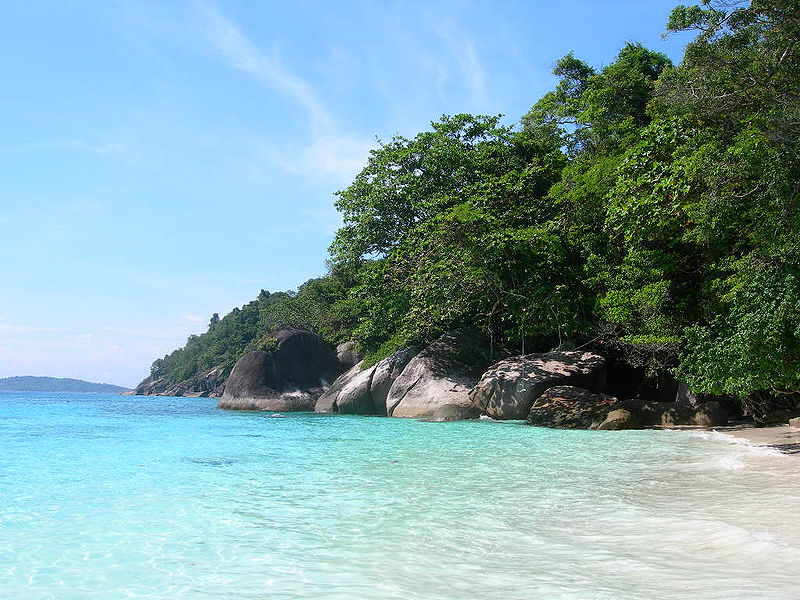
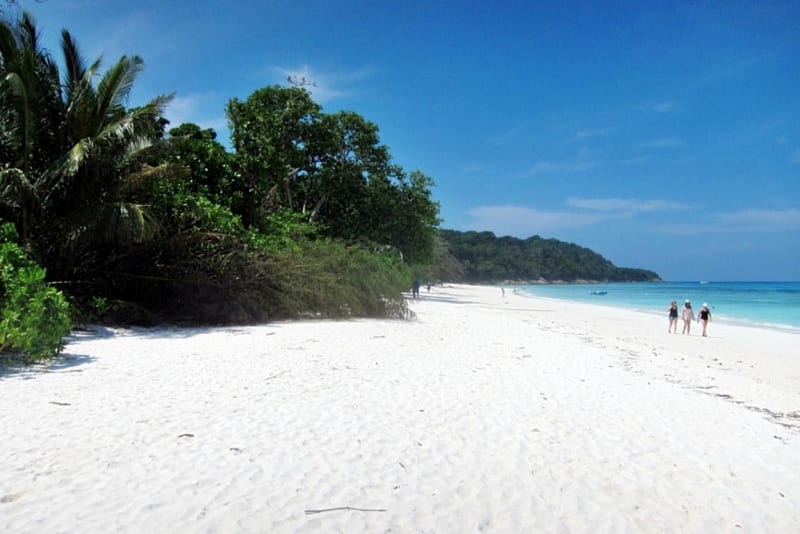
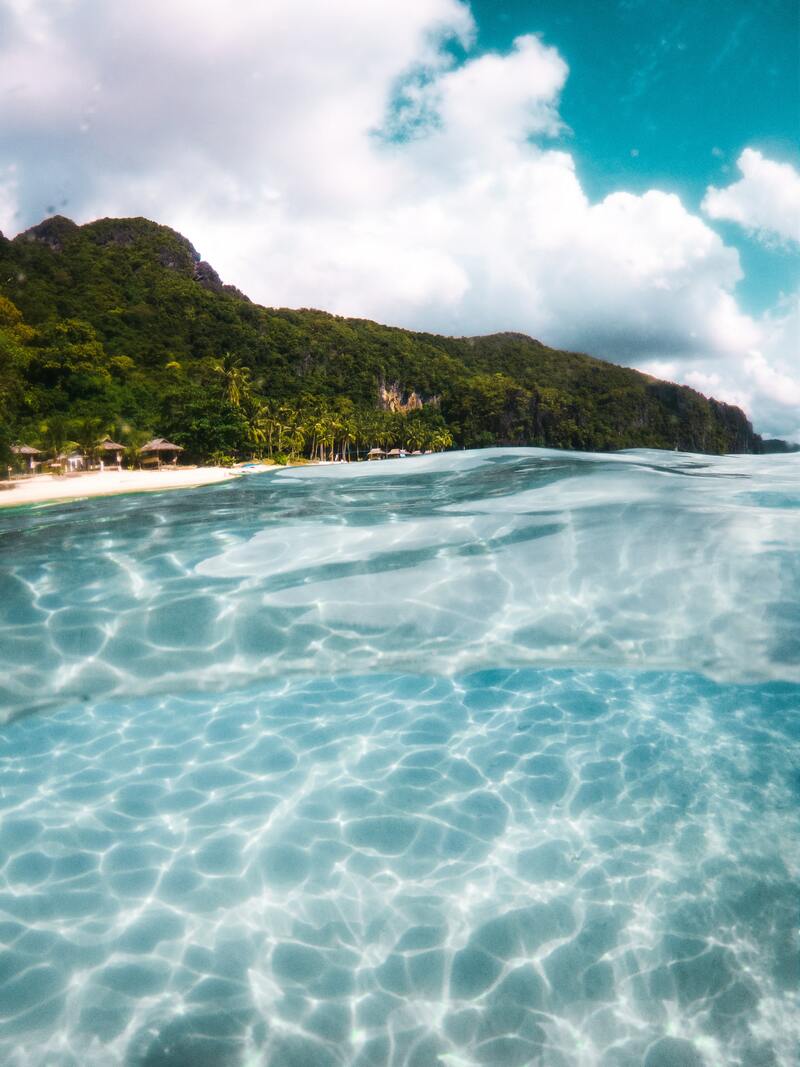
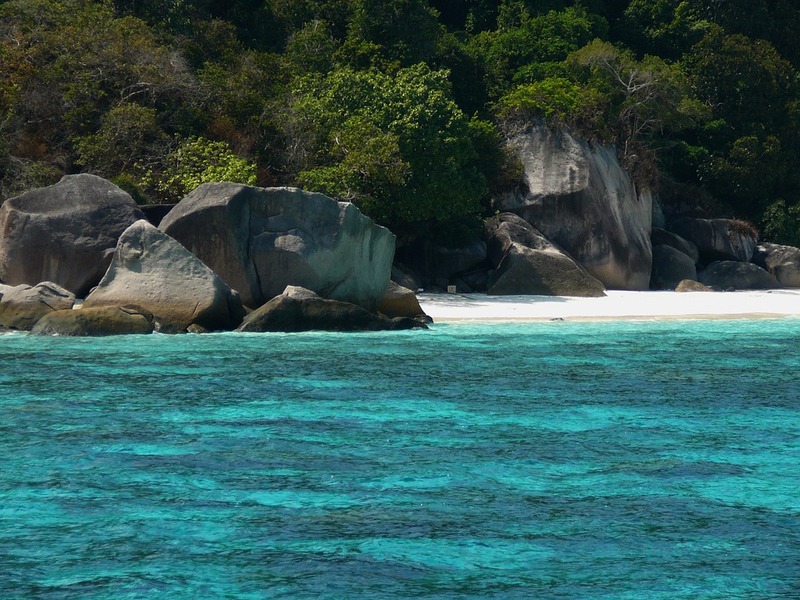
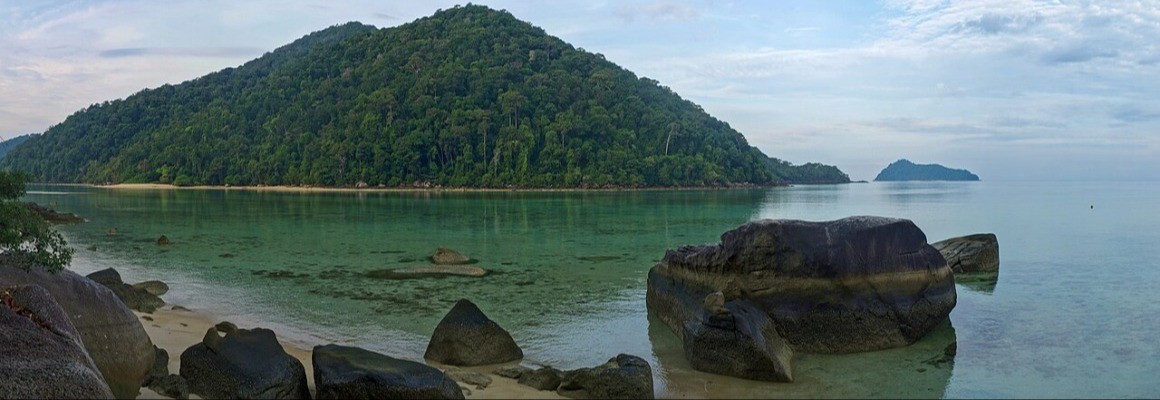
The Similan coastline features fine, pale sand and clear water that shifts from light turquoise near shore to deep blue farther out. Large granite boulders, shaped by long periods of weathering, are scattered across the islands. They give the archipelago its distinctive appearance and create natural viewpoints.
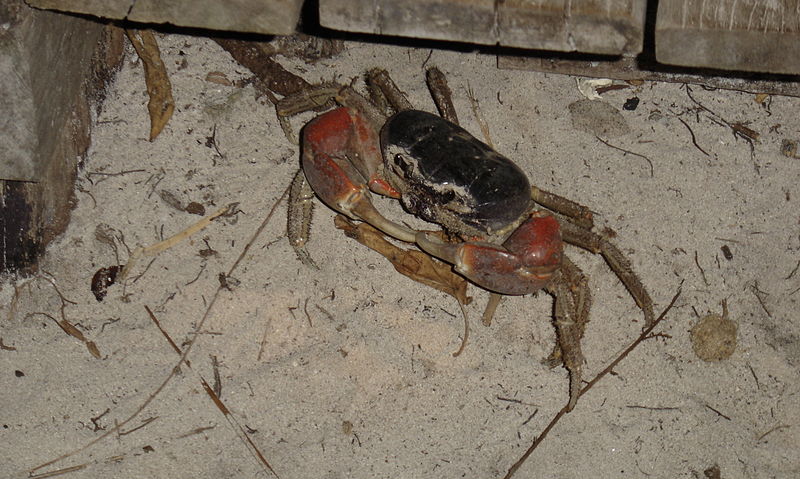
Many bays are surrounded by tropical vegetation. Inland areas include patches of forest, shrubs and habitats for birds and small animals. However, the park's greatest natural value lies underwater: coral communities and diverse marine life make it important for protecting the ecosystems of the Andaman Sea.
Diving and underwater life
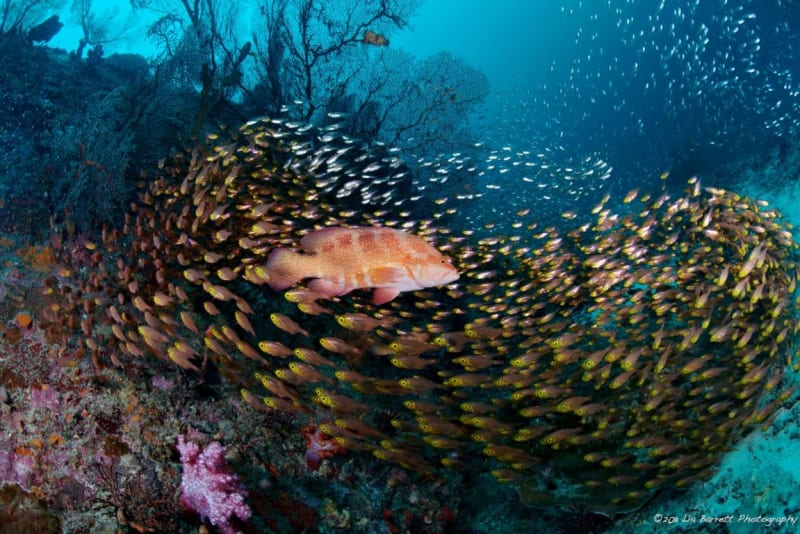
The Similan Islands are internationally known as a scuba-diving destination. Coral reefs, underwater rock formations and sites of varying depths surround the archipelago. Beginners can choose snorkelling in suitable shallow areas, while experienced divers can explore deeper reefs and submerged pinnacles.
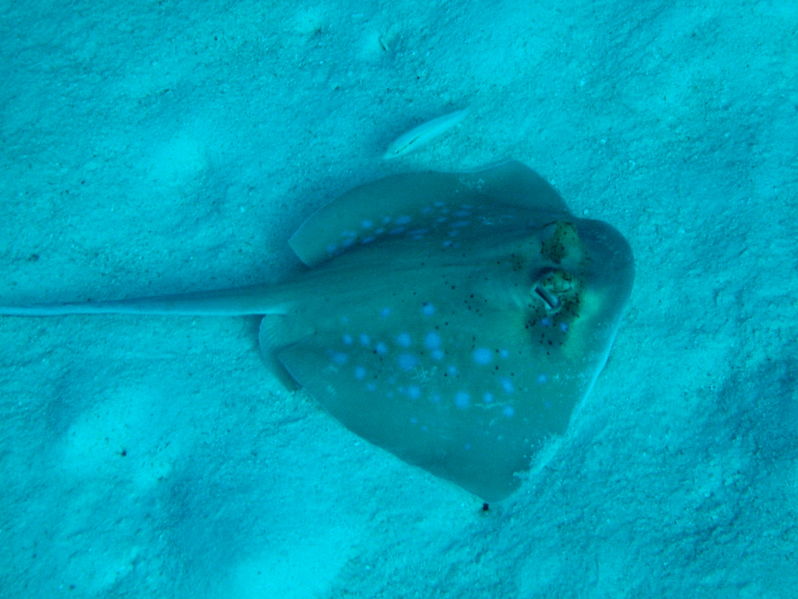
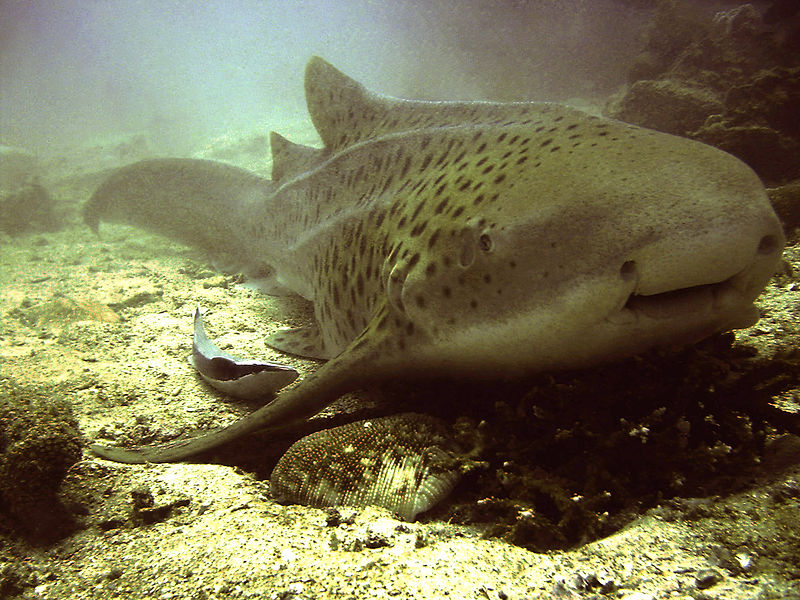
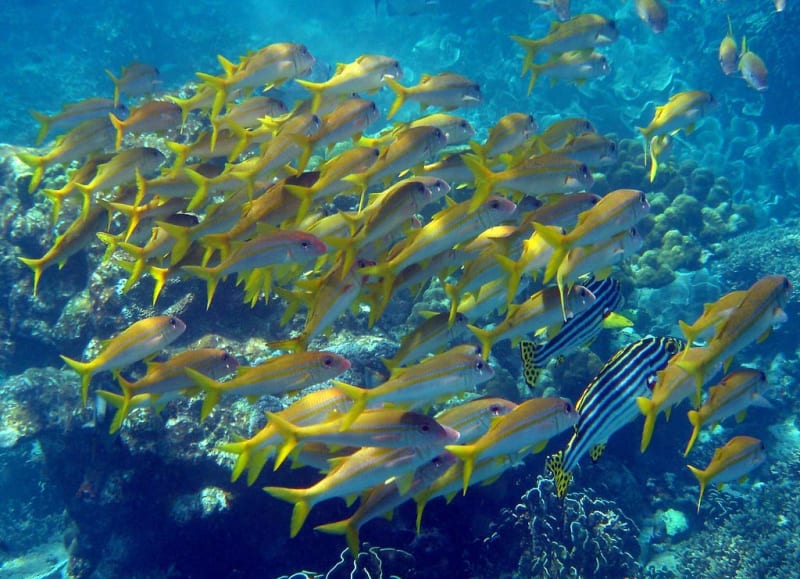
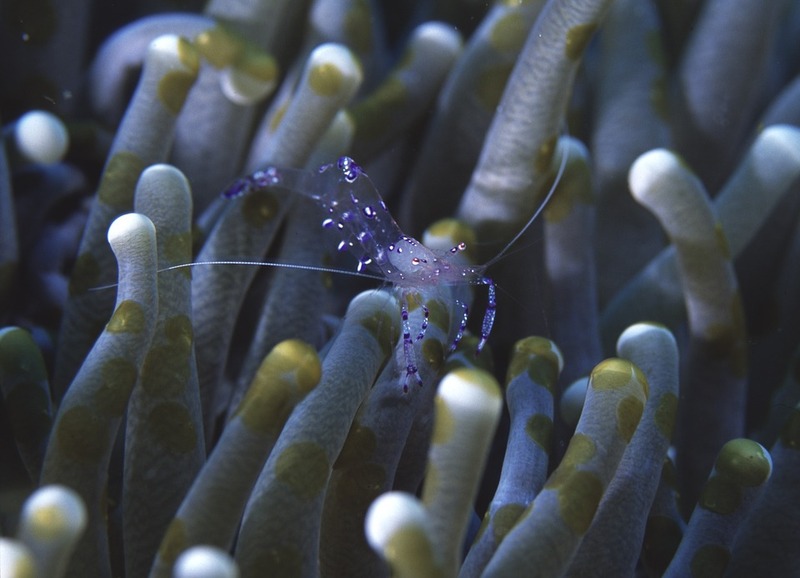
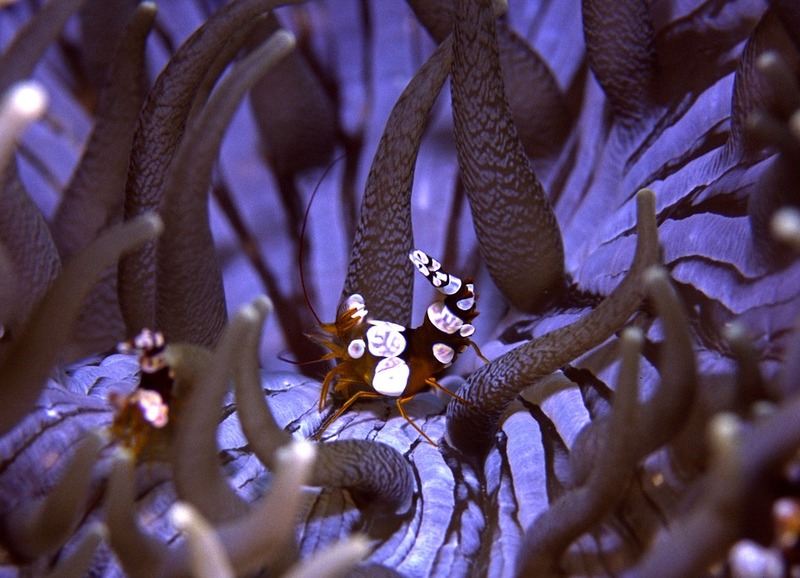
The surrounding waters are home to many tropical fish, moray eels, molluscs, crustaceans and sea turtles. Depending on the season and conditions, dolphins and larger marine animals may also be spotted. Sightings of particular species are never guaranteed, as they depend on the location, weather and natural conditions.
To protect the reefs, visitors must not stand on coral, break coral formations or disturb marine animals. Swimmers should follow park regulations, avoid feeding fish and choose sun-protection products that are safe for the marine environment.
How to reach the national park
Most excursions depart from Thap Lamu Pier in Phang Nga Province. The pier can be reached from the resort area of Khao Lak or other parts of southern Thailand. Visitors then transfer to a speedboat. The journey to the islands usually takes around one and a half hours, depending on the route, vessel and sea conditions.
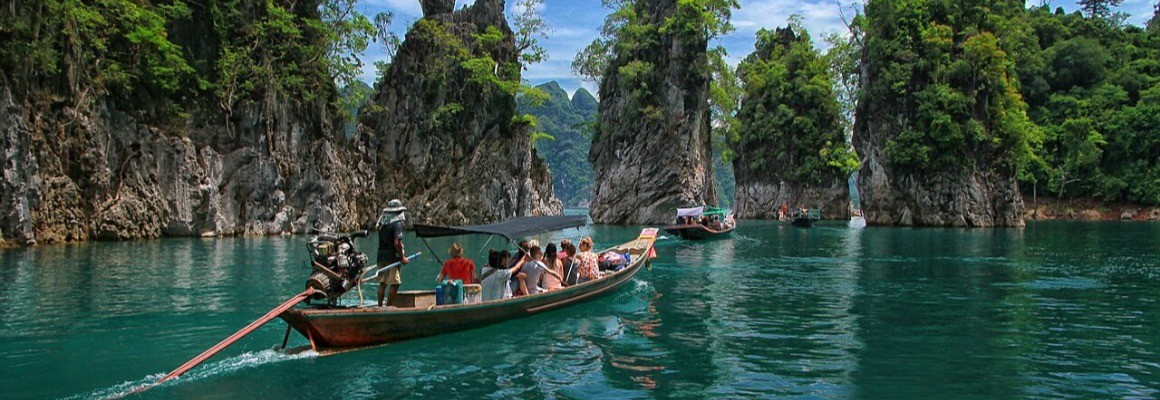
Most tourists choose day trips with several stops for swimming, snorkelling and island walks. Divers may join multi-day trips aboard specialised vessels. Independent visits without arranged transport are generally not possible, so travellers should plan ahead and check the current access rules.
When Similan Islands National Park is open
Access to the park is seasonal. It is generally open to visitors from around mid-October to mid-May. During the southwest monsoon, the park closes because of rough seas, unfavourable weather and the need to allow the marine ecosystem to recover. Official opening and closing dates are announced each year and may change.
The most popular period to visit is from December to April, when the sea is often calmer and conditions for boat excursions are more favourable. Tropical weather can still change quickly, and boat trips may be postponed or cancelled. Before booking, check that the park is open on the intended dates.
Visitor rules and nature conservation
Similan Islands National Park is protected by the Thai government, and tourism is regulated. Access to certain parts of the islands is restricted, while overnight stays are limited by current park rules. Visitors should check whether accommodation, particular beaches and specific routes are available before travelling.
Visitors should take their rubbish with them, avoid collecting shells or other natural objects, protect vegetation and leave wildlife undisturbed. Following these rules helps preserve the archipelago's coral reefs, beaches and natural landscapes.
Similan Islands National Park is ideal for travellers who want to see tropical islands with white sand, explore underwater life and spend a day surrounded by remarkable seascapes. It is one of Thailand's best-known natural destinations, where enjoying the scenery goes hand in hand with respecting the environment.
Gallery