Pidurangala Rock: a panoramic view of Sigiriya
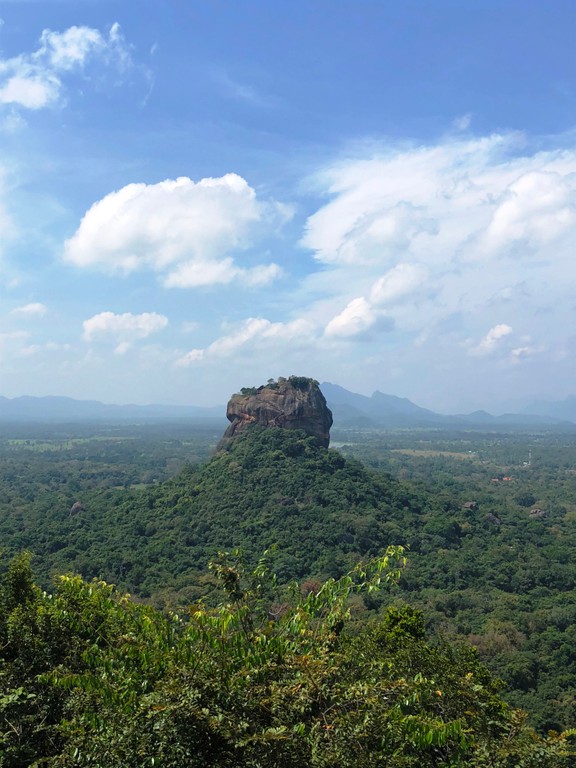
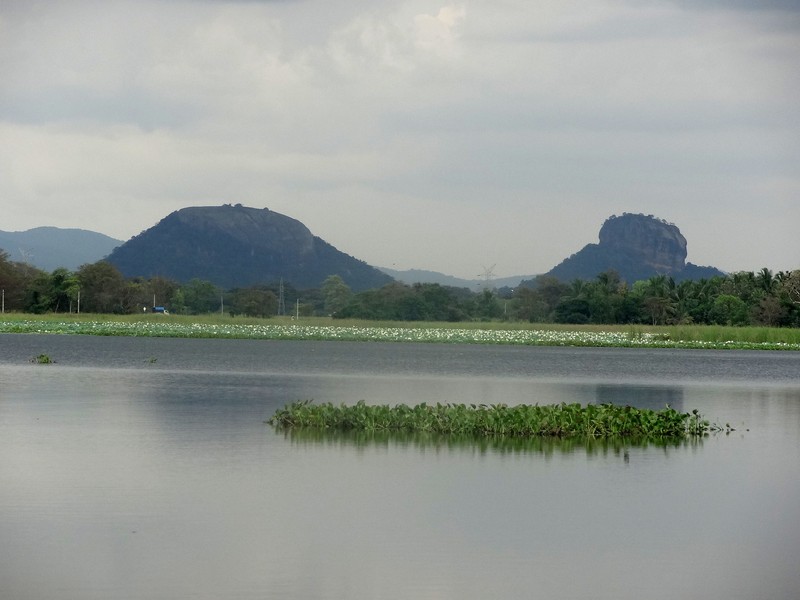
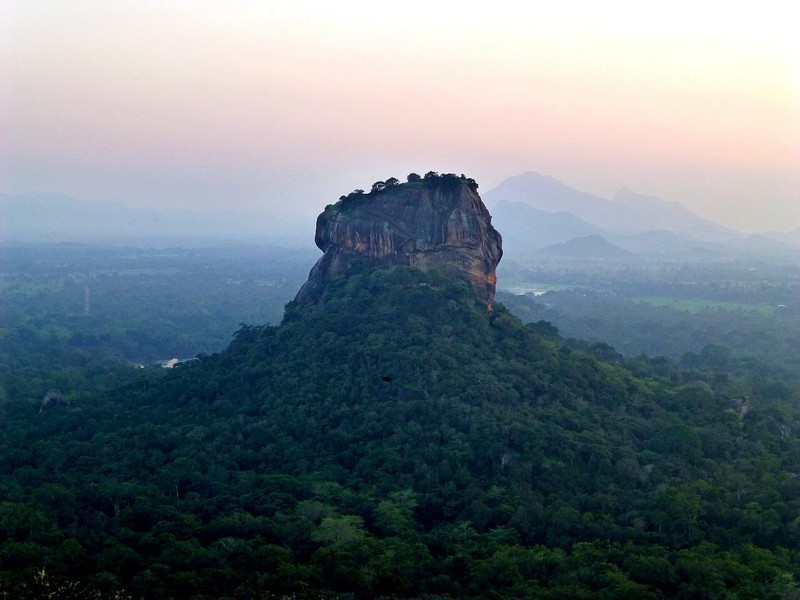
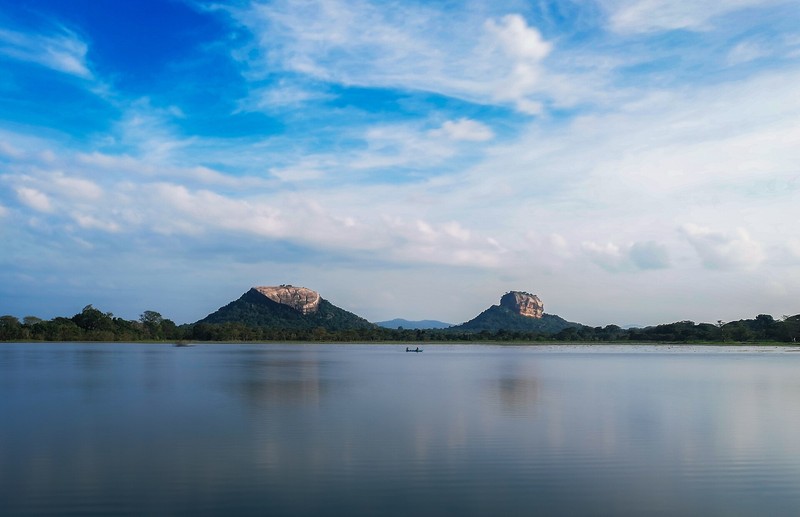
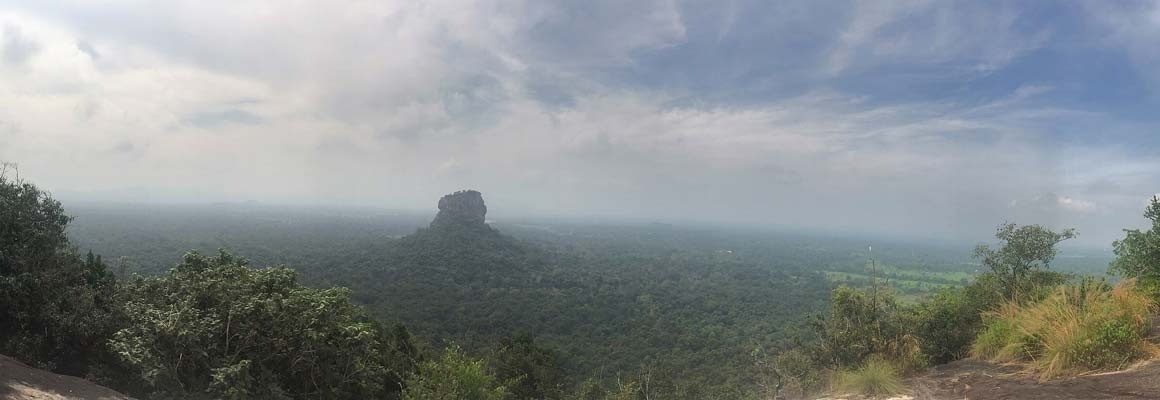
Pidurangala Rock rises near the village of Sigiriya in central Sri Lanka. It is best known for its remarkable view of the ancient Sigiriya fortress, which stands above the surrounding tropical forests. Climbing Pidurangala offers a different perspective on the famous Lion Rock and reveals the scale of the historic site and its landscape.
History and Buddhist heritage
Pidurangala has a long history as a Buddhist monastic centre, with traditions dating back to the early centuries BCE. During the reign of King Kashyapa in the fifth century CE, it became an important religious site. According to a well-known tradition, monks living at Sigiriya were relocated to neighbouring Pidurangala to make room for the royal residence.
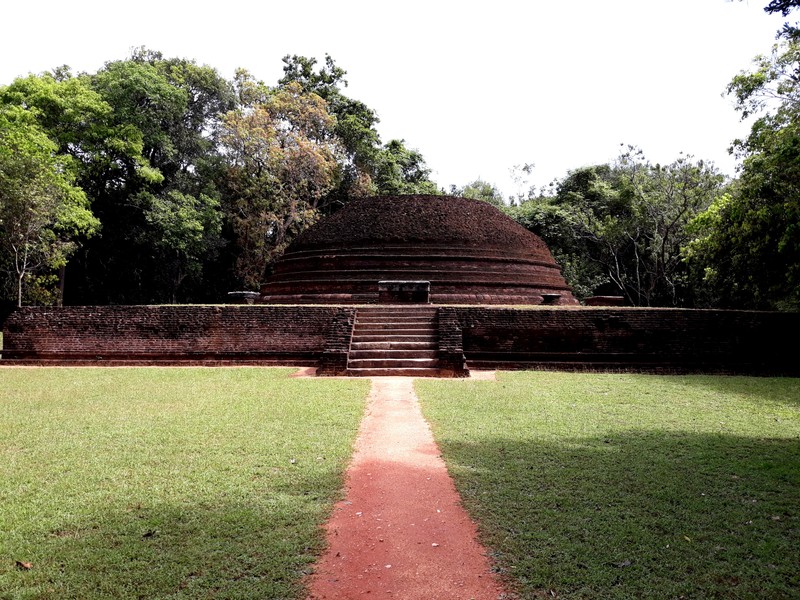
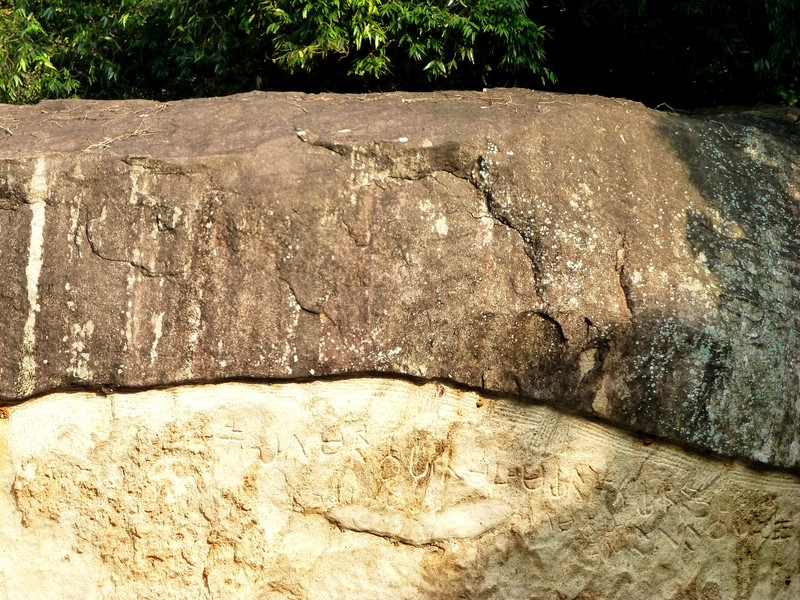
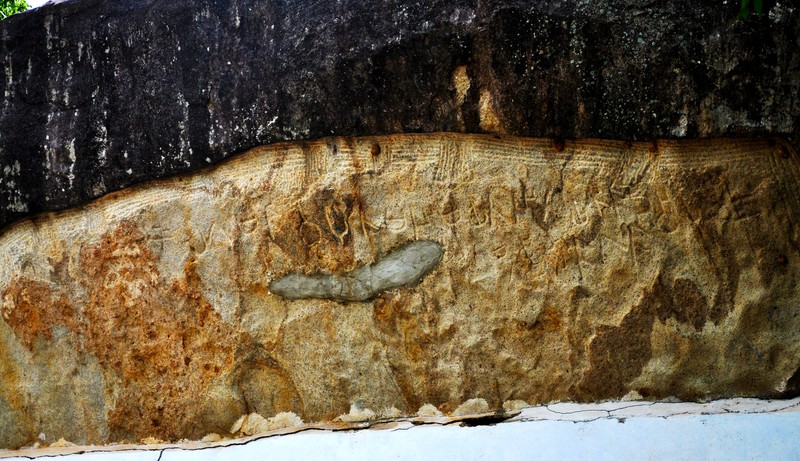
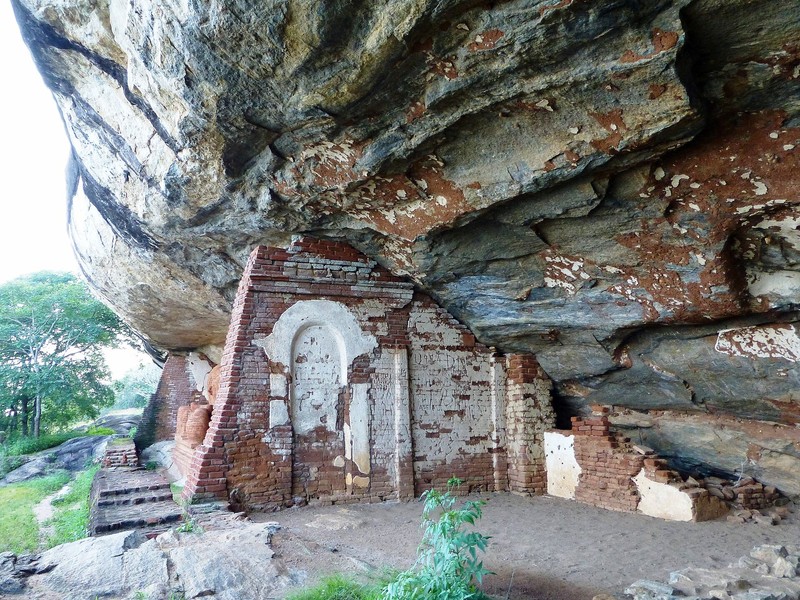
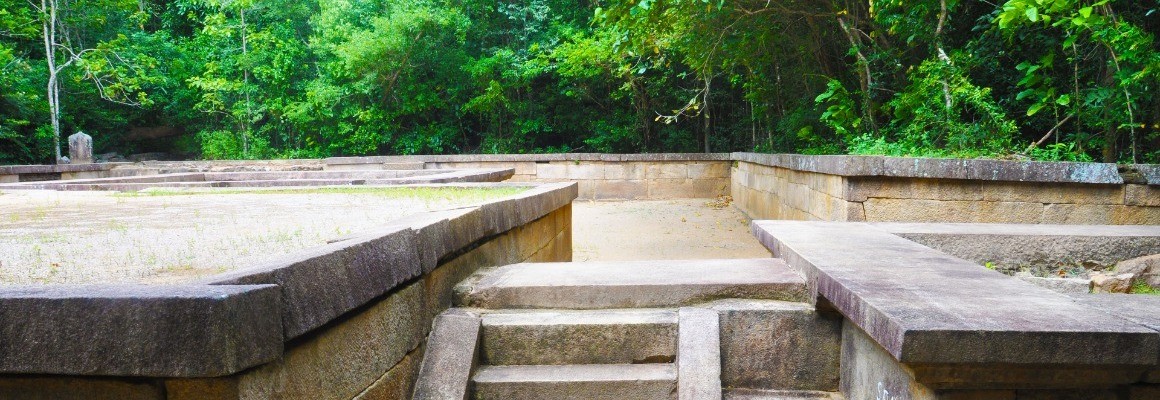
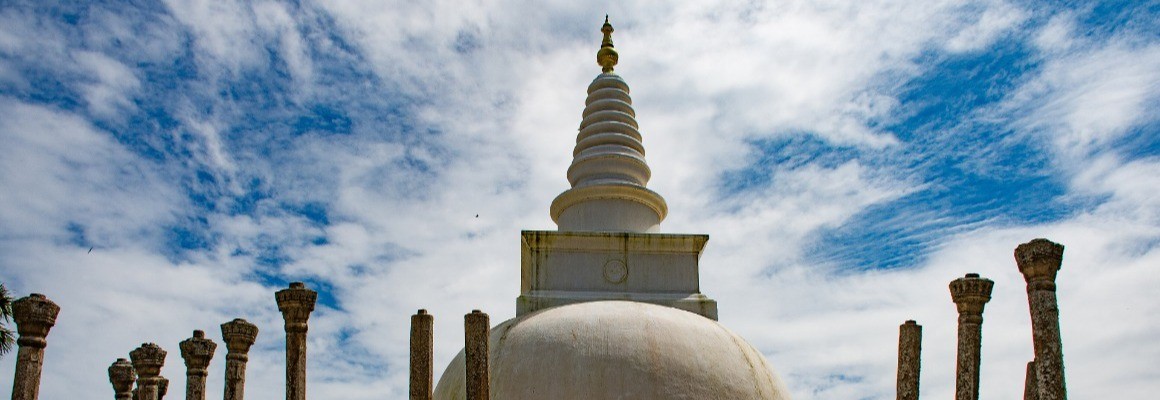
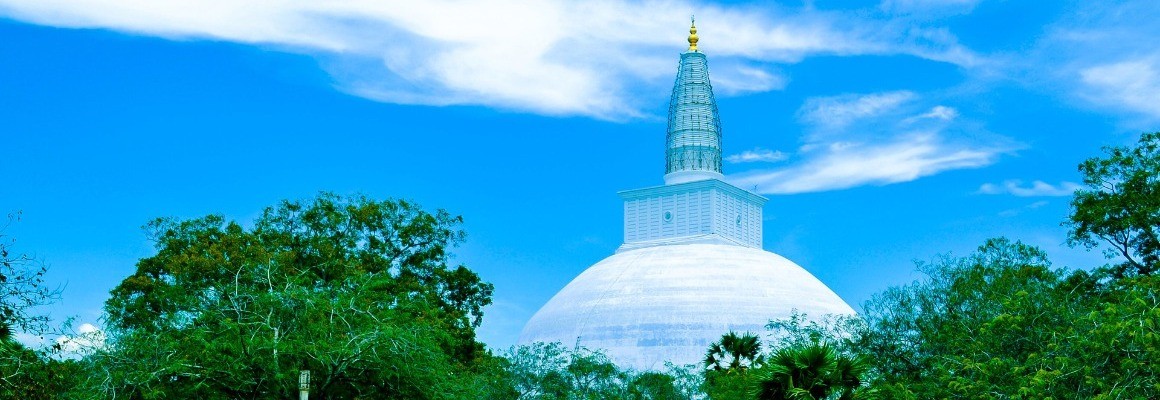
The archaeological area contains remains of a stupa, monastic structures, gathering spaces and caves used for meditation. Some caves have ancient drip ledges designed to direct rainwater away from their entrances.
The temple and reclining Buddha
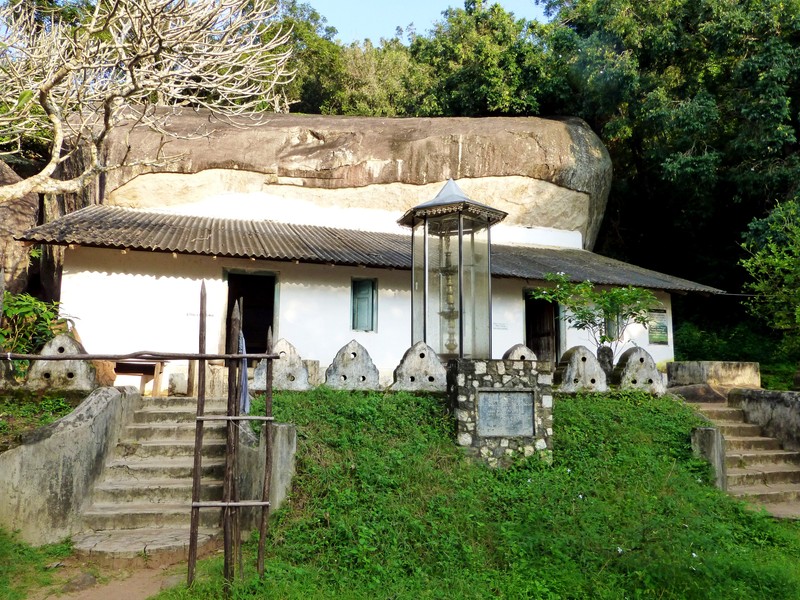
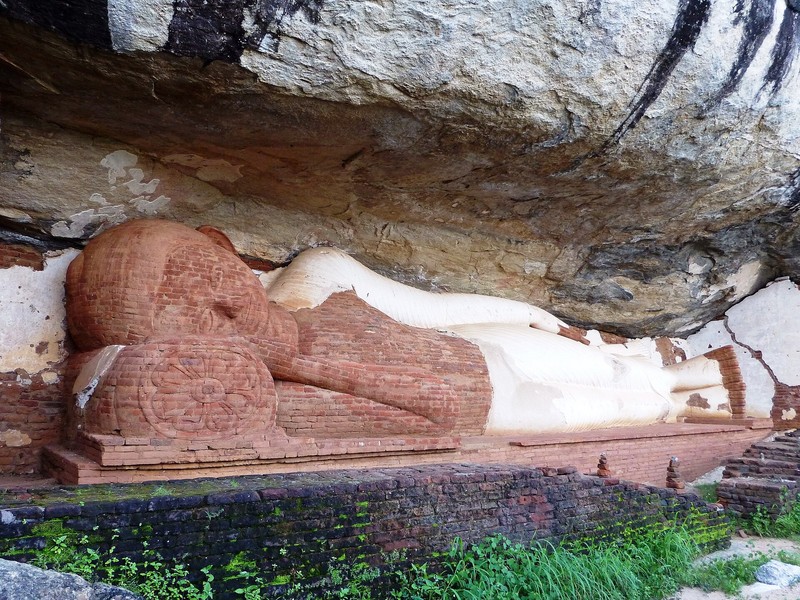
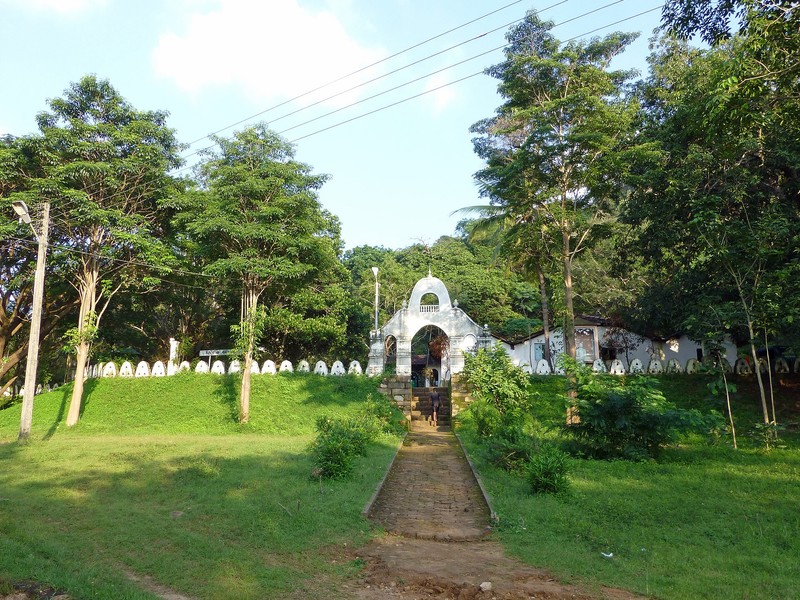
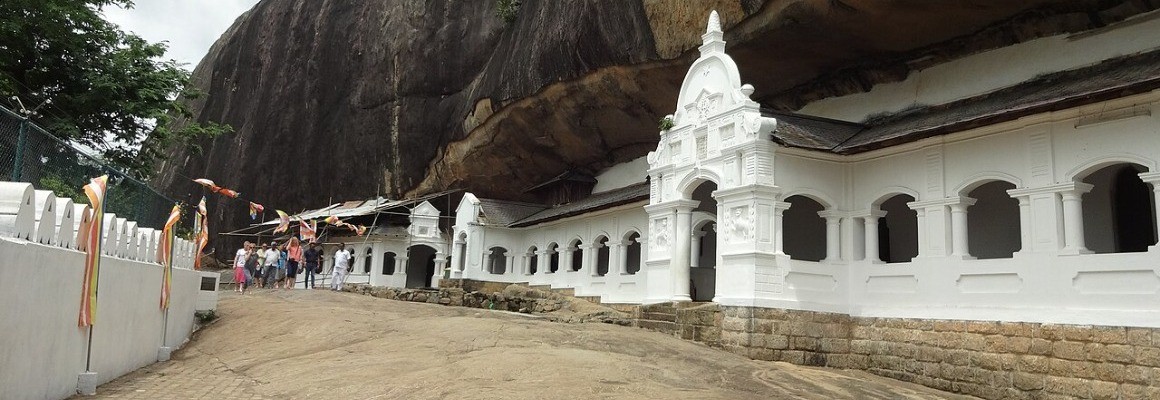
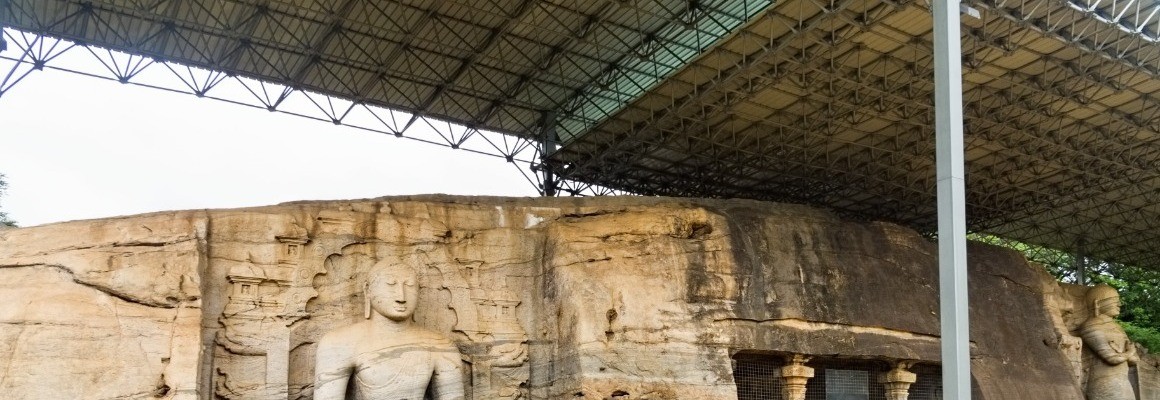
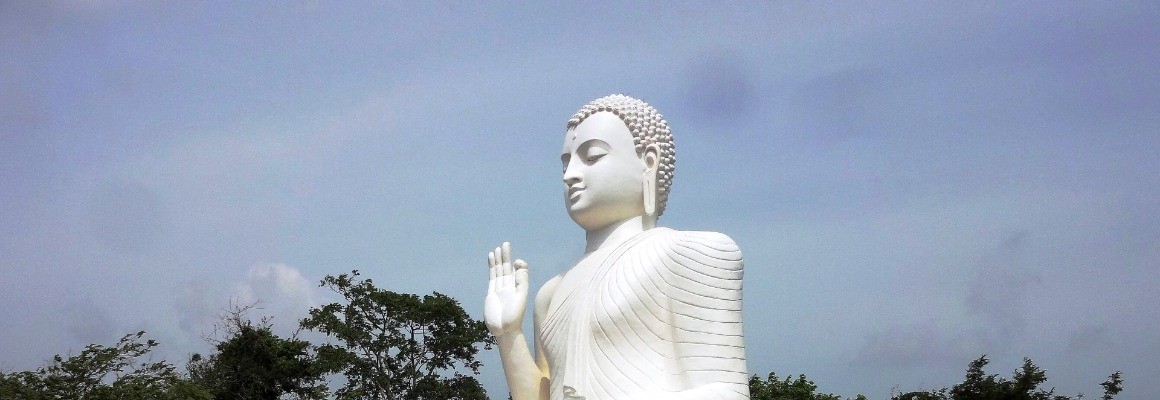
At the base of the rock stands Pidurangala Raja Maha Viharaya, an active Buddhist temple. A cave shrine contains an image of the reclining Buddha, while other remains of the ancient monastic complex can be found nearby. Visitors should remove their shoes before entering sacred spaces, dress modestly and respect people who come to worship.
The climb to the summit
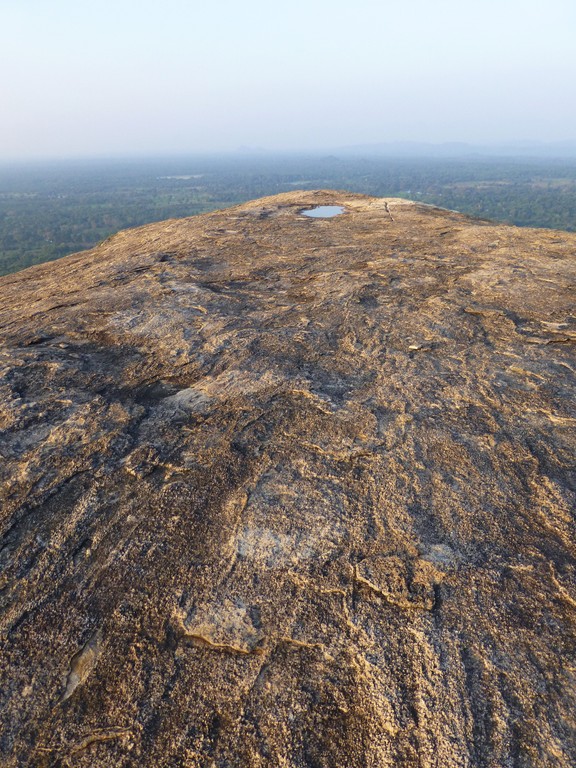
The route begins near the temple and passes through a wooded slope. The path becomes rockier near the top, where the final section involves carefully scrambling over large boulders. The ascent usually takes around 30–45 minutes, depending on fitness and pace. Rocks can become slippery after rain, so sturdy footwear with good grip is essential. Some parts of the summit have no protective railings, and visitors should stay away from exposed edges.
Views of Sigiriya
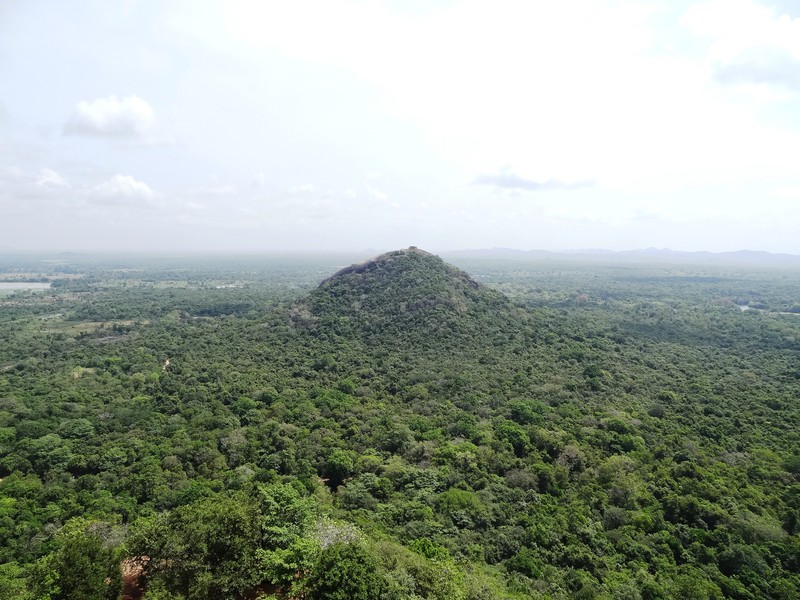
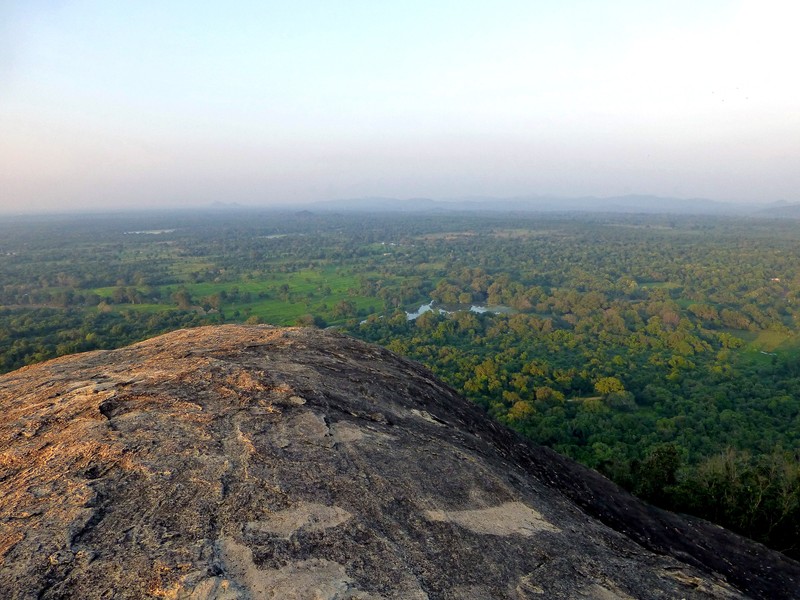
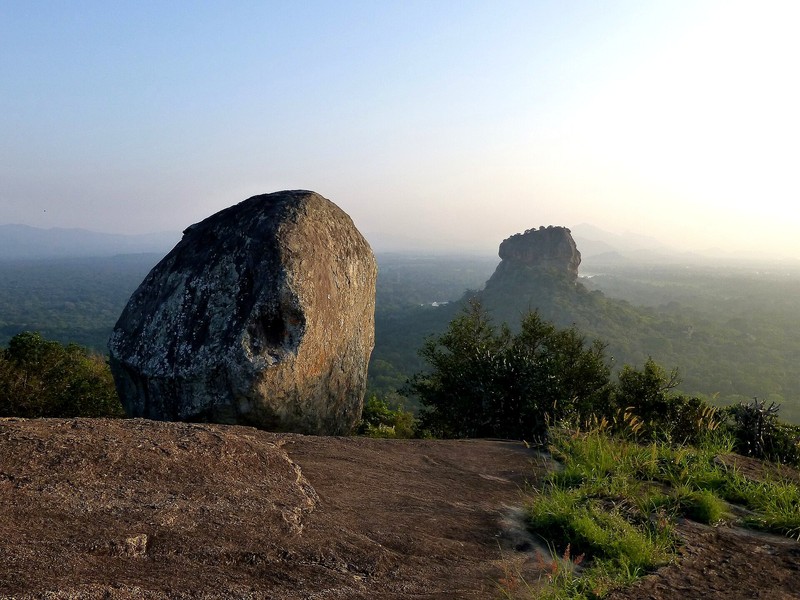
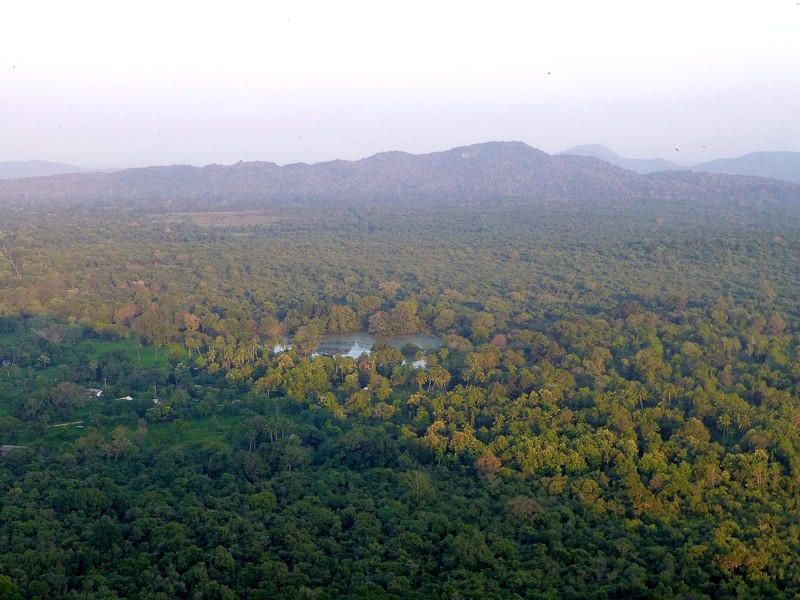
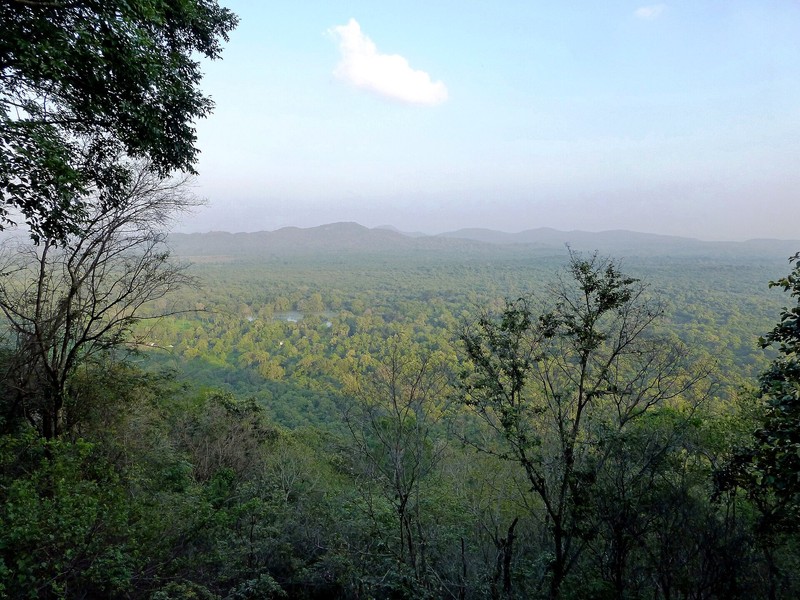
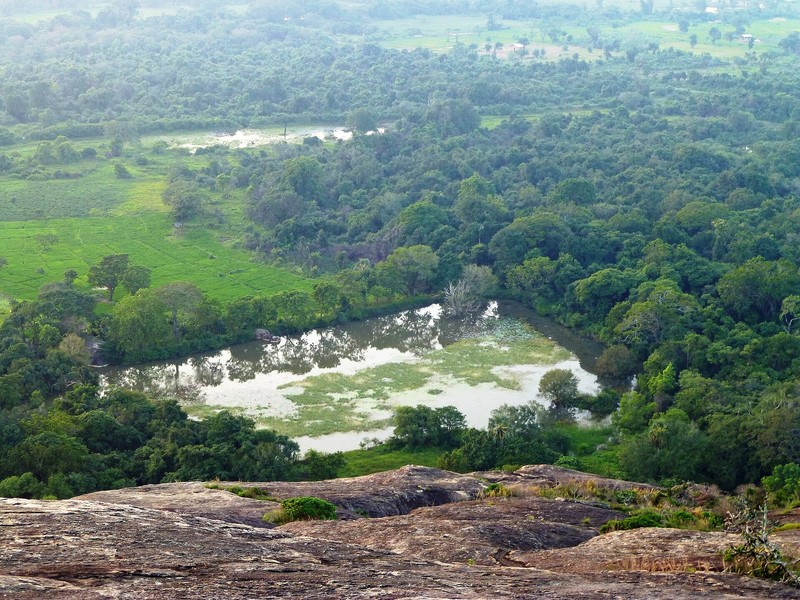
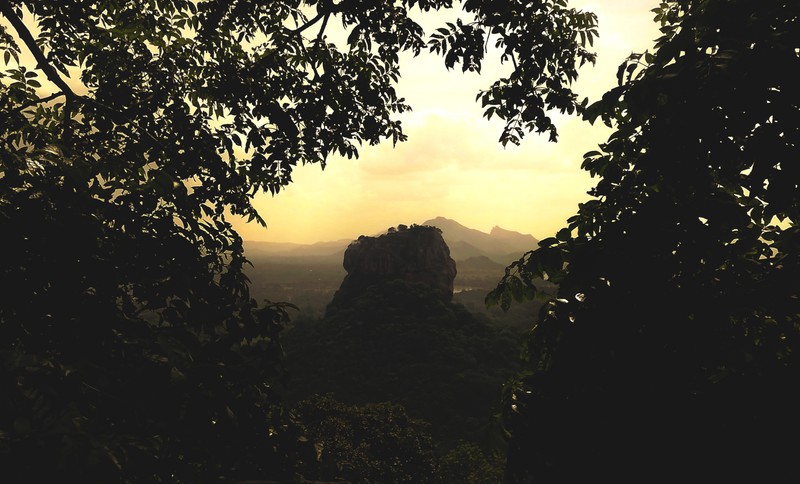
The main reward is the view of Sigiriya Rock rising above a sea of forest. On clear days, the panorama extends across surrounding plains, woodland and reservoirs. Sunrise is especially popular: the first light illuminates the Lion Rock, and morning mist sometimes lingers above the trees. Anyone visiting near sunset should allow enough time to descend before it becomes dark.
Nature and practical advice
The surrounding landscape belongs to Sri Lanka’s dry zone, with tropical trees, shrubs and woodland that provide habitat for monkeys, birds and small reptiles. Do not feed wildlife or leave litter behind.
Sigiriya village is the most convenient base, while Dambulla and Habarana are other possible starting points. Visitors can continue by car or tuk-tuk. Check current access hours and entrance fees before travelling. Bring drinking water, a torch or headlamp for a pre-dawn climb, and shoes with a grippy sole. Avoid climbing during thunderstorms or heavy rain.
Pidurangala or Sigiriya?
Sigiriya is famous for its ancient gardens, frescoes and royal palace ruins. Pidurangala offers Buddhist heritage, a rocky ascent and one of the most recognisable views of Sigiriya itself. Visiting both sites provides a fuller understanding of the region’s history and landscape.
Gallery