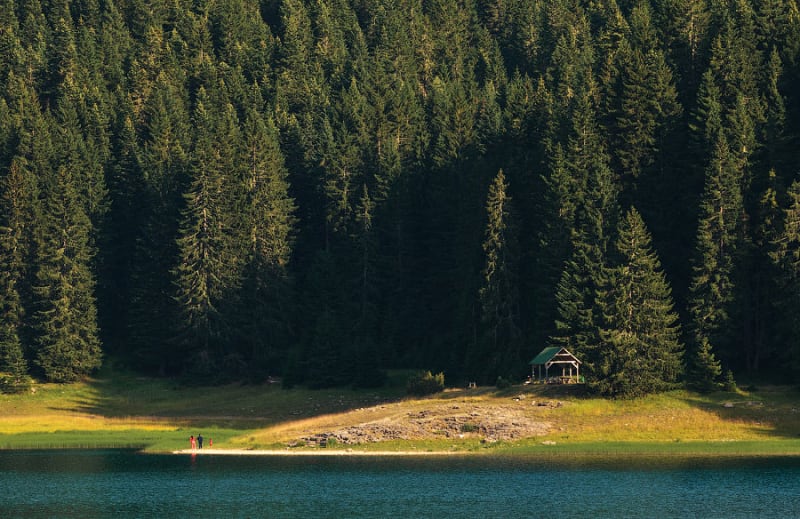
Biograd Forest is one of Montenegro’s most remarkable natural attractions. It lies within Biogradska Gora National Park in the Bjelasica Mountains in the north of the country. The area is known for old-growth trees, dense greenery, mountain streams and glacial lakes. It offers a rare chance to experience a forest landscape that has remained largely natural.
The park’s best-known landmark is Biogradsko Lake. An accessible circular trail follows its shore and provides an introduction to the forest without a demanding climb. Visitors can also choose longer hikes into the Bjelasica Mountains and routes to scenic viewpoints.
Where is Biograd Forest?
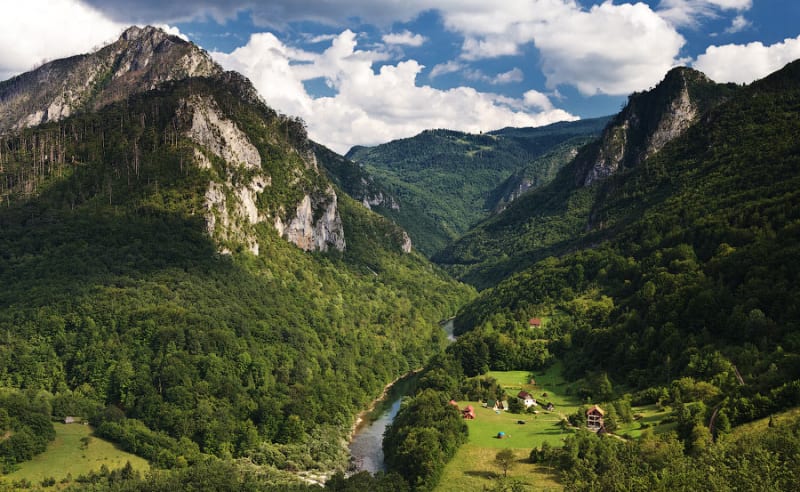
Biogradska Gora National Park is in northern Montenegro, between the valleys of the Tara and Lim rivers. The town of Kolašin is a convenient base for visiting the lake and nearby trails. The park can be reached by car, on an organized excursion or with a local transfer.
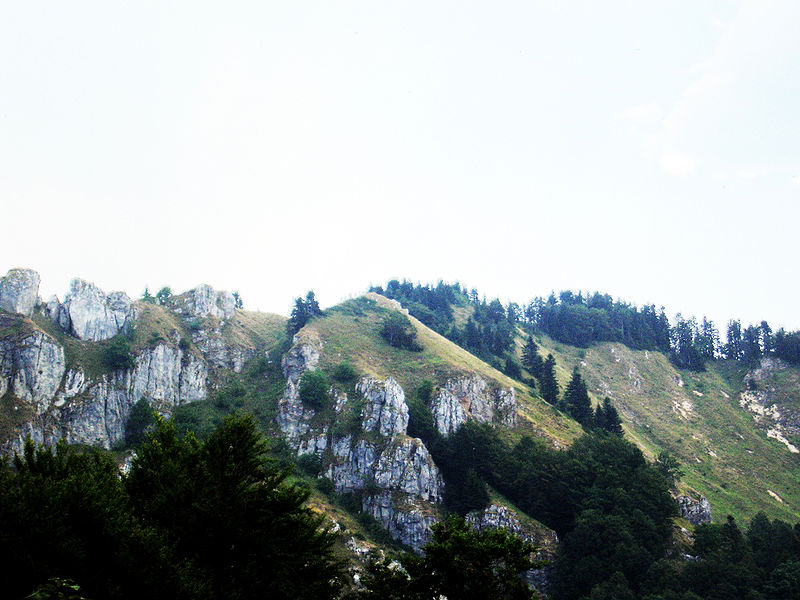
Biogradska Gora is the name of the entire national park, while Biograd Forest is often used to describe its best-known woodland area. The park ranges from about 832 to 2,139 metres above sea level, with landscapes ranging from forested valleys to high mountain slopes.
What makes the forest special?
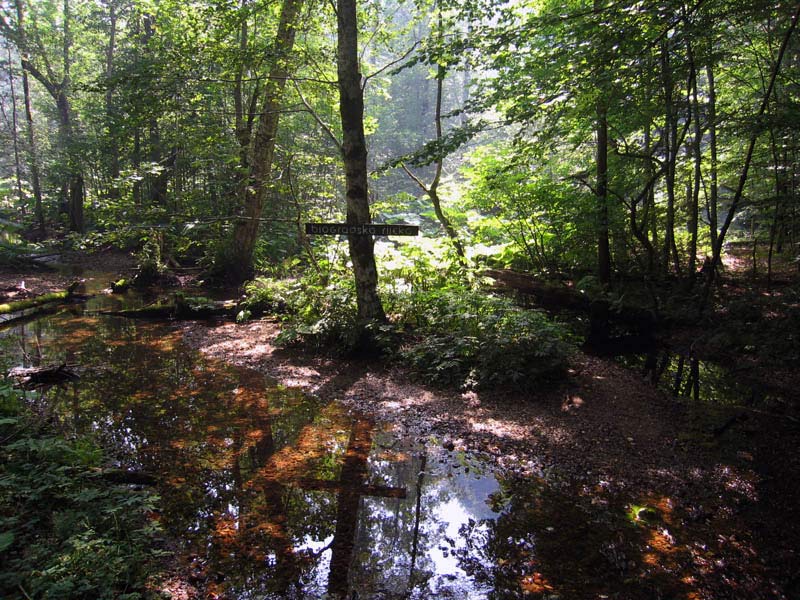
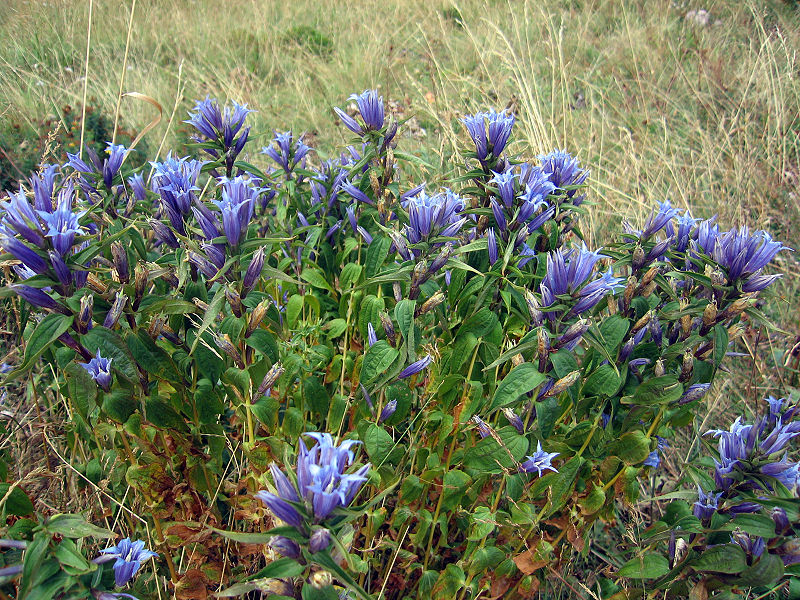
Biogradska Gora protects one of Europe’s rare areas of primeval forest. Old trees, fallen trunks, natural clearings and diverse forest communities form an ecosystem that is important for biodiversity and the study of natural processes.
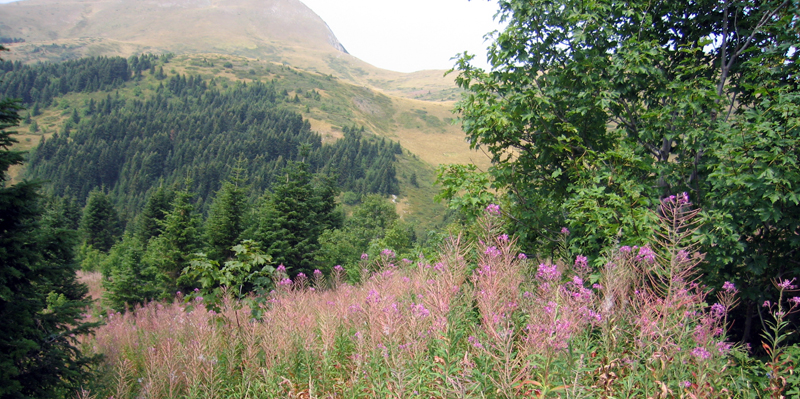
Protection began in 1878, when Montenegro’s Prince Nikola I placed the forest under protection. The area became a national park in 1952. Beech, maple, fir and other mountain tree species grow here, alongside ferns, mosses and plants adapted to damp forest conditions.
Biogradsko Lake
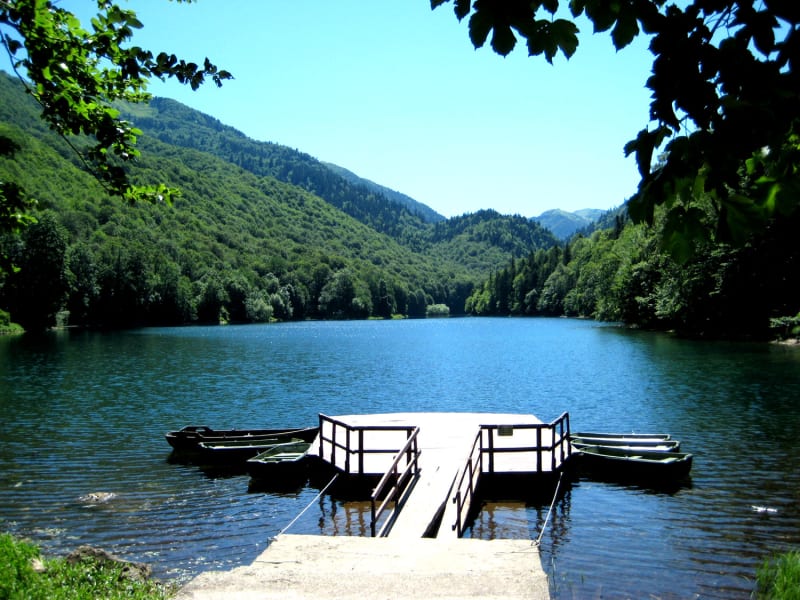
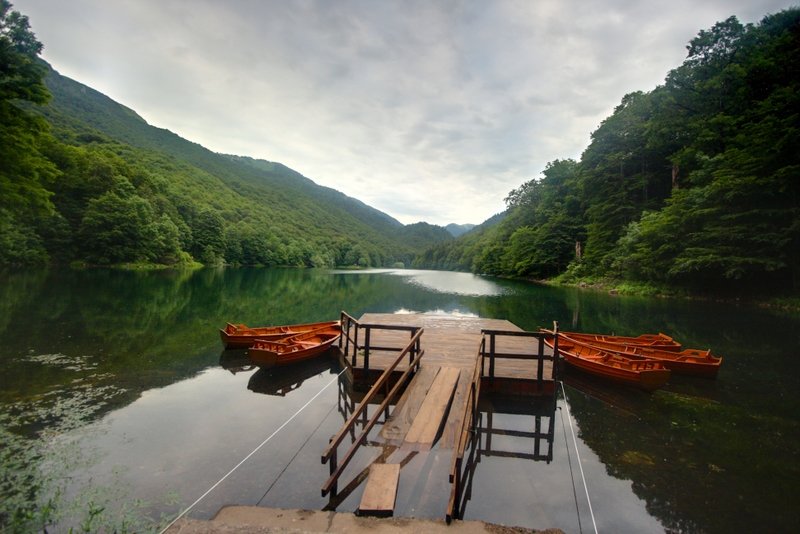
Biogradsko Lake is the park’s most famous attraction. It lies at about 1,094 metres above sea level and was formed by glacial processes. Deposits left by retreating glaciers blocked a mountain valley and created the lake.
At a high water level, the lake is approximately 875 metres long and 410 metres wide, with a maximum depth of around 12 metres. Its colour changes with the weather, from blue-green in sunshine to darker shades under cloud. In calm conditions, trees and mountain slopes are reflected on the surface, especially in the early morning.
Walking around the lake
The easiest way to explore Biograd Forest is to follow the circular trail around Biogradsko Lake. The route is about 3.3–3.5 kilometres long and usually takes around an hour. Allow 90 minutes to two hours if you plan to stop for photographs and enjoy the scenery.
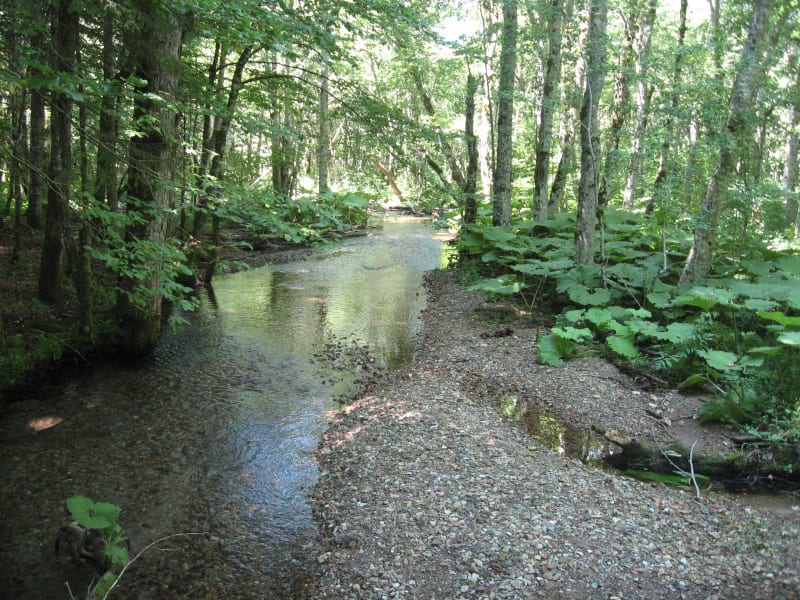
The trail is suitable for beginners and families, although some sections can be slippery or muddy after rain. Wear comfortable shoes with good grip. Take your time and look for old tree roots, mosses, small streams and reflections in the water.
Viewpoints and mountain hikes
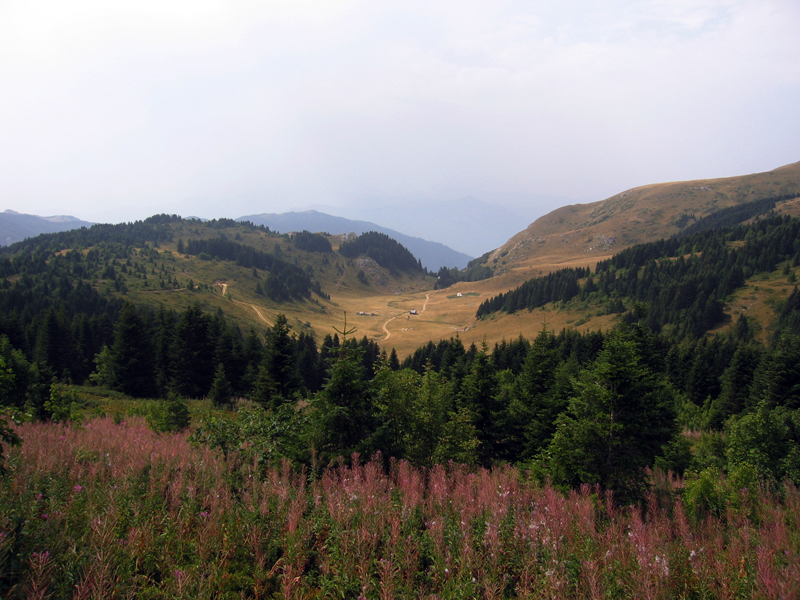
Visitors looking for wider views can consider the route to Bendovac viewpoint. It overlooks Biogradsko Lake, forested slopes and the surrounding Bjelasica Mountains. The climb is more demanding than the lakeside walk, so check the weather and trail conditions before setting out.
Higher parts of the park contain other glacial lakes and mountain peaks. These routes require more time, suitable fitness and reliable navigation. If you are unfamiliar with mountain hiking, consider hiring a local guide.
Plants and wildlife
Old-growth woodland, clearings, streams and mountain slopes provide habitats for many plant species, insects, birds and mammals. Visitors may hear forest birds or spot signs of wildlife, but sightings of large animals are never guaranteed.
Observe wildlife quietly, keep your distance and never feed animals. Fallen trees and natural openings are important parts of the forest ecosystem rather than signs of neglect.
Things to do
Popular activities include walking forest trails, photography, birdwatching and hiking. Depending on the season and park rules, cycling routes, boats or kayaks may also be available. Check the current services before your visit.
Early morning and late afternoon usually provide softer light for photography. Autumn brings changing leaf colours, spring offers fresh greenery, and the forest looks especially vivid after rain, although paths may become wet.
Best time to visit
Late spring through early autumn is generally the easiest period for walks and hiking. Summer offers better access to the main routes, but the lake can be busy. Visit early or on a weekday if you prefer a quieter experience.
Snow may remain at higher elevations in spring, while trails can be wet. Summer weather can change quickly in the mountains, and autumn days are shorter. Winter visits require checking road conditions and the availability of visitor facilities in advance.
How to get there
A car is a convenient option for an independent visit. Kolašin is roughly 16–20 kilometres from the lake area, depending on the route. A road leading to the lake branches off the main road between Kolašin and Mojkovac. Check road conditions before travelling, especially outside summer.
You can reach Kolašin from other parts of Montenegro by car or public transport, then continue by taxi, transfer or organized tour. Do not assume that regular public transport runs directly to the lake.
How much time to allow
Allow two to three hours for the lake and a short forest walk. Half a day is better if you want to walk slowly, take photographs and relax by the water. A hike to a viewpoint or into more remote parts of the park needs additional planning.
What to bring
Bring comfortable walking shoes, drinking water, a light jacket and rain protection. Longer hikes require navigation, a charged phone, extra water and sun protection. Check the forecast and stay on permitted trails.
Why visit Biograd Forest?
Biograd Forest reveals a different side of Montenegro: cool mountain woodland, clear lakes and landscapes that retain their natural character. The combination of ancient forest, a glacial lake and accessible walking routes makes the park worthwhile for both a short stop and a longer mountain adventure.
Gallery