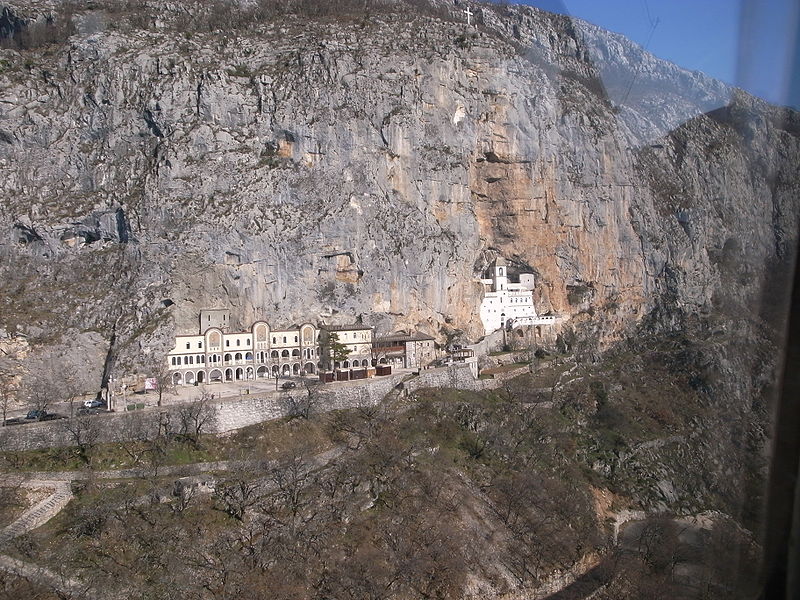
Ostrog Monastery is one of the best-known Orthodox monasteries in the Balkans and a major pilgrimage destination in Montenegro. It stands on the slopes of Mount Ostroška Greda between Danilovgrad and Nikšić. Its most famous section, the Upper Monastery, appears to be built directly into an almost vertical cliff at an elevation of about 900 metres above sea level.
Ostrog attracts Orthodox pilgrims as well as travellers interested in history, religious architecture, and dramatic landscapes. Natural caves, stone walls, small churches, and mountain scenery come together in an unusual setting. The monastery is closely associated with Saint Basil of Ostrog, who is venerated in Orthodox tradition as a wonderworker and healer. His relics are kept in the Upper Monastery, drawing pilgrims from many countries.
History of Ostrog Monastery
The monastery's history is linked to Saint Basil of Ostrog, who lived in the seventeenth century. Born Stojan Jovanović in Herzegovina in 1610, he received a religious education and eventually became the Bishop of Zahumlje and Herzegovina. Around 1665, he settled in the caves of the Ostrog cliffs and established a monastic community there.
The natural cavities in the rock provided places for prayer and monastic life. Over time, small churches and monastery buildings developed around them. Saint Basil died in 1671, and devotion to him spread far beyond the local community. Orthodox tradition associates him with many accounts of healing and assistance received through prayer.
Over the following centuries, the monastery experienced difficult periods involving conflicts and fires. The complex was repeatedly repaired and expanded. In the nineteenth century, the Lower Monastery developed near the foot of the mountain to accommodate the growing number of pilgrims.
The Upper Monastery
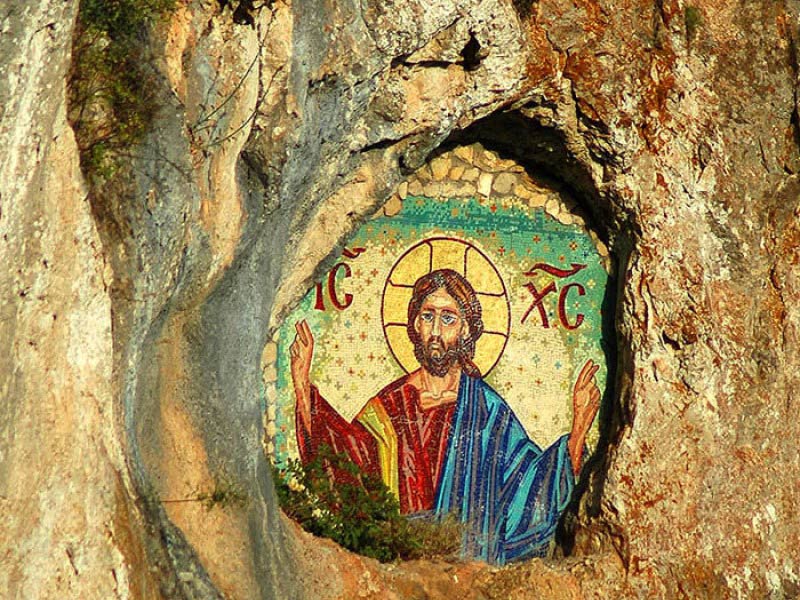
The Upper Monastery is the most famous part of the complex. Its whitewashed facades stand out against the grey and brown rock. Some rooms occupy natural caves, while walls and terraces fit into narrow ledges along the cliff. The buildings appear to follow the natural shape of the mountain.
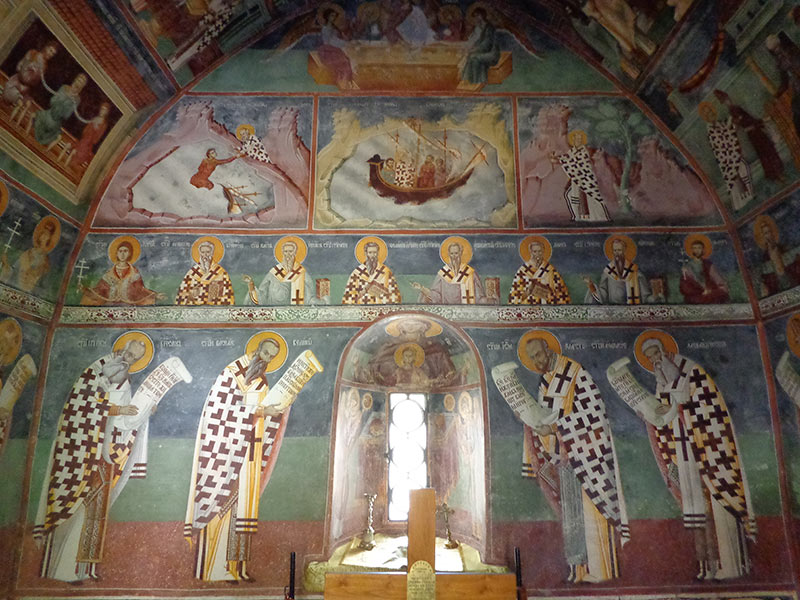
The Upper Monastery contains several small churches, including the Church of the Presentation of the Virgin and the Church of the Holy Cross. Their interiors feature religious frescoes and icons. The principal shrine is the reliquary of Saint Basil of Ostrog, where pilgrims come to pray and pay their respects.
The Lower Monastery
The Lower Monastery lies farther down the slope. It includes the Church of the Holy Trinity, monastic buildings, and facilities needed for the community and its visitors. The Church of the Holy Trinity was built in the nineteenth century. The Lower Monastery is also the starting point for visitors who choose to walk up to the upper shrines.
Architecture and Frescoes
Ostrog is unusual because its architecture is closely integrated with the natural cliff. Instead of a large enclosed complex, it consists of compact buildings connected by steps, paths, and terraces. Some rooms occupy natural caves, while others have been built against the rock face.
The frescoes in the cave churches are particularly significant. They depict Christian saints, biblical scenes, and traditional religious compositions. Together with the stone vaults and icons, they create an intimate setting for worship. The monastery's distinctive appearance comes from the close relationship between its white walls and the rugged mountain.
Pilgrimage and Religious Festivals
Ostrog remains an active Orthodox monastery visited by believers from Montenegro, Serbia, Bosnia and Herzegovina, and other countries. One of the busiest dates is 12 May, the feast day of Saint Basil in the local Orthodox calendar. Roads can become congested and queues at the shrines may be long during this period.
The monastery welcomes people from different backgrounds, but it remains a sacred place rather than an ordinary tourist attraction. Visitors should speak quietly, respect people at prayer, dress modestly, and follow the instructions of the monastic community.
Landscape and Best Time to Visit
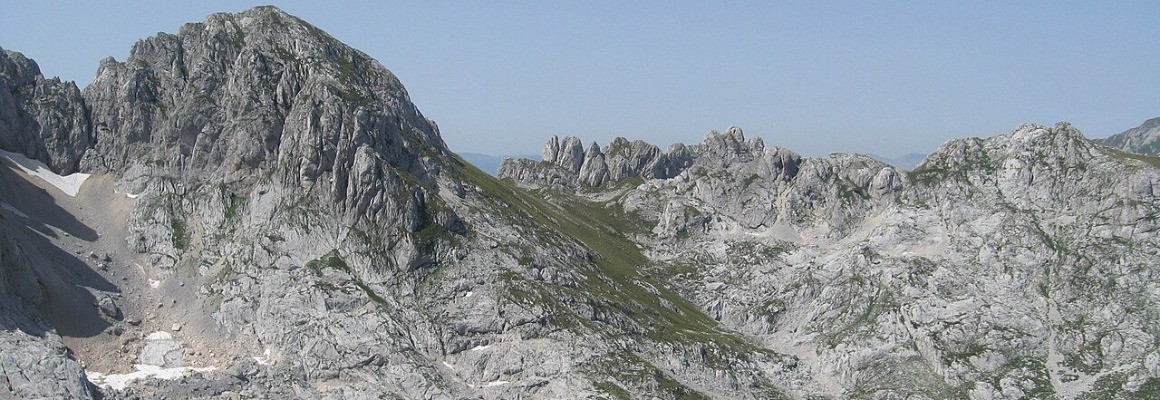
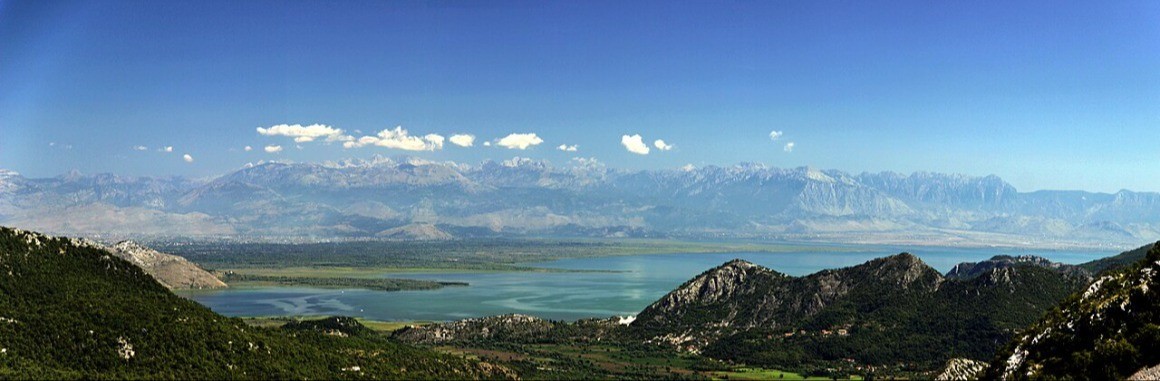
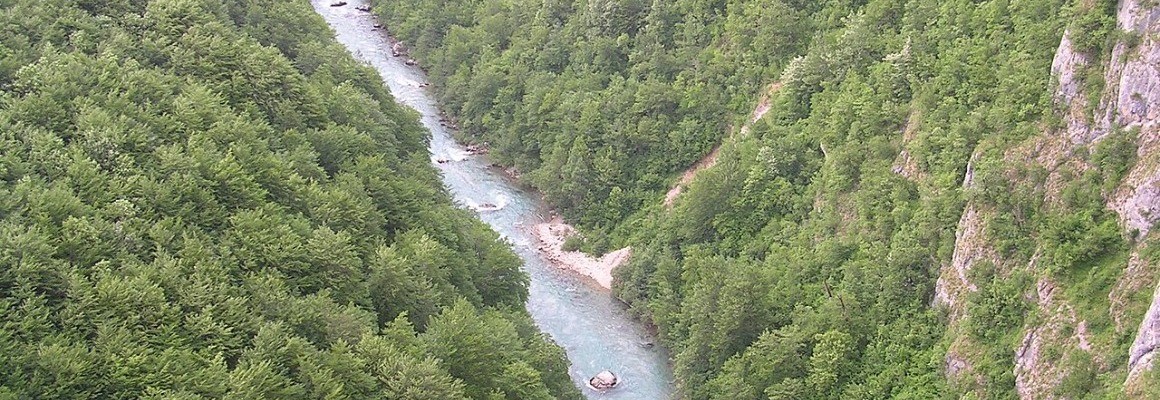
At about 900 metres above sea level, the monastery offers views of mountain slopes and the Zeta River valley. Spring and autumn are often comfortable seasons for a visit. Summer brings more travellers, while winter weather can make the mountain road more difficult. For a quieter experience, consider a weekday morning outside major religious holidays.
How to Get to Ostrog
The monastery is in central Montenegro, between Danilovgrad and Nikšić, approximately 50 kilometres by road from Podgorica. The final approach follows a mountain road with steep bends, so drivers should proceed carefully. Visitors can walk between the Lower and Upper Monasteries along a sloping path, making suitable footwear important.
The area can also be reached by public transport with transfers. Ostrog railway station is in the surrounding area, but visitors need to arrange onward transport to the monastery. Check current train, bus, and road information before travelling.
Visitor Etiquette
Modest clothing covering the shoulders and knees is recommended. Silence should be maintained inside churches, and photography may be restricted in some rooms. The route to the Upper Monastery includes slopes, steps, and uneven surfaces, so visitors with limited mobility should check accessibility in advance.
Ostrog combines spiritual significance, history, and extraordinary architecture. Its cave churches, frescoes, sacred relics, and dramatic cliffside location make it one of Montenegro's most memorable cultural landmarks.
Gallery