The Water Iris Garden, officially known as Suigo Sawara Ayame Park, is located in Katori, Chiba Prefecture, eastern Japan. Set within Suigo-Tsukuba Quasi-National Park, it is a scenic aquatic garden of waterways, small islands, bridges and flower beds. The park offers an introduction to Japanese gardening traditions and shows how water and carefully arranged plants can create a peaceful landscape.
The park covers approximately eight hectares. Its main attraction is a collection of Japanese irises: during the flowering season, around 1.5 million blooms representing about 400 varieties fill the garden. In late spring and early summer, the banks and waterways are coloured purple, blue, white and pink.
A garden of waterways and islands
The layout emphasises the relationship between flowers and water. Channels run between the planted areas, small bridges connect different parts of the garden, and islands and banks create changing views. Visitors can walk along the paths or take a ride in a small traditional boat through the garden's waterways.
A boat ride offers a different perspective on the flowers and their reflections. The calm water, carefully arranged vegetation and traditional design elements evoke the atmosphere of an old Japanese waterside landscape.
Millions of blooming irises
The main annual event is the Iris Festival, usually held from late May through late June. During this period, about 1.5 million Japanese irises from roughly 400 varieties bloom across the park. The collection includes Edo, Higo and Ise groups, which differ in flower shape, petal arrangement and colour.
Japanese irises are admired for their expressive petals and subtle colour variations. Visitors may see deep purple and blue flowers alongside white and pale pink varieties. Blooming dates depend on the weather, so it is worth checking current conditions before travelling. Festival activities may include traditional wedding processions on boats and performances by local musicians on selected weekends.
Wisteria and lotus season
Irises are not the only reason to visit. In spring, a wisteria tunnel about 70 metres long becomes a popular feature. Its hanging clusters of flowers form a picturesque passage through the garden.
In summer, the park changes character. From July to August, the Lotus Festival celebrates more than 300 varieties of lotus. Their broad leaves and distinctive blossoms transform the ponds and waterways. The succession of flowering plants makes the park worth visiting beyond the iris season.
Japanese garden traditions
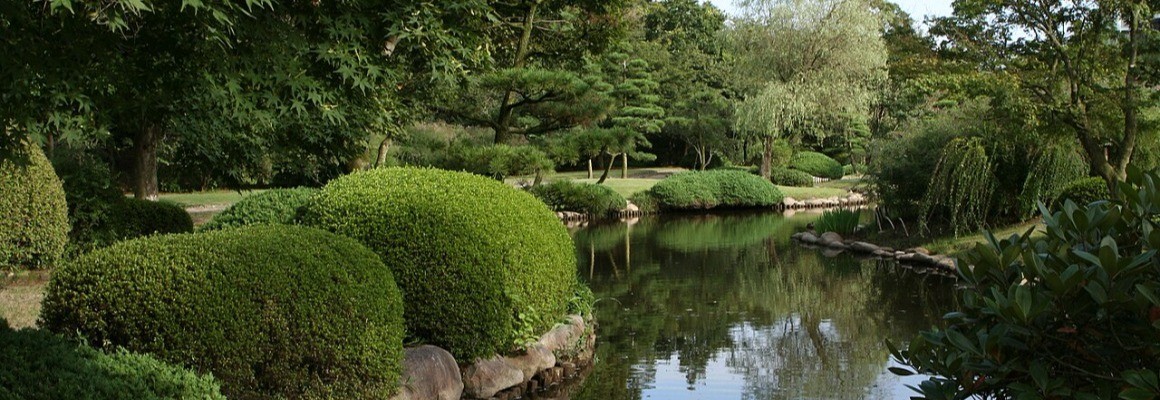
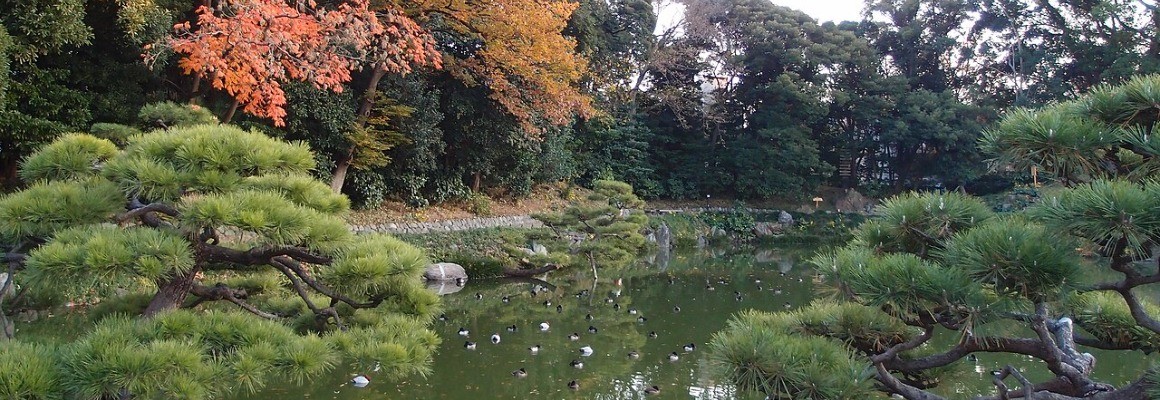
Japanese gardens often appear natural, although the placement of plants, water, bridges and paths is carefully planned. At the Water Iris Garden, water is part of the overall composition, while islands and winding channels reveal new views as visitors move through the grounds. The experience depends not only on the flowers but also on their reflections and the sense of calm created by the landscape.
Irises have a special place in Japanese culture. Their flowering is associated with the beginning of summer, and iris motifs appear in decorative arts and seasonal traditions. The park itself is best known for its extensive plant collection and annual festival.
How to get there and when to visit
The park is in the Ogishima area of Katori, Chiba Prefecture. From Tokyo, travellers can take a train or highway bus to Sawara Station and continue by local bus or taxi. Journey times depend on the route and timetable.
Late May and June are the best months to see the irises, while July and August are suitable for lotus flowers. Spring visitors may also enjoy the wisteria season. The festival period can be busy, so check opening hours, transport and flower conditions in advance. Blooming dates vary slightly from year to year with the weather.
What makes the park special
The Water Iris Garden combines an extensive flower collection, traditional Japanese aesthetics and the chance to see blossoms from a boat. Wisteria blooms in spring, irises dominate late spring and early summer, and lotuses take centre stage in summer.
Suigo Sawara Ayame Park is a peaceful place to enjoy a walk and discover Japan's floral culture. Its waterways, bridges and seasonal flowers turn a visit into a journey through a living Japanese landscape.
Gallery