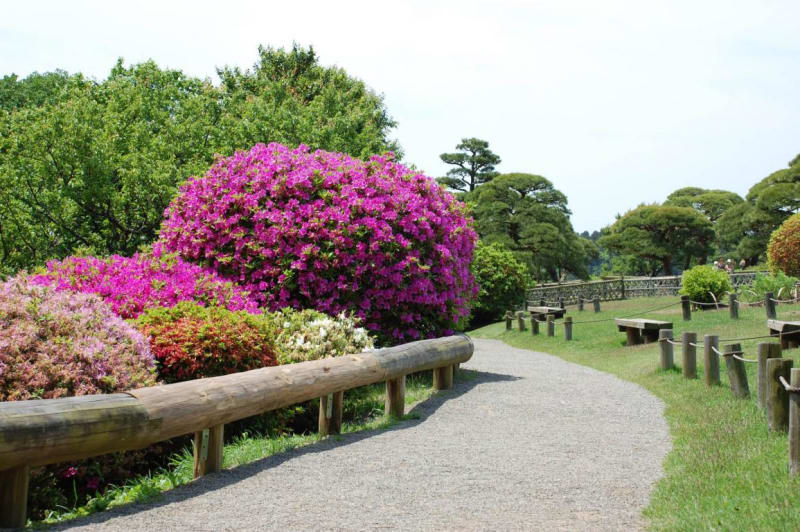
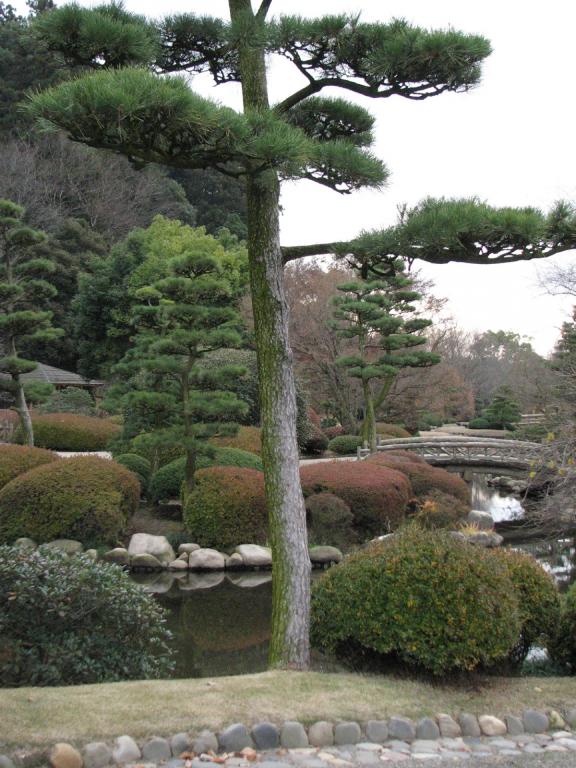
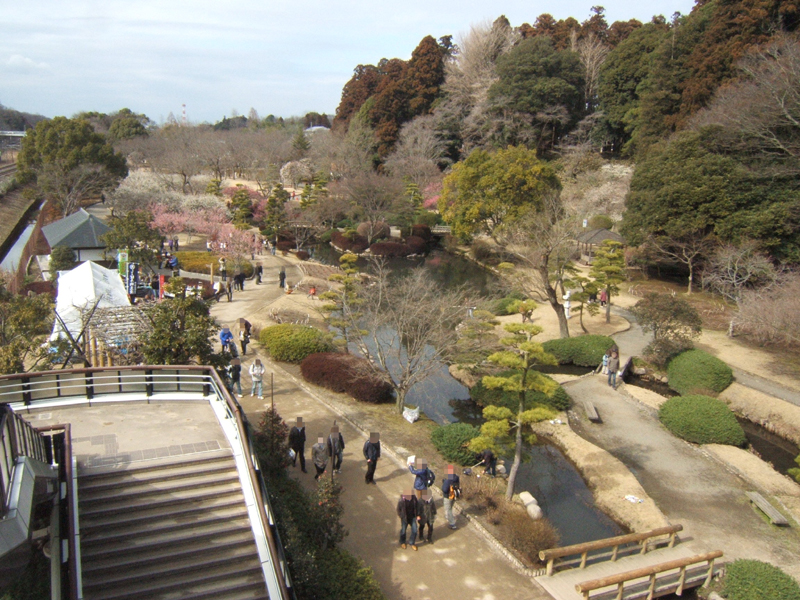
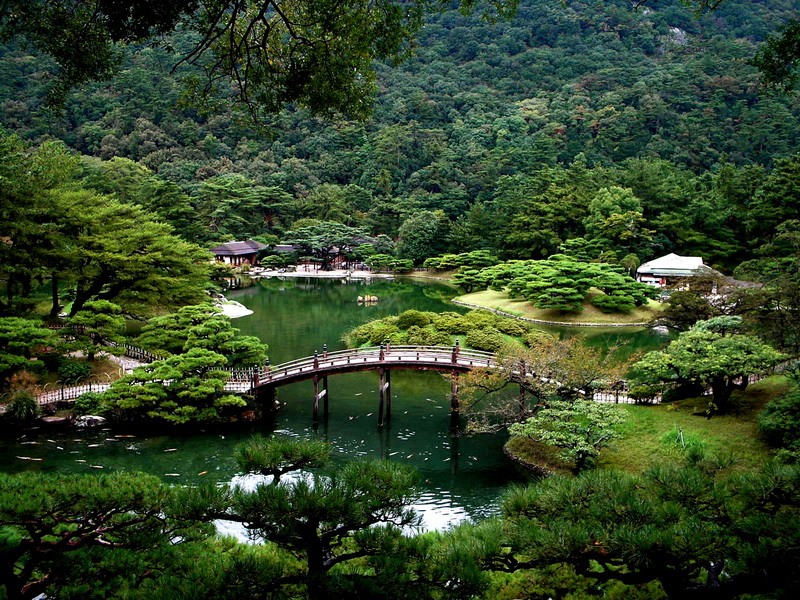
Kairakuen is one of Japan's best-known traditional gardens, located in Mito, Ibaraki Prefecture. Along with Kenrokuen in Kanazawa and Korakuen in Okayama, it is considered one of the country's Three Great Gardens. Created in the nineteenth century, it is admired for its carefully composed landscapes, seasonal flowers, ponds, and walking paths. Its name is often interpreted as “a garden to enjoy together,” reflecting the idea that the grounds should offer pleasure not only to a ruler but also to other people.
Kairakuen is especially famous for its plum trees. In late winter and early spring, white, pink, and reddish blossoms brighten the garden. Yet it remains attractive throughout the year: summer brings lush greenery, autumn adds changing foliage, and winter reveals the elegant shapes of trees and the quiet structure of the landscape.
History of the Garden
Kairakuen was established in 1842 at the initiative of Tokugawa Nariaki, the ninth lord of the Mito domain. He envisioned a place where people could relax, appreciate nature, and spend time away from everyday responsibilities. Unlike many feudal-era gardens intended mainly for the elite, Kairakuen was conceived as a place for broader public enjoyment, although access rules varied over time.
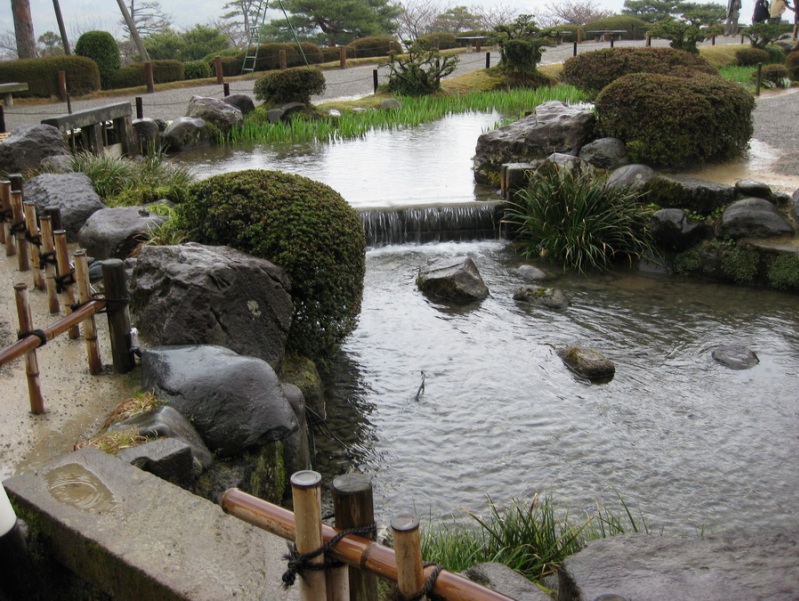
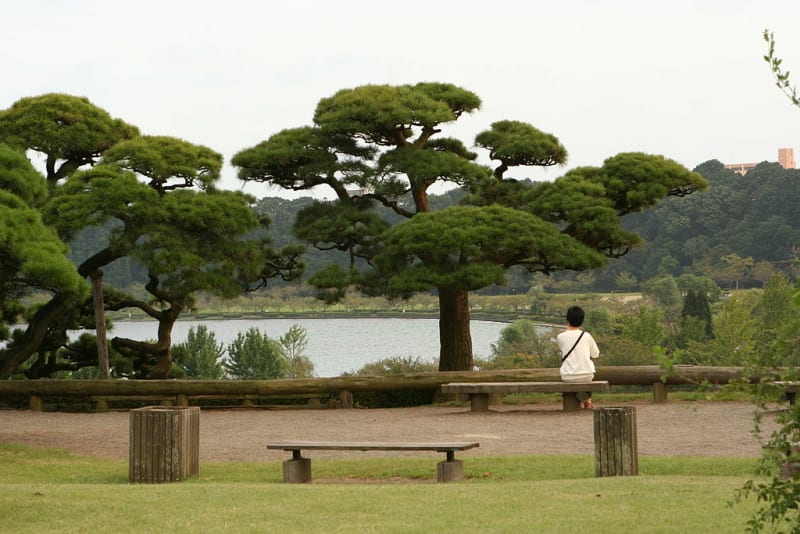
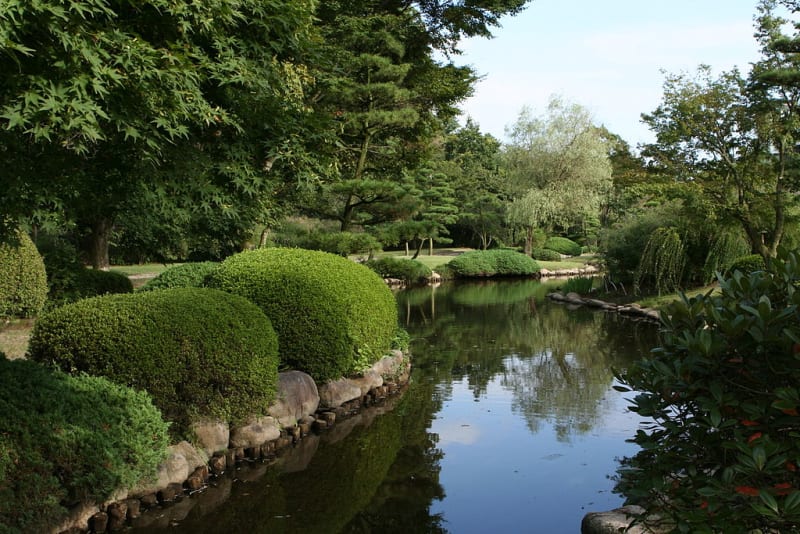
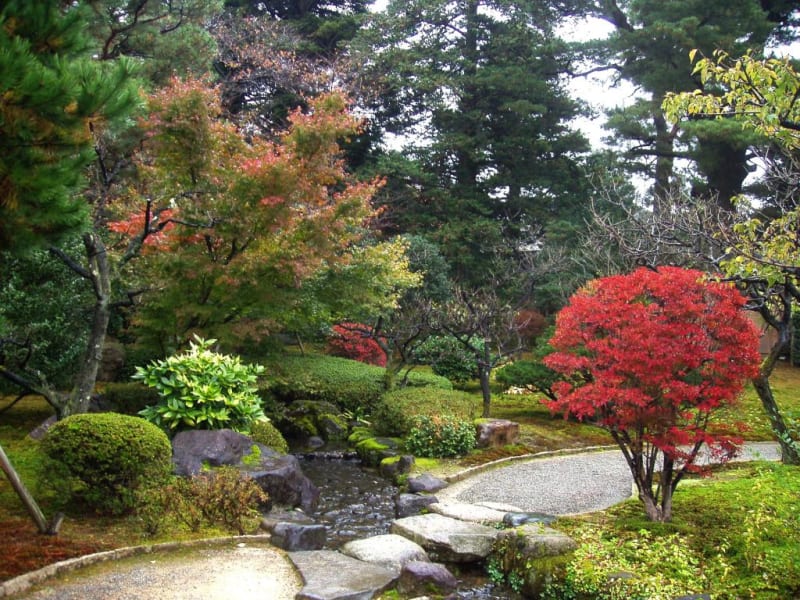
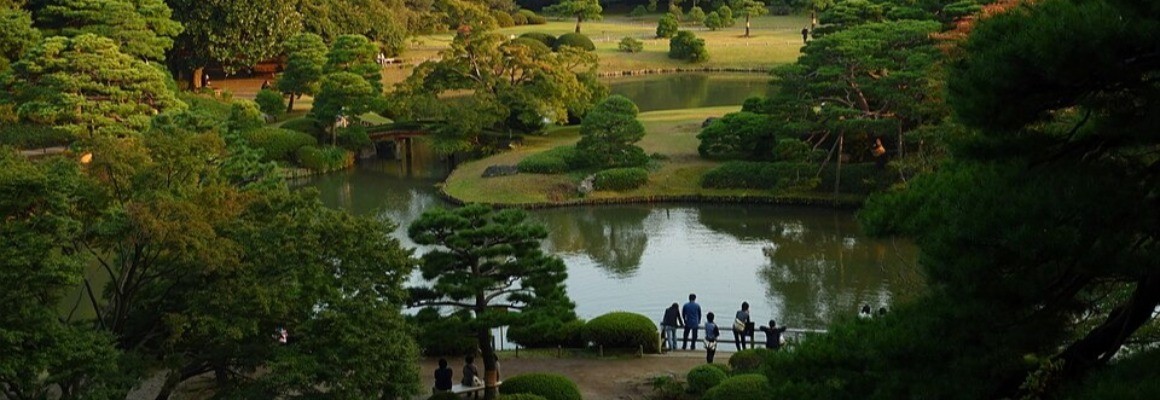
The layout combines open spaces, groves, ponds, and areas with diverse vegetation. As visitors walk through the grounds, the scenery changes gradually, creating the impression of passing through several distinct natural settings.
Plum Blossoms and the Festival
The garden's main attraction is its collection of approximately 3,000 plum trees, representing many varieties. Blossoming usually begins in February and continues into March, although the exact timing depends on the weather. During this period, delicate fragrances fill the garden, and paths wind among trees bearing flowers in different shades.
Mito hosts the Mito Ume Matsuri plum festival during the flowering season. Visitors come to enjoy the blossoming groves, seasonal events, and photographs of the spring scenery. The garden can be crowded on peak days, so arriving early or visiting on a weekday can make for a quieter experience.
Kobuntei Pavilion
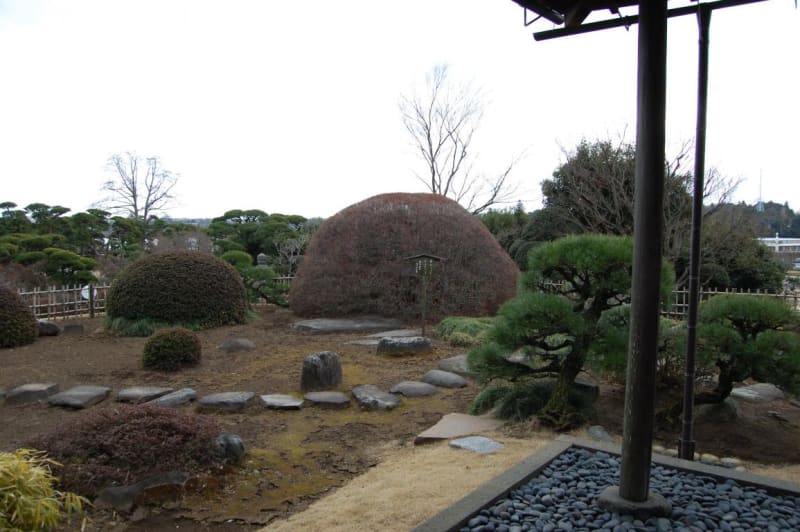
Kobuntei is a traditional Japanese pavilion within the garden, closely associated with the history of Tokugawa Nariaki. The building contains several rooms arranged in a classical style and was used for relaxation, gatherings, and enjoying the surrounding views. Its architecture emphasizes simple lines, natural materials, and a close relationship between indoor spaces and nature.
Views of trees and garden grounds can be seen from the pavilion's windows. Before visiting, check the latest access rules and opening hours, as the pavilion's schedule may differ from that of the garden itself.
Bamboo Grove and Landscapes
In addition to its plum trees, Kairakuen is known for a bamboo grove and areas with tall cedar trees. The bamboo creates a distinctive atmosphere through its upright stems, rustling leaves, and changing patterns of light. Ponds, small bridges, shaded paths, and places to pause and observe nature add to the variety of the grounds.
The garden does not reveal all its views from a single viewpoint. Instead, scenes unfold gradually along the paths, making Kairakuen a rewarding place for a leisurely walk, photography, and an introduction to Japan's tradition of appreciating nature.
Best Time to Visit
The busiest season is usually late February and March, when the plum trees bloom. Depending on temperatures, the first flowers may appear earlier, while cool weather can extend the season. Check the local flowering forecast and festival dates before travelling.
Spring and summer bring fresh greenery, autumn offers softer seasonal colours, and winter highlights the shape of the trees and the garden's design. Allow around one to two hours for a walk, with extra time if you plan to visit Kobuntei and explore the surrounding area.
How to Get There
Kairakuen is in Mito, the administrative centre of Ibaraki Prefecture. Trains, including services on the JR Joban Line, connect Tokyo with Mito Station. From the station, visitors can continue by local bus or taxi, or walk depending on the distance and chosen entrance. Special transport services may operate during the plum festival, when roads and parking areas can become busy.
Before your visit, consult the garden's official website for opening hours, admission details, events, and seasonal updates. Kairakuen can be visited on a day trip from Tokyo or combined with other attractions in Mito.
Why Visit Kairakuen
Kairakuen is more than a beautiful park: it is a historic landscape that reflects Japanese ideas about nature and shared leisure. Visitors can experience traditional garden design, learn about the Mito domain, and enjoy the plum blossom season. The combination of flowering trees, bamboo groves, and Kobuntei Pavilion gives the garden its distinctive character.
Gallery