Hitachi Seaside Park is a large national park on the Pacific coast in Ibaraki Prefecture, Japan. Located near the city of Hitachinaka, it is known for its extensive flower fields, green lawns, woodland paths, and hills offering views of the surrounding landscape. Covering approximately 350 hectares, the park is large enough for a short visit or a full day of exploration.
The park's defining feature is its seasonal transformation of color. In spring, Miharashi Hill is covered with blue nemophila flowers that resemble the color of the sky. In autumn, rounded kochia plants gradually change from green to vivid red and crimson. These seasonal displays have made the park one of Japan's best-known destinations for flower photography.
A Sea of Blue Nemophila
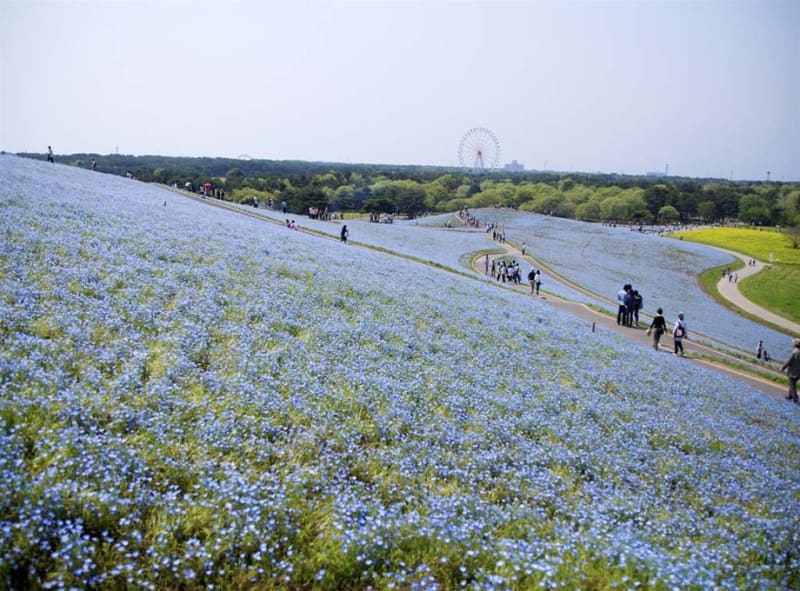
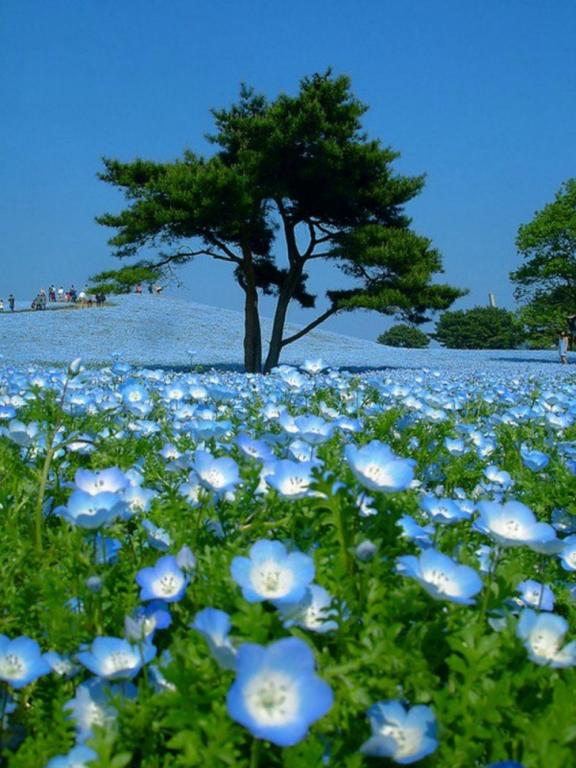
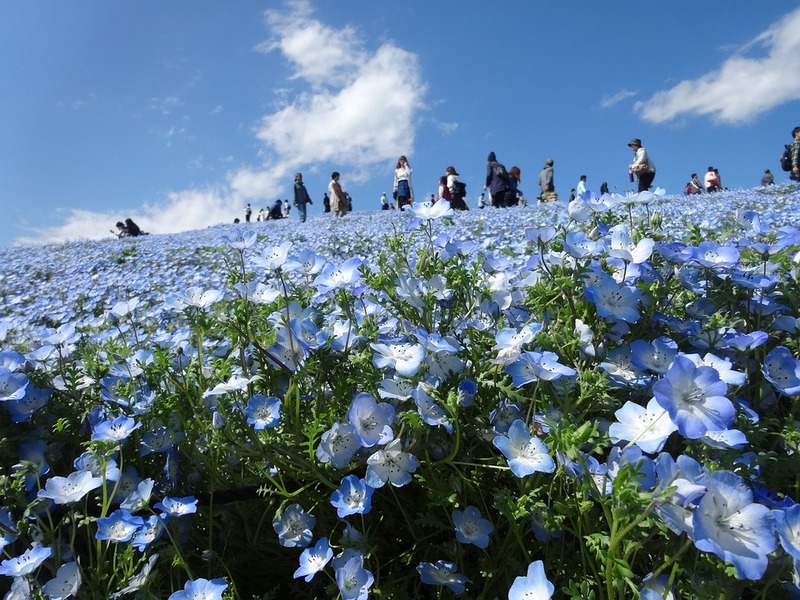
The park's most recognizable view is found on Miharashi Hill. In spring, its slopes are covered with millions of small blue nemophila flowers. Seen from a distance, the flower field resembles a smooth blue surface blending with the sky and creating a remarkable sense of openness.
Nemophila usually blooms from April into early May, although the exact timing depends on the weather. During peak bloom, visitors arrive from across Japan and abroad. Paths lead up the hill, allowing people to admire the flowers and take photographs from different angles. The Pacific Ocean can also be seen from the elevated viewpoint.
To protect the flower field, visitors should remain on designated paths and avoid stepping into planted areas. The park becomes especially busy during peak bloom, so weekdays and early arrivals are better for a more relaxed visit.
Red Kochia Hills in Autumn
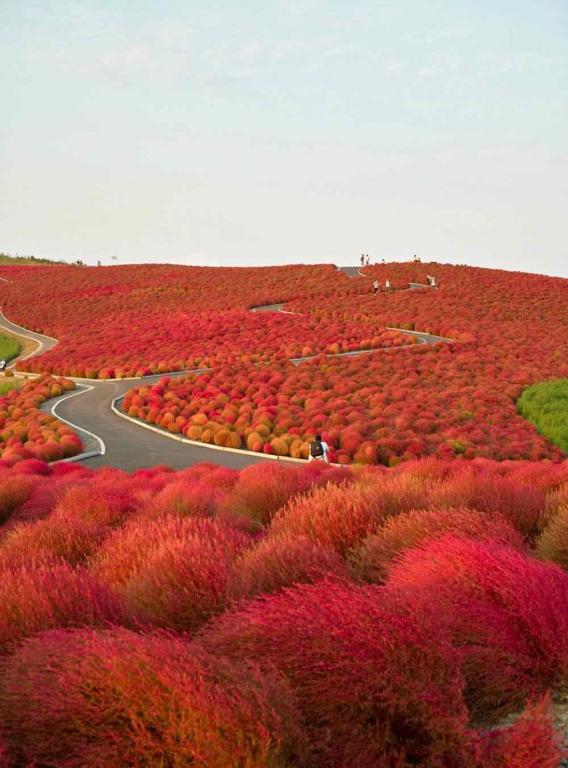
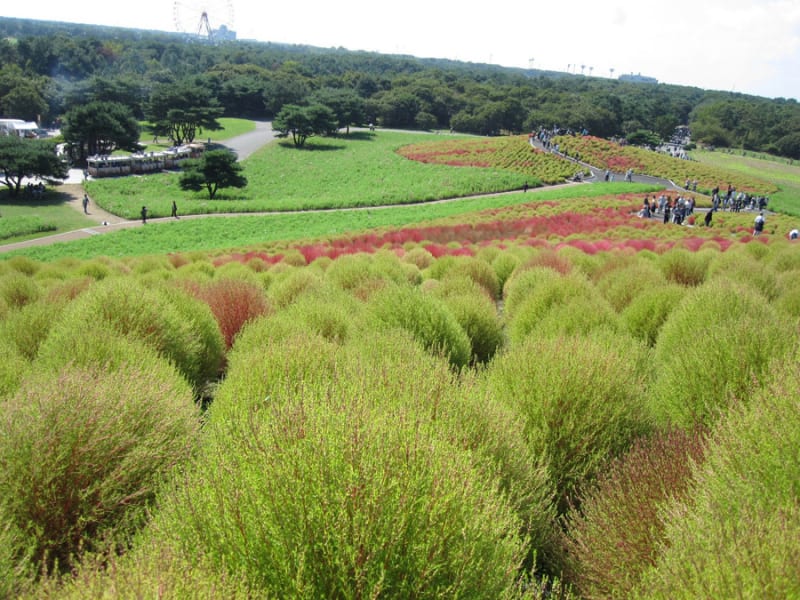
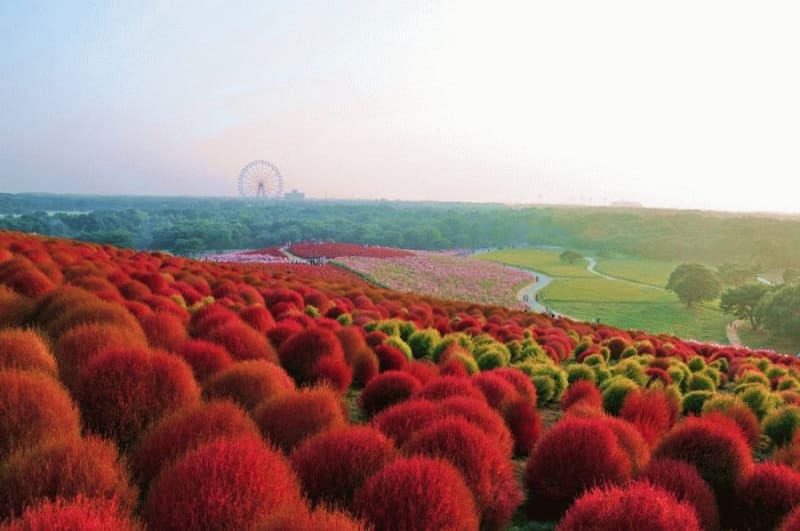
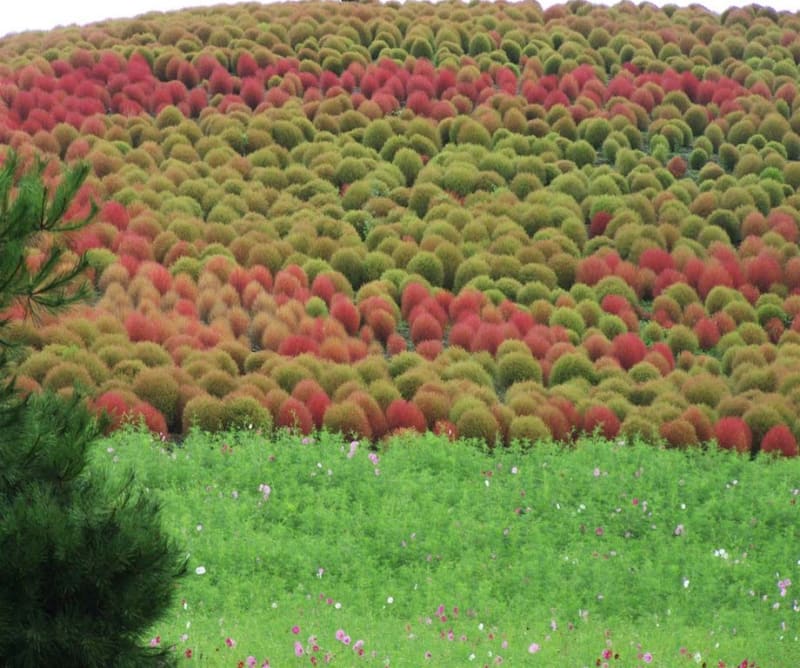
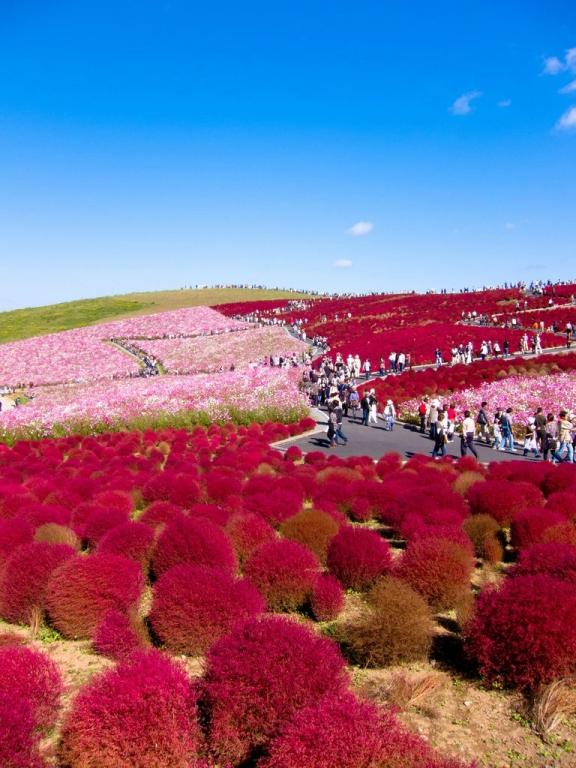
Another signature feature is kochia, an ornamental plant with a rounded, almost spherical shape. The bushes are usually bright green in summer and gradually turn red as autumn progresses. When thousands of plants cover Miharashi Hill, the landscape becomes an unusual carpet of rounded shrubs.
The most vivid colors often appear in October, but the timing depends on temperatures and weather conditions each year. During the transition, green, orange, and red plants may appear together on the same hill. The result is a multicolored landscape quite different from the blue nemophila display in spring.
The autumn season attracts large crowds. Traffic congestion and queues at entrances are possible on weekends and during the most colorful period. Check the park's latest announcements and kochia color reports before traveling.
Flowers Throughout the Year
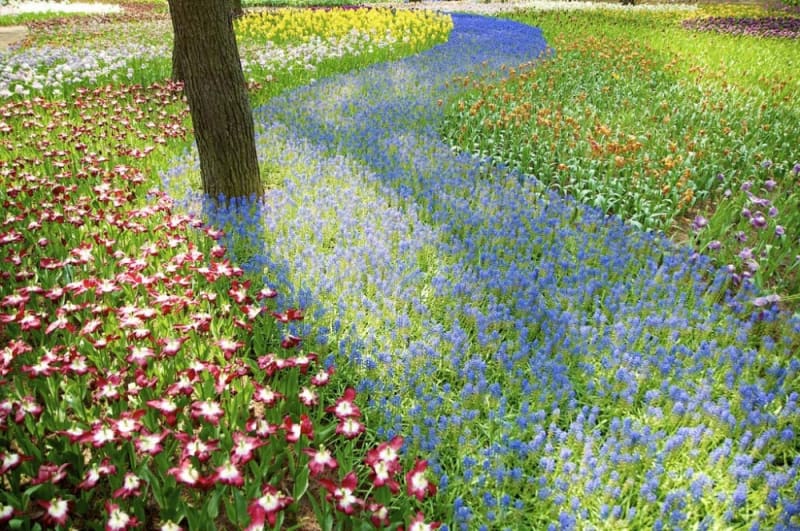
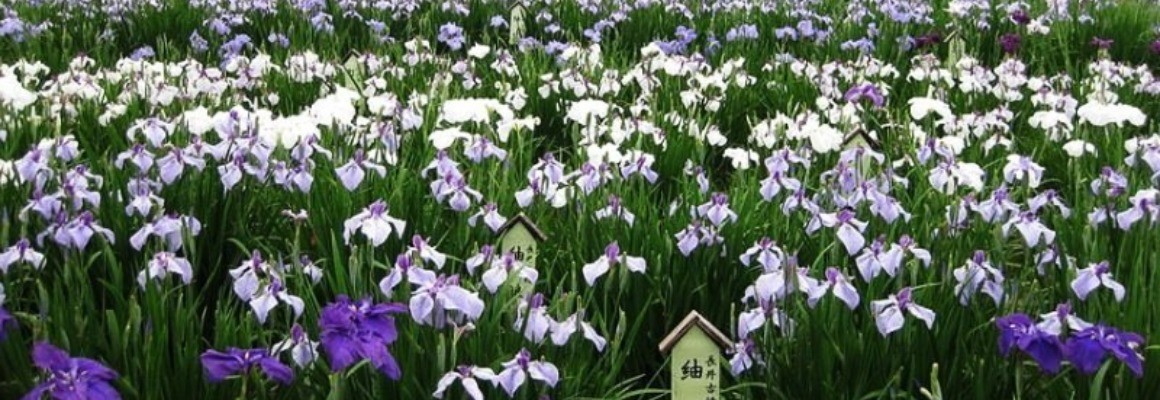
The park offers more than its famous spring and autumn displays. Depending on the season, visitors can see daffodils, tulips, roses, poppies, sunflowers, zinnias, and other ornamental flowers. Some areas feature blooming rapeseed and cosmos, while seasonal plantings change the appearance of the park from month to month.
Spring brings fresh greenery and colorful flower beds, summer features green landscapes and bright seasonal blooms, and autumn brings red kochia and fields of cosmos. Some areas are quieter in winter, but walking paths and open spaces remain attractive. The flowers in bloom depend on the season and weather.
Walking, Cycling, and Recreation
Hitachi Seaside Park is ideal for leisurely walks through flower fields, wooded areas, and open lawns. Its network of paths allows visitors to choose short routes or explore different sections throughout the day. A walk can combine visits to flower-covered hills with breaks in the shade of trees.
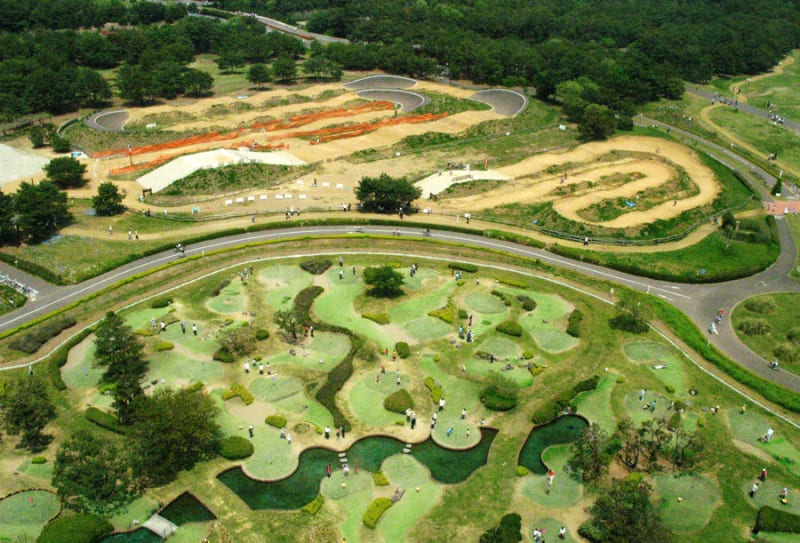
Renting or using a bicycle is a convenient way to explore the extensive grounds. Dedicated cycling routes connect different areas of the park. The Pleasure Garden amusement area also offers rides and family activities. As a result, the park appeals not only to botanical enthusiasts and photographers but also to families with children.
There are places to rest and enjoy picnics. Visitors should follow signs, respect path rules, and take care not to damage plants. Check the operating hours and availability of individual attractions before visiting them.
Nature and Coastal Views
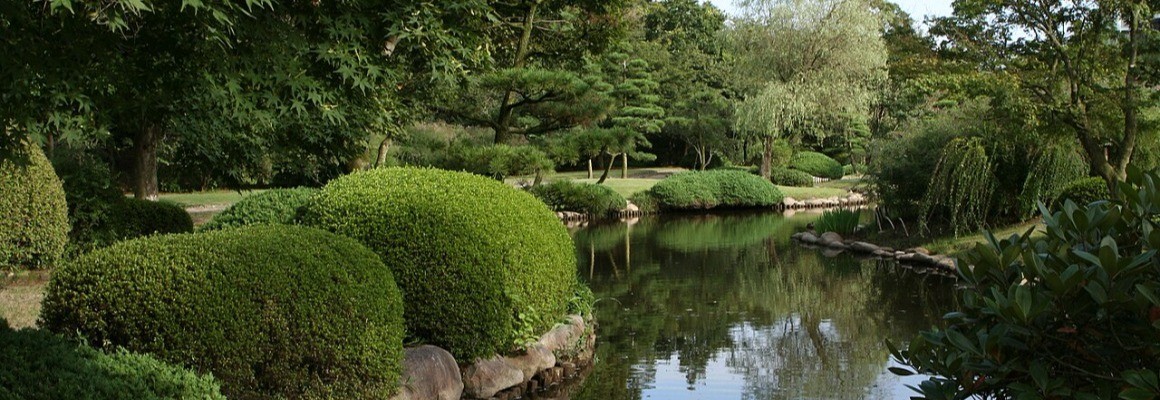
Although many people come for the flowers, the park contains a variety of landscapes. Open spaces, woodland, grassy clearings, and paths through greenery provide plenty of opportunities to enjoy nature. The combination of vegetation and sea air makes walking particularly pleasant when temperatures are moderate.
Miharashi Hill is especially rewarding for its panoramic views. From the top, visitors can see the flower fields, surrounding parkland, and the Pacific Ocean. The light changes throughout the day, giving the scenery a different appearance in the morning, at midday, and toward sunset. Visits must still take place within the park's official opening hours.
Best Time to Visit
Spring is the season for blue nemophila, which usually blooms from mid-April to early May. Autumn is the time to see red kochia, which often reaches its strongest color in October. Blooming and color-change dates vary each year, so check official updates before planning a trip.
During peak flower seasons, consider visiting on a weekday and arriving near opening time. Roads and parking areas around the park can become crowded on weekends. Comfortable shoes, drinking water, sun protection, and clothing suited to the weather will make the visit more enjoyable.
How to Get to Hitachi Seaside Park
The park is in Hitachinaka City, Ibaraki Prefecture. From Tokyo, travelers can take the JR Joban Line to Katsuta Station and then transfer to a bus serving the park. Depending on the route and traffic, the bus ride from the station usually takes around 15–20 minutes. Extra services and special shuttle buses may operate during some flower seasons.
Drivers can reach the park using roads connected to the region's expressway network. Several parking areas are available nearby, but they can fill quickly during peak bloom. During busy periods, it is worth checking recommended approaches and parking options in advance. Consult the park's official website for current public transport routes and parking information.
Practical Tips for Visitors
Before your trip, check the flowering calendar, opening hours, and any seasonal restrictions. If you are visiting for nemophila or red kochia, rely on current reports about the plants as well as calendar dates. On popular days, arrive early to enjoy the paths and take photographs with less pressure from crowds.
Do not pick flowers or cross barriers. Treat the plants carefully, take your rubbish with you, and follow signs throughout the grounds. If you plan to spend a full day in the park, map out your route in advance so you have time for the flower fields, green spaces, and amusement area.
Hitachi Seaside Park is a place where the landscape changes with the seasons. In spring, a blue sea of nemophila spreads across the hills; in autumn, kochia turns the slopes red; and throughout the rest of the year, a variety of flowers and spacious walking areas offer reasons to visit. It is one of the most memorable natural attractions in Ibaraki Prefecture.
Gallery