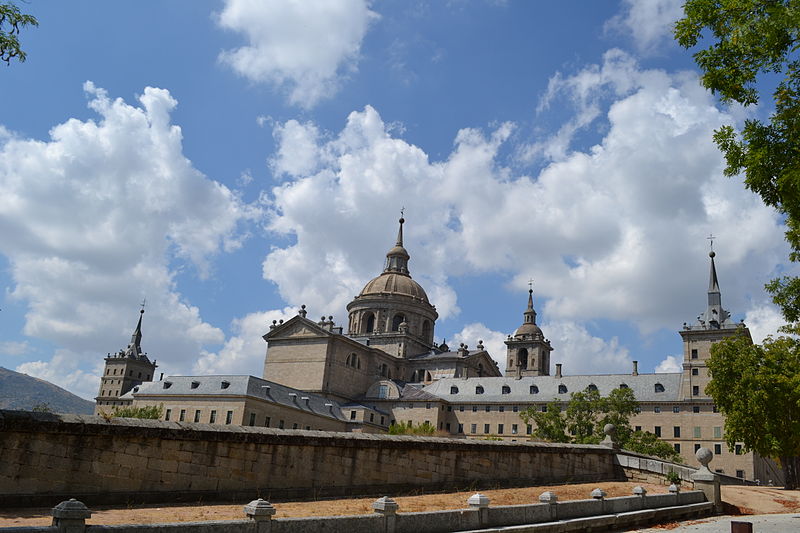
El Escorial is a monumental 16th-century architectural complex in San Lorenzo de El Escorial, about 50 kilometres northwest of Madrid. It includes a royal monastery, palace, basilica, library, educational buildings and the burial place of Spanish monarchs. El Escorial is one of the most important monuments of the Spanish Renaissance and a symbol of Spain's power under King Philip II.
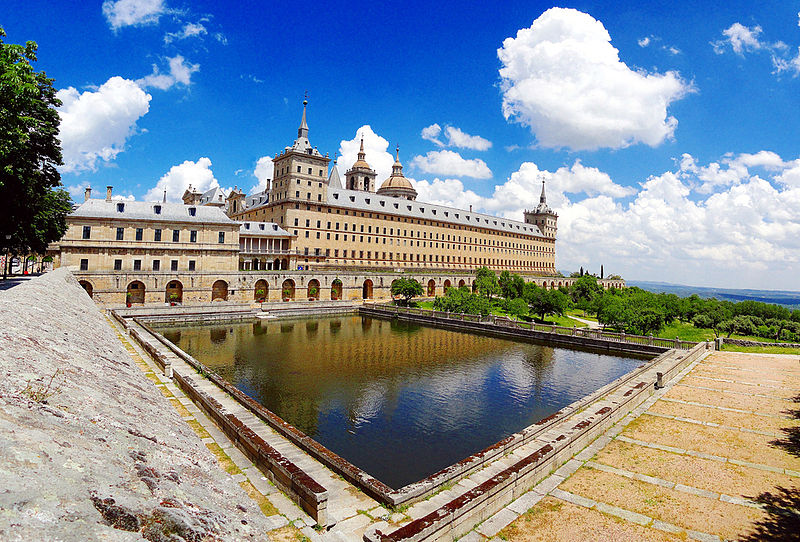
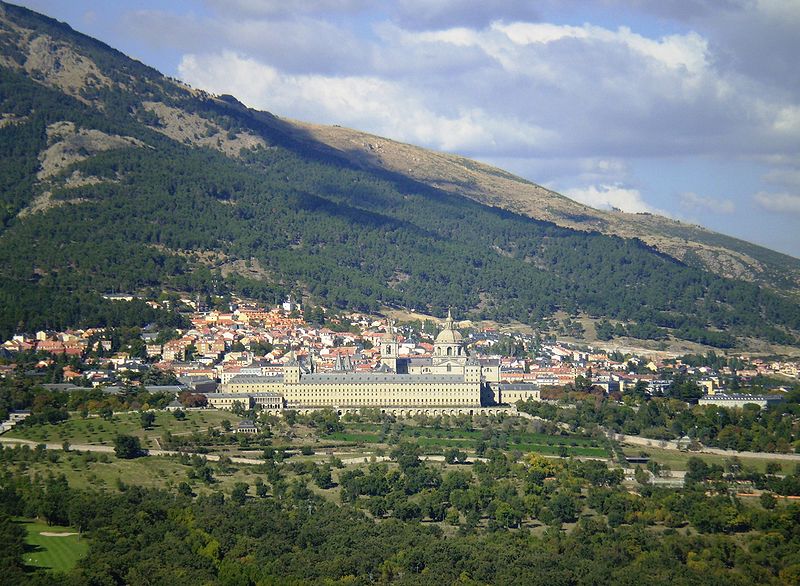
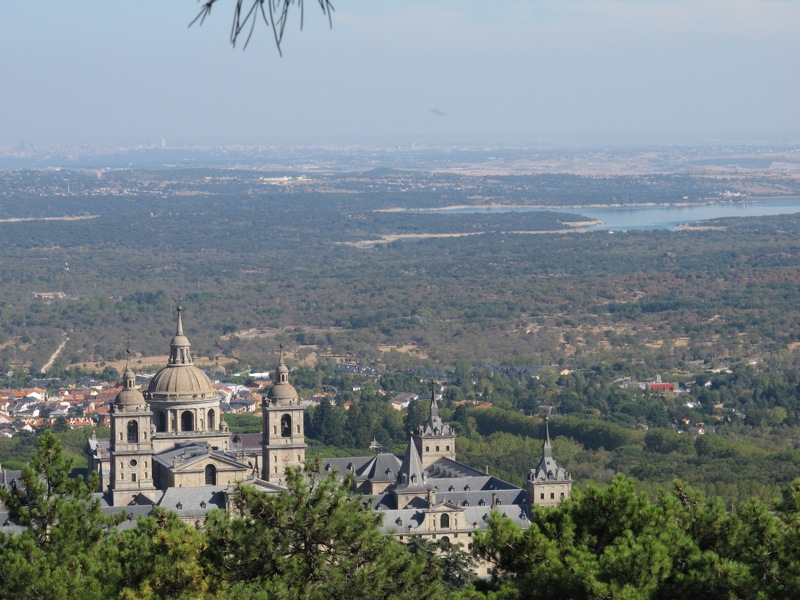
The complex stands on the southern slope of Mount Abantos in the Guadarrama mountain range. Its restrained grey-granite architecture, geometric façades and mountain setting create a powerful sense of scale. In 1984, the Monastery and Site of El Escorial were added to the UNESCO World Heritage List.
History of El Escorial
Construction began in 1563 on the orders of King Philip II. One purpose of the foundation was to commemorate the Spanish victory over France at the Battle of Saint Quentin in 1557. Since the battle took place on the feast day of Saint Lawrence, the monastery was dedicated to that saint.
The original design was created by architect Juan Bautista de Toledo, and after his death the work continued under Juan de Herrera. Construction was largely completed in 1584, although some interior decoration continued later. Philip II closely supervised the project and intended the site to serve as a monastery, royal residence, educational centre and dynastic burial place.
El Escorial reflected the religious beliefs and political vision of the Spanish monarch. Catholic spirituality, royal authority, art and scholarship were brought together in a single complex. After Philip II's death, the site remained important to the Spanish monarchy, and its rooms gained further artworks and royal burials.
Architecture and layout
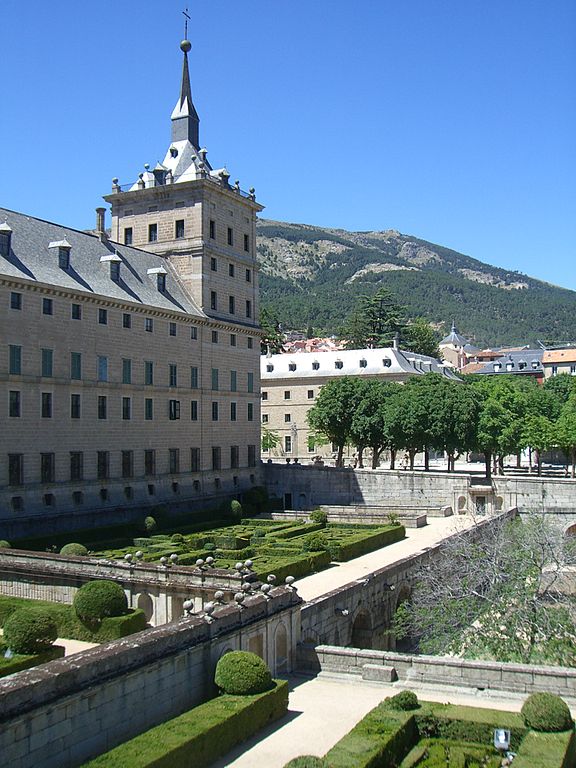
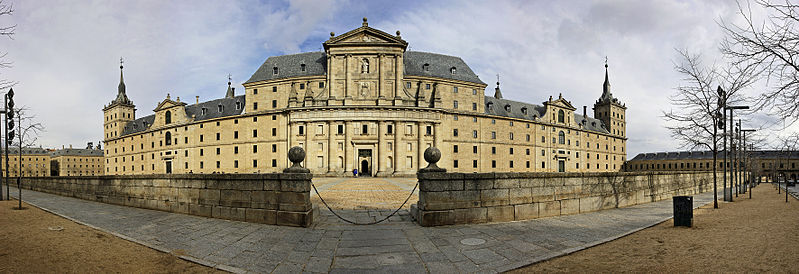
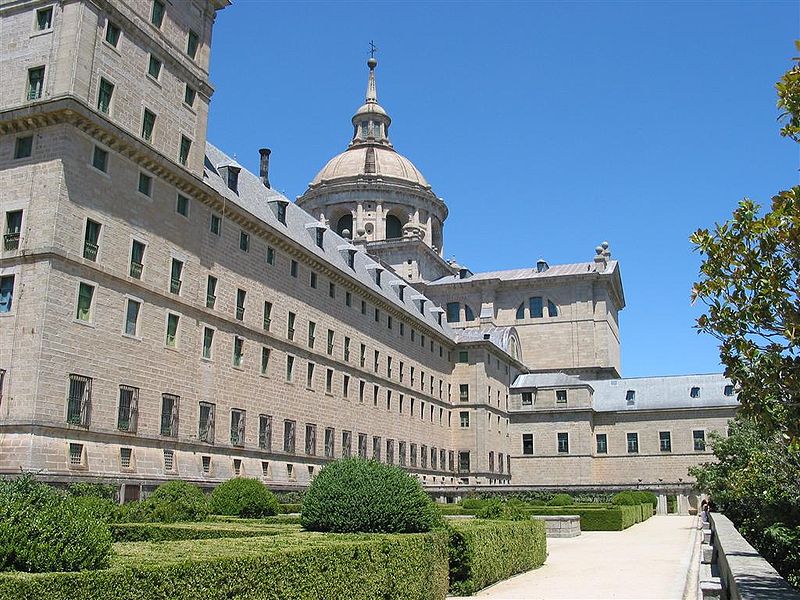
Built mainly from granite, El Escorial is distinguished by austere lines, symmetry and a lack of excessive exterior decoration. This approach is associated with the Herrerian architectural style, named after Juan de Herrera. The complex combines the scale of a royal residence with the simplicity of monastic life.
The vast rectangular structure contains numerous courtyards, corridors, staircases and halls. Monastic quarters, royal apartments, a church, a library and educational spaces are integrated into one design. The central Courtyard of the Kings leads towards the main basilica.
The Basilica
The basilica is the spiritual centre of the complex. Its Greek-cross plan, massive granite walls and large dome give the interior a solemn character. Near the high altar stand royal monuments to Charles V and Philip II, made by Pompeo Leoni in gilded bronze. Visitor access may be restricted during religious services.
The Royal Pantheon
Below the basilica lies the Pantheon of Kings, one of El Escorial's best-known spaces. It contains the tombs of many Spanish monarchs, beginning with Charles V, as well as members of the Habsburg and Bourbon dynasties. Dark marble, bronze details and strict symmetry create a ceremonial atmosphere. The pantheon highlights the complex's dual role as a religious institution and a monument to royal authority.
The Royal Library
The library was established as a major intellectual centre of Renaissance Spain. Under Philip II, books, manuscripts and scholarly materials were collected in several languages, including Latin, Greek, Arabic and Hebrew. The collections reflect interests in theology, history, philosophy, geography, mathematics and the natural sciences.
The main hall is famous for its painted vault, created with the participation of artist Pellegrino Tibaldi. Its frescoes depict the seven liberal arts, philosophy and theology. Bookshelves, maps, globes and scientific instruments illustrate the ambition to unite religious learning with the study of the world.
Courtyards, palace and art
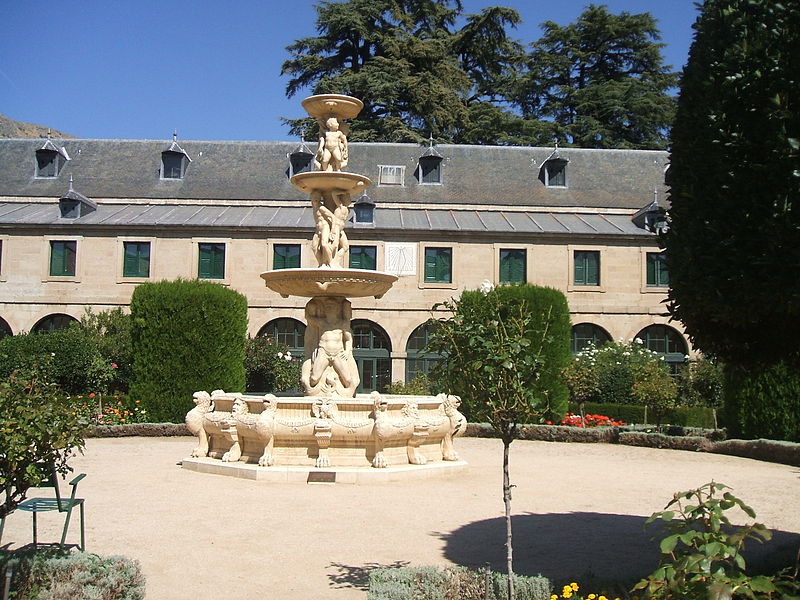
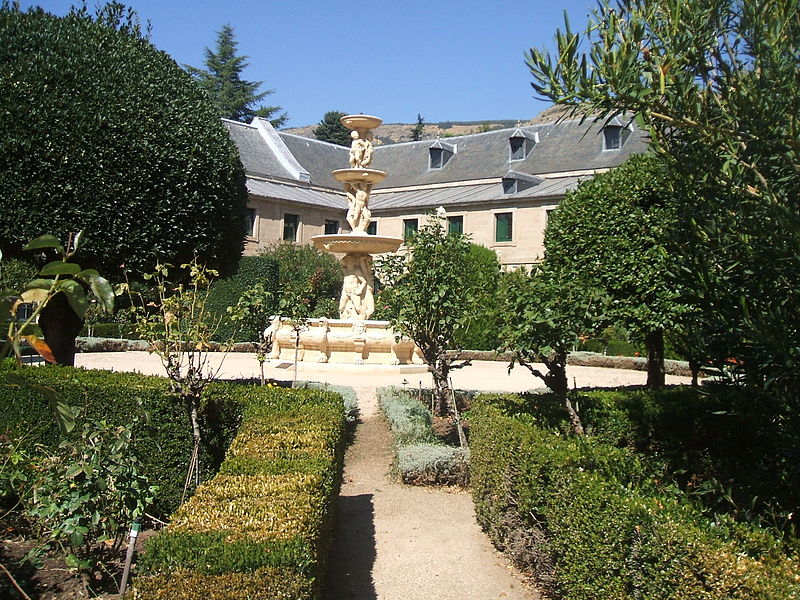
The Courtyard of the Kings forms the monumental entrance to the basilica. Its name refers to statues of biblical kings on the church façade. Cloisters, galleries and the Courtyard of the Evangelists, with its garden, offer quieter spaces that help visitors imagine daily monastic life.
The palace rooms preserve historic furnishings, decorative details and paintings. The Hall of Battles is especially notable for its large-scale murals depicting military campaigns associated with the Spanish monarchy. The art collections include works by Spanish, Italian and Flemish masters, among them Titian, Tintoretto, El Greco and José de Ribera.
Gardens and natural surroundings
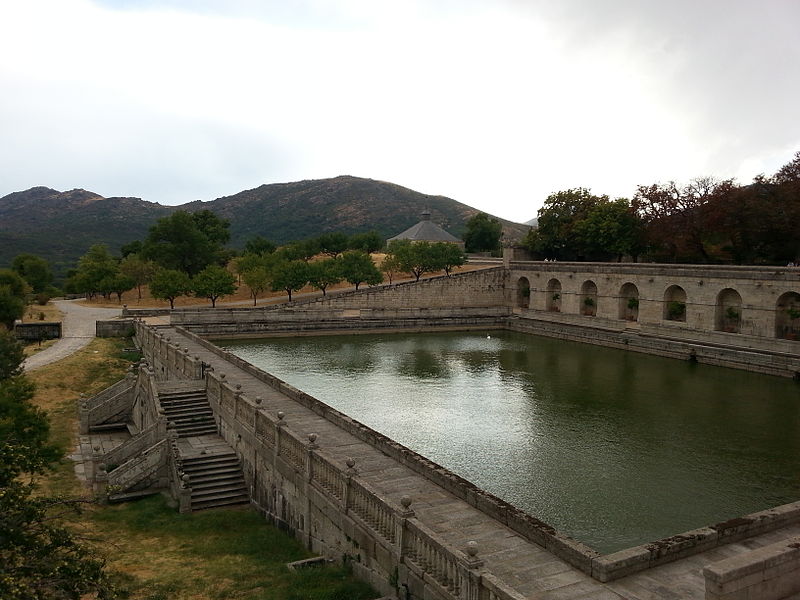
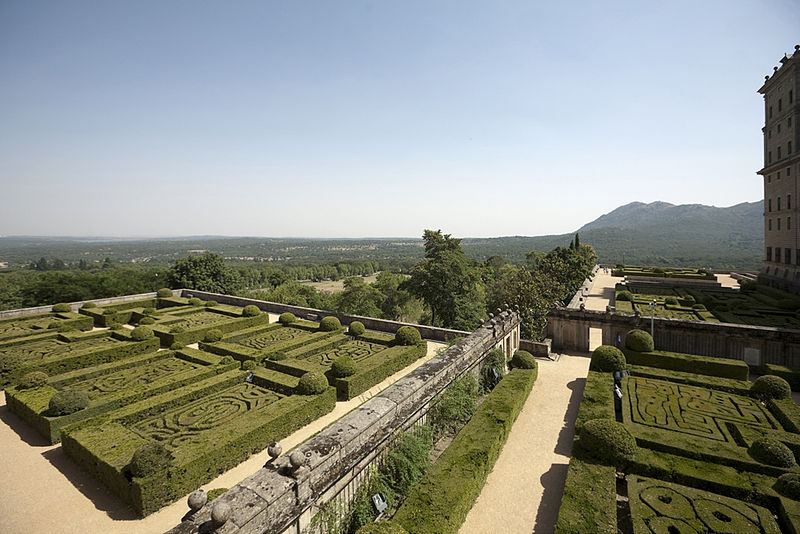
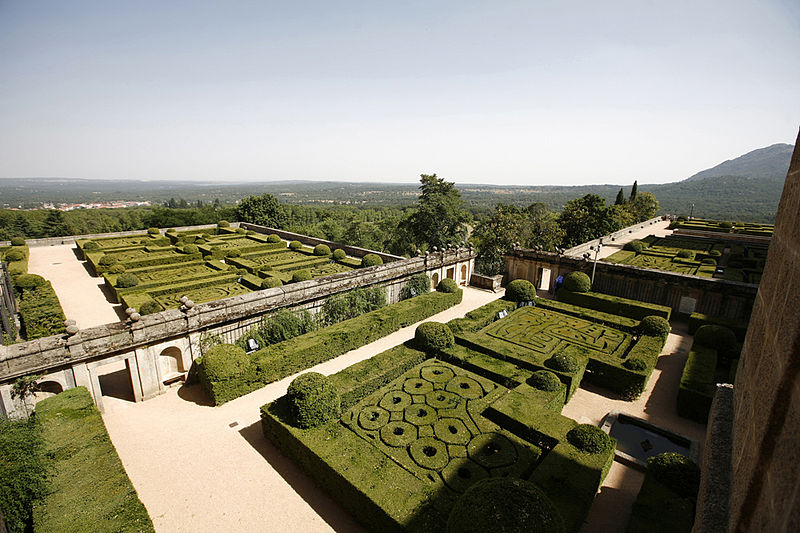
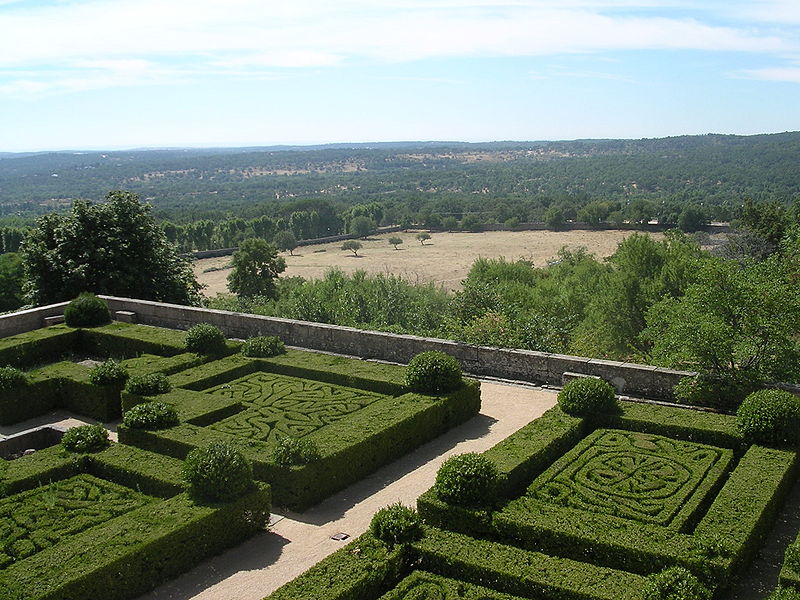
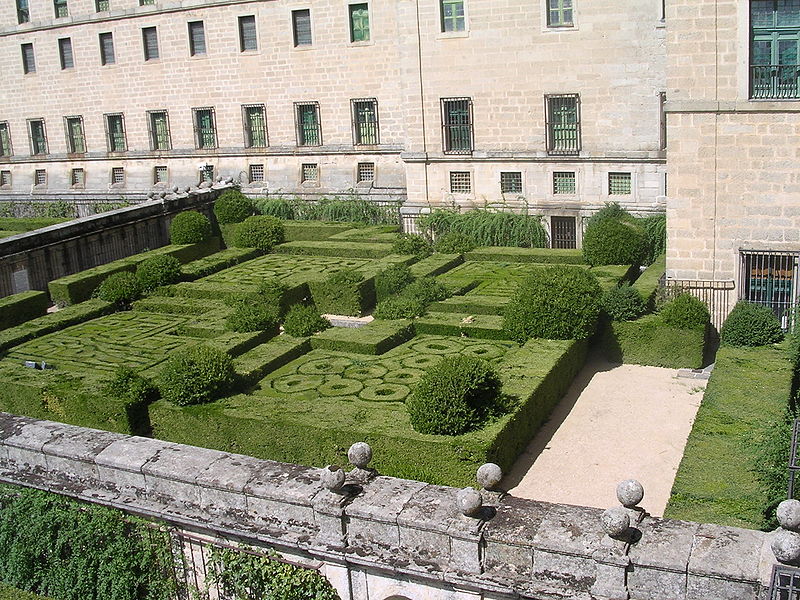
Historic gardens with terraces, straight paths and geometrically clipped shrubs line the southern and eastern sides of the complex. Nearby, the La Herrería natural area offers woodland walks and views of Mount Abantos and the Sierra de Guadarrama. A visit can therefore combine cultural sightseeing with time outdoors.
UNESCO World Heritage
El Escorial became a UNESCO World Heritage Site in 1984. Its importance lies in both its architecture and its role in European culture. The complex brings together religious, political, educational and artistic functions and remains a powerful expression of the Spanish monarchy in the 16th century.
When to visit
Spring and autumn are particularly pleasant for walking through the gardens and nearby forests. Summer combines cultural visits with cooler mountain air, while winters are colder and snow sometimes falls in the surrounding mountains. Allow several hours to explore the monastery, basilica, library, pantheons and palace rooms.
How to get there
El Escorial is about 50 kilometres from Madrid. Suburban trains run from the capital to El Escorial station, from where visitors can continue on foot or by local transport. Buses and road connections are also available. Check the current timetable and opening hours on the official Patrimonio Nacional website before travelling. The complex is generally closed on Mondays, and a ticket is required for the main visitor route.
Why visit El Escorial
El Escorial is an architectural overview of the Spanish Renaissance, a royal burial place and a repository of rare books and artworks. A visit reveals the legacy of Philip II, important chapters of Spanish history and the mountain landscape around Madrid.
Gallery