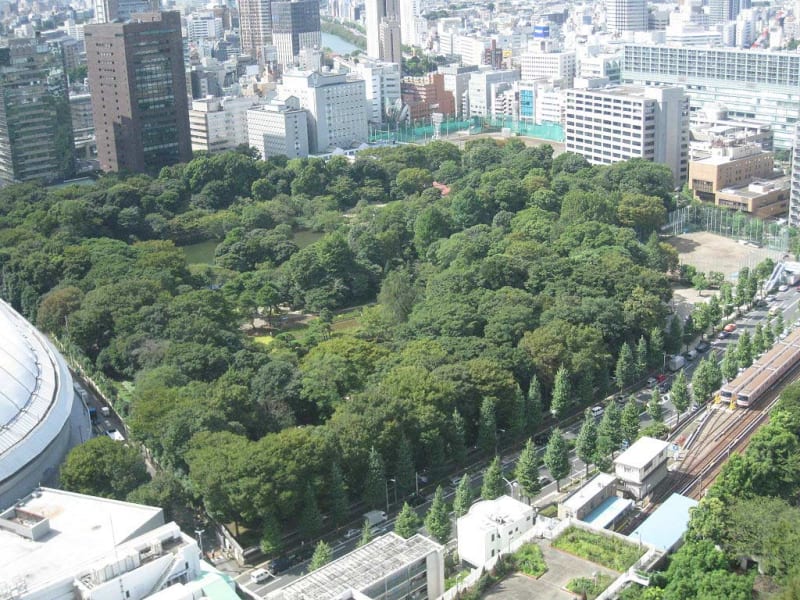
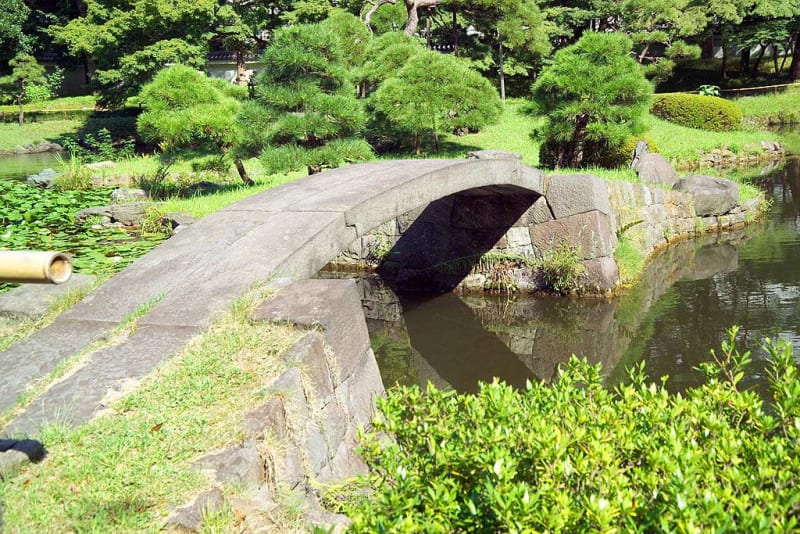
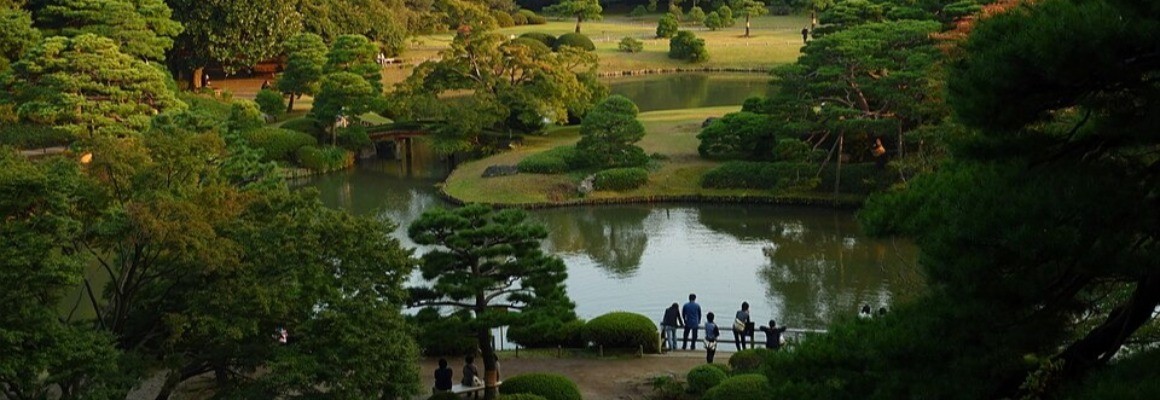
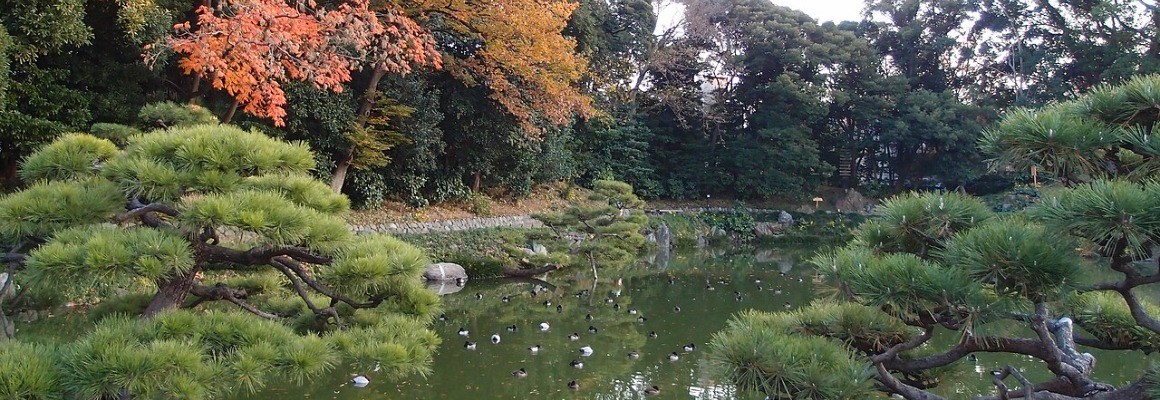
Koishikawa Korakuen Garden is one of Tokyo’s oldest traditional Japanese gardens, located in Bunkyo near the Tokyo Dome complex. Created during the Edo period, it is known for its harmonious combination of Japanese and Chinese landscape influences. A large central pond is surrounded by hills, stone bridges, trees, and winding walking paths. Despite its location in a busy metropolis, the garden offers a glimpse of old Japan.
History of the Garden
The history of Koishikawa Korakuen began in 1629, when Tokugawa Yorifusa, the first lord of the Mito domain from the Tokugawa family, ordered a garden to be created beside his residence in Edo, the former name of Tokyo. Work continued under his son, Tokugawa Mitsukuni, the domain’s second lord. With his involvement and advice from the Chinese scholar Shu Shunsui, the garden acquired features inspired by Chinese culture and scenery.
The name Korakuen is connected with the Chinese literary work known as the Record of Yueyang Tower. It expresses the idea that a ruler should concern himself with society’s difficulties before enjoying prosperity. The name therefore reflects not only an appreciation of beauty but also Confucian ideas about a ruler’s responsibilities.
The garden opened to the public in 1938. In 1952, Koishikawa Korakuen received two important Japanese designations: Special Historic Site and Special Place of Scenic Beauty. These honors recognize its significance both as a historical landmark and as an outstanding example of traditional landscape design.
The Pond and Walking Landscapes
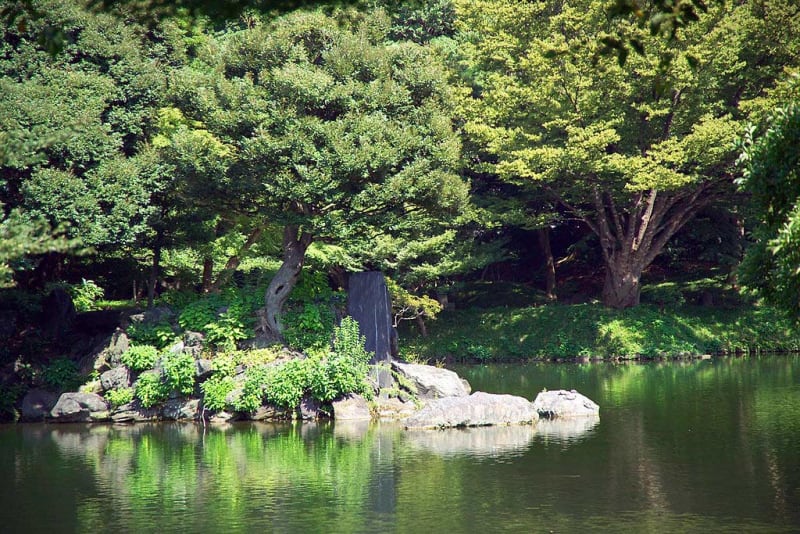
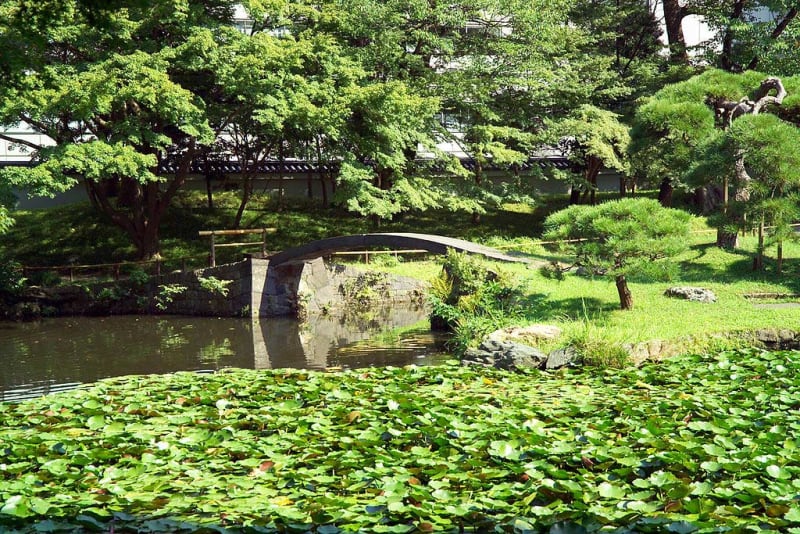
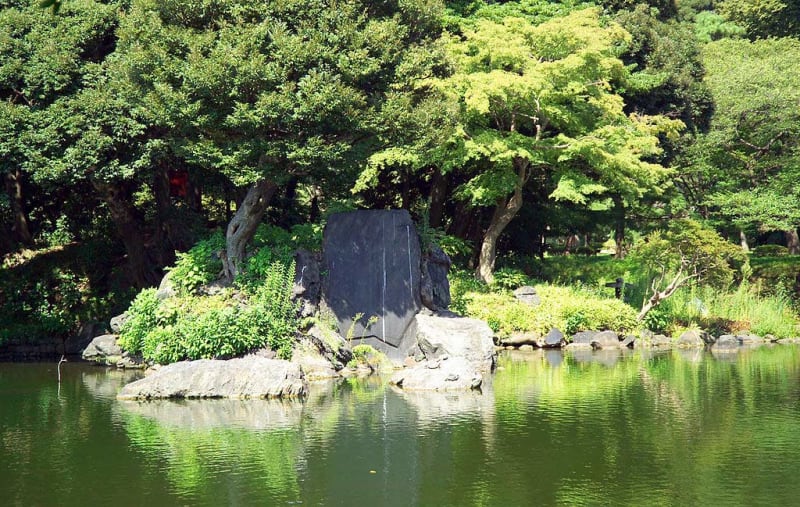
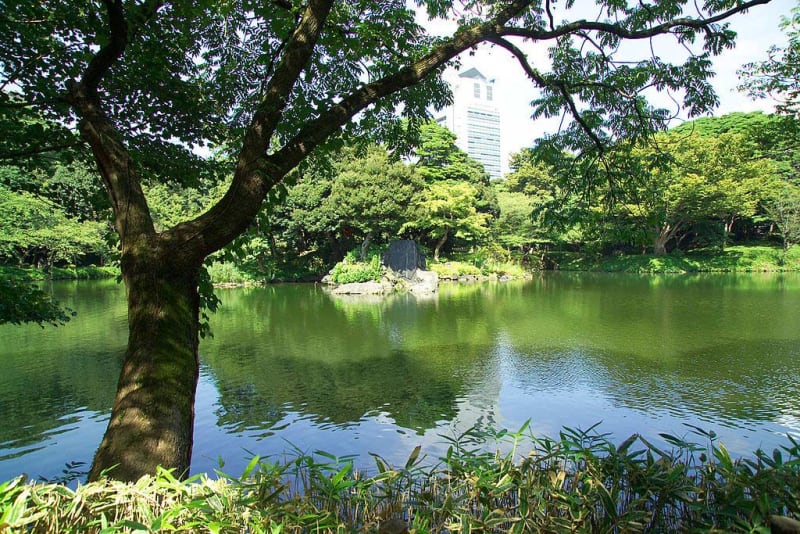
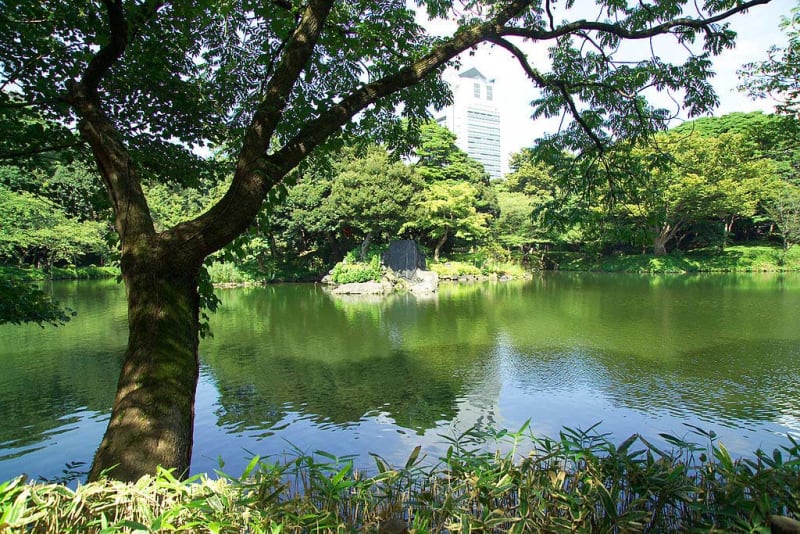
A large central pond forms the heart of the garden. A walking route follows its edges and gradually reveals different views of the water, small islands, stones, and vegetation. The scenery changes as visitors move along the paths: some sections evoke mountain valleys, while others resemble lakeshores or quiet woodland corners.
Koishikawa Korakuen is a traditional Japanese strolling garden featuring a pond and artificial hills. Its layout is designed to reveal a sequence of perspectives rather than one single panoramic view. As a result, the relatively compact grounds feel like a series of varied natural landscapes.
Engetsukyo Bridge
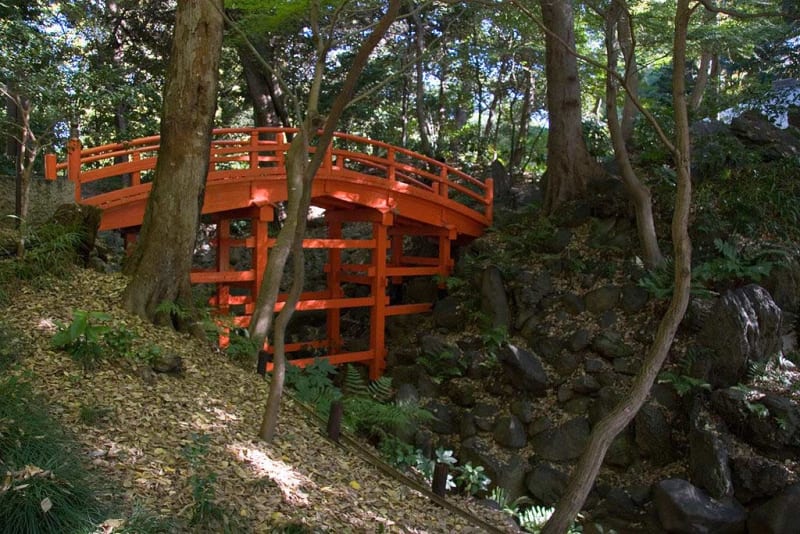
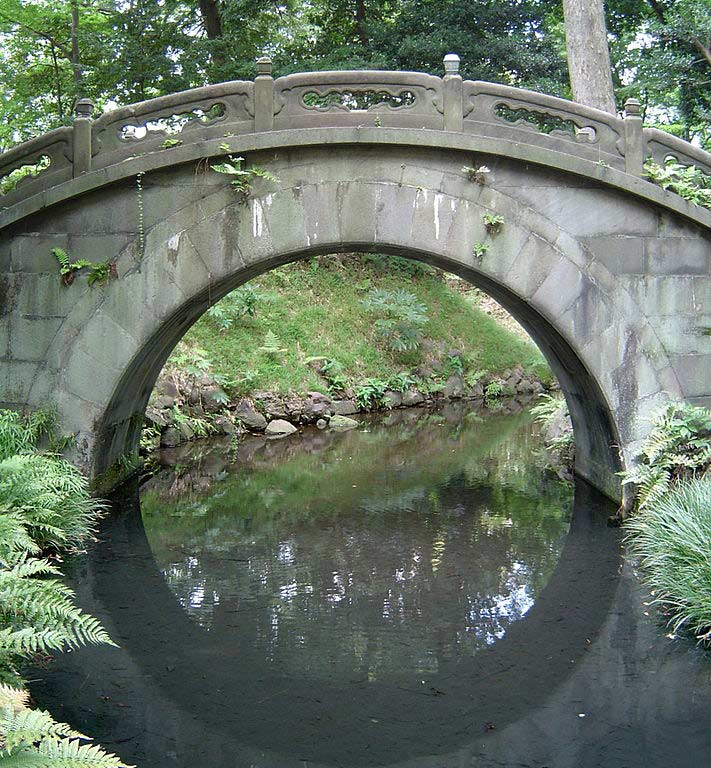
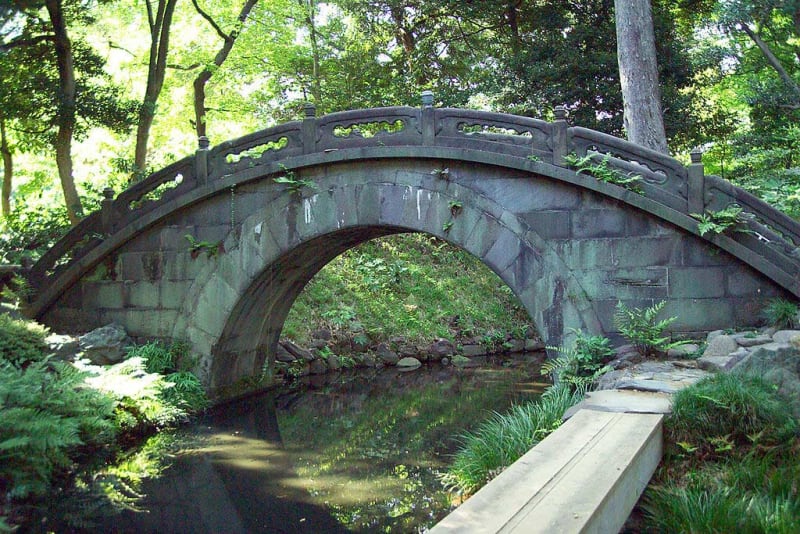
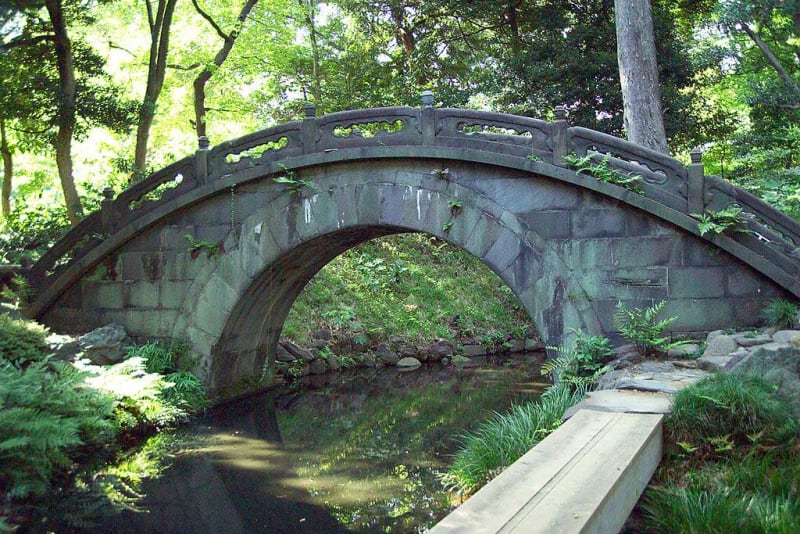
One of the garden’s best-known features is Engetsukyo, a stone bridge whose name means “Full Moon Bridge.” Its shape is reflected in the water, creating an image associated with the traditional aesthetics of Japanese gardens. The bridge and surrounding scenery also recall the Chinese cultural influences that Mitsukuni incorporated into the garden.
Other features inspired by Chinese landscapes can be found throughout the grounds, including scenes associated with West Lake in Hangzhou. Koishikawa Korakuen is not an exact copy of one place, however; it brings together different motifs in an original landscape composition.
Plants and Seasonal Colors
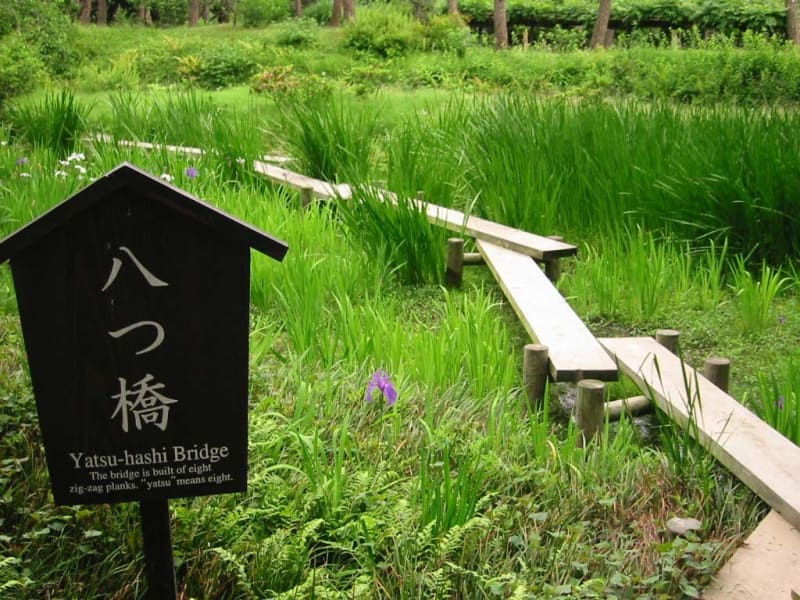
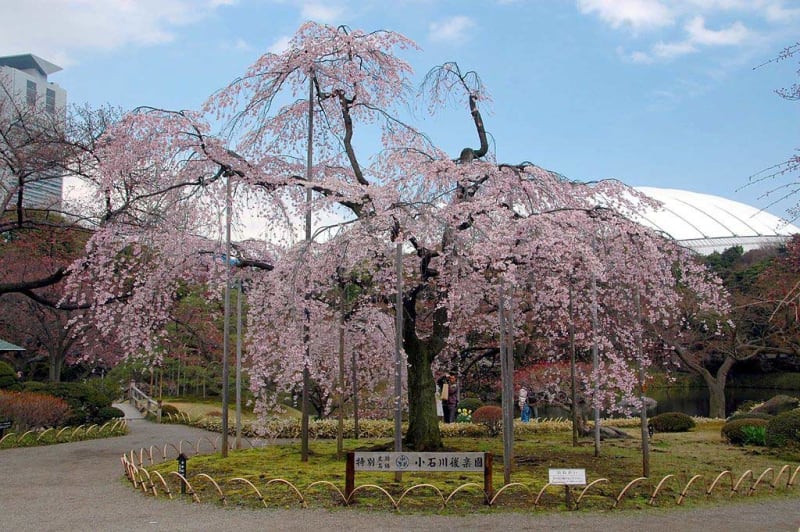
The garden is worth visiting throughout the year. Plum trees bloom in late winter and early spring, followed by cherry blossoms. The weeping cherry trees near the west gate are especially popular in spring. In early summer, irises and other moisture-loving plants draw attention along the water.
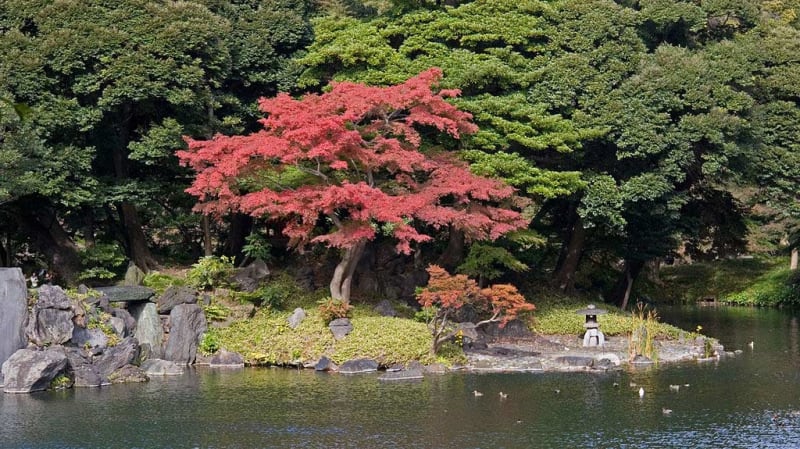
In summer, the garden becomes lush and green, with shady trees and reflections of plants on the pond creating a peaceful atmosphere. In autumn, Japanese maples turn red and gold, attracting photographers and visitors who enjoy traditional autumn foliage viewing. Winter brings a more restrained landscape in which the shapes of trees, hills, and stone features become easier to appreciate.
Flowering and foliage dates depend on the weather each year. Visitors planning a trip around seasonal highlights should check the garden’s official website for current information.
Architecture and Cultural Features
Koishikawa Korakuen was created not only as a decorative landscape but also as a place for the ruling family to relax and reflect. Its design combines natural materials, water, stone features, and carefully framed views. Some sections refer to literary and cultural imagery from China and Japan, turning a walk through the garden into an introduction to the landscape traditions of East Asia.
The garden also contains Kantokutei, a pavilion associated with enjoying the scenery and taking a rest. Paths pass beside the pond and climb gentle hills, providing different views across the grounds. The garden is particularly appealing to visitors interested in Tokyo’s history, Japanese aesthetics, and traditional landscape design.
Nearby Attractions
Tokyo Dome City, a large entertainment complex with shops, restaurants, and attractions, lies nearby. The Tokyo Dome sports and event venue and other sights in Bunkyo are also within easy reach. The garden can therefore be included in a central Tokyo itinerary that combines historical scenery with modern city attractions.
How to Get There
Koishikawa Korakuen is located at 1-6-6 Koraku, Bunkyo, Tokyo, Japan. The west gate is about a three-minute walk from Iidabashi Station on the Toei Oedo Line. Other railway and subway services at Iidabashi are around an eight-minute walk away. The east gate is about five minutes on foot from the west exit of Suidobashi Station on the JR Sobu Line.
Regular opening hours are 9:00 a.m. to 5:00 p.m., with last entry at 4:30 p.m. The garden closes for the New Year holidays from December 29 to January 1. Standard adult admission is 300 yen, while visitors aged 65 and over pay 150 yen. Hours and access arrangements may differ during special events, so check the official Koishikawa Korakuen website before visiting.
Gallery