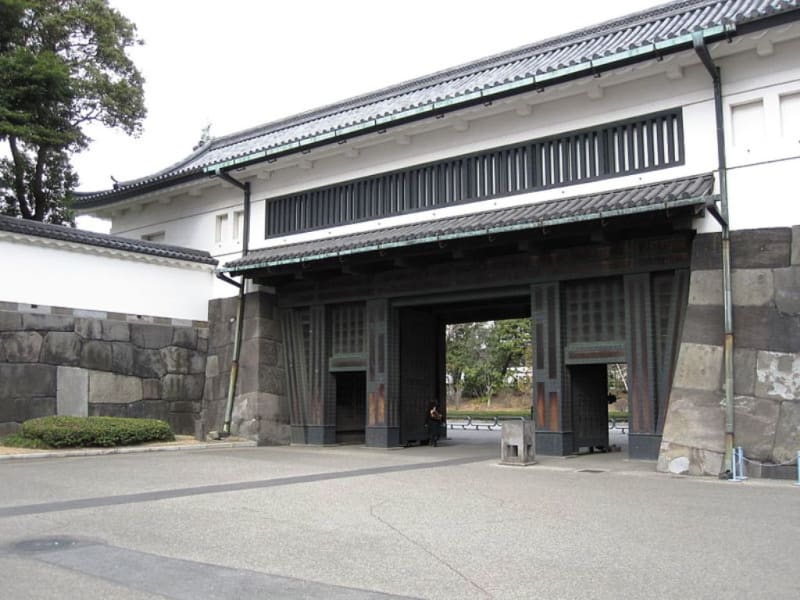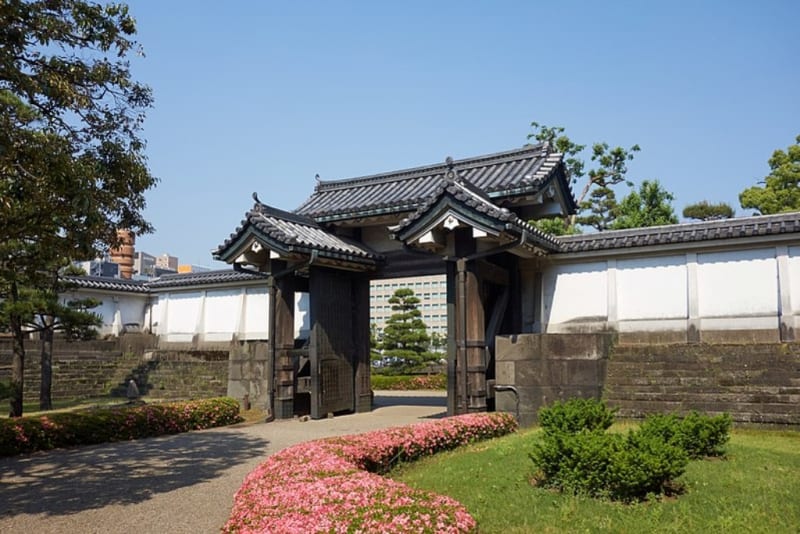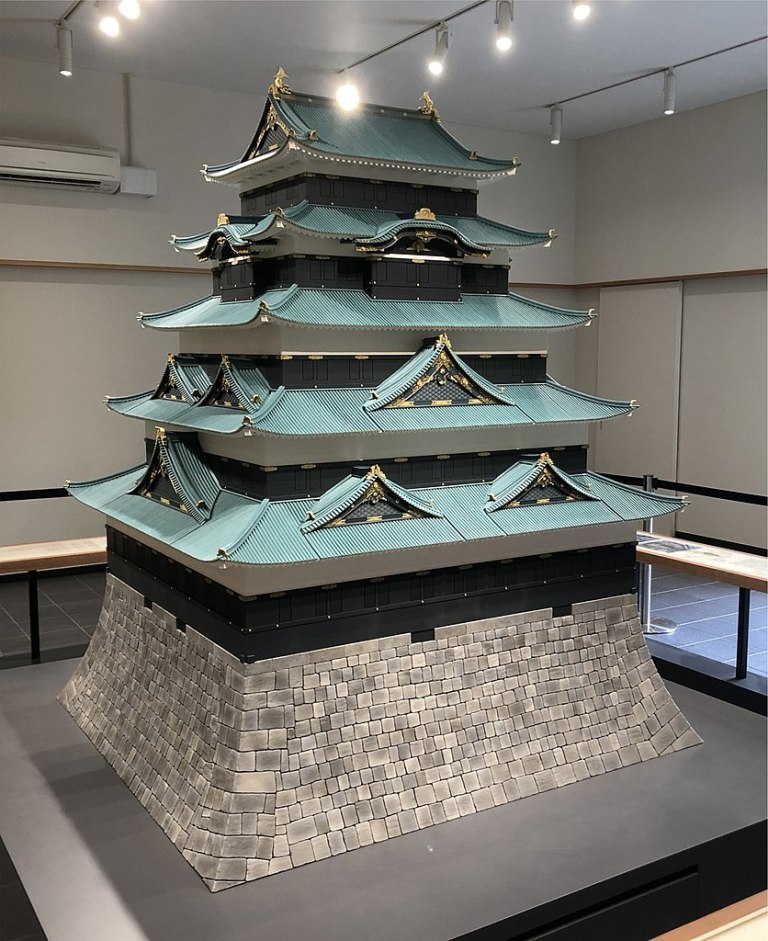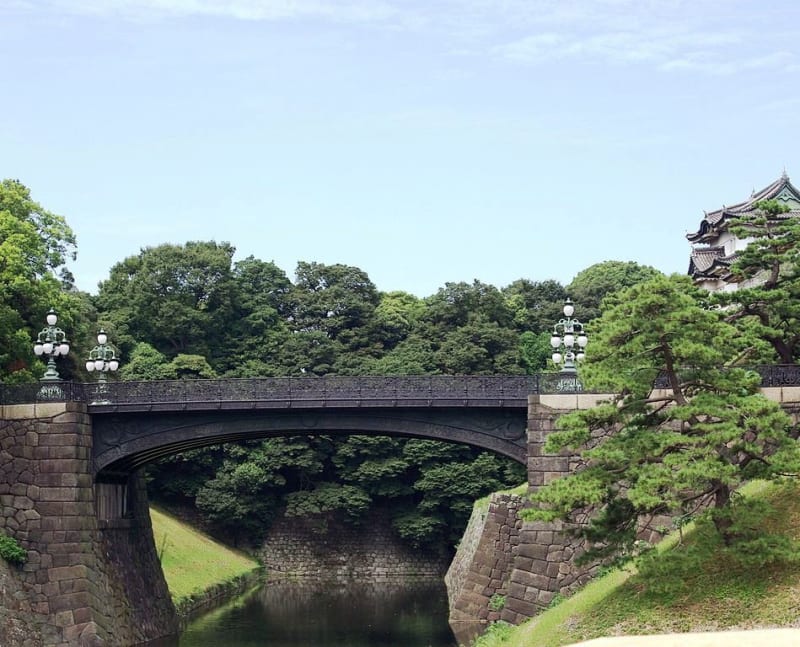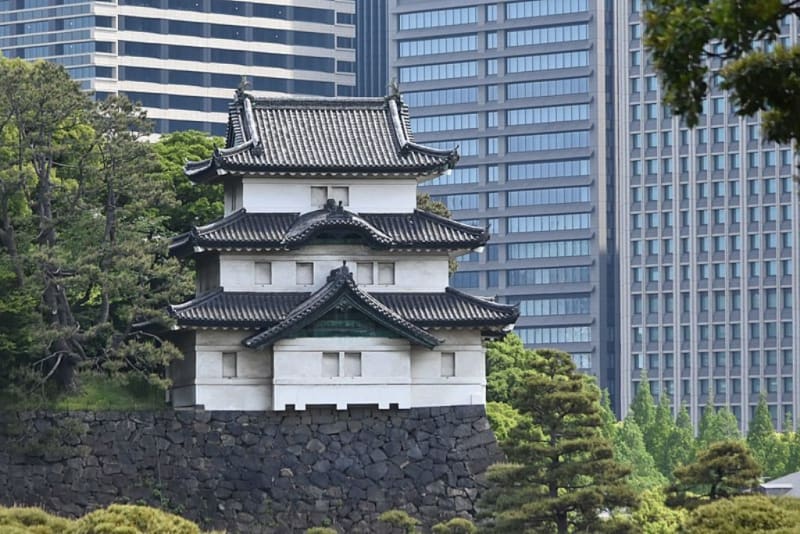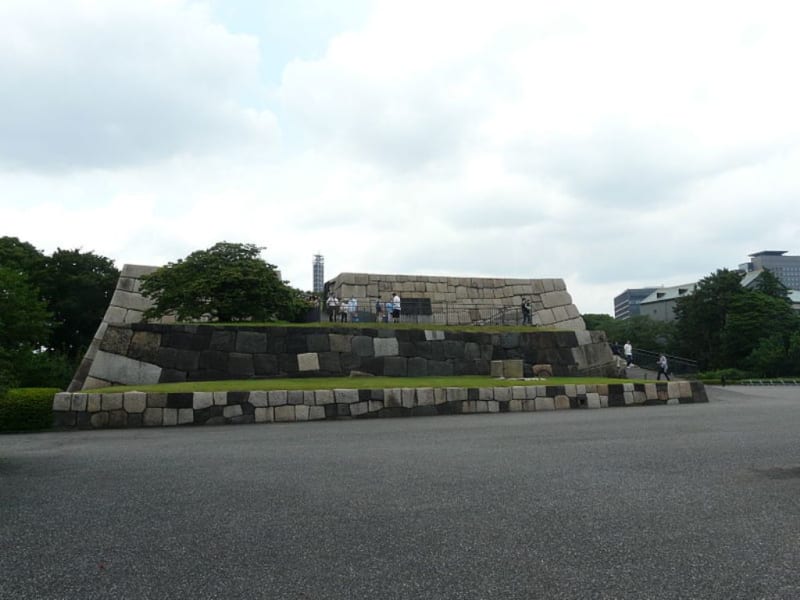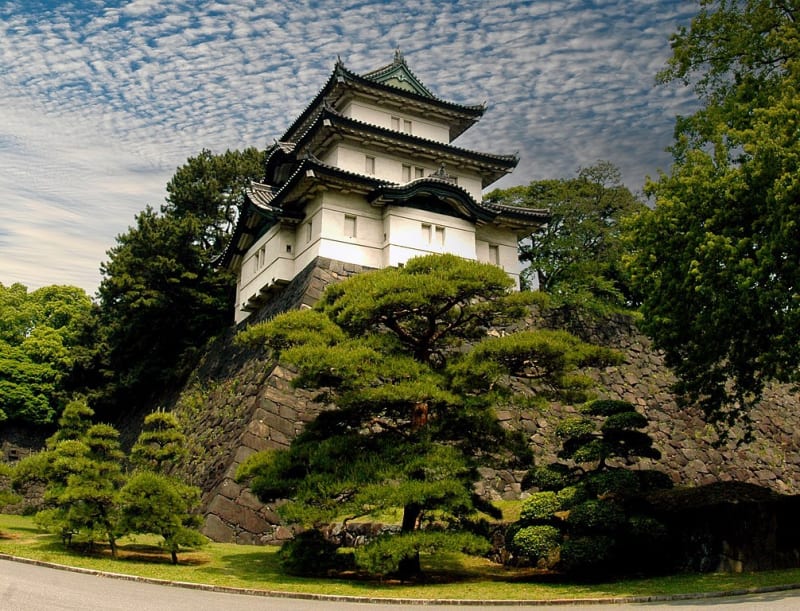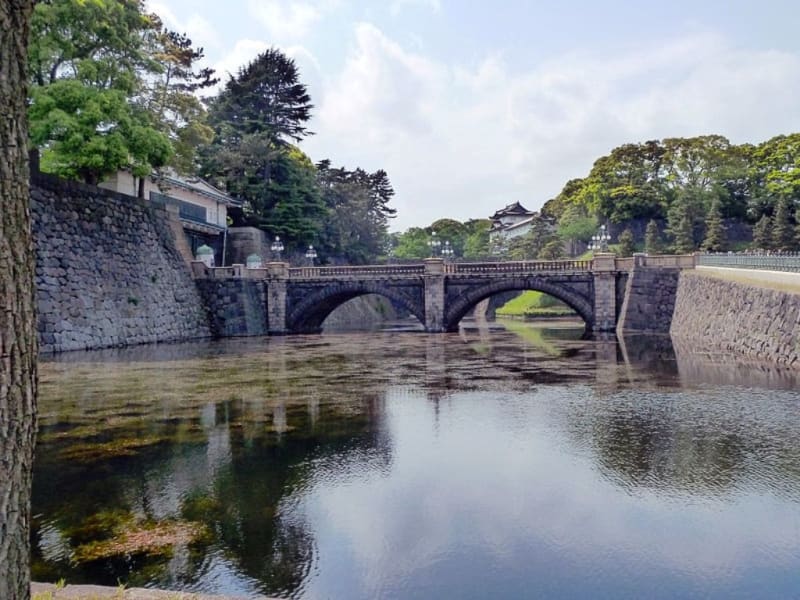

The Imperial Palace in Tokyo has an alternative name in the form of the Imperial Castle. It is located in the center of the capital of Japan, in the park area of the Chiyoda district. According to statistics, many tourists arriving in Japan first come to see the grandeur of the complex. It is recognized in society as an unofficial symbol of statehood.
Short description
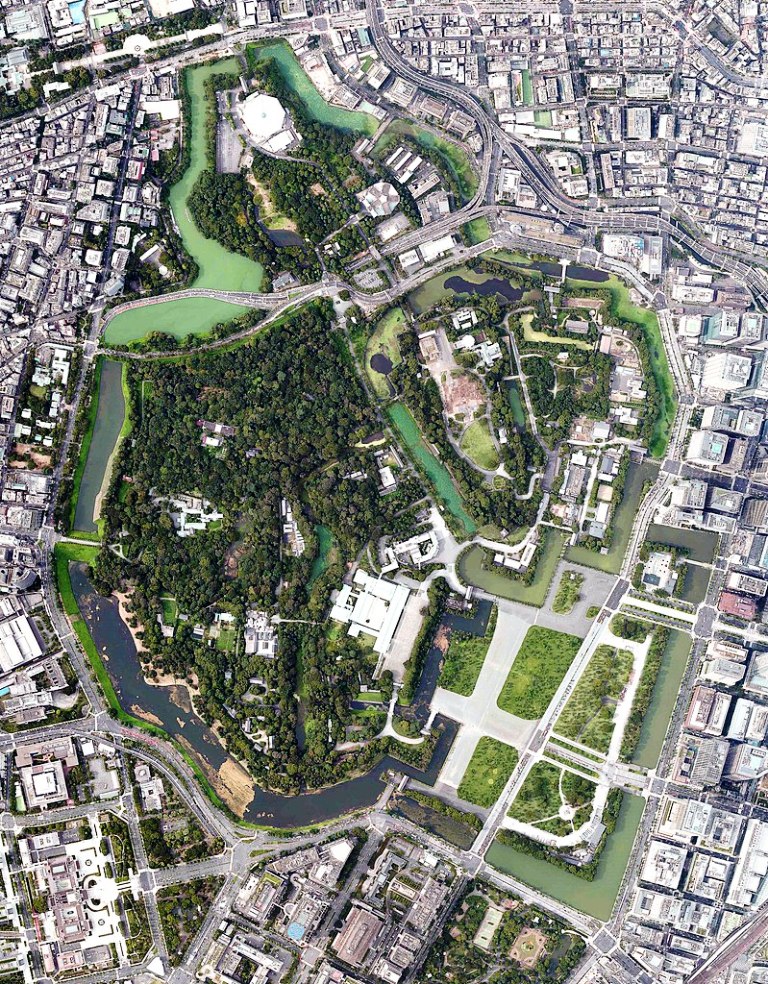
The Imperial Palace in Tokyo occupies almost 750 hectares. Nearby there are large government institutions ‒ the government building, courts, embassies and the capital's attractions, including Yasukuni Shrine. The castle has 3 floors, including one underground floor. It was built from reinforced concrete structures, which contain elements of traditional culture. The interior of the Imperial Palace in Tokyo is decorated with wood, which looks expensive and refined. There are audience rooms, banquet halls, an office for imperial activities and much more.
Interesting facts
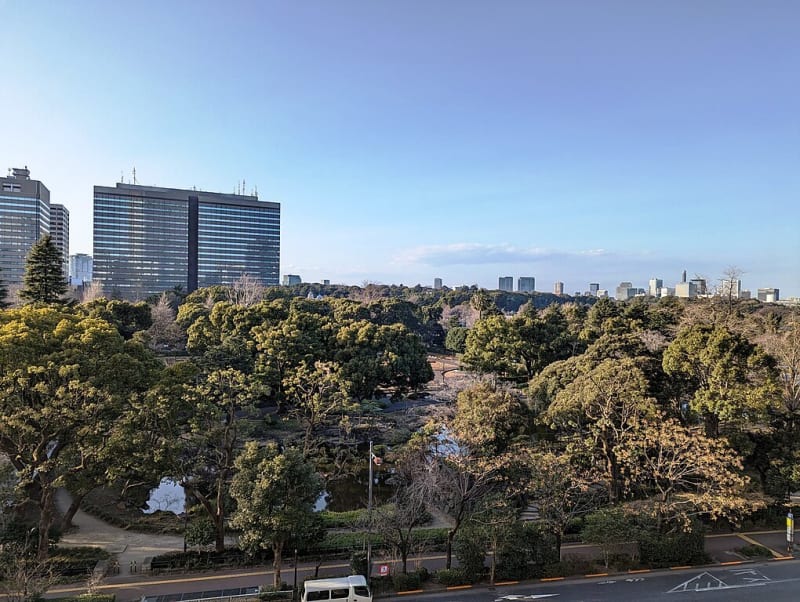
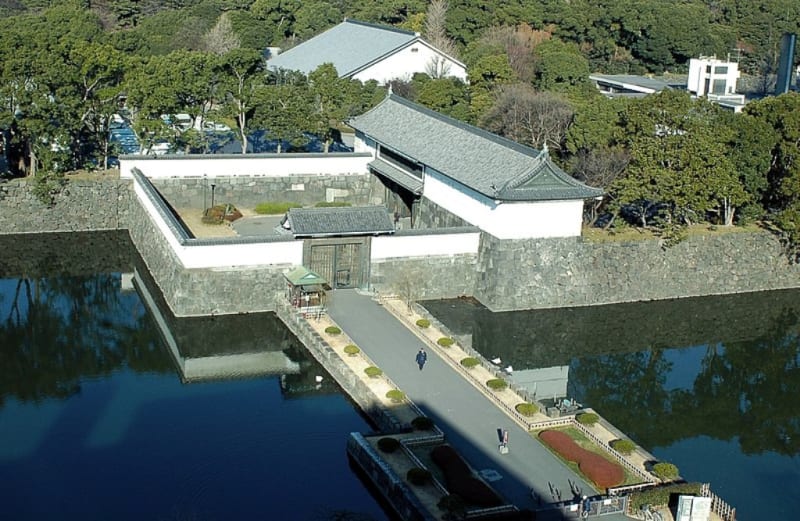
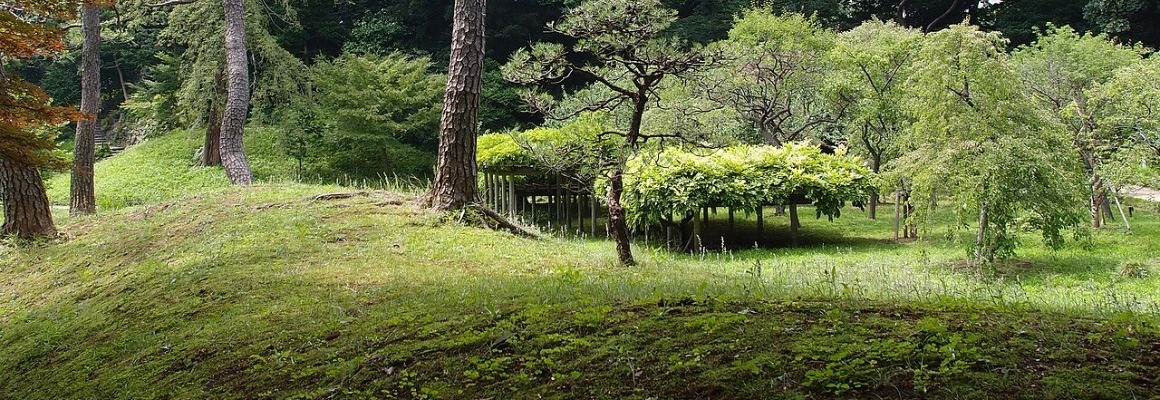
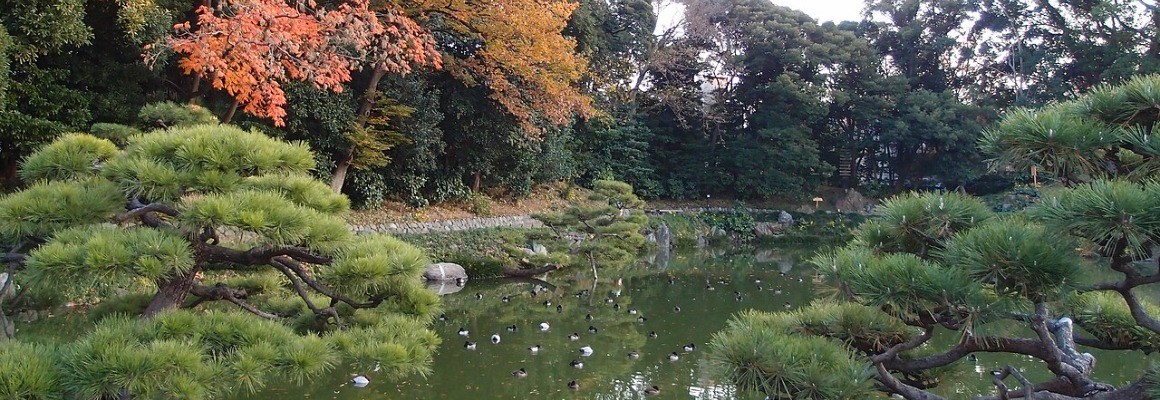
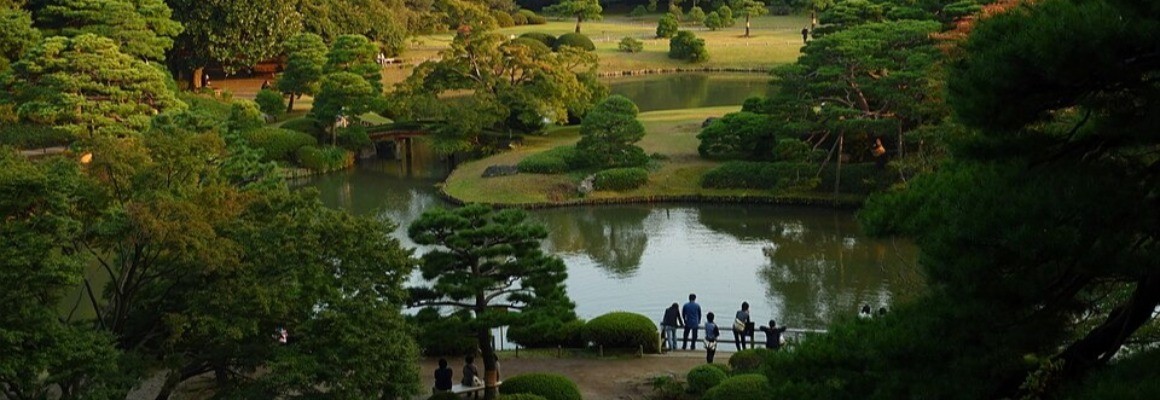
Locals call the Imperial Palace in Tokyo an oasis of tranquility. The fact is that the Imperial Castle is noticeably different from the rest of the buildings of the metropolis. A building with a pointed roof is impossible to miss from afar. The palace is surrounded by protective moats with water and massive walls, picturesque gardens. Now they look more like decorative elements, but they also shield the property from the hustle and bustle of the capital.
The architecture of the Imperial Palace in Tokyo is austere, there is not a single hint of idleness. The three-storey palace lacks the luxury that is typical of European palaces. Simplicity is the key feature of the attraction, it is the pride of the people. The residence of Emperor Akihito is open here today. It is guarded around the clock, there are no metro stations under it, and the airspace is not open for helicopter flights.
Information for tourists
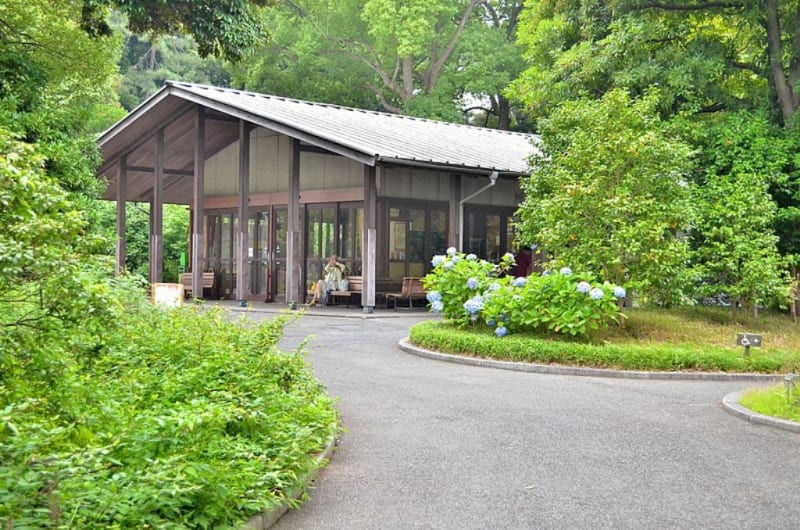
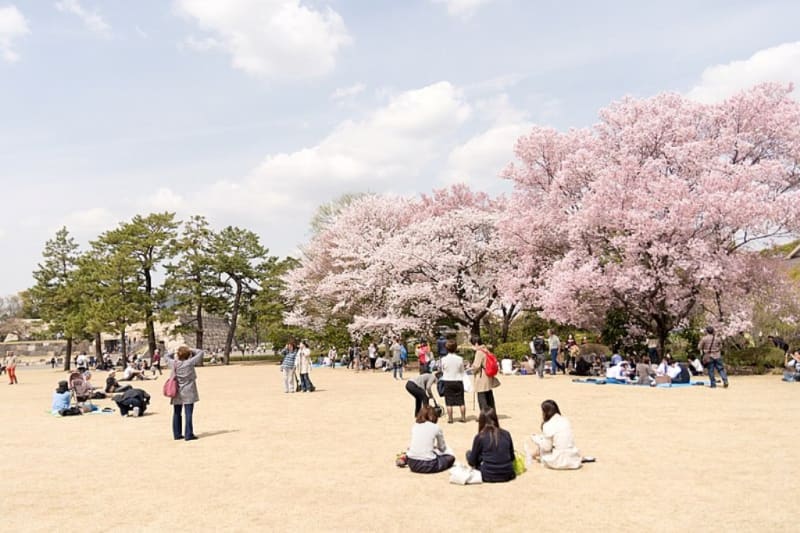
Visitors are allowed to admire the Imperial Palace in Tokyo only from afar. It is even forbidden to walk along the alleys. It is allowed to visit the Oriental Garden, but it is closed every Monday and Friday and on days when the imperial family takes part in various ceremonies. It doesn't make sense to come here during the specified period. There are exceptions to the rules. For example, on January 2 and December 23, the day when the emperor was born, everyone can stroll through the Inner Gardens of the castle, see the emperor and his family. They gather in front of the society on the balcony and greet the guests. Talking to them is forbidden.
It is possible to get to one of Tokyo's key attractions inexpensively by metro, you need to get off at Tokyo station and walk 10 minutes on foot. Or you can use taxi services, but the price for the trip will be more expensive. But visiting the castle is free for everyone.
Gallery