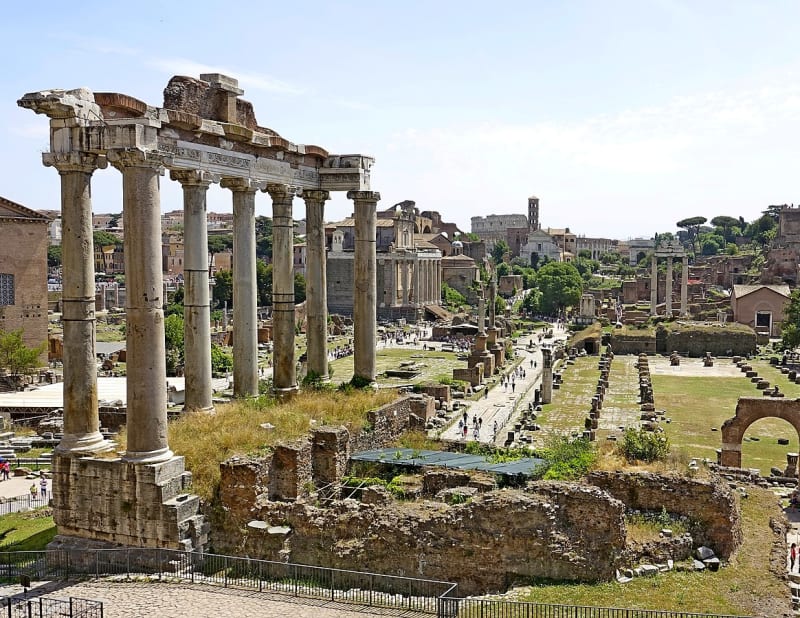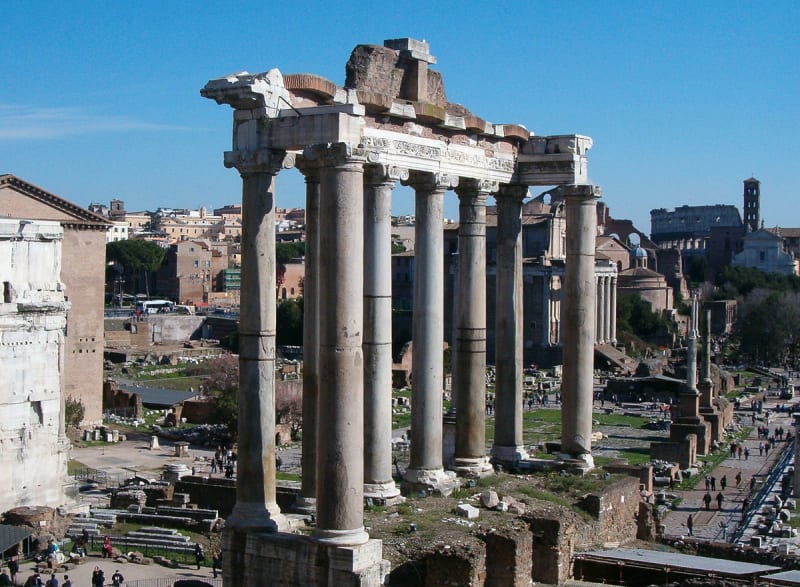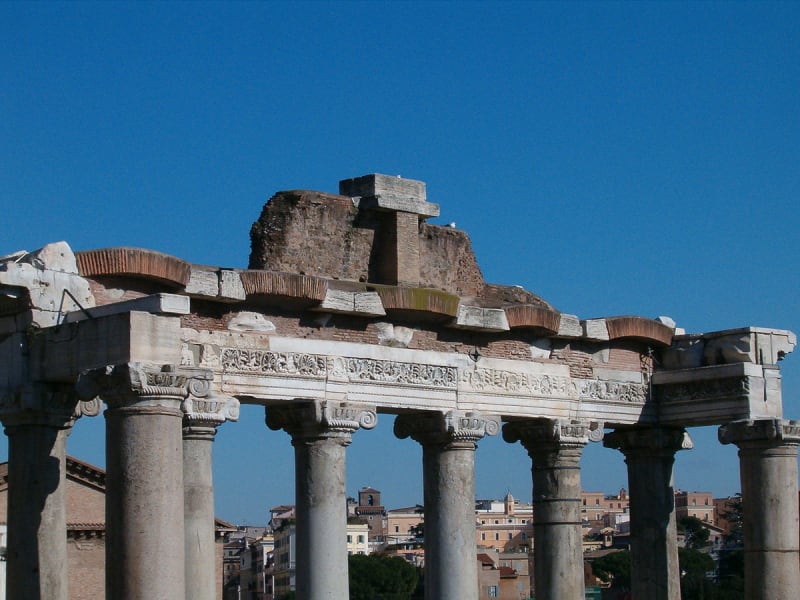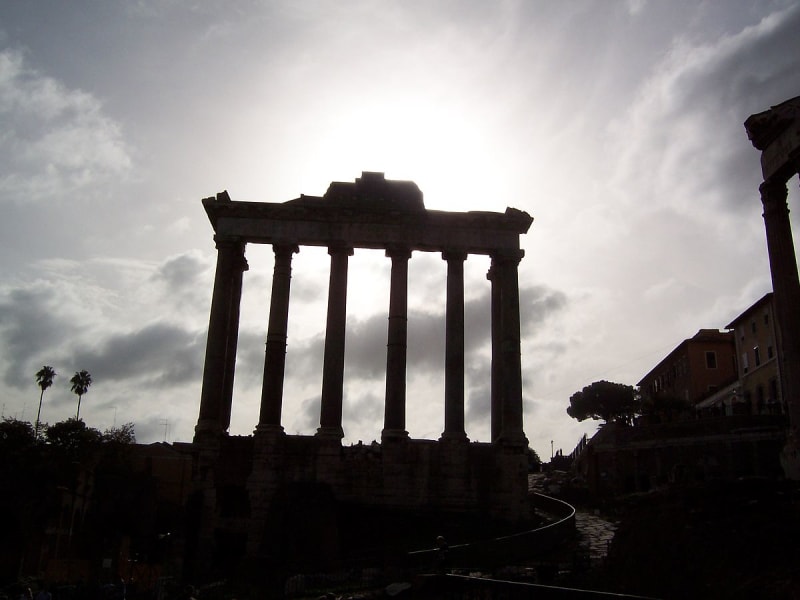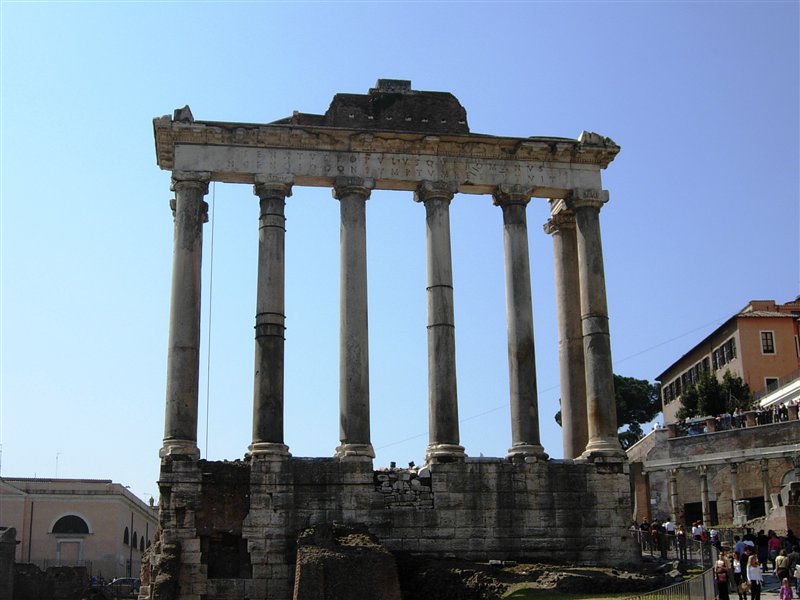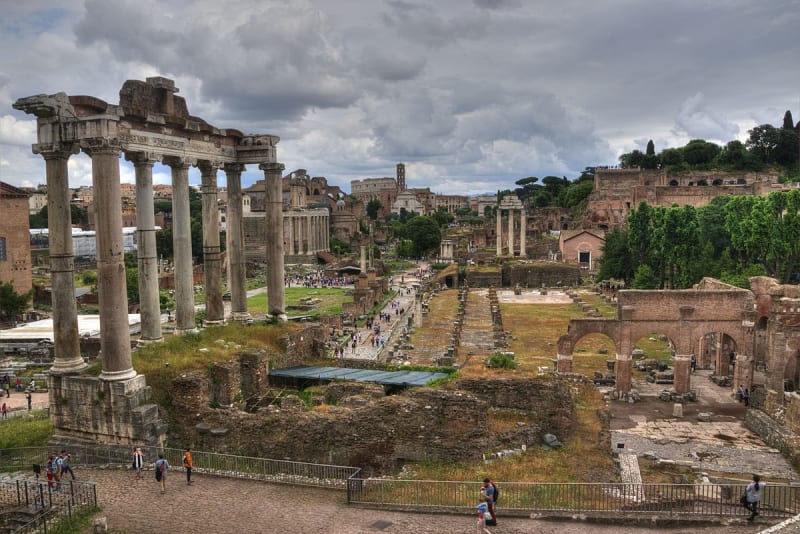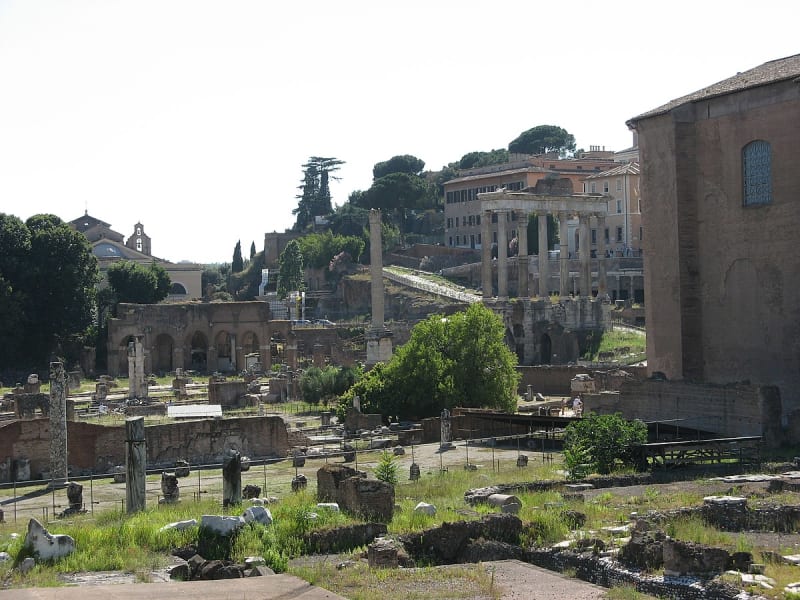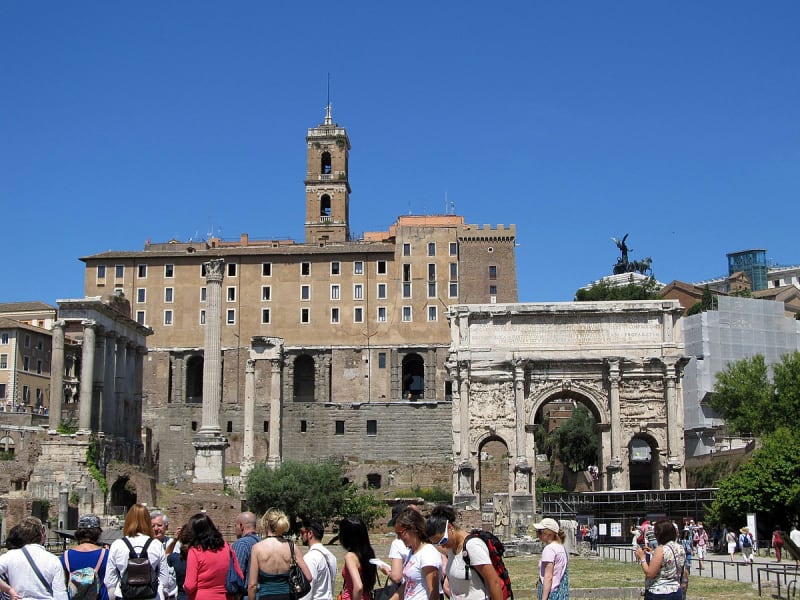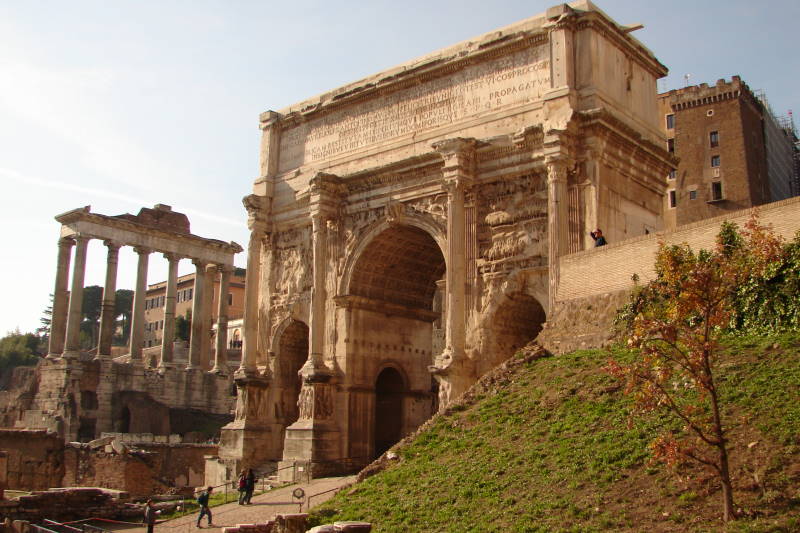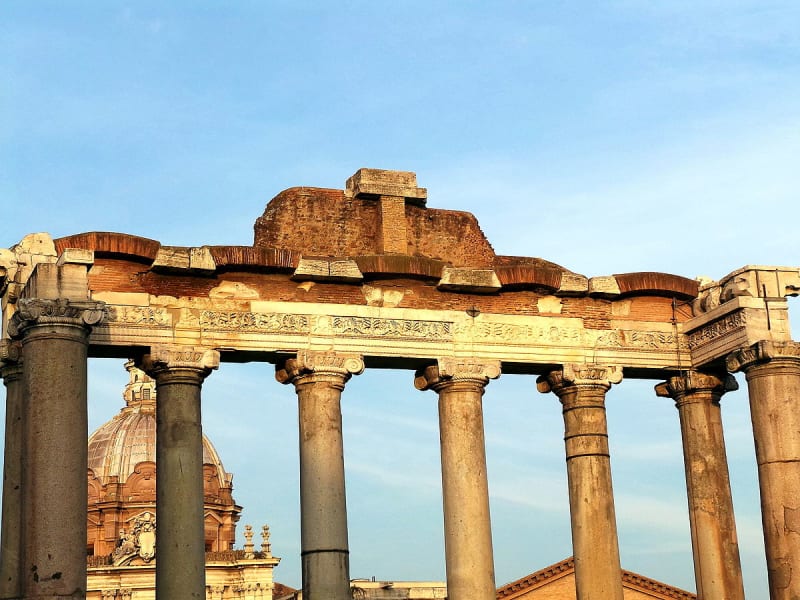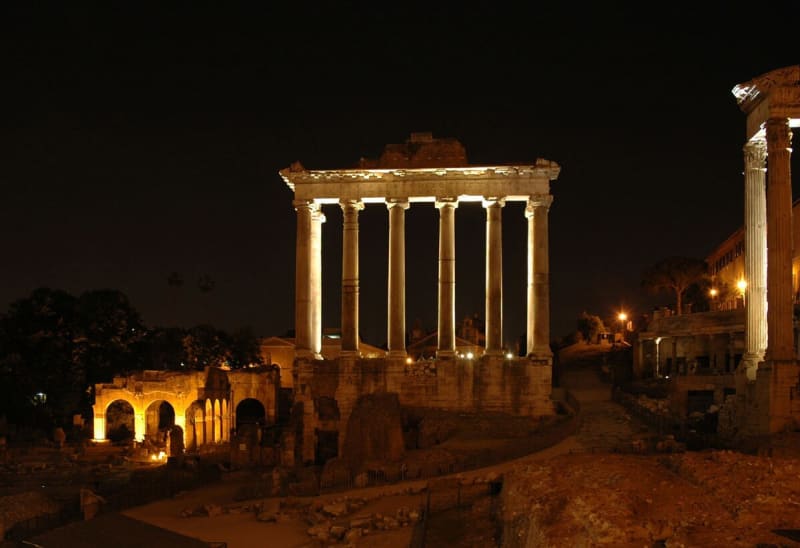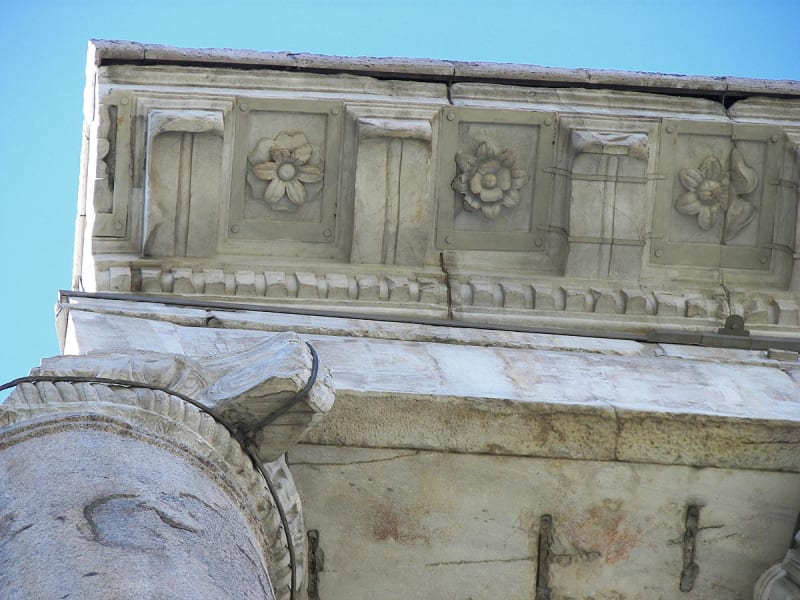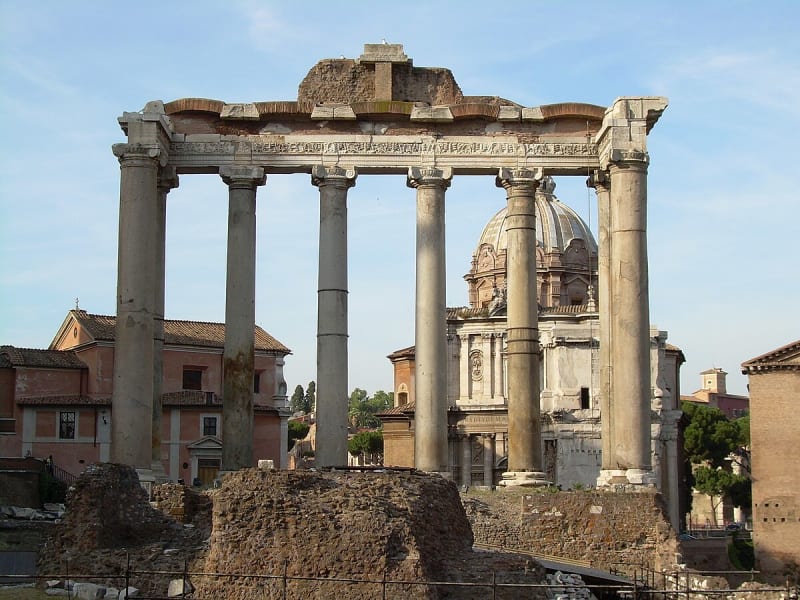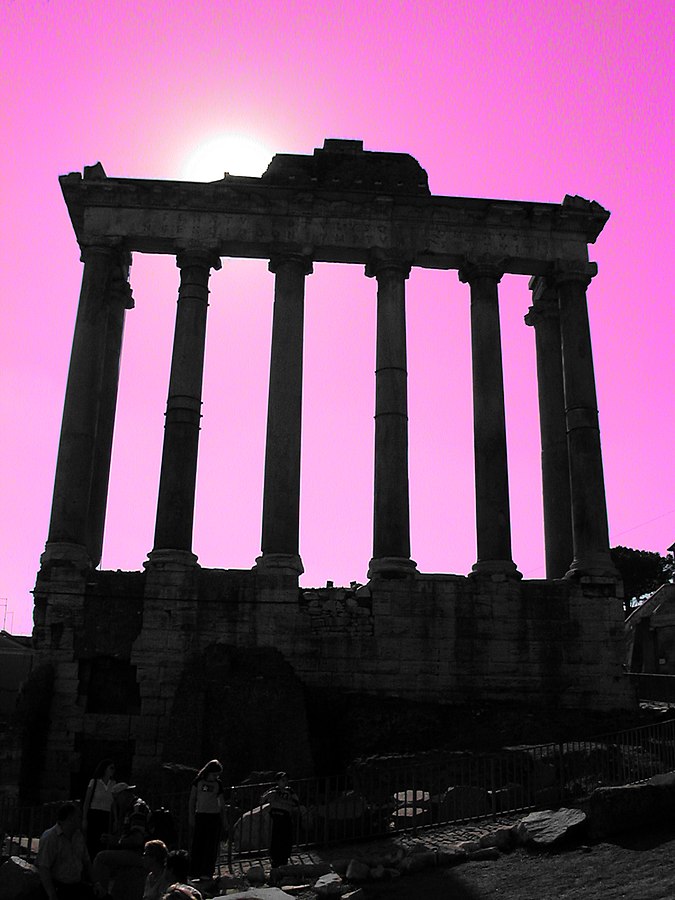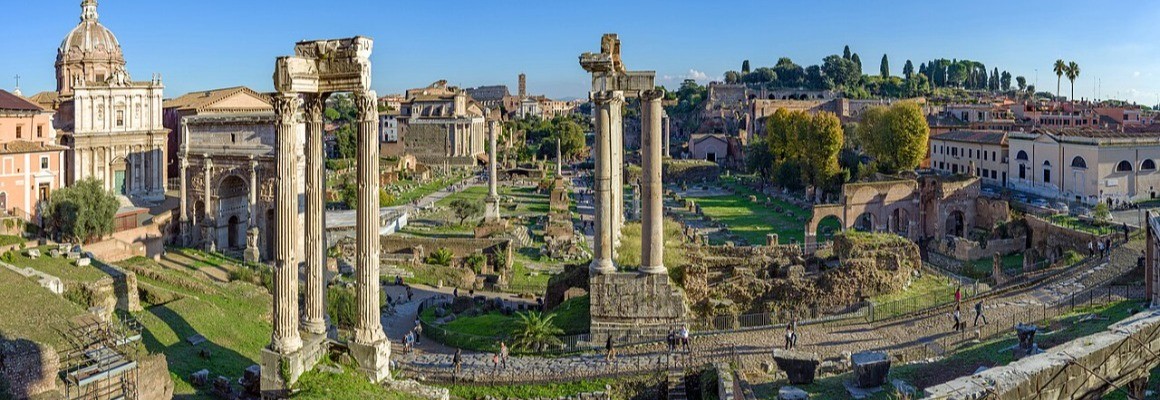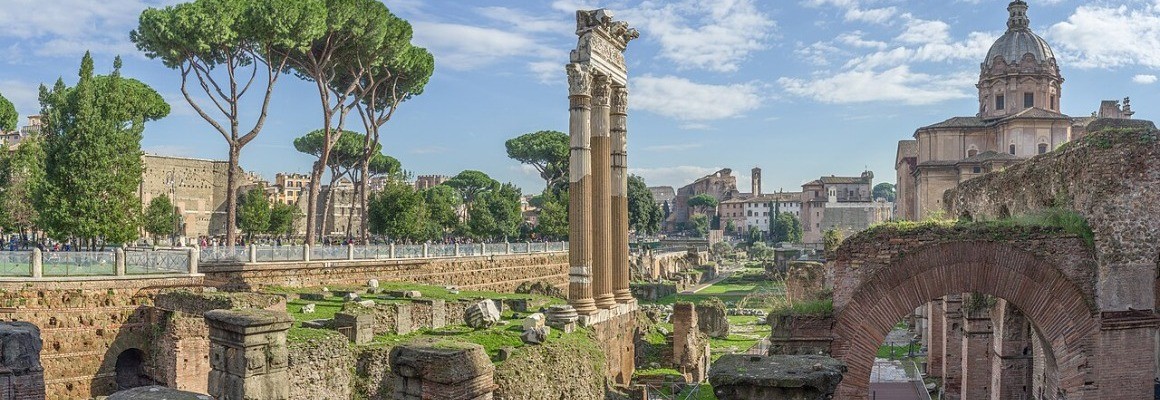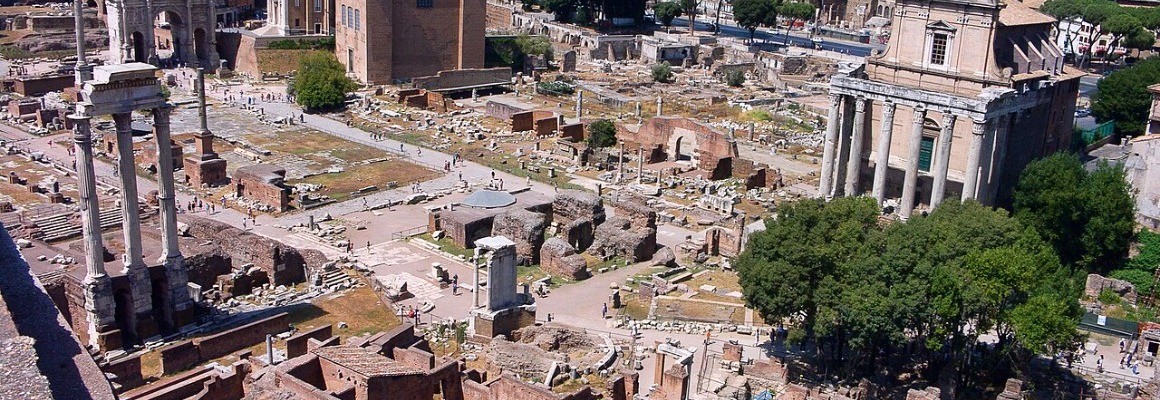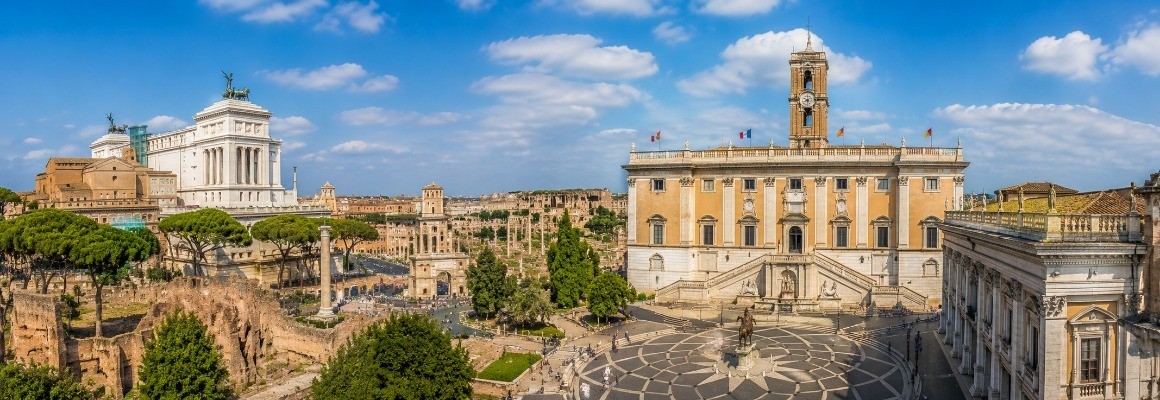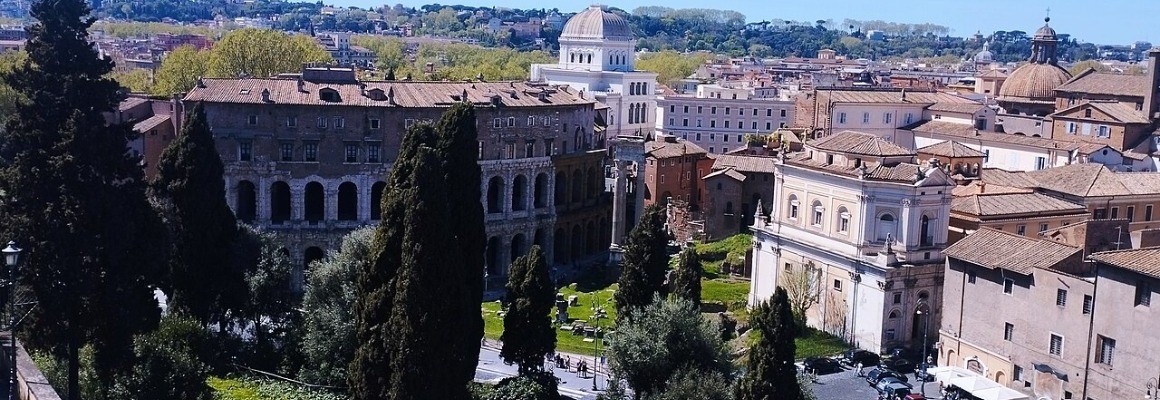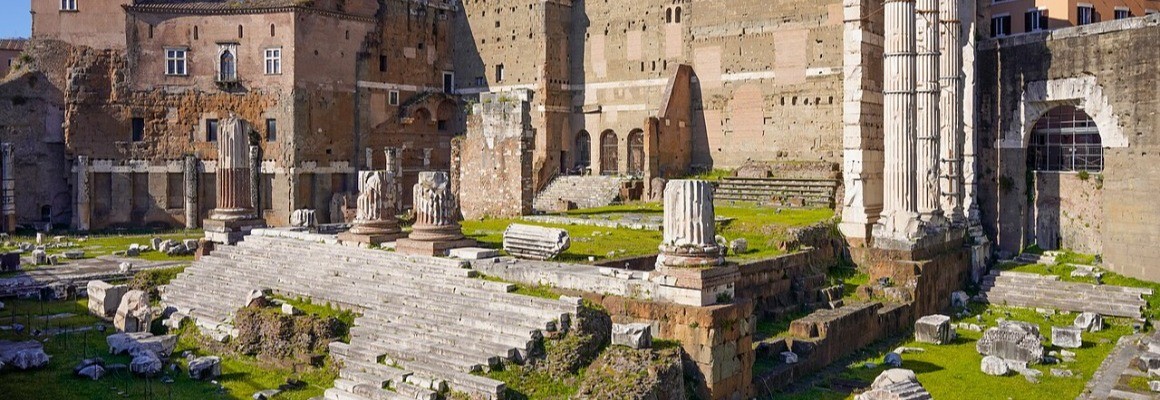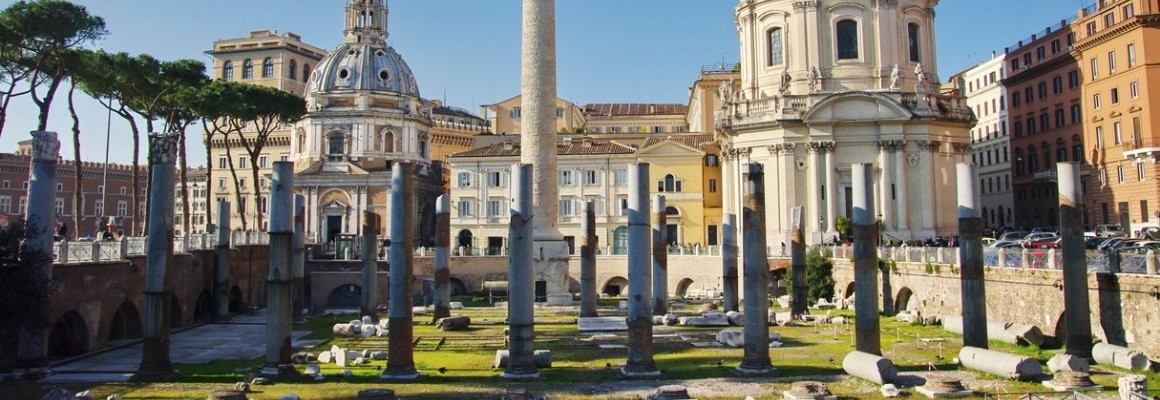

The Temple of Saturn in Rome is also called the Roman Forum. It was the heart of Ancient Rome for almost 1,000 years. Initially, it was an ordinary market square surrounded by temples, but with the growing power of the republic, this place became the most important political center. Important meetings, speeches, rallies and solemn processions were held at the forum, and even executions were carried out.
From the swamp to the political center
The term forum itself in Roman architecture referred to an open rectangular square surrounded by colonnades and public buildings. The Temple of Saturn in Rome is almost as old as Rome itself, although originally there was a swampy valley on the site of the famous square, through which a stream of water flowed. The first inhabited hills of Rome surrounded the valley - Palatine Hill, Capitoline Hill and Velia. Their inhabitants used the swampy place as a burial place.
The drainage of the territory began during the reign of King Tarquin the Old (the turn of the VII and VI centuries BC). He began the construction of the first Roman covered sewer system, called Cloaca Maxima, into which the stream flowing through the valley was directed.
Then the territory was paved, the area was marked out and the construction of the first outbuildings began. Thanks to this, the hills surrounding the valley were interconnected. In the first centuries of its existence, the forum served as a market, a place of executions and gatherings. The first temples dedicated to the Roman gods were built around it.
Development during the Republic period
The Temple of Saturn in Rome began to take on monumental forms during the Punic Wars (between the 3rd and 2nd centuries BC), when the Roman Republic gained a position as a military and trading power, and its inhabitants gained access to the knowledge of architects who built magnificent buildings. Greek cities such as Athens, Pergamon and Alexandria. It's hard not to give the impression that the Temple of Saturn in Rome is an improved version of the Greek agora.
Over the next centuries, the city's most important public buildings were built around the Temple of Saturn in Rome, including the curia (the place where the Senate meets), temples, columns and triumphal arches, which were erected in honor of great victories.
The most important of the ancient streets, Via Sacra (Sacred Road), also passed through the Roman Forum, leading from the Velia hill to the Capitol. The most important processions and victory parades passed through it. The beginning of the route is marked by the Arch of Titus, erected in the 1st century.
In ancient times, the Saturnalia Festival was celebrated annually on December 17 near the Temple of Saturn in Rome. At that time, schoolchildren were excused from classes, public affairs were postponed, and criminals were forbidden to be punished. By now, the tradition has not been preserved, but it has remained in history forever.
Gallery