Camargue Regional Natural Park is an extensive natural area in southern France, in the Provence-Alpes-Côte d’Azur region. It lies in the Rhône River delta, where fresh river water meets the salty waters of the Mediterranean Sea. Camargue is known for its vast marshes, shallow lagoons, salt flats, sandy beaches and rice fields. It is one of Europe's most important wetlands and one of France's most rewarding destinations for wildlife watching.
The regional natural park covers more than 100,000 hectares and includes parts of Arles, Saintes-Maries-de-la-Mer and Port-Saint-Louis-du-Rhône. The wider Rhône delta is also part of a UNESCO Biosphere Reserve established in 1977. Camargue combines nature conservation with traditional agriculture, livestock farming, salt production and tourism.
The unique landscapes of the Rhône delta
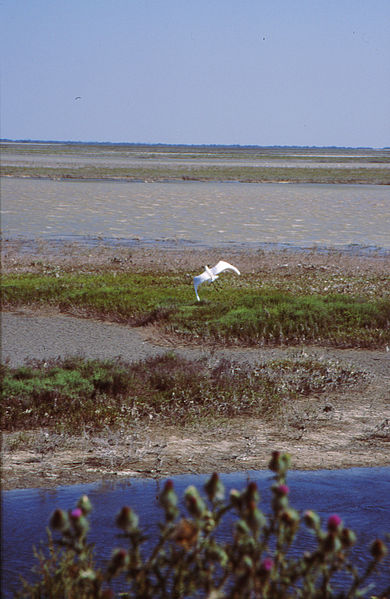
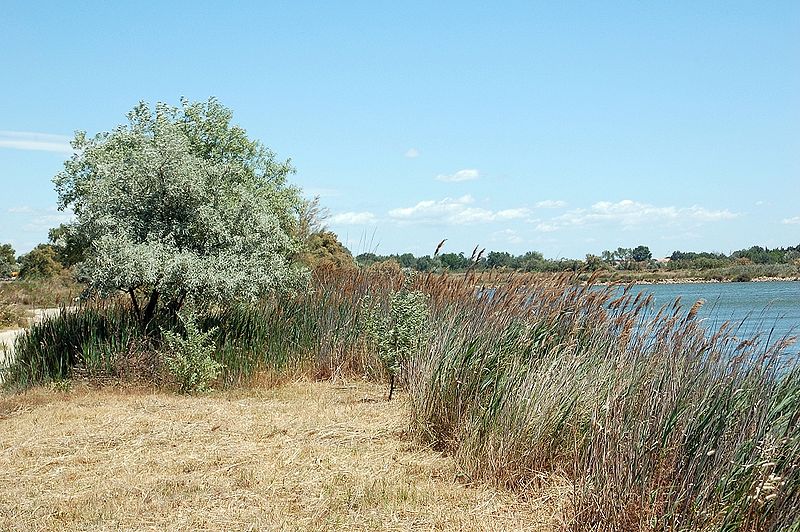
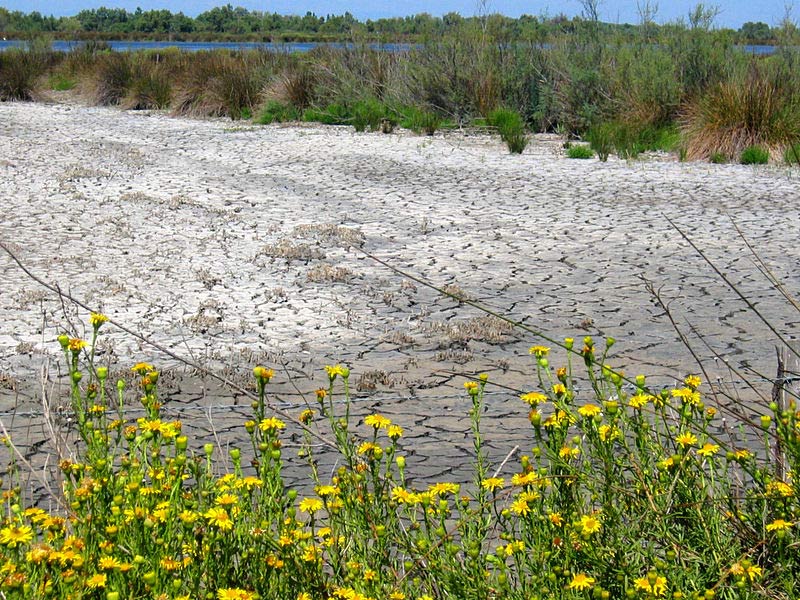
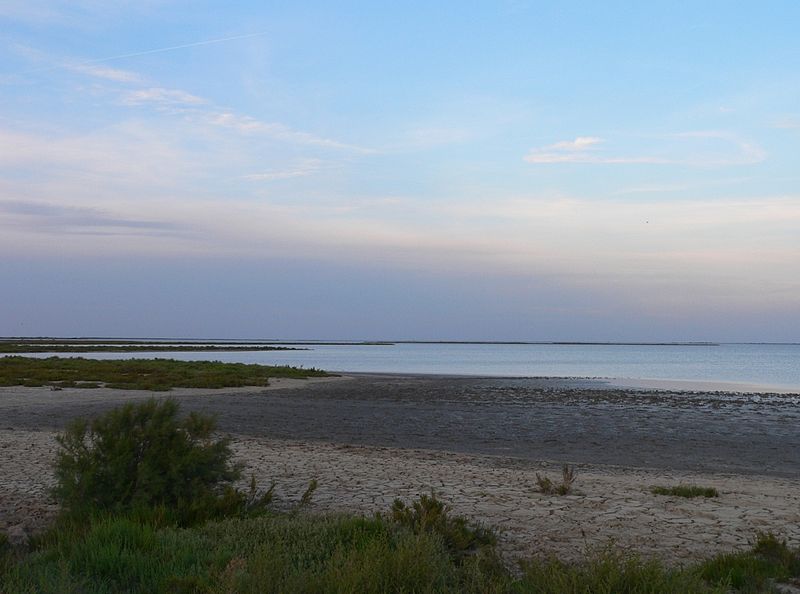
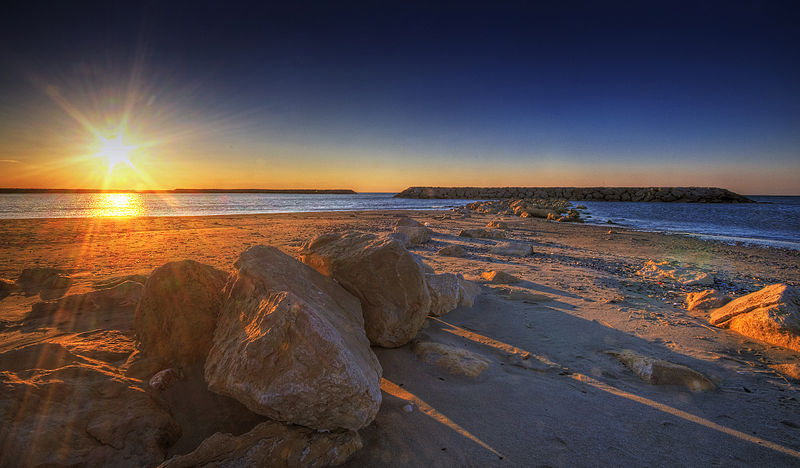
Camargue's natural environment has been shaped by the river, the sea, the wind and human activity. Its habitats include freshwater marshes, saline lagoons, reed beds, sandy dunes and steppe-like areas with salt-tolerant plants. Depending on the season and water levels, some areas become shallow wetlands while others turn into dry salt flats.
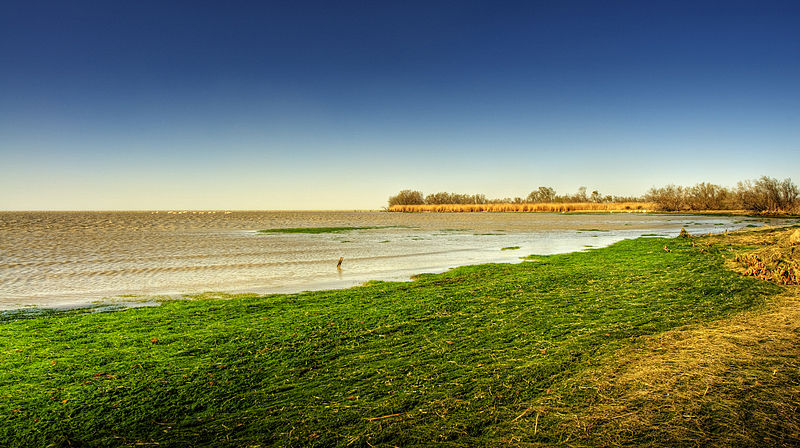
One of the region's main natural features is Étang de Vaccarès, the largest lagoon in Camargue. Its shallow waters provide feeding and resting grounds for numerous birds. Marshes and saline plains surround the lagoon, supporting plants adapted to high salt concentrations. Together, these habitats form a complex ecosystem important to migratory and resident wildlife.
Pink flamingos and other birds
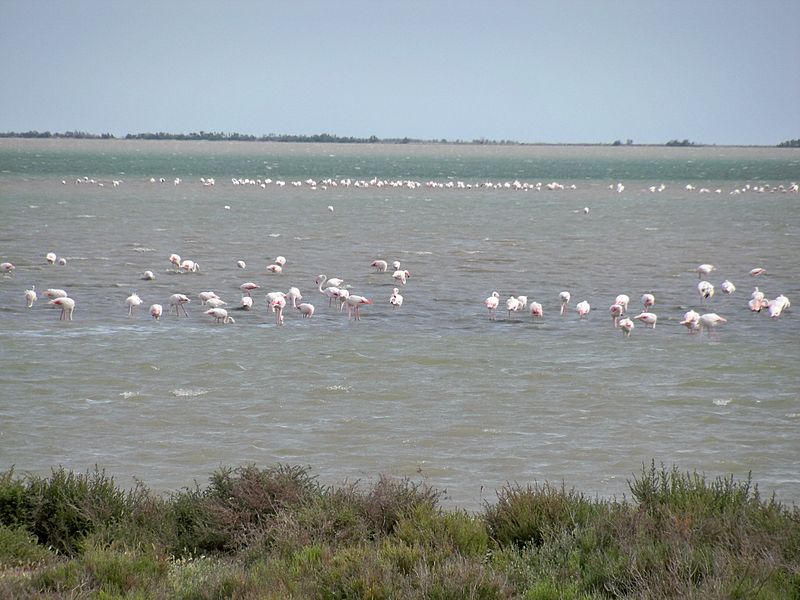
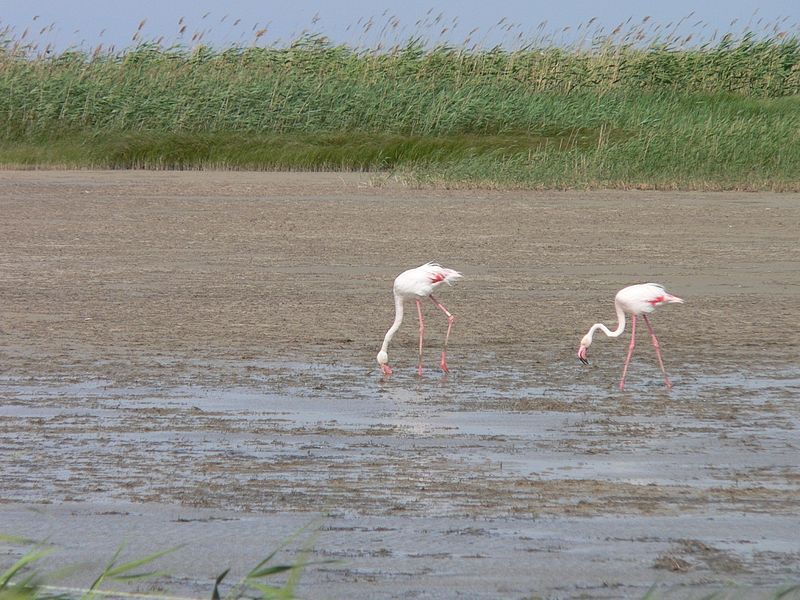
The most recognizable symbol of Camargue is the greater flamingo. Birds gather in shallow waters to feed and often form large colonies. Their pink colour comes from pigments in their food, including small crustaceans. Flamingos can be seen in different months of the year, although their numbers and locations vary with the season and conditions in the wetlands.
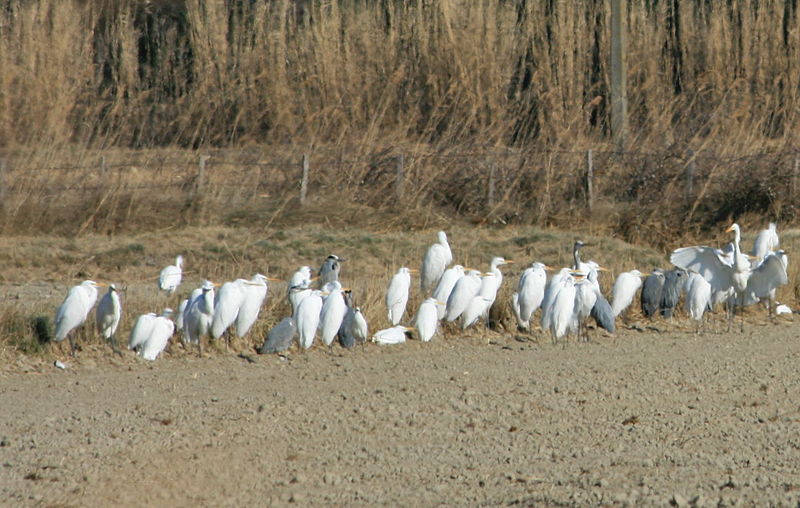
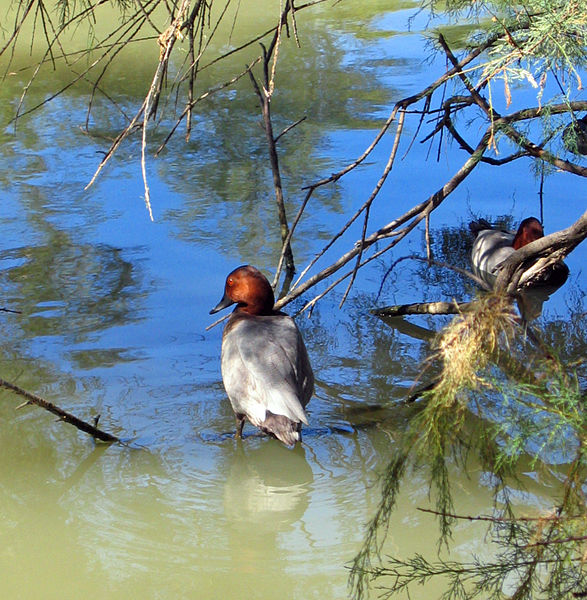
Camargue lies along an important migratory route between Europe and Africa. Herons, ducks, waders, terns and many other waterbirds use its wetlands. According to UNESCO, 272 bird species have been recorded in the biosphere reserve. Spring and autumn are particularly interesting for birdwatchers and wildlife photographers.
Visitors should use marked trails and viewing platforms, keep away from nests and avoid disturbing wildlife. Access to some areas may be restricted during breeding periods, so it is important to check local regulations before setting out.
Camargue's white horses and black bulls
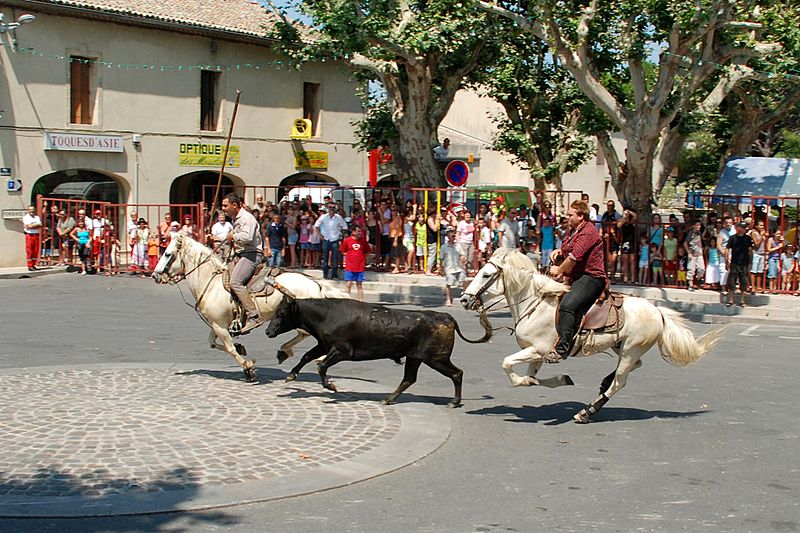
Alongside flamingos, Camargue is famous for its local horses and bulls. Camargue horses usually have grey coats that become almost white as they age. Adapted to life on wet plains, they are traditionally used by local horsemen known as gardians to work with semi-wild herds of bulls.
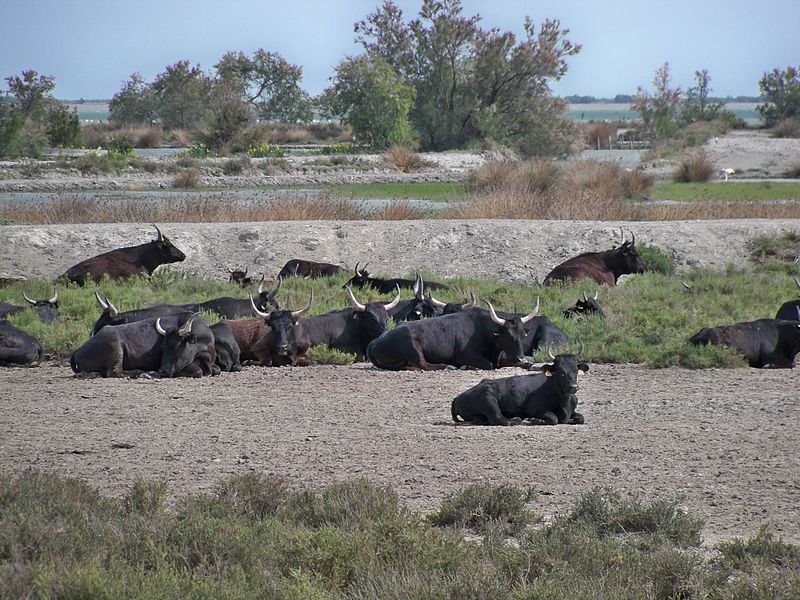
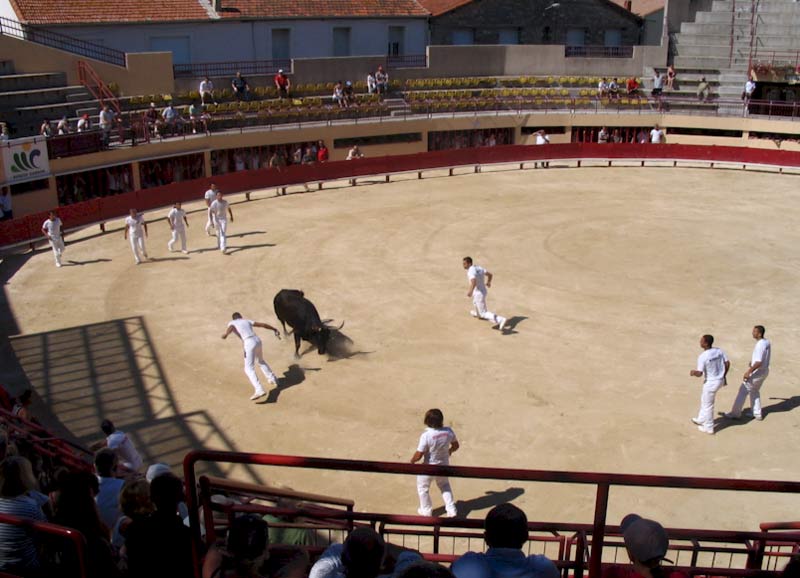
Black Camargue bulls play an important role in the local economy and cultural traditions. They are raised on open pastures, often among marshes and meadows. Traditional equestrian displays and course camarguaise events, in which the bull is not killed, are part of the region's heritage. Horse and cattle breeding remain central to Camargue identity and help maintain open pasture landscapes.
Salt flats, rice fields and traditional livelihoods
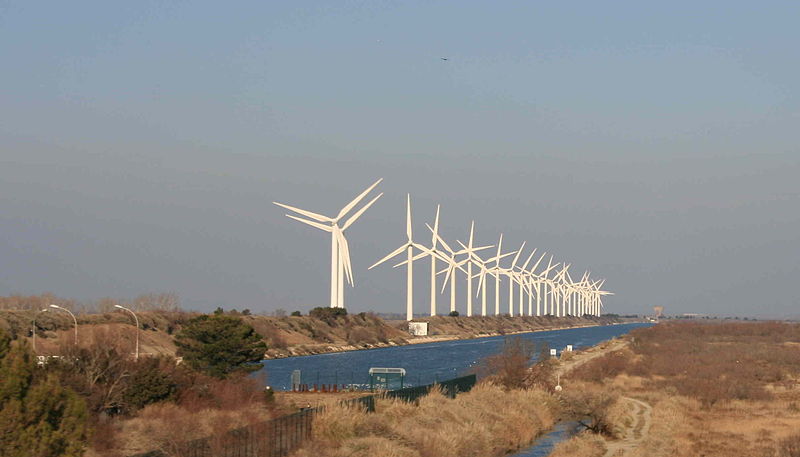
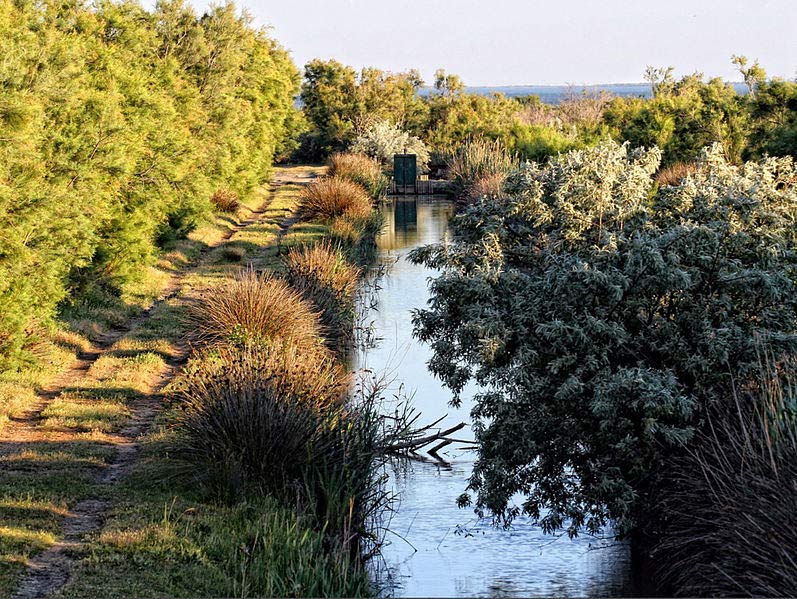
Despite its wild appearance, much of Camargue's landscape has been shaped by people. A network of canals, dikes and drainage channels helps manage water levels and soil salinity. Rice is cultivated here, alongside livestock farming, fishing and salt production. These activities are closely connected to the natural conditions of the delta.
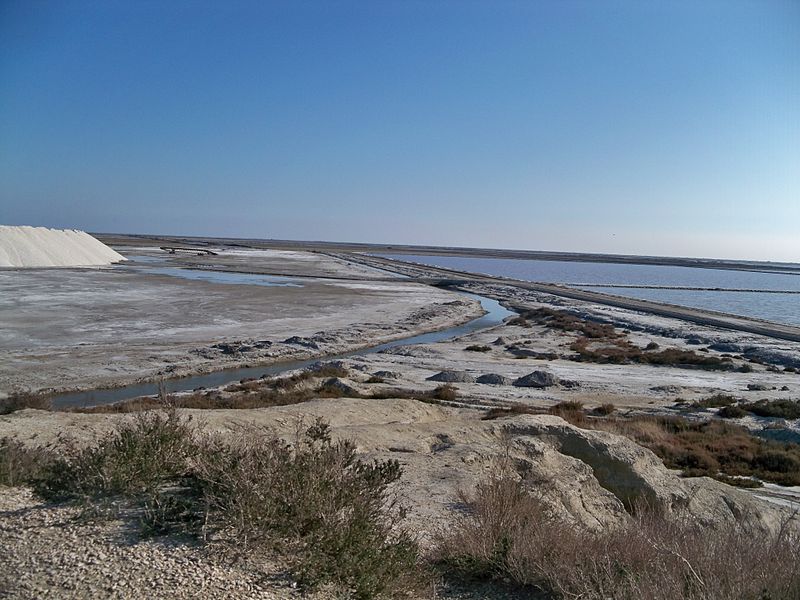
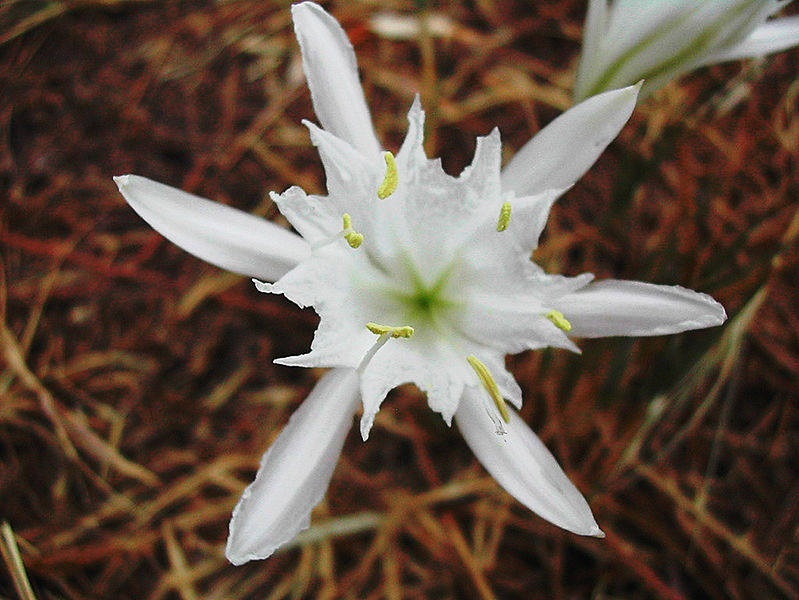
Extensive salt-producing areas lie in southern Camargue, where seawater evaporation allows salt to form. Depending on the light and season, salt ponds can display unusual colours. Salt-tolerant plants, including glasswort and sea lavender, grow on saline ground.
Local cuisine also reflects the character of the region. Traditional products include Camargue rice, seafood, fish and meat from local cattle. Visiting farms and local markets offers an introduction to the culinary traditions of Provence.
Saintes-Maries-de-la-Mer and other places to visit
Saintes-Maries-de-la-Mer is a seaside town that often serves as a starting point for exploring Camargue. Visitors can walk through its historic centre, see the Church of Notre-Dame-de-la-Mer and relax on sandy beaches. The town is also known for its pilgrimages and local cultural traditions.
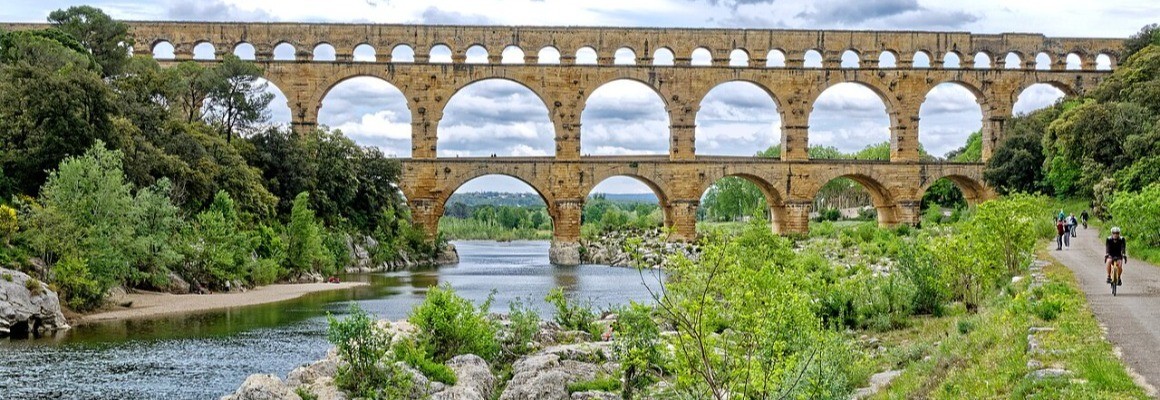
Arles, near the northern edge of the park, contains Roman monuments and a historic centre listed as a UNESCO World Heritage Site. Another excellent place to experience Camargue wildlife is the Pont de Gau Ornithological Park, where marked paths provide opportunities to observe flamingos and other birds in wetland habitats.
The Camargue Museum offers another way to learn about the region, with exhibits on nature, traditional livelihoods and landscape change. Across the delta, visitors can find walking and cycling routes, observation points and excursions led by naturalists.
Best time to visit
Spring and autumn are especially good for birdwatching because many migratory species pass through the region during these seasons. In spring, nature comes alive and the marshes fill with water. In autumn, mild weather and bird diversity create favourable conditions for walking and photography.
Summer is suitable for combining nature excursions with beach visits, but it can be hot and humid, with many mosquitoes. Winter is quieter and the landscapes take on more muted colours. Birdwatching conditions depend on water levels, weather and the life cycles of the animals.
Exploring the park responsibly
Camargue is best explored on foot, by bicycle, with a local guide or along designated routes. Binoculars and a telephoto lens are useful for observing birds. Before travelling, check trail access, opening arrangements and seasonal restrictions. Water levels and conditions in individual areas may change after heavy rain or strong winds.
Camargue's ecosystems are vulnerable to disturbance, pollution and changes in water management. Visitors should stay on marked trails, take their rubbish away, avoid feeding wild animals and follow parking and access restrictions. Dogs must be kept on a lead wherever required, and visitors should avoid damaging coastal dunes.
Camargue Regional Natural Park is a place where Mediterranean scenery meets rich wildlife and centuries-old traditions. Pink flamingos, white horses, black bulls, salt lagoons and vast marshes make it one of France's most distinctive natural areas.
Gallery