The Colosseum is one of the most famous monuments of Ancient Rome and a symbol of Italy. Located in Rome’s historic centre, this enormous amphitheatre has fascinated visitors for centuries with its scale, architecture and history. In antiquity, tens of thousands of spectators gathered here to watch gladiatorial contests, hunts involving wild animals and other public spectacles. Today, the Colosseum is one of Europe’s most important archaeological landmarks and a major destination for travellers from around the world.
The building’s official ancient name was the Flavian Amphitheatre, referring to the imperial dynasty under which it was constructed. Despite earthquakes, damage and the later reuse of its stone, a substantial part of the structure survives. Its arches, tiers of seating and underground spaces reveal how sophisticated this complex was almost two thousand years ago.
History of the Colosseum
Construction began under Emperor Vespasian around AD 70–72. The site lay in a valley between Rome’s hills, on land that had previously formed part of Emperor Nero’s palace complex. Building a vast public monument here symbolised the return of urban space to the people after Nero’s rule.
The main construction work was completed under Emperor Titus, who inaugurated the amphitheatre in AD 80. Ancient sources describe celebrations that lasted for many days. Later, Emperor Domitian continued developing the complex and expanded its underground infrastructure. The Colosseum became one of the central venues of public life in imperial Rome.
The name “Colosseum” became established later. A common explanation links it to the enormous statue of Nero that once stood nearby. The original name, Flavian Amphitheatre, directly reflects the Flavian dynasty.
Architecture and dimensions
The Colosseum has an elliptical plan. Its outer dimensions are approximately 189 metres long and 156 metres wide, while its original height reached about 48–50 metres. The facade featured several levels of arches framed by half-columns of different architectural orders. The repeated arches and decorative elements gave the building a monumental, rhythmic appearance.
Builders used travertine, tuff, brick and concrete. Stone blocks were connected with metal clamps, while a sophisticated system of vaults and arches distributed the weight. Numerous entrances, stairways and passageways around the perimeter helped large crowds reach their seats and leave the amphitheatre efficiently.
Seating was organised according to social status. The most prestigious places were closest to the arena, while upper sections were assigned to other groups of spectators. This arrangement reflected the social hierarchy of the Roman Empire.
What happened during the spectacles
The Colosseum was designed primarily for mass entertainment. Gladiatorial contests were among its best-known events. Gladiators could be professional fighters, enslaved people, prisoners or volunteers who entered the arena in search of money and fame. They trained in specialised schools under experienced instructors.
The programme extended beyond gladiatorial combat. Hunts featuring wild animals brought exotic creatures from different parts of the empire into the arena. Events could also include executions and staged scenes inspired by mythology. These spectacles were part of Roman political and social life: emperors and organisers used them to demonstrate generosity, state power and their ability to provide public entertainment.
Not every gladiatorial contest necessarily ended with a fighter’s death. Training fighters required time and money, so experienced gladiators were valuable to the schools that managed them. Outcomes depended on the rules of a particular contest, the organisers’ decisions and the audience’s response. The historical reality was more varied than many modern films suggest.
The arena and underground chambers
Below the arena lay a complex of rooms and corridors known as the hypogeum. It included chambers, service areas and mechanisms used to organise the shows. Animals could be held there, performers could prepare, props could be stored and staff could move through the building.
Lifting devices brought people, animals and scenery up to the arena. Trapdoors and specialised mechanisms could make appearances seem sudden to the audience. This underground infrastructure was essential to the Colosseum’s operation and demonstrates the planning behind its spectacles.
The arena floor was made of wood and covered with sand, which absorbed blood and made cleaning easier. Today, parts of the underground area are accessible through certain ticket types or guided visits. Access to individual sections depends on the available itinerary and current rules.
Spectators and crowd management
The Colosseum could accommodate tens of thousands of spectators. Historians continue to discuss the precise capacity at different points in its history, but its scale clearly shows that it was designed for a vast audience. Its entrances and internal corridors helped direct visitors to different seating sections and reduce congestion.
Seats were allocated according to social standing. The emperor, members of the elite and other high-ranking figures occupied the most prestigious areas. This division reflected Roman ideas about status and public order, while the amphitheatre also brought large numbers of city residents together for shared public events.
In hot weather, a large fabric awning known as the velarium could shade part of the audience. It relied on special supports and a system of ropes, requiring coordinated work by trained personnel.
The Colosseum after the fall of the Roman Empire
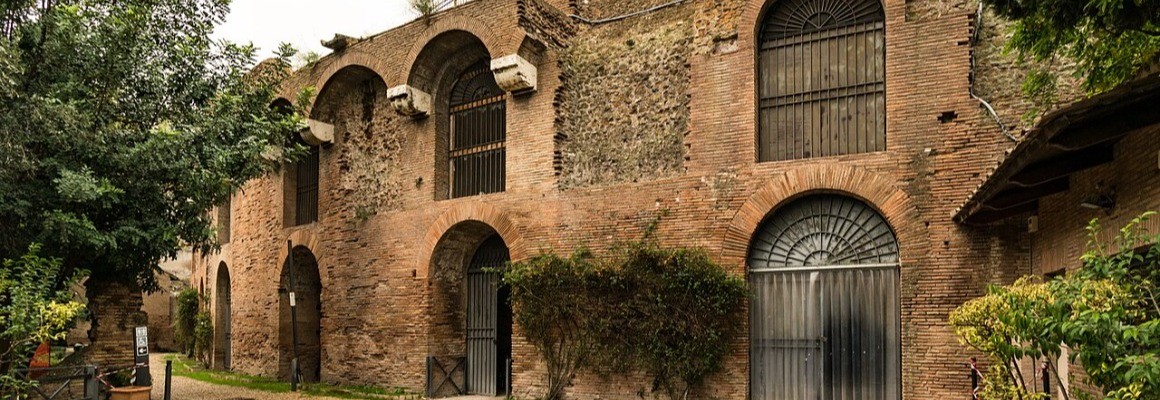
After the gradual decline of the Western Roman Empire, the amphitheatre ceased to serve its original purpose. Over time, its spaces were adapted for other uses. Workshops, storage areas and dwellings occupied parts of the structure during different periods, and some sections were used as fortified spaces.
Earthquakes, including powerful medieval events, destroyed much of the outer ring. Stone from damaged sections was reused in palaces, churches and other buildings in Rome. As a result, one side of the facade survives much better than the other, and the monument’s present appearance reflects both natural damage and human activity.
In later centuries, the Colosseum gradually came to be seen as a monument of ancient history rather than simply a source of building materials. Work began to reinforce walls and preserve surviving features. Archaeologists and conservators continue to study the structure and maintain it while balancing preservation with public access.
The Colosseum and Rome’s cultural heritage
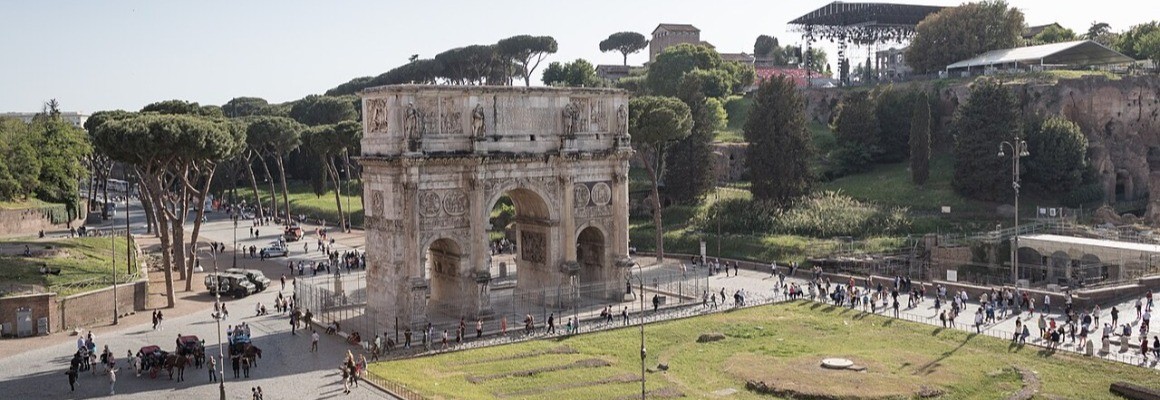
The Colosseum forms part of the Historic Centre of Rome, which is inscribed on the UNESCO World Heritage List. It belongs to a wider archaeological landscape that also includes the Roman Forum, the Palatine Hill and other remains of the ancient city. Together, these sites help explain Rome’s political, religious and social life across many centuries.
The image of the Colosseum has become a worldwide symbol of ancient civilisation. Its architectural solutions influenced public buildings and arenas in later periods. Although it appears in books, films, educational materials and travel campaigns, seeing it in person gives visitors a much clearer sense of its scale and engineering.
What to see inside the Colosseum
During a visit, look closely at the surviving facade arches, inner galleries, stairways and remains of the seating sections. Different levels offer views of the arena, underground spaces and the surrounding archaeological area. Information panels and exhibitions explain how the amphitheatre was organised and how its use changed over time.
If your ticket includes access to the arena or hypogeum, you can explore spaces associated with the spectacles and examine the underground system more closely. Some areas are available only on specific routes or guided tours, so check the ticket description before booking.
The Colosseum is also impressive from the outside. Walking around its perimeter reveals the facade from different angles, while evening illumination highlights the arches and ancient masonry. However, allow time to explore the interior rather than relying only on exterior photographs.
The Roman Forum and Palatine Hill nearby
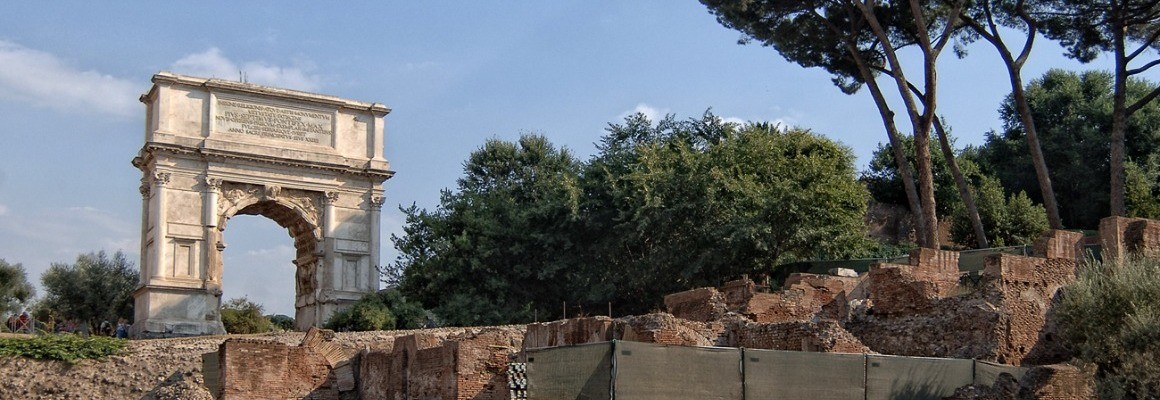
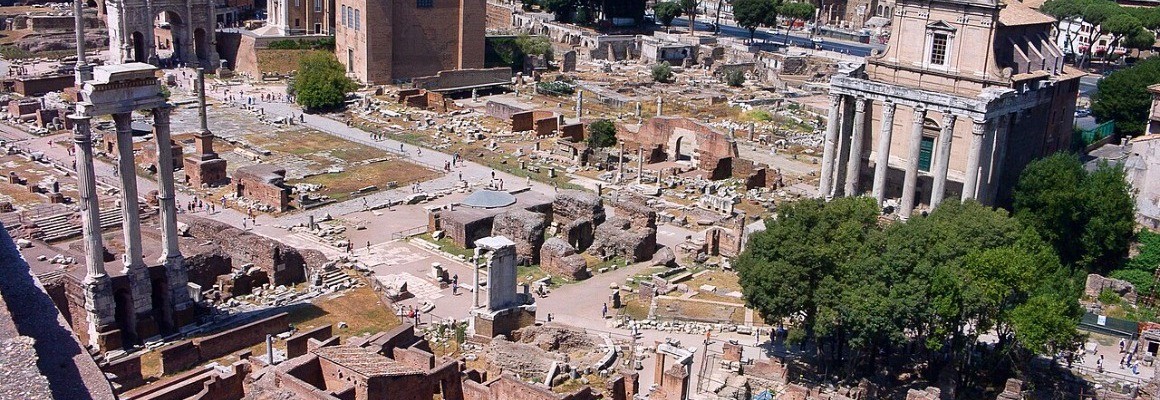
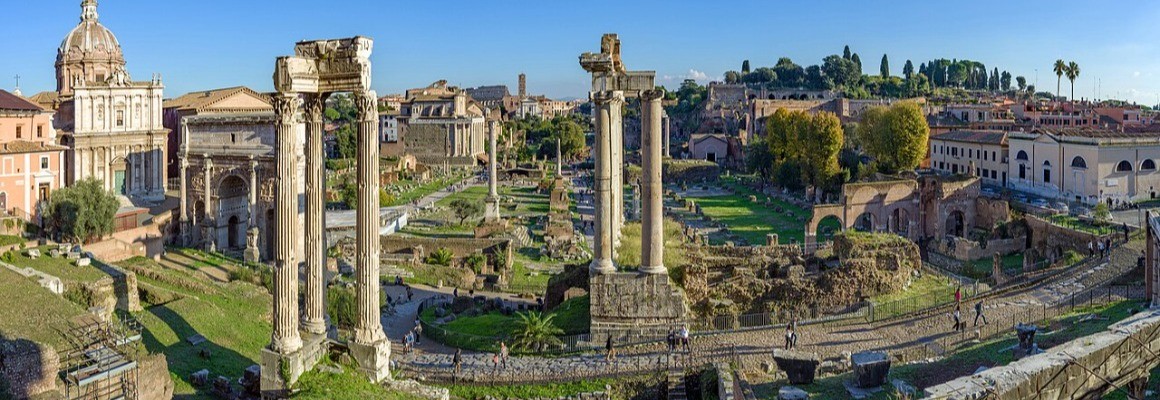
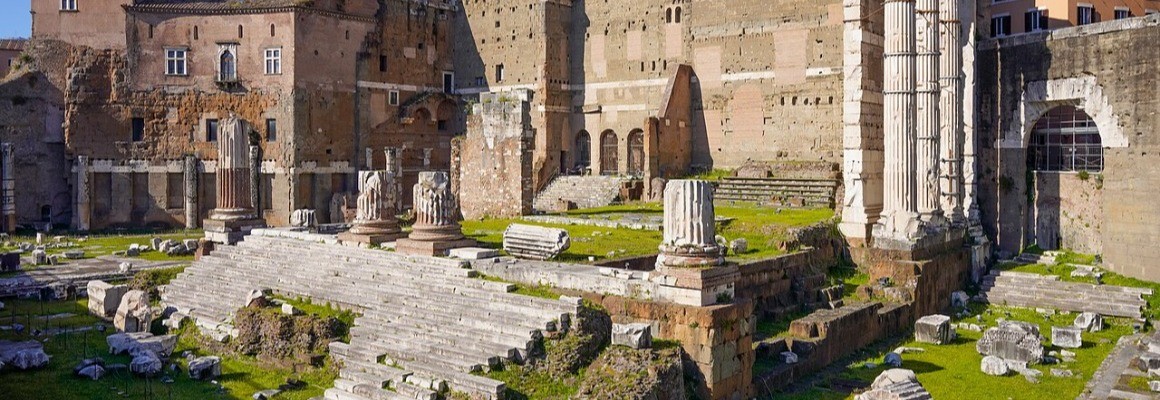
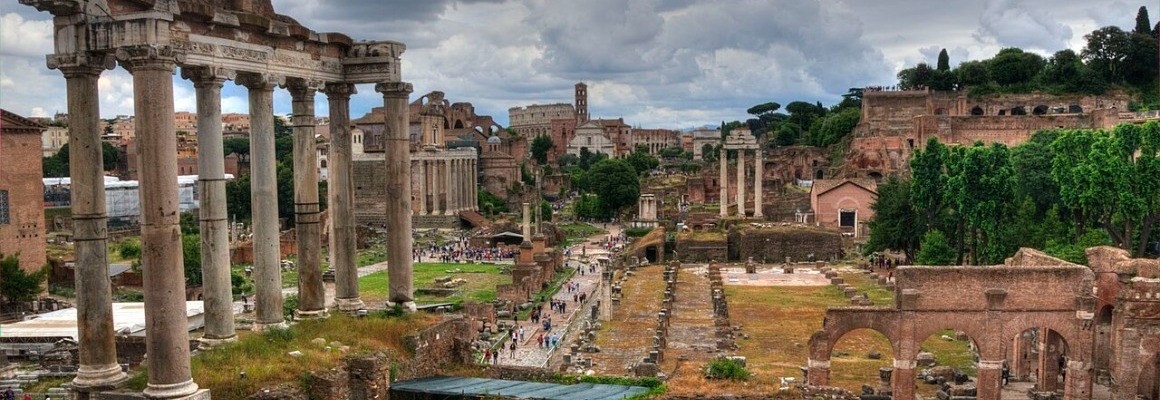
The Colosseum is conveniently visited together with the Roman Forum and Palatine Hill, both nearby and part of the same archaeological complex. The Roman Forum was one of the main public centres of the ancient city, containing temples, basilicas, administrative buildings and spaces associated with political life.
Palatine Hill is linked to Rome’s early history and imperial palaces. Its slopes offer views over the ruins of the Forum and the surrounding city. Visiting these sites helps place the Colosseum within a much larger urban system where power, religion, trade and public life intersected.
Allow a substantial part of the day to explore the Colosseum, Forum and Palatine. Much of the archaeological area is outdoors, so bring water, a hat and comfortable footwear in warm weather. Some paths are uneven and include stairs.
How to reach the Colosseum
The Colosseum stands in central Rome, close to the Colosseo metro station on Line B. It can also be reached by bus, tram or on foot from many parts of the historic centre. If you are exploring Rome on foot, it is easy to combine a visit with the Imperial Fora, Piazza Venezia and other central landmarks.
Check current public transport routes and any service changes before travelling. During major events or archaeological work, access to certain areas may be temporarily altered.
Tickets and practical advice
Tickets are sold through the official website of the Colosseum Archaeological Park. Entry to the Colosseum requires a reserved time slot, and tickets generally go on sale in advance. Depending on the ticket type, access may include selected levels, the arena, underground chambers, the Roman Forum and Palatine Hill.
Booking ahead is recommended, especially during the busy tourist season. Read the itinerary carefully: not every ticket includes the arena or underground spaces. Visitors may be asked to show identification, so follow the requirements stated during booking.
Wear shoes suitable for stone steps and uneven surfaces. In summer, prepare for heat and limited shade in the open archaeological areas. Opening hours, access rules and the availability of particular sections can change, so check the latest information before your visit.
Interesting facts about the Colosseum
The Colosseum was built as a public venue for Rome’s large population. Its many entrances and carefully planned corridors helped organise the movement of large crowds.
The structure visible today is only part of the original building. Missing sections of the facade, destroyed upper structures and changes to the interior reflect almost two thousand years of history. The surviving arches and vaults nevertheless demonstrate the advanced engineering skills of Roman builders.
The Colosseum was more than a venue for gladiators. It hosted mass spectacles that reflected both the values and contradictions of Roman society. Today, it stands as a reminder of the ancient world’s technical achievements and the importance of protecting cultural heritage.
Why visit the Colosseum
The Colosseum makes the history of Ancient Rome tangible. Visitors can examine an extraordinary engineering structure, imagine the atmosphere of ancient spectacles and learn how the building’s purpose changed over the centuries. Together with the Roman Forum and Palatine Hill, it offers a deeper understanding of the ancient city.
Even if you have already seen photographs, walking inside and around the amphitheatre is a memorable experience. Its immense arches, interconnected corridors, traces of damage and views over nearby archaeological sites make it one of the essential stops on a trip to Rome.
Gallery