
The Golden House of Nero is a palace and park complex in Rome, which began construction after the devastating fire of 64 AD. It is the largest urban residence of the monarch that has ever existed in Europe, but it is inferior in area to the Forbidden City in Beijing. There is a special atmosphere in this place.
The Story of Nero's Golden House
This is the result of the embodiment of the idea of a vain ruler. The main actors in the construction of this magnificent palace and park complex were architect Severus, engineer Celer, fresco artist Fabullus and, of course, the emperor himself, who led the entire project, paying attention to every detail.
As a result, about 100 rooms were located on 80 hectares, including more than 300 rooms with many sculptures and statues, atriums and fountains. The Golden House of Nero housed festive pavilions, thermal baths with sulfur and mineral water, and numerous banquet halls. In addition, large areas were occupied by gardens, forests, meadows, ponds and pools.
Description of the Golden House of Nero
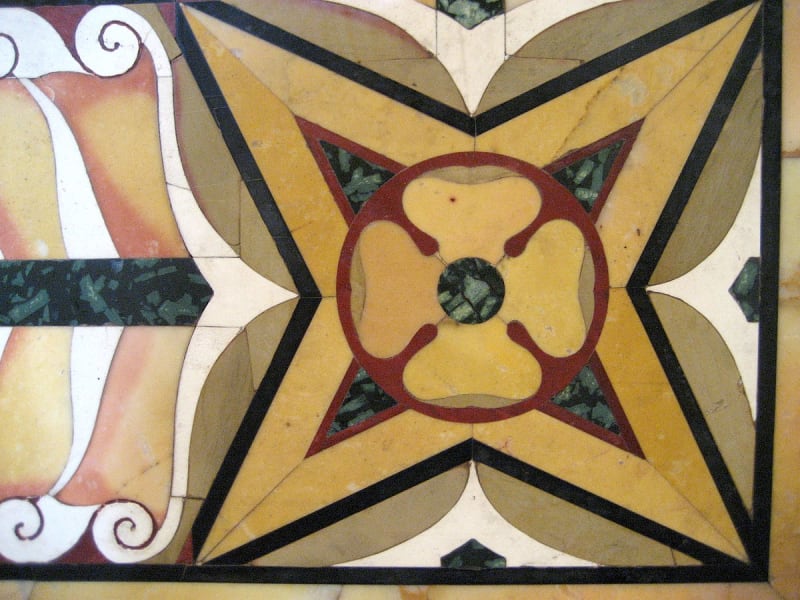
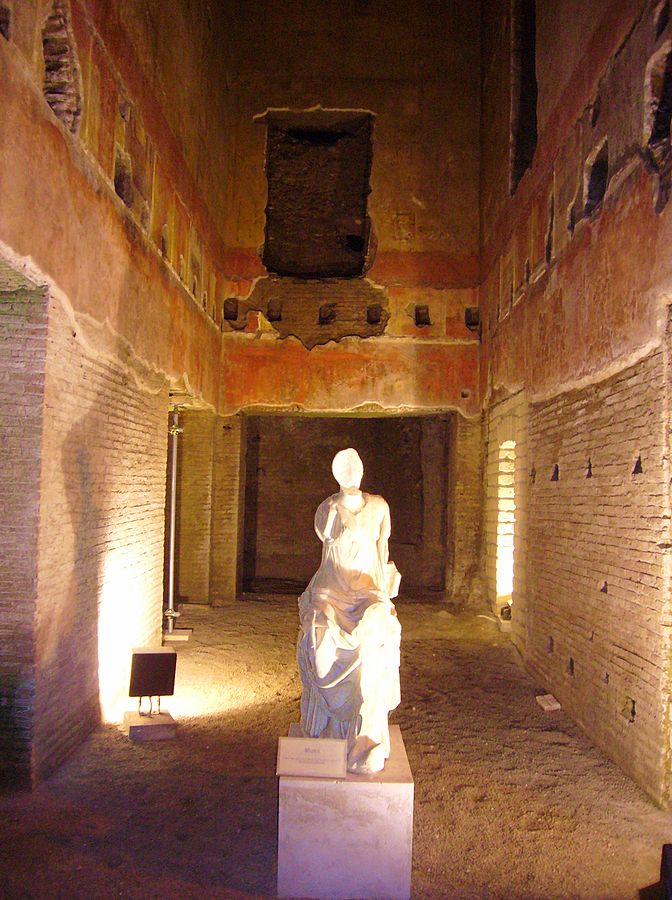
The architecture itself is striking: brick walls made of various types of marble stood out with gilded trim; stucco ceilings were inlaid with precious materials, and the halls for celebrations were distinguished by sliding arches reaching a height of 10-11 m, through which flower petals could fall on everyone present or charming incense could be sprayed. The eastern part of the complex is notable for the presence of a special octagonal hall with a ceiling in the form of a vault of heaven with the ability to rotate without stopping, imitating the movement of the heavenly bodies.
During the construction of the Golden House of Nero, some innovations were introduced. For example, for the first time domes and arched structures were created using cement, mosaic masonry began to be applied not only to floors, but also to vaulted ceilings, and the operation of the first elevator in history was a real technological breakthrough.
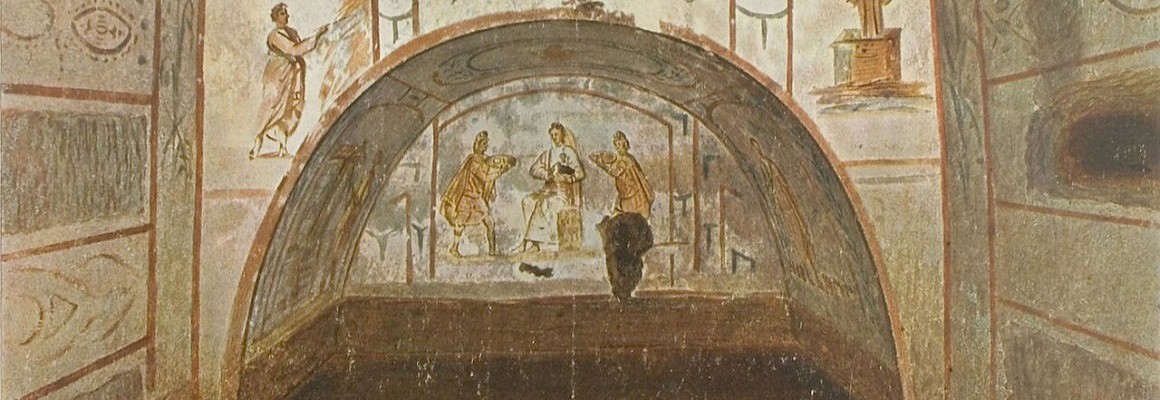
The talented artist Fabull was engaged in wall painting and ceiling painting. He managed to achieve an extraordinary unity of the most complex compositions and show a delicate and elegant approach to performance. His works are based on plots from mythological tales and scenes based on the Trojan War, which Nero loved so much.
Nothing lasts forever
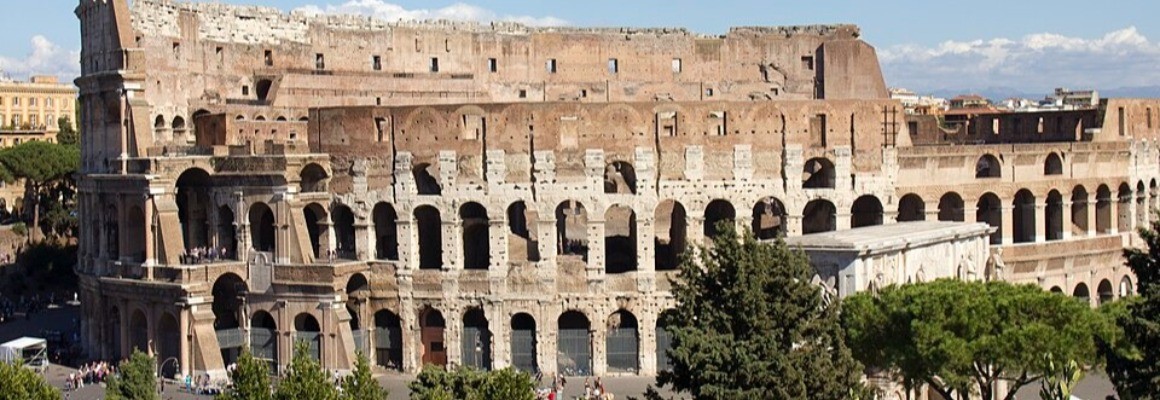
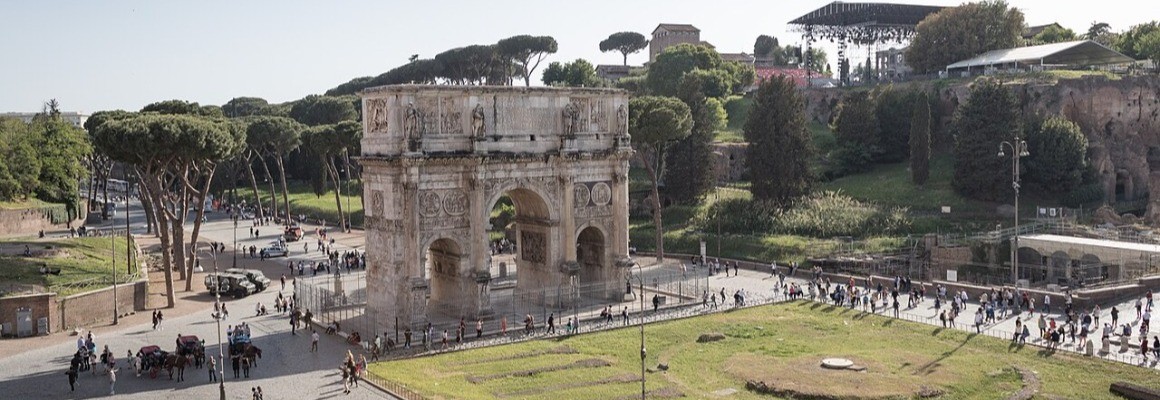
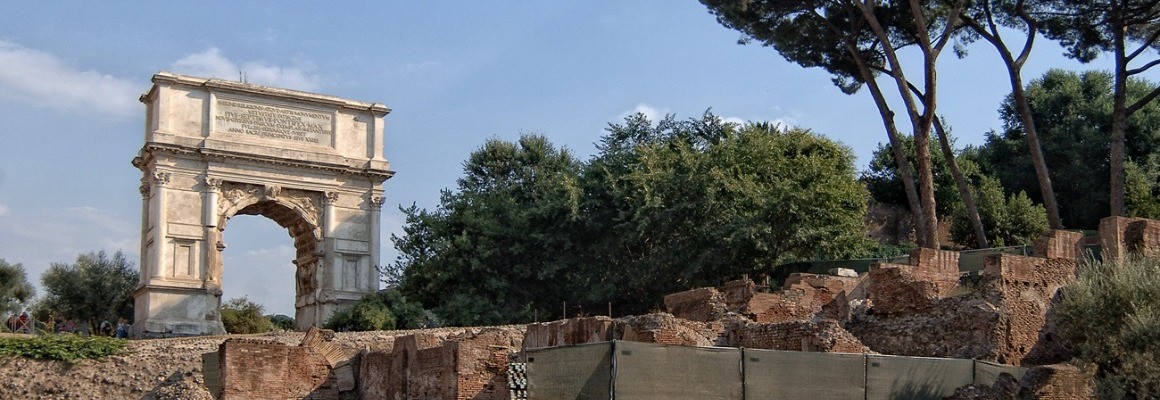
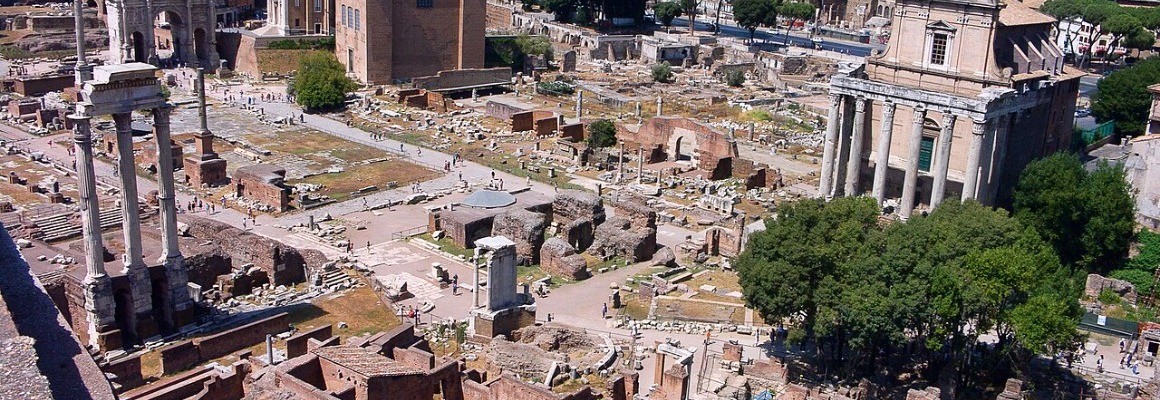
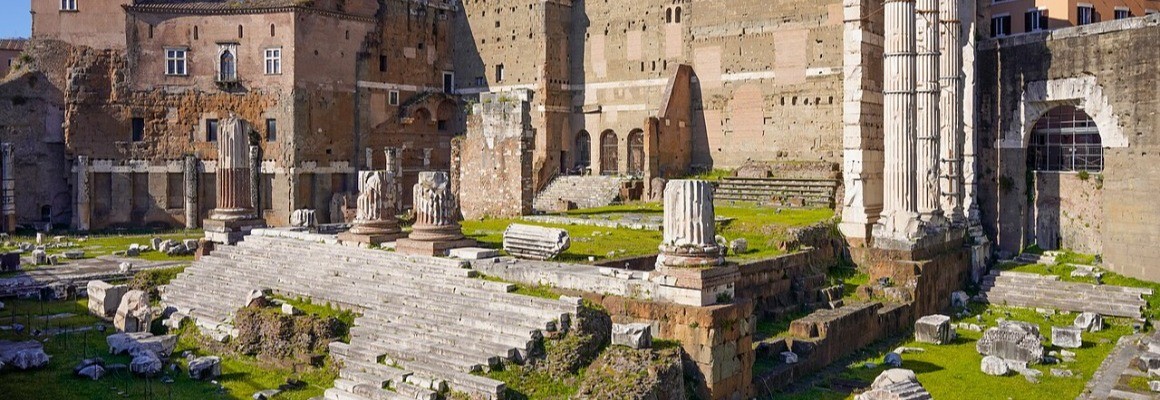
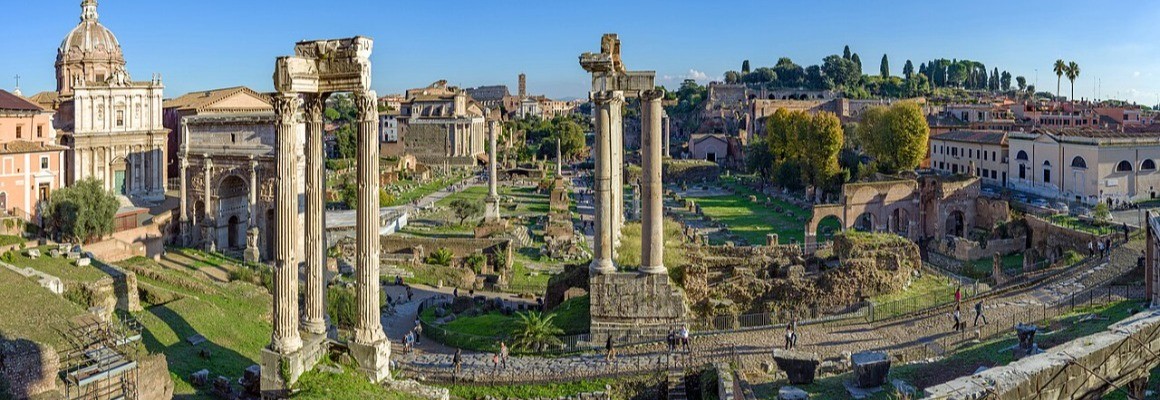
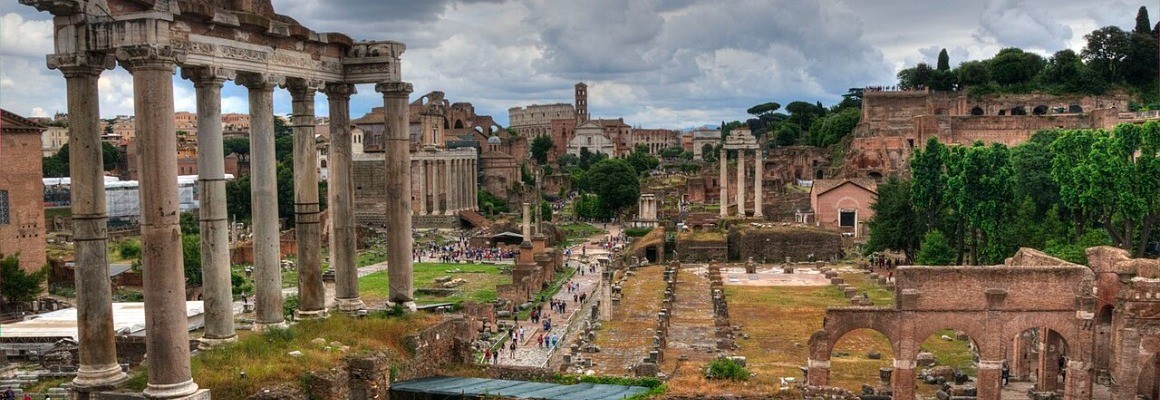
During his lifetime, Nero did not fully complete the construction of his palace. Otho, who ruled later, tried to finish what he had started, but did not have time. And the new emperor Vespasian did not want to spend public money on this. Nero's golden House was abandoned, and after a second fire, it disappeared altogether. In its place there was a Colosseum, a Roman forum, a Triumphal Arch and other buildings.
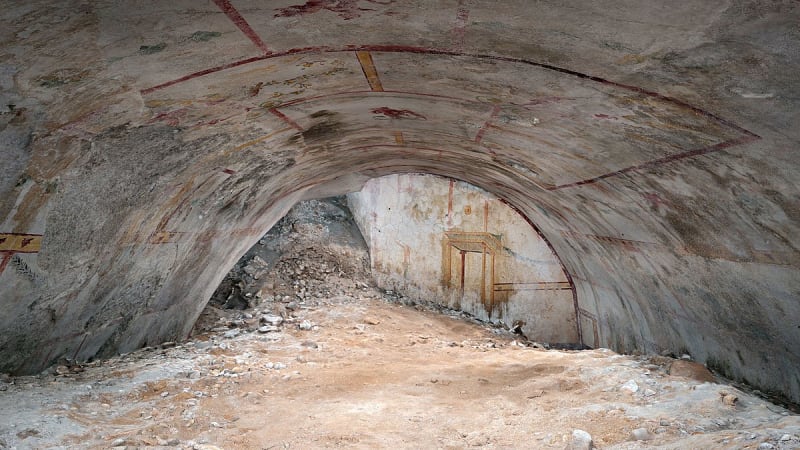
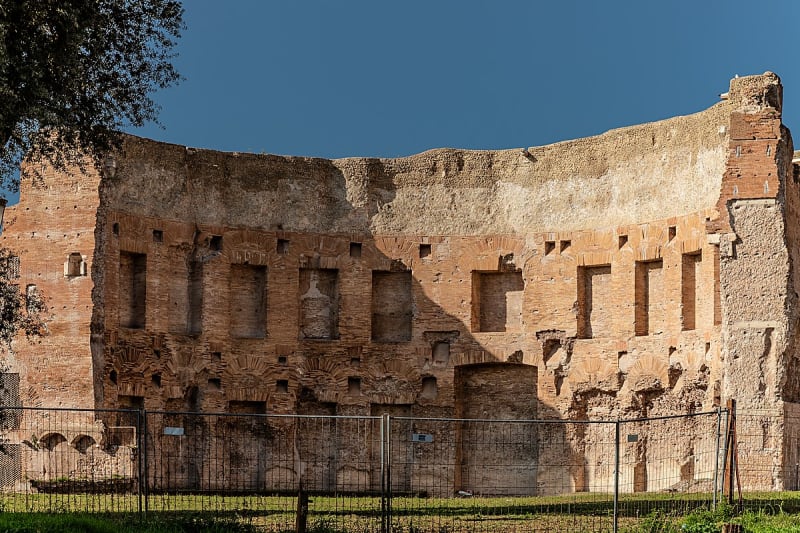
The complex has been undergoing renovation since 2006. The ruins of the walls on the Esquiline Hill, the octagonal hall and the underground rooms are presented to the attention of tourists. But with the help of modern technologies, visitors will see an installation of the original appearance of the ancient largest architectural masterpiece.
Gallery