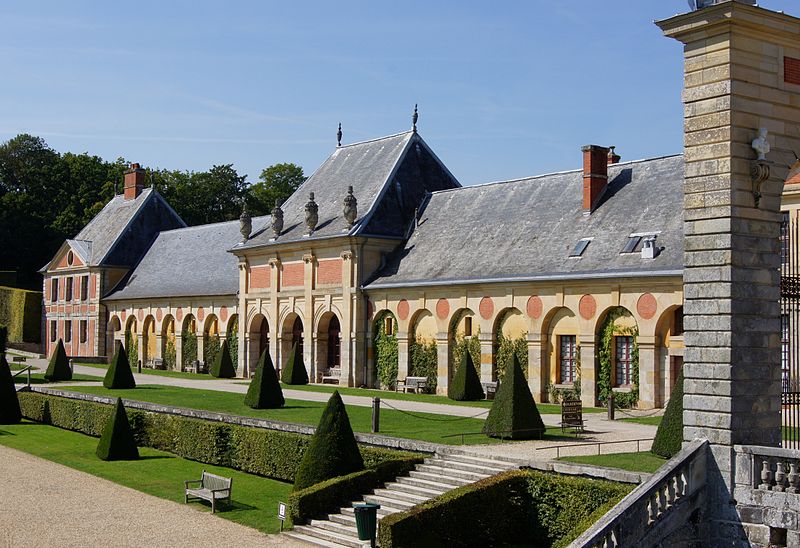
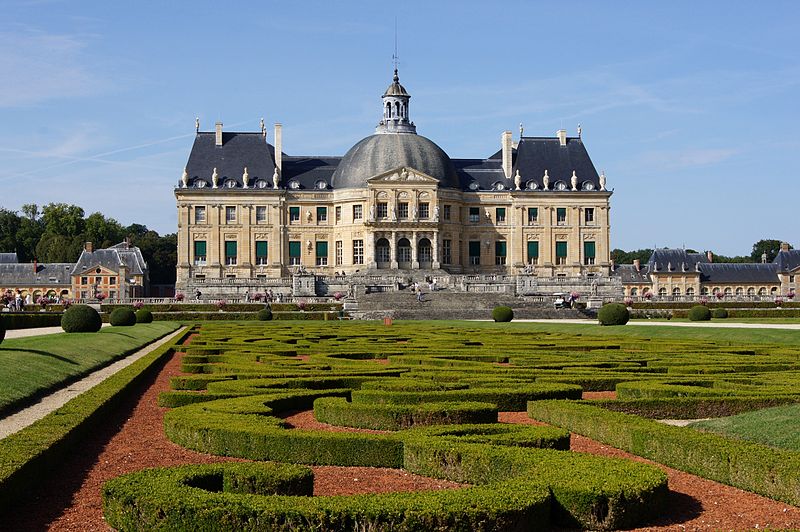
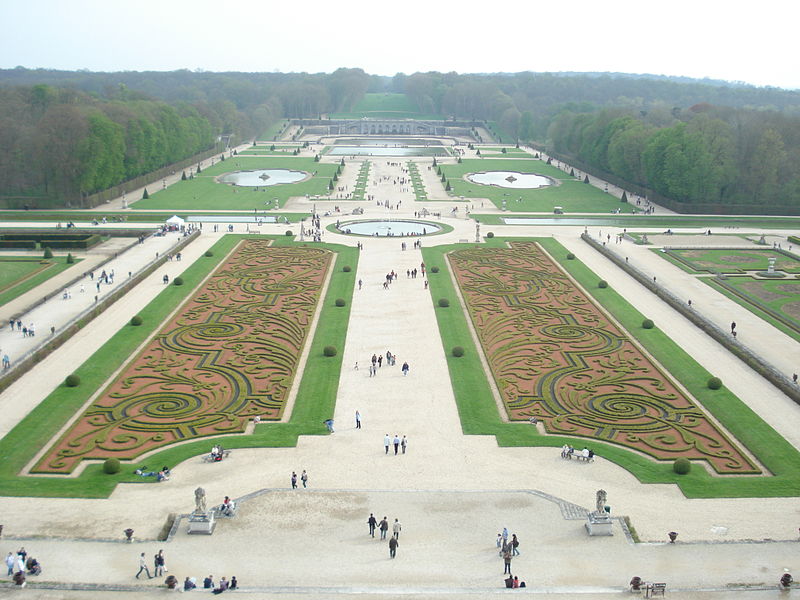
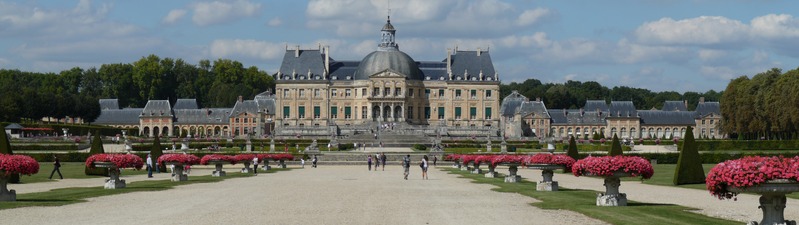
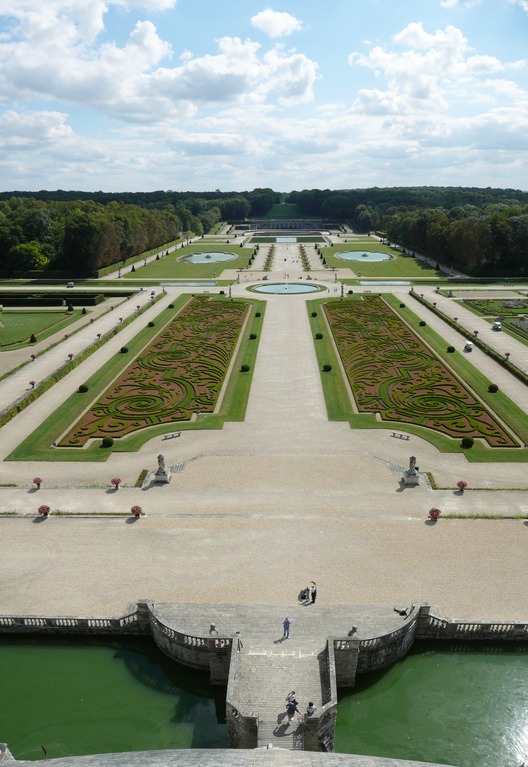
Vaux-le-Vicomte is a celebrated French château and formal garden near Maincy in the Seine-et-Marne department, about 50 kilometres southeast of Paris. This seventeenth-century estate combines a grand residence, terraces, fountains, sculptures, water features and geometrically arranged avenues. It is considered one of the defining achievements of French classical art and influenced the design of palace gardens across Europe.
History of the Château
The estate is closely associated with Nicolas Fouquet, Superintendent of Finances under Louis XIV. In the mid-seventeenth century, he planned a residence that would express his wealth, artistic taste and position at court. He commissioned three leading artists of the period: architect Louis Le Vau, painter and decorator Charles Le Brun, and landscape designer André Le Nôtre.
The château, interiors and gardens were conceived as a unified composition. In 1661, Fouquet hosted a spectacular celebration for Louis XIV, with a feast, theatrical performance and fireworks. Soon afterwards, Fouquet was arrested on the king's orders. His downfall became one of the best-known dramatic episodes in French history.
Architecture of French Classicism
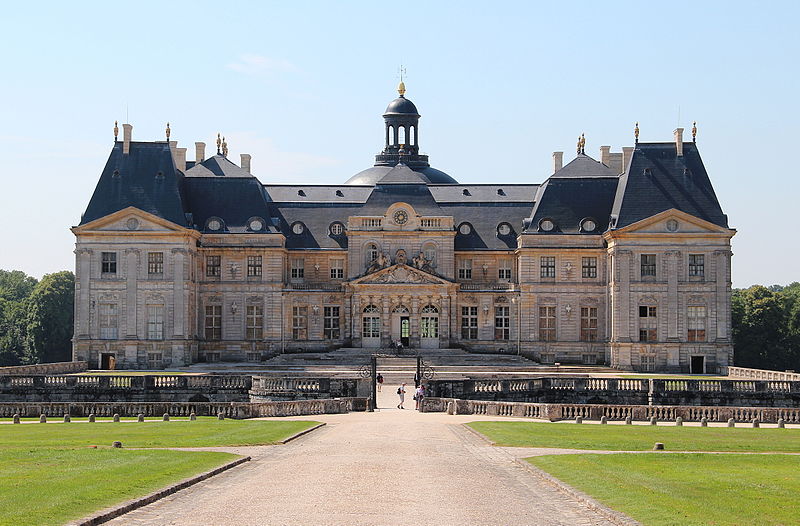
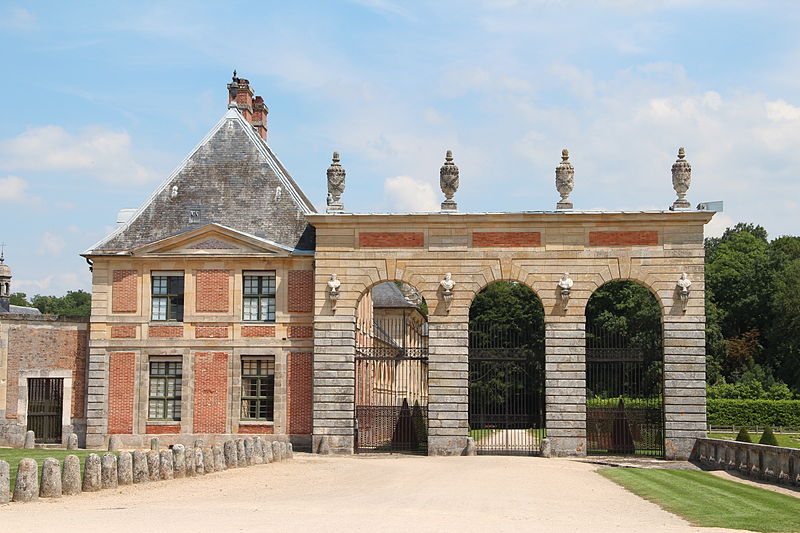
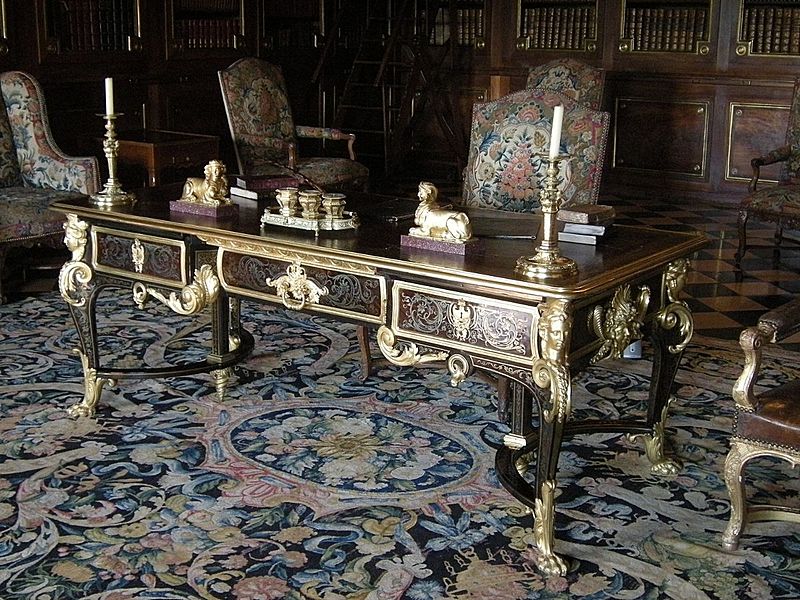
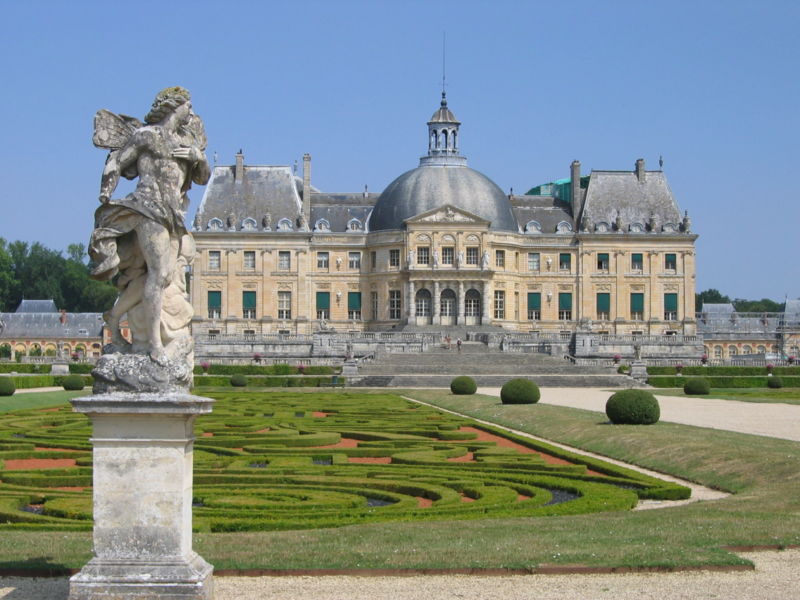
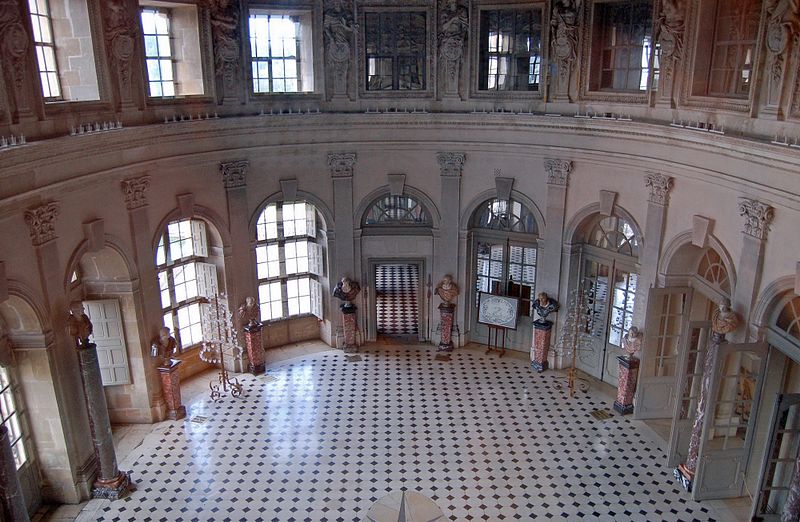
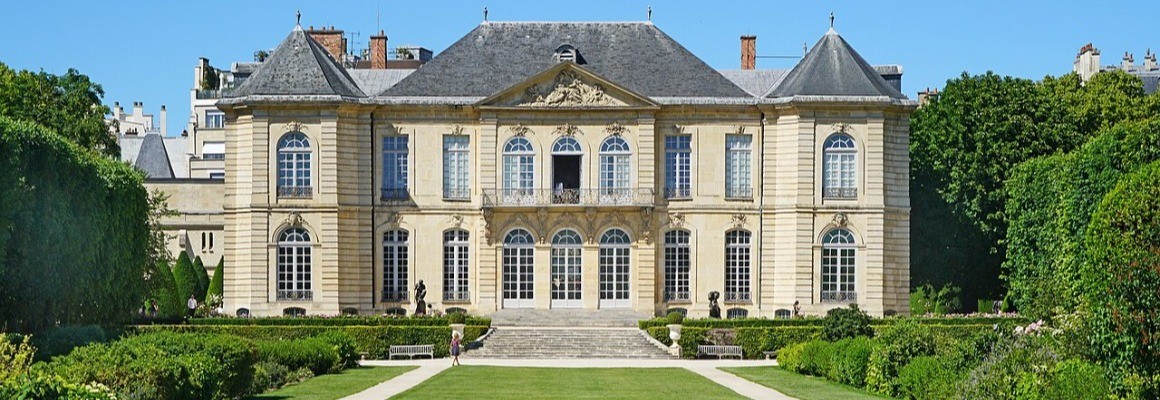
Vaux-le-Vicomte marked an important stage in the development of French palace architecture. Louis Le Vau combined influences from the Italian Renaissance and classical antiquity with French traditions. The central building and its wings form a harmonious ensemble linked to the landscape by a common axis. The interiors designed by Charles Le Brun bring together painting, sculpture and architectural ornament.
The famous formal French garden
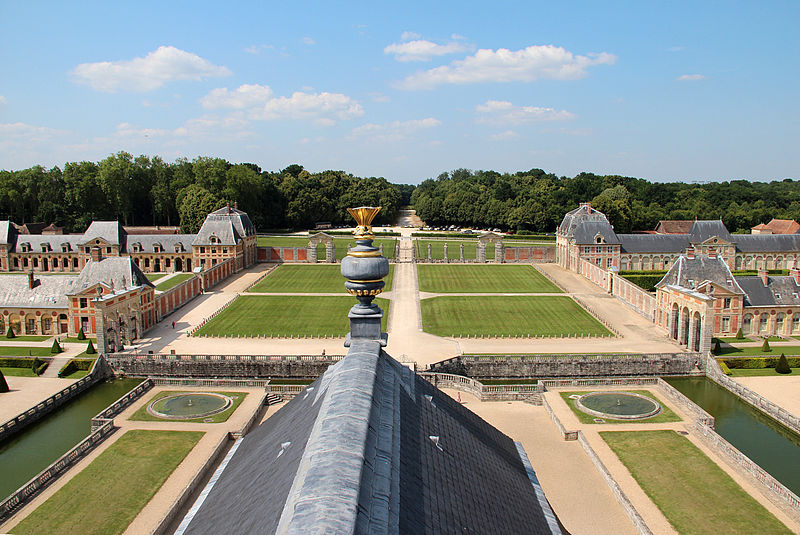
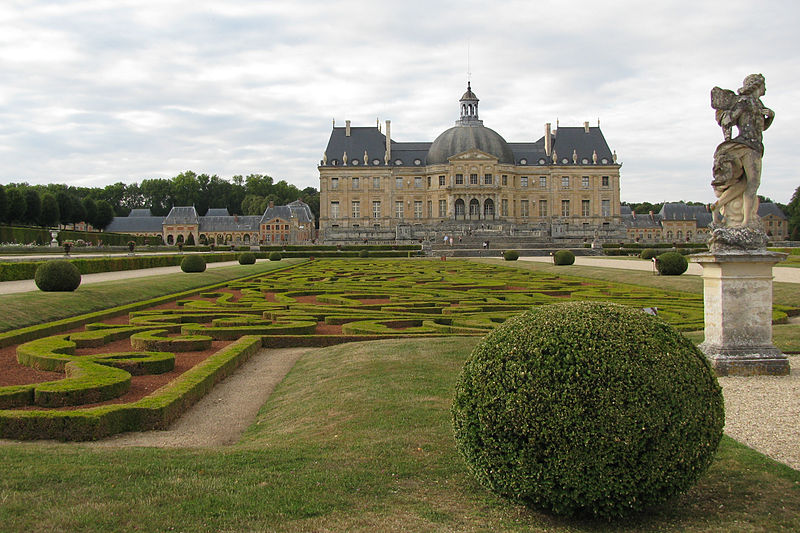
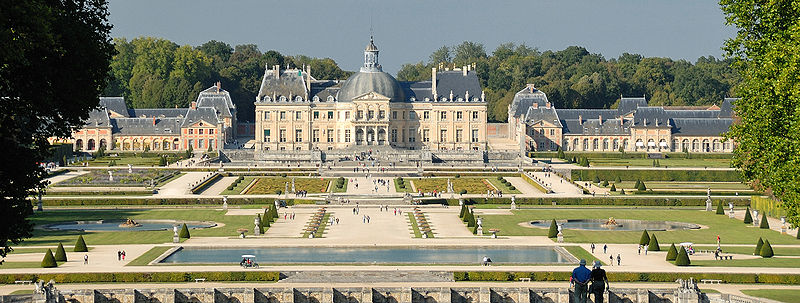
The estate's defining feature is the vast garden created by André Le Nôtre, one of the foundational works of the French formal garden, or jardin à la française. Its design emphasises symmetry, geometry and perspective. Parterres, clipped shrubs, lawns, paths, basins and fountains are positioned to reveal new views as visitors move through the grounds.
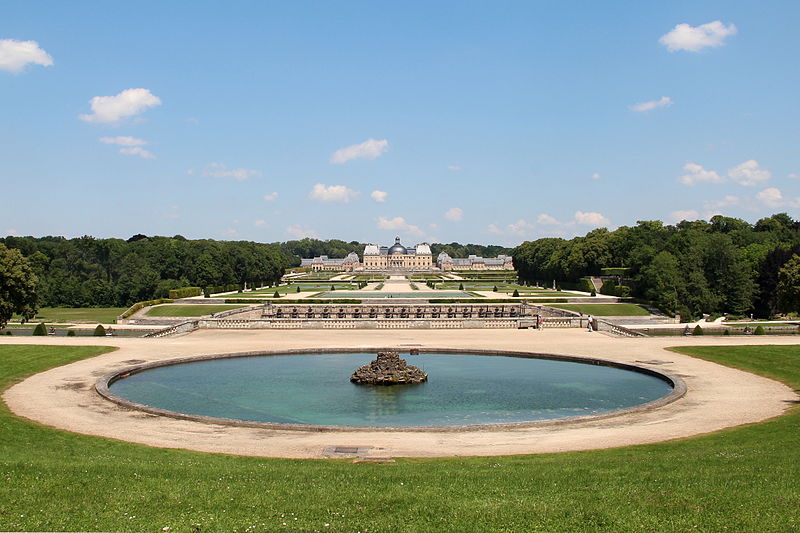
A long visual axis connects the château to distant parts of the park. Changes in elevation and optical effects create a sense of depth, while individual features emerge gradually during a walk. The garden was designed as a carefully staged visual experience rather than a simple collection of flower beds.
Fountains, water features and sculptures
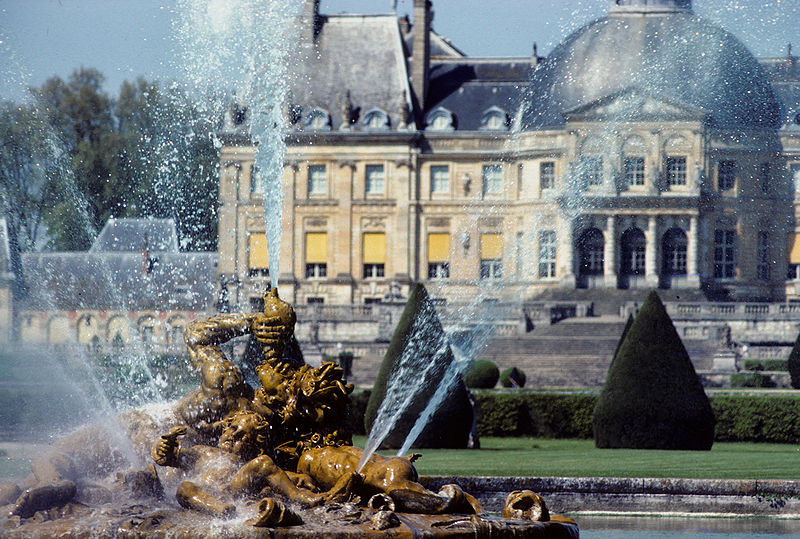
Water is central to the composition of Vaux-le-Vicomte. Fountains and basins animate the garden's geometry, reflect the architecture and reinforce its ceremonial atmosphere. The historic hydraulic system made use of the natural slope of the land. Fountain operation may depend on the season, maintenance and event schedule.
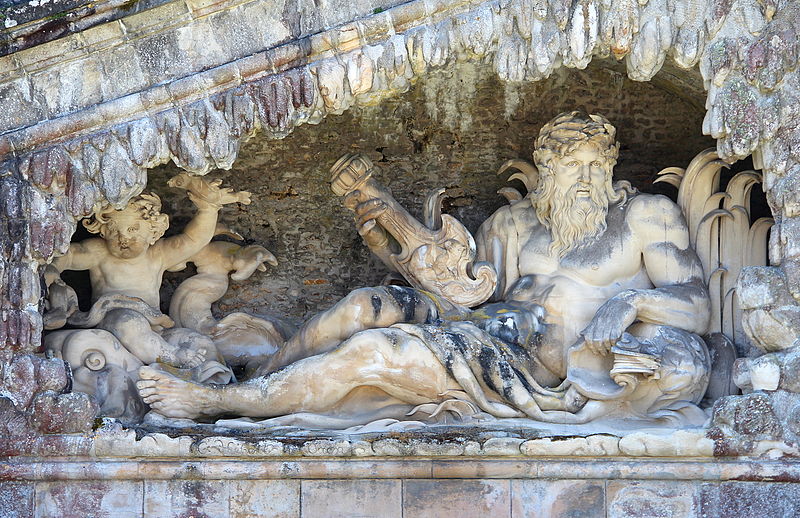
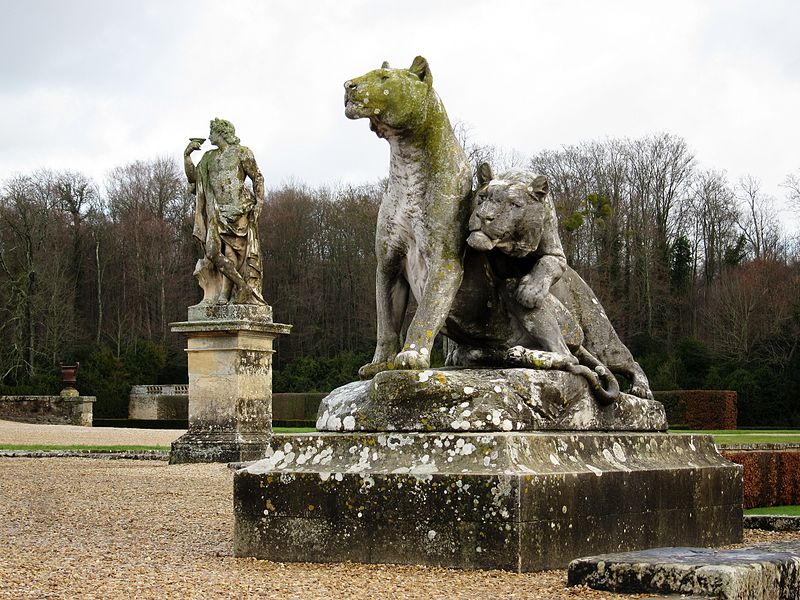
Numerous sculptures, including figures inspired by mythology, decorate the grounds. They connect architecture, vegetation and water with the imagery of classical culture. Flower parterres and carefully shaped greenery add colour and change the garden's appearance through the year.
The park and walking routes
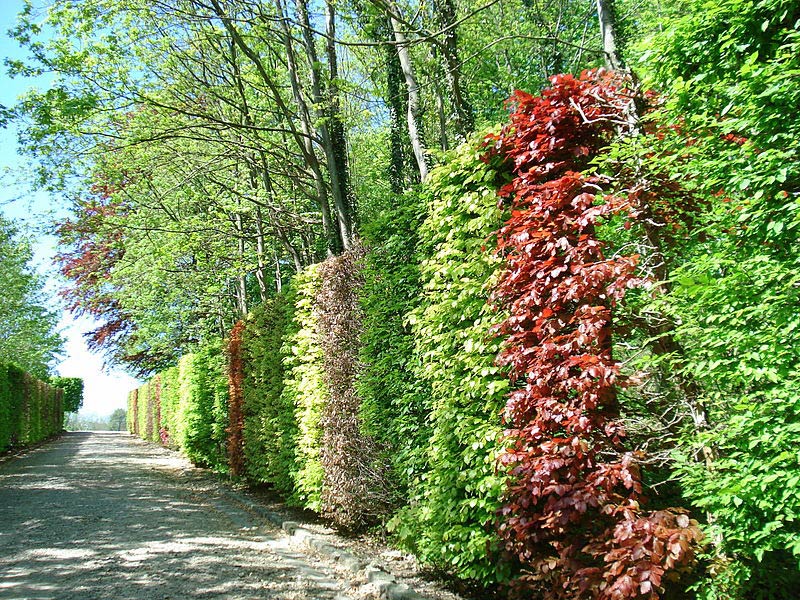
Beyond the formal garden, the estate includes a large park with wooded areas, avenues and water features. The formal gardens cover dozens of hectares, while the wider historic domain is much larger. Visitors should allow enough time to explore areas beyond the main perspective.
During a walk, pause at different viewpoints and look back towards the château, fountains and distant vistas. The gradual revelation of the landscape helps explain Le Nôtre's design: movement through the garden is itself part of the composition.
Why Vaux-le-Vicomte is compared with Versailles
Vaux-le-Vicomte is often described as an important precursor to Versailles. It demonstrated how a palace, architectural axes, terraces, water and planting could form one monumental composition. André Le Nôtre later contributed to the gardens at Versailles as well. Vaux-le-Vicomte nevertheless has its own artistic identity and presents an especially coherent early expression of French Classicism.
Nicolas Fouquet and the celebration of 1661
Fouquet surrounded himself with leading artists and writers of his time. Louis XIV attended the famous celebration on 17 August 1661. According to a widely repeated historical interpretation, the display of the host's wealth and influence provoked the king's displeasure. Fouquet was arrested soon afterwards, convicted and spent the rest of his life in prison.
After his fall, the estate passed through several families. By the nineteenth century it had declined, and in 1875 it was purchased by industrialist Alfred Sommier. He organised extensive restoration, refurbished the interiors and revived much of the garden's historic character. The château opened to the public in 1968.
Special events and candlelit evenings
Vaux-le-Vicomte is known for seasonal events, including candlelit evening visits and themed celebrations. On these occasions, the château and gardens offer a different atmosphere from a daytime visit. Dates, access and booking requirements change, so check the official calendar before travelling.
Best time to visit
The garden is particularly expressive from spring to early autumn, when the green parterres and flower displays are in active growth. Spring brings fresh foliage, summer offers the fullest greenery, and autumn introduces softer leaf colours. Even in colder months, the geometry of the avenues and the relationship between architecture and landscape remain clear.
Allow several hours to visit both the château and garden. A longer visit is useful if you want to see the interiors, climb to the viewpoint beneath the dome or attend a special event. Opening hours vary by season.
How to get there
Vaux-le-Vicomte is located in Maincy, about 50 kilometres from Paris. It can be reached by car, and parking is available on the estate. Public transport generally involves a train from Paris Gare de Lyon to Melun, followed by a shuttle, taxi or local transport. Check shuttle schedules and seasonal service before departure.
What makes Vaux-le-Vicomte special
Vaux-le-Vicomte is a unified work of art in which architecture, painting, sculpture, engineering and landscape follow a single vision. Visitors can discover the origins of the French formal garden, learn the dramatic story of Nicolas Fouquet and understand how seventeenth-century artistic ideas influenced palace estates throughout Europe.
Gallery