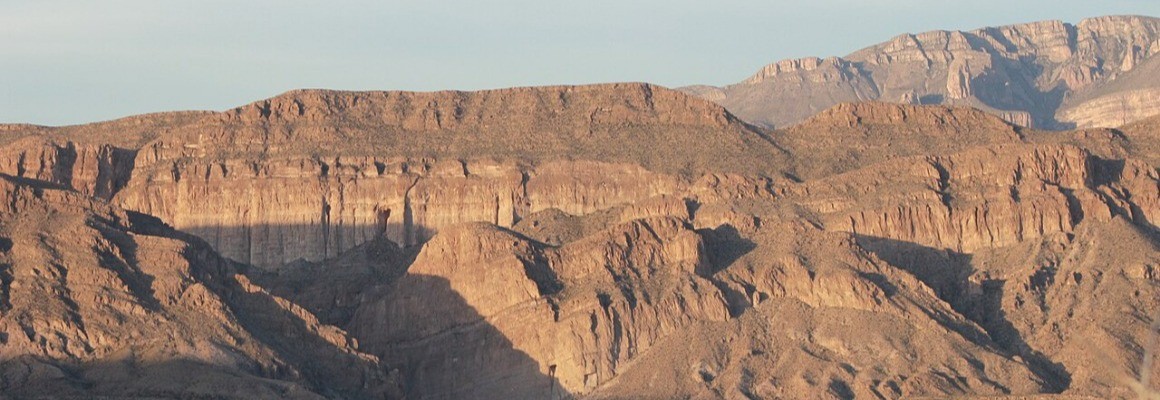
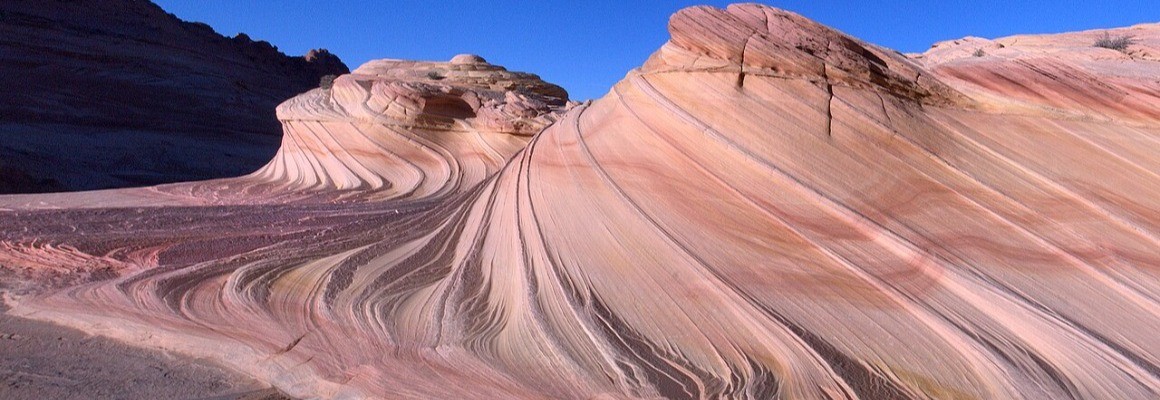
Zion National Park is one of the most spectacular protected landscapes in the southwestern United States. Located in southern Utah, it is famous for enormous sandstone cliffs, deep canyons, narrow gorges, high plateaus, and the valley of the Virgin River. Red, cream, and pink rock walls rise above green forests and riverbanks, creating scenery closely associated with the American West.
The park covers approximately 590 square kilometers. Its centerpiece is Zion Canyon, carved by the Virgin River through layered rocks of the Colorado Plateau. Beyond the main canyon, the park includes Kolob Canyons, high plateaus, desert terrain, and remote wilderness areas. This variety of elevations and landscapes supports a wide range of plants and animals.
Zion Canyon: the heart of the park
The park’s main attraction is Zion Canyon, enclosed by towering walls of Navajo Sandstone. In some places, the cliffs rise hundreds of meters above the valley floor. Their surfaces display shades of red, orange, pink, and white, while sunlight changes their appearance throughout the day.
The canyon developed through the long-term action of water and erosion. The Virgin River gradually cut through layers of sedimentary rock, while tributaries, wind, frost, and rockfalls widened the gorge and shaped its unusual forms. Over millions of years, flowing water carried eroded material downstream, leaving sheer walls, towers, and narrow passages.
The river valley is especially attractive in spring and autumn, when vegetation changes color and temperatures are often suitable for hiking. Cottonwoods, willows, and other moisture-loving plants grow along the river, contrasting with the dry rocky slopes.
Angels Landing: a famous trail above the canyon
Angels Landing is one of Zion’s best-known hiking destinations. The route climbs to a narrow rocky ridge with sweeping views of the canyon and surrounding mountains. Some sections cross steep slopes and use fixed metal chains for support.
This hike requires good physical fitness, confidence at heights, and comfort around exposed drop-offs. Because the route is narrow and extremely popular, a permit is required to access the final section. Check current rules, trail conditions, and the weather before your visit.
Visitors who prefer to avoid the most exposed section can choose other routes with panoramic canyon views. Even easier trails reveal towering cliffs and the remarkable scale of the surrounding landscape.
The Narrows: walking through the river between cliffs
The Narrows is an unusual route that follows the Virgin River through a narrow canyon. In places, the sandstone walls draw so close together that the sky appears as a thin strip overhead. Visitors walk directly in the water, crossing shallow currents and rocky riverbed sections.
This is one of the park’s most memorable experiences, but conditions depend on water levels, temperature, and the forecast. Flash floods can occur even when rain falls far away from the canyon. Never enter the gorge when flood warnings are in effect. Check official updates, wear suitable footwear and clothing, and rent specialized equipment if needed.
Some visitors explore a short section from the Temple of Sinawava, while others plan a longer outing. The distance and difficulty depend on the chosen route, current, and river conditions.
Emerald Pools and waterfalls
Emerald Pools is a series of natural pools and small waterfalls set among cliffs and vegetation. Water flows down rocky ledges from higher slopes, creating small oases within the dry landscape. Visitors can see damp rock walls, overhanging ledges, and green plants set against red sandstone.
The trails to the pools vary in length and difficulty. Some sections are suitable for a relaxed walk, while others require climbing rocky paths. Water levels at the falls change with the season and recent rainfall, so the scenery can look different throughout the year.
Kolob Canyons: another side of Zion
Kolob Canyons lies in the northwestern part of the park. It usually receives fewer visitors than the main canyon, and its scenery features long red cliffs, deep valleys, and panoramic mountain views. The layered rock walls are particularly striking in the morning and evening light.
The scenic Kolob Canyons Road leads to overlooks where visitors can view the canyons and surrounding plateaus. The area offers trails of different difficulty levels. Its relative remoteness makes it a good choice for travelers seeking a quieter part of the park.
Geology and the formation of the cliffs
Zion’s rock history began hundreds of millions of years ago, when the region experienced changing environments that included shallow seas, coastal plains, river valleys, and vast sandy deserts. Layers of sand, mud, and other sediments gradually compacted and became sedimentary rock.
Navajo Sandstone is particularly famous. It formed from ancient sand dunes, and its massive layers create the tall walls and towers that define much of the park. Minerals, including iron compounds, give the rock red and pink hues, while areas with fewer coloring impurities appear lighter.
Later uplift of the Colorado Plateau increased the elevation difference and accelerated erosion. The Virgin River continued cutting deeper into the landscape, while rockfalls and weathering altered the canyon’s shape. These processes continue today, and unstable slopes can produce rockfalls with little warning.
The Virgin River and natural ecosystems
The Virgin River is central to life in the park. In this arid region, it creates a corridor of moisture that supports trees, shrubs, aquatic invertebrates, birds, and mammals. Cottonwoods and willows grow beside the river, while junipers, pines, and shrubs occur on drier slopes.
Zion is home to mule deer, coyotes, foxes, squirrels, lizards, and many bird species. Higher elevations are cooler than the lowlands and may support denser vegetation. Many animals avoid the midday heat and are more active in the morning, evening, or at night.
The park lies near the meeting point of three major regions: the Colorado Plateau, the Great Basin, and the Mojave Desert. Their proximity helps explain the diversity of habitats found within a relatively small area.
History and cultural heritage
People have lived in the area now known as Zion for thousands of years. Archaeological evidence points to early hunter-gatherers and later ancestral Pueblo peoples and other Indigenous communities. Southern Paiute people continued to live in the region and use its natural resources long before modern tourist routes appeared.
Mormon settlers arrived in the valley during the 1860s. The name Zion, associated with a biblical place of refuge or sanctuary, was given to the canyon by these settlers. The area was first protected as Mukuntuweap National Monument in 1909. In 1918, it was renamed Zion National Monument, and in 1919 it became a national park. The neighboring Kolob Canyons national monument was combined with the park in 1956.
Today, the park protects not only its dramatic natural formations but also archaeological sites, historic structures, and cultural landscapes connected with Indigenous peoples and early settlers.
When to visit Zion
Spring and autumn are generally the most comfortable seasons for hiking. Temperatures often favor longer walks, and seasonal vegetation changes the scenery. In spring, river flows and waterfalls may be stronger, but snowmelt and rainfall can raise water levels and increase flash-flood risk.
Summer can be very hot in the lower canyon, so it is best to start hikes early, carry enough water, and avoid strenuous activity during the middle of the day. Winter can bring snow, ice, and closures of some trails or roads, especially at higher elevations. Check the forecast and official park updates before traveling.
Hiking and outdoor activities
Zion offers routes for visitors with different levels of experience. Short walks reveal the river, towering rock walls, and scenic viewpoints without much elevation gain. More demanding trails climb onto plateaus, follow high ridges, or enter remote parts of the park. Popular activities include hiking, climbing, birdwatching, photography, and camping in designated areas.
Permits may be required for overnight wilderness trips and certain special routes. During the operating season, a shuttle serves stops and trailheads in the main canyon. Schedules change, so check the current timetable before your visit.
Safety advice for visitors
The main hazards in Zion include heat, flash floods, steep drop-offs, and falling rocks. Before a hike, check the weather and trail conditions, carry water, wear suitable footwear, use sun protection, and dress for the season. In narrow canyons, never ignore flood warnings, even if it is not raining directly overhead.
Do not cross barriers at viewpoints or approach unstable cliff edges. Do not drink river water, and avoid entering the water when warnings about harmful microorganisms are in effect. Protect the environment by staying on permitted routes, leaving wildlife undisturbed, and carrying out all trash.
Zion National Park combines dramatic rock scenery, rich history, and many opportunities for outdoor adventure. Visitors can walk through a narrow river canyon, climb toward panoramic viewpoints, or enjoy a quiet stroll along the river. This combination of geological grandeur, diverse nature, and cultural heritage makes Zion one of the most memorable destinations in the American West.
Gallery