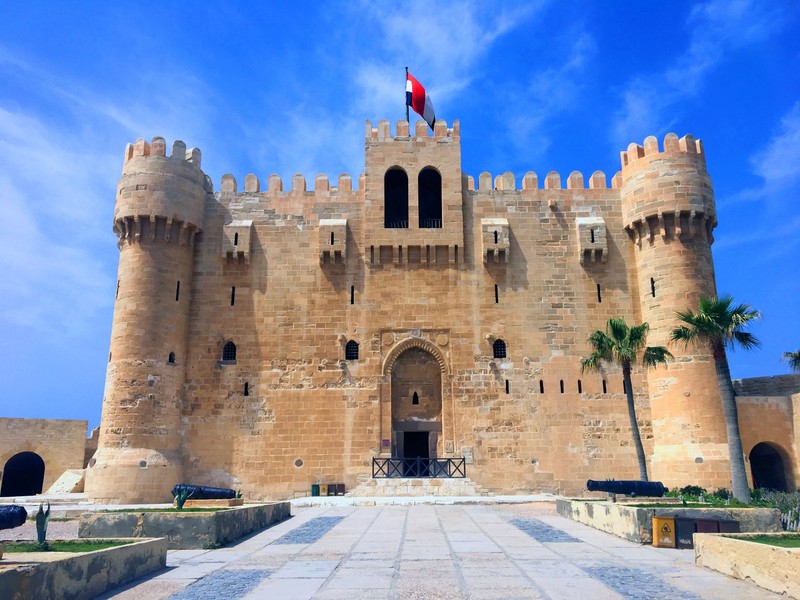
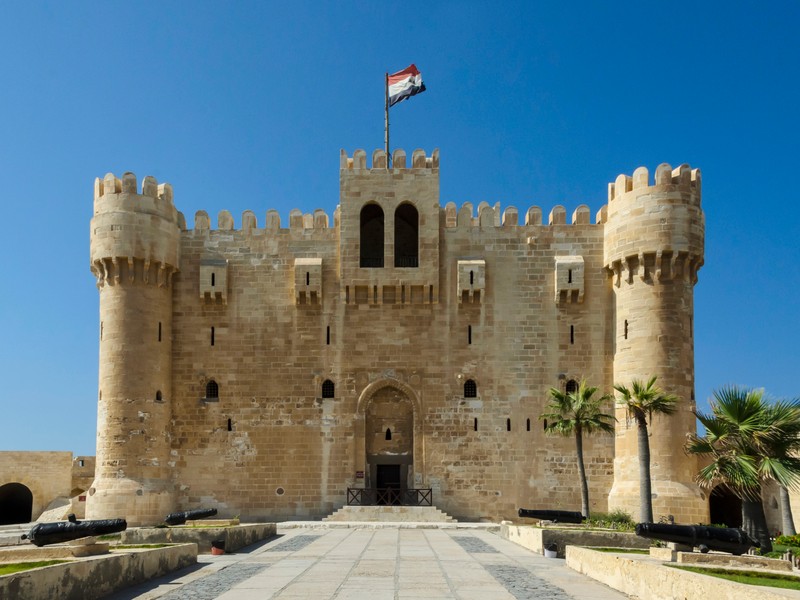
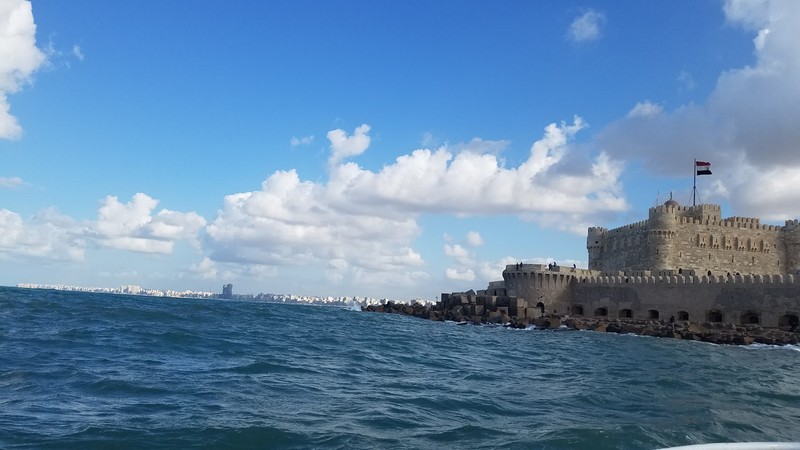
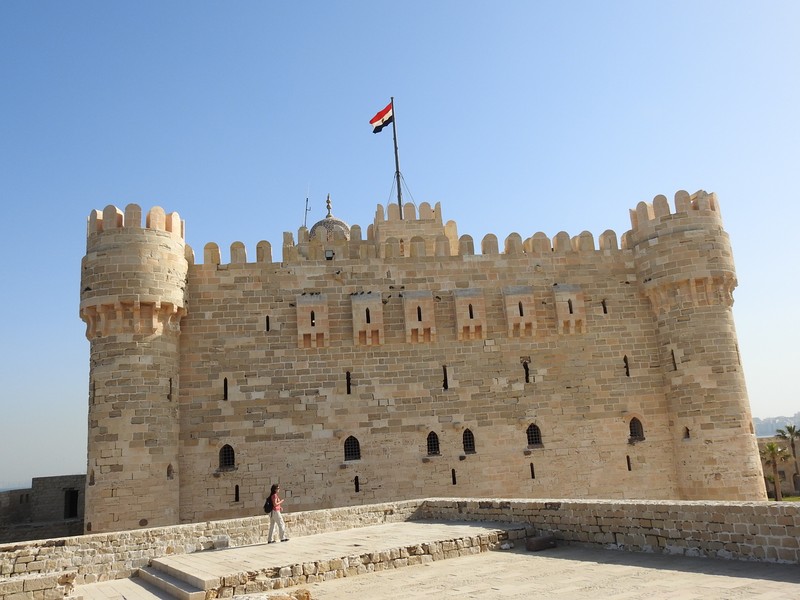
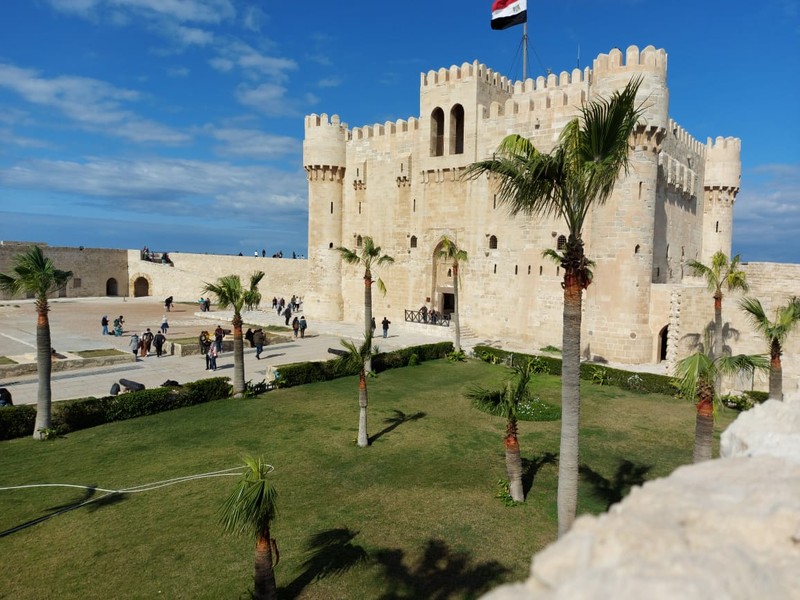
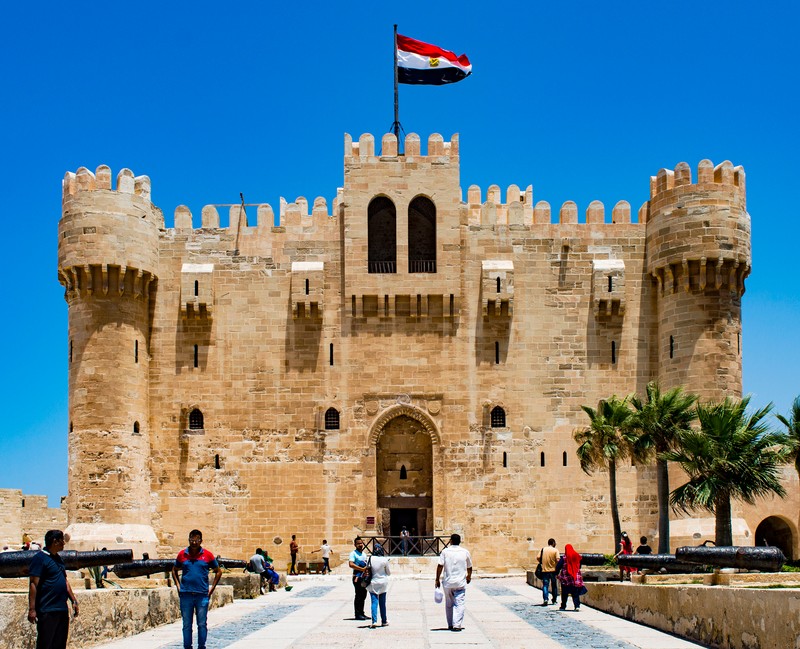
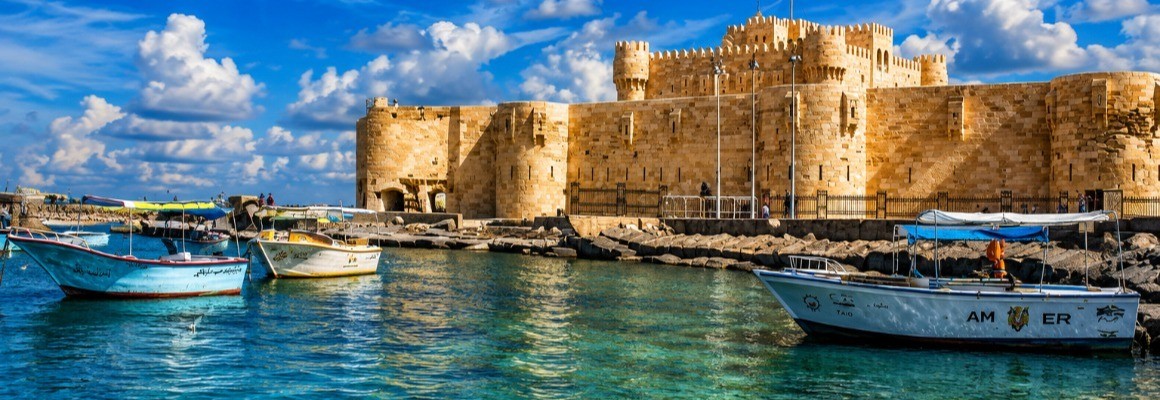
Qaitbay Fort is a famous medieval fortress on the Mediterranean coast in Alexandria, Egypt. It stands on the site of the ancient Lighthouse of Alexandria, one of the Seven Wonders of the Ancient World. Its massive stone walls, defensive towers, and inner courtyards recall a time when Alexandria was a major seaport that needed protection from attacks by sea.
History of the Fortress
The fort was built by order of the Mamluk sultan Al-Ashraf Qaitbay between 1477 and 1479. Alexandria remained a strategically important port, linking Egypt with other Mediterranean lands through maritime trade. The position at the tip of Pharos Island made it possible to watch the entrance to the Eastern Harbour and monitor approaching ships.
Qaitbay visited Alexandria in 1477 and ordered a fortress to be constructed on the site of the ancient lighthouse. The fort became part of Egypt’s coastal defence system and served as a military stronghold, observation post, and protection for the harbour.
Connection with the Lighthouse of Alexandria
The Lighthouse of Alexandria was built during the Hellenistic period on Pharos Island to guide ships toward one of the ancient world’s largest ports. Earthquakes gradually damaged the structure, and the major earthquake of 1303 caused particularly severe destruction. By the fifteenth century, the lighthouse could no longer perform its original function.
Stone blocks associated with the ruins of the lighthouse were reused during construction of the fort. Archaeologists have also discovered numerous architectural fragments in the waters near Alexandria, linking some of them to the ancient lighthouse and other structures around the old harbour.
Architecture and Defence
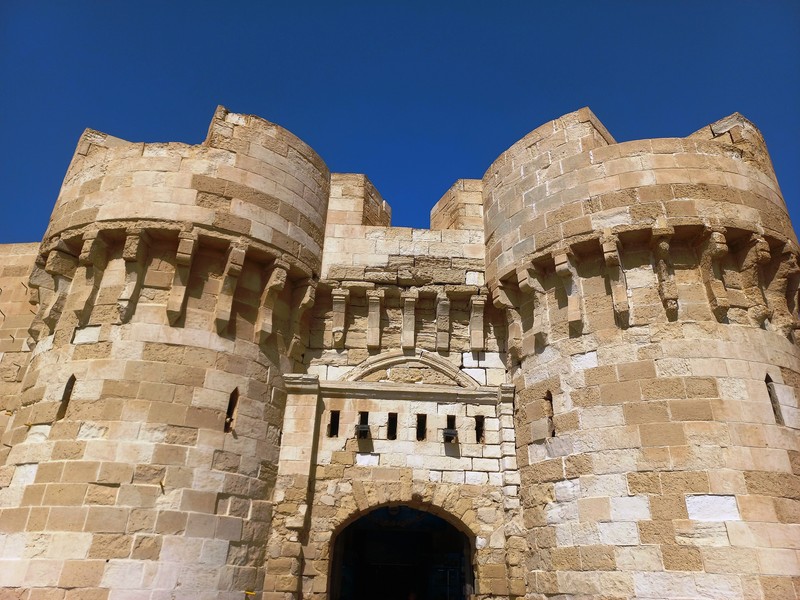
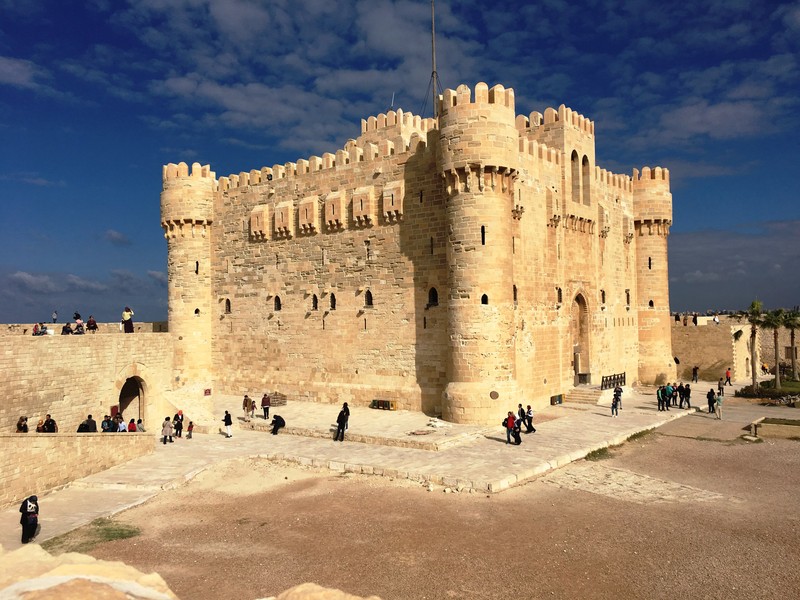
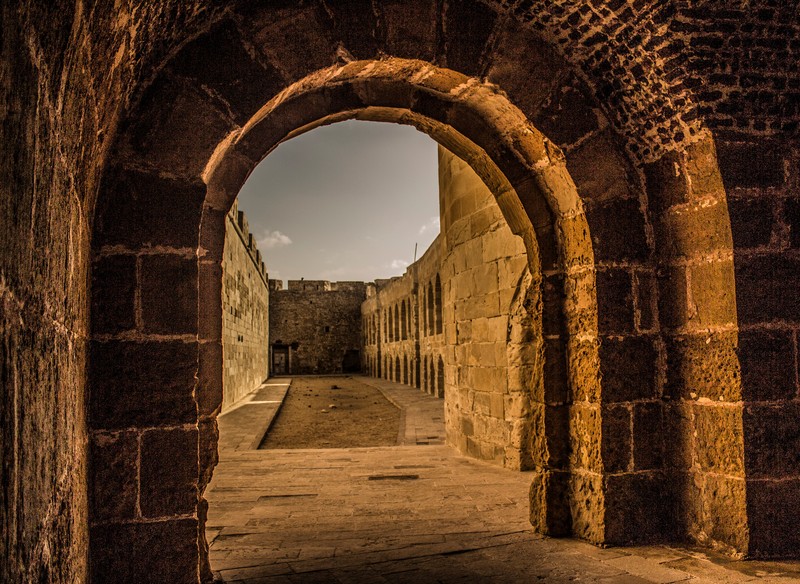
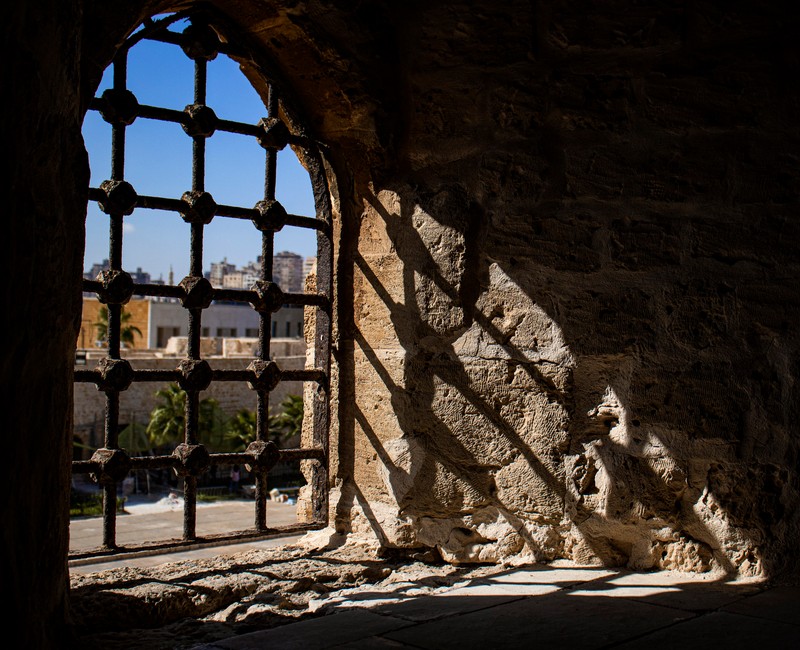
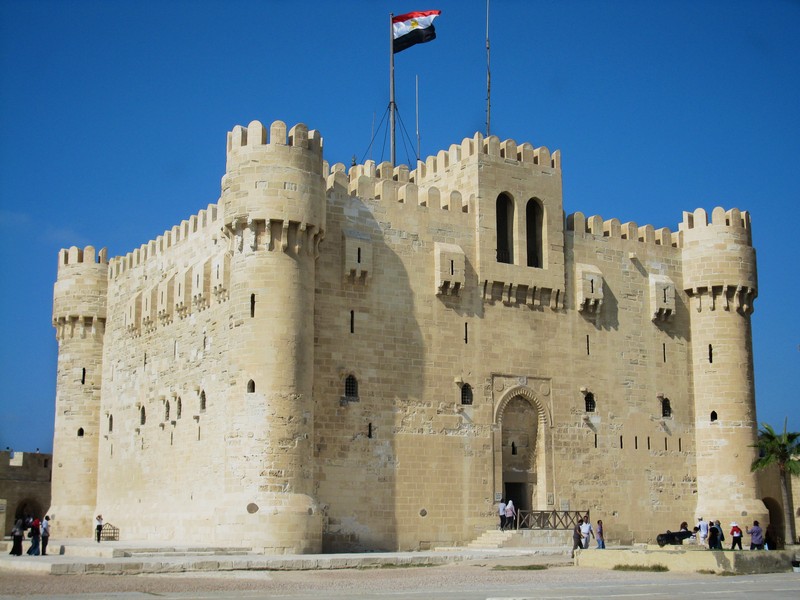
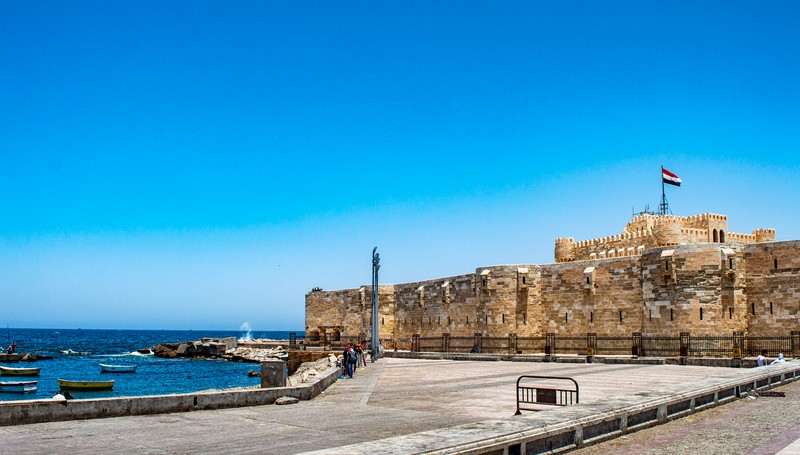
The fort has a rectangular layout surrounded by strong walls and defensive towers. Inner walls created an additional defensive line around the main tower and courtyard. The principal tower is square and has several levels, with projecting semicircular towers at its corners. Narrow openings allowed defenders to watch approaches and protect the fortress.
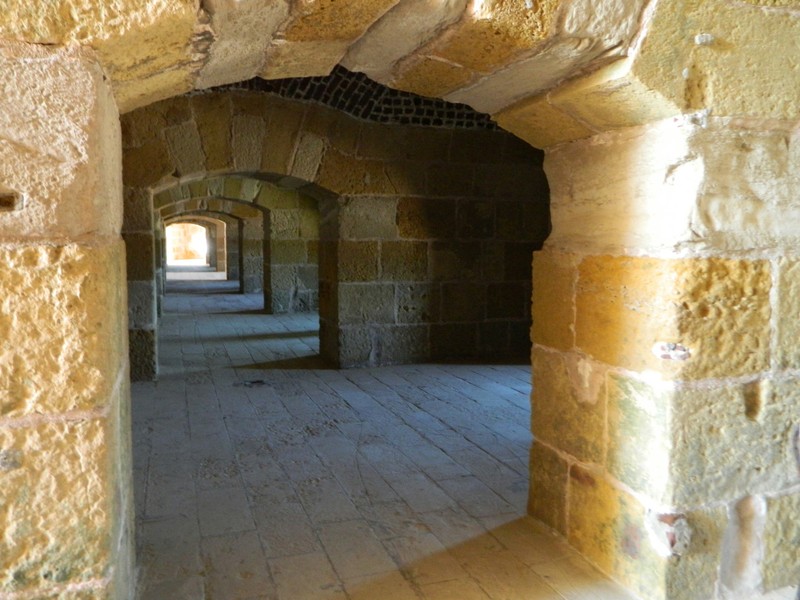
Rooms inside the complex were used for the garrison, weapons, and supplies. A water cistern helped provide fresh water for soldiers and horses during a siege. The layout reflects the practical requirements of medieval military architecture.
The Fort under Later Rulers
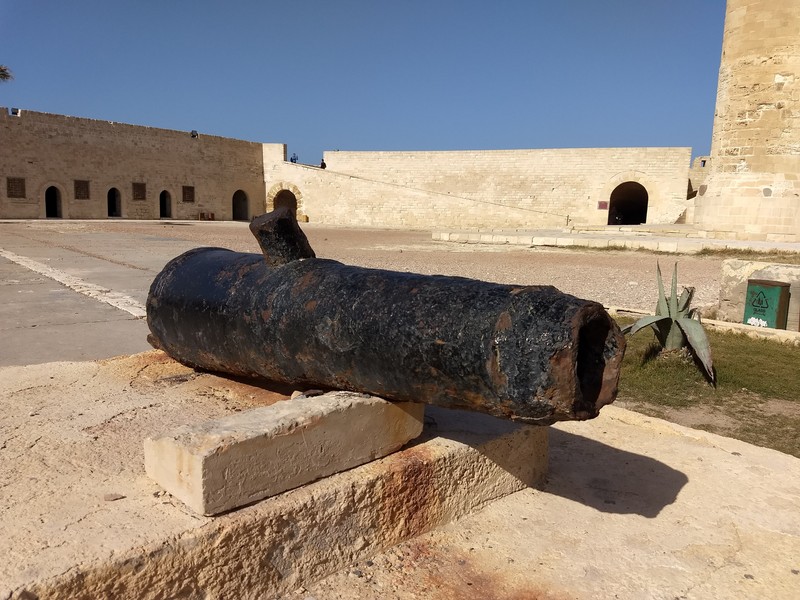
In the early sixteenth century, the fortifications were strengthened as the Ottoman Empire became a growing threat. After the Ottoman conquest of Egypt in 1517, the fortress continued to serve military purposes. During the nineteenth century, under Muhammad Ali Pasha, it was modernized to accommodate developments in artillery, with new defensive features and rooms for soldiers.
Damage and Restoration
The fort suffered serious damage during the British bombardment of Alexandria in 1882. Later, parts of the upper levels of the main tower had to be dismantled because the structure had become unsafe. Restoration began in the twentieth century, including the rebuilding of the main tower and reinforcement of the surrounding walls. Further conservation work followed, helping prepare the monument for visitors.
What to See Inside
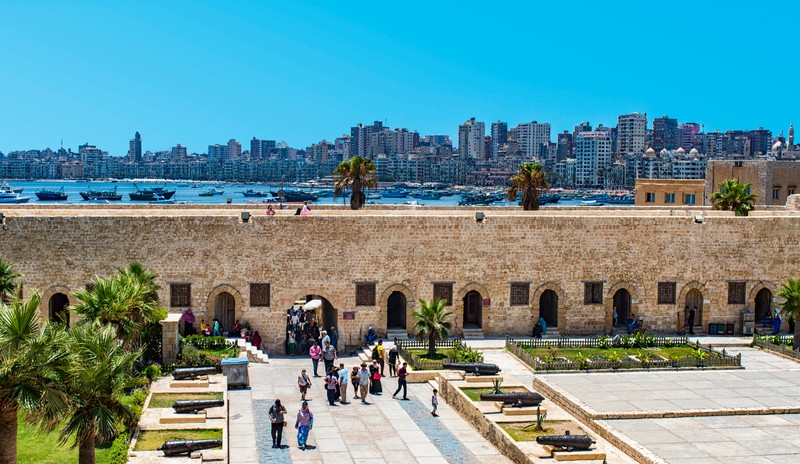
Visitors can enter the courtyard and explore the defensive walls, towers, passages, and rooms once used by the garrison. A small mosque within the complex reflects the religious life of the Mamluk soldiers. Some rooms may contain information displays about the fortress and the history of the ancient lighthouse.
Views over the Mediterranean
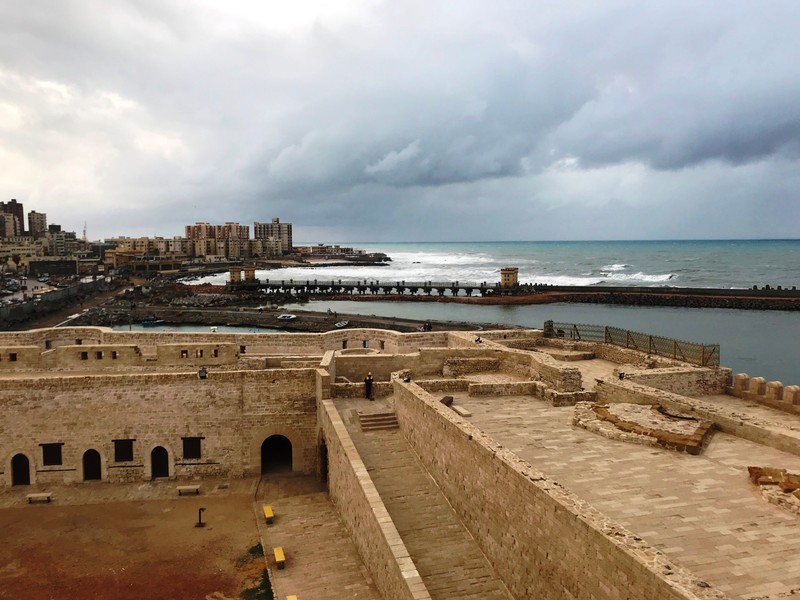
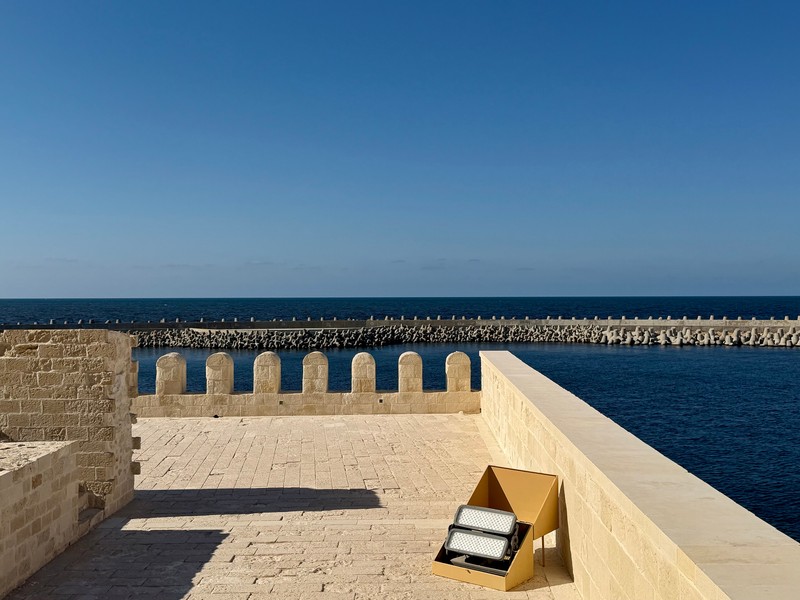
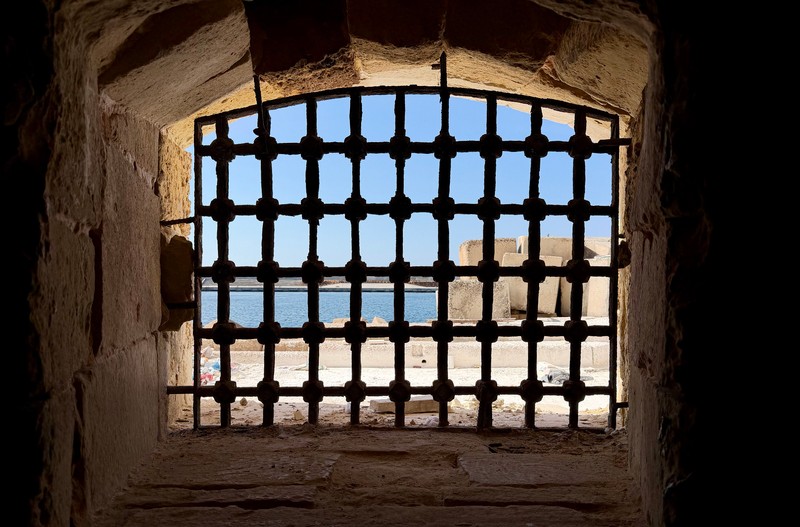
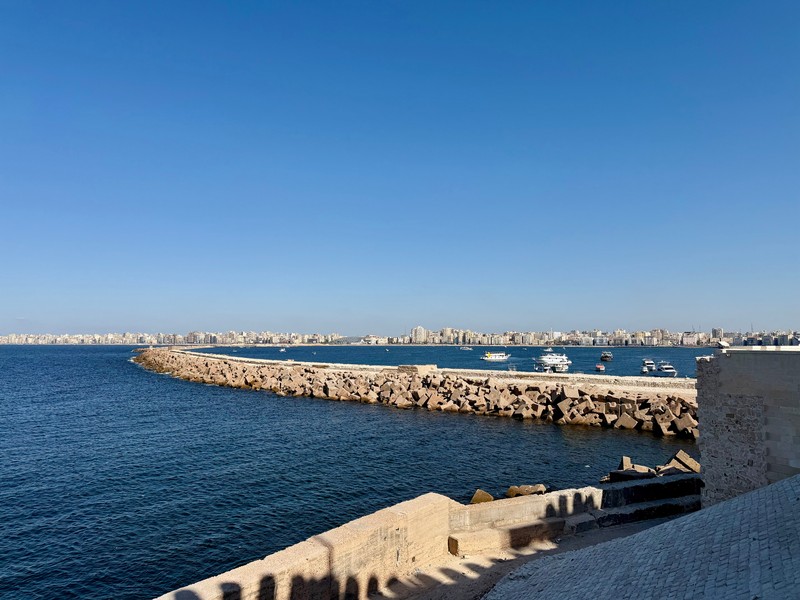
The fort stands close to the water, offering views of the Mediterranean Sea, the harbour entrance, and Alexandria’s coastline. The seascape is one of the main attractions for photographers. Winds can be strong on the headland, so a light outer layer may be useful even in warm weather.
Underwater Archaeological Remains
The waters near the fort contain numerous archaeological remains, including fragments of columns, statues, architectural bases, and other stone elements. Some are associated with the Lighthouse of Alexandria and buildings around the ancient harbour. Underwater research helps reconstruct the appearance of ancient Alexandria and understand the effects of earthquakes and changes to the coastline.
Nearby Attractions
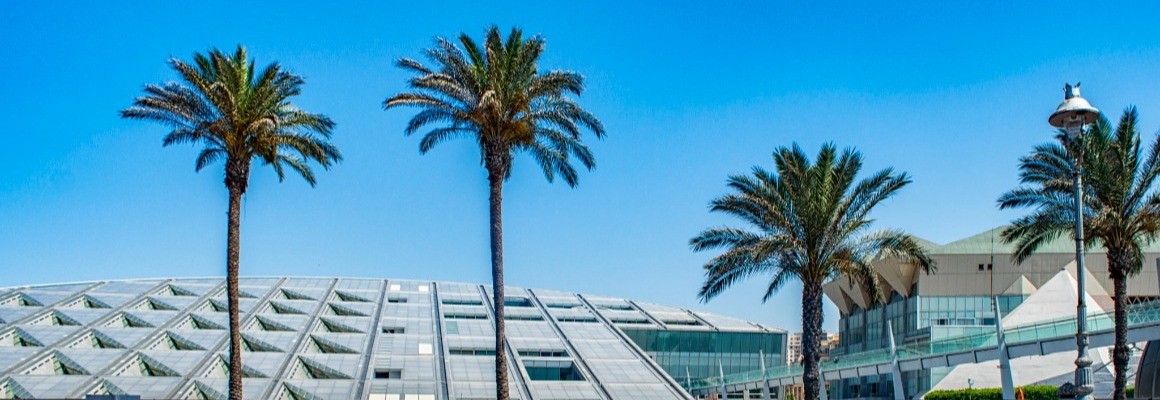
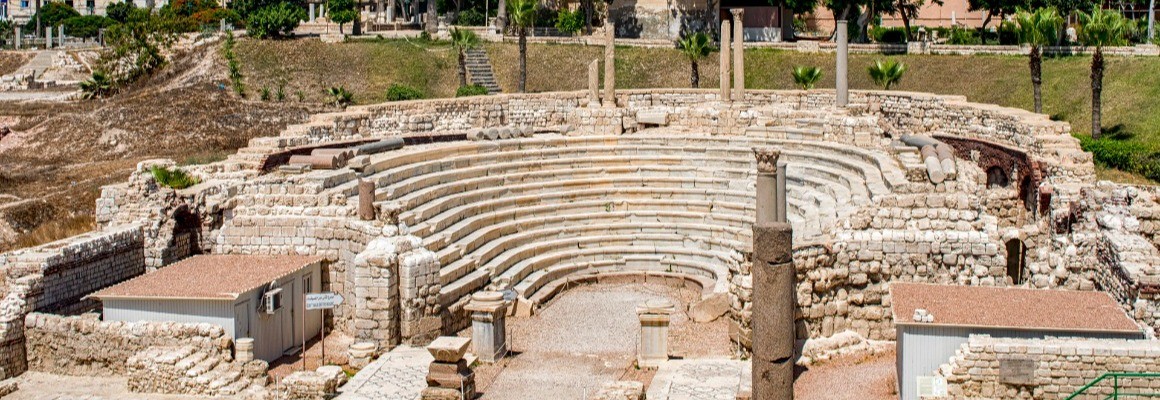
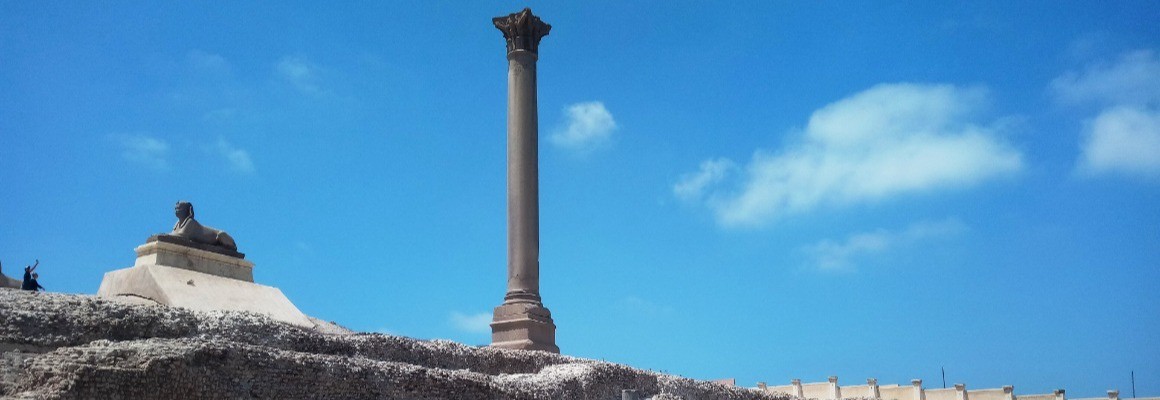
A visit to the fort can be combined with a walk along the waterfront and trips to the Bibliotheca Alexandrina, Pompey’s Pillar, the Roman Theatre at Kom el-Dikka, and the Catacombs of Kom el-Shoqafa. The nearby Anfushi district has a fishing harbour and restaurants serving seafood.
Visitor Information
Qaitbay Fort stands on the tip of Pharos Island in western Alexandria. Check current opening hours, ticket prices, and visitor rules on the official website of Egypt’s Ministry of Tourism and Antiquities before travelling. Allow around one to two hours to explore the fortress. Comfortable shoes and wind-resistant clothing are recommended. Follow access restrictions and avoid touching historic masonry.
Gallery