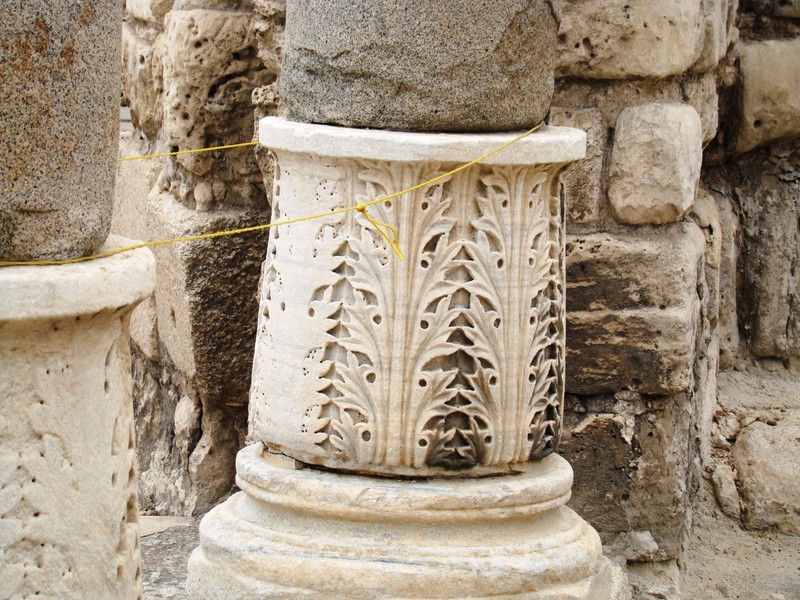
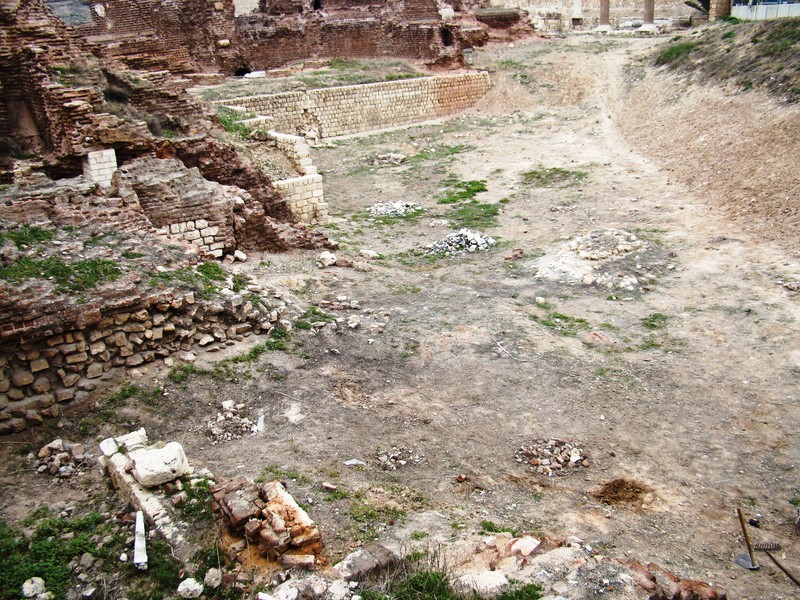
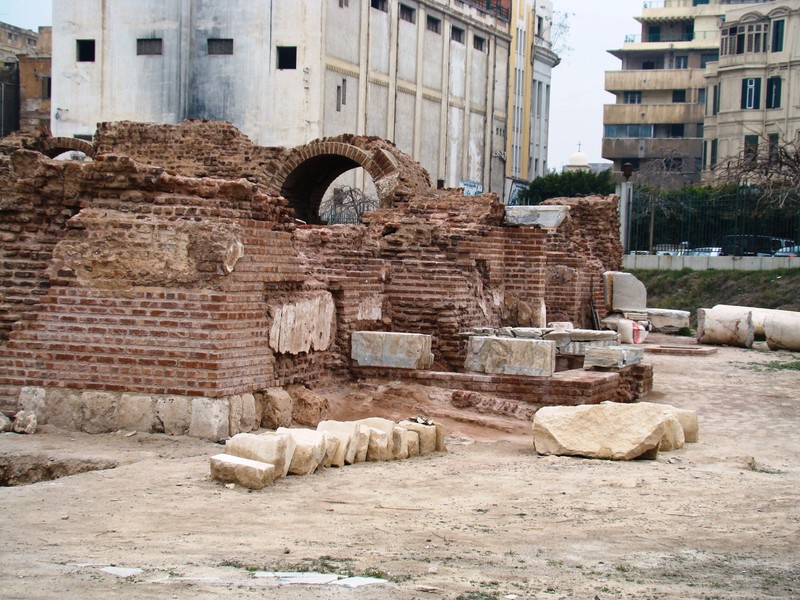
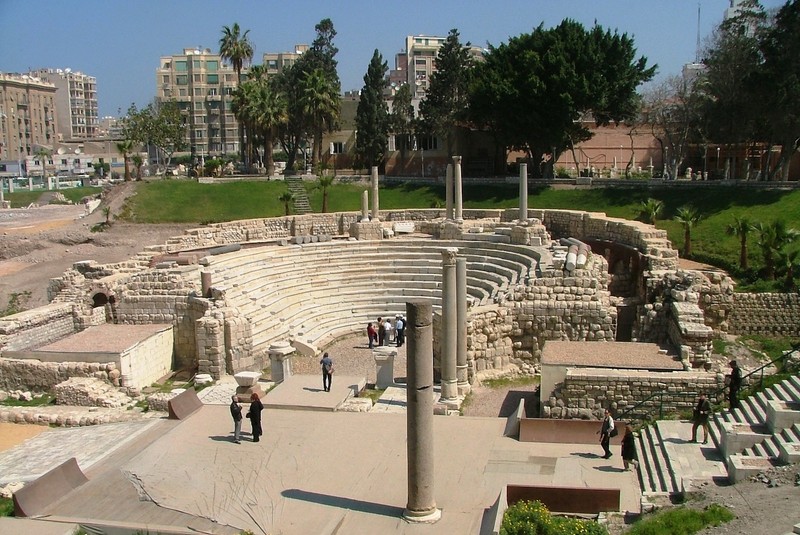
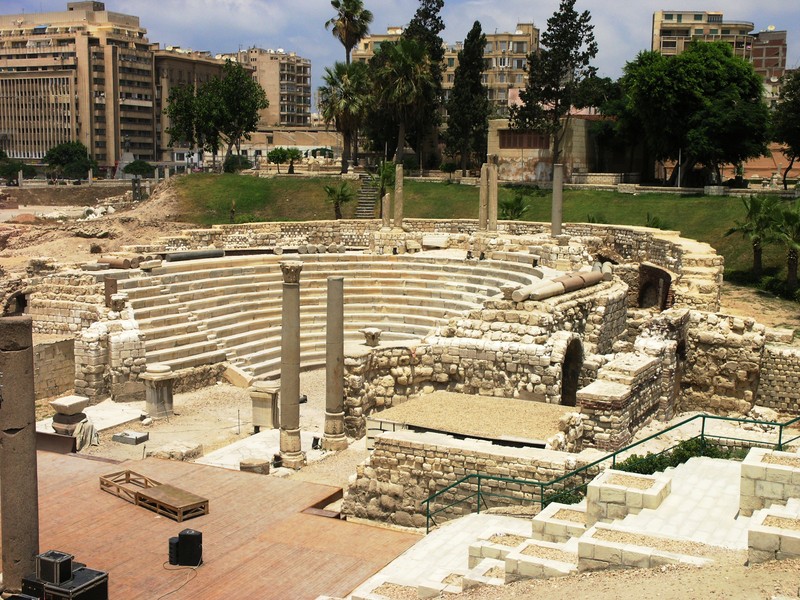
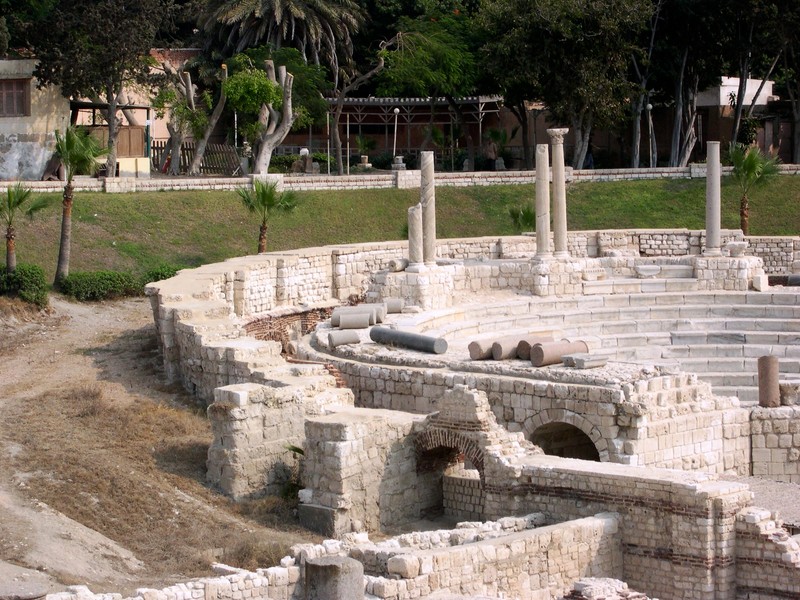
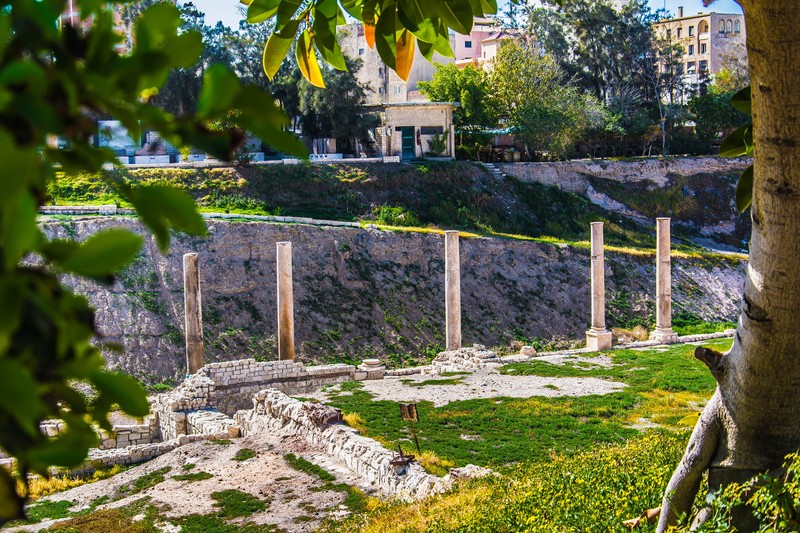
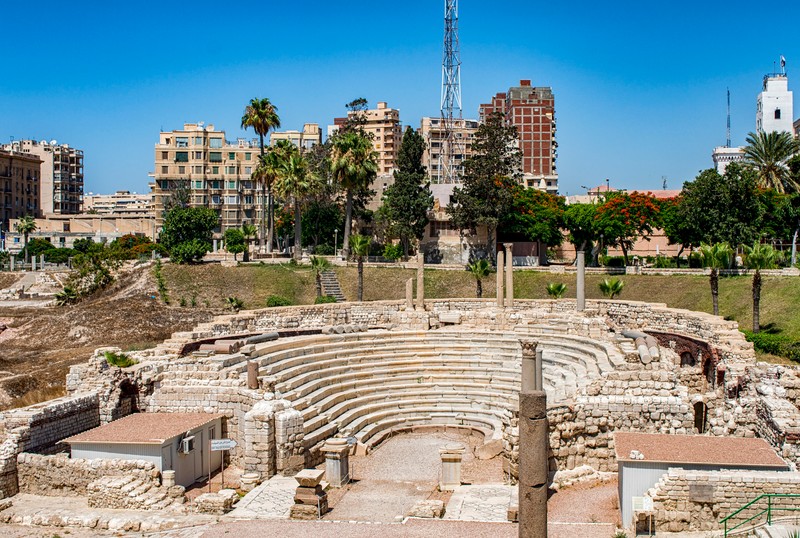
The Kom el-Dikka Roman Amphitheatre is one of Alexandria’s most fascinating archaeological sites. The complex preserves remains of an urban quarter from the Roman and Byzantine periods, including a semicircular performance building, marble seating, public baths, teaching rooms, and houses decorated with mosaics. Although commonly called an amphitheatre, the central structure was probably an odeon, a smaller venue for music, poetry, and public gatherings.
History of the Site
Alexandria was founded by Alexander the Great in 331 BCE and became a major center of trade, culture, and learning in the Mediterranean. After the Roman conquest of Egypt, the city retained its importance. Kom el-Dikka developed over several centuries and contained residential buildings, baths, public facilities, and spaces for education and performances.
Systematic excavations began in the twentieth century. In 1960, a Polish archaeological mission led by Kazimierz Michałowski began work at the site. The excavations revealed a performance building, bath complex, mosaic floors, and lecture rooms, providing valuable evidence of everyday life in ancient Alexandria.
Theatre or Odeon?
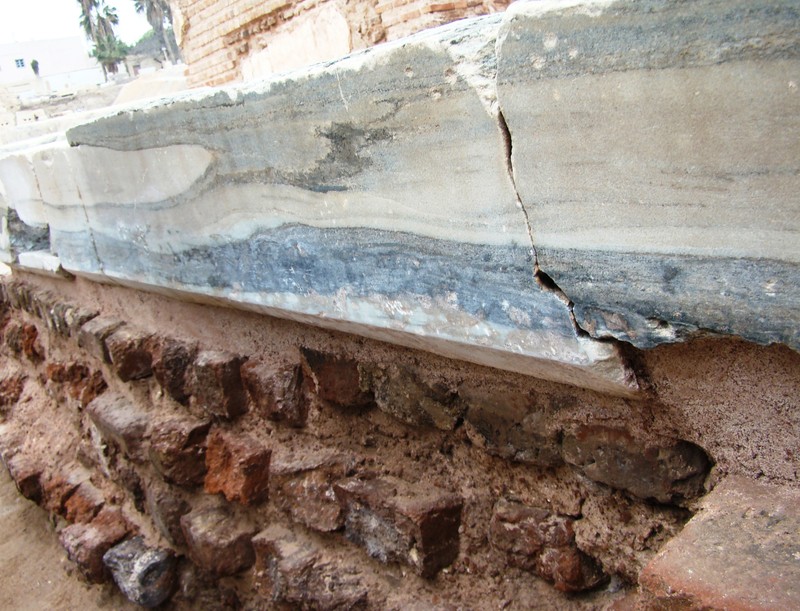
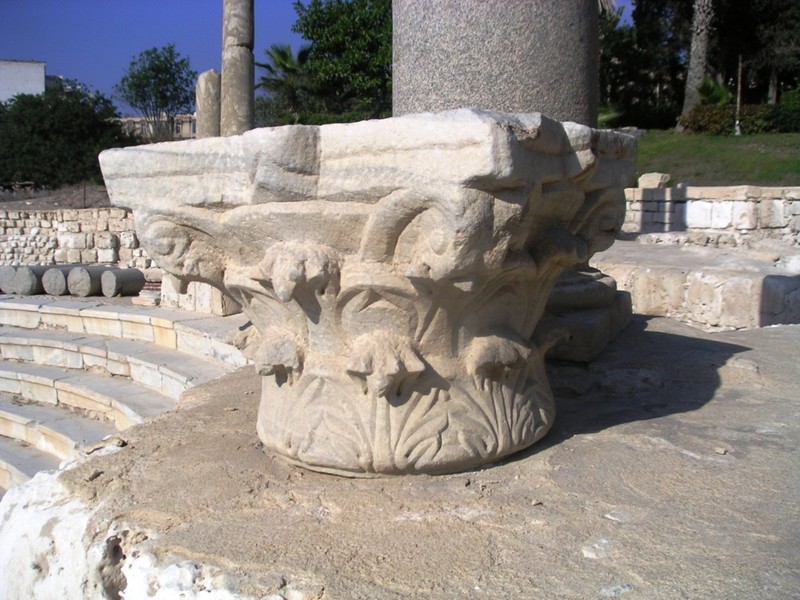
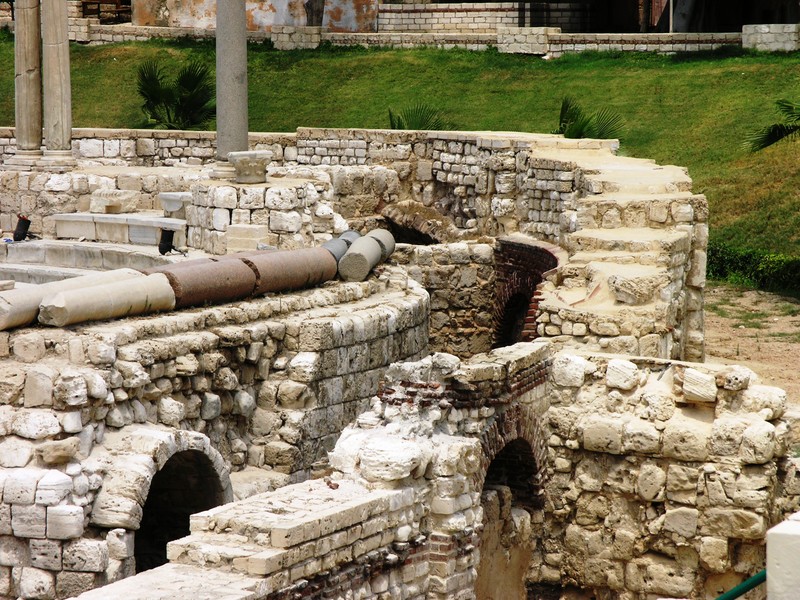
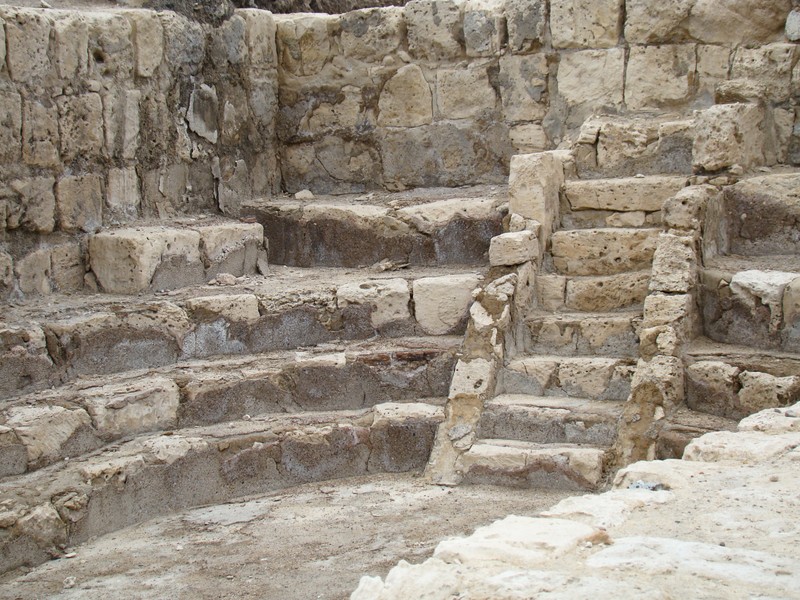
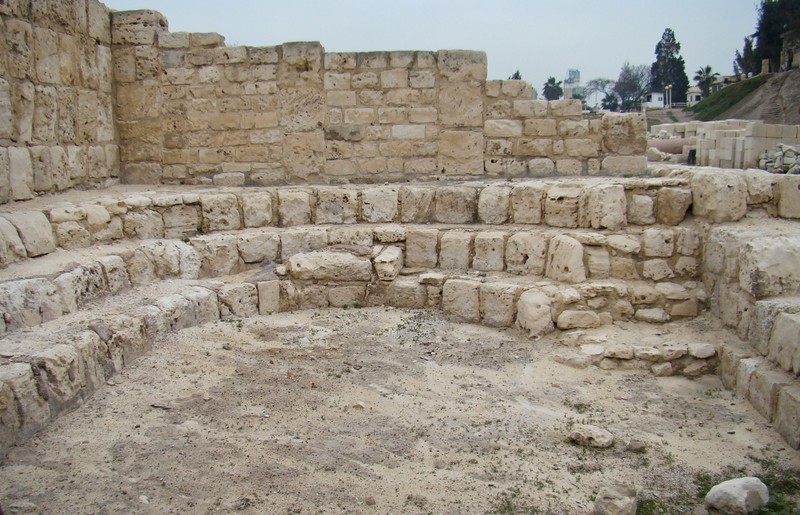
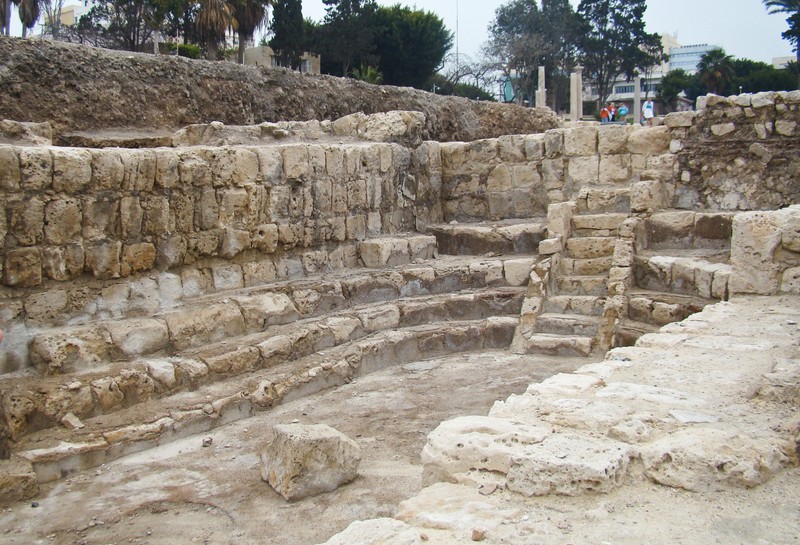
The best-known feature is a semicircular structure with tiers of marble seats. Tourist sources often call it a Roman amphitheatre, but its layout is more consistent with an odeon, a smaller venue for music, poetry readings, and meetings. Amphitheatres typically had a central arena, while the Kom el-Dikka building has the compact form of a theatre.
The structure was probably built in the fourth century CE and later modified. Archaeologists identified thirteen rows of seating, and visitor descriptions commonly estimate a capacity of around 600–800 people. Its changing form illustrates how ancient buildings could be adapted to new urban needs.
Roman Baths
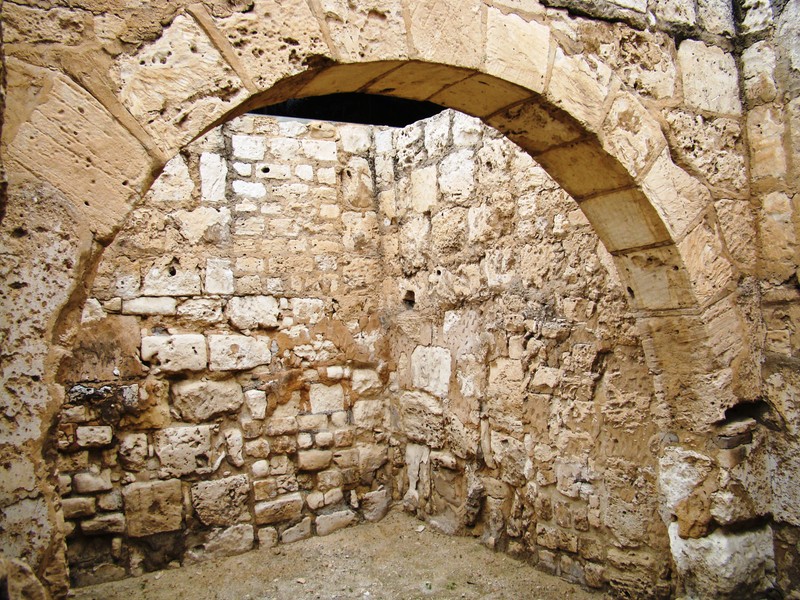
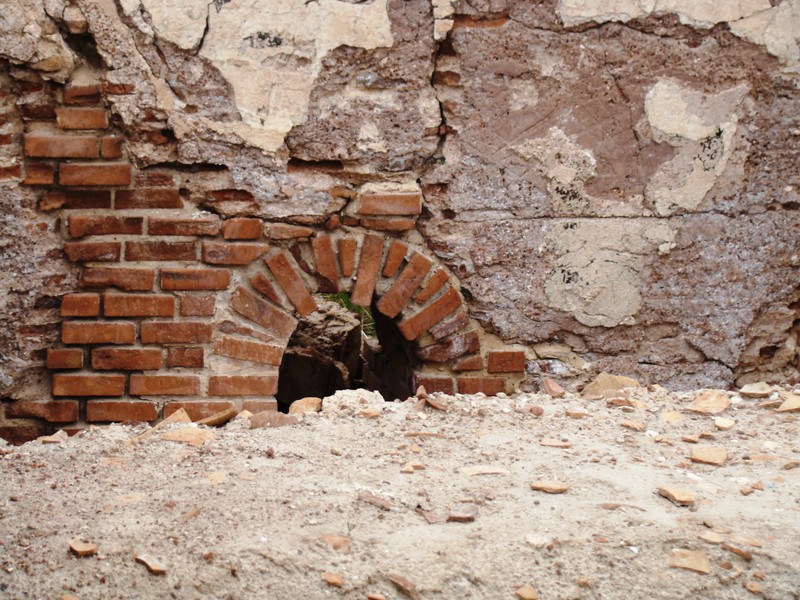
The archaeological park contains remains of a large public bath complex. Roman baths were social spaces as well as places for bathing, where people could relax, exercise, and meet others. Heating was provided by a hypocaust system, which circulated hot air beneath raised floors and, in some cases, through channels in walls.
The surviving structures reveal the engineering knowledge of Roman builders and help explain how public facilities functioned in late Roman Alexandria.
The Villa of the Birds and Its Mosaics
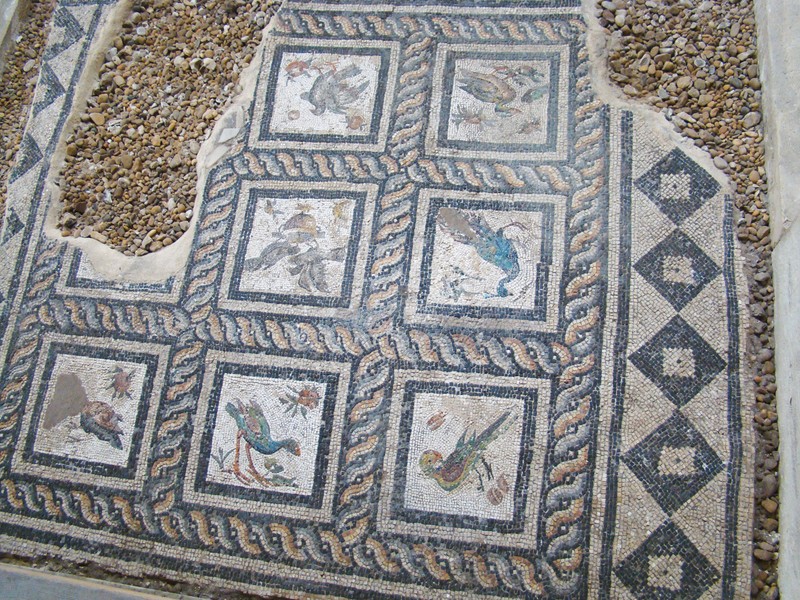
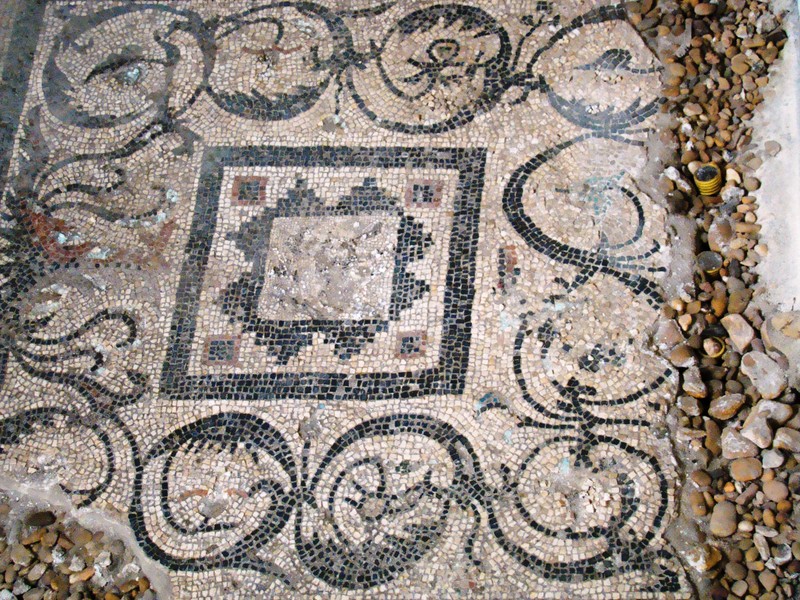
The Villa of the Birds is named after its famous floor mosaic depicting birds alongside decorative borders and geometric designs. Mosaics decorated the homes of affluent residents, reflected their status, and demonstrated the skill of ancient artisans. The villa offers a glimpse into domestic life beyond Alexandria’s public monuments.
Lecture Halls and Ancient Learning
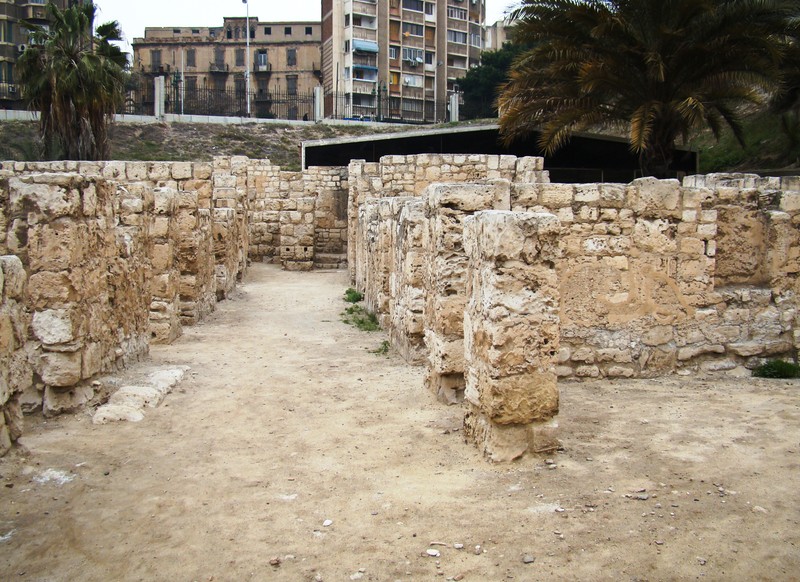
The site also contains a row of rooms interpreted by archaeologists as late-antique lecture halls, dating mainly to the late fifth and sixth centuries. They may have been used for teaching rhetoric, philosophy, law, and other subjects. However, there is no direct evidence that the philosopher Hypatia taught in these specific rooms.
Historical Significance
Kom el-Dikka is especially valuable because it preserves part of an ancient urban quarter rather than a single isolated monument. The theatre, baths, houses, mosaics, and lecture rooms together reveal the varied social and intellectual life of Alexandria and the interaction of Egyptian, Greek, and Roman traditions.
Nearby Attractions
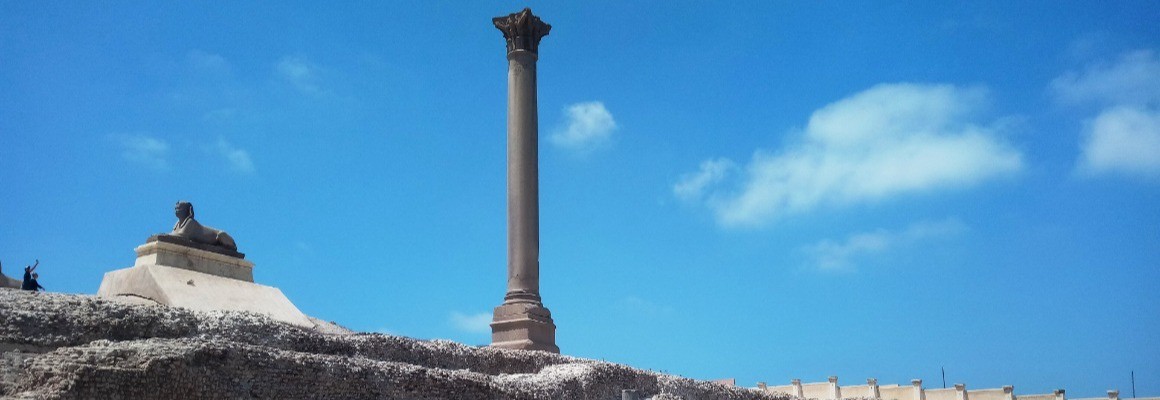
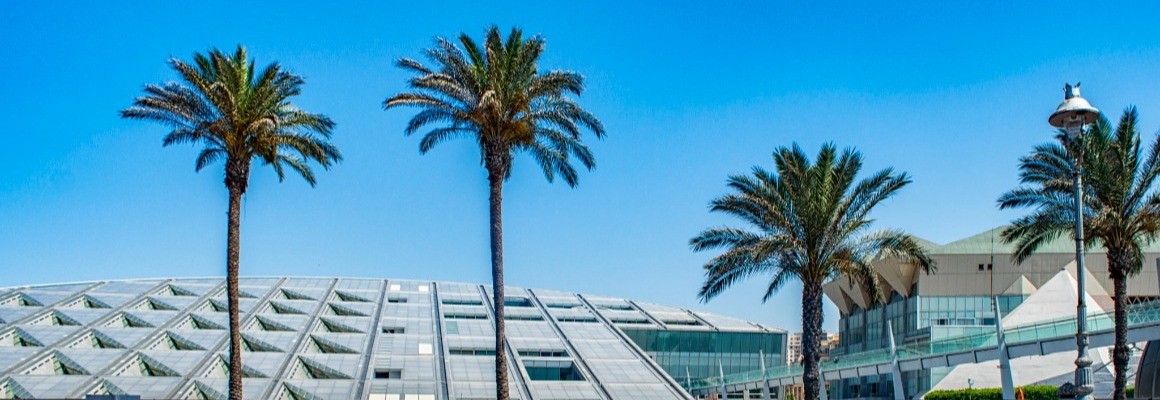
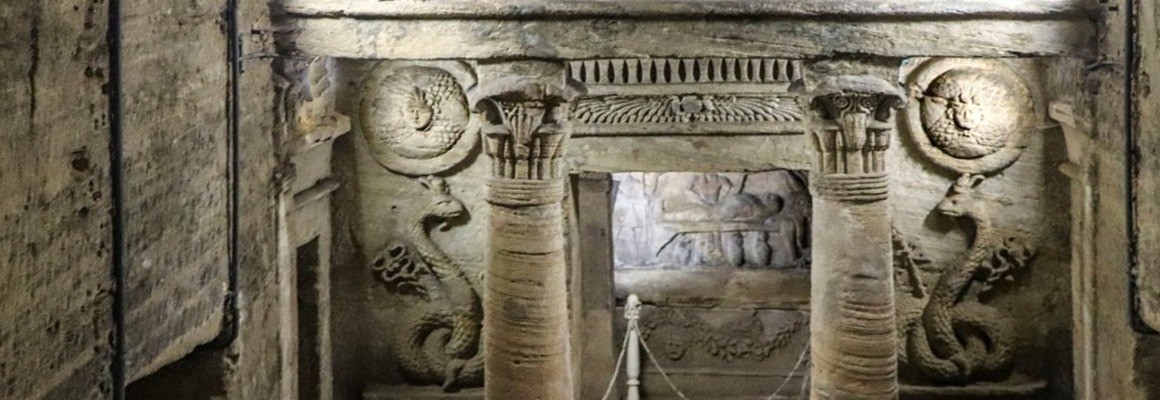
A visit can be combined with the Bibliotheca Alexandrina, Pompey’s Pillar, the Catacombs of Kom el-Shoqafa, and the Graeco-Roman Museum, subject to opening schedules. Together, these sites provide a broader view of Alexandria’s long history.
Visitor Information
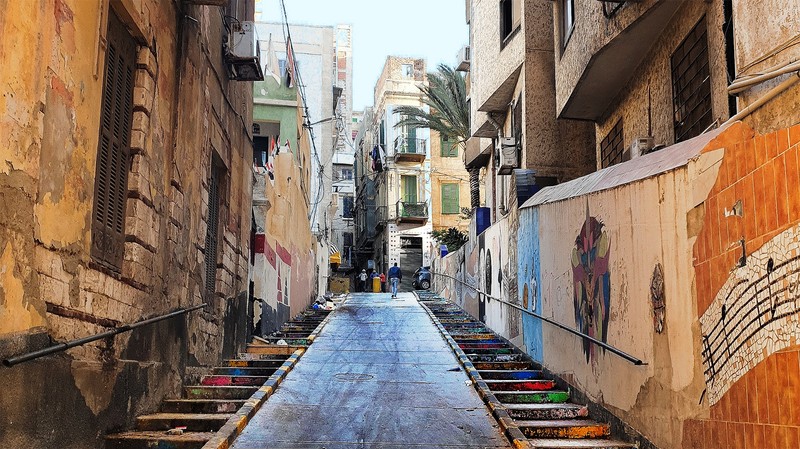
The archaeological site lies in central Alexandria, not far from Misr railway station. Check current opening hours, admission fees, and access restrictions on the official website of Egypt’s Ministry of Tourism and Antiquities before visiting. Allow one to two hours to explore the complex. Comfortable shoes are recommended for uneven surfaces, and visitors should avoid touching the mosaics and ancient structures.
Gallery