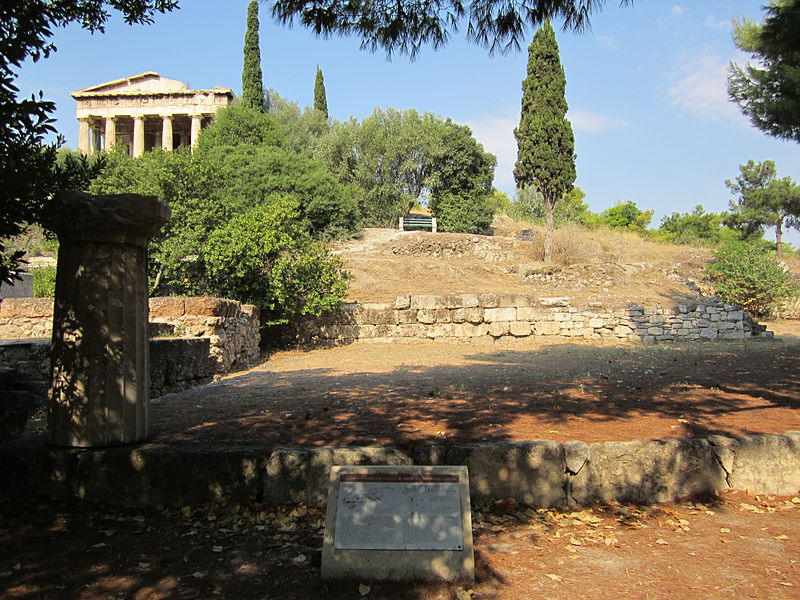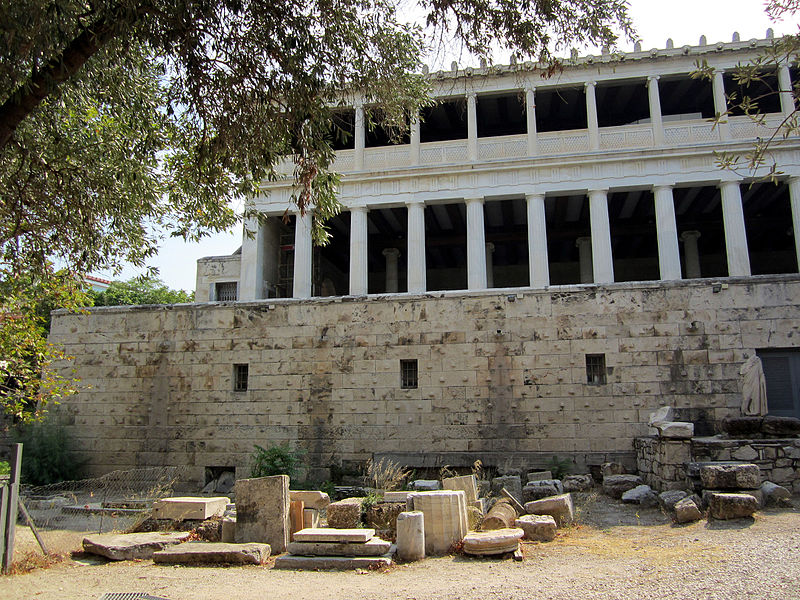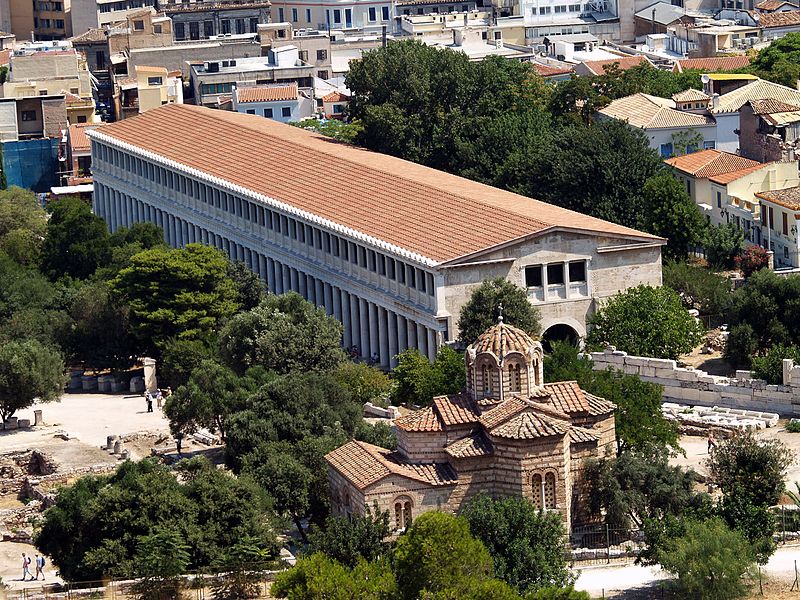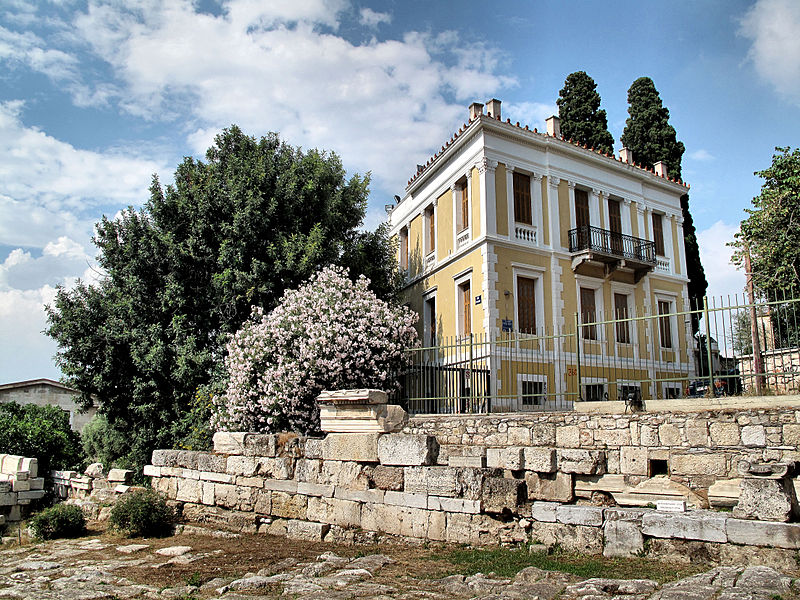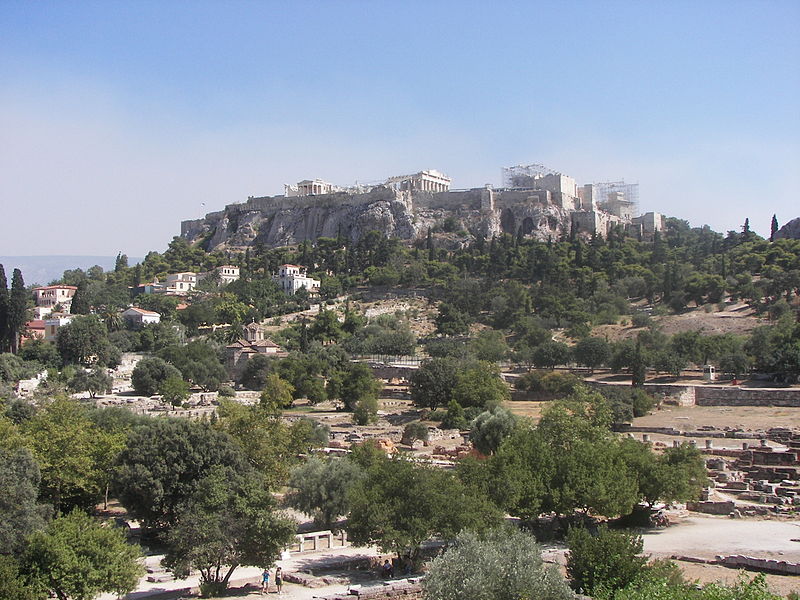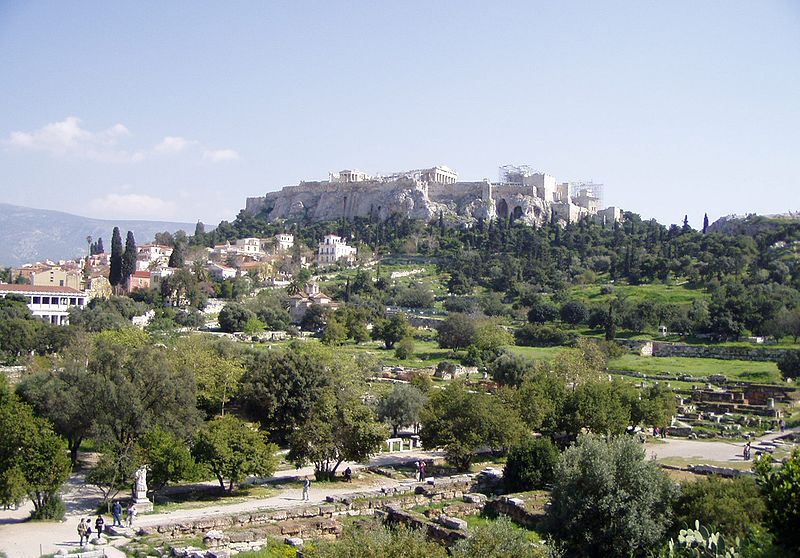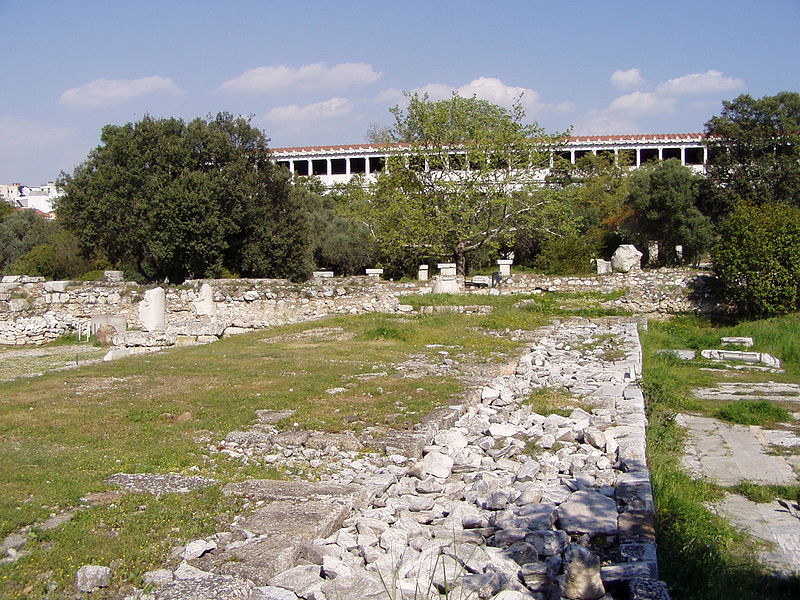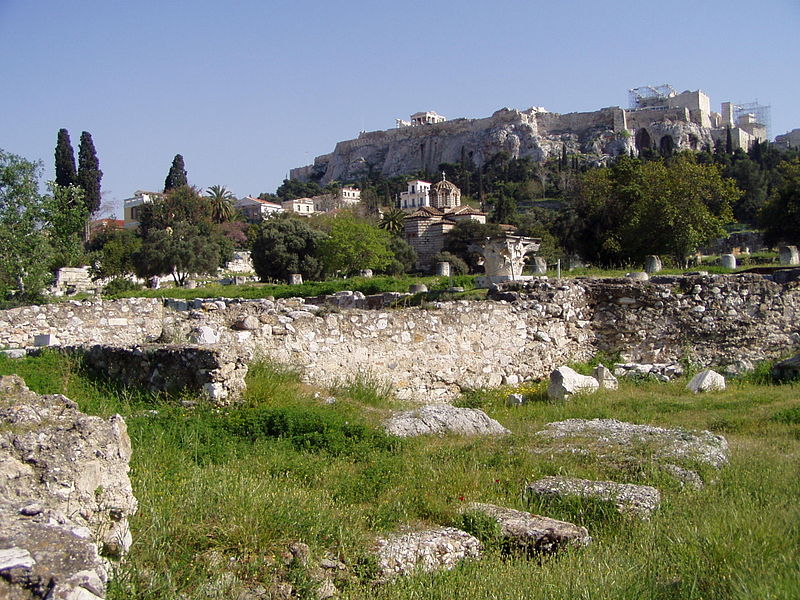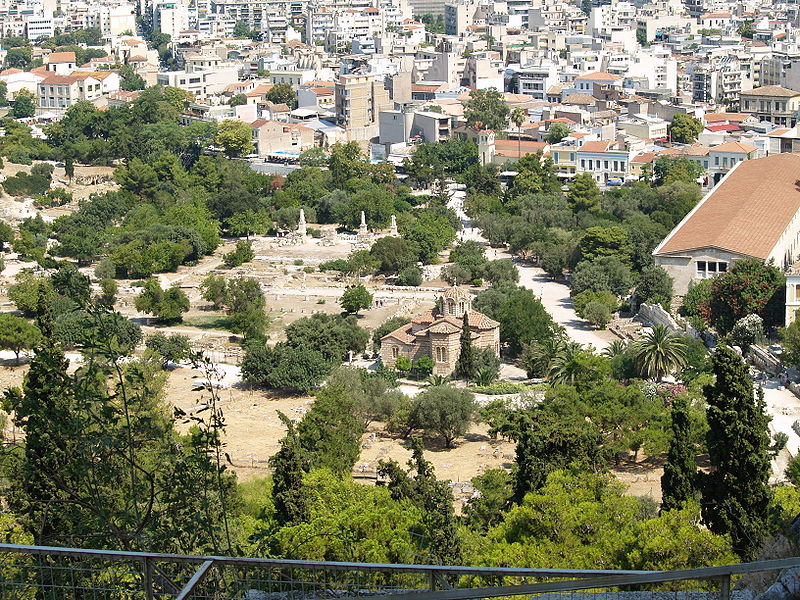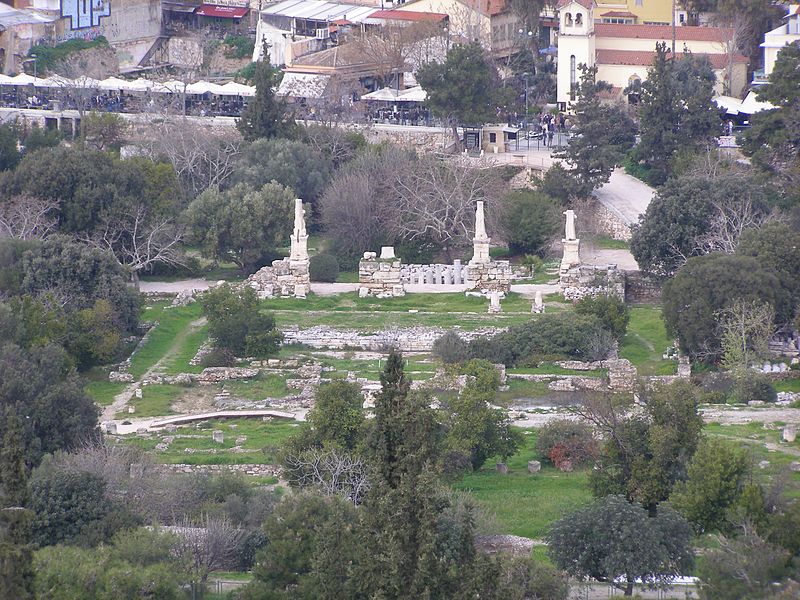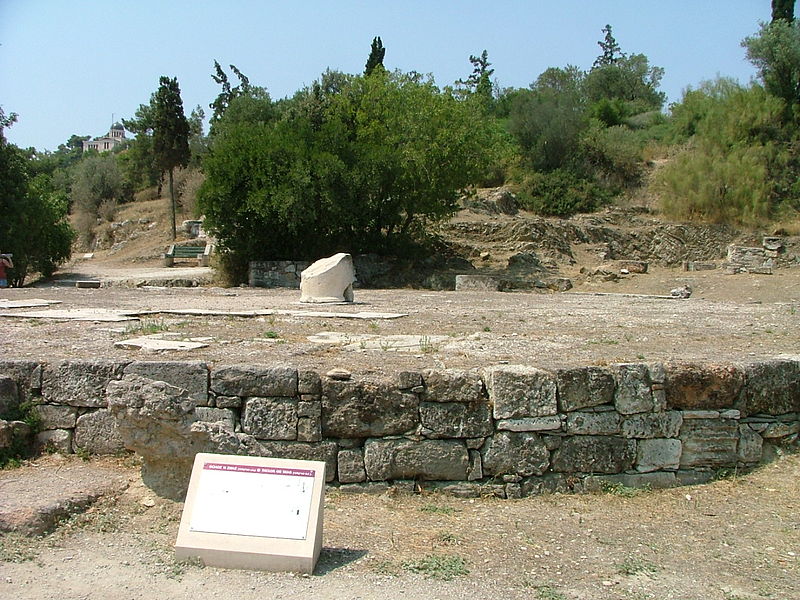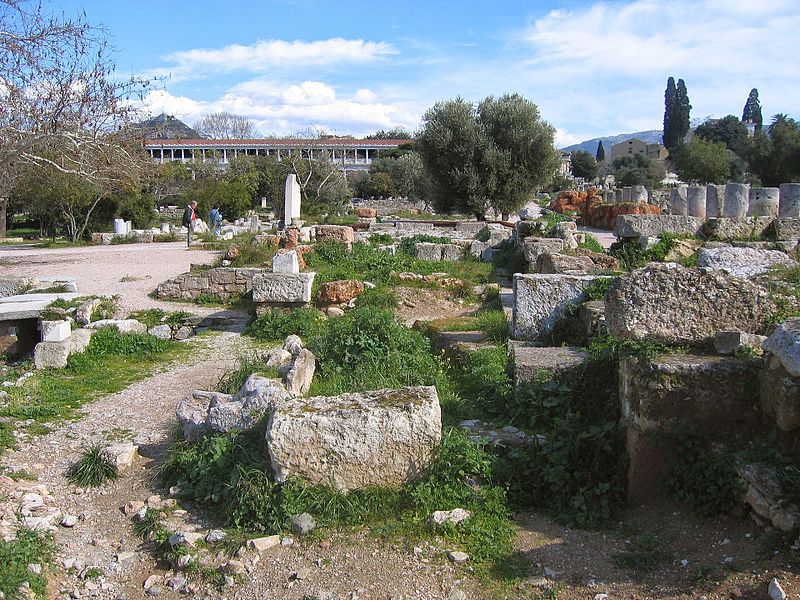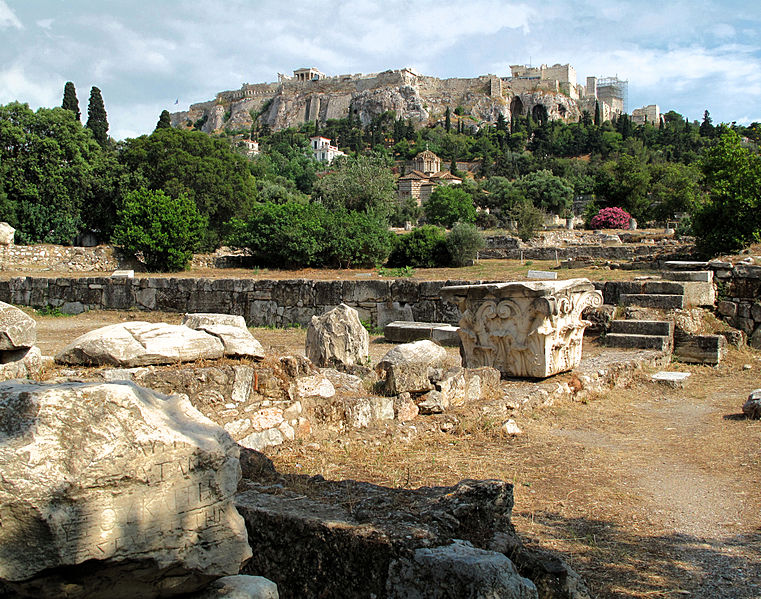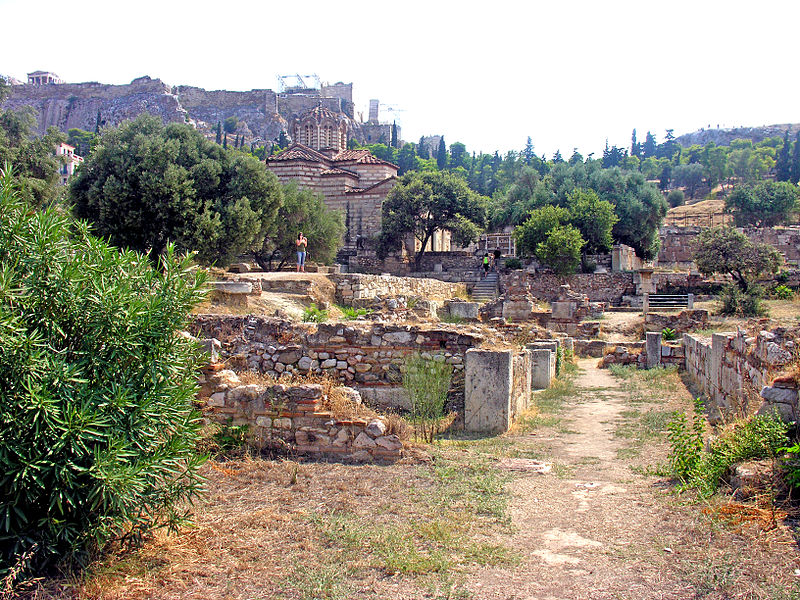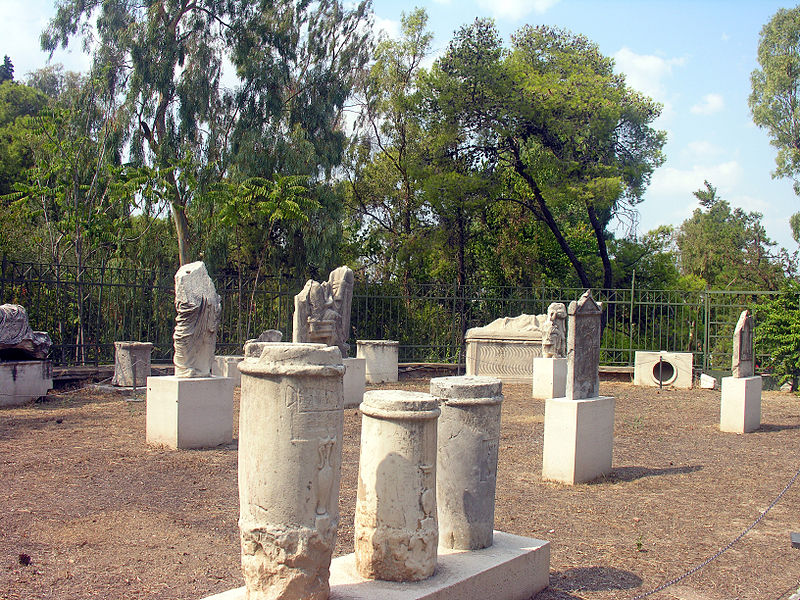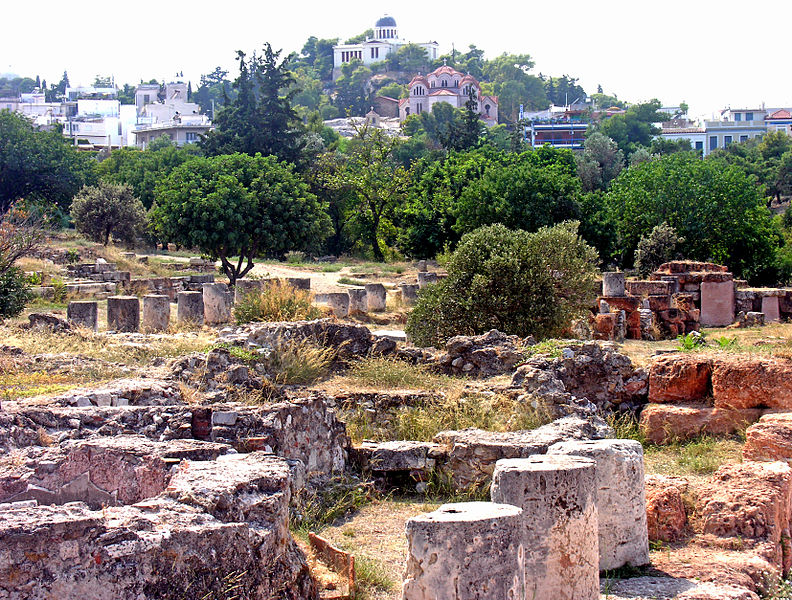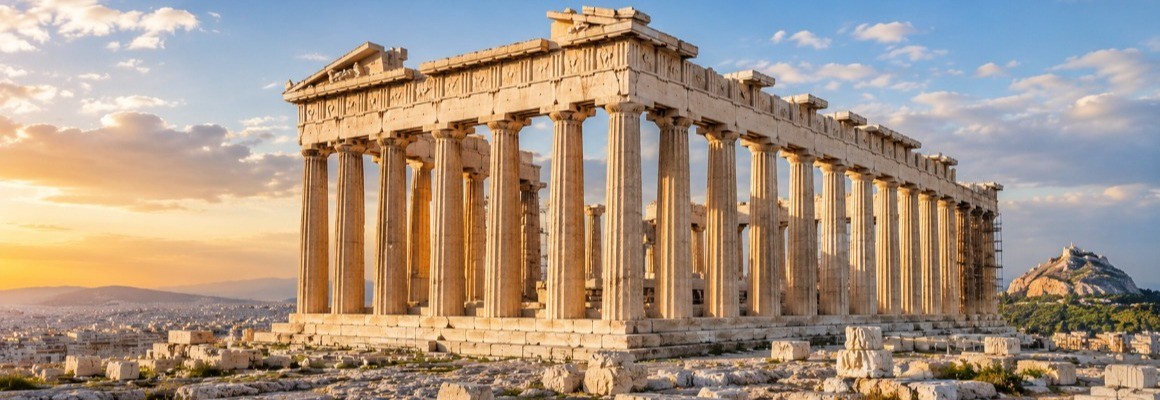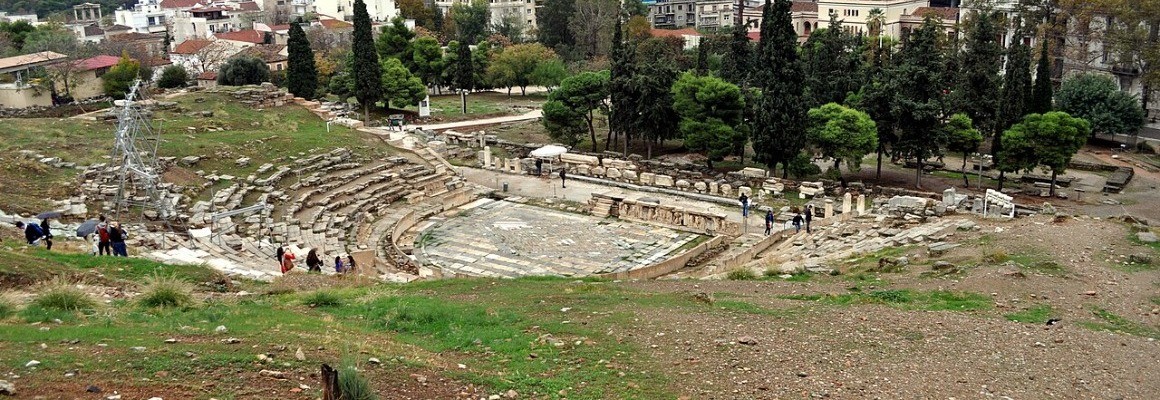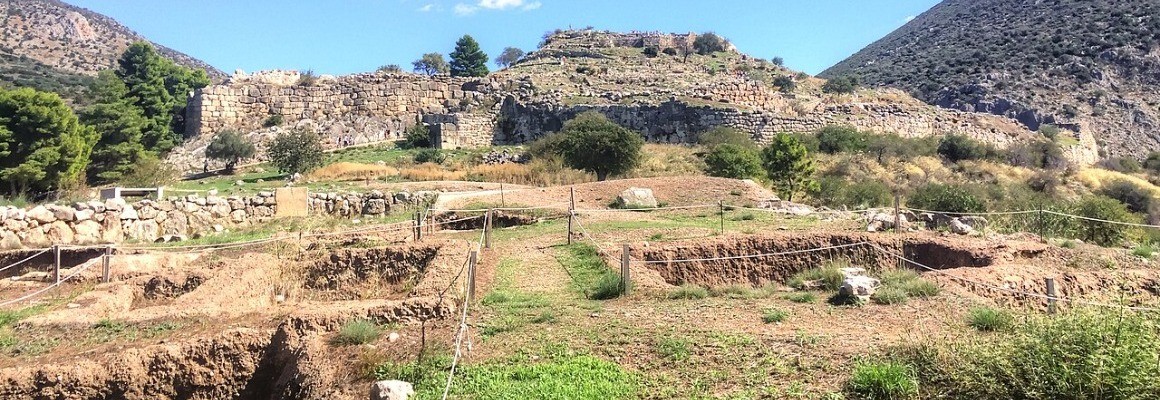

The Athenian Agora was one of the main squares in ancient Greece, where citizens gathered to discuss political issues, compete with athletes, and watch theatrical performances. Today, the square is a favorite place for photo shoots among tourists.
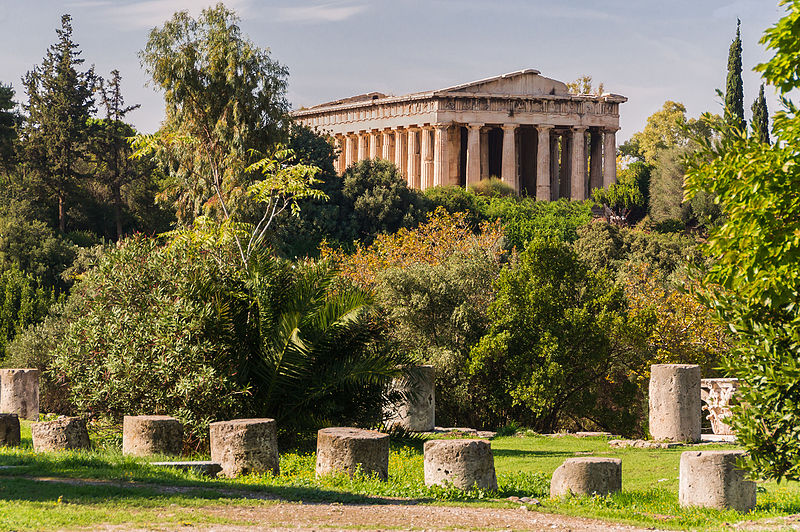
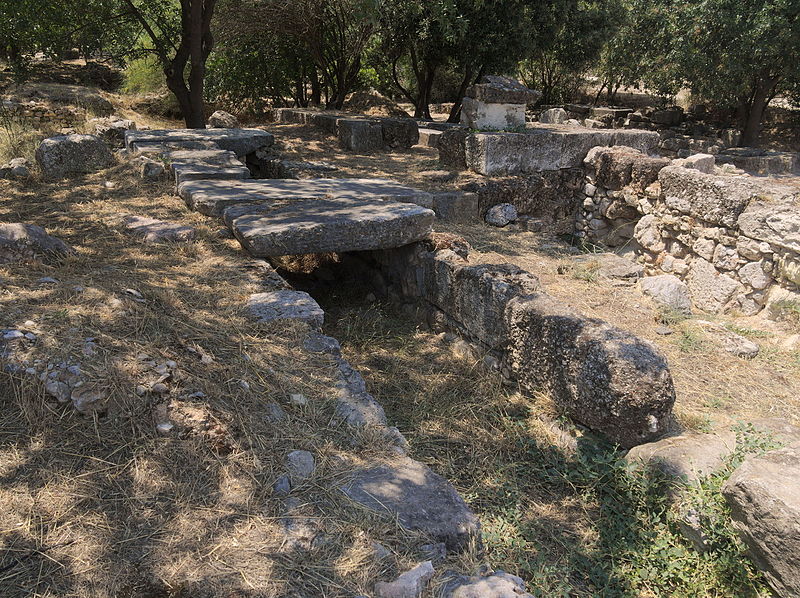
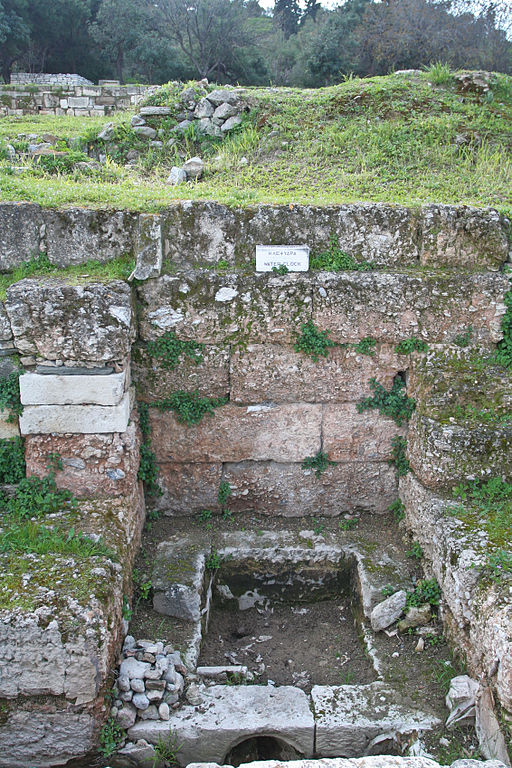
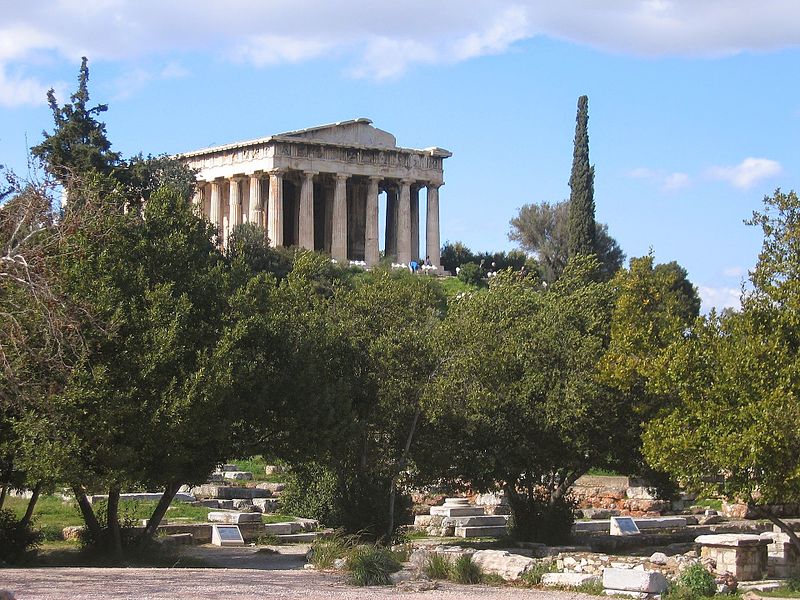
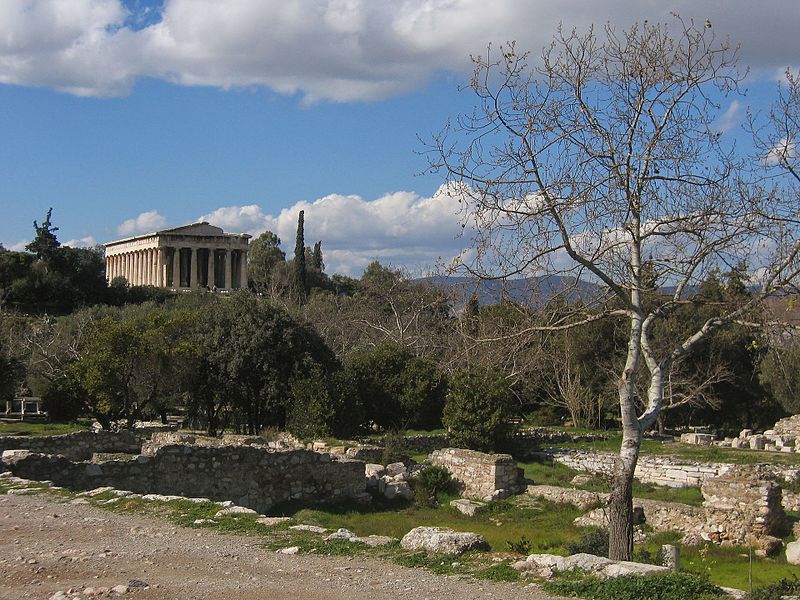
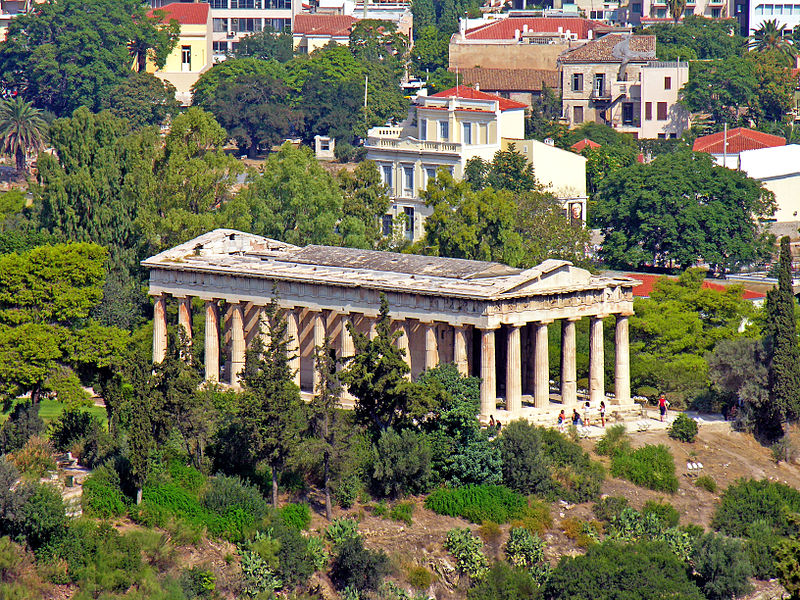
Since 1931, archaeological excavations have been carried out on the territory of the Athenian Agora, during which pottery fragments were found, which indicate that people settled here 4 thousand years ago. Around the 6th century BC, during the reign of Solon, a town square was built here. Then the era of democracy came to Greece, and public life became very important for the citizens. The square was expanding more and more, new buildings were being built. At that time, religion played a huge role in everything, and temples and sanctuaries sprang up like mushrooms around the square after the rain. Among them is the most famous temple of Hephaestus, the patron saint of crafts. During the excavations, numerous metal and ceramic products were found, which indicates that Hephaestus, the god of fire and blacksmiths, was worshipped in this temple. The temple was well preserved, and with the advent of Christianity it was transformed into the Orthodox church of St. George.
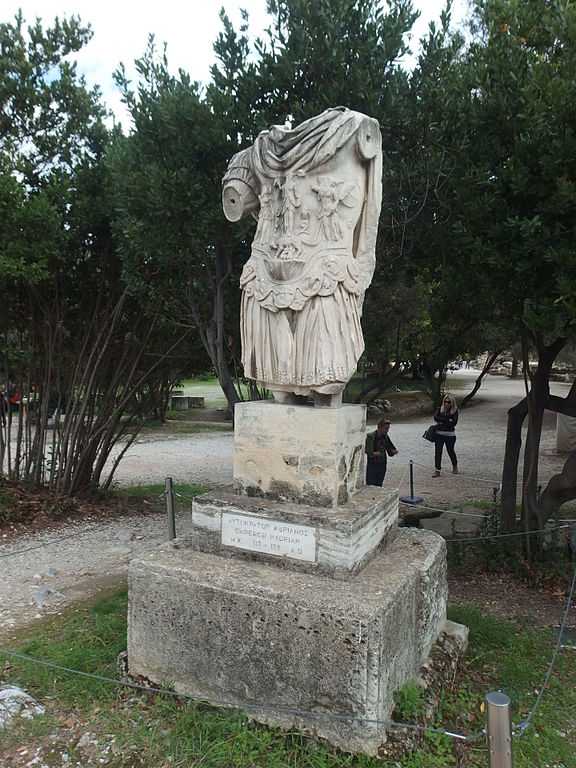
The patron saint of the Athenian Agora was the main Greek god, Zeus. An altar was built for him from very expensive Pantelian marble, decorated with elaborate carvings. The Agora also had temples to Athena, Apollo, Hermes, a concert hall, a library, and numerous statues of ancient Greek heroes and gods.
The main purpose of the Agora was trade, and the archon (the ruler of the city) ensured that trade was conducted according to the law and appropriate taxes were paid to the city budget. Trade took place daily from 9 a.m. to 12 p.m., after which all goods were cleaned. The goods were laid out on tables separated by wooden partitions, the transparency of all operations was monitored by the refectories, as well as the order was monitored by agoranomes, market police, and metronomes. The selection of goods was quite large, honey, olive oil, marble, wheat, wine, ceramics and metal products could be found here.
Gallery