Stonehenge is one of the world's most famous prehistoric monuments, located on Salisbury Plain in Wiltshire, southern England. Its enormous stones form circles and horseshoe-shaped arrangements that have fascinated archaeologists, historians and travellers for centuries. The identity of its builders and the monument's exact purpose remain subjects of research.
History and construction
The earliest phase began around 3000 BC with an earthwork enclosure consisting of a ditch and bank. The famous stone circle took shape later, mainly around 2500 BC. Stonehenge was built in several stages over many centuries, and its appearance changed as different generations modified the site.
The monument contains large sarsen stones and smaller bluestones. Many sarsens came from the Marlborough Downs, roughly 25–30 kilometres away. Most bluestones originated in the Preseli Hills of southwest Wales, more than 200 kilometres away in a straight line. The exact methods used to transport every stone remain under investigation.
The builders used carefully shaped joints resembling woodworking techniques. Upright stones have projections that fit into corresponding holes in horizontal lintels, helping hold the structures together without cement. These techniques reveal considerable practical knowledge and an ability to organise large collective projects.
Alignment with the Sun
Stonehenge is aligned with particular solar positions. Around the summer solstice, the rising Sun appears in the direction of the Heel Stone, while the winter solstice is associated with the direction of sunset. These alignments suggest that seasonal cycles were important to the people who built and used the monument.
The summer solstice falls around 20 or 21 June in the Northern Hemisphere, and the winter solstice around 21 or 22 December. Thousands of people visit Stonehenge at these times. Modern ceremonies reflect contemporary beliefs and traditions, but they cannot automatically be treated as exact recreations of prehistoric rituals.
What was Stonehenge used for?
No single explanation for Stonehenge's purpose has been conclusively established. It may have been used for ceremonies, seasonal gatherings and rituals associated with the Sun. Cremated human remains discovered in the area, together with numerous burial mounds in the surrounding landscape, also point to connections with funerary practices.
Some researchers believe people travelled to Stonehenge from different parts of Britain. Animal remains and objects originating far from the site indicate extensive contact between prehistoric communities. The monument may have served several purposes that changed over time rather than having one fixed function.
Legends and mysteries
Medieval stories linked Stonehenge to the wizard Merlin, who was said to have transported the stones from Ireland using magic. Other legends claimed that giants carried and raised the stones. These tales reflect earlier attempts to explain an extraordinary monument before archaeology developed into a modern science.
Stonehenge is also often associated with the druids. However, the earliest phases of the monument predate the Celtic druids known from historical sources by a long period, and there is no direct evidence that they built it. Theories involving aliens or unknown high-tech civilisations likewise lack reliable scientific support. Archaeological evidence shows that prehistoric people could undertake complex construction using available tools, wooden structures and coordinated labour.
The wider prehistoric landscape
Stonehenge forms part of a wider archaeological landscape. Nearby sites include Woodhenge, the settlement at Durrington Walls and numerous burial mounds. Woodhenge contained a circular arrangement of timber posts, while excavations at Durrington Walls have revealed houses and evidence of large communal feasts.
In 1986, Stonehenge, Avebury and associated monuments were inscribed on the UNESCO World Heritage List. Protection covers not only the stone circle but also a broader landscape that helps explain the beliefs, activities and social organisation of prehistoric communities.
Visiting Stonehenge
The monument is near Amesbury in Wiltshire. The nearest major railway station is Salisbury, about 19 kilometres away. Visitors can travel from there by tourist bus, taxi or organised tour. The visitor centre includes an exhibition of archaeological finds and information about prehistoric life.
Visitors can reach the stone circle by following a marked walking route or using the shuttle service when available. Standard admission does not allow visitors to walk inside the circle between the stones. Special access visits may be offered separately, subject to availability. Booking tickets in advance is recommended, and current hours and rules should be checked on the official English Heritage website.
When to visit and practical tips
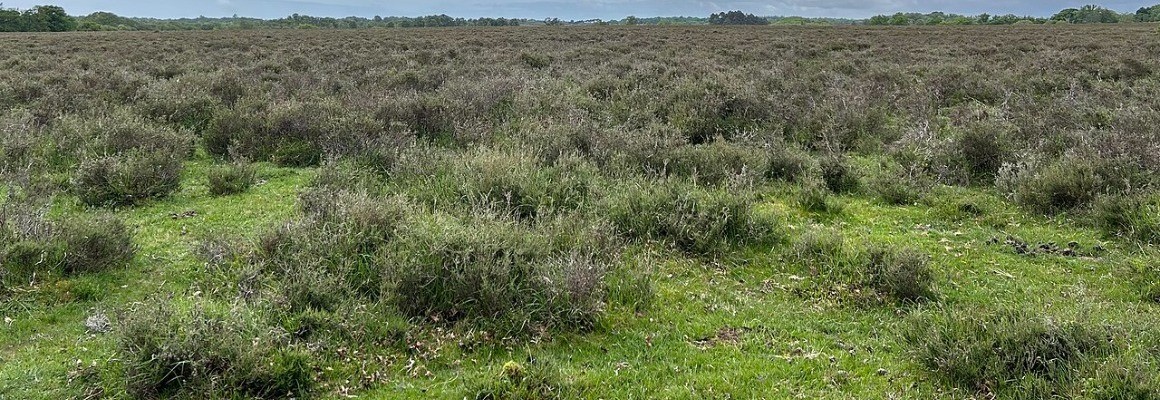
Spring and summer bring longer days and greener fields, while autumn and winter can offer misty views and low sunlight. The weather in southern England is changeable, so comfortable shoes and waterproof clothing are useful. Solstice dates are especially busy.
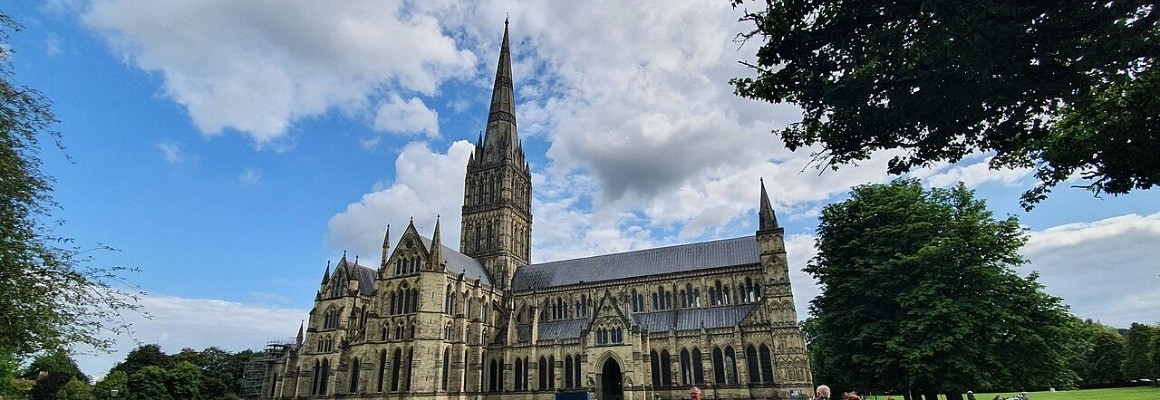
Allow several hours to see the stone circle, visit the exhibition and explore part of the surrounding landscape. Follow marked paths and do not touch or attempt to move the stones. If time permits, combine the visit with Salisbury and its medieval cathedral.
Why Stonehenge matters
Stonehenge brings together prehistoric engineering, archaeological questions, ancient legends and an expansive rural landscape. It demonstrates how communities without modern machinery could create monumental structures through planning and collective effort. Despite centuries of study, many details remain unresolved, making it one of Europe's most compelling archaeological sites.
Gallery