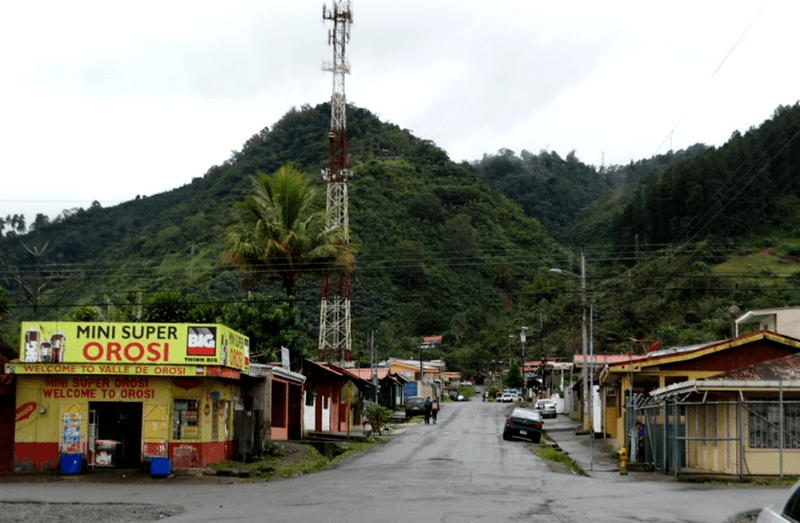
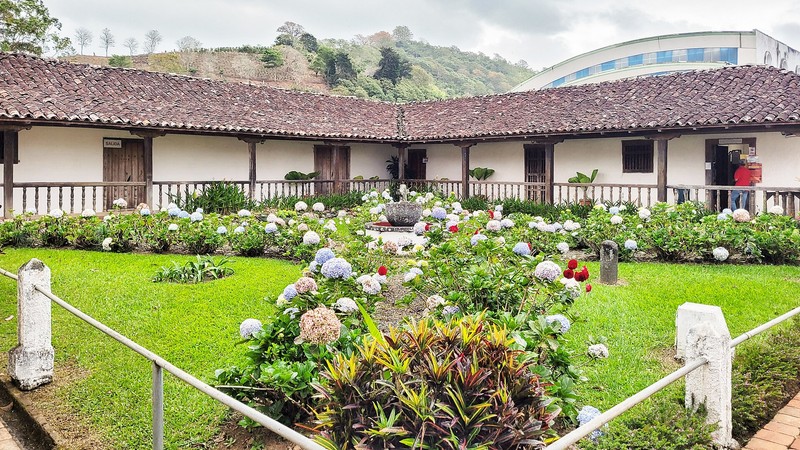
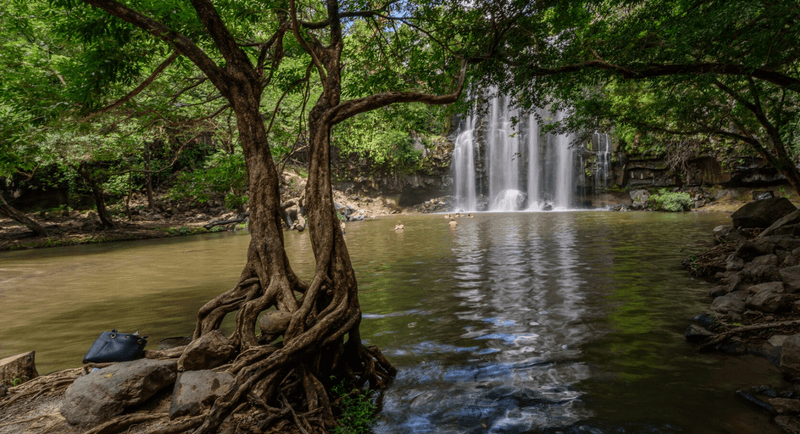
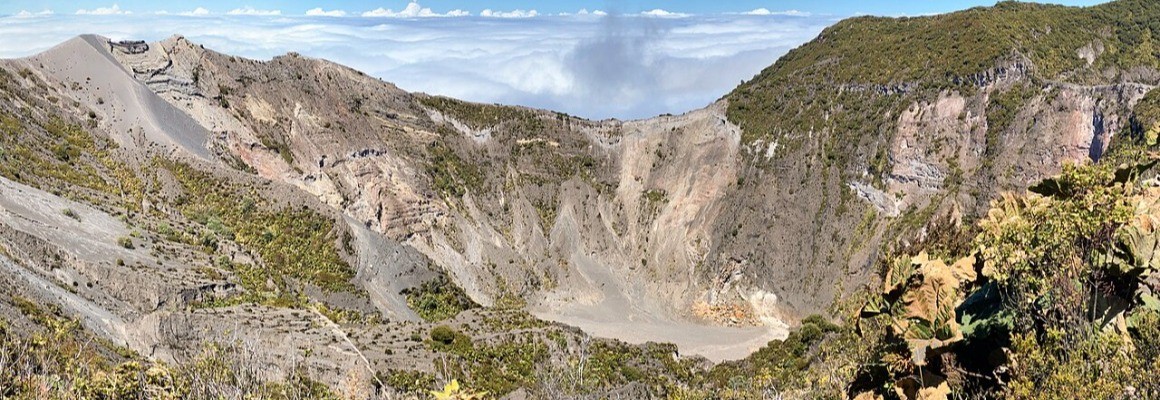
The Orosi Valley is a scenic region in Cartago Province, in the southeastern part of Costa Rica’s Central Valley. It is known for its green mountain slopes, coffee plantations, rivers, hot springs, and historic settlements. Rural landscapes meet tropical forests, old churches, and the Cachi Reservoir. The valley is ideal for a relaxed trip, nature walks, discovering coffee culture, and exploring the country’s colonial heritage.
Nature and Landscapes
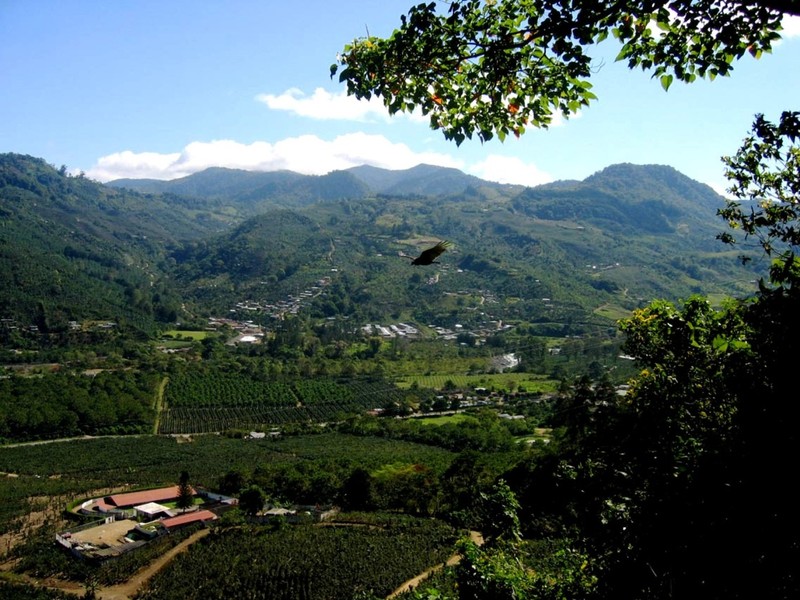
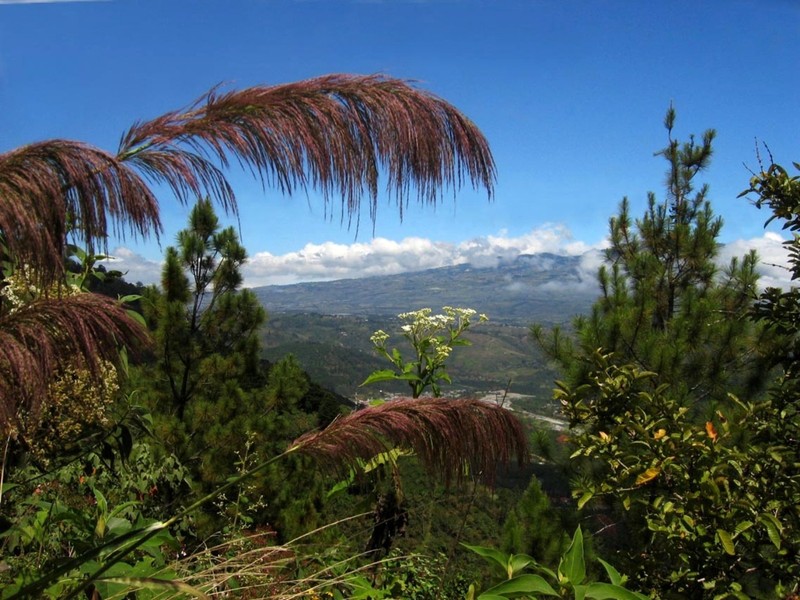
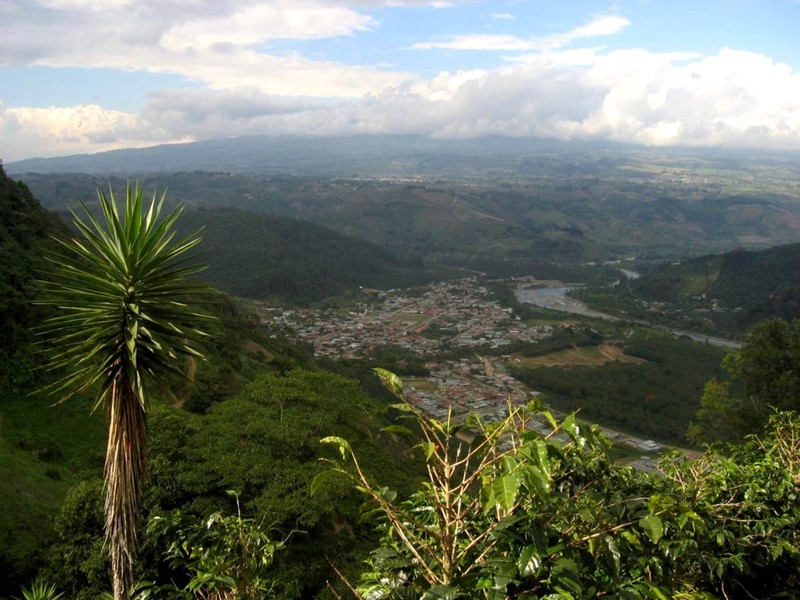
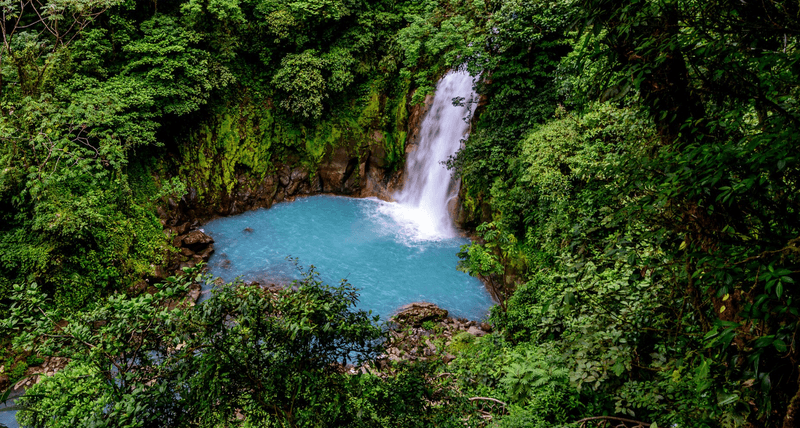
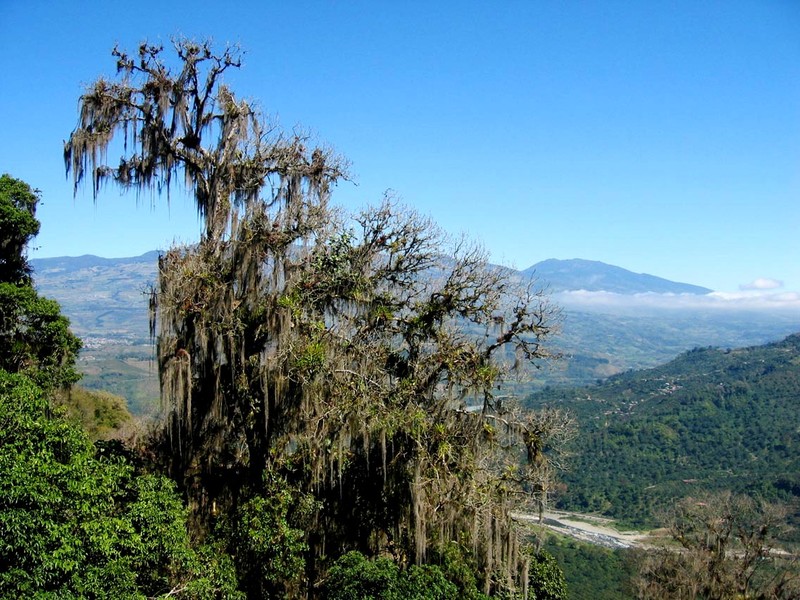
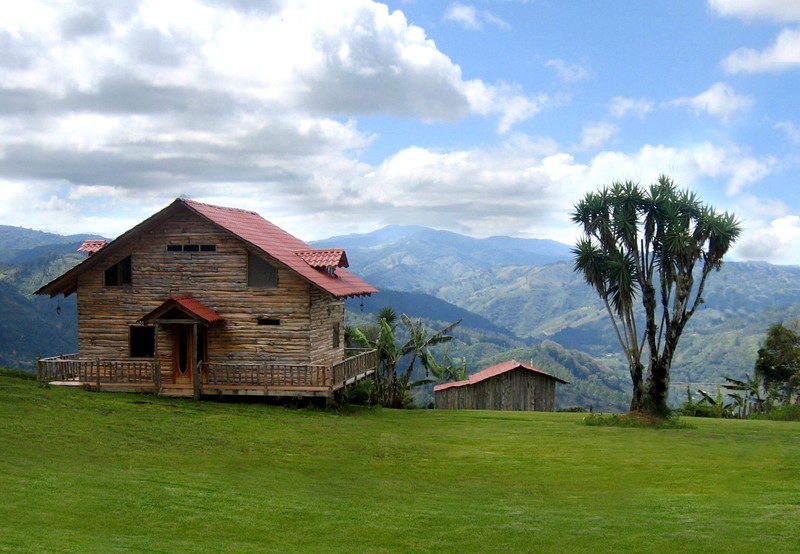
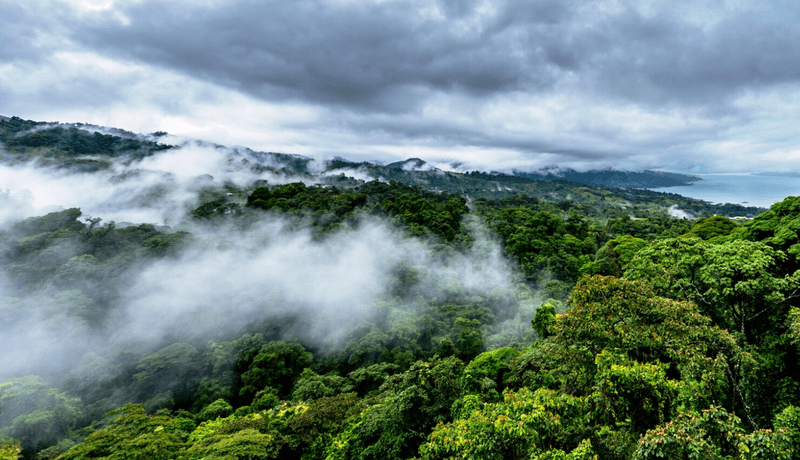
The valley lies among mountain ranges, and its landscape has been shaped by rivers, fertile volcanic soils, and abundant rainfall. Agricultural land, coffee plantations, and dense forest alternate along the slopes. With its combination of mountains, green valleys, and water, the region is considered one of the most picturesque parts of Costa Rica’s Central Valley.
One of the best places to enjoy the panorama is Mirador de Orosi. The lookout offers views of the valley, mountains, river, and surrounding farmland. It is a popular stop for photography and a short break during a road trip.
The Town of Orosi and Colonial History
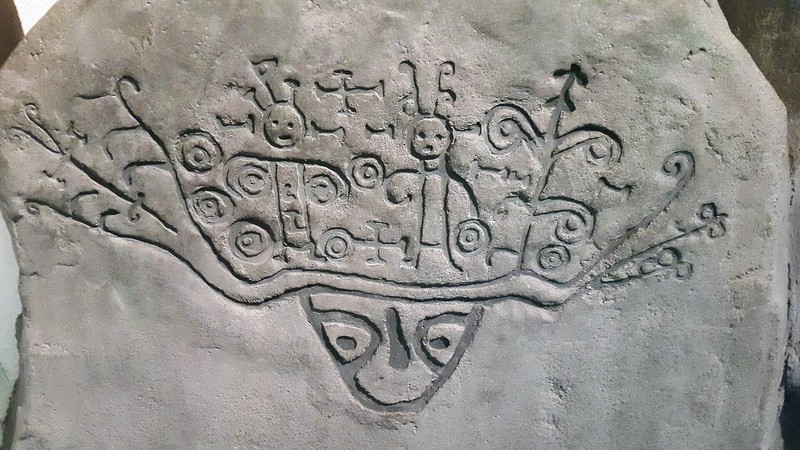
Orosi has a long history connected with the Indigenous peoples of the region and the Spanish conquest. Before the arrival of Europeans, the area was inhabited by the Huetar people. Later, fertile land and abundant water helped agriculture develop and encouraged the establishment of Spanish settlements.
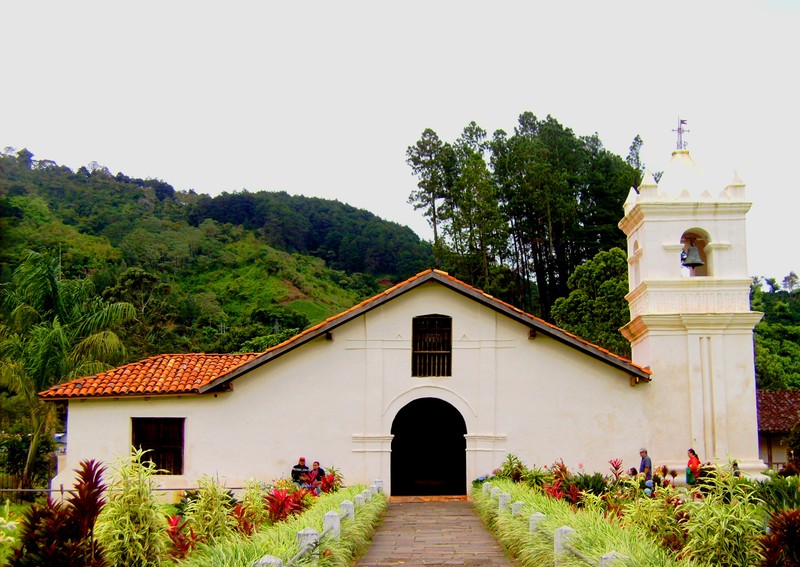
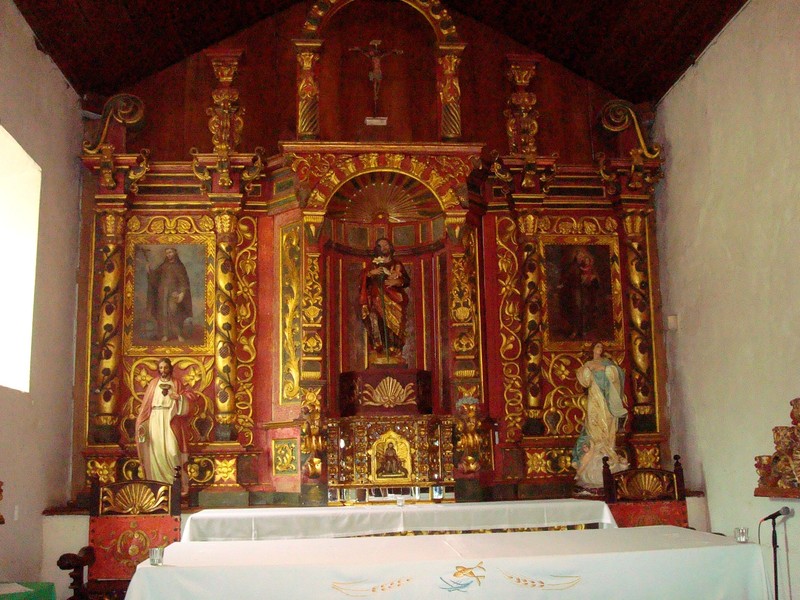
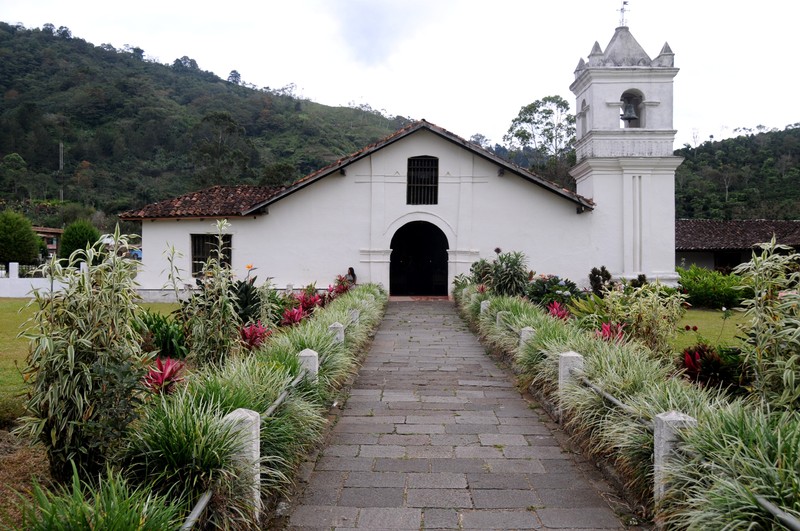
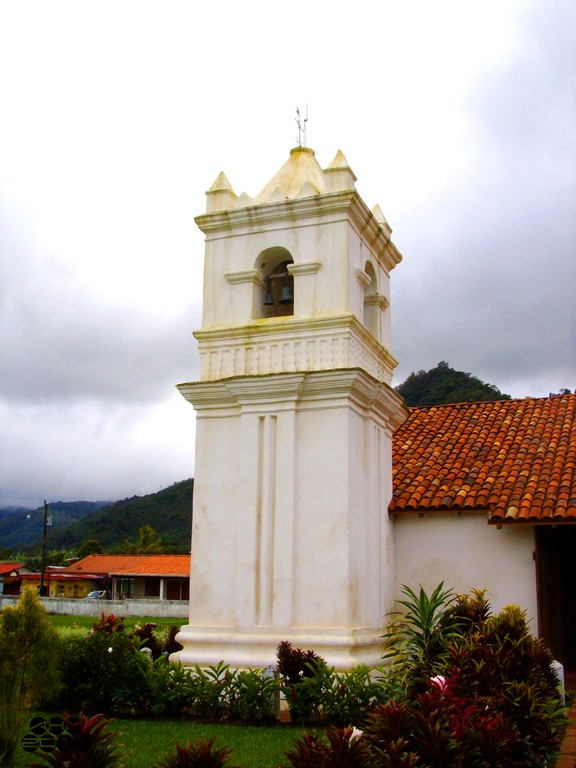
The town’s main historic landmark is the Church of Saint Joseph of Orosi, built by Franciscan missionaries in 1743. It is one of Costa Rica’s rare well-preserved colonial buildings and was declared a national monument in 1985. The adjoining Religious Art Museum displays objects connected with the history of the church and the Franciscan mission.
The Ruins of Ujarrás
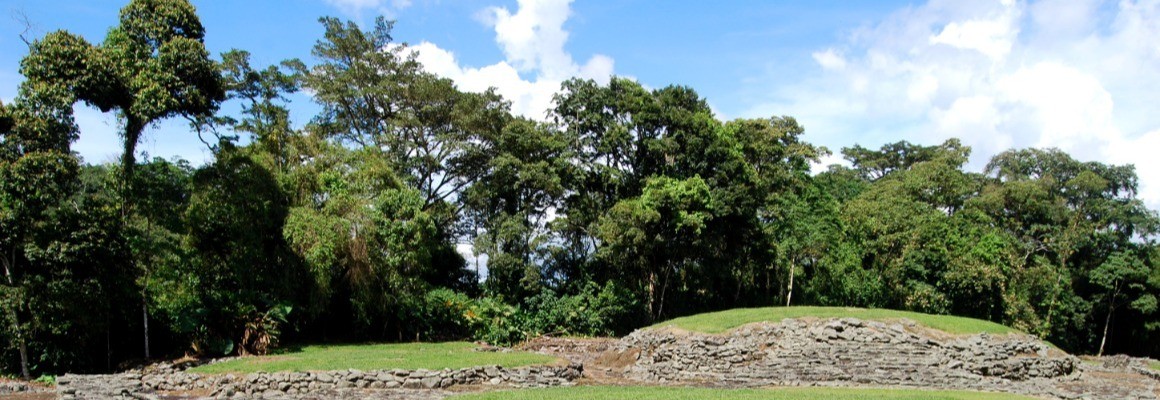
Near Orosi are the ruins of the Church of Ujarrás, an important historic landmark of the region. The stone walls of the old church recall the early period of Spanish presence in Costa Rica. Set in green rural surroundings, the ruins appeal to history enthusiasts and travelers seeking peaceful places away from major cities.
Coffee Plantations
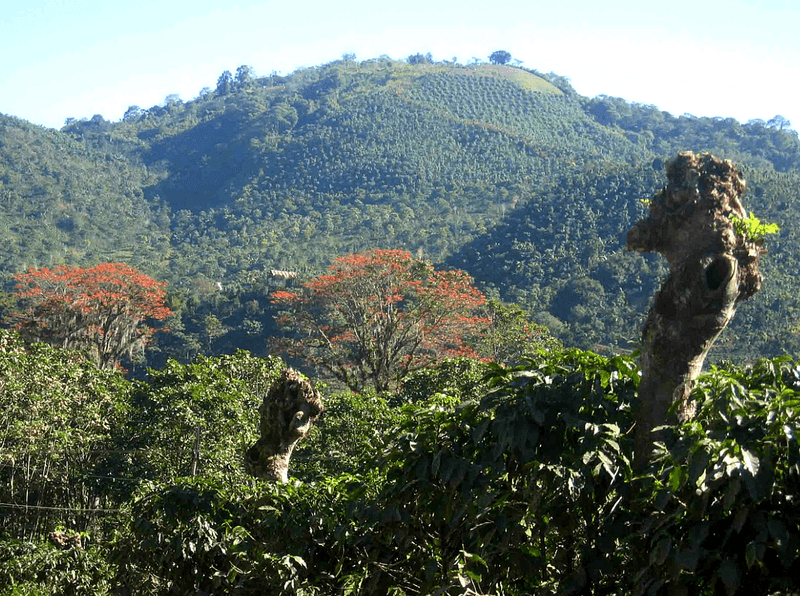
Orosi is one of Costa Rica’s traditional coffee-growing regions. Coffee is cultivated on fertile volcanic soils, including mountain slopes at elevations of approximately 1,000–1,400 meters. The mild climate and regular rainfall help produce aromatic beans with a balanced flavor.
At coffee farms, visitors can learn about the stages of production, from growing and harvesting coffee cherries to processing, roasting, and preparing the drink. These tours offer insight into the importance of coffee to Costa Rica’s rural economy and culture.
Lankester Botanical Garden
Lankester Botanical Garden is located near the town of Paraíso, close to the northern approach to the valley. It is known for its collection of orchids and other tropical plants. Created to preserve and study local flora, the garden now serves as a scientific and tourist attraction. Its paths offer an opportunity to discover Costa Rica’s botanical diversity and relax among well-maintained green spaces.
Tapantí National Park
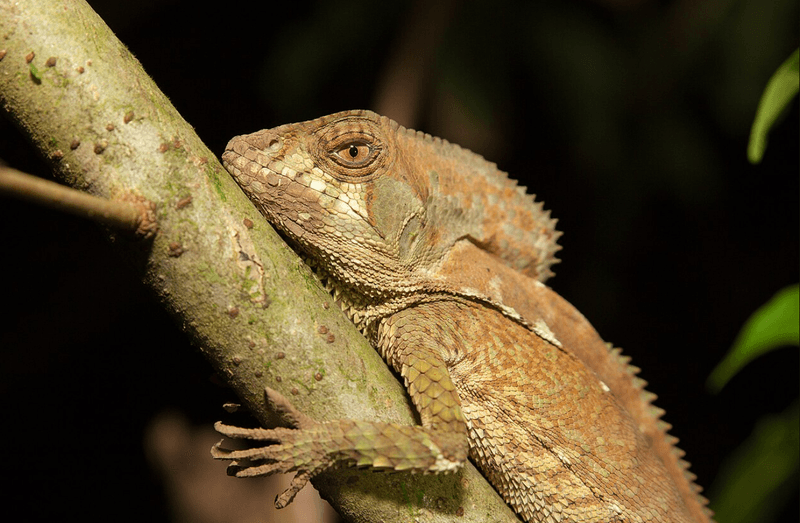
South of the valley lies Tapantí–Macizo de la Muerte National Park, which protects humid mountain forests and rich natural habitats. The park is home to numerous bird, plant, and animal species. It attracts hikers, birdwatchers, and visitors interested in tropical forests. Because the climate is wet, bring waterproof clothing and comfortable shoes.
Cachi Lake and Dam
The Cachi Reservoir lies in the valley’s surroundings and was created by a dam on the Reventazón River. The hydroelectric plant began operating in 1966 and became an important part of the country’s energy infrastructure. The lake, framed by green slopes, forms a striking landscape and is one of the region’s notable combinations of natural scenery and engineering.
Hot Springs
The valley and its surroundings have thermal complexes that use natural mineral water. Some offer several pools at different temperatures, walking trails, and mountain views. Soaking in warm water is often included in a relaxing itinerary after exploring the valley or hiking. Before visiting, check access conditions, prices, and opening hours for the chosen facility.
How to Get to Orosi Valley
The valley is approximately 35–40 kilometers from San José, depending on the destination. The usual route passes through Cartago and Paraíso before continuing to Orosi, Ujarrás, and Cachi Reservoir. The region can be reached by car or public transport. Bus travelers should check current timetables and possible transfers in advance.
Best Time to Visit
The region has distinct dry and rainy seasons. Drier weather usually lasts from December to April, while rainfall becomes frequent from May to November. The valley remains green throughout the year, but walks can be wetter and mountain roads slippery during the rainy season. Bring lightweight clothing, a rain jacket, insect repellent, and suitable walking shoes.
Orosi Valley is a rewarding destination for travelers who want to experience Costa Rica beyond its beach resorts. It combines colonial architecture, coffee farms, hot-spring relaxation, and walks through mountain forests.
Gallery