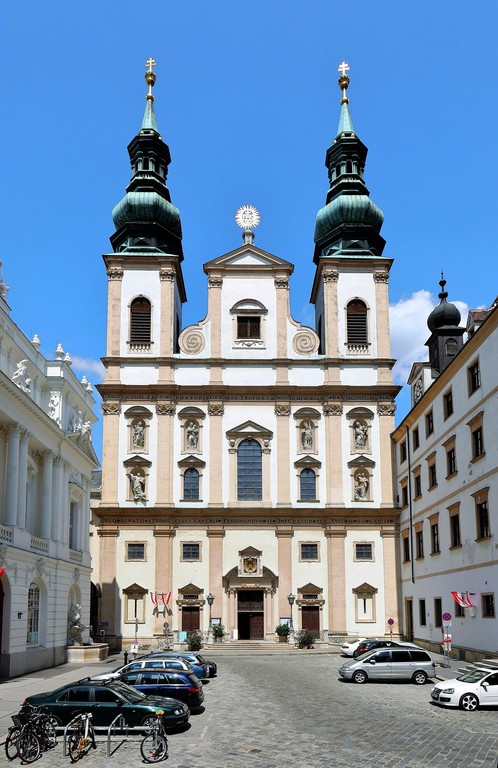
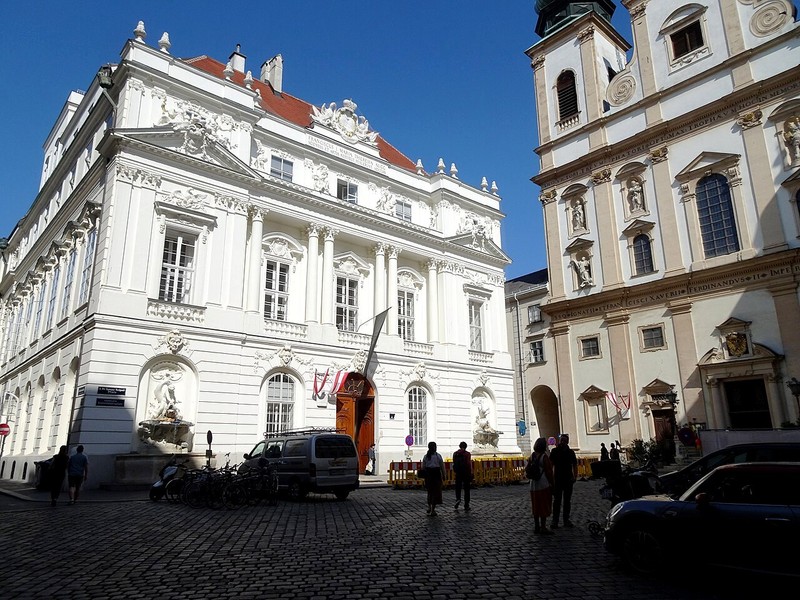
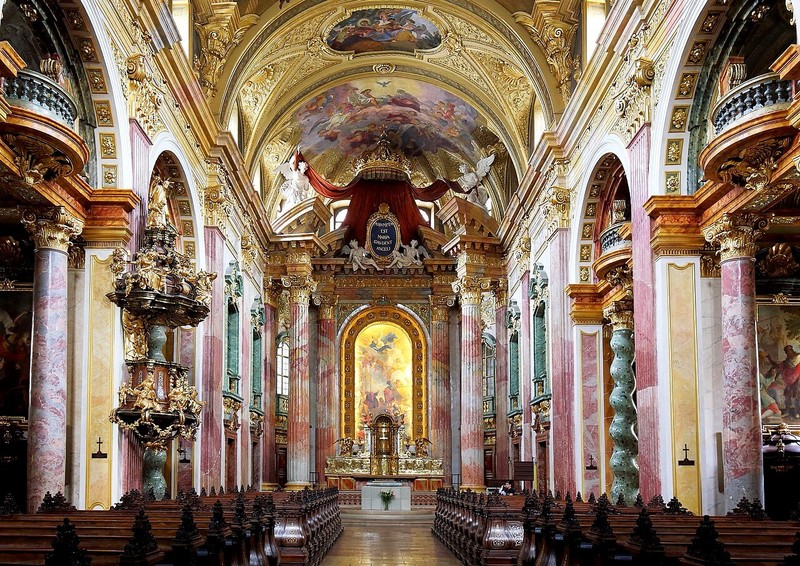
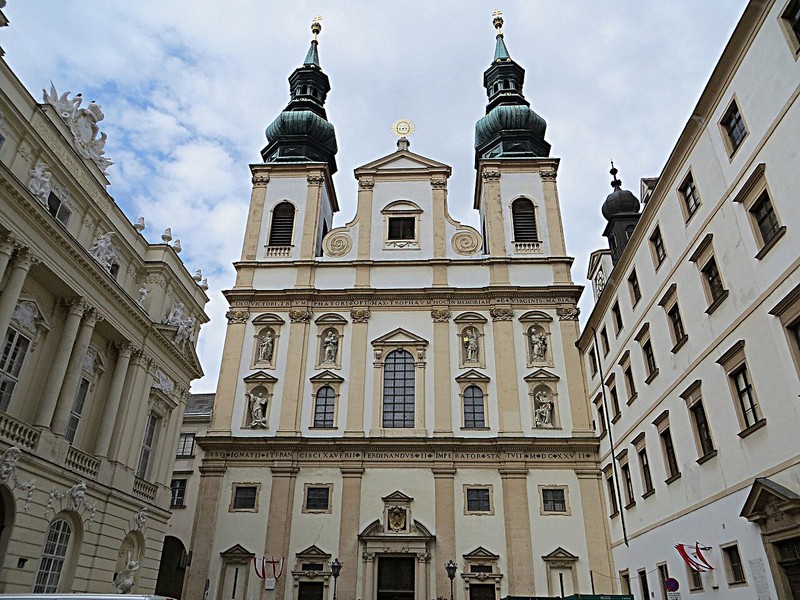
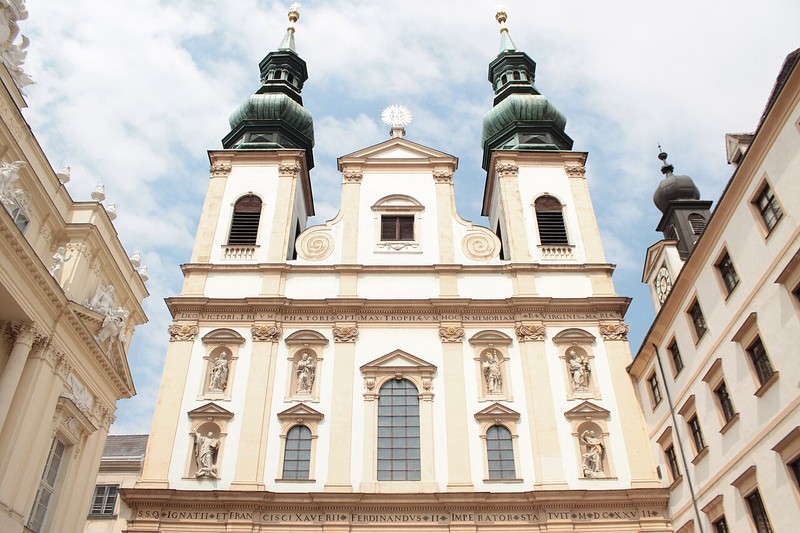
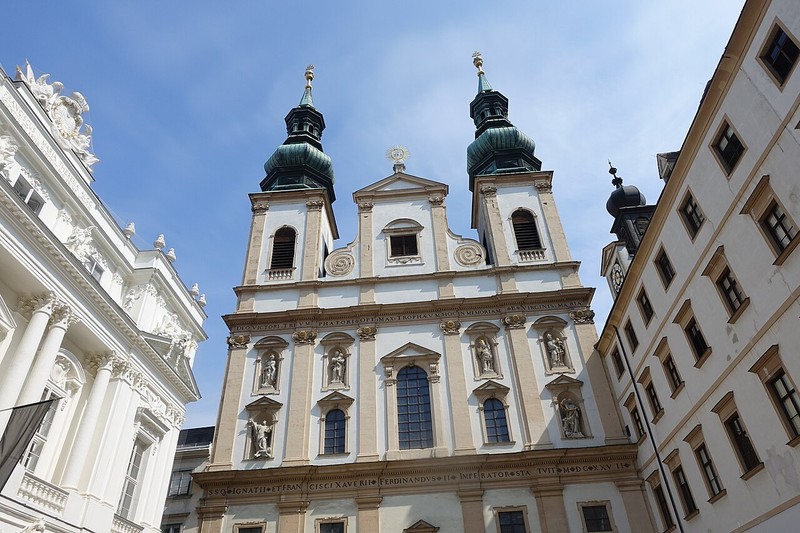
The Jesuit Church in Vienna, also known as the University Church, is a Catholic church in the historic centre of Austria’s capital. It stands on Dr. Ignaz Seipel Square, beside the buildings of the Old University. The exterior is relatively restrained, while the interior features lavish Baroque decoration, marble, gilding and ceiling frescoes that create optical illusions.
The church’s main artistic feature is the painting by Andrea Pozzo, which creates the impression of a dome and visually expands the space through perspective techniques. It is worth visiting for anyone interested in history, religious architecture and Baroque art. Admission is free, although sightseeing may be limited during services and special events.
History of the Jesuit Church
The church’s history is closely connected with the Jesuit order and the University of Vienna. In 1623, the Jesuits took on an important role in teaching humanities, philosophy and theology at the university. As the university complex was reorganised, a church was planned on the site of an earlier chapel.
Construction continued through the 1620s, and the church was consecrated in 1631. It was initially dedicated to the Jesuit order’s founders, Ignatius of Loyola and Francis Xavier. For around 250 years, it served as the university church and remained closely connected with Vienna’s academic life.
Andrea Pozzo’s redesign
At the beginning of the 18th century, Emperor Leopold I invited the Jesuit Andrea Pozzo to Vienna. Pozzo was a renowned architect, painter and master of illusionistic perspective. Between 1703 and 1705, he transformed the church’s interior, giving it its distinctive High Baroque appearance. He used architectural forms, painting and perspective to make the real space seem much larger.
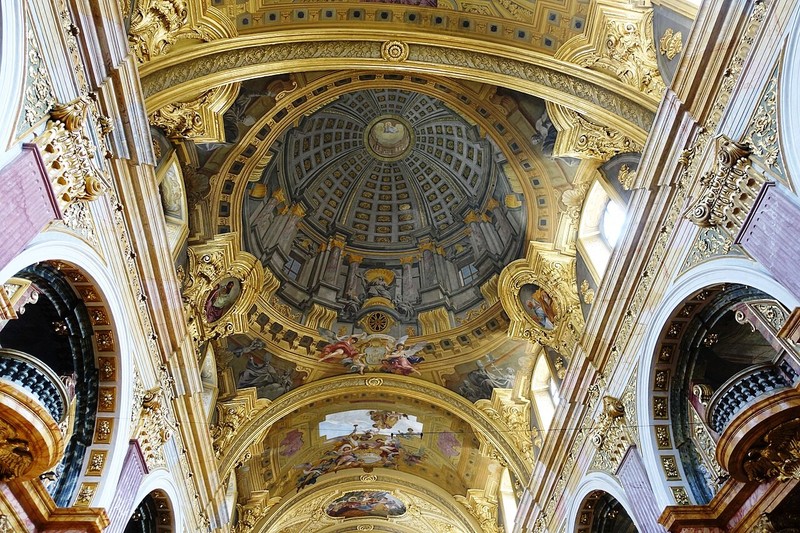
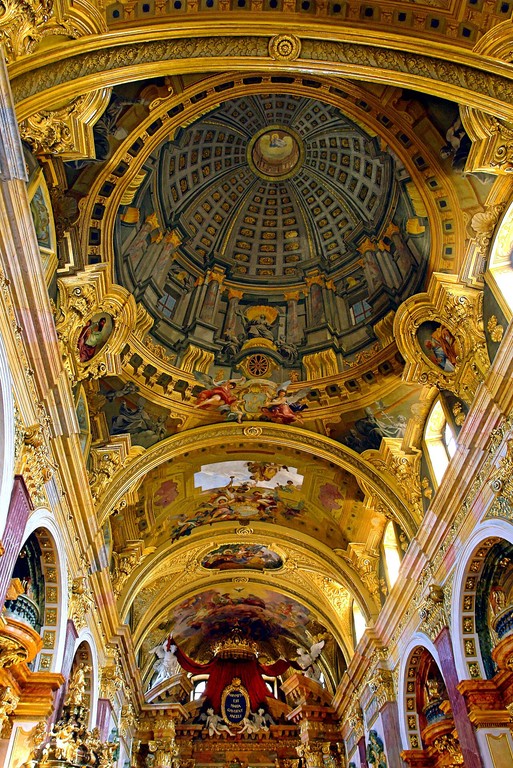
The ceiling frescoes create the illusion of a dome and architectural structures that appear to continue the actual walls and vaults. This technique is known as trompe-l’œil: painted imagery that makes a flat surface appear three-dimensional. Pozzo’s work became the church’s principal artistic feature and a notable example of Baroque illusionistic painting in Vienna.
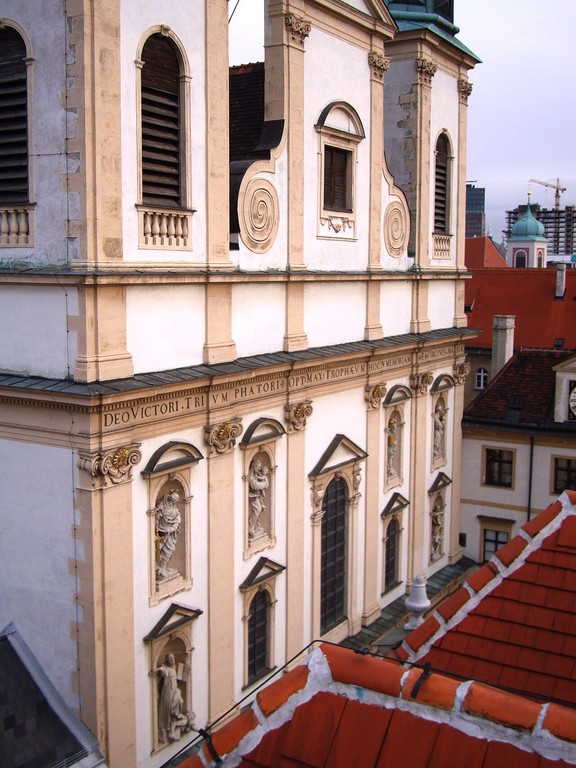
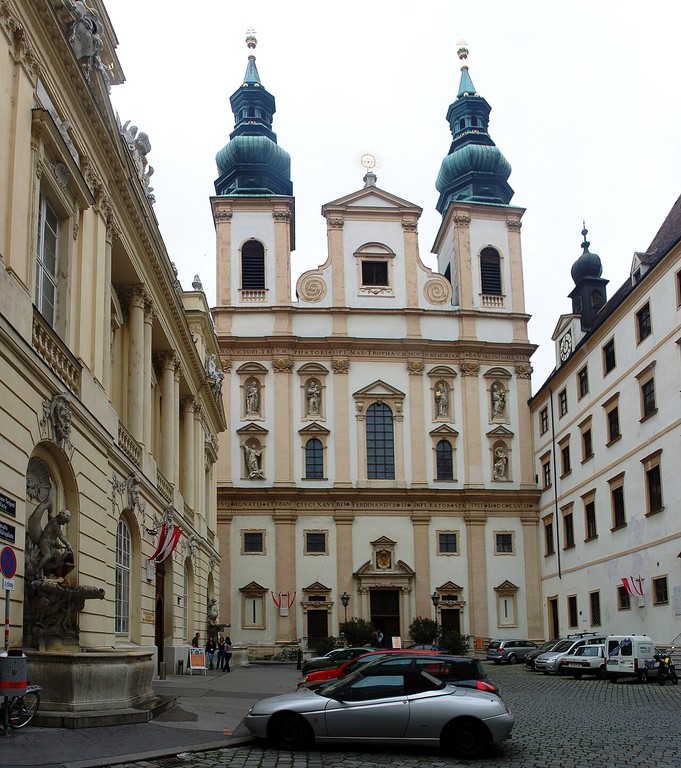
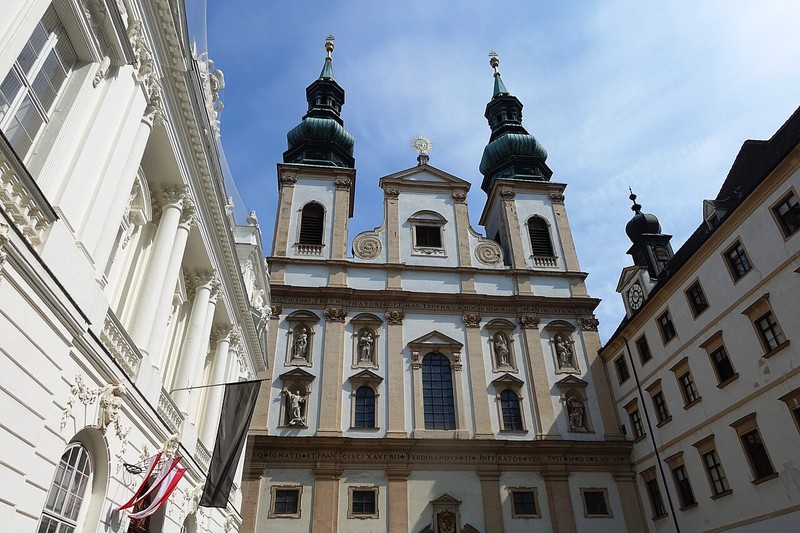
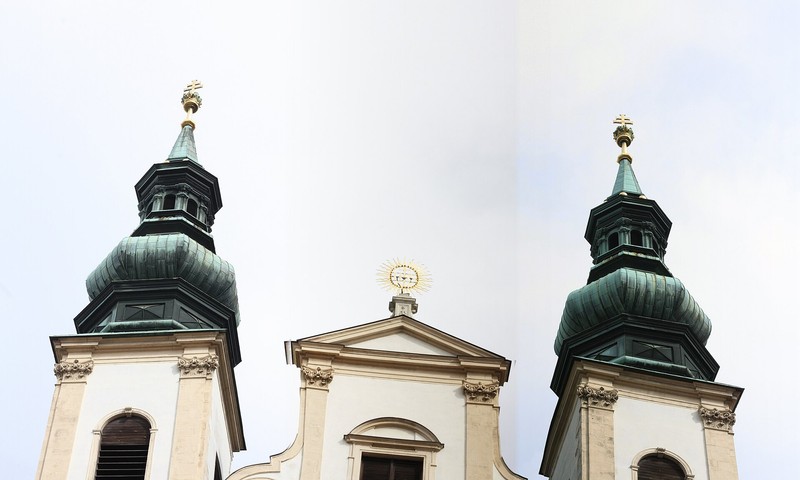
The building’s exterior also changed during the redesign. Towers were added, and the façade acquired more expressive Baroque features. After the transformation, the church was dedicated to the Assumption of the Virgin Mary. The building later underwent several restoration campaigns, including extensive work in the late 19th and late 20th centuries.
Architecture and exterior
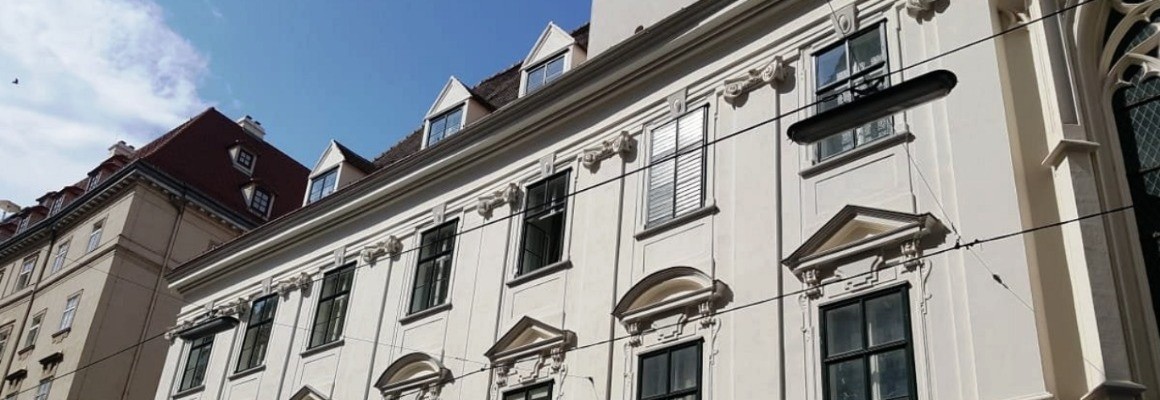
The Jesuit Church combines a relatively restrained exterior with a richly decorated interior. Its symmetrical façade and vertical elements emphasise the building’s height, while the towers distinguish it from the surrounding historic streetscape. The exterior is less ornate than the interior, making the contrast especially striking when visitors enter.
The church’s architectural appearance developed in several stages. The original 17th-century building was transformed in the early 18th century under Andrea Pozzo’s direction. The result is a distinctive example of Viennese Baroque, in which architecture, sculpture and painting work together as a unified artistic composition.
Interior and illusionistic frescoes
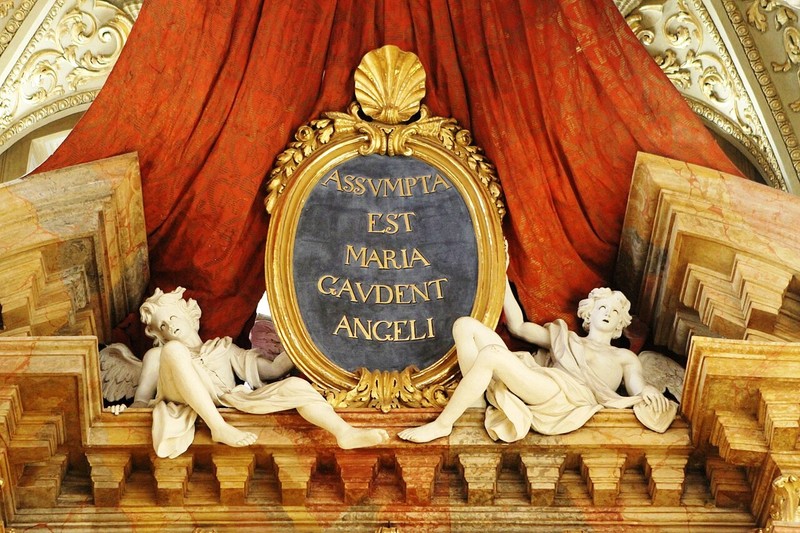
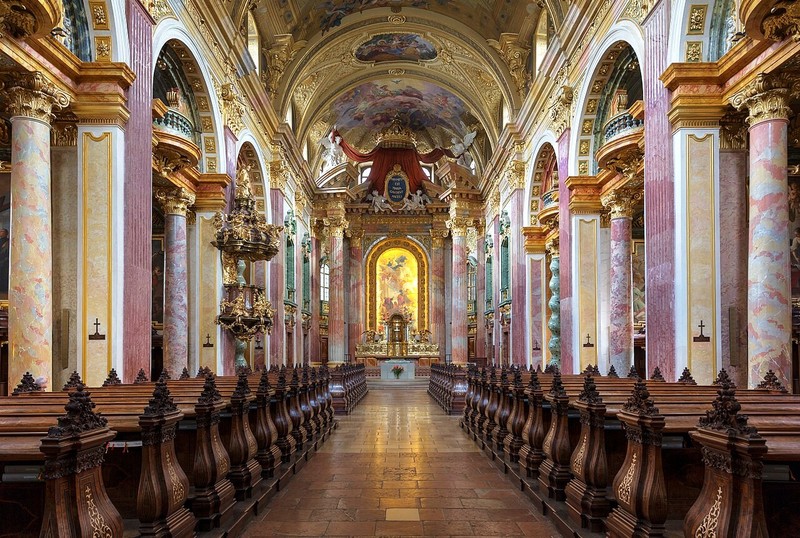
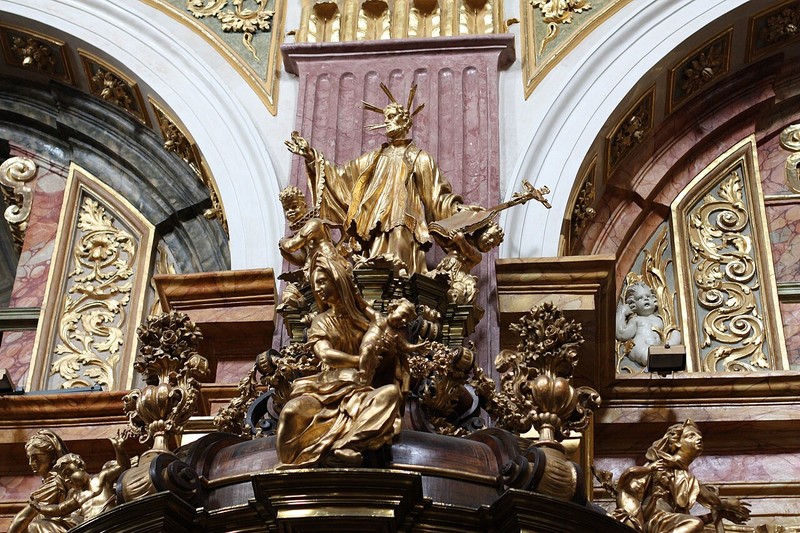
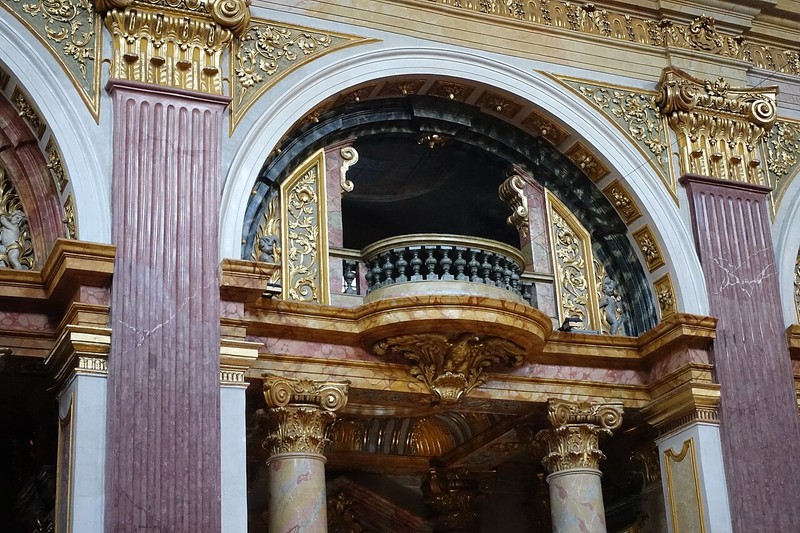
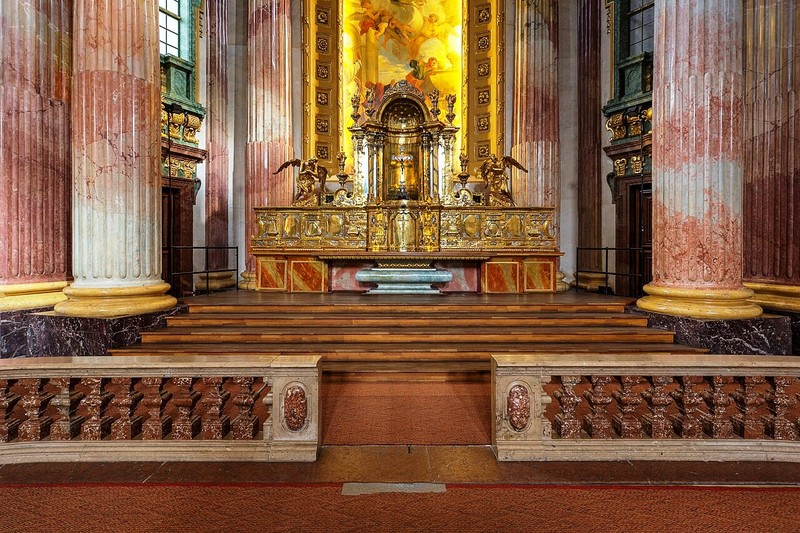
The interior is decorated with marble, gilding, sculptural details and frescoes. The ceiling paintings are particularly impressive: painted architectural elements seem to extend the real walls and vaults, while an illusory dome makes the ceiling appear higher. The effect changes with perspective and the visitor’s viewing position.
This technique requires careful calculations of perspective and light. Andrea Pozzo used painting not simply as decoration but as a way to transform how the space is perceived. As a result, the relatively compact interior seems taller and deeper, giving visitors the impression of standing inside a monumental architectural composition.
Look closely at the altar area, marble details and decorative elements. The organ is positioned above the entrance, behind the main seating area, rather than above the altar. Beneath the church is a crypt connected with the history of the Jesuit community; Andrea Pozzo is buried there as well.
The Jesuit Church today
The church remains an active Catholic place of worship. Masses, prayers and other religious services are held here. The building is also used for musical events, including choir performances and sacred and classical music concerts. Check the official website for the current schedule of services and events before visiting.
The church welcomes visitors of different faiths, and admission is free. As it remains an active religious space, visitors should keep quiet, respect worshippers and avoid disrupting services. Access for sightseeing may be restricted during religious ceremonies.
Location of the Jesuit Church
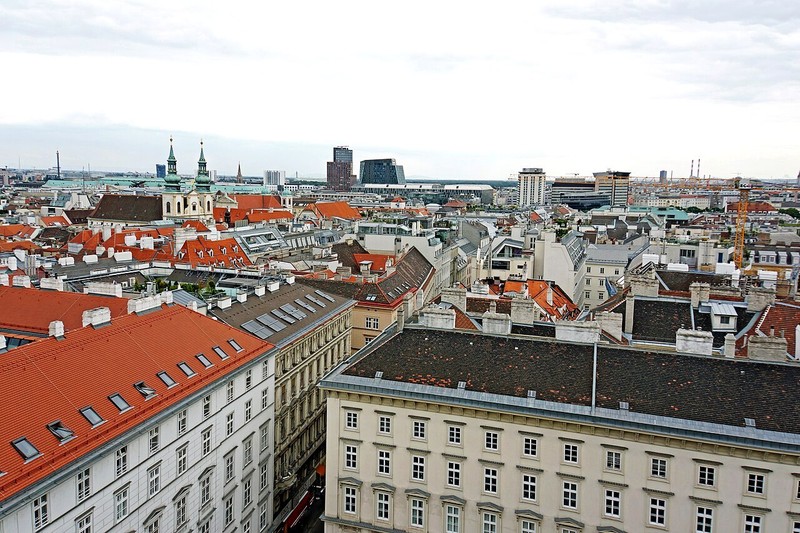
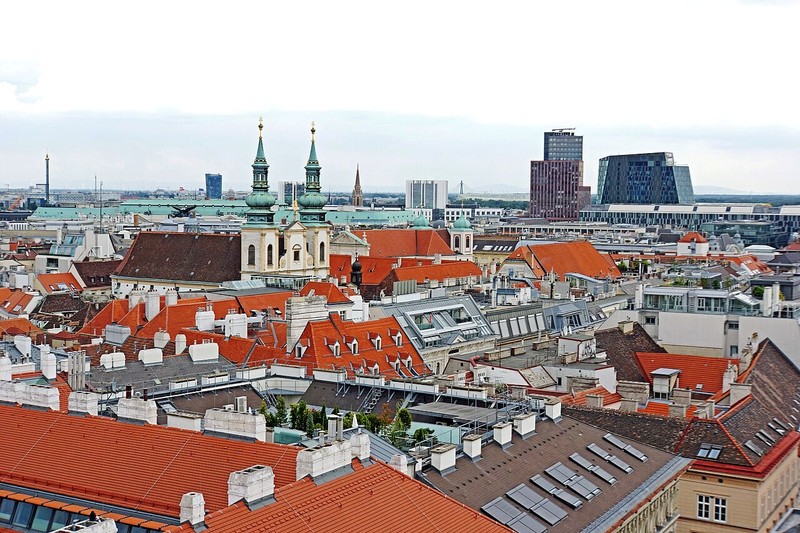
Address: Dr.-Ignaz-Seipel-Platz 1, 1010 Vienna, Austria. The church is in the Innere Stadt, near the historic buildings of Vienna’s Old University. Its central location makes it easy to include in a walking tour of the historic centre.
How to get there
The church is within walking distance of central Vienna. Convenient nearby underground stations include Stephansplatz, served by lines U1 and U3, and Stubentor on line U3. From either station, walk through the historic centre to reach the church. Check current public transport routes and service changes before travelling.
Opening hours
According to the church’s official website, it is open daily from 8 am to 9 pm, with free admission. Access to particular parts of the interior may depend on services and events. Check the official website for the latest information before your visit.
Why visit the Jesuit Church
The Jesuit Church is one of the notable architectural sights in Vienna’s historic centre. Its importance lies not only in its history but also in Andrea Pozzo’s remarkable paintings, which create the illusion of additional space. Here, Baroque art brings architecture, sculpture and perspective painting together in a memorable artistic ensemble.
Gallery