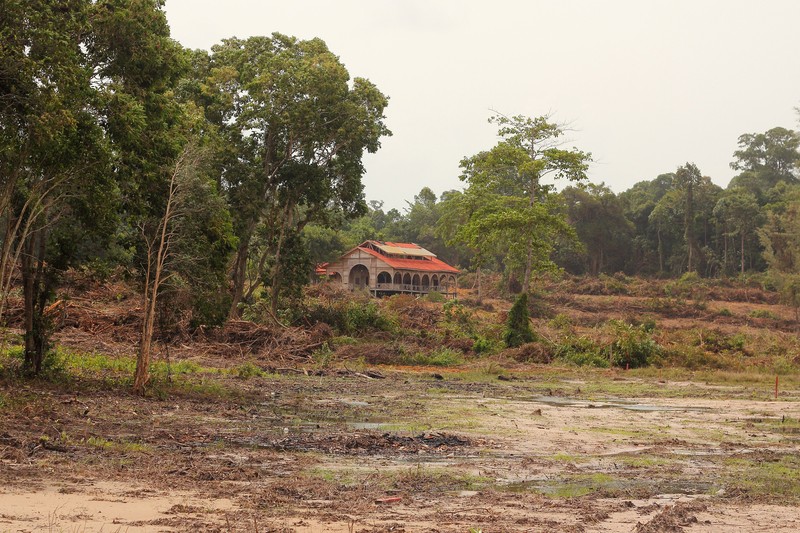
Ream National Park is a protected natural area in southwestern Cambodia, on the coast of the Gulf of Thailand near Sihanoukville. It is known for its combination of tropical forests, mangroves, river estuaries, sandy beaches, islands and marine ecosystems. The park is an appealing destination for birdwatching, boat trips and discovering Cambodia’s coastal nature away from busy urban beaches.
Location and History
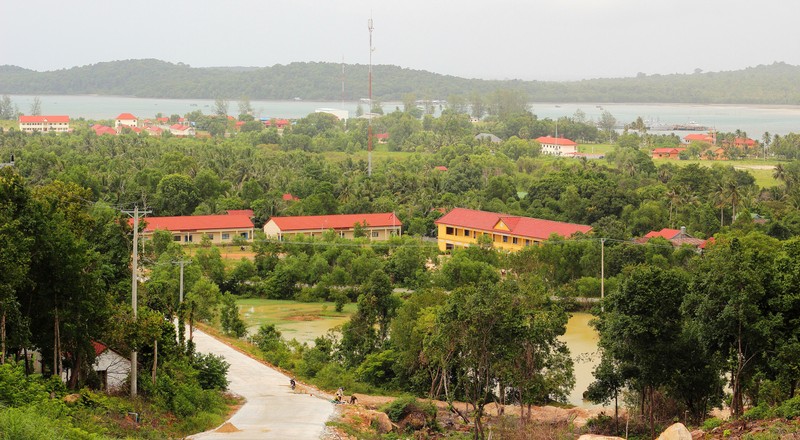
Ream lies in Preah Sihanouk Province, about 18 kilometres east of Sihanoukville. It can be reached via National Road 4 and local access roads. The park was established in 1993. Sources commonly give its area as approximately 210 square kilometres, including terrestrial and marine habitats. Its conservation value comes from its varied landscapes and the close connection between forests, wetlands and the sea.
Mangrove Forests and the Prek Toeuk Sap River
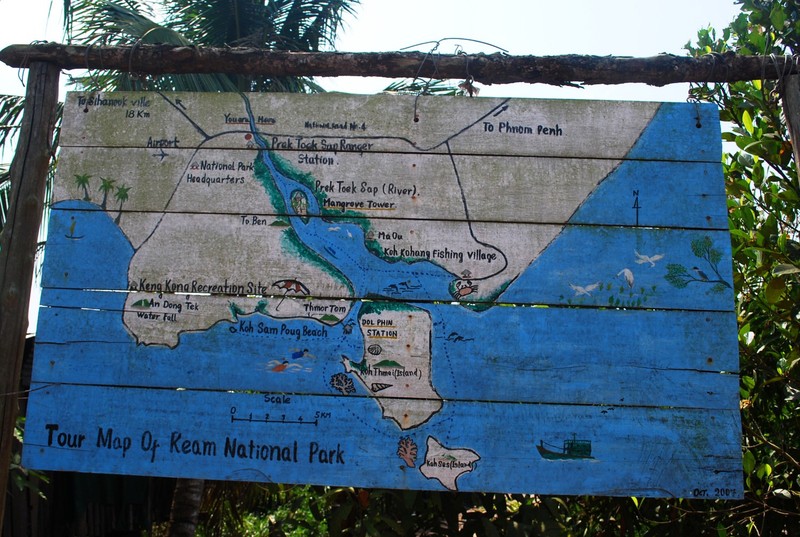
One of the park’s defining features is the mangrove forest around the Prek Toeuk Sap River and its estuary. Mangroves grow in tidal zones where fresh and seawater mix and water levels change throughout the day. Their tangled roots trap sediment, help protect shorelines from erosion and provide shelter for fish, crabs, molluscs and other organisms.
Boat trips along the channels offer views of mangrove vegetation from the water, opportunities to watch birds and glimpses of coastal communities. Access to some areas depends on tides and weather. Visitors should avoid damaging roots and must not leave rubbish behind.
Tropical Forests and Hills
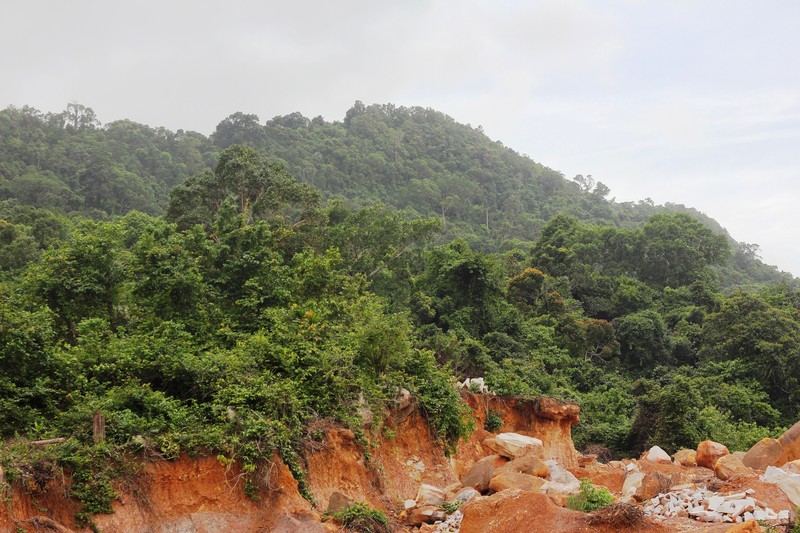
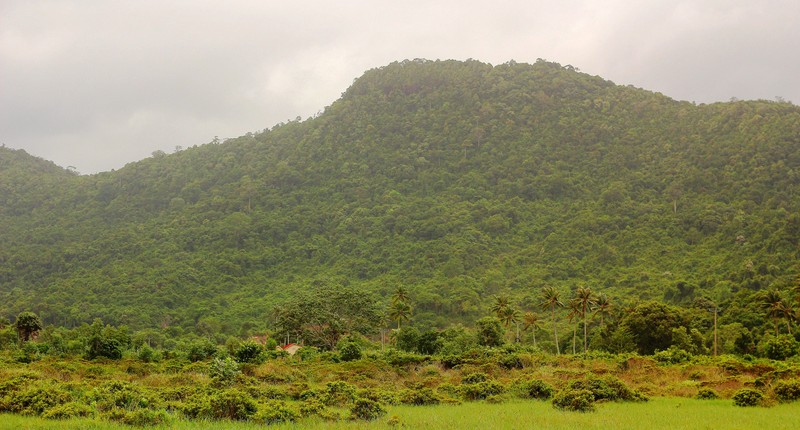
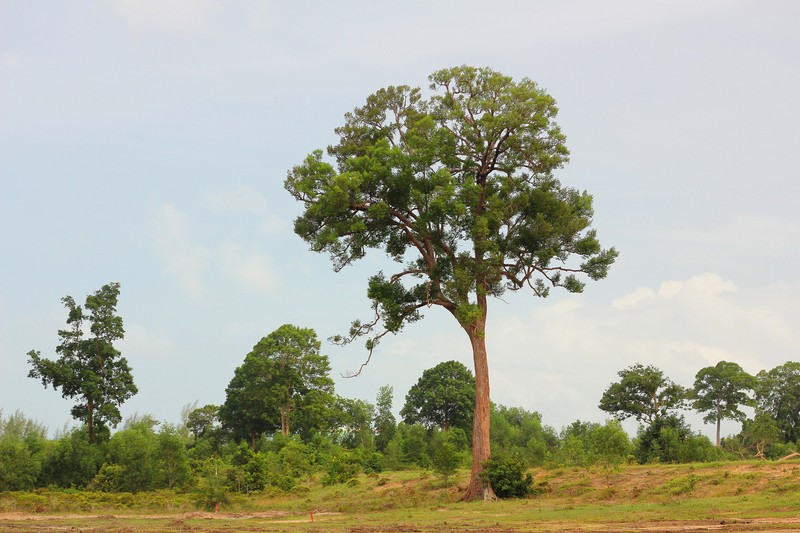
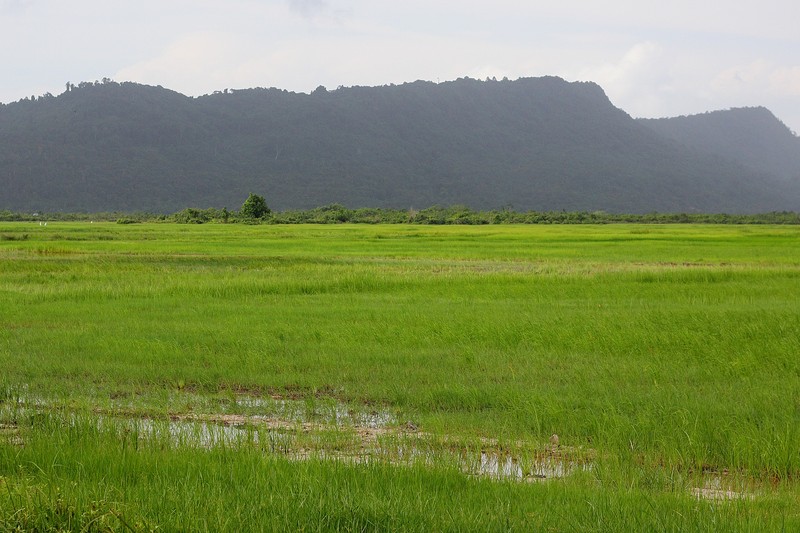
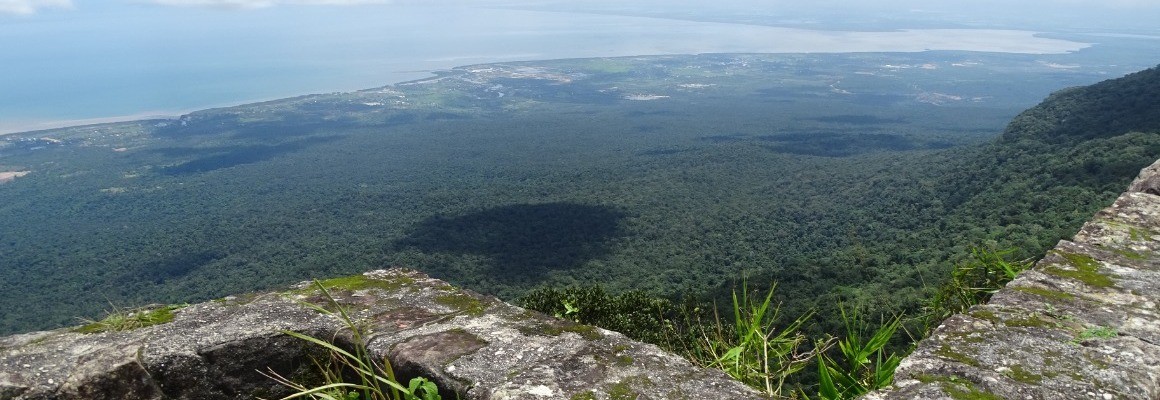
The park’s interior includes lowland evergreen forest, dense tropical vegetation and low hills. Palms, vines, shrubs and a variety of trees grow in these areas. Compared with the open coast, the forest is usually shadier and more humid, and the vegetation becomes especially lush after rain.
Walking through forest areas reveals landscapes quite different from Cambodia’s familiar beaches. Some paths are indistinct, so hiring a local guide is advisable when exploring less familiar areas. Visitors should be prepared for heat, humidity, muddy ground after rain and insects.
Beaches in the National Park
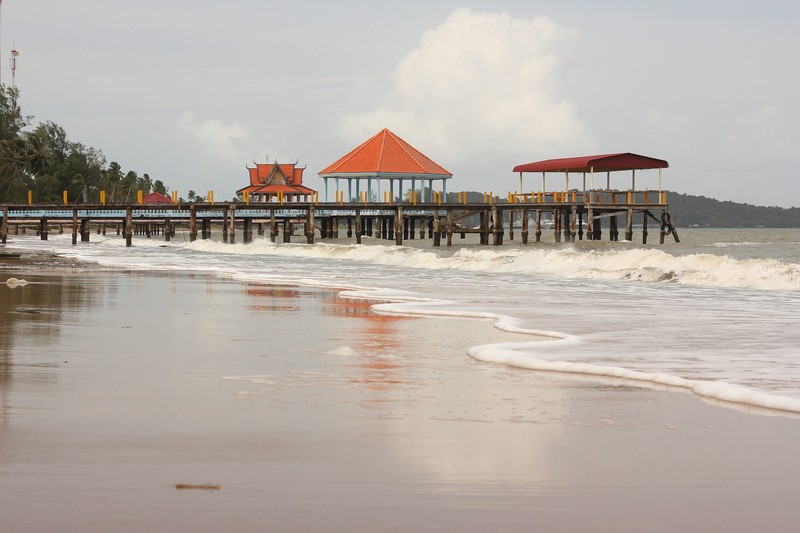
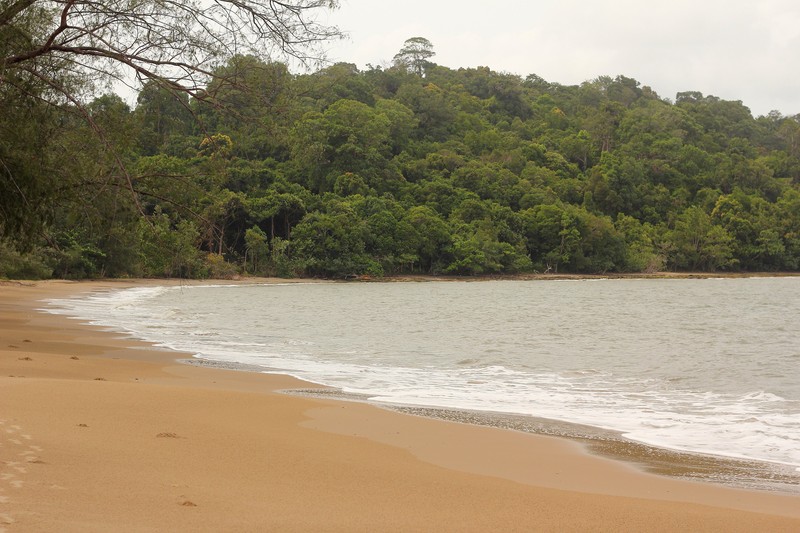
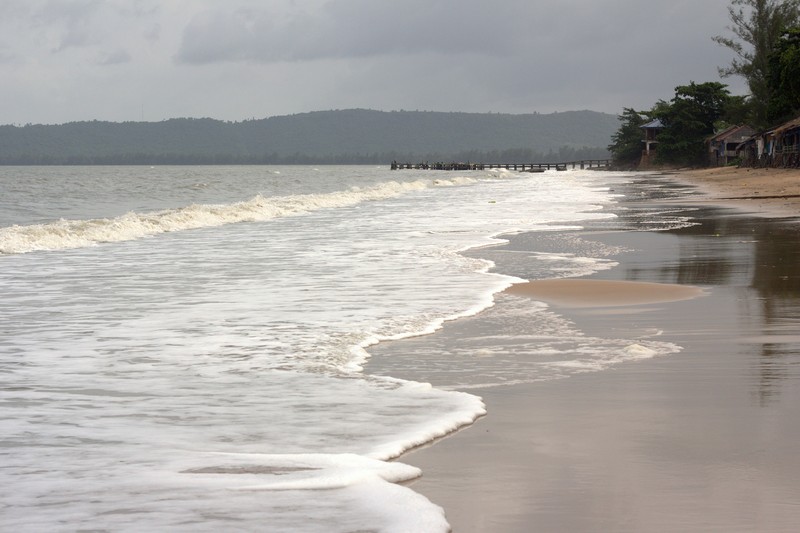
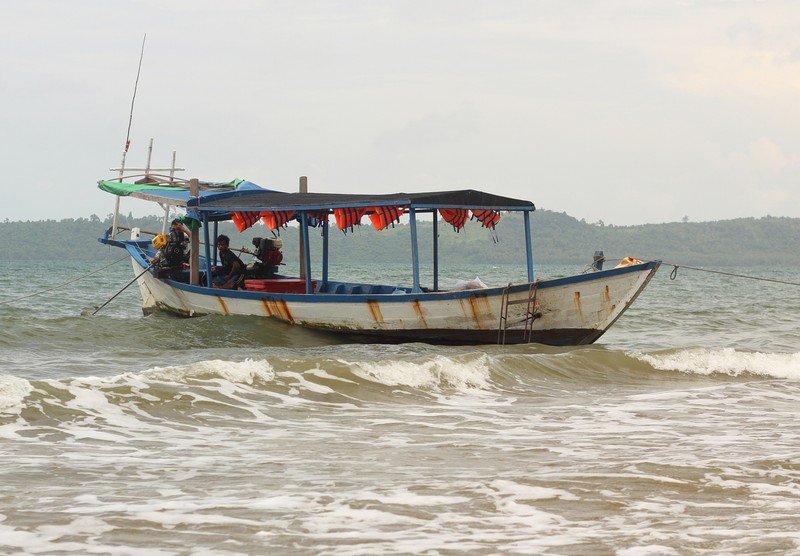
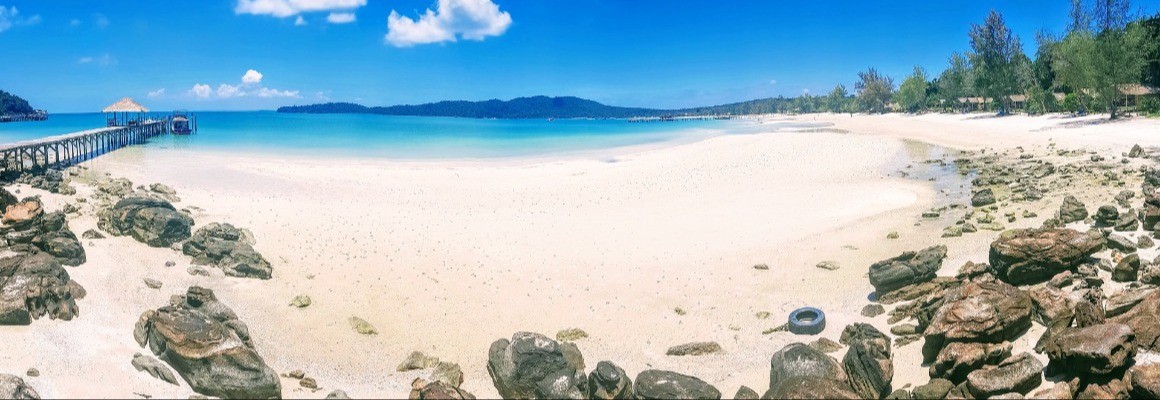
Ream’s coastline includes sandy beaches, stretches bordered by vegetation and relatively secluded places to relax away from large resorts. Ream Beach is one of the better-known coastal areas. Its natural setting combines the sea and sand with mangrove habitat behind the shoreline. Fishing boats and scenes from local life can be seen in some places.
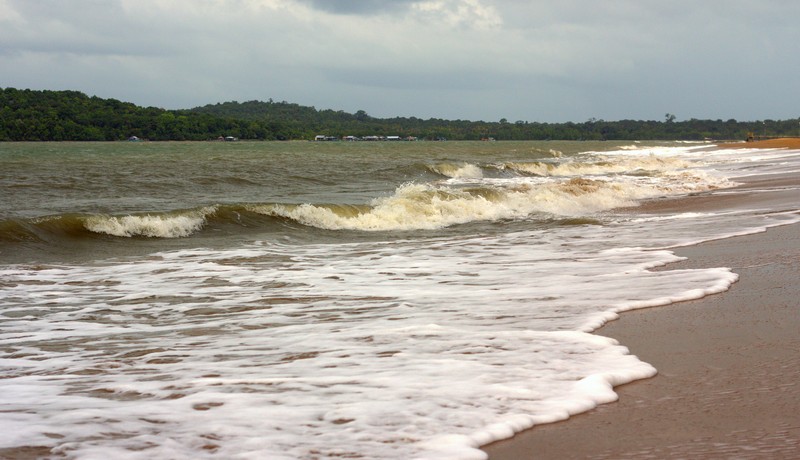
Facilities vary along the coast. Some beaches have small vendors or places to eat, while others remain quiet and minimally developed. Before swimming, check the sea conditions, tides and local warnings. Do not assume that every beach has lifeguards, showers or shops.
Koh Thmei and Koh Seh Islands
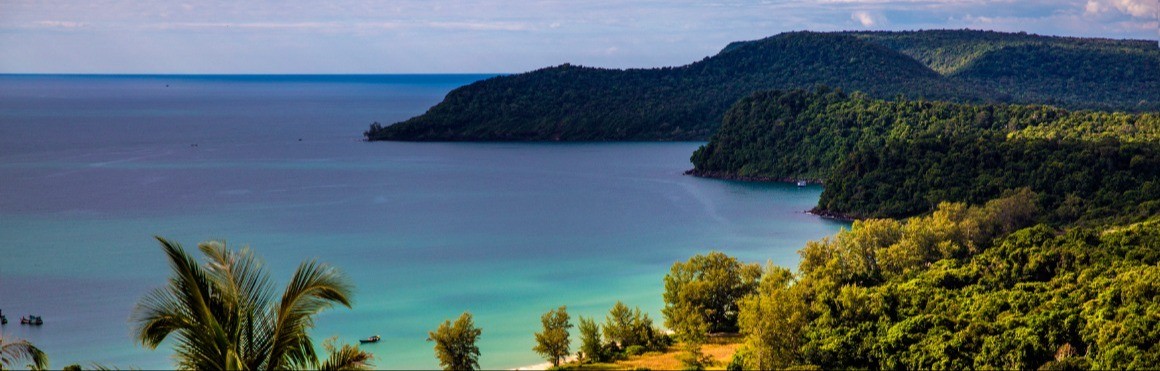
The protected area includes the coastal islands of Koh Thmei and Koh Seh. They add to the park’s ecological variety with forest vegetation, beaches, rocky shores and marine habitats. The islands appeal to visitors interested in coastal ecosystems and less developed stretches of Cambodia’s shoreline.
Koh Thmei is known for its quiet natural setting and coastal scenery. Facilities are limited in some areas, so trips should be planned in advance, with local checks on landing arrangements, sea conditions and boat transport. Not every location is accessible for unrestricted visits at all times.
Birds and Wildlife
The combination of forests, mangroves, wetlands and coastline supports a variety of wildlife. Ream is particularly interesting for birdwatching. Herons, kingfishers and other birds associated with water and forest habitats may be seen in coastal and wetland areas. Crabs, fish and other small animals inhabit the muddy flats and mangrove channels.
Various mammals and reptiles live in denser forest areas, although wildlife sightings are never guaranteed. Many species avoid people and are more active at particular times of day. Observe wildlife quietly, keep your distance and do not feed animals. The park is important not only for visitors but also for conserving Cambodia’s natural diversity.
Marine Ecosystems and Conservation
The coastal part of the park includes marine habitats, seagrass beds and areas of coral communities. These ecosystems are interconnected: mangroves provide shelter for young fish and invertebrates, while coastal waters support many marine organisms. Their health matters for fisheries and the stability of the shoreline.
Ream is also affected by human activity. Infrastructure development, changes in land use, fishing and the conversion of mangrove areas can place pressure on natural habitats. The park should not be viewed as completely untouched wilderness, as the condition of landscapes varies. Responsible visits can help reduce additional pressure on the environment.
Things to Do in Ream National Park
A popular activity is a boat trip through mangrove channels and the river estuary. It offers a close look at coastal vegetation, opportunities for birdwatching and views of local settlements from the water. Another option is a guided walk through forest areas, where a local guide can explain the region’s plants and wildlife.
Along the coast, visitors can relax on the beach, photograph natural scenery and watch fishing boats. A pair of binoculars is useful for birdwatching. Available activities depend on weather, season, road conditions and the excursions operating on the day.
Best Time to Visit
The dry season, usually from around November to April, is commonly preferred for coastal trips and boat excursions. Rainfall is generally less frequent during this period. In the rainy season, the vegetation becomes especially lush, but heavy showers may complicate walks, while wind and waves can affect boat trips.
Early morning and late afternoon are often good times for birdwatching, when the heat is less intense. Before travelling to the islands or through mangrove channels, check the weather forecast and tide information.
How to Get to Ream National Park
The most convenient base is Sihanoukville, about 18 kilometres from the park. Visitors can travel by taxi, tuk-tuk or hired vehicle. National Road 4 also connects the region with Phnom Penh. The distance to a particular beach, boat landing or trailhead depends on the chosen access point.
For mangrove boat trips or visits to the islands, arrange transport and boat services in advance. Those planning independent forest walks should check which routes are accessible and whether a guide is needed. A day trip can usually combine a boat excursion with time on the coast.
Travel Tips
Bring drinking water, sunscreen, a hat, insect repellent and comfortable shoes. A waterproof phone or camera case is useful on boat trips. Facilities may be basic, and the availability of cafés, toilets and other services depends on the location.
Do not leave rubbish, damage mangrove roots, disturb birds or other wildlife, or collect plants and shells from natural areas. Check local visitor rules and arrange return transport before setting off. Ream National Park is best enjoyed by travellers who explore its nature carefully and at an unhurried pace.
Gallery