Old Bokor Hill Station is a historic complex on the Bokor Mountain plateau in southern Cambodia. Located at roughly 1,000–1,080 metres above sea level within Preah Monivong National Park, it lies about 37–40 kilometres west of Kampot. Colonial-era buildings stand amid tropical mountain forest, misty peaks and views over the Gulf of Thailand.
History of the Hill Station
The complex was developed in the early 1920s under French colonial rule. Its cooler mountain climate attracted colonial officials and wealthy visitors seeking relief from the heat of Cambodia's lowlands. A hotel, villas, administrative buildings and a Catholic church were built on the plateau.
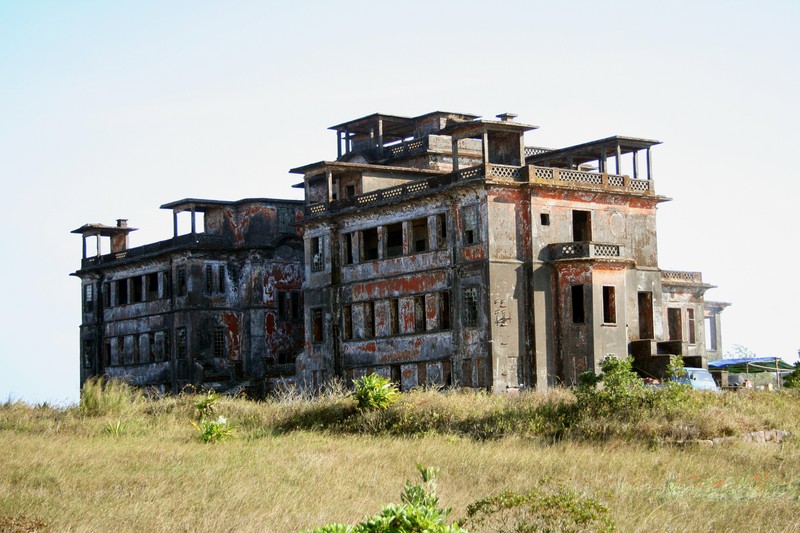
The best-known building was the Bokor Palace Hotel, which opened in 1925. Construction in this remote mountain setting was difficult, and illness and harsh conditions caused many workers to die. Sources often cite an estimate of around 900 deaths, although the figure is difficult to verify precisely.
The resort declined during the conflicts of the 1940s. In the early 1960s, Bokor was redeveloped as a tourist destination, but political instability and renewed conflict interrupted its growth. The Khmer Rouge took control of the area in the early 1970s. Later, tourism infrastructure began to return, and modern facilities now stand alongside historic structures.
Bokor Palace Hotel
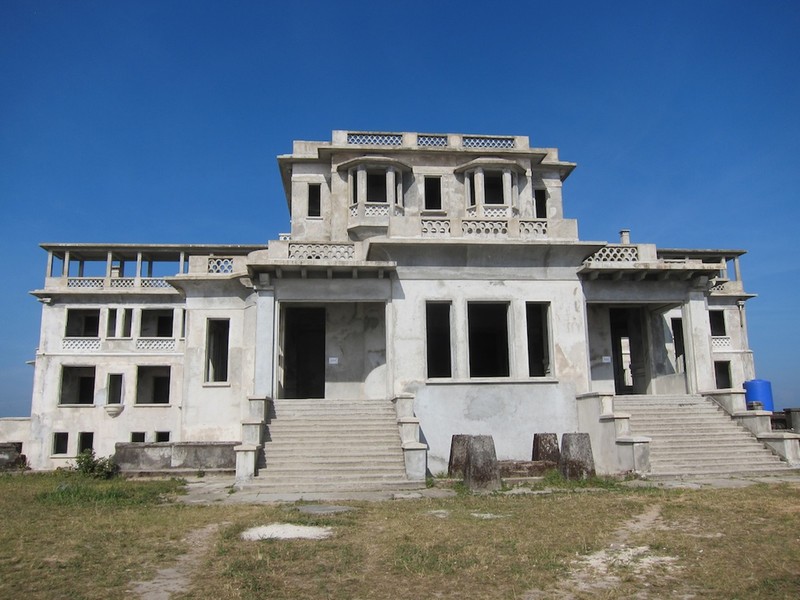
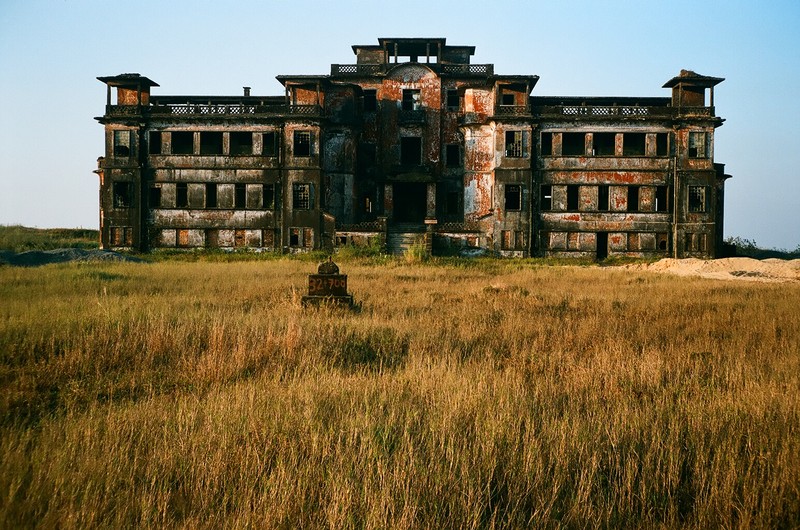
Bokor Palace is the most famous building of the old station and its architectural symbol. Its monumental form recalls the period when Bokor was a prestigious retreat for colonial elites and wealthy Cambodians. Its mountain location offered cooler weather and views across forests and the coast.
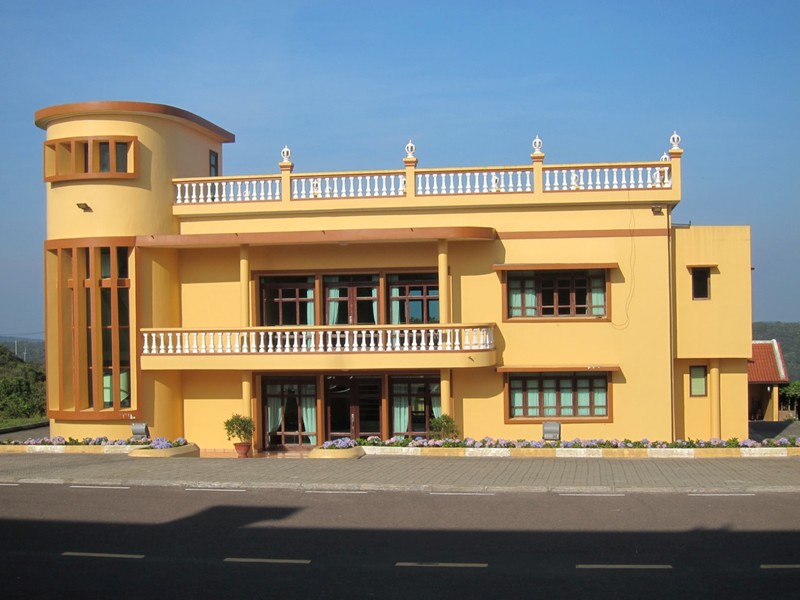
The hotel went through periods of closure, decay and restoration. For many years its deteriorating walls and empty rooms embodied the image of an abandoned resort. Parts of the complex have since been renovated, and not every historic interior is necessarily open to visitors. Follow posted signs and avoid closed or unsafe areas.
The Old Catholic Church
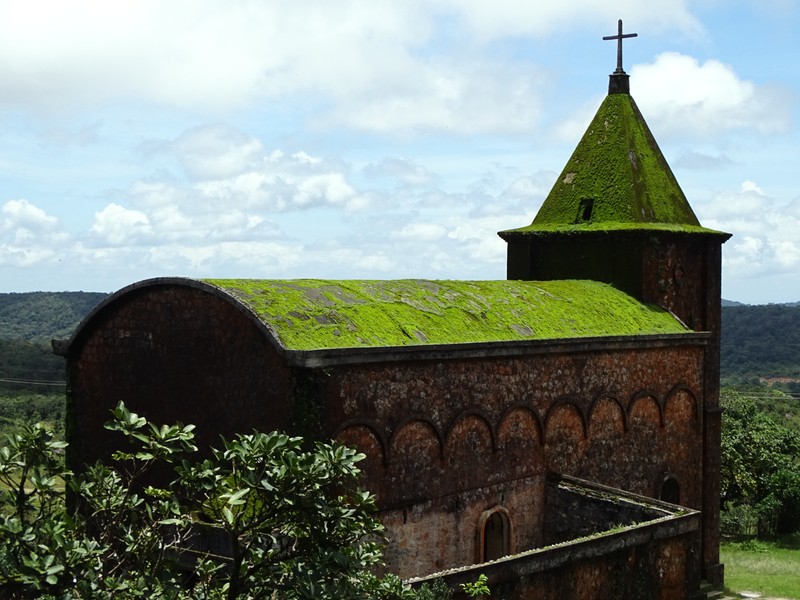
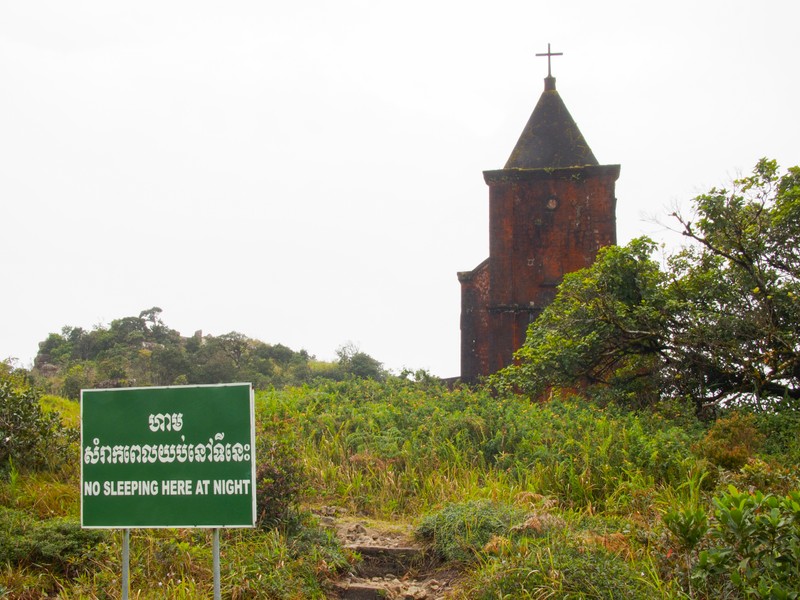
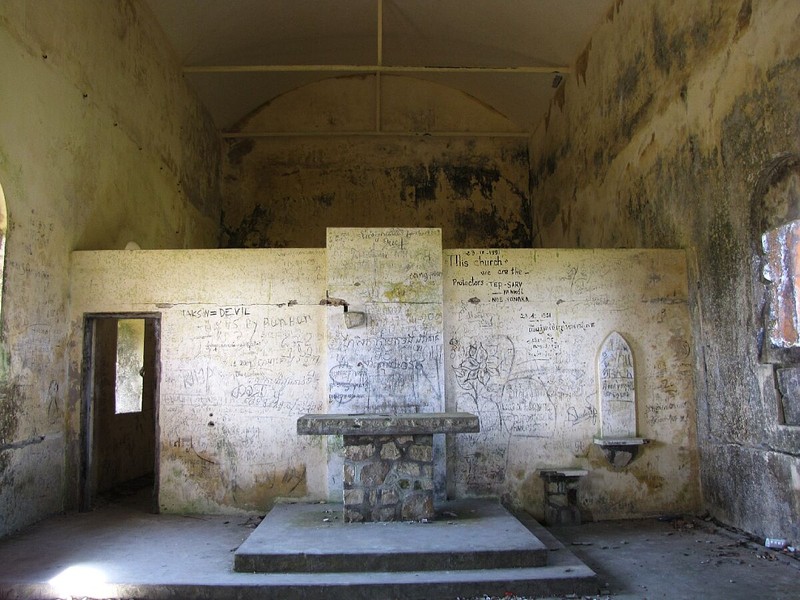
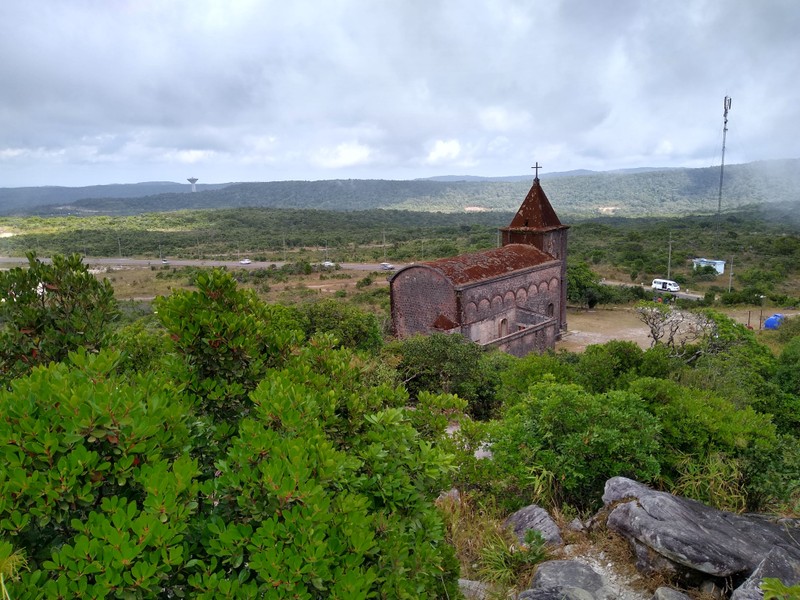
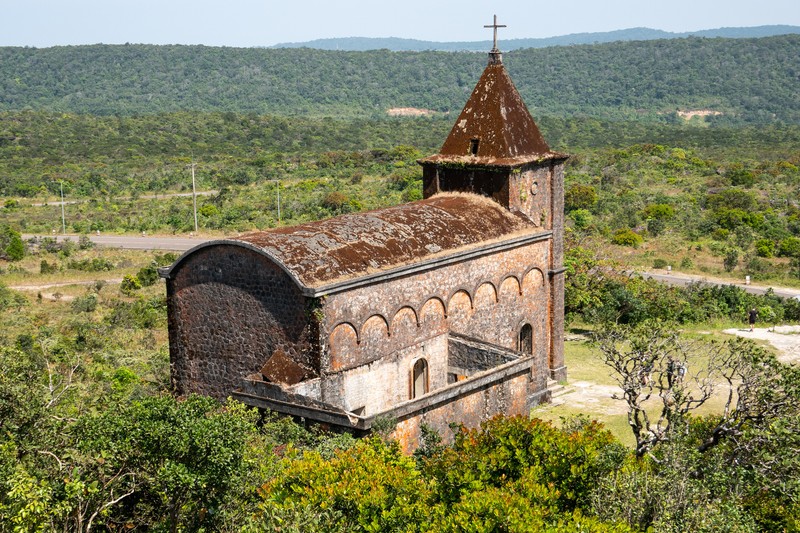
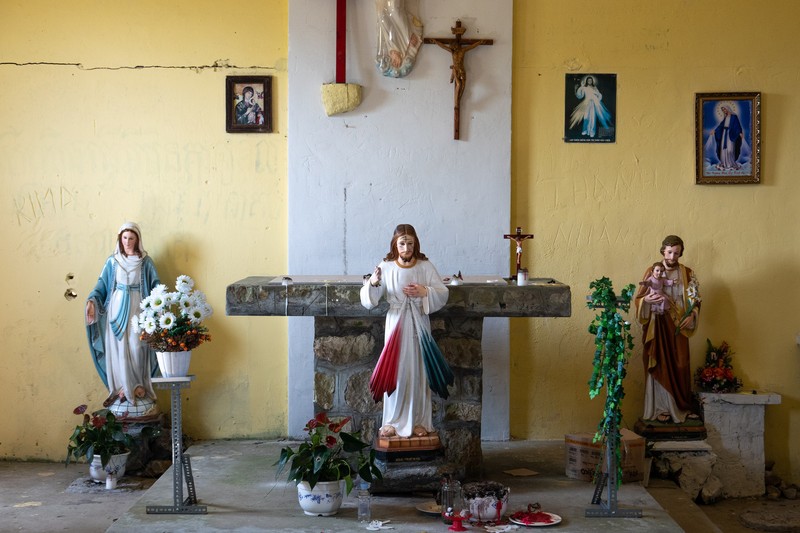
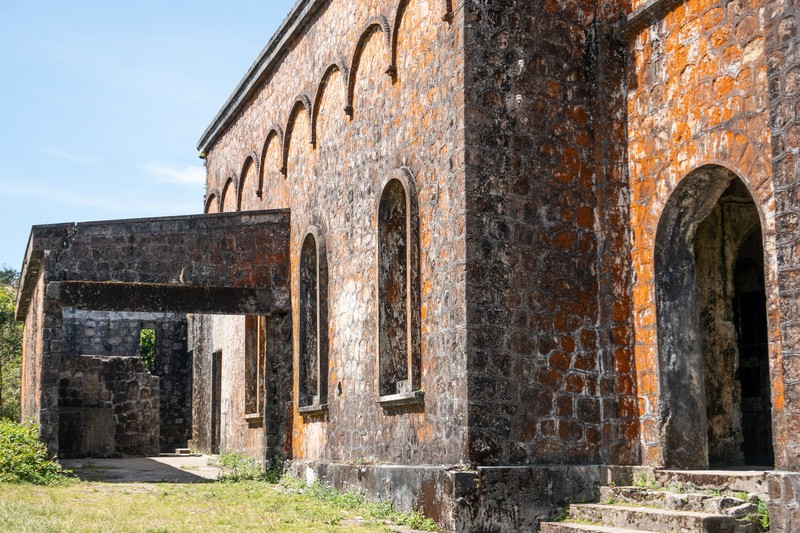
The old Catholic church is one of Bokor's most recognisable historic structures. Construction began in 1919 and was generally completed in 1928. Its stone walls and tower contrast with traditional Khmer temples and reflect the French colonial presence in the region.
The church survived abandonment and armed conflict. Weathering and damage have become part of its appearance, and the building looks especially striking against mist and forest. Visitors should not damage the masonry or climb onto unstable structures.
Other Historic Buildings
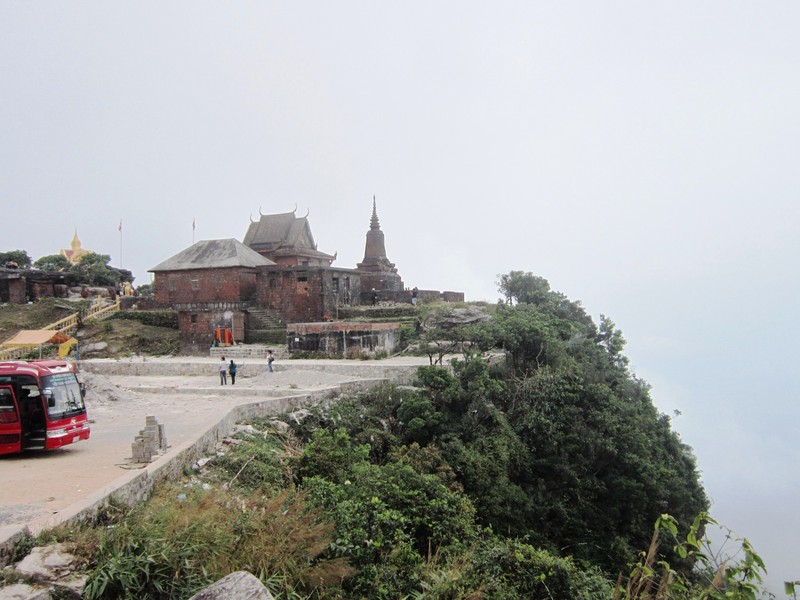
Remains of villas, administrative buildings and other facilities are scattered across the plateau. They show that Bokor was more than a hotel: it was a small settlement with public services, residential spaces and religious buildings. The condition of individual structures changes as restoration and redevelopment continue, and some areas may be closed.
Preah Monivong National Park
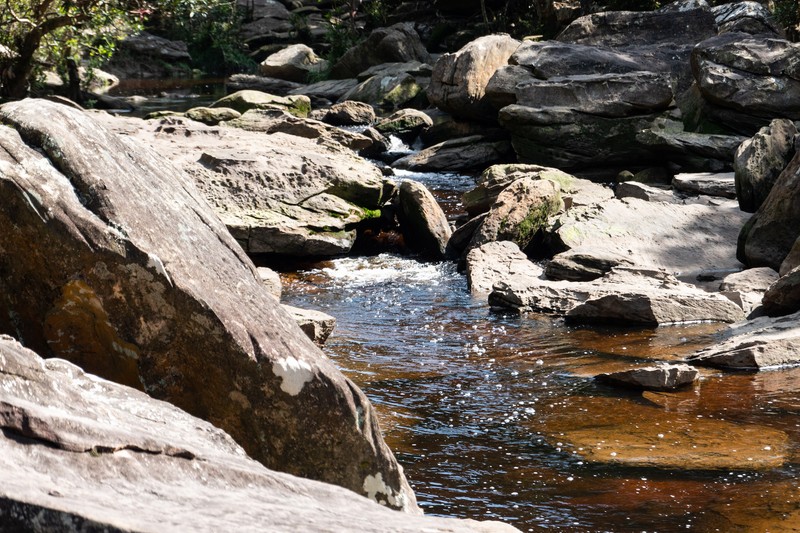
The hill station lies within Preah Monivong National Park, also known as Bokor National Park. The protected area includes mountain forests, waterfalls, rocky landscapes and natural scenery in southern Cambodia. The elevated plateau is cooler than the coastal lowlands and is often covered by mist.
The park is environmentally important. Stay on permitted routes, take rubbish away and avoid disturbing wildlife. A light jacket and rain protection are useful even when Kampot is hot.
Views over the Gulf of Thailand
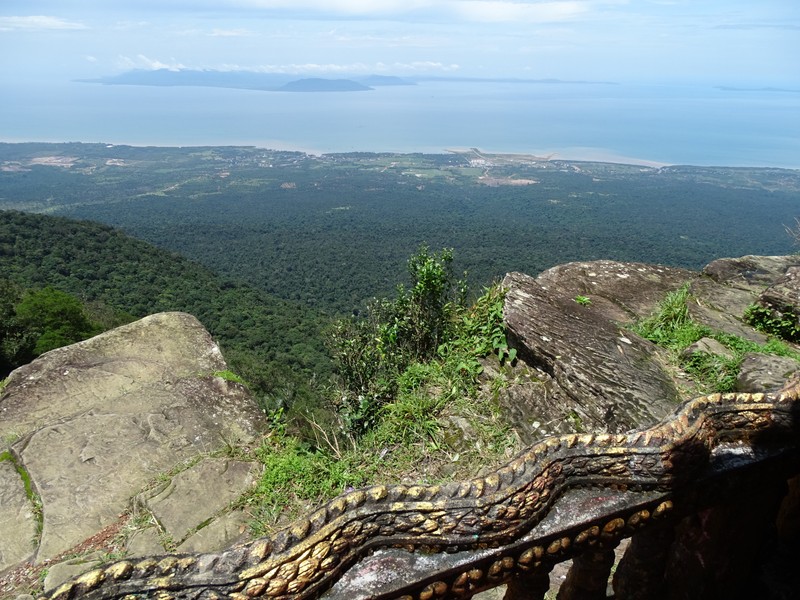
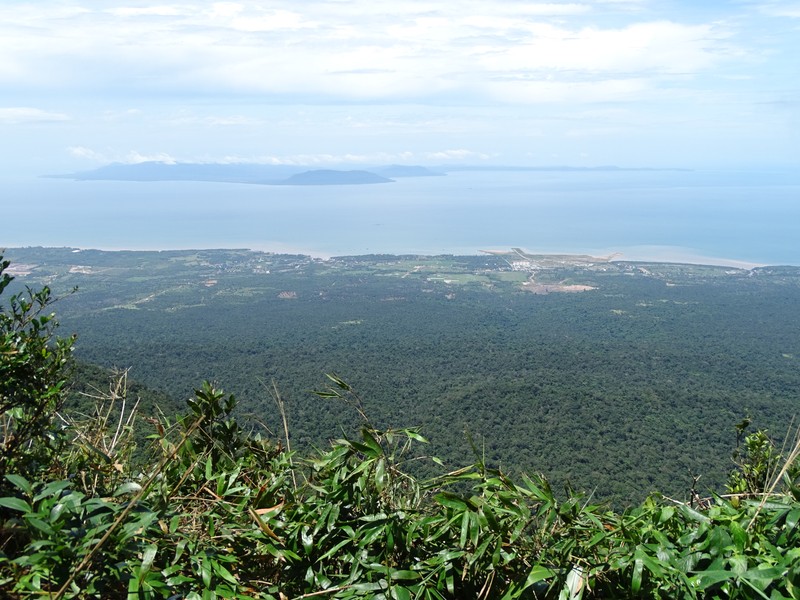
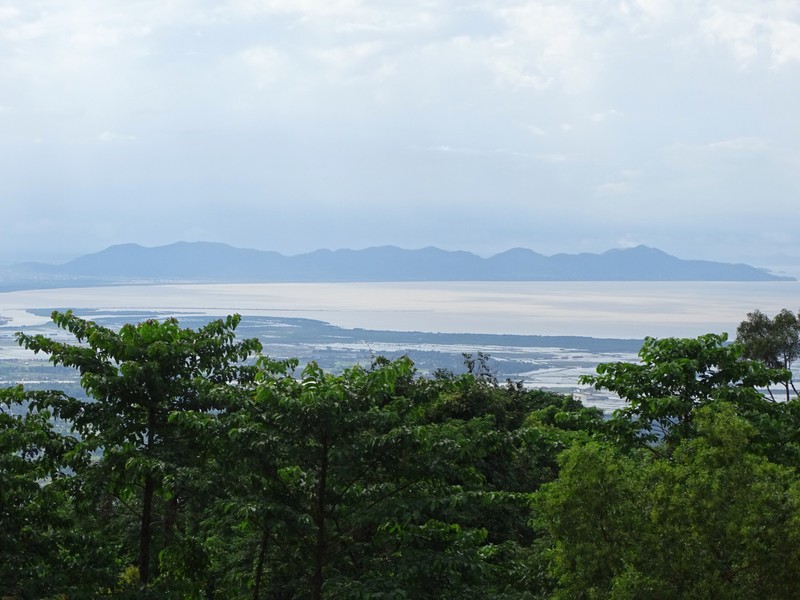
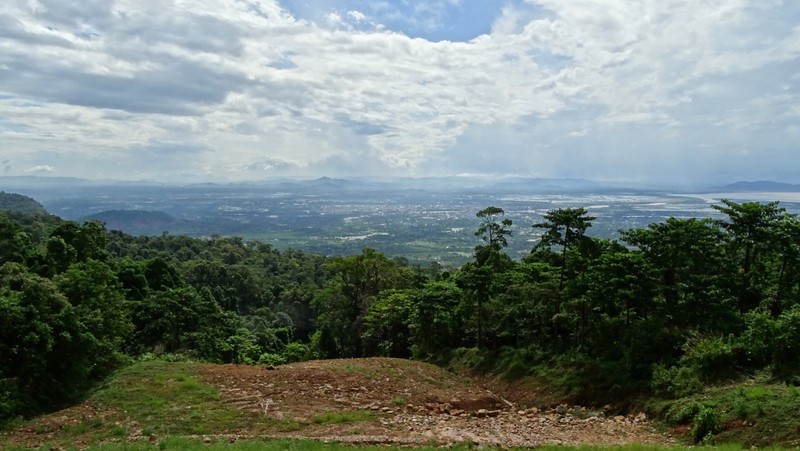
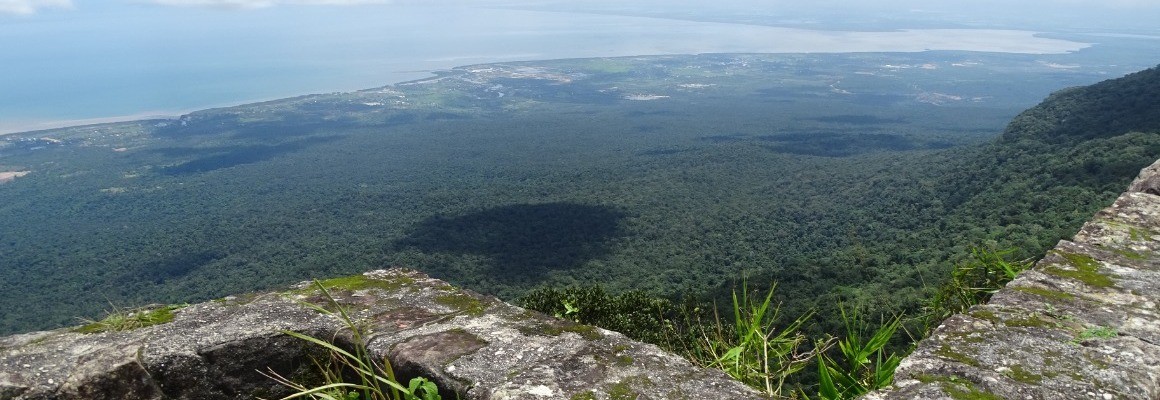
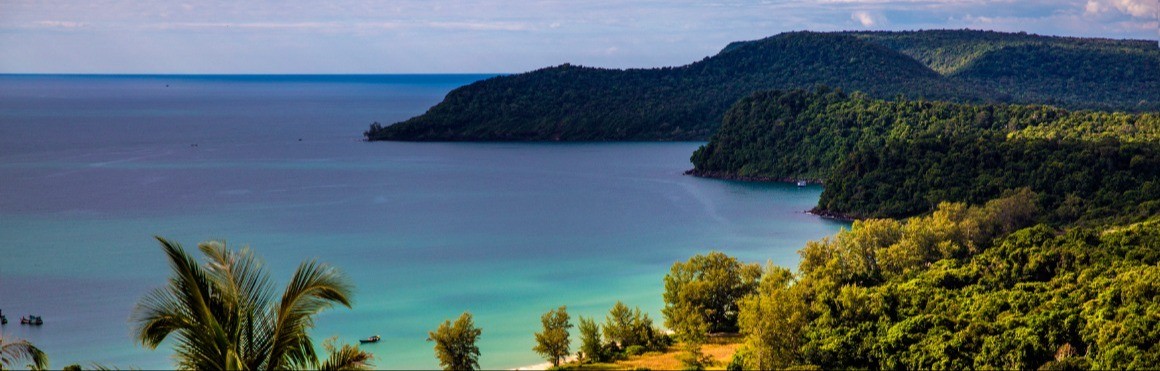
From the plateau, visitors may see forested slopes, the plains around Kampot and the Gulf of Thailand. Clear weather can offer broad panoramas, but fog and low cloud sometimes hide distant views completely. After rain, clouds may gradually lift to reveal sections of the valleys.
Keep away from unprotected cliff edges at viewpoints. Wet rocks can be slippery, and fog can reduce visibility.
Popokvil Waterfall
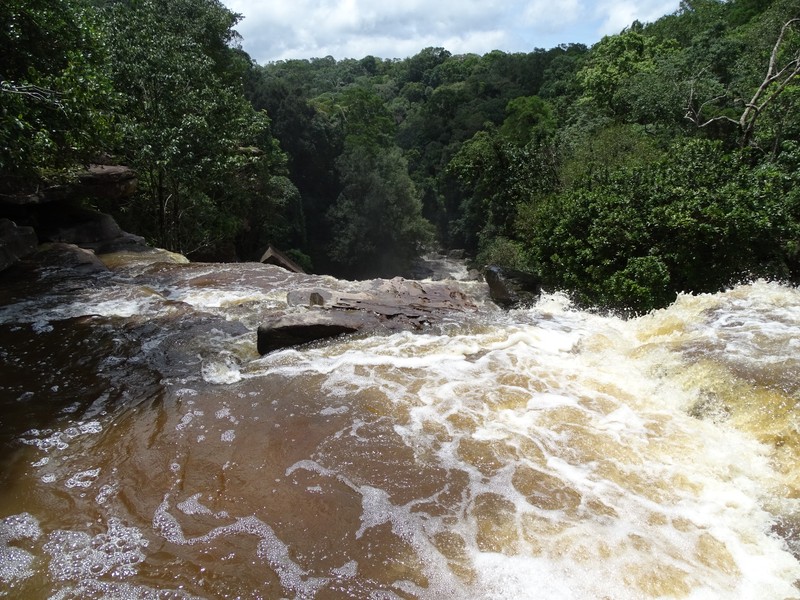
Popokvil Waterfall is another attraction in the surrounding national park and is often included in a Bokor excursion. Water flows over several rocky levels surrounded by forest. Its volume depends on the season: it is usually stronger after rain and may be reduced during drier periods.
The waterfall can be combined with a visit to the historic station. Check road conditions before setting out and take care on wet rocks near the water.
The Black Palace
The Black Palace, also known as Damnak Sla Khmao, is a former royal residence near the road leading to the Bokor plateau. It is associated with the Cambodian royal family's use of the mountain area and stands separately from the main hill-station complex. Its current condition differs from its original state, so check access before visiting.
Best Time to Visit
Bokor can be visited throughout the year, but conditions vary by season. Roads are generally easier in the dry season, when heavy rain is less frequent. During the rainy season, the forest becomes greener and waterfalls may be fuller, but downpours can reduce visibility and make surfaces slippery.
How to Get There
Most visitors start in Kampot, about 37–40 kilometres from the complex depending on the route. The climb follows a mountain road through forest and takes longer than the distance alone might suggest. Options include a car with a driver, an organised excursion or suitable motor transport. Check weather and road conditions before departure.
How Long to Stay
Allow most of a day to see the historic station and viewpoints. If you also want to visit Popokvil Waterfall and other natural attractions, plan the route in advance. A day trip from Kampot is suitable for seeing the main buildings and mountain scenery.
Travel Tips
Check the forecast and access conditions, and bring water, sturdy shoes, a light warm layer and rain protection. Do not enter closed buildings or climb damaged stairs and floors. Take rubbish away and do not feed wildlife. Bokor offers a distinctive combination of colonial history, memories of conflict and Cambodian mountain scenery.
Gallery