Masoala National Park is one of Madagascar’s most remarkable natural areas, preserving extensive tropical forests, mangrove thickets, scenic bays, and coral reefs. It lies in the northeast of the island on the Masoala Peninsula and forms part of a protected natural complex established to conserve the region’s unique ecosystems. The park attracts travelers who want to experience Madagascar’s wildlife far from major cities and popular tourist routes.
The park was established in 1997. Its territory includes humid evergreen forests, coastal landscapes, and a variety of terrestrial and marine habitats. Together with neighboring protected areas, Masoala plays an important role in conserving endemic species, many of which are found nowhere else in the world.
Tropical Forests and the Nature of Masoala
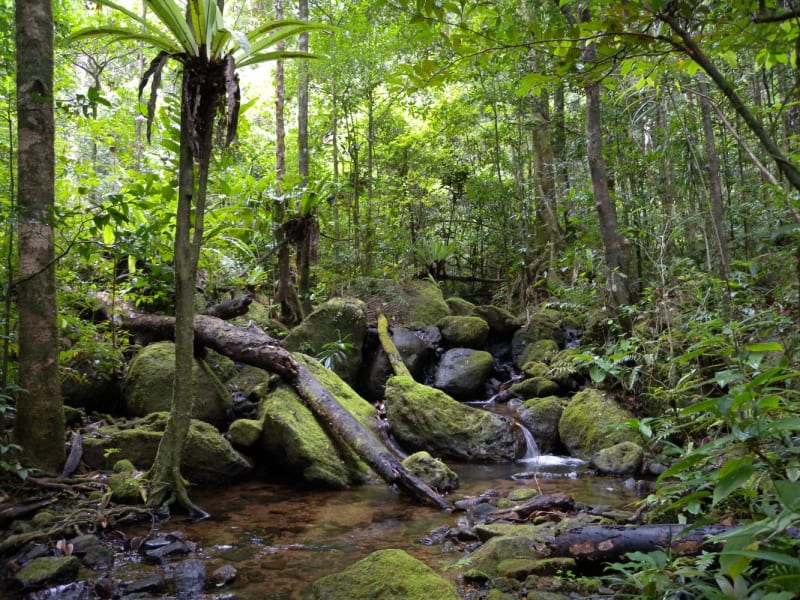
The park’s greatest treasure is its dense tropical forest, where tall trees form a thick green canopy and vines, ferns, and epiphytes cover trunks and branches. Many plant species grow here, including rare orchids and palms. The warm, humid climate supports exceptional botanical diversity, while frequent rainfall keeps the forest green throughout much of the year.
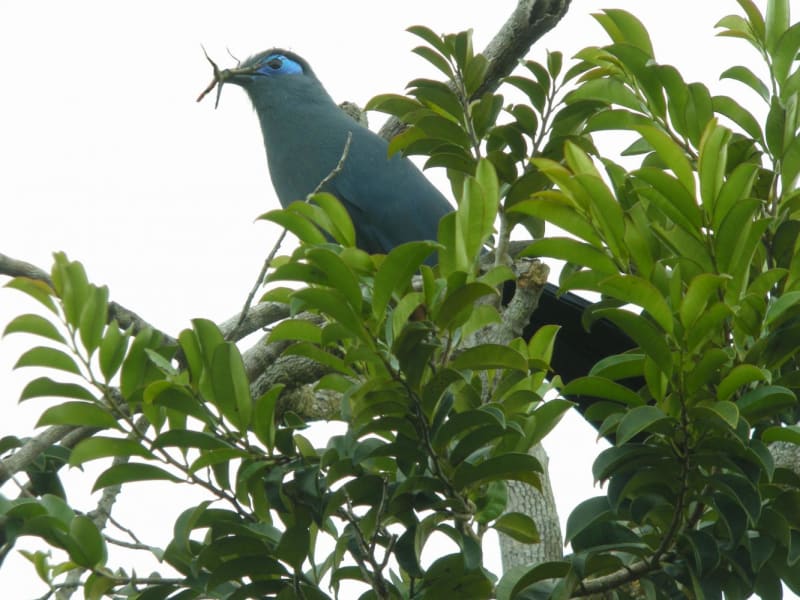
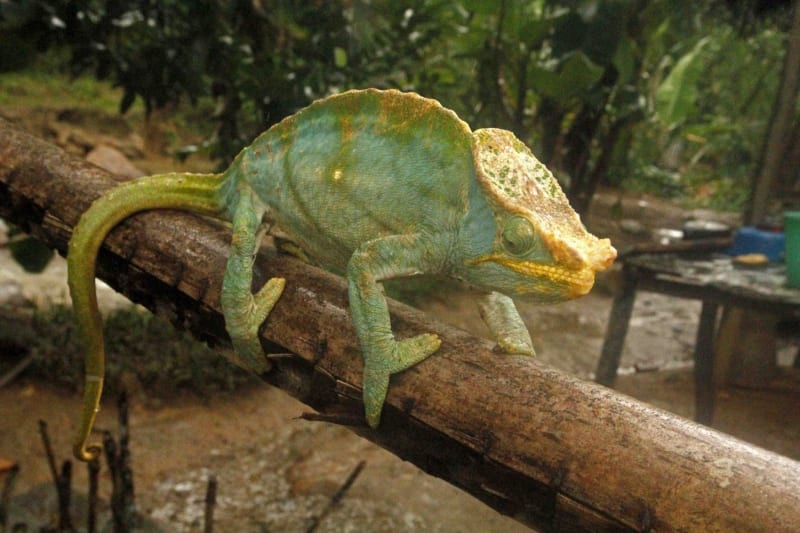
Masoala is known for its extraordinary wildlife. The forest is home to the red ruffed lemur, one of Madagascar’s largest lemurs and a species threatened with extinction. Other lemurs, chameleons, geckos, frogs, and numerous bird species also live here. Many of these animals are endemic to the island. Even a short walk along a forest trail can reveal unusual creatures hidden among the leaves.
Coastline, Mangroves, and Coral Reefs
Masoala National Park is distinctive because its natural riches extend beyond the land. The coastline features sandy beaches, rocky headlands, mangrove forests, and shallow lagoons. Mangroves provide shelter for fish, crustaceans, and other marine organisms while helping protect the shore from waves and erosion.
Coral reefs in the coastal waters support diverse marine communities. Visitors may snorkel and observe tropical fish when weather and sea conditions make it safe. From July to September, humpback whales migrating to the region’s warm waters to breed can sometimes be seen around the Masoala Peninsula.
Things to See and Do
Most activities in the park focus on nature and exploring the landscape at an unhurried pace. Visitors hike through tropical forest, look for lemurs and birds, visit coastal villages, and relax on secluded beaches. Boat trips offer views of the shoreline from the water and access to places that are difficult to reach overland.
A local guide is the best companion for wildlife watching. Guides can help visitors spot well-camouflaged chameleons, recognize lemur calls, and identify plants that are easy to overlook without specialist knowledge. In the forest, move quietly, do not feed wildlife, and remain on designated trails.
When to Visit the Park
Northeastern Madagascar has a humid tropical climate, so rain is possible at any time of year. The relatively drier months from September to December are often considered a convenient period to visit, although conditions vary from year to year. From January to March, tropical cyclones may affect the region, disrupting transport and making sea crossings dangerous. Check the forecast and local conditions before traveling.
Humpback whales are more likely to be seen offshore from July to September. This can be an additional reason for wildlife enthusiasts to visit the peninsula, although sightings are never guaranteed.
How to Reach Masoala National Park
Most journeys begin in Antananarivo, Madagascar’s capital. Travelers then make their way to Maroantsetra, one of the main gateways to the peninsula. Depending on the season and available schedules, domestic flights or a combination of land and sea transport may be possible. From Maroantsetra, boats usually provide access to different parts of the park; journey times depend on sea conditions and the destination.
Infrastructure in this remote region is limited. Arrange transport, accommodation, guiding services, and meals in advance. Useful items include waterproof clothing, sturdy footwear for wet trails, insect repellent, and waterproof protection for electronics. Mobile coverage and access to medical care may also be limited.
Nature Conservation
Masoala National Park is internationally important because of its high level of endemism and diverse ecosystems. However, its forests and coastline face threats including illegal logging, poaching, and pressure on natural resources. Protecting the area depends on conservation organizations and the involvement of local communities.
Responsible travel helps reduce pressure on this fragile environment. Visitors should use local guides, follow protected-area rules, take all rubbish away, and avoid buying products made from rare animals or plants. Masoala offers a chance to experience one of Madagascar’s most distinctive natural regions and highlights the importance of preserving places where unique wildlife can continue to thrive in its natural habitat.
Gallery