The Cardamom Mountains are a mountain range in southwestern Cambodia, extending partly into eastern Thailand. Known in Khmer as the Krâvanh Mountains, the range stretches for roughly 300 kilometres from northwest to southeast. Its tropical forests, steep slopes, deep valleys and rivers form one of the most important natural landscapes in mainland Southeast Asia.
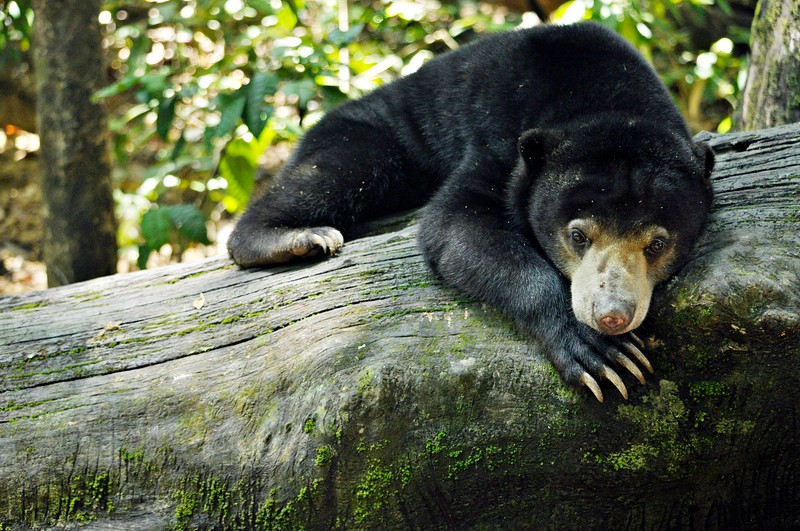
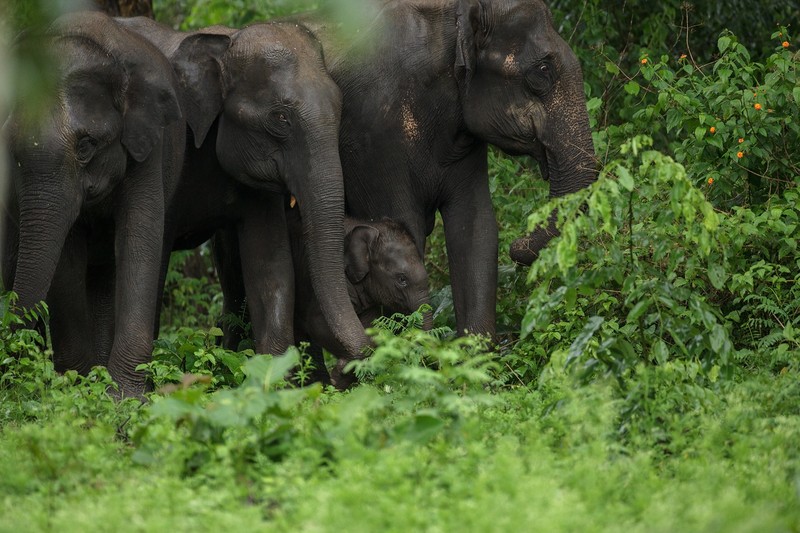
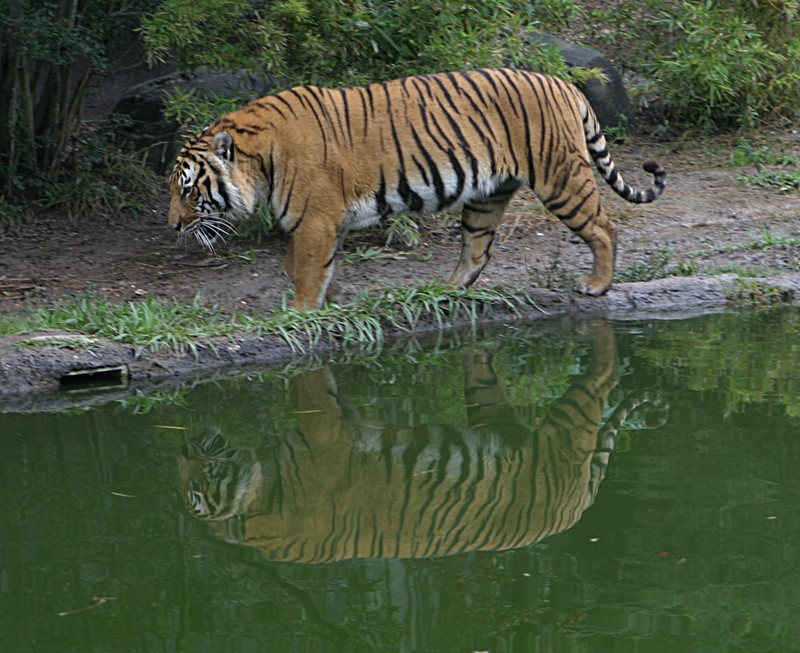
The region is especially valuable for its remaining forests and rich wildlife. Asian elephants, gibbons, clouded leopards, sun bears, pangolins and Siamese crocodiles are among the species associated with the landscape. Mountain forests also protect watersheds that supply freshwater to communities and agricultural areas downstream. Large sections are included in national parks and wildlife sanctuaries.
Geography and highest peaks
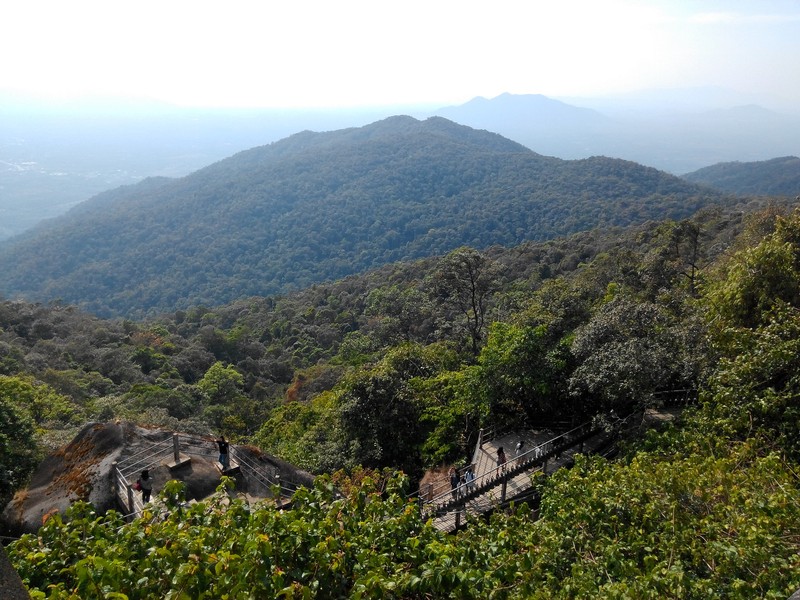
The range covers much of southwestern Cambodia and reaches into eastern Thailand. Phnom Aural, at about 1,813 metres, is its highest peak and the highest mountain in Cambodia. Phnom Samkos, rising to roughly 1,717 metres, is another prominent summit. The landscape includes several mountain blocks, plateaus, valleys and forested ridges.
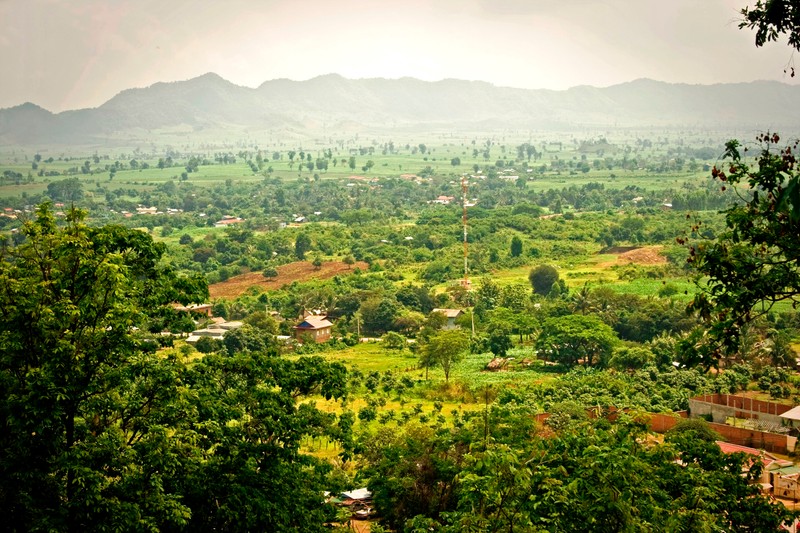
The western slopes receive heavy rainfall from the Gulf of Thailand, supporting humid forests and many streams. The eastern slopes descend toward Cambodia’s interior plains. Changes in elevation and rainfall create a variety of habitats across the region.
Rainforests and waterfalls
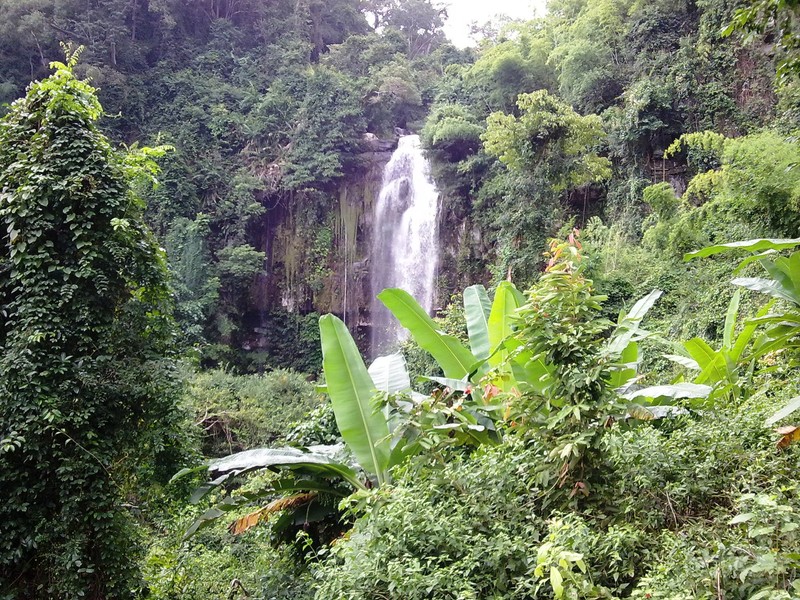
Evergreen and semi-evergreen tropical forests cover much of the range, while higher elevations include montane forests, grasslands and wetlands. Forests retain moisture, reduce soil erosion, regulate river flows and store carbon.
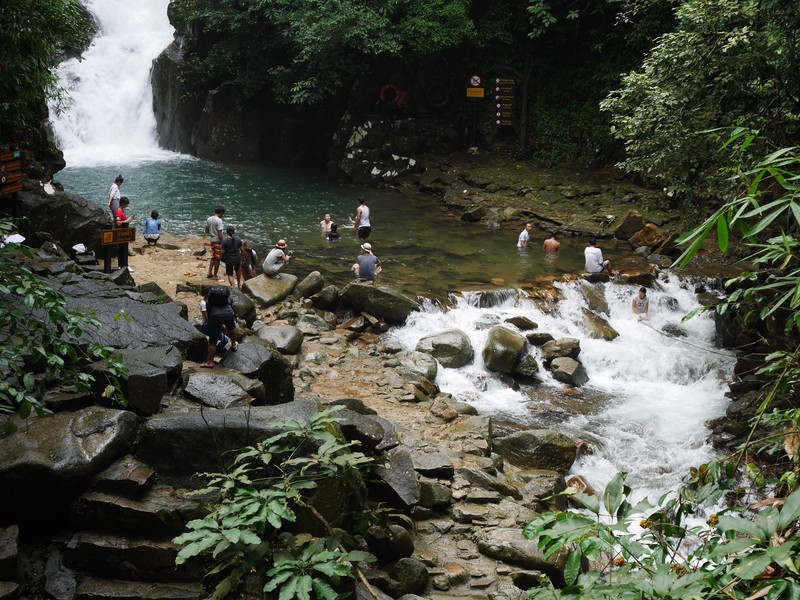
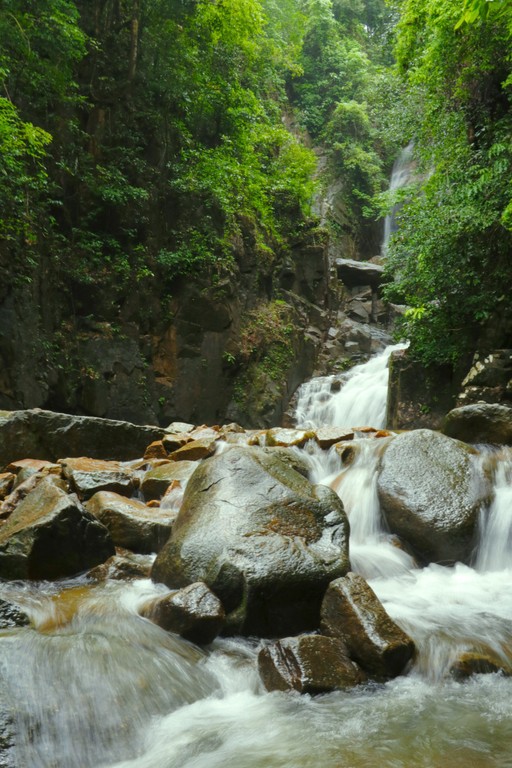
One well-known natural attraction is Tatai Waterfall in Koh Kong Province. Water spills over rocky ledges surrounded by tropical forest, and visitors commonly reach it by boat along the river. More remote cascades require local knowledge and sometimes a guided trek.
Wildlife and protected areas
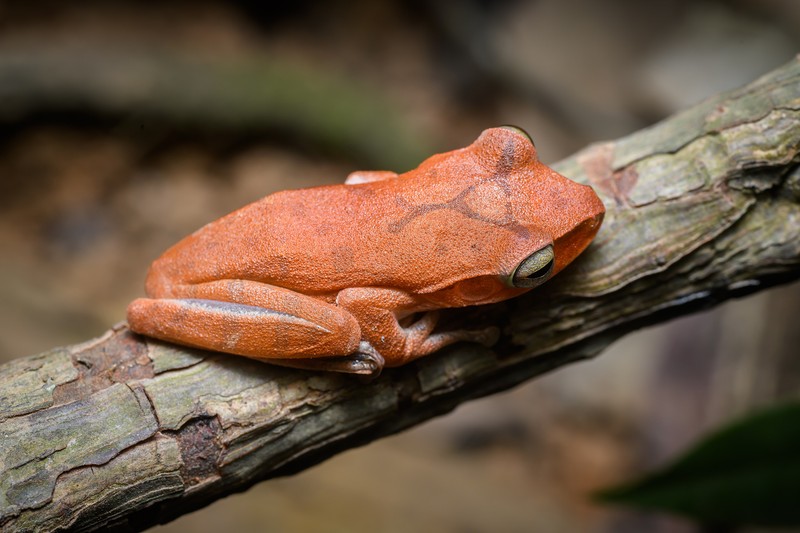
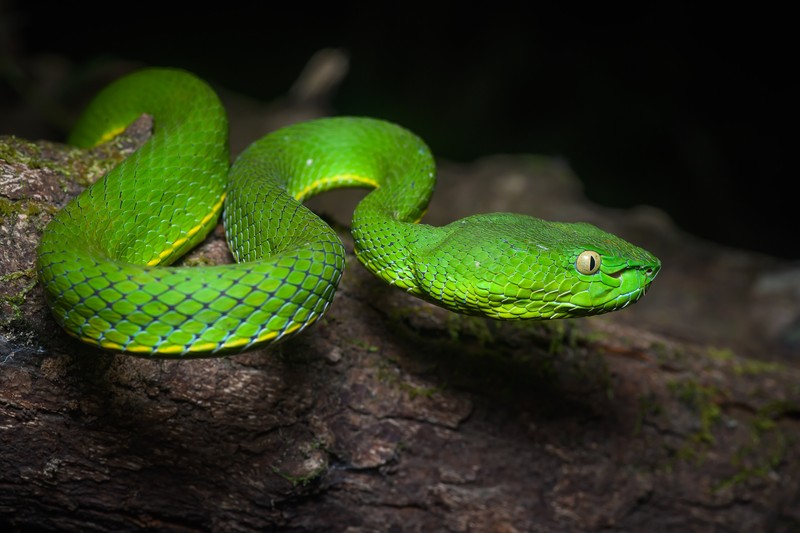
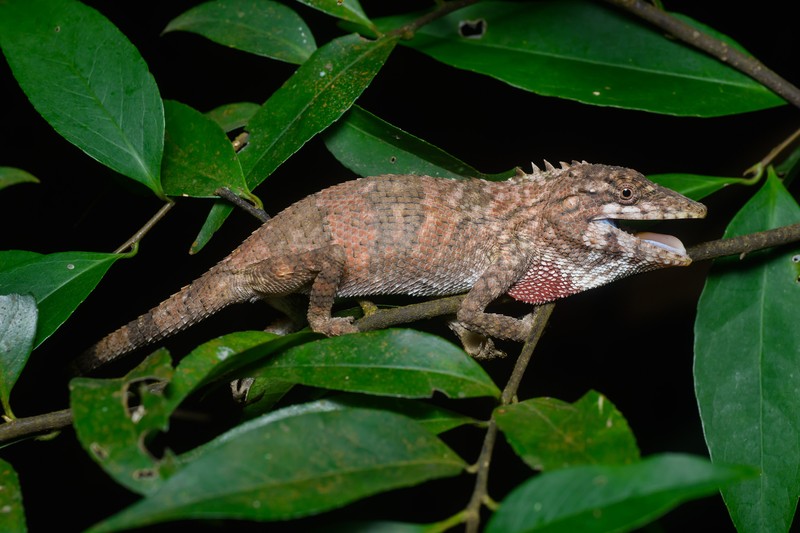
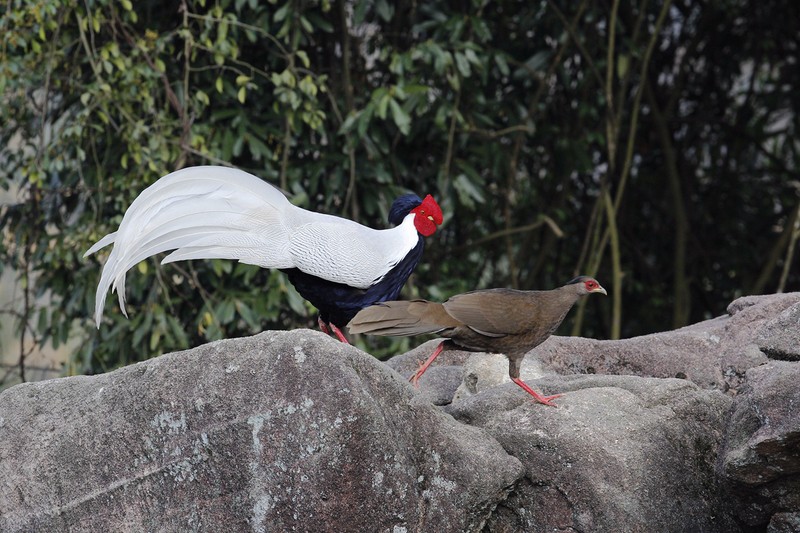
The Cardamom Mountains are a major biodiversity stronghold. Wildlife includes Asian elephants, gibbons, bears, deer, wild cats, birds, reptiles and amphibians. Rare Siamese crocodiles and pangolins are especially important conservation priorities, as both face serious threats.
A network of protected areas helps conserve these habitats, including Central and Southern Cardamom Mountains national parks and the Phnom Aural and Phnom Samkos wildlife sanctuaries. Conservation efforts include patrols, anti-poaching work, forest protection and cooperation with local communities.
Local communities and ecotourism
Khmer and Indigenous communities, including Por and Chong peoples, live in and around the mountains. Their livelihoods are connected with farming, fishing, forest resources and crafts. Community-based tourism provides opportunities for guided walks, homestays and river trips while helping local residents earn income.
Chi Phat is one of the best-known community ecotourism destinations, offering forest and river excursions. The Koh Kong area provides access to Tatai Waterfall. Facilities vary widely, so multi-day trips should be arranged in advance.
When to visit and how to get there
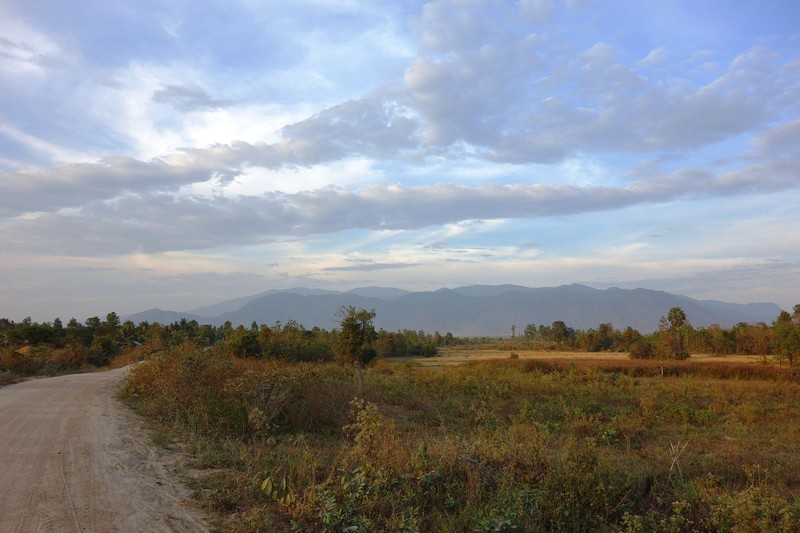
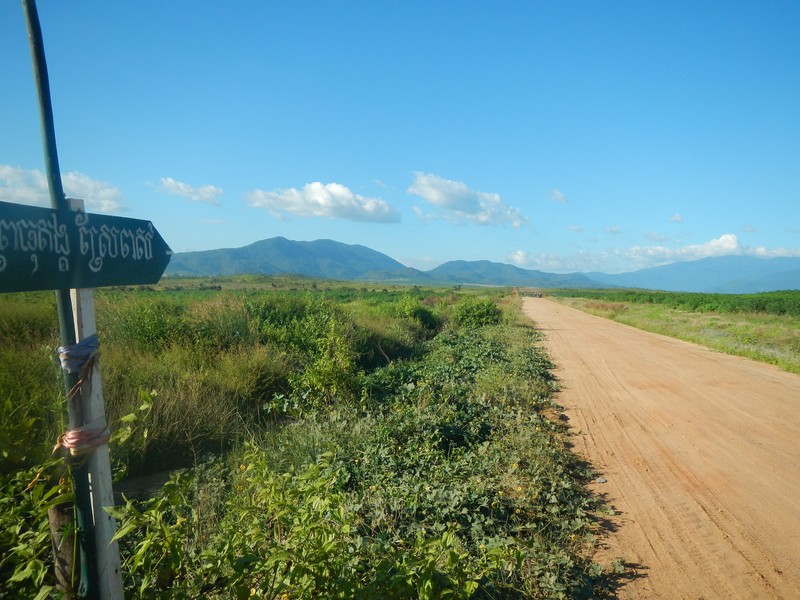
Cambodia’s dry season generally runs from November to April. Roads and trails are often easier to use during these months, although temperatures can be high. In the rainy season, waterfalls become fuller, but dirt roads may deteriorate and river levels can rise quickly.
The best route depends on the area being visited. National Highway 48 connects the Sre Ambel area with Koh Kong. A trek to Phnom Aural requires careful preparation, advance arrangements for access and an experienced local guide.
Practical travel advice
Bring drinking water, a first-aid kit, insect repellent, sun protection and shoes with good grip. Do not enter unfamiliar forest areas without a guide, approach wild animals or swim in strong currents. Take all rubbish away and follow the rules of protected areas.
The Cardamom Mountains reveal a different side of Cambodia: tropical forests, mountain rivers, waterfalls and remote wilderness. Responsible local excursions allow visitors to experience this landscape while supporting its long-term protection.
Gallery