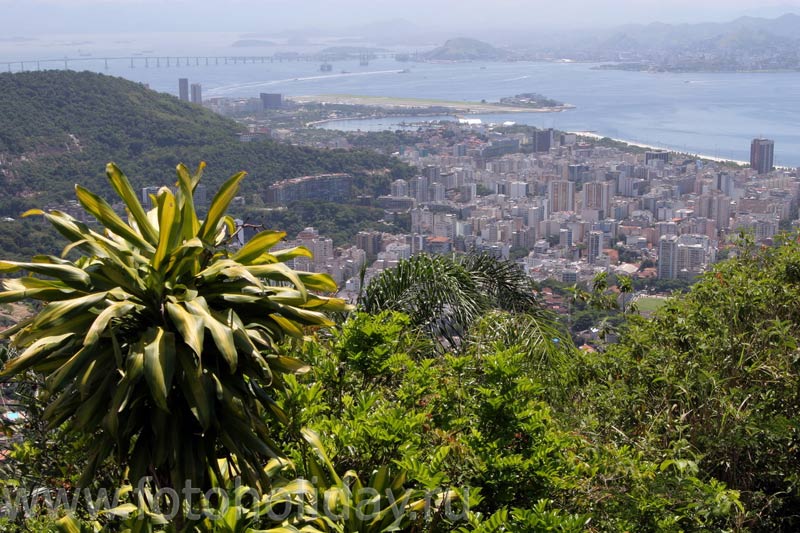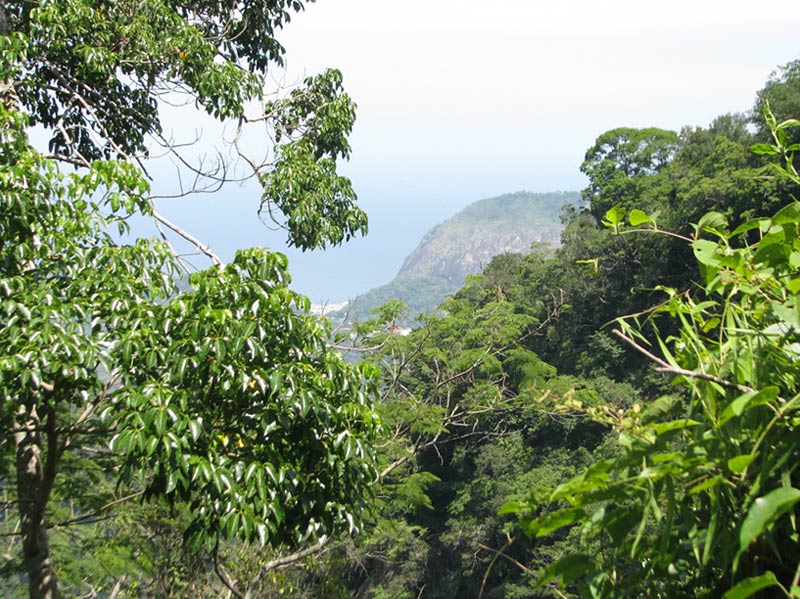

Tijuca National Park is a large protected area in Rio de Janeiro, Brazil, where tropical forest covers mountain slopes above the city. The park features waterfalls, caves, rocky peaks, forest trails and viewpoints overlooking the city, the ocean and Guanabara Bay.
History
During the 19th century, much of the area was occupied by coffee plantations and other farms. Deforestation damaged local ecosystems and water sources. In 1861, Emperor Pedro II declared the Tijuca and Paineiras forests protected areas, and a major reforestation effort began. Eleven enslaved Black people took part in the planting work, although their contribution was long underrecognised. The area became a national park in 1961 and now covers about 3,958 hectares.
Four sectors
The park is divided into four sectors: Tijuca Forest, Serra da Carioca, Pedra Bonita and Pedra da Gávea, and Pretos Forros and Covanca. Each has different landscapes, access points and attractions, so visitors should plan which area they want to explore.
Forest trails and waterfalls
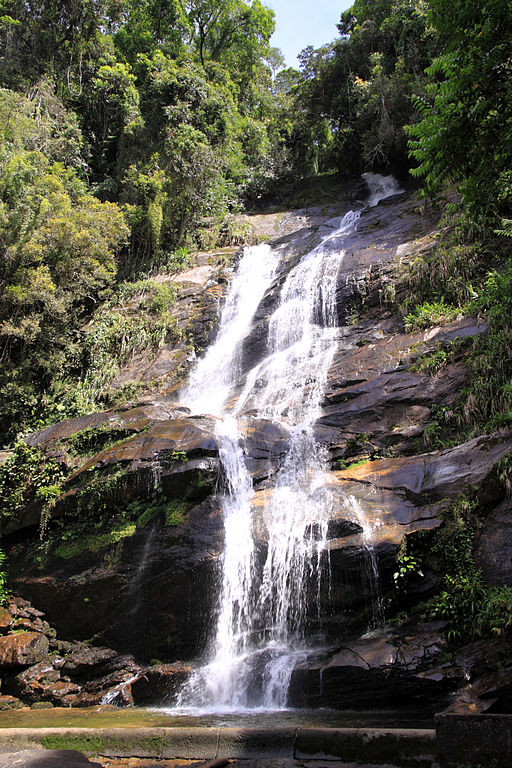
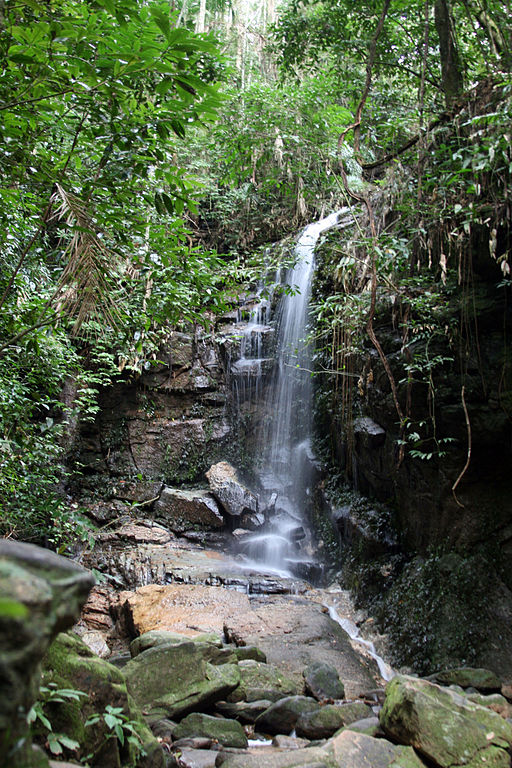
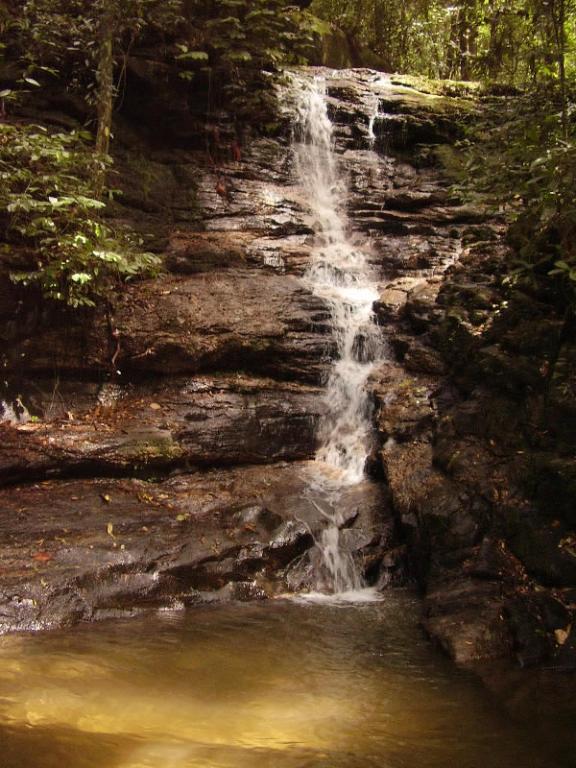
The Tijuca Forest sector offers shaded trails among tall trees, vines, ferns and the rich vegetation of the Atlantic Forest. One of its best-known sights is Taunay Waterfall, where water falls over a rocky ledge surrounded by greenery. The park also contains caves, springs and resting areas. Swimming is not permitted everywhere, so visitors should follow local rules.
Pico da Tijuca
Pico da Tijuca rises to about 1,021 metres and is the highest summit in the Tijuca massif. Forest trails lead towards the top, where a stone staircase has been carved into the rock. The climb requires suitable footwear, drinking water and reasonable fitness.
Corcovado and viewpoints
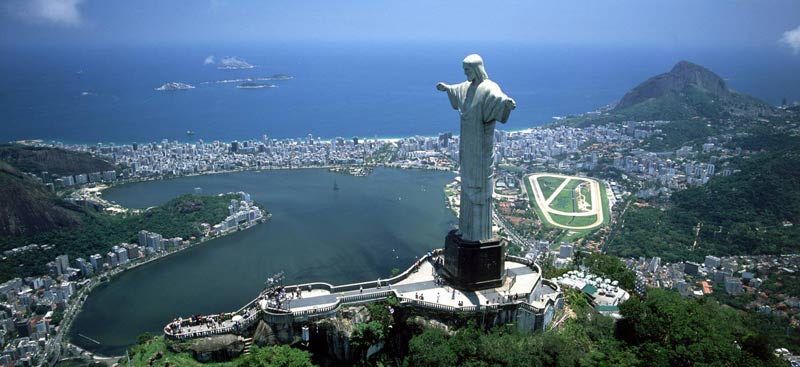
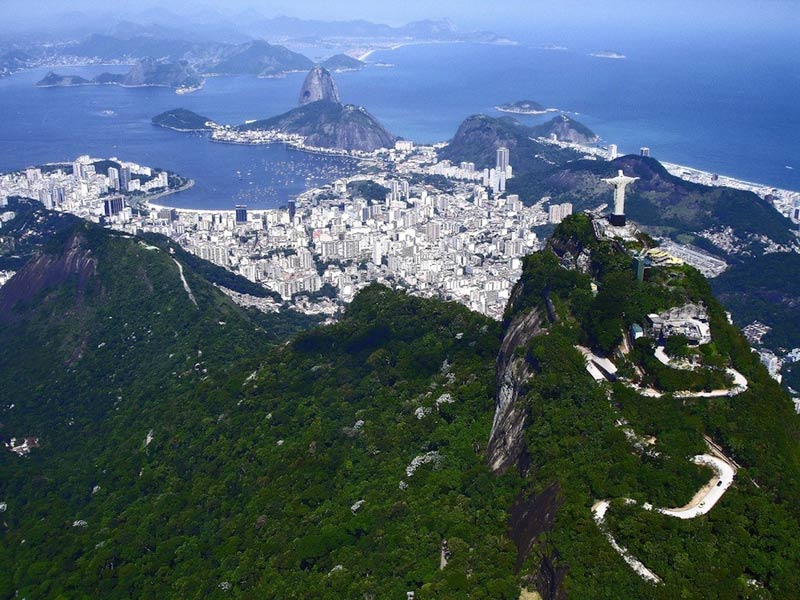
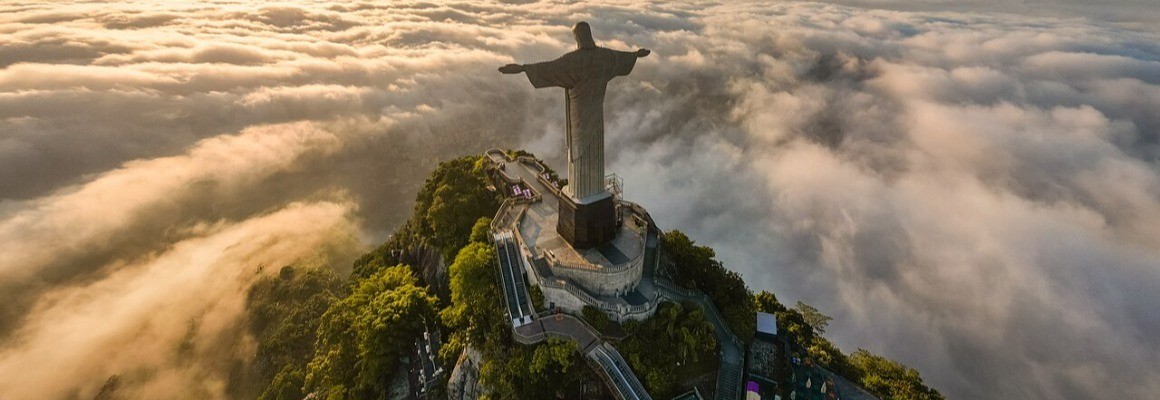
The Serra da Carioca sector includes Corcovado Mountain and the famous Christ the Redeemer statue. Vista Chinesa is a scenic viewpoint with a Chinese-style pavilion and views of the city and bay. From Mirante Dona Marta, visitors can see Corcovado, Sugarloaf Mountain and parts of Rio. Clouds and fog can reduce visibility.
Pedra Bonita and Pedra da Gávea
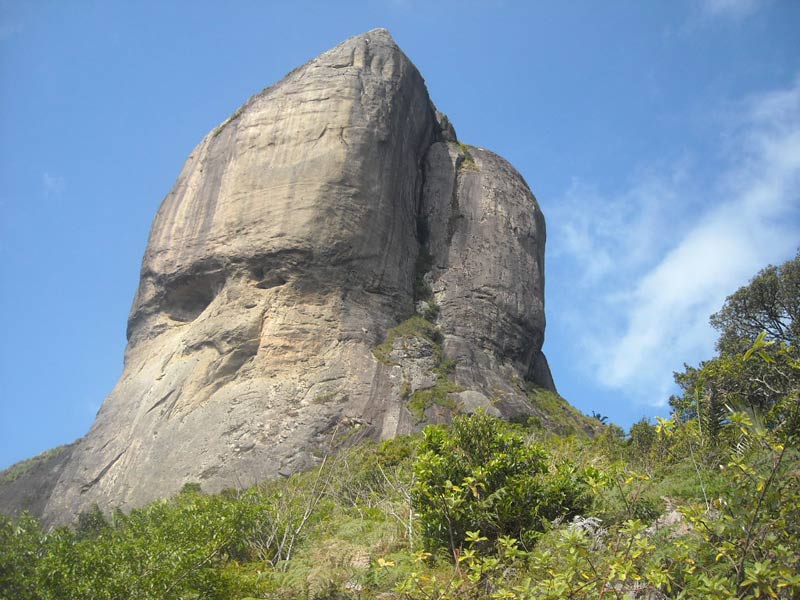
This sector attracts hikers and climbers with dramatic rock formations and panoramic views. Pedra Bonita overlooks Pedra da Gávea, São Conrado and Rio's beaches. The area also has launch sites for hang gliding and paragliding with authorised operators. The route to Pedra da Gávea is challenging and requires good fitness; inexperienced hikers should consider a qualified guide.
Historical sites
Ruins of old farms, fountains and other structures recall the area's coffee-growing past and subsequent restoration. Notable features include Mayrink Chapel and Wallace Fountain. The approximately 7.5-kilometre Historical Valley Circuit passes ruins, monuments and caves.
Plants and wildlife
The park protects part of the Atlantic Forest, one of the world's most biologically diverse yet heavily altered ecosystems. Native trees, orchids, bromeliads, ferns and vines grow here. Wildlife includes many bird species, lizards, small mammals and butterflies. Observe animals quietly, do not feed them and stay on marked trails.
When to visit
The park can be visited year-round. The drier period, generally from April to October, is often better for hiking and viewpoints. From December to March, weather is hotter and wetter, and heavy rain can make trails slippery or lead to temporary closures.
Getting there
The forest sector can be reached through Alto da Boa Vista; Corcovado and Vista Chinesa are accessed from the Cosme Velho and Paineiras areas; Pedra Bonita and Pedra da Gávea are usually approached from São Conrado. Check trail access before setting out. Bring water, a hat, insect repellent and shoes with good grip. Leave no litter and follow park regulations.
Why the park matters
Tijuca helps conserve Atlantic Forest biodiversity, protects slopes from erosion and supports local water systems. It demonstrates how a restored forest can become an important ecological, historical and recreational resource within a major city.
Gallery