Warwick Castle is one of England’s best-known medieval castles, located in the town of Warwick in Warwickshire. It rises above the River Avon and has been associated for nearly a thousand years with the country’s military history, struggles for royal power and the lives of influential aristocratic families. Today, visitors can explore ancient towers, defensive walls, grand rooms, collections of arms and historic gardens.
History of Warwick Castle
The history of fortifications on this site began long before the stone castle appeared. In 914, Æthelflæd, daughter of King Alfred the Great and ruler of Mercia, ordered a fortified settlement to protect local people from Danish raids. Its defences consisted of earthen ramparts and a palisade.
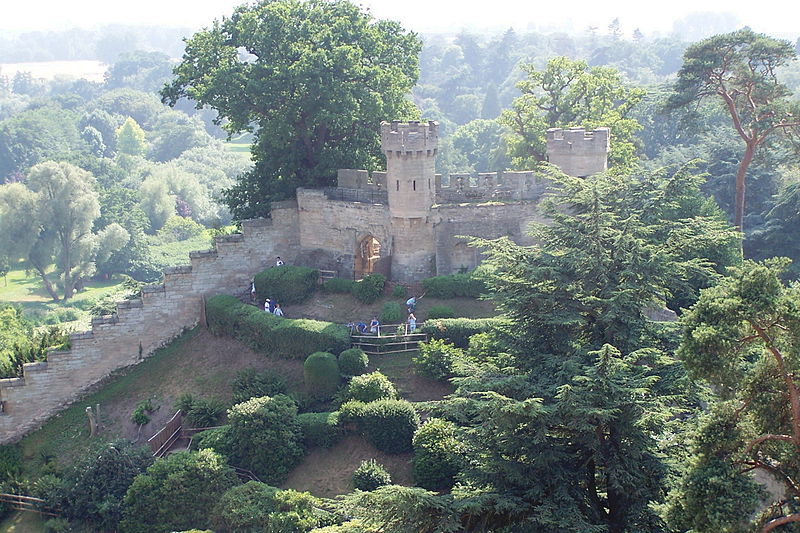
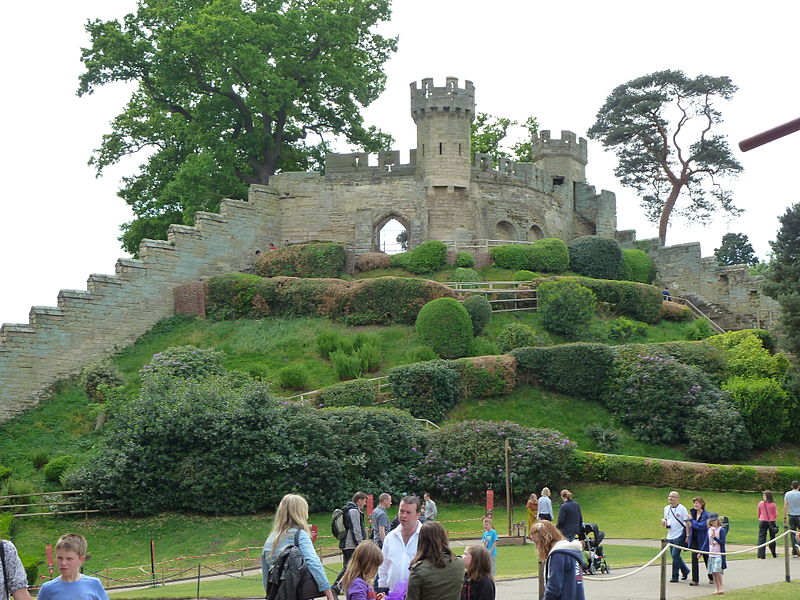
The castle’s history began after the Norman Conquest of England. In 1068, William the Conqueror ordered a wooden motte-and-bailey castle to be built here. It consisted of a fortified mound with structures at the top and an enclosed courtyard below. Such castles helped Norman rulers control conquered territories and important routes.
Over the following centuries, the wooden defences were gradually replaced with stone. The castle became the residence of the Earls of Warwick, some of whom wielded considerable influence at the English court. During the 13th and 14th centuries, the fortifications were repeatedly altered, the walls strengthened and towers added. In 1264, supporters of Simon de Montfort captured the castle during the revolt of the English barons.
The castle played a particularly important role in the 14th and 15th centuries, when its owners took part in military campaigns and struggles for power. One of the best-known was Richard Neville, Earl of Warwick, nicknamed the Kingmaker for his role in changing English monarchs during the Wars of the Roses. His political career shows how closely the castle’s history was tied to rivalry between noble families.
After the Middle Ages, the castle’s military importance gradually declined. In the 17th century, Sir Fulke Greville began an extensive restoration and converted parts of the building into a comfortable aristocratic residence. Grand rooms, works of art and fine furniture were added later. In the 18th century, landscape architect Lancelot Brown helped transform the surrounding grounds into a more picturesque parkland.
In 1642, during the English Civil War, the castle endured a siege that lasted about three weeks. A major fire in 1871 damaged the Great Hall and private apartments. These were restored while retaining the building’s historic character. In 1978, the castle passed to the Tussauds Group and developed into a major historic attraction open to the public.
Architecture and defensive structures
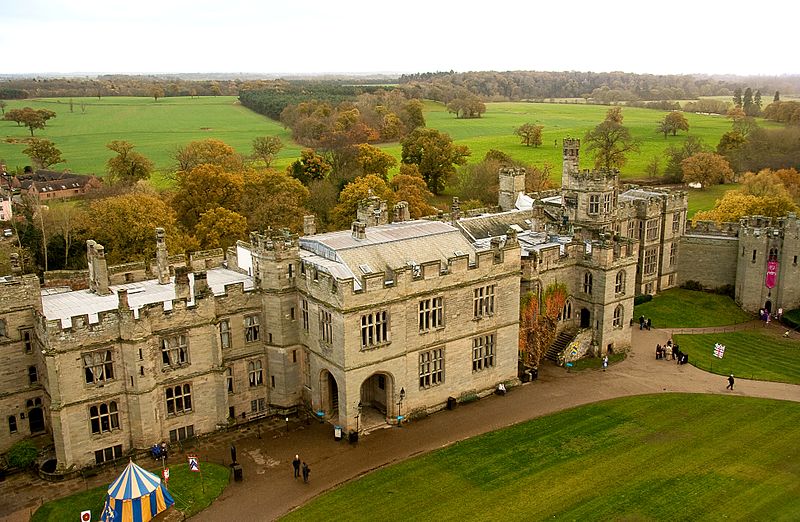
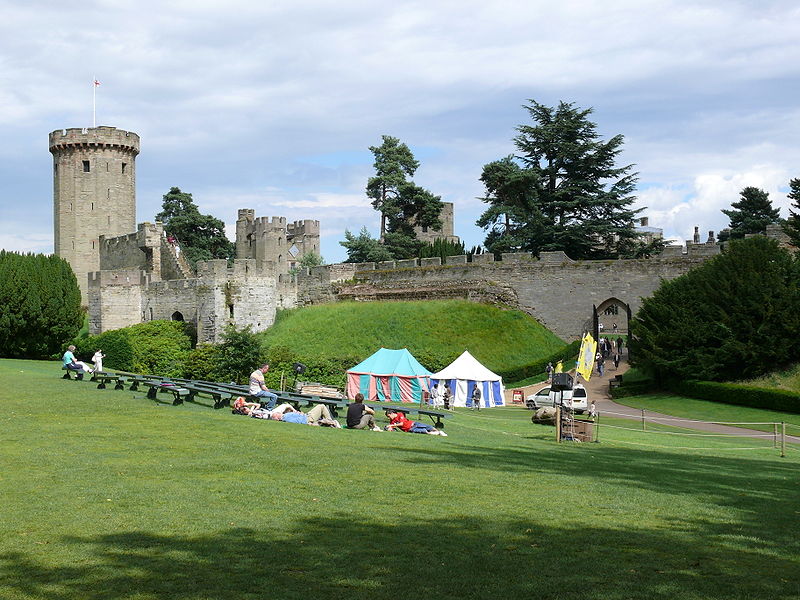
Warwick Castle combines features of a Norman fortress, medieval military architecture and a later country residence. Its appearance developed over many centuries, so the complex contains buildings from different periods. Massive walls, crenellated parapets, narrow passages and tall towers recall its original defensive purpose.
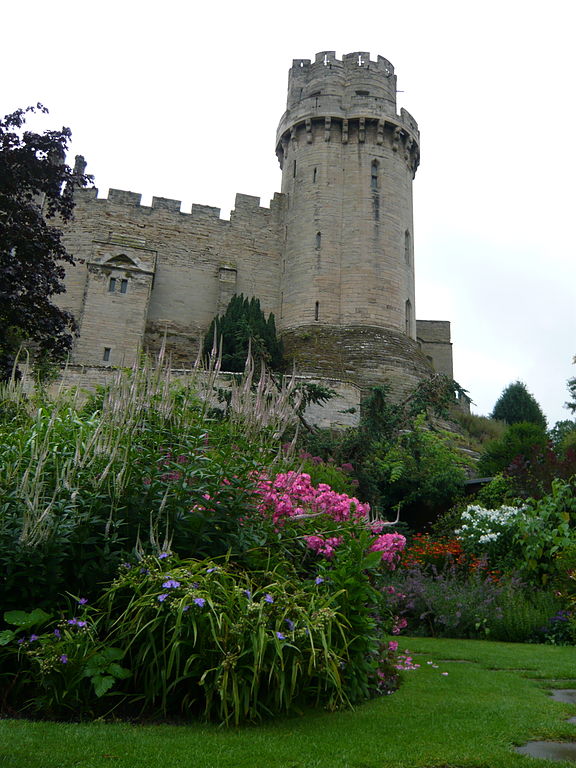
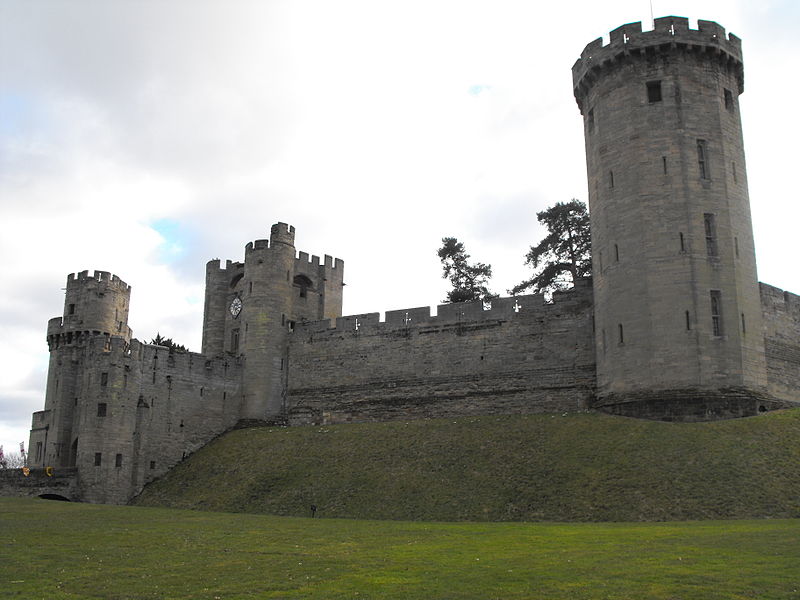
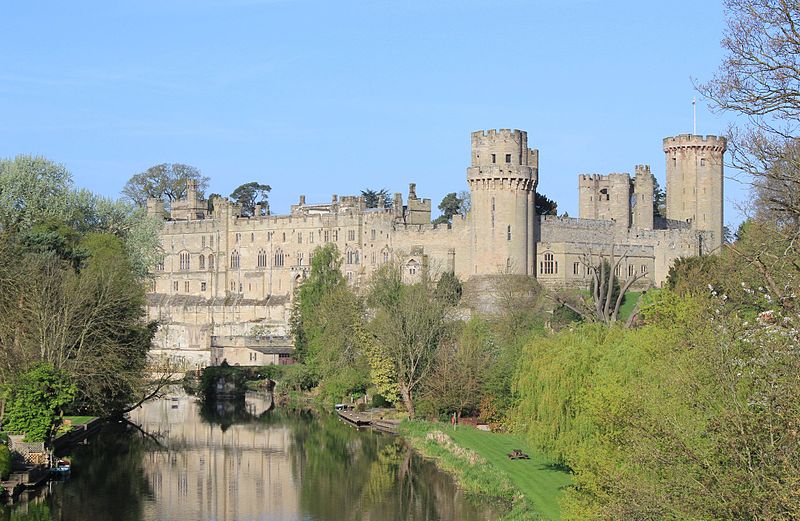
One of the most prominent features is Caesar’s Tower. Despite its name, it has no direct connection with Julius Caesar; the tower dates from the medieval period. It stands about 40 metres tall. Together with other fortifications, it helped control the approaches to the castle and provided views over the surrounding countryside.
Guy’s Tower, built in the 14th century, reaches approximately 39 metres. It served not only as a defensive structure but also as accommodation for the Earl of Warwick’s guests. The position of rooms could reflect a visitor’s standing in the social hierarchy. Today, the towers and ramparts help visitors understand how medieval defences worked.
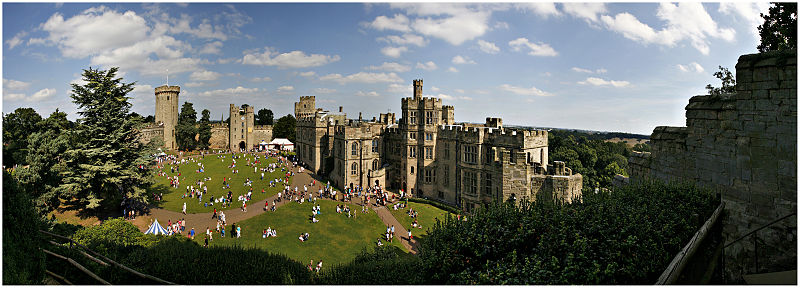
Other historic features survive, including gateways, fortified passages, the inner courtyard and remnants of early earthworks. From the walls, visitors can look across the River Avon, the town of Warwick and the surrounding green landscape. Climbing the towers involves many steps, so the route is not suitable for everyone.
The Great Hall and State Rooms
The Great Hall is one of the castle’s principal historic interiors. Built in the 14th century, it was originally used for gatherings, receptions and meals. The medieval hall had a central hearth, with smoke escaping through an opening in the roof. In the 17th century, the space was adapted for more formal entertaining, and it was restored after the fire of 1871.
Inside, visitors can see collections of weapons, armour and objects associated with military history. These exhibits help illustrate the arms and equipment used in different periods of English history. The scale of the hall is especially clear from the upper gallery.
The State Rooms tell the story of the castle’s transformation from a military fortress into an aristocratic residence. Their interiors display furniture, portraits, decorative ceilings, carved wooden panels, textiles and works of art. The State Dining Room was created in 1763 for entertaining distinguished guests. Other rooms feature decoration from the 18th and 19th centuries and objects associated with former owners.
Gardens and grounds
The castle is surrounded by green spaces that have changed considerably over time. In the 18th century, Lancelot ‘Capability’ Brown helped create a landscape park in which natural contours and broad lawns took precedence over formal geometry. Other garden designs were added later.
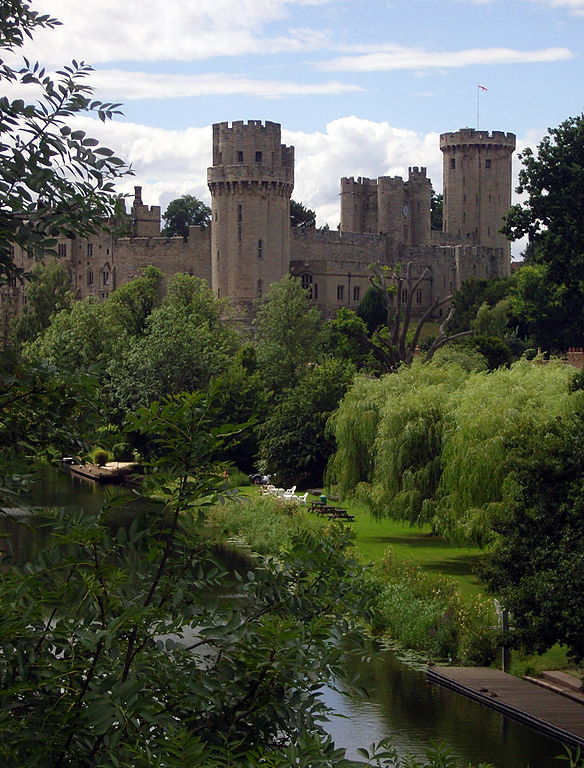
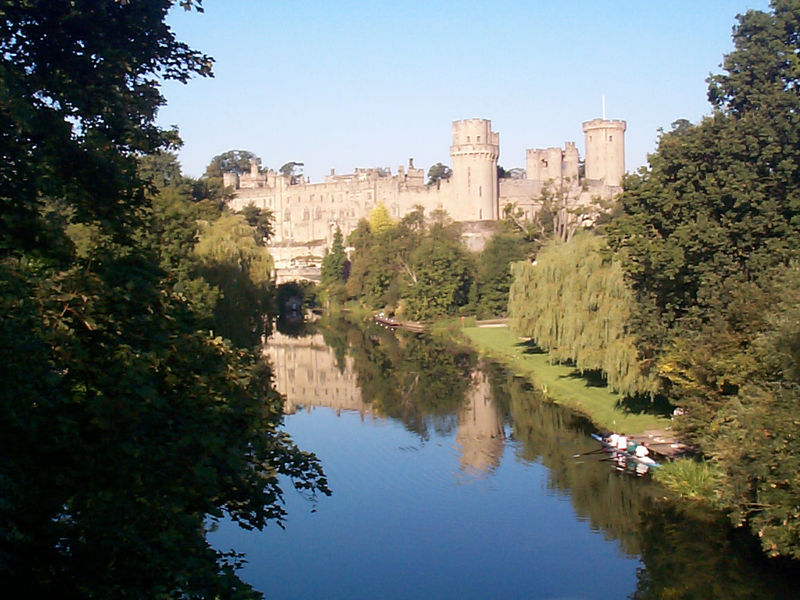
The gardens are notable for neatly clipped shrubs, ornamental planting and open views of the castle. Walking through the grounds allows visitors to see the fortress from different angles and appreciate its position above the river. Picturesque spots along the River Avon offer views of the towers and walls framed by greenery.
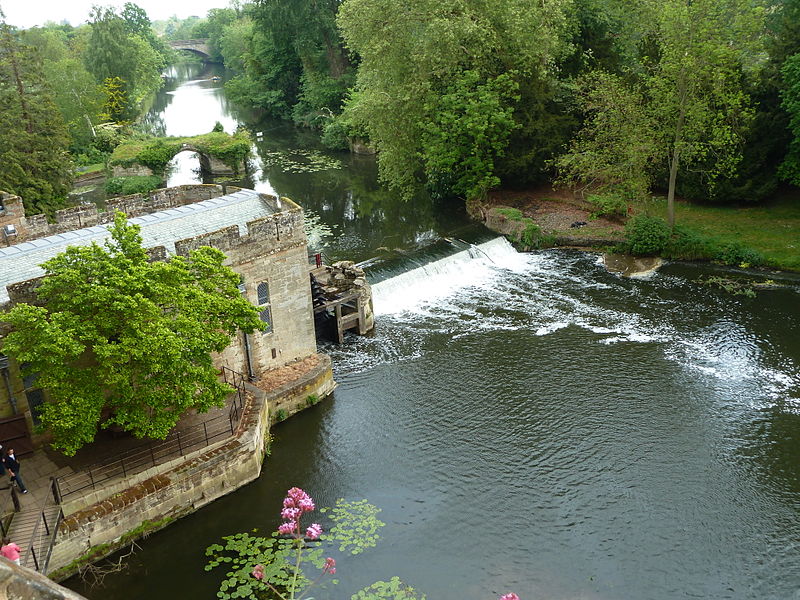
The river was important to the development of the town and surrounding area. The high bank provided a natural defence, while the nearby water strengthened the castle’s strategic position. Today, the combination of historic walls, parkland and riverside scenery is one of the main reasons for the site’s popularity.
Historical experiences and entertainment
A visit to Warwick Castle now involves more than architecture alone. The site hosts themed historical displays, guided tours, staged performances and events focused on medieval life. Interactive areas explain preparations for battle, military equipment and the daily activities of people who lived in the fortress.
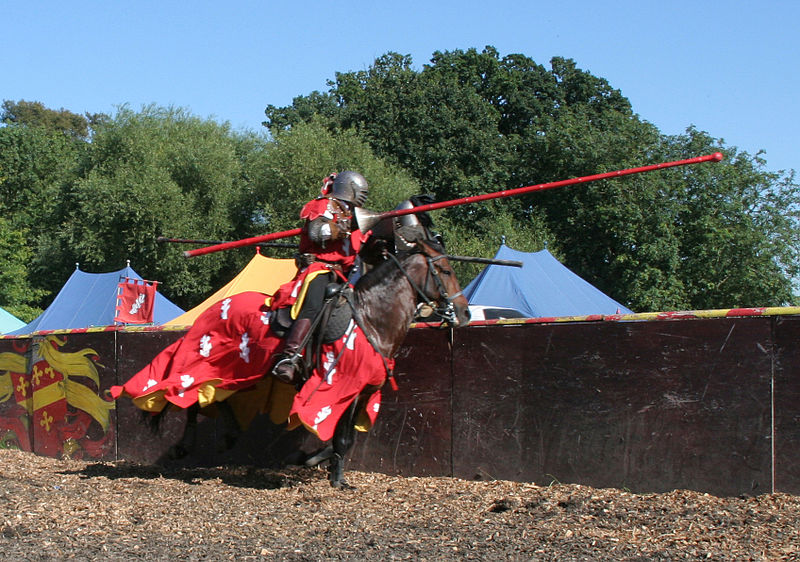
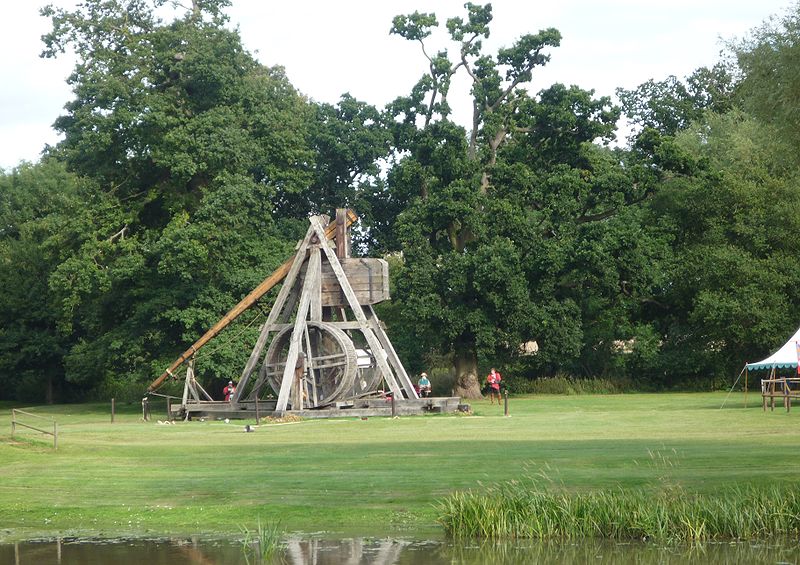
Depending on the season, visitors may see birds of prey displays, reenactments of knightly contests and demonstrations of historic siege engines. The programme changes, so it is worth checking the schedule and availability of individual attractions before travelling. Special themed areas and activities are also offered for families with children.
Best time to visit
Spring and summer are ideal for walking through the gardens and riverside grounds, when the greenery is especially vivid and seasonal events are more frequent outdoors. In autumn, the park takes on golden colours, while cooler weather can make it pleasant to spend more time inside the historic rooms and exhibitions.
Weekends and school holidays are generally busier, particularly on days with major shows. For a quieter visit, consider a weekday and arrive close to opening time. Allow most of a day to explore the castle and grounds, as the towers, State Rooms, gardens and entertainment areas can take several hours to see.
How to get to Warwick Castle
The castle is in the town of Warwick in central England, in the county of Warwickshire. The town can be reached by train from other parts of the United Kingdom, and the castle is generally within walking distance of the railway station. Driving is also convenient, with parking available near the attraction; check the current arrangements before travelling.
If travelling through central England, combine the castle visit with a walk around Warwick’s historic centre. The town retains old streets, medieval buildings and St Mary’s Church, whose tower offers views over the town and castle.
Nearby attractions
After visiting the castle, explore the centre of Warwick, where timber-framed houses, historic inns and buildings from different periods can be found. Lord Leycester Hospital is another notable site, a historic complex associated with charitable traditions and the town’s history.
St Mary’s Church is also worth seeing. Its architecture and tall tower form a distinctive feature of the historic centre. From the viewing area, visitors can look across the old town’s rooftops and surrounding landscape. Those interested in English history may also enjoy Kenilworth Castle, located in the same county.
Travel tips
Wear comfortable shoes, as routes around the castle include stone surfaces, stairs and uneven ground. Climbing the towers requires physical effort, and access restrictions may apply. Waterproof clothing is useful in cool or rainy weather because much of the site is outdoors.
Before travelling, check opening times, entry conditions and the event programme, as some shows and areas are seasonal. If you want to explore the historic interiors and gardens in detail, avoid planning an overly short visit. Warwick Castle offers a glimpse of several chapters of England’s past, from a Norman military stronghold to a lavish aristocratic residence.
Gallery