Mount Ararat National Park lies in eastern Türkiye, across parts of Ağrı and Iğdır provinces, near the borders with Iran, Armenia and Nakhchivan. It covers approximately 880.14 square kilometres, or 88,014 hectares, and was established on 17 November 2004. The protected area preserves mountain landscapes, volcanic landforms, glaciers, wetlands and a diverse range of plants and animals.
Mount Ararat
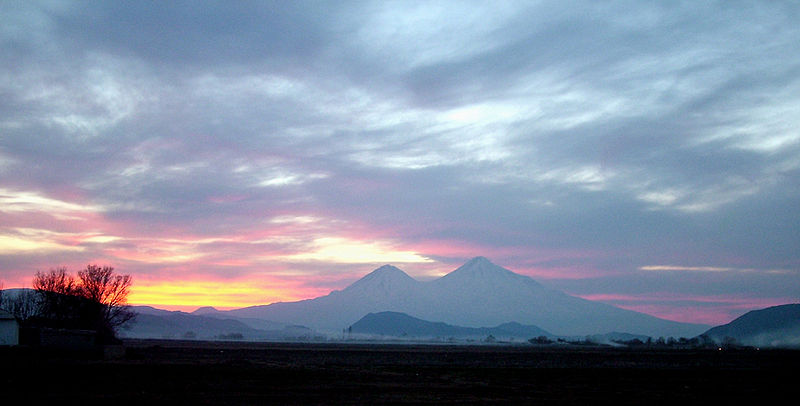
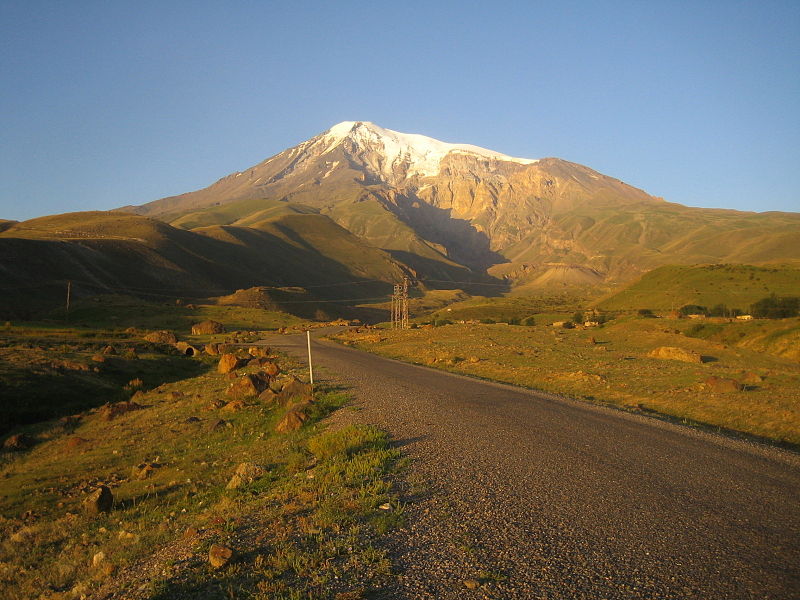
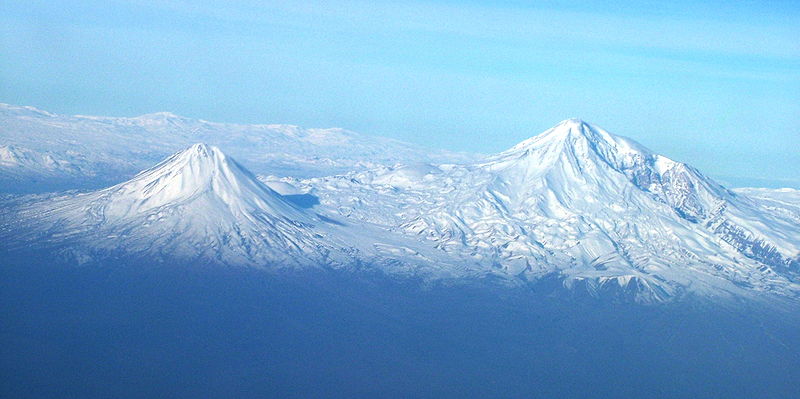
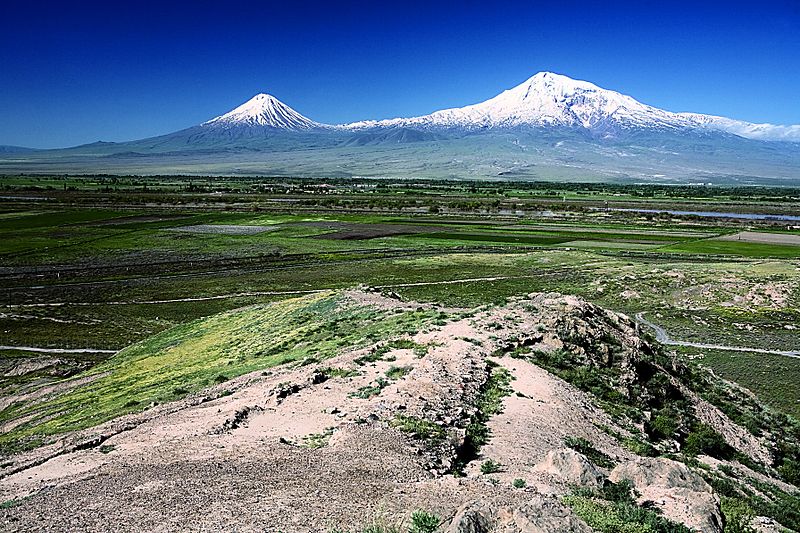
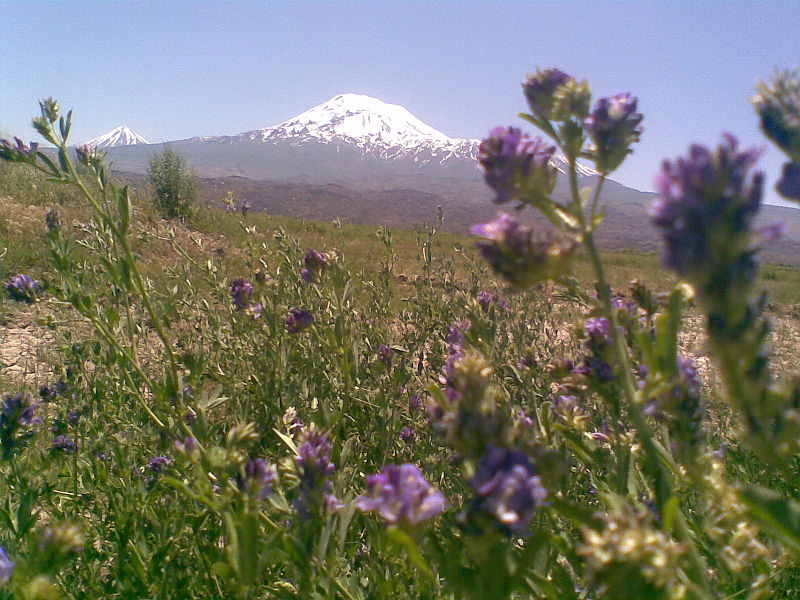
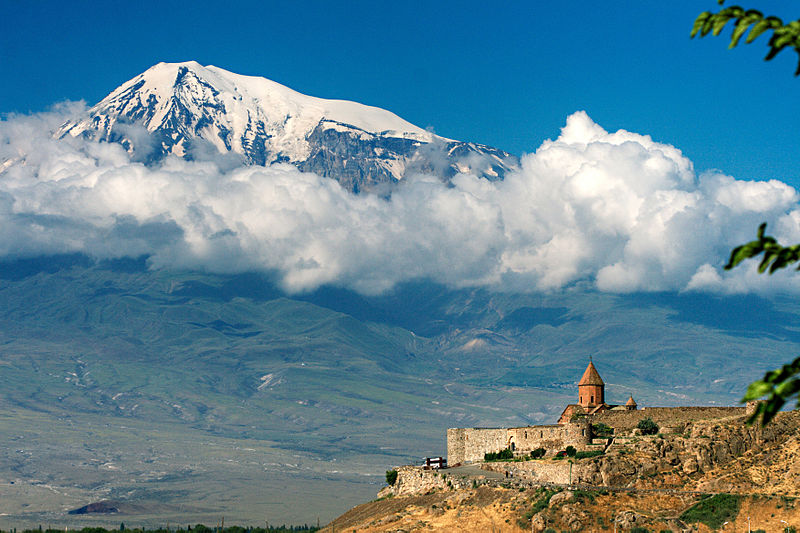
The park’s best-known landmark is Greater Ararat, whose summit reaches 5,137 metres above sea level. It is Türkiye’s highest mountain and one of the region’s most recognisable volcanic massifs. Nearby stands Little Ararat, about 3,896 metres high. Both peaks have distinctive conical profiles rising above the surrounding plains.
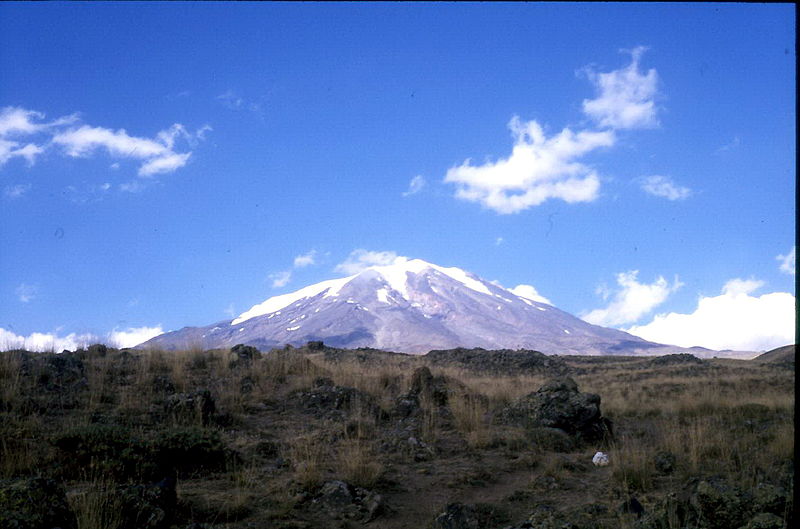
Ararat was shaped by volcanic activity and subsequent geological processes. The upper slopes of Greater Ararat remain snow-covered for much of the year, and the mountain contains Türkiye’s largest glacier. Lower elevations feature lava fields, rocky terrain, mountain steppes and valleys.
Little Ararat and volcanic scenery
Little Ararat lies southeast of the main summit and forms a relatively symmetrical volcanic cone. The Serdarbulak Pass separates the two mountains. Their dramatic silhouettes contrast with the surrounding plains and create one of the characteristic landscapes of eastern Anatolia.
The national park also contains geological formations shaped by volcanic activity and erosion. A well-known feature near Doğubayazıt is a meteorite crater. Popular accounts sometimes differ on its origin and dimensions, so visitors should consult official local information for details.
The legend of Noah’s Ark
Mount Ararat is widely associated with the biblical story of Noah’s Ark. According to religious tradition, the Ark came to rest in the mountains of Ararat after the Flood. A geological formation near Doğubayazıt is also promoted as a possible Ark site. It attracts visitors and researchers, but no convincing scientific evidence has established that an actual Ark is present there.
Religious traditions and numerous expeditions have given the mountain international significance. Its natural value is equally important: the range of elevations, glaciers and volcanic landforms provides opportunities to study climate change and mountain ecosystems.
Plants and wildlife
The park’s vegetation varies with altitude and moisture. Lower slopes are dominated by steppe and mountain-steppe communities, while higher areas support tall-grass meadows and subalpine and alpine vegetation. Shrub communities and remnants of birch woodland occur on some slopes. At higher elevations, bare rock, snow and ice dominate the landscape.
The region supports diverse plant life, including endemic species adapted to harsh conditions. Mountain and steppe mammals, birds of prey and many invertebrates inhabit the area. Local conservation materials also mention rare species, including the Apollo butterfly and native reptiles. Wildlife watching should be quiet and respectful of conservation rules.
Mountaineering and hiking
Greater Ararat attracts experienced mountaineers from around the world. Climbing requires physical preparation, suitable equipment and time to acclimatise to the altitude. Weather can change quickly, and strong winds, snow and low temperatures are possible even during the usual climbing season.
A summit attempt is not an ordinary walk. Before planning a climb, check current access rules, permit and guide requirements, and safety conditions. Access to certain areas may be restricted because of weather, conservation needs or administrative regulations.
When to visit
The warmer months are generally more suitable for visiting the lower slopes and nearby landscapes when roads and trails are accessible. The climbing season for Greater Ararat depends on snow conditions and current regulations, so dates should be arranged with licensed local operators. Spring and autumn can bring changeable weather, while winter conditions are severe.
Doğubayazıt and the city of Iğdır are common starting points for exploring the region. Mount Ararat National Park combines dramatic volcanic mountains, glaciers, steppe habitats and cultural traditions, making it a compelling destination for climbers and travellers interested in the natural heritage of eastern Türkiye.
Gallery