Ras Mohammed National Park is one of Egypt’s best-known protected areas, located at the southern tip of the Sinai Peninsula where the Gulf of Suez and the Gulf of Aqaba meet the Red Sea. Sharm El Sheikh lies about 12 km to the northeast and serves as a starting point for road excursions and boat trips. The park is famous for coral reefs, clear water, diverse marine life and the striking contrast between underwater ecosystems and arid desert landscapes.
History and area
Ras Mohammed was designated a protected area in 1983 and became Egypt’s first national park. Its boundaries were later expanded to include extensive coastal and marine areas. Official sources provide different figures for its size: older descriptions commonly state about 480 km², while Egypt’s Environmental Affairs Agency currently lists 778.2 km². Most of the protected landscape is marine, but the park also includes desert terrain, shorelines and mangrove habitats.
Red Sea coral reefs
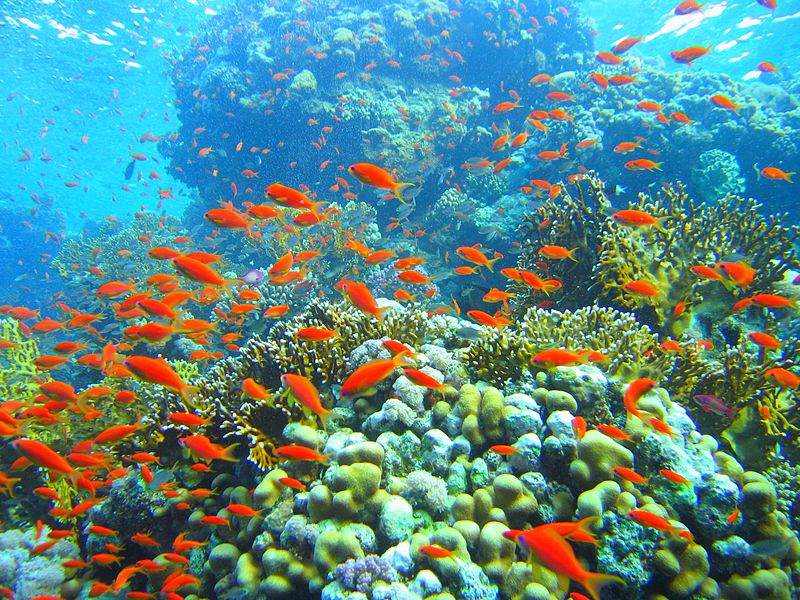
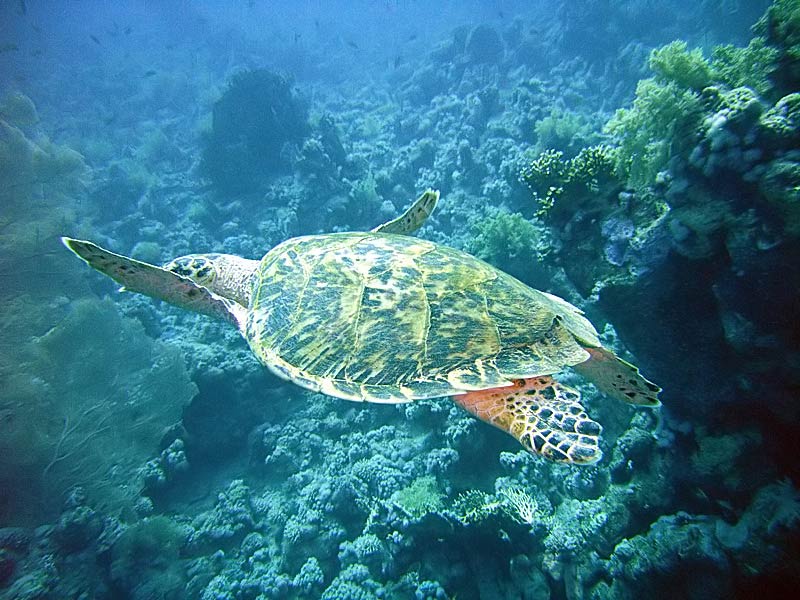
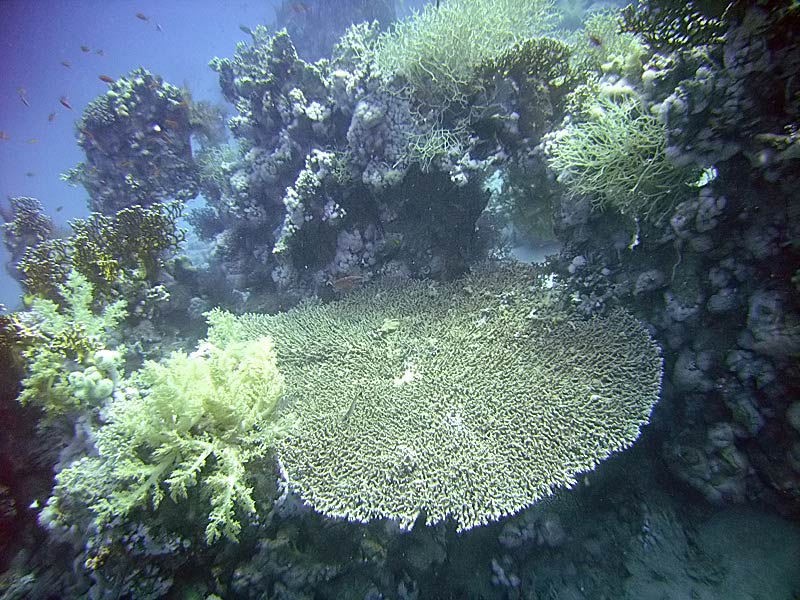
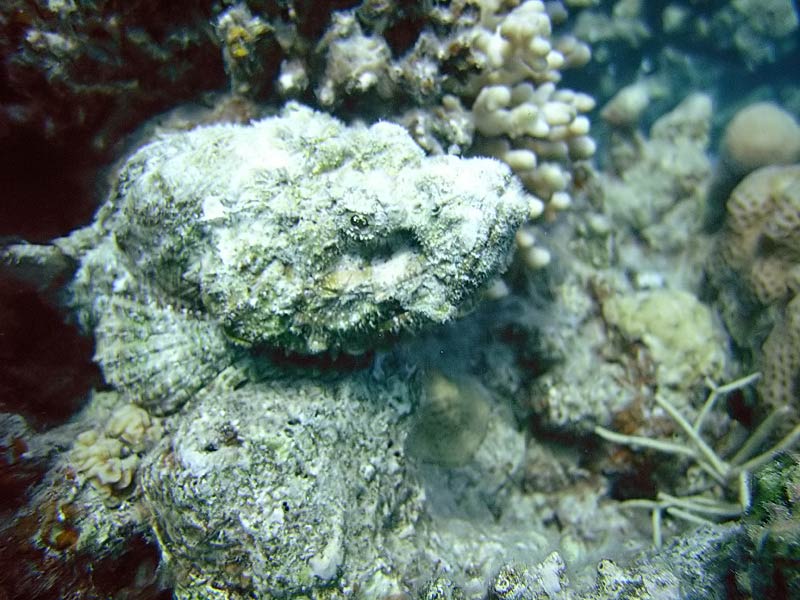
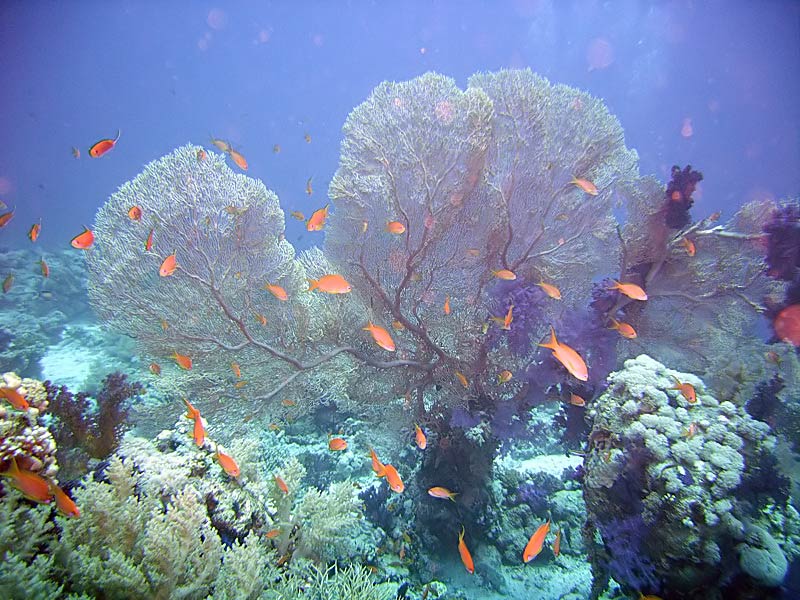
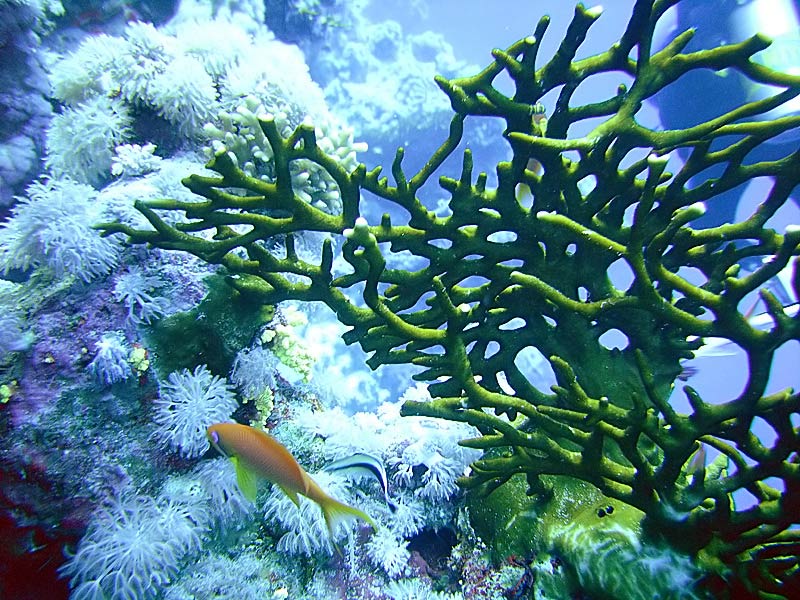
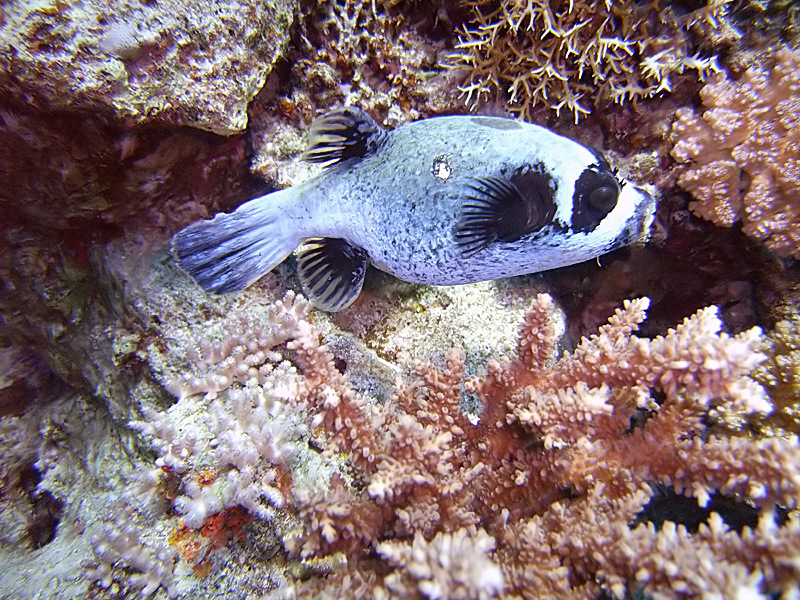
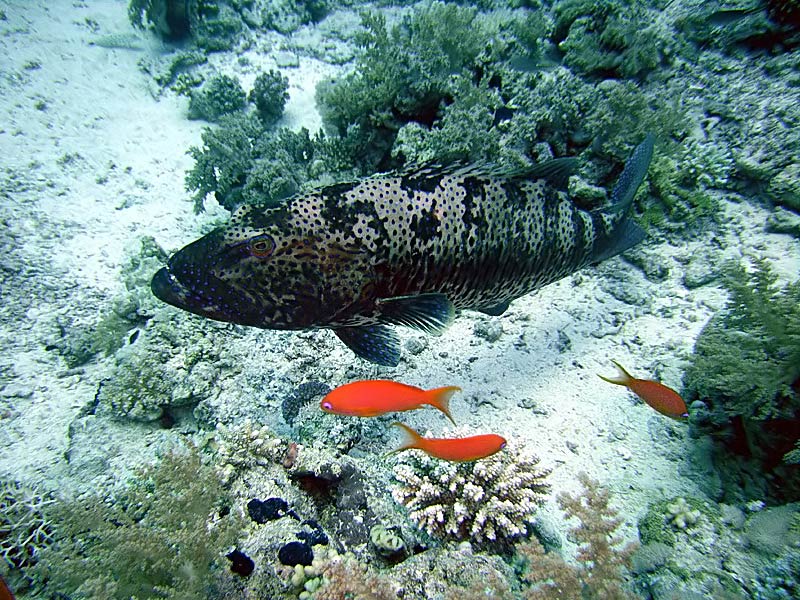
The park’s greatest natural treasure is its coral reef system, which fringes much of the peninsula. Hard and soft corals create a complex underwater habitat full of shelters and feeding grounds. In clear water, visitors may see schools of colourful fish, butterflyfish, parrotfish, moray eels and other reef species. Sea turtles and larger pelagic fish may also be encountered, depending on season and conditions.
Coral reefs are ecologically important as well as beautiful. They provide shelter for many species, support marine food webs and help protect parts of the coast from waves. Corals are vulnerable to rising water temperatures, pollution and physical damage, making reef conservation one of the park’s key priorities.
Diving and snorkelling
Ras Mohammed is among the best-known underwater destinations near Sharm El Sheikh. Popular dive sites include Shark Reef and Yolanda Reef, known for underwater walls, coral formations and abundant marine life. Actual diving conditions depend on weather, currents and the diver’s experience; a site name does not guarantee a shark encounter.
Snorkelling is also possible in designated areas, allowing visitors to observe fish and corals from the surface. Swim only where permitted, follow guides’ instructions and never touch coral. Do not feed fish, chase turtles or collect shells and other natural objects from the seabed. Even brief contact can damage fragile marine life.
Mangroves and saltwater lakes
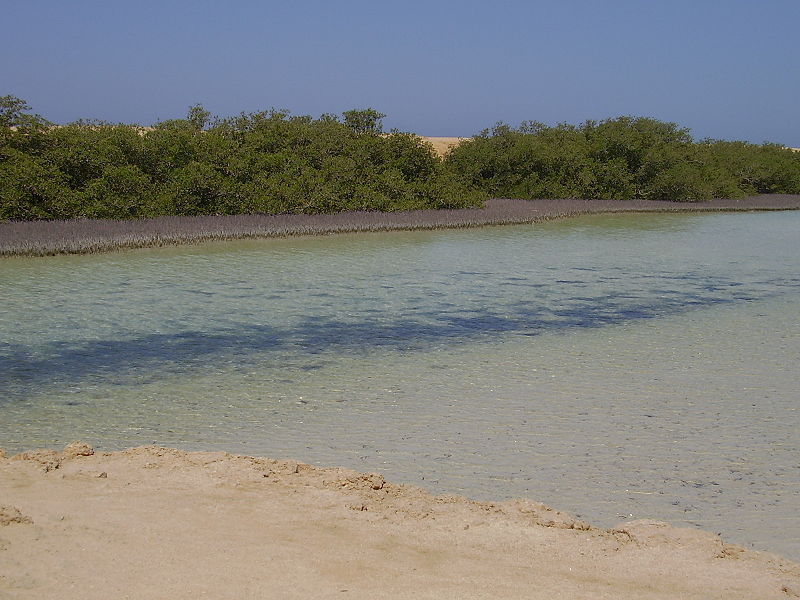
The park’s natural environment extends beyond coral reefs. Mangrove trees grow in the southern part of the peninsula, tolerating salty water and challenging coastal conditions. Their roots provide shelter for small marine organisms and habitat for birds. Mangrove ecosystems also trap sediment and help stabilise the shoreline.
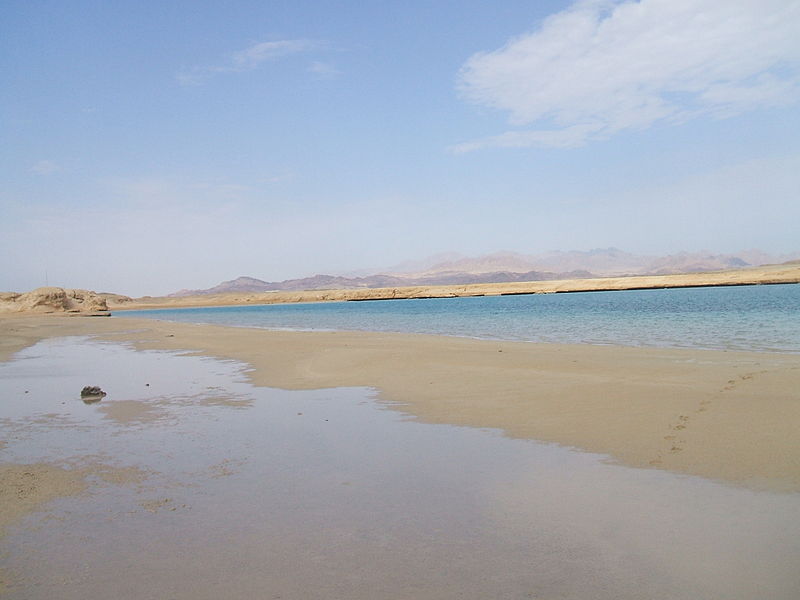
Ras Mohammed includes saline pools and shallow-water areas with conditions different from the open sea. One well-known attraction is called the Magic Lake. Its name is associated with local stories, but claims about unusual powers of the water should not be treated as scientific facts. Check whether swimming is permitted before entering any pool.
Geology and desert scenery
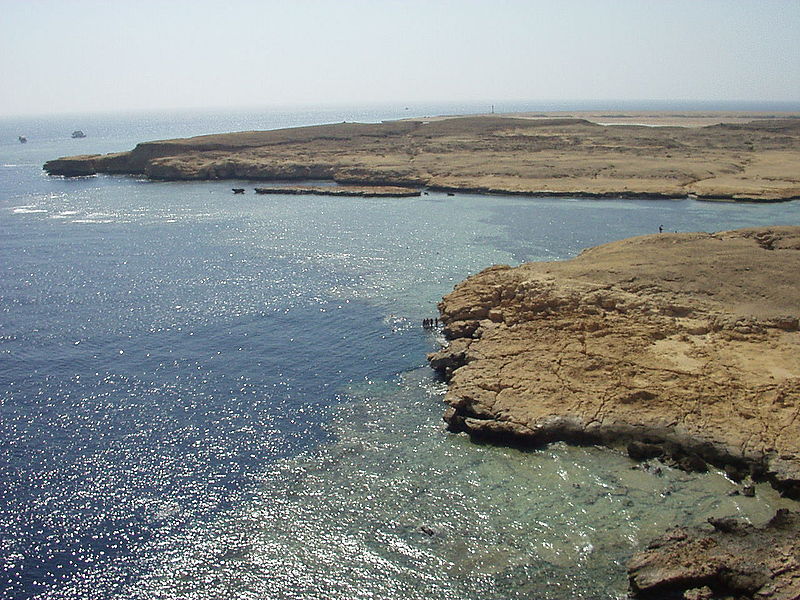
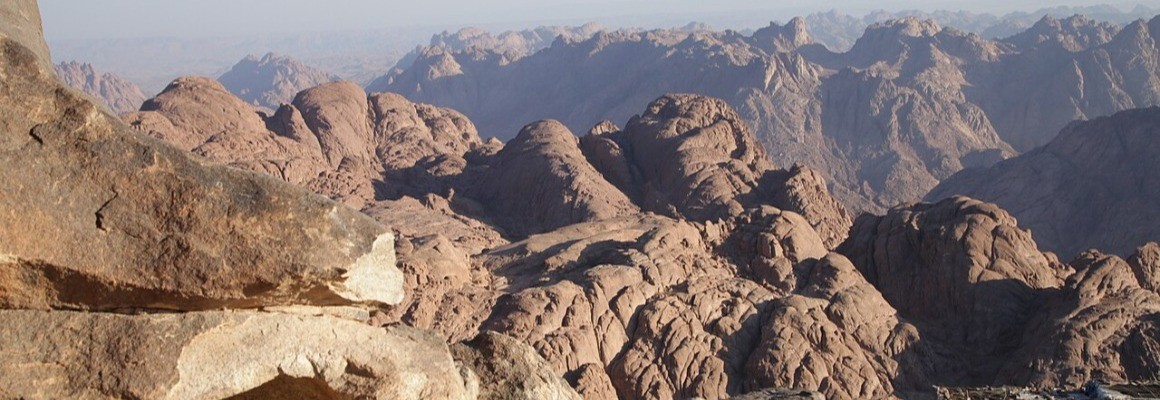
The peninsula consists partly of uplifted ancient coral deposits. On land, visitors can see fossil reef formations, limestone, sandy coves and rocky shorelines. These features record changes in sea level and geological processes that shaped the region over long periods.
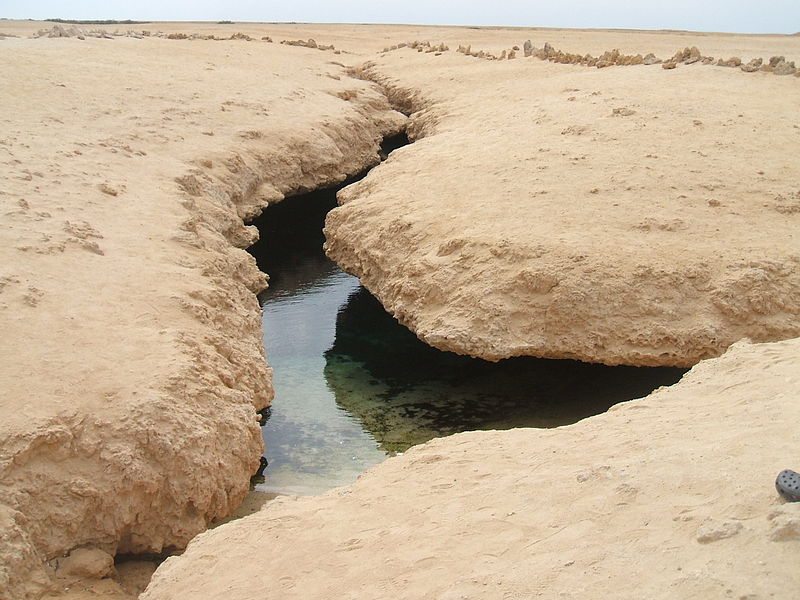
The park’s location near major tectonic structures influences its geology. Cracks in the ground can be seen in some places, reflecting geological processes and movement of the Earth’s crust. Despite the harsh desert climate, adapted plants, reptiles, insects and small mammals inhabit the area.
Birds and land animals
The park’s coastal habitats are important for resident and migratory birds. Gulls, herons and other waterbirds may be seen around shallow water and mangroves. Desert areas support reptiles, insects and small mammals. Nubian ibex occur in the wider South Sinai region, although wildlife sightings depend on the location and time of day.
What to see in the park
Most visitors come for coral reefs and boat excursions, but the terrestrial landscape is also worth exploring. Tours may include viewpoints along rocky shores, the mangrove channel, saline pools and exposed fossil coral formations. The precise route depends on the excursion and current access rules.
The contrast between the dry desert and the colourful underwater world is one of the park’s defining features. A short stop along the coast can reveal how sharply the landscape changes where land meets the Red Sea. Visitors can choose a road tour, a boat trip or a programme that includes scuba diving.
Best time to visit
Ras Mohammed can be visited throughout the year. Summer is very hot, so land excursions are usually more comfortable early in the morning. Cooler months tend to be more pleasant for walking, although water temperature and underwater visibility depend on weather and sea conditions. Before diving, check current strength, waves and the requirements for your level of experience.
Getting there and visitor rules
The park is about 12 km from Sharm El Sheikh and can be reached by tour bus, private vehicle or organised excursion. Boat trips provide views of the reefs and stops for snorkelling. Before travelling, check current entry procedures, schedules, ticket prices and access restrictions through Egypt’s official protected-areas portal.
Visitors must not damage or collect corals, shells, plants, fossils or other natural materials. Littering and entering closed areas are prohibited. Follow the instructions of park staff and guides, especially during boat trips and dives. Ras Mohammed offers a remarkable opportunity to experience the Red Sea’s coral reefs, mangroves and desert landscapes while learning why these fragile ecosystems need protection.
Gallery