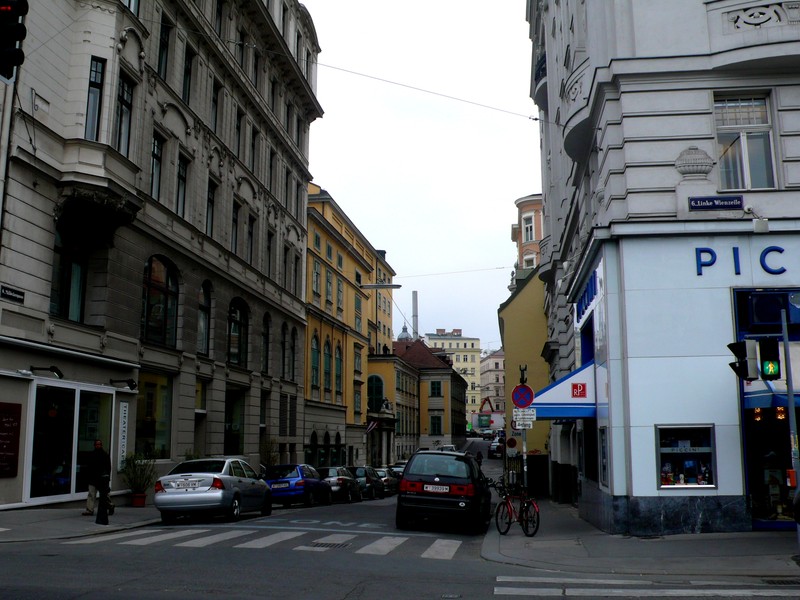
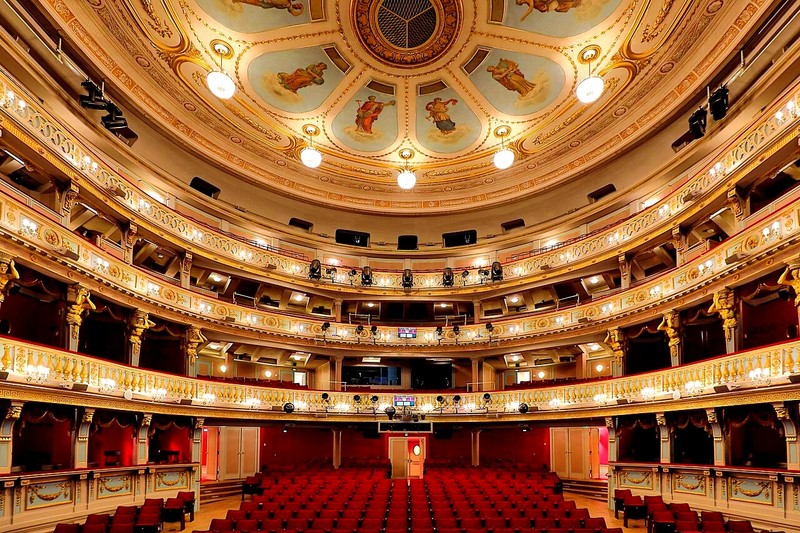
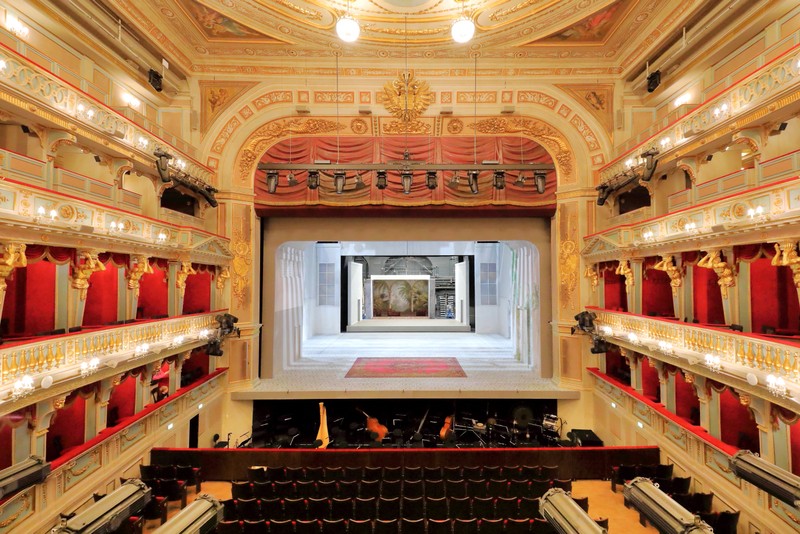
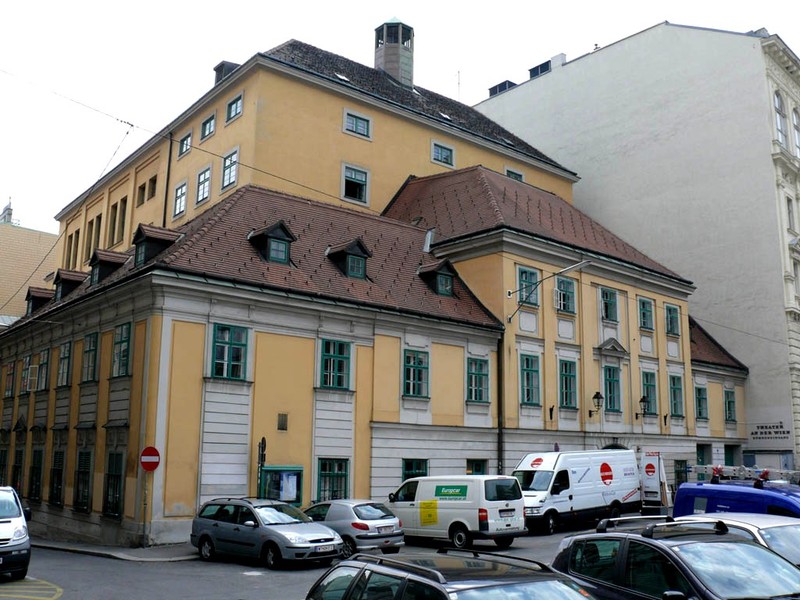
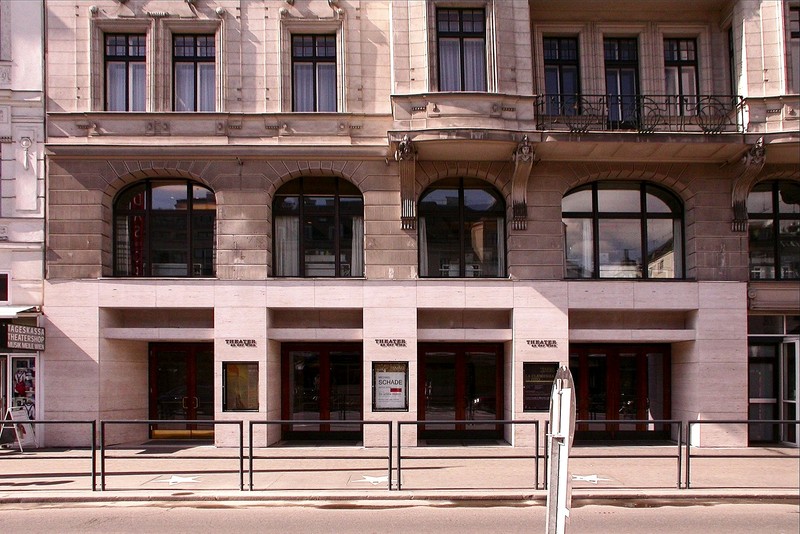
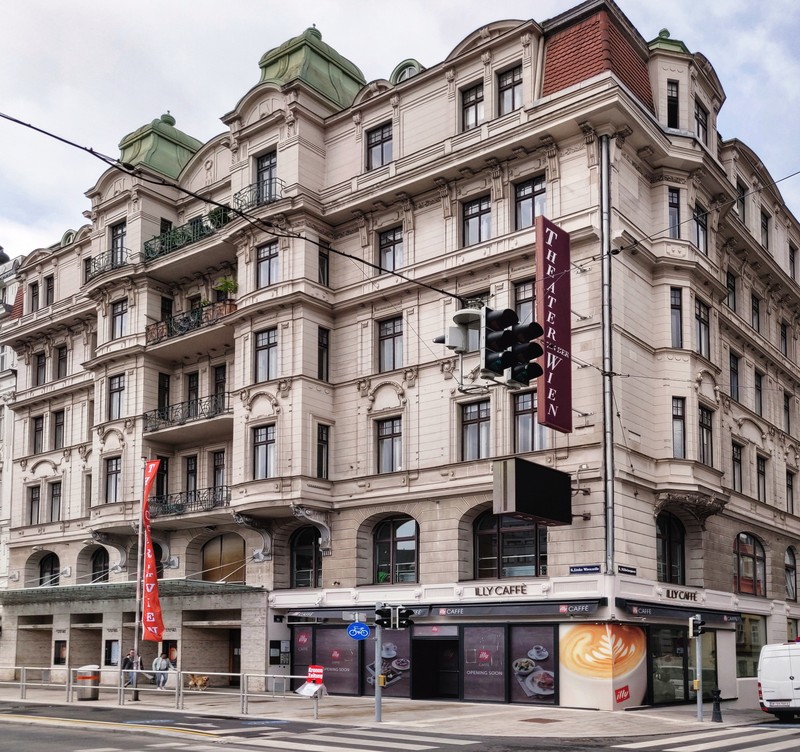
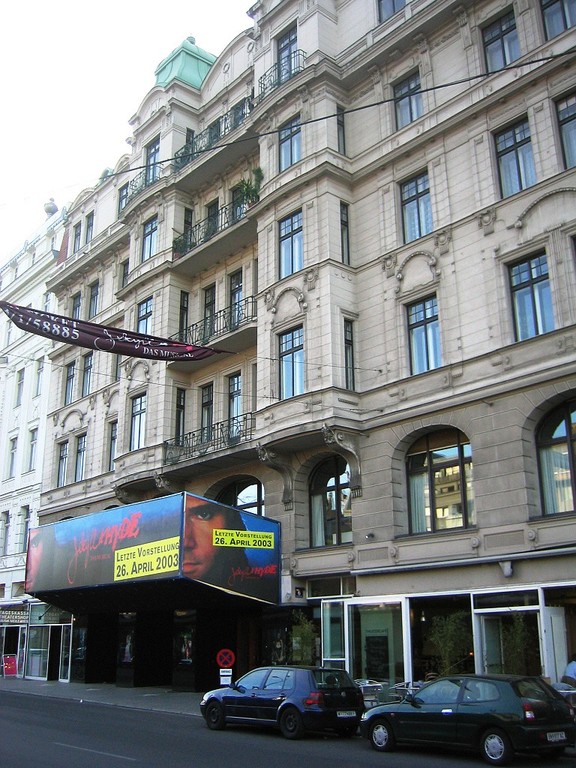
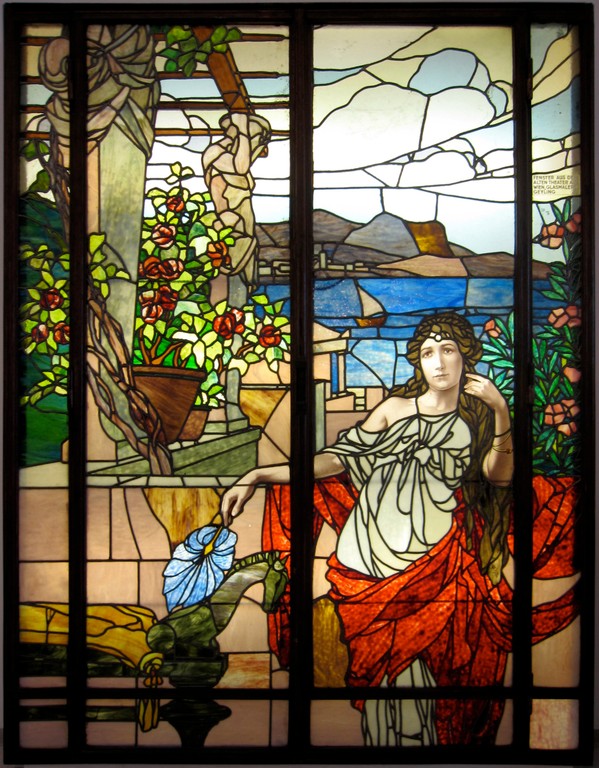
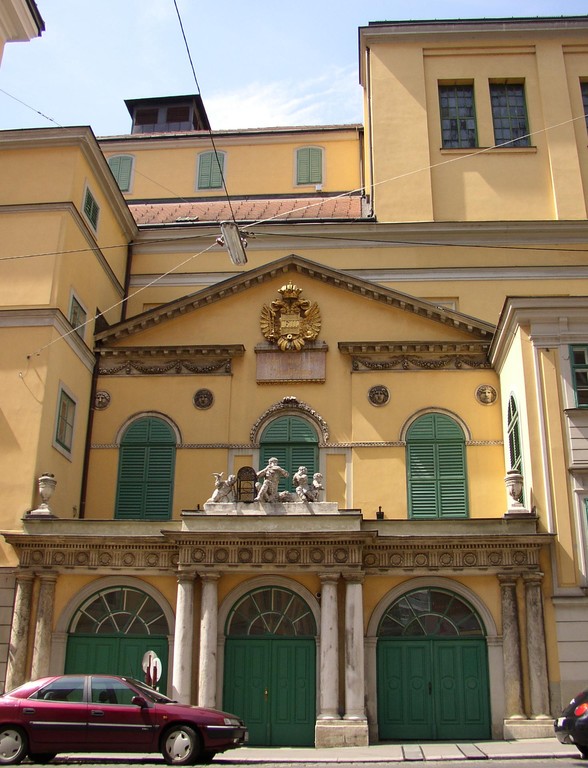
Theater an der Wien is a historic musical theatre in Vienna's sixth district, known for premieres of operas, operettas, and musicals. It stands on Linke Wienzeile, near the Naschmarkt and Karlsplatz metro station. Over more than two centuries, the theatre has become an important venue in Austria's musical life, hosting distinguished composers and performers.
The founding of the theatre
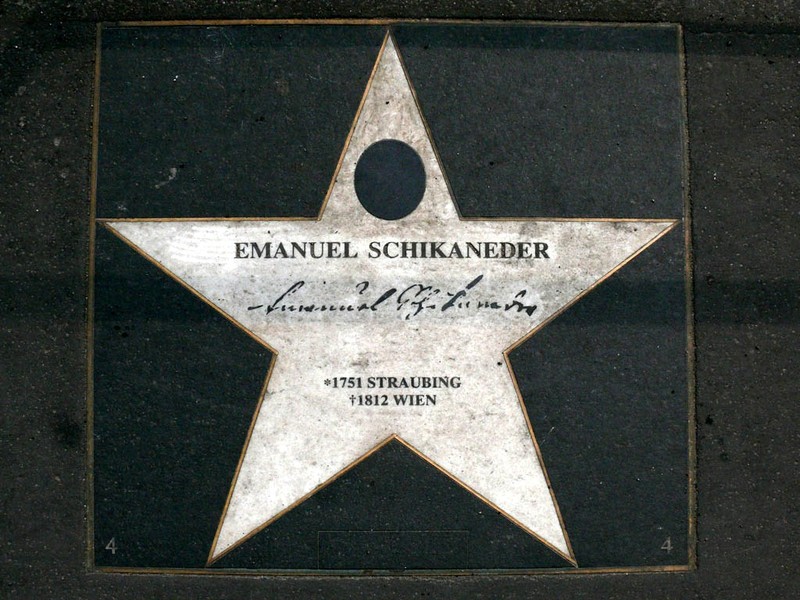
The theatre was founded by performer, singer, writer, and theatre manager Emanuel Schikaneder, also known for writing the libretto of Mozart's The Magic Flute and playing Papageno in its premiere. The building was constructed in the late 18th century to a design by architect Franz Jäger. It opened on 13 June 1801 with the heroic opera Alexander by Franz Teyber. At the time, it was considered one of Vienna's largest and most technically advanced theatres.
The name Theater an der Wien means “theatre on the Wien River.” The Wien flows through the city and gave its name to the nearby street. In its early years, the theatre offered a varied programme of operas, concerts, comedies, tragedies, popular plays, and spectacular productions. This mixture of genres helped it attract a broad audience and establish a prominent place in Vienna's cultural life.
Emanuel Schikaneder and the Papageno Gate
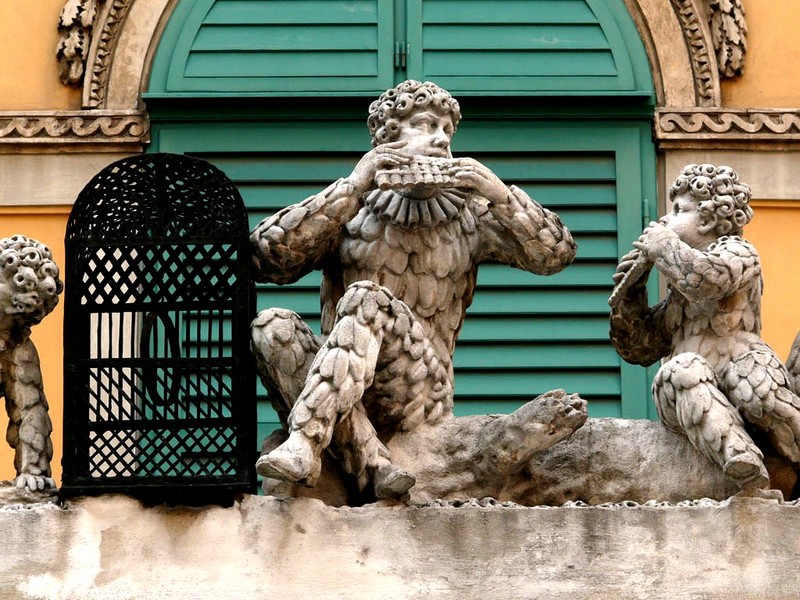
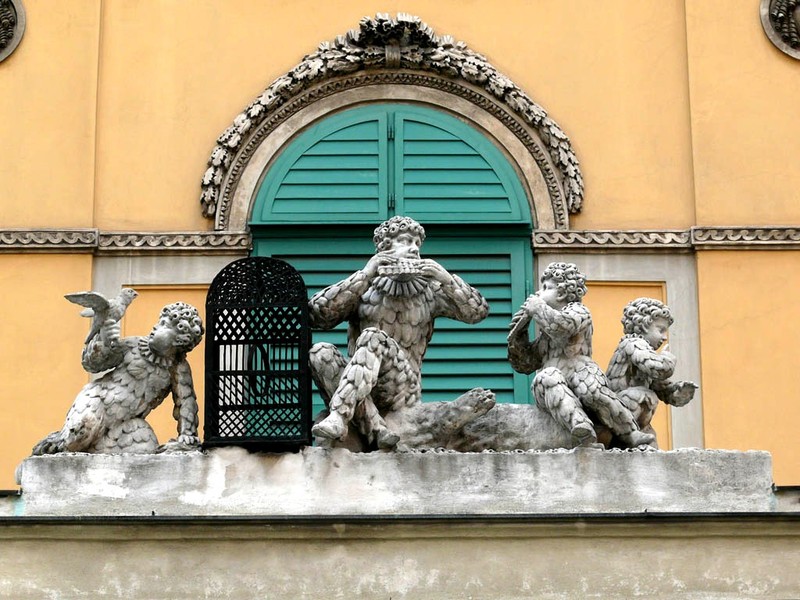
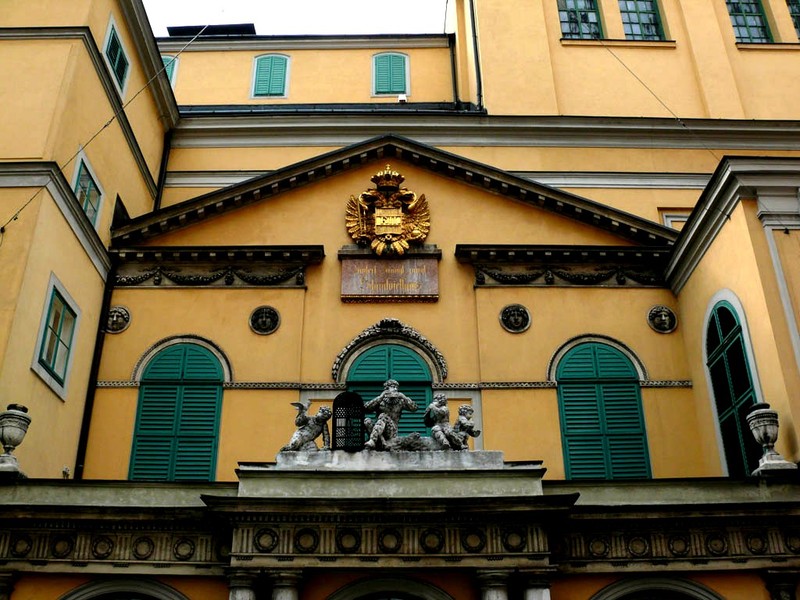
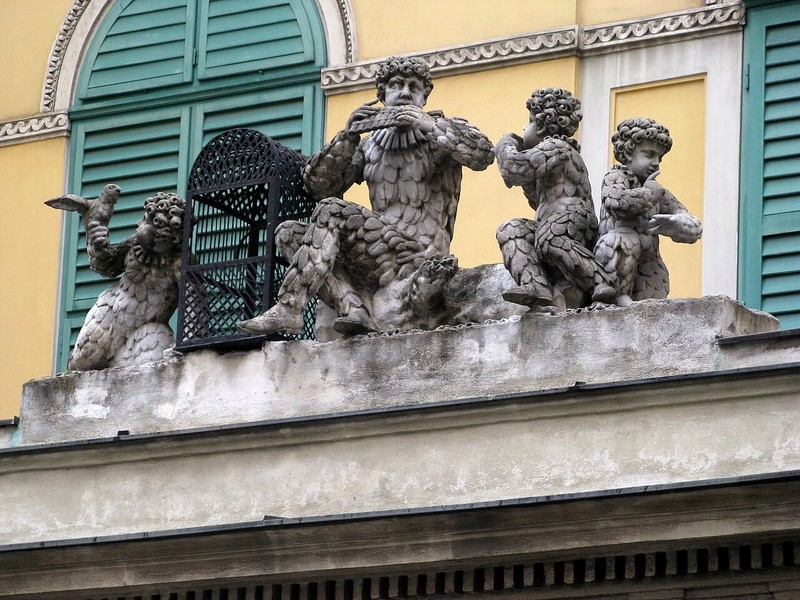
The theatre's founder, Emanuel Schikaneder, played an important role in the development of Vienna's musical stage. His collaboration with Wolfgang Amadeus Mozart led to The Magic Flute, which premiered in 1791 at another theatre managed by Schikaneder. The Papageno Gate commemorates the founder of Theater an der Wien. This architectural portal features a sculpture of the opera character and remains one of the building's most recognisable historic details.
Beethoven and major musical premieres
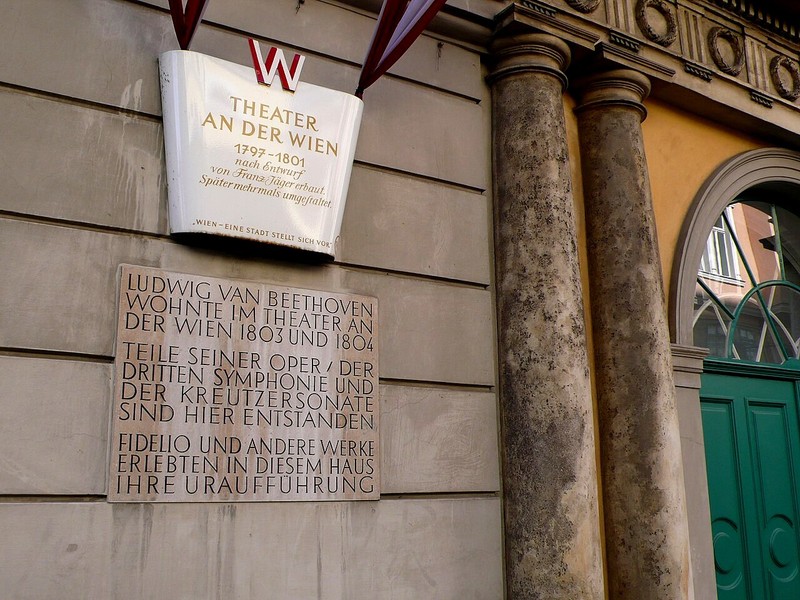
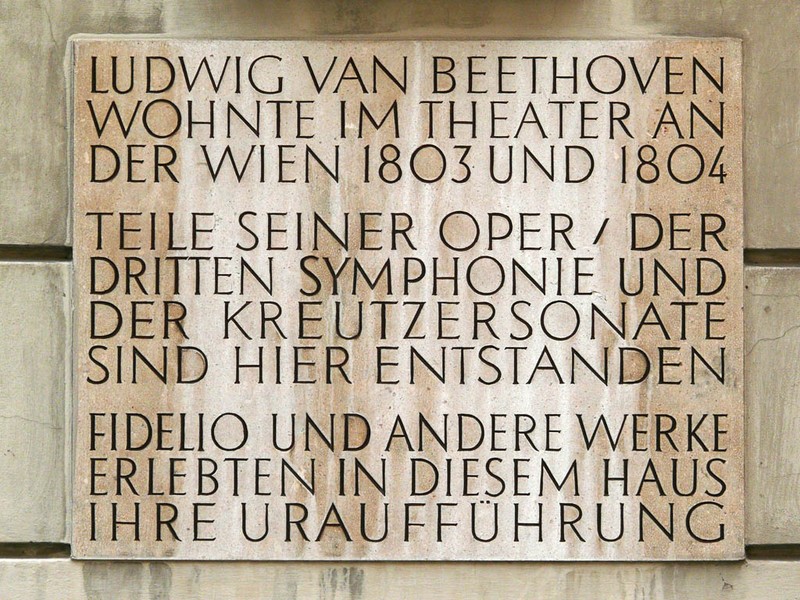
Ludwig van Beethoven occupies a special place in the theatre's history. In the early 19th century, he worked with the theatre and developed musical works there. In 1805, his opera Fidelio premiered at the venue. It was the composer's only opera and was later revised several times. His symphonies and other orchestral works were also performed here. These events made the theatre an important part of Vienna's musical history.
During the 19th century, Theater an der Wien became one of the leading centres of Viennese operetta. Its stage presented works by Johann Strauss II, including the famous Die Fledermaus, as well as operettas by Franz Lehár and other composers. The theatre was also associated with the development of Viennese popular theatre and performances by well-known dramatic actors.
The theatre in the 20th century
After closing in 1938, the theatre reopened in 1945 and served for about ten years as a temporary home for the Vienna State Opera, whose building had been badly damaged during the Second World War. Theater an der Wien's programme later changed with public musical tastes. In the second half of the 20th century, it staged musicals, including international productions that attracted large audiences.
In 2006, the theatre adopted a new focus as an opera house presenting works from different periods, from Baroque opera to contemporary musical drama. Between 2022 and 2024, the building underwent a major renovation and reopened with upgraded facilities.
Today's programme
Today, MusikTheater an der Wien is known for combining classical repertoire, rarely performed works, and contemporary stage interpretations. Unlike theatres with a permanent repertory, it follows a stagione system: individual productions run for a limited period, and the programme changes regularly. The schedule includes operas from several centuries, concert performances, special projects, and educational events.
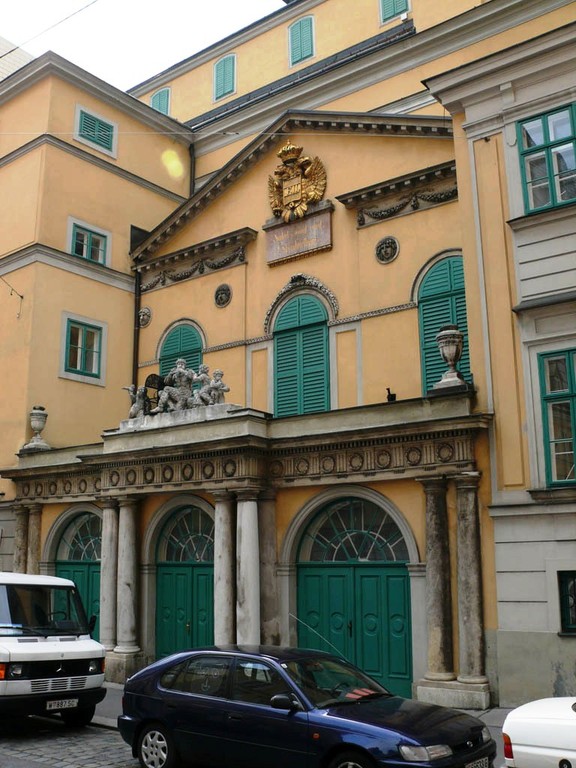
The building is of interest beyond opera audiences. Its historic façade, Papageno Gate, and connections with Mozart and Beethoven make it a notable cultural landmark in Vienna. The best way to experience the theatre, however, is to attend a performance, as music theatre remains its central purpose.
How to get to Theater an der Wien
The address is Linke Wienzeile 6, 1060 Vienna. The nearest major transport hub is Karlsplatz station, served by metro lines U1, U2, and U4. The Secession exit is convenient for reaching the theatre. Buses 59A and 57A also serve the area; choose the stop that best suits your route.
Tickets for opera and other events can be purchased through the theatre's official website, which also provides the current programme, performance times, accessibility information, and visitor guidance. Booking in advance is recommended for popular productions. Check the latest schedule and transport information before your visit.
Gallery