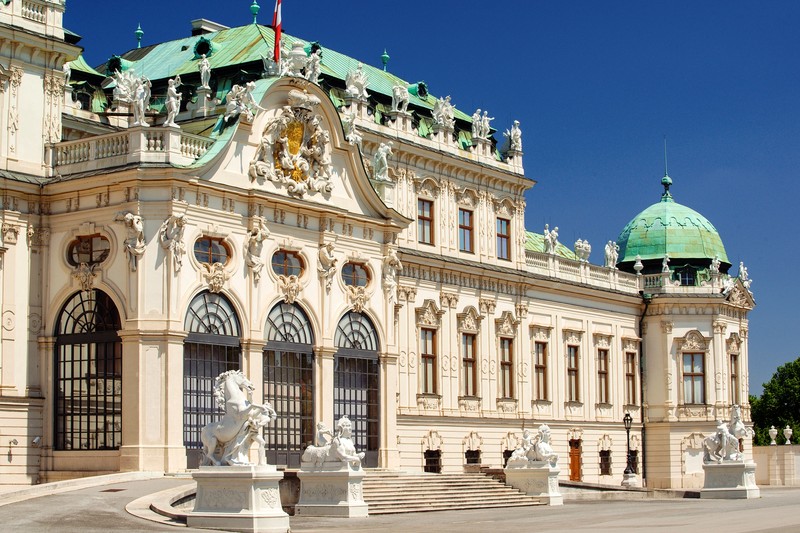
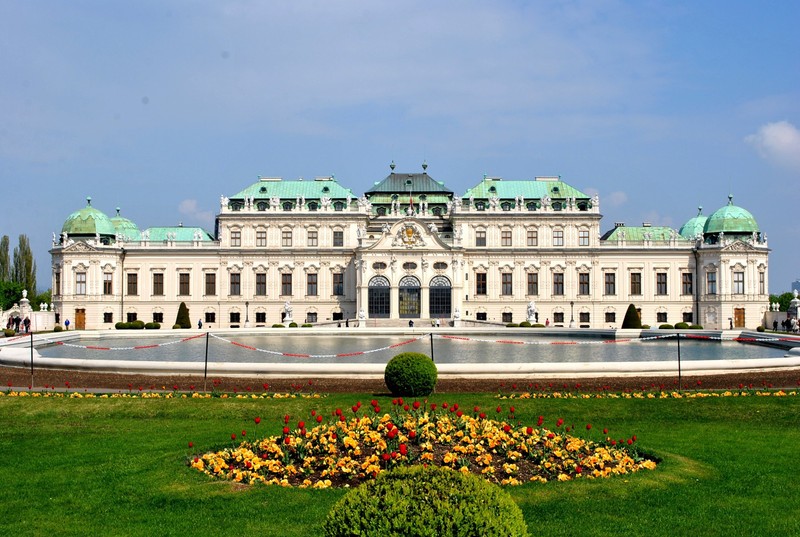
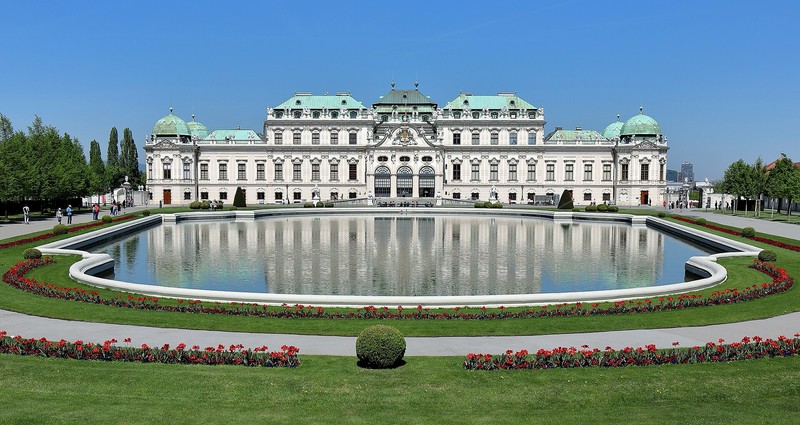
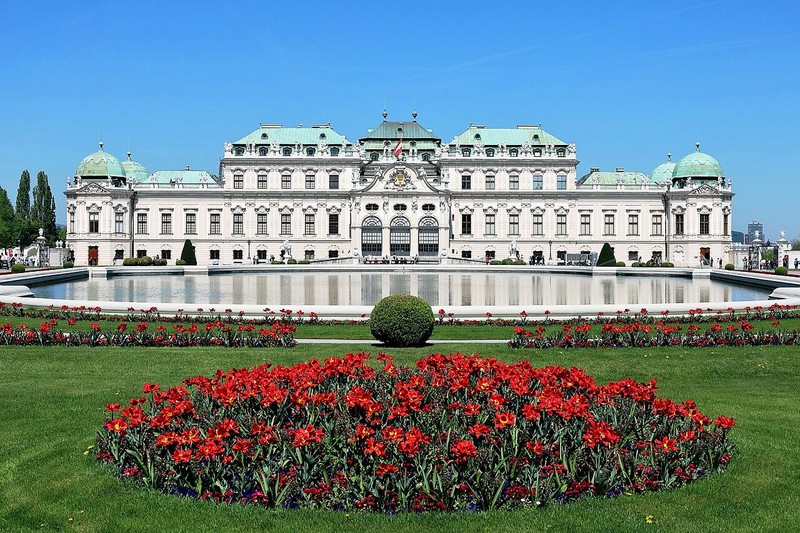
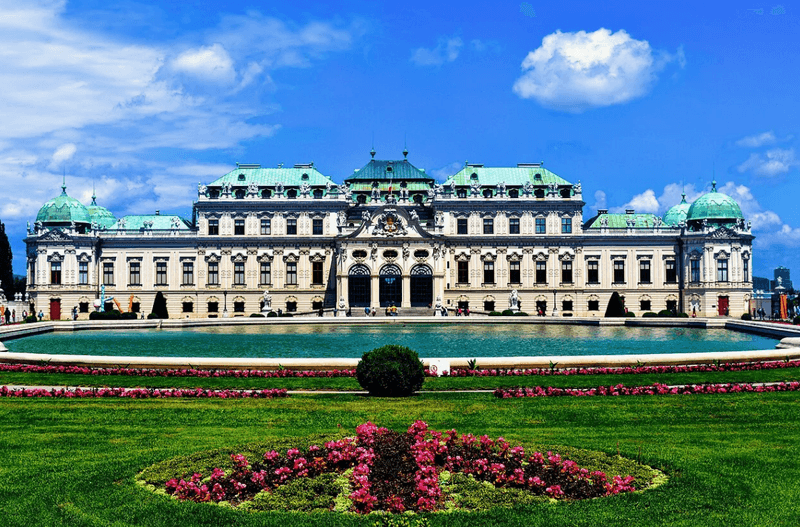
The Belvedere Gallery is an art museum in Vienna, housed in the historic Belvedere palace complex built for Prince Eugene of Savoy. Baroque architecture, ceremonial rooms and formal gardens accompany a collection of Austrian and European art. The museum is especially famous for works by Gustav Klimt, including The Kiss, one of Vienna’s best-known cultural symbols.
History of the Gallery
The complex is associated with Prince Eugene of Savoy, a celebrated military commander whose victories included campaigns against the Ottoman Empire. In the early eighteenth century, architect Johann Lukas von Hildebrandt designed a country residence for him on a slope outside Vienna’s historic centre. After Eugene’s death, the estate passed to other owners and was later acquired by Empress Maria Theresa. In the 1770s, a substantial art collection was installed in the Upper Belvedere and catalogued.
The gallery’s modern history began in 1903, when an art exhibition opened in the orangery of the Lower Belvedere. The Vienna Secession, an artists’ movement seeking to renew artistic life and make contemporary works more accessible, helped shape the museum’s development. Gustav Klimt was one of its founding figures. In 1909, the institution was renamed the Imperial Royal Austrian State Gallery.
Palace Architecture
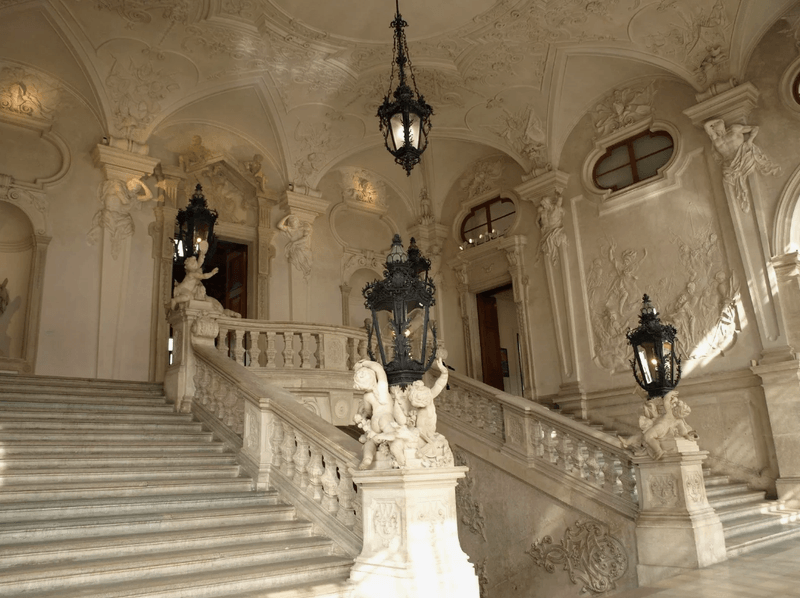
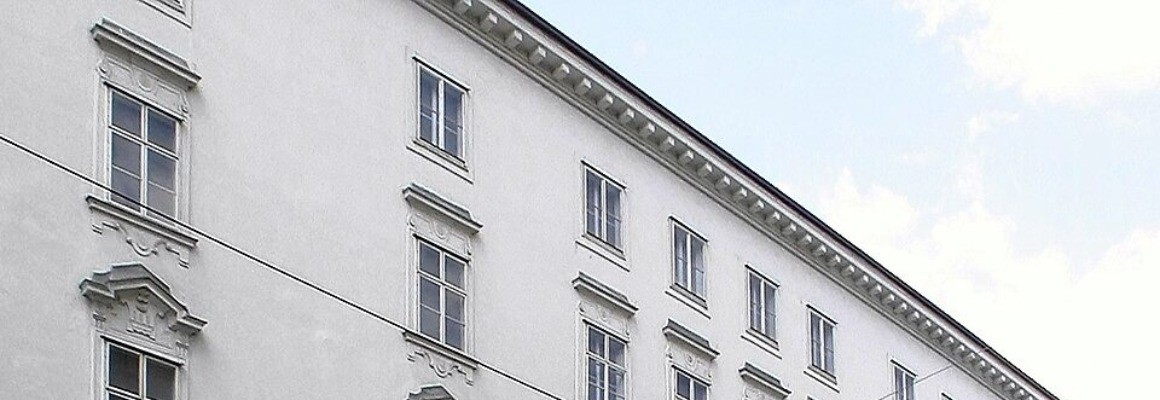
The Belvedere comprises the Upper and Lower palaces, connected by a formal garden. It is one of Vienna’s outstanding Baroque ensembles. Symmetry, sculpture, fountains and terraces created a setting that reflected the status and achievements of its original owner. Some spaces were adapted for museum use over time, and rooms damaged during the Second World War were later restored.
The Collection and Famous Works
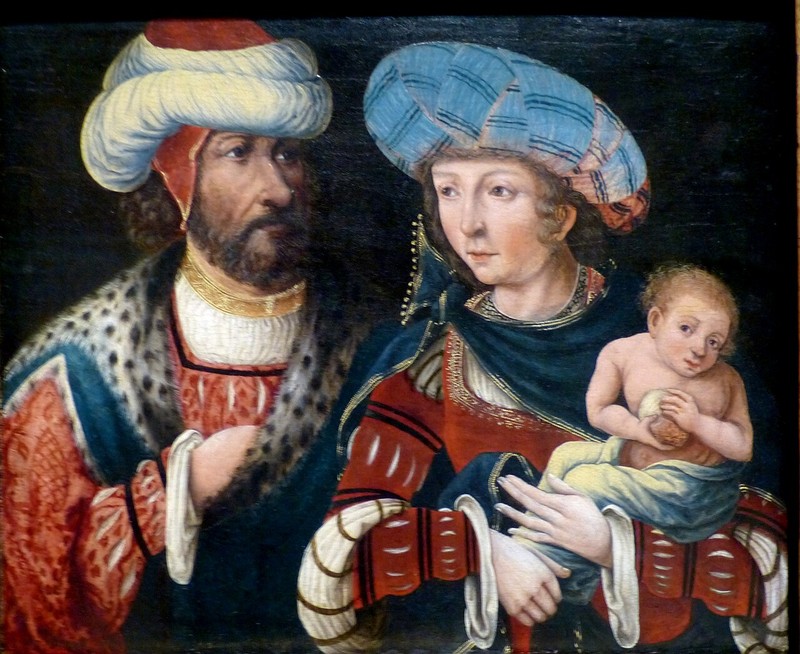
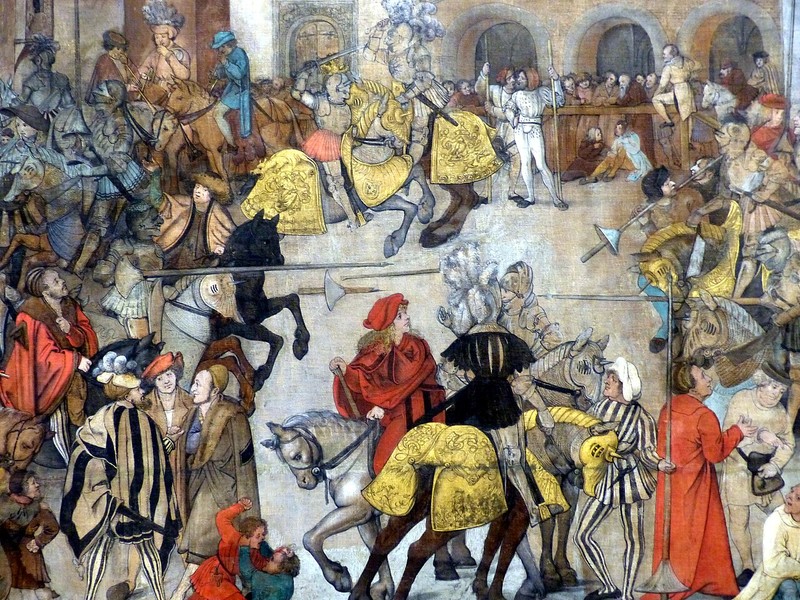
The collection spans art from the Middle Ages and Baroque period to nineteenth- and twentieth-century works and later art. Austrian painting around the turn of the twentieth century, Jugendstil and the work of Gustav Klimt, Vincent van Gogh, Hans Makart and Claude Monet are among its highlights.
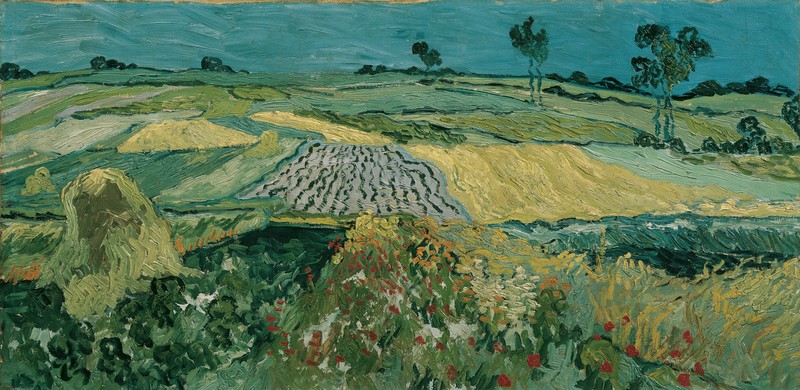
“Poppy Field” – Gustav Klimt
Klimt’s landscape combines natural motifs with a distinctive decorative style. Flowers, plant forms and rich texture create the impression of a continuous carpet of blooms. The painting reveals the artist’s attention to pattern, rhythm and the harmony of nature.
“The Kiss” – Gustav Klimt
The Kiss is one of the best-known works of Austrian Modernism. A couple embraces against a golden background, while the patterns on their clothing combine geometric and organic forms. The shimmering surface gives the scene a dreamlike quality, and the painting has become an artistic emblem of Vienna.
Other Works
The source article also mentions “The Great Way” by Friedensreich Hundertwasser, whose vivid colours and free-flowing lines invite personal interpretation; “Tiger Lion” by Oskar Kokoschka, featuring an expressive predator; and “Dreams” by Helene Funke, depicting a group of women in a reflective mood. Together, these works illustrate varied artistic approaches and offer a broader view of twentieth-century art.
What to See During Your Visit
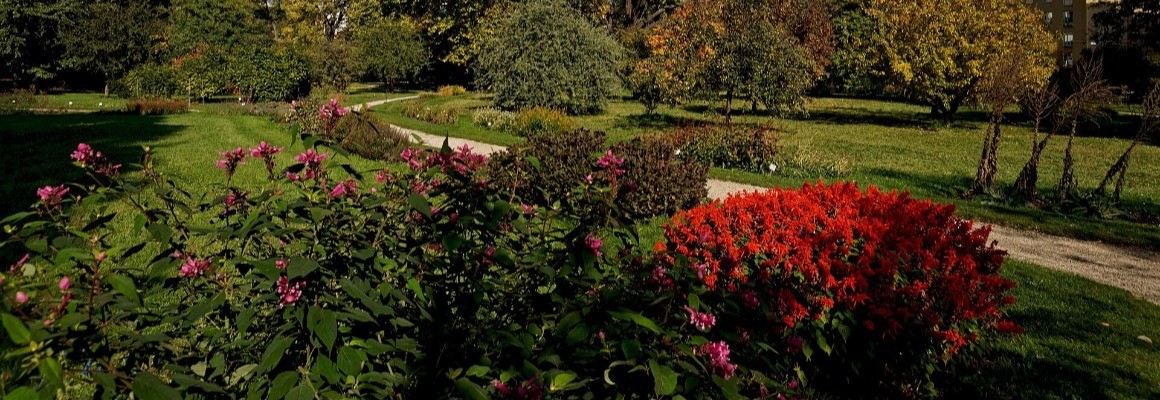
The Upper Belvedere is known for its painting collection and Klimt’s works, while the Lower Belvedere attracts visitors with historic interiors and exhibition spaces. A walk through the gardens reveals the carefully planned views between the palaces, symmetrical paths, fountains and sculptures. Allow several hours to explore both the exhibitions and the grounds. Opening times, tickets and exhibitions may change, so check the museum’s official information before visiting.
How to Get There
The Belvedere is in Vienna’s Landstraße district. Trams D, O and route 18 serve the area around the Upper Belvedere, with other public transport options depending on your starting point. Wien Quartier Belvedere railway station is nearby. For the Lower Belvedere, look for stops near the entrance from Rennweg. Check current routes and stops before travelling.
Why Visit the Belvedere
The Belvedere brings together an art museum, Baroque palaces and a historic garden. Visitors can see celebrated paintings, learn about Austrian art and admire eighteenth-century architecture. It is an appealing destination for both art lovers and travellers exploring Vienna’s cultural heritage.
Gallery