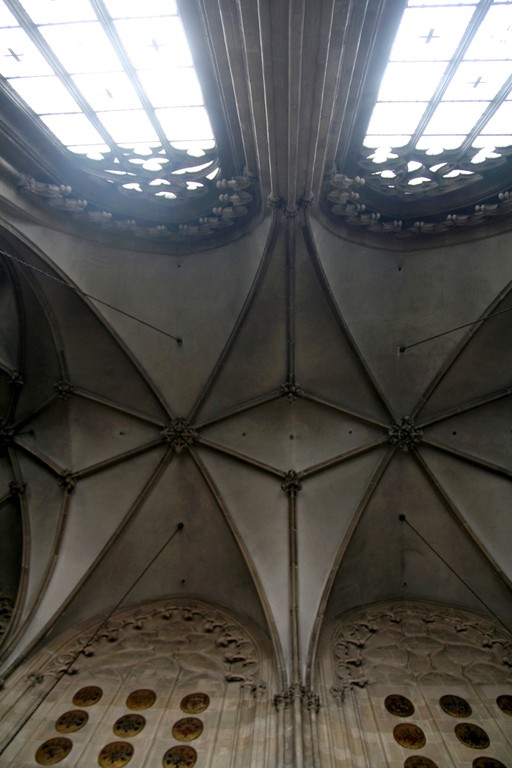
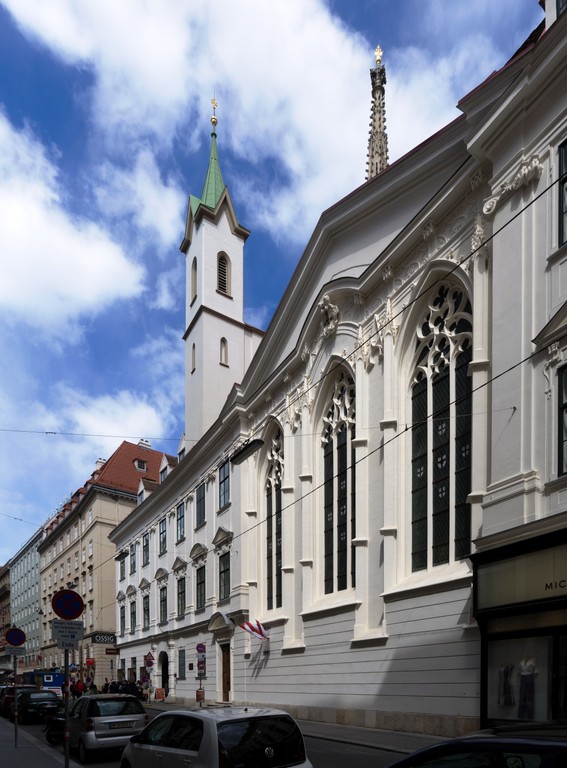
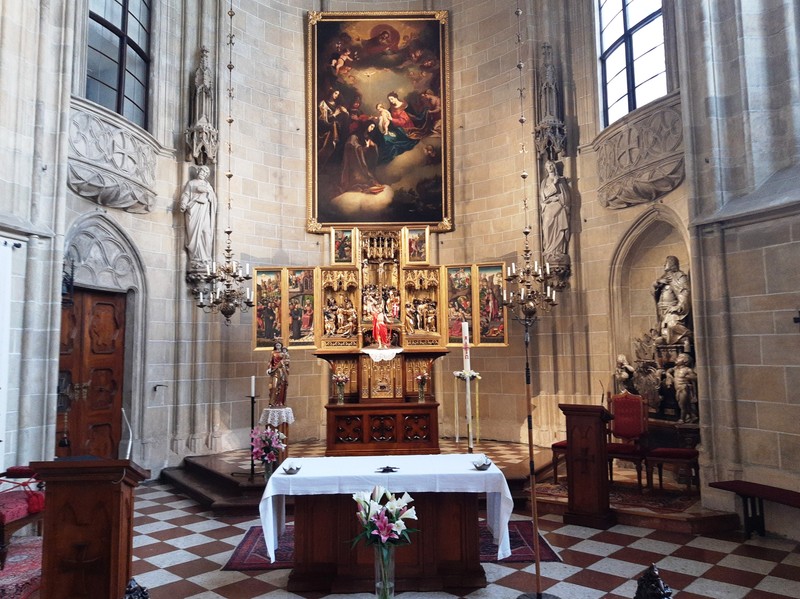
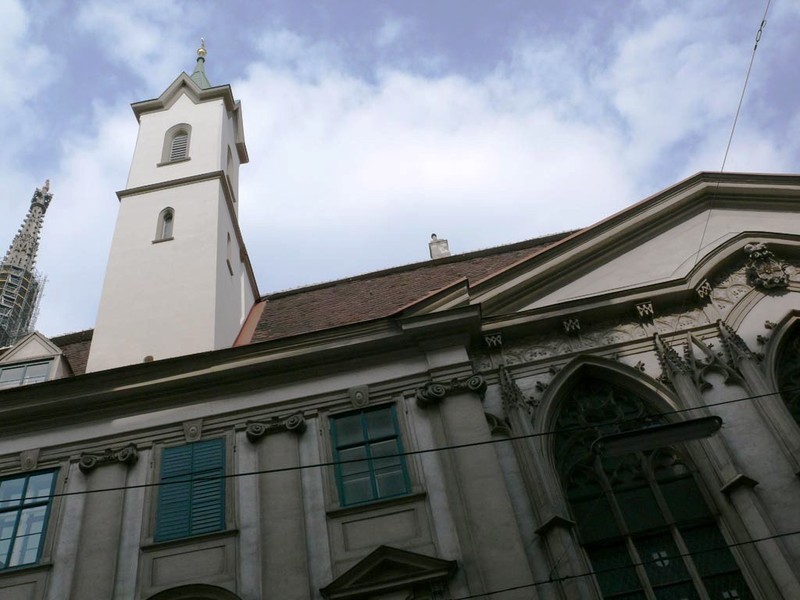
The Treasury of the Teutonic Order is a small museum in Vienna's historic centre, displaying works of art, ceremonial objects, and historical artefacts connected with the centuries-long history of the religious and military order. It is located in the House of the Teutonic Order on Singerstraße, close to St. Stephen's Cathedral. The collection introduces visitors to the order's artistic traditions, European aristocratic culture, and objects once used in religious rites and formal ceremonies.
History of the Teutonic Order and its treasury
The Teutonic Order emerged in the late 12th century during the Crusades. Its early work included caring for the sick and pilgrims; it later developed into a military-religious organisation that played a significant role in the history of Central and Eastern Europe. The order still exists today, focusing on religious, social, and charitable activities.
The history of the treasury collection dates back to the 16th century. In 1525, Grand Master Albert of Brandenburg left the order, and the earlier treasury in Königsberg became his private property. The order gradually assembled a new collection, enriched by successive grand masters and other members. Its objects included gifts, works of craftsmanship, and items acquired in different countries.
In the early 19th century, during the Napoleonic Wars and political changes in the German lands, the treasury came to Vienna. The collection was confiscated by the Nazi authorities in 1938 and returned to the order in 1949. It opened to the public as a museum in 1957 and reopened after extensive renovation in 2006.
What to see in the treasury
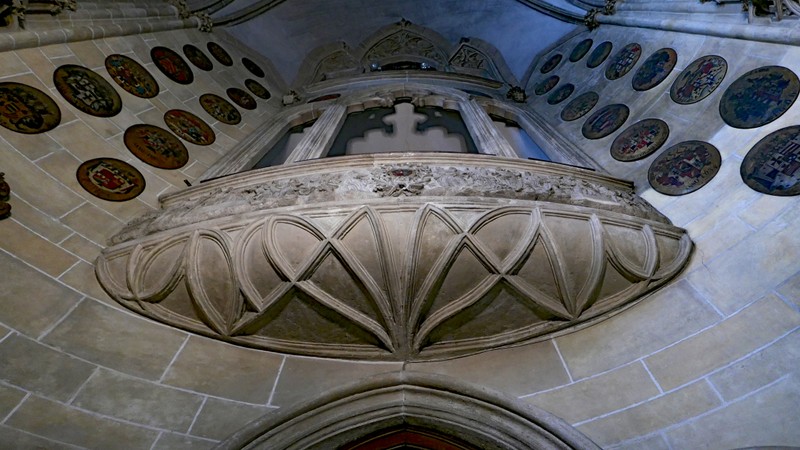
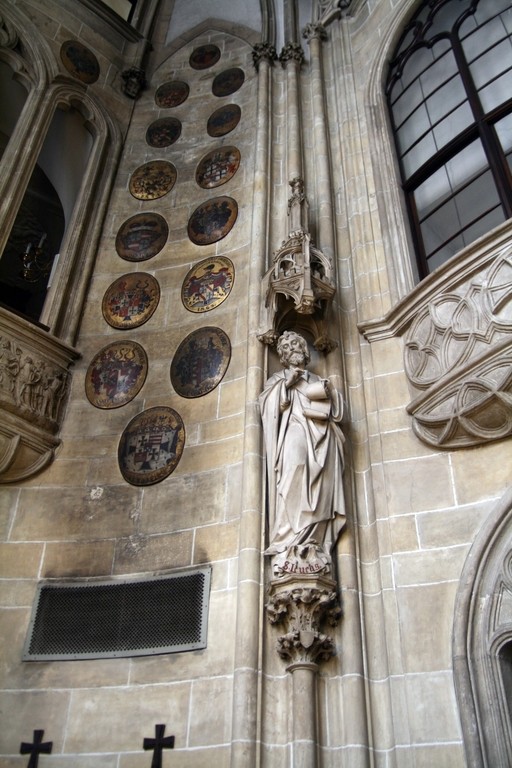
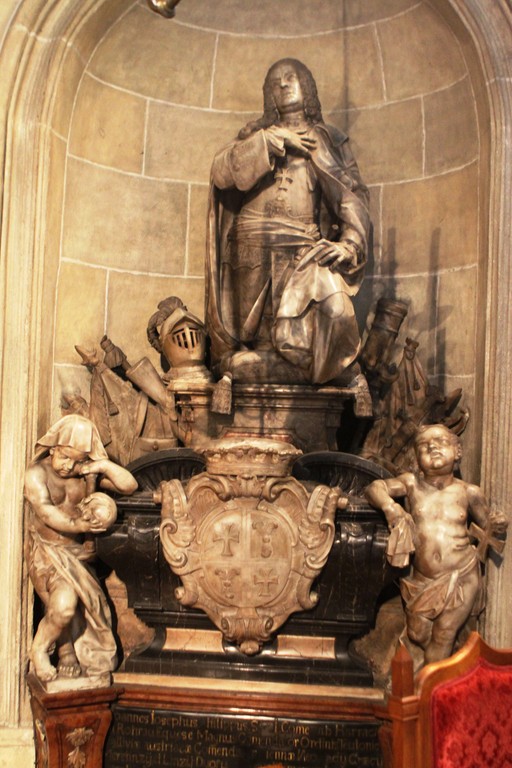
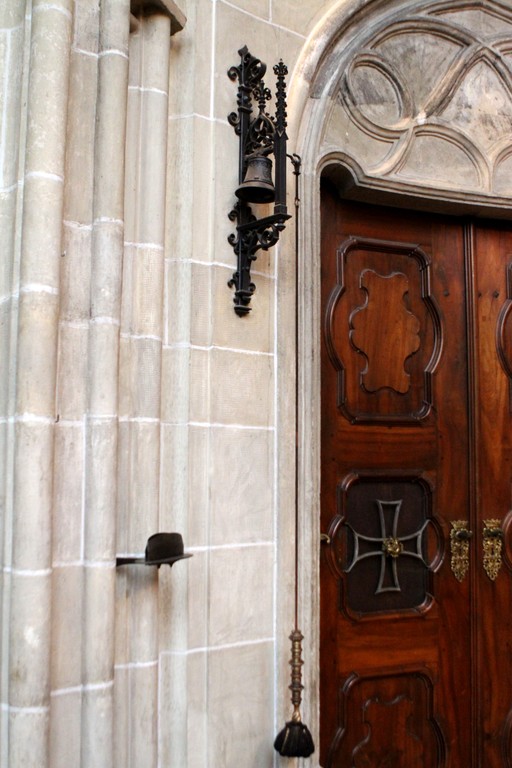
The collection includes objects mainly from the 16th to the 19th centuries and reflects the artistic tastes of different periods. Highlights include the insignia of the Teutonic Order, neck and breast crosses, ceremonial objects, seals, medals, and coins. The order's symbols, including the black cross on a white field, help explain its historical identity.
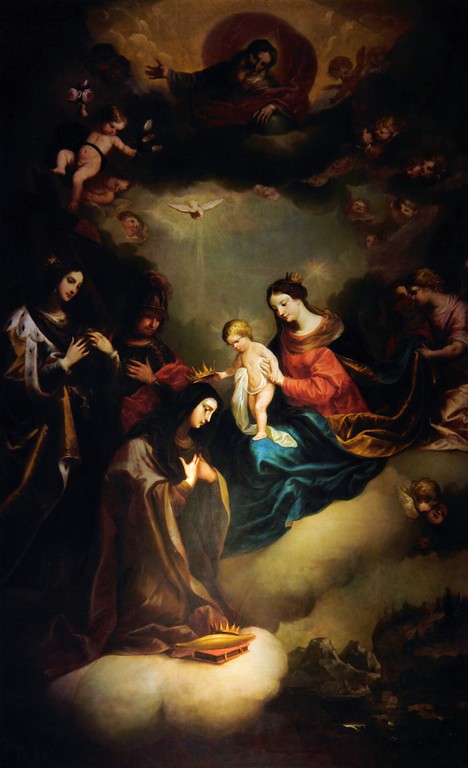
Other exhibits include richly decorated chalices, gold and silver objects, crystal, and formal tableware. The collection also features objects from different cultures, including Oriental weapons and items made from unusual materials. They illustrate the order's international connections and its leaders' interest in distinctive works of art.
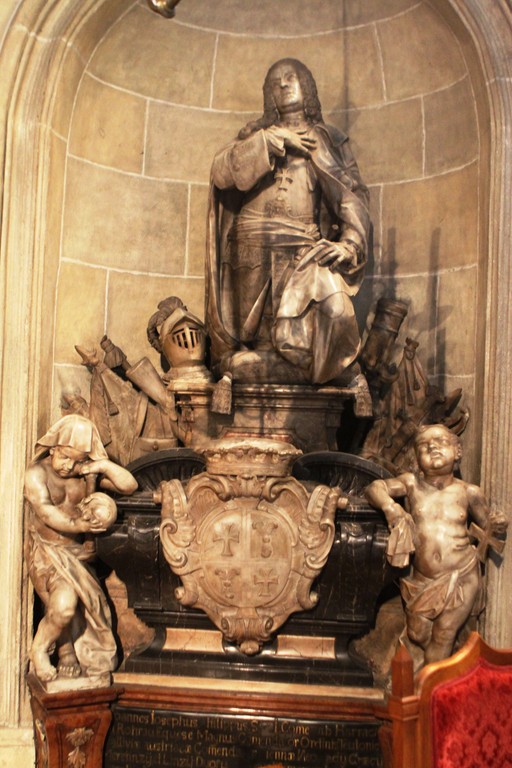
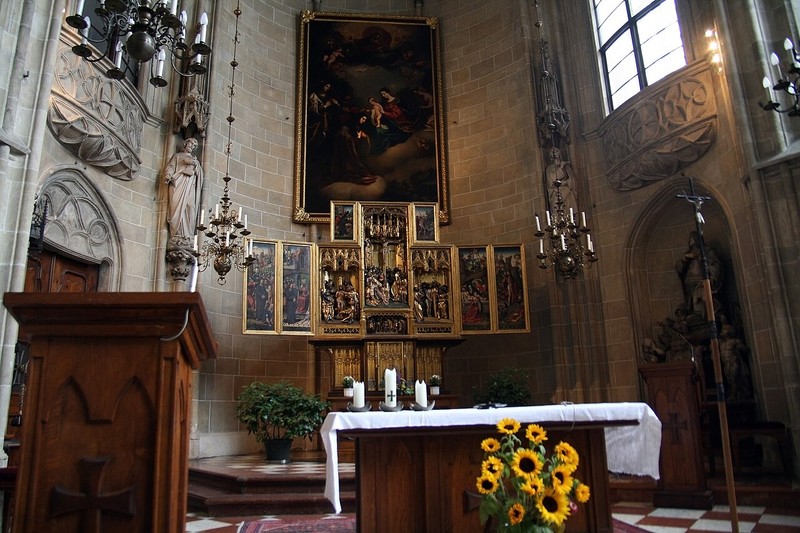
Visitors can also see religious objects, altarpieces, portraits of grand masters, clocks, and examples of decorative arts. Particularly unusual are so-called “snake tongues”–fossils once believed to come from mythical creatures and thought to protect against poisoning. Such exhibits reveal how historical ideas about nature intertwined with beliefs and medical practices of the time.
The House of the Teutonic Order and Mozart
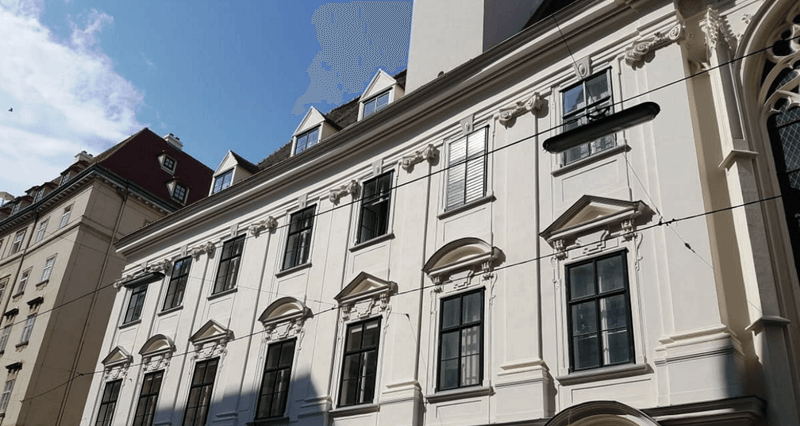
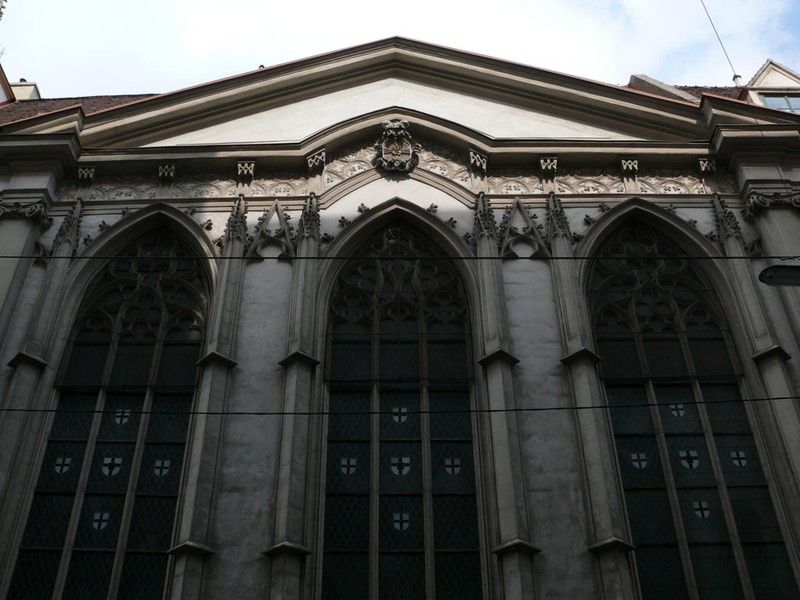
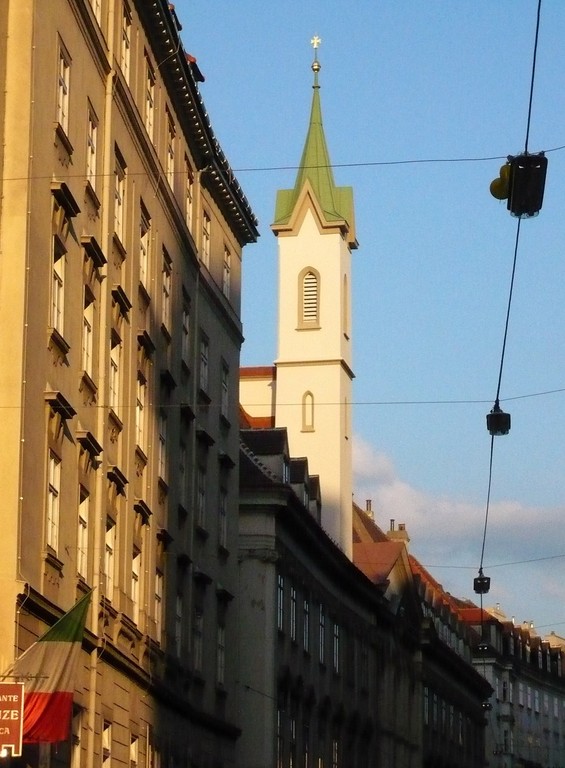
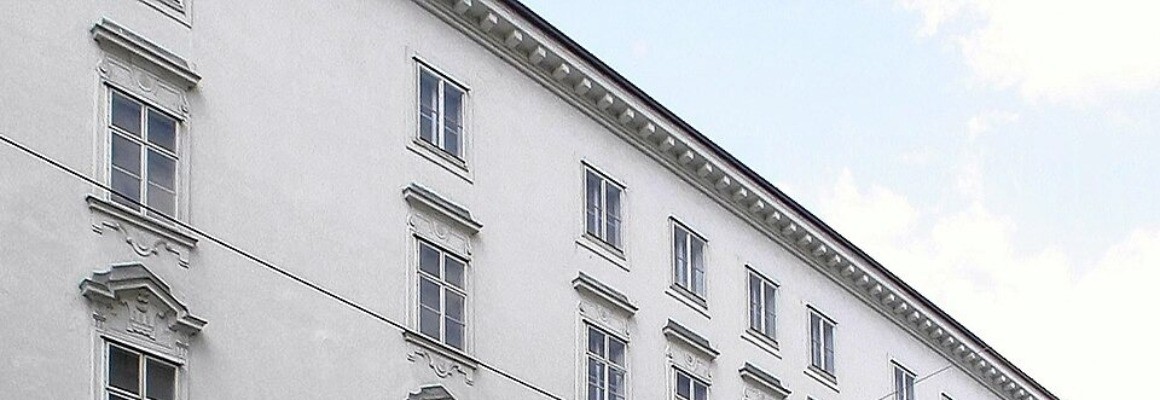
The treasury is housed in the historic residence of the Teutonic Order in Vienna. The building is associated not only with the history of the knightly community but also with the city's musical life. Wolfgang Amadeus Mozart lived here for a time in 1781 while serving at the court of the Archbishop of Salzburg. A visit to the museum can therefore be combined with a walk around sites connected with Vienna's history and famous residents.
How to get there and plan your visit
The address is Singerstraße 7, 1010 Vienna. The nearest metro station is Stephansplatz, served by lines U1 and U3. The House of the Teutonic Order is only a few minutes' walk from the station, with St. Stephen's Cathedral nearby.
Opening hours and visiting arrangements may change seasonally. Before visiting, check the official website of the Teutonic Order for current hours, ticket prices, and information about guided tours. This small museum with its unusual historical collection is an interesting stop while exploring central Vienna.
Gallery