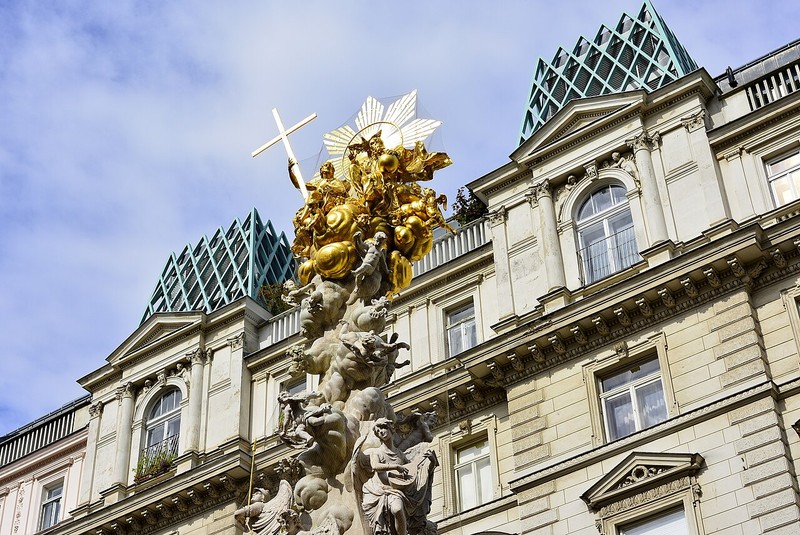
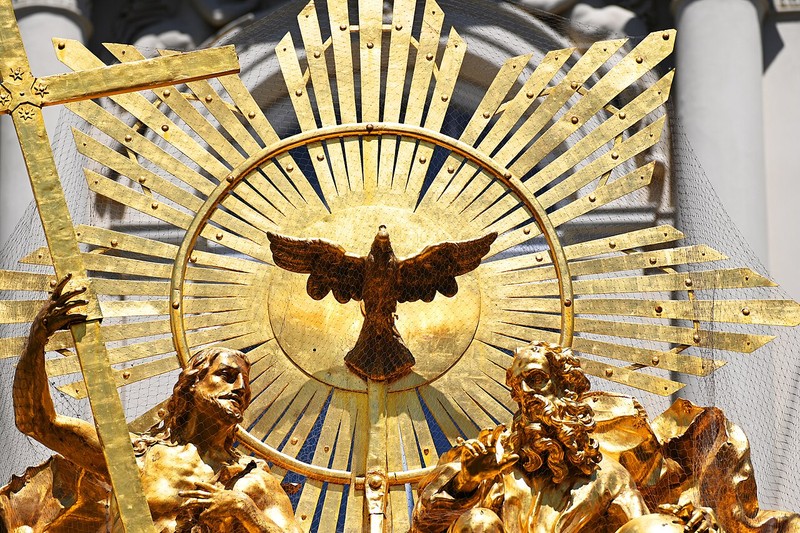
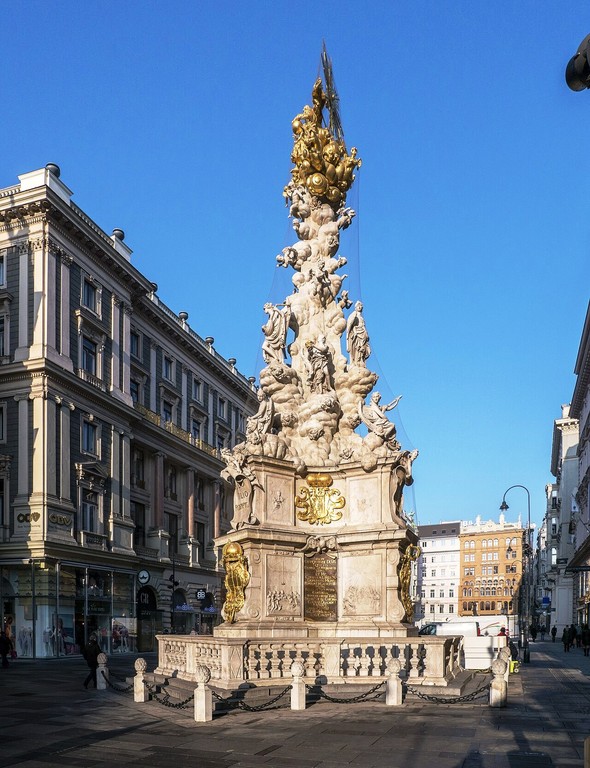
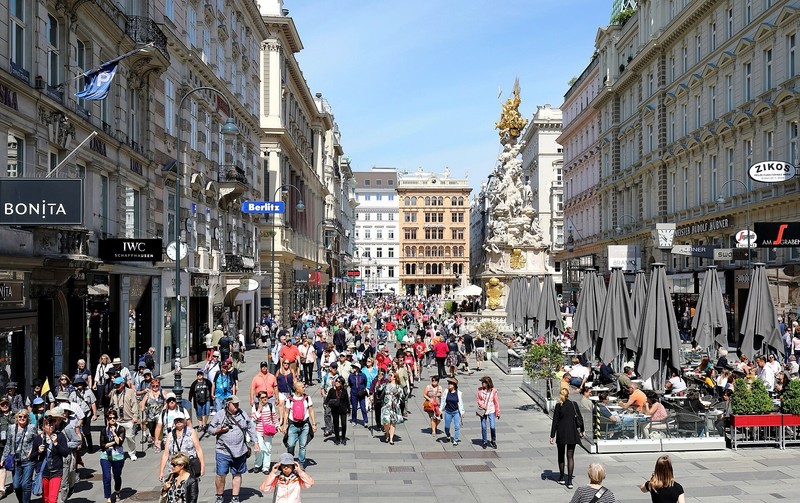
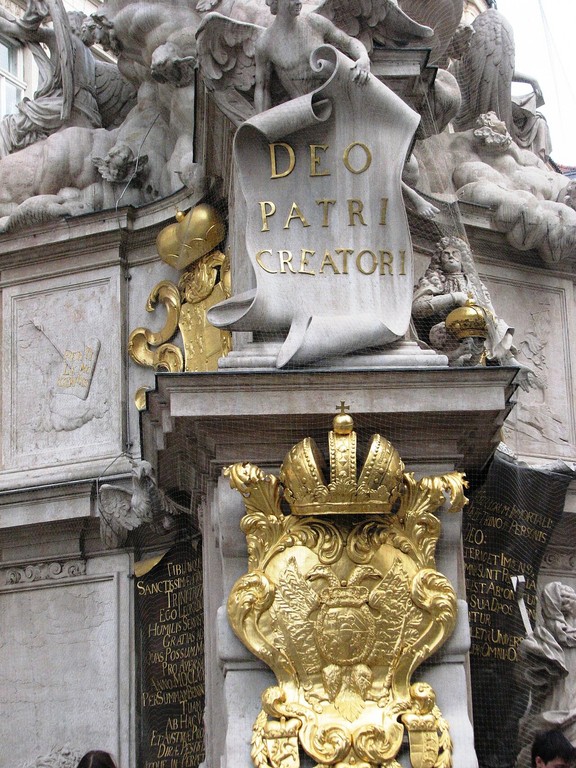
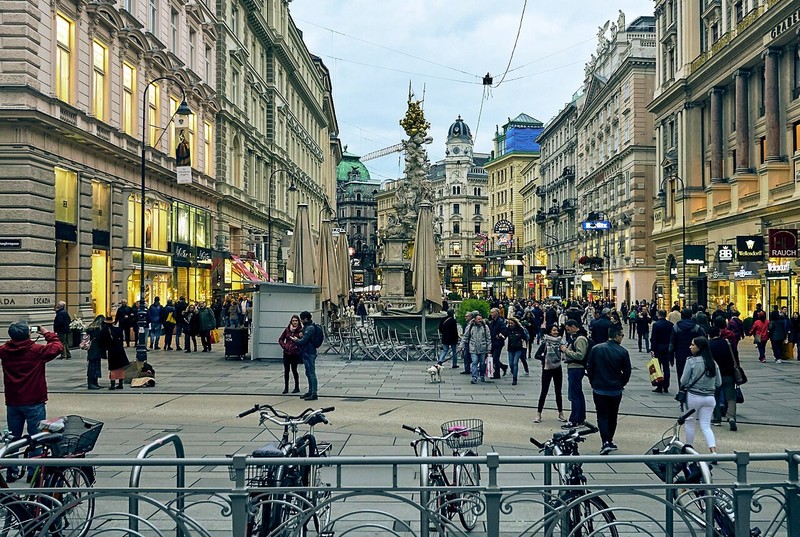
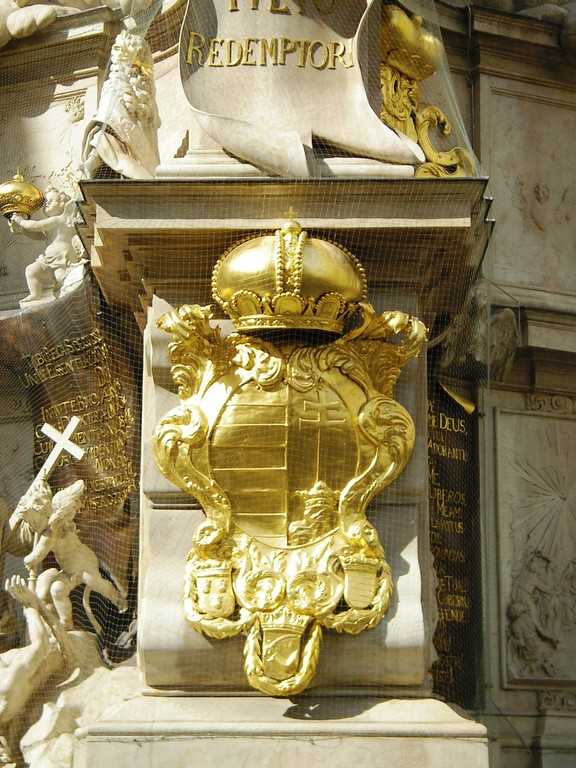
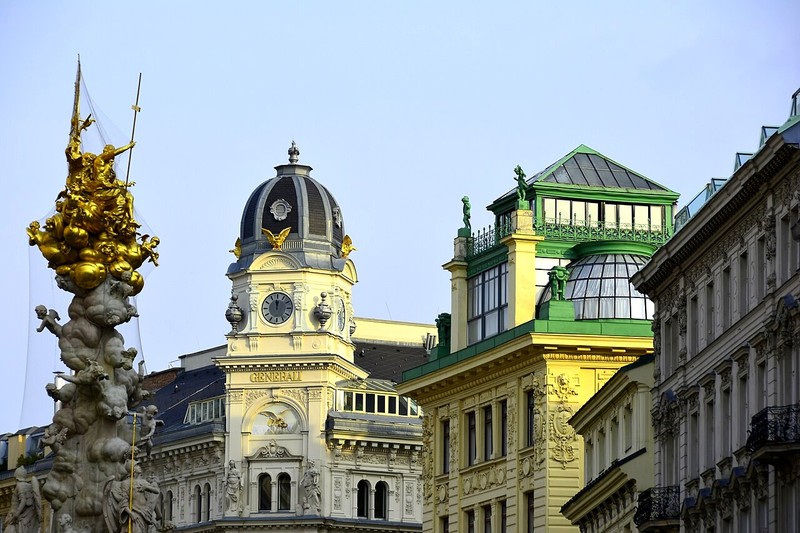
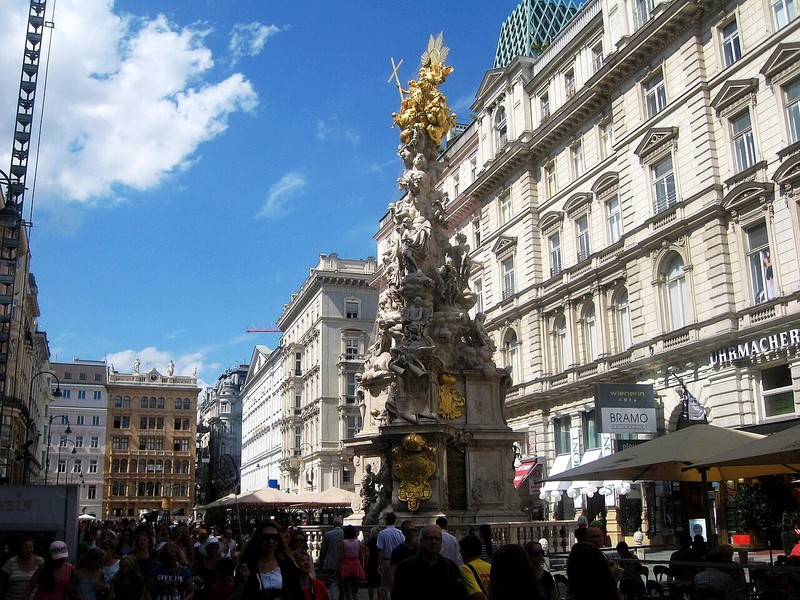
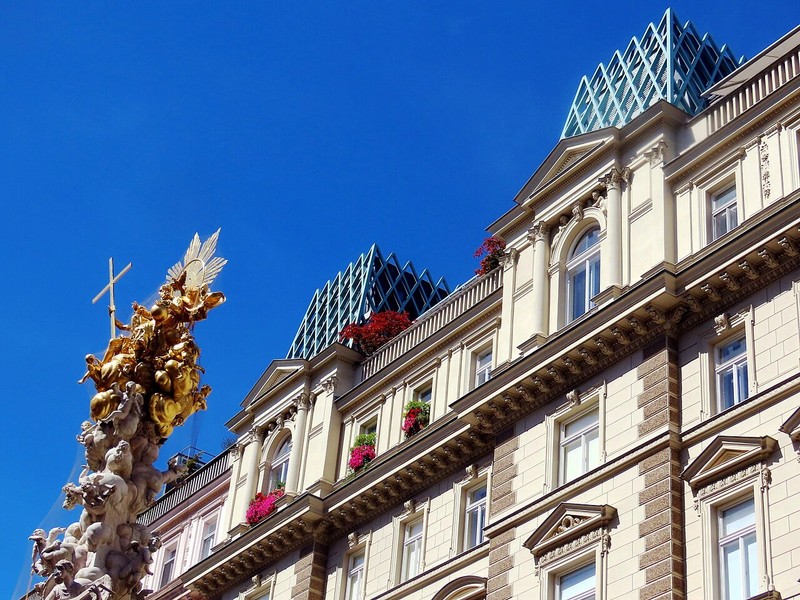
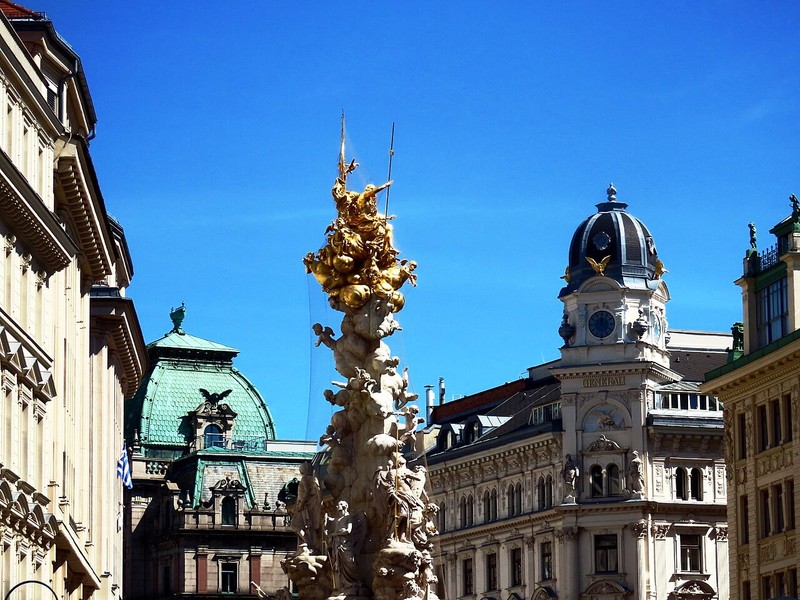
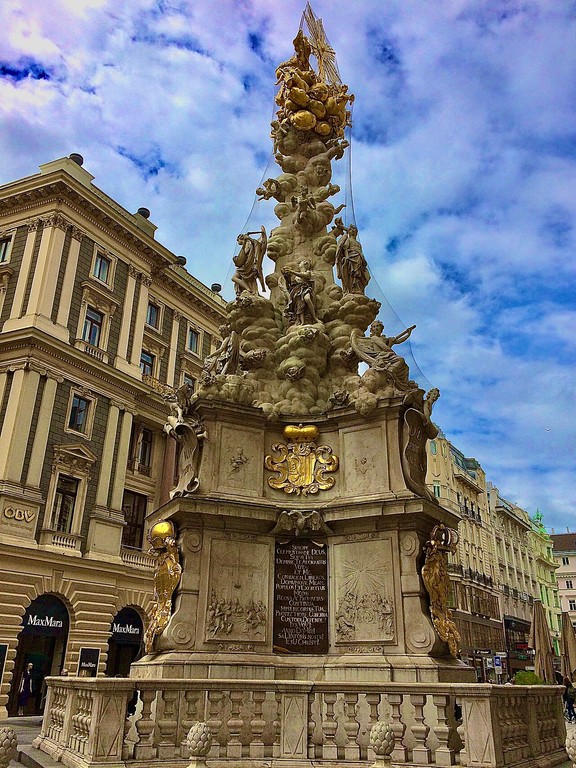
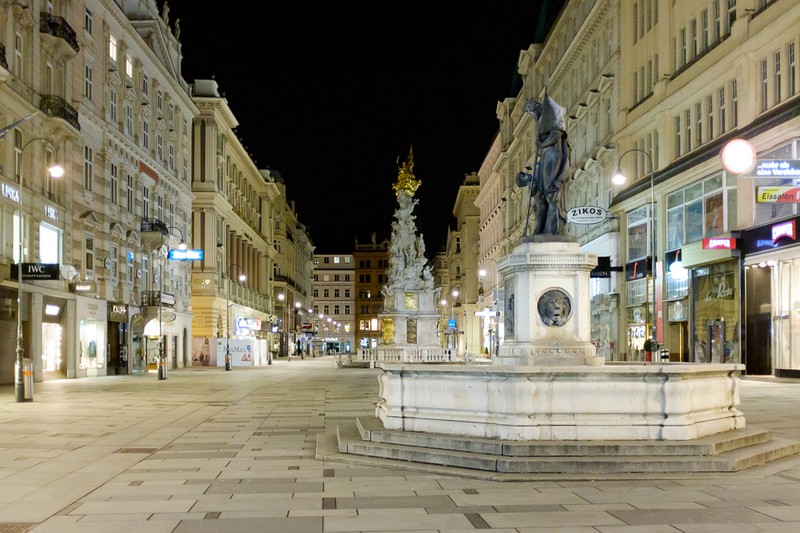
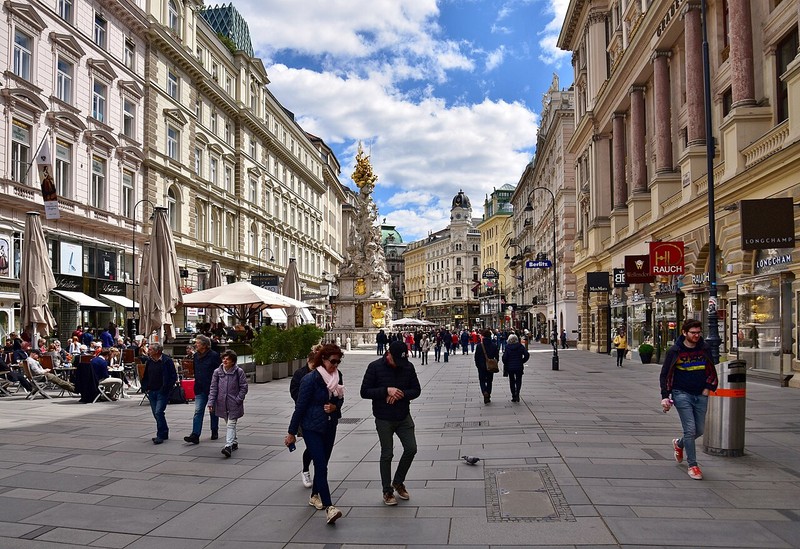
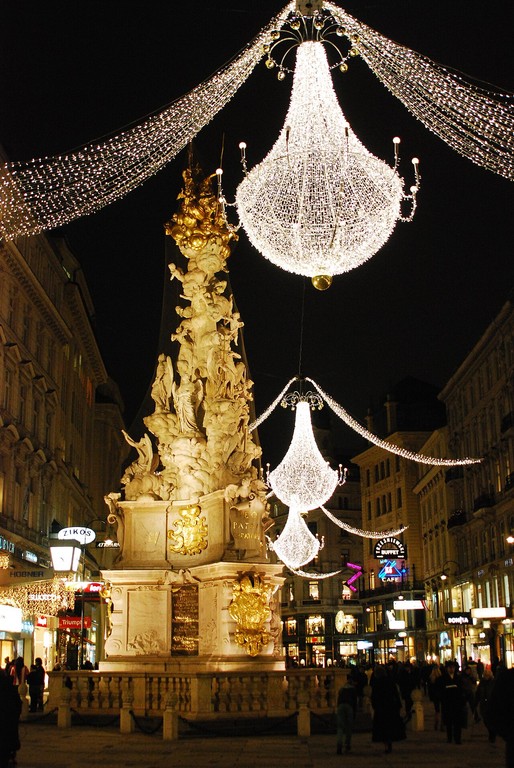
The Plague Column in Vienna, also known as the Trinity Column, is one of the most recognisable monuments in the Austrian capital's historic centre. It stands on Graben, close to St. Stephen's Cathedral. This Baroque monument commemorates the devastating plague epidemic of 1679 and expresses gratitude for its end. Its elaborate sculptural programme is dedicated to the Holy Trinity and the nine choirs of angels.
History of the monument
In 1679, Vienna suffered one of the most severe plague outbreaks in its history. The disease spread rapidly, and the number of deaths overwhelmed the city's ability to deal with the victims. Historical estimates suggest that around 12,000–15,000 people died in Vienna itself, although the exact toll remains uncertain.
Emperor Leopold I vowed to erect a monument to the Holy Trinity if the epidemic came to an end. A temporary wooden column was installed on Graben that same year. After the outbreak subsided, plans were made for a more permanent monument in stone and marble. Construction continued for several years as the design evolved under different architects and sculptors.
The early project involved sculptor Johann Frühwirt, while Matthias Rauchmiller, Johann Bernhard Fischer von Erlach, Paul Strudel and other artists later contributed to the stone monument. The foundation stone was laid in 1687, and the column was completed and consecrated in 1693. It became one of the important works of Viennese Baroque art.
Architecture and sculptural design
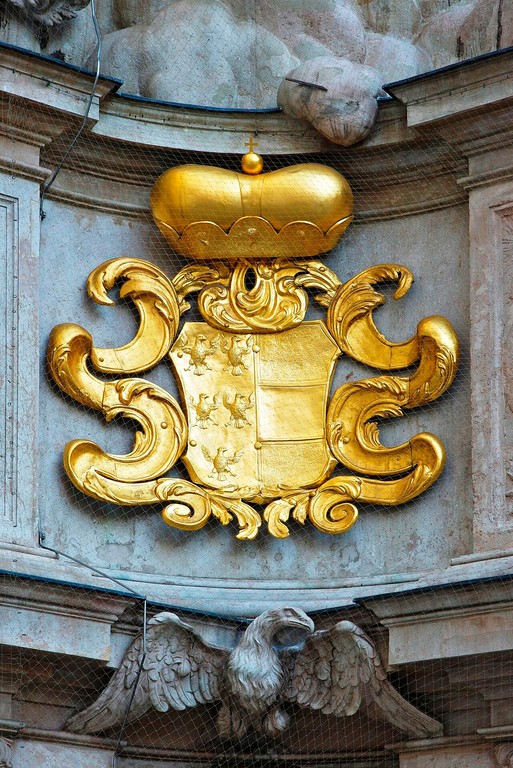
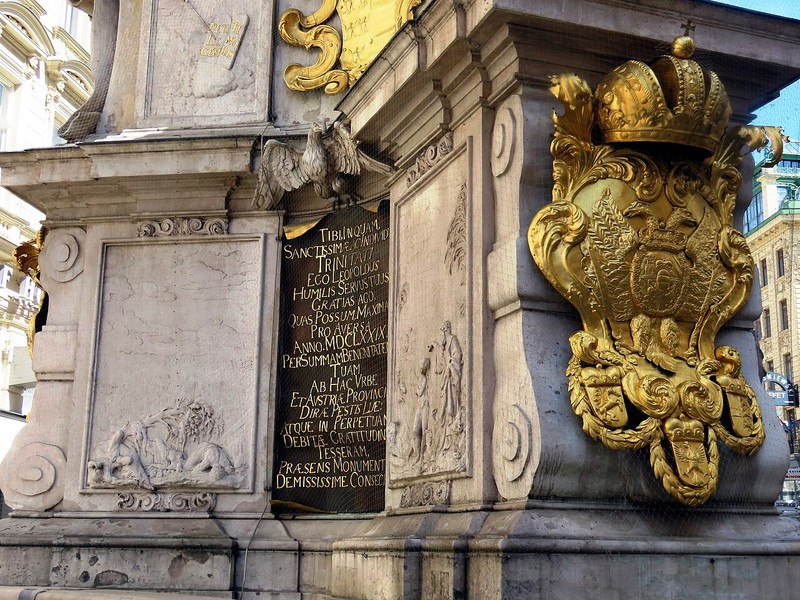
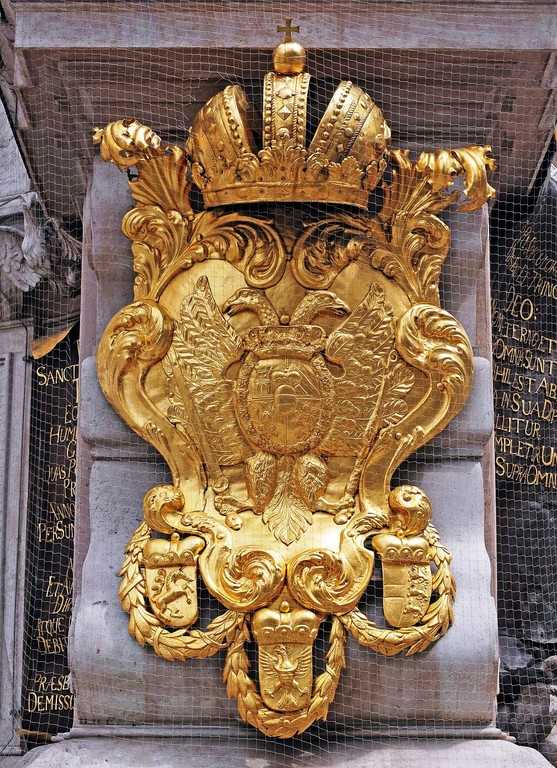
The Plague Column is a complex, multi-tiered ensemble of stone and marble. The base displays coats of arms associated with Habsburg lands, including Austria, Hungary and Bohemia. Above the massive pedestal, figures, clouds and angels rise in a dynamic composition that draws the eye upward.
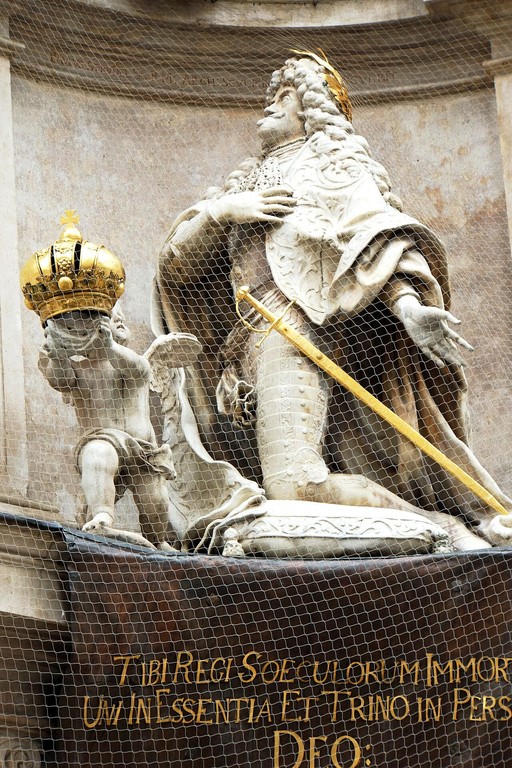
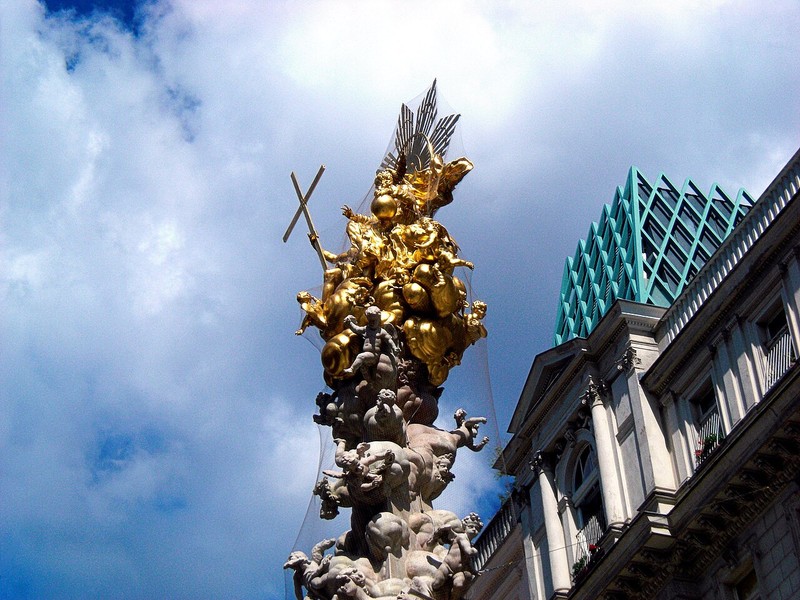
The lower section contains allegorical figures representing the struggle between good and evil and the deliverance from the epidemic. The composition includes a defeated personification of the plague and Emperor Leopold I kneeling in prayer. Above them are angels and clouds, crowned by the image of the Holy Trinity. Religious symbolism is combined with imagery celebrating the monarchy and its role in the city's recovery.
The Holy Trinity and the nine choirs of angels
The monument's central theme reflects the Christian belief in divine protection. Unlike many commemorative columns dedicated to the Virgin Mary, Vienna's monument honours the Holy Trinity. The nine choirs of angels represent the traditional Christian hierarchy of heavenly beings and express gratitude for the end of the plague.
The plague epidemic of 1679
Plague outbreaks repeatedly affected European cities during the 17th century. Vienna's epidemic of 1679 hit densely populated neighbourhoods particularly hard. Medical knowledge was limited, sanitation was poor, and there was no effective treatment for the disease.
Doctors, municipal workers, religious brotherhoods and ordinary residents all played a part in responding to the crisis. The column reflects the religious interpretation of the disaster common at the time, when the end of the epidemic was understood as the result of prayer and divine intervention. Today, it also serves as a reminder of the human cost of the outbreak and the ways people tried to make sense of such a catastrophe.
The Plague Column on Graben
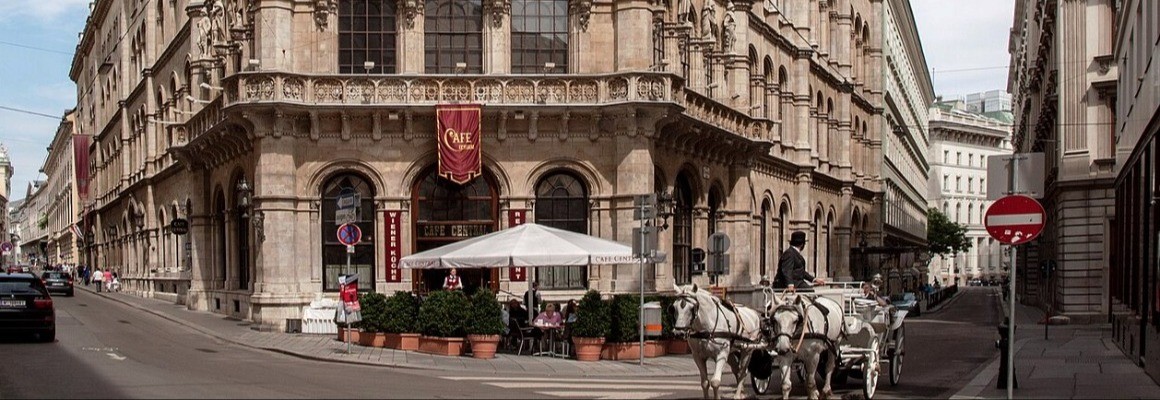
Graben is one of Vienna's best-known pedestrian and shopping streets. In the Middle Ages, it developed along the site of a former ditch associated with the Roman settlement of Vindobona. Over time, the area became a lively urban space for markets, ceremonies and public gatherings.
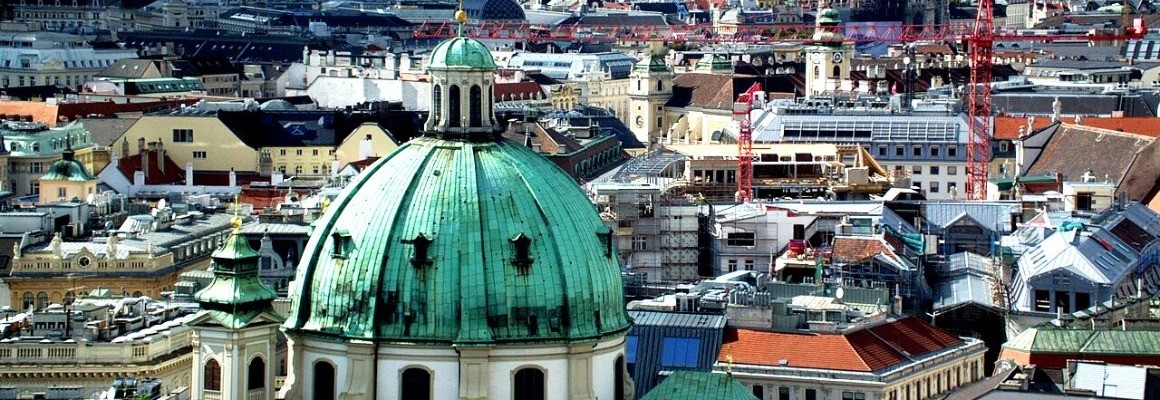
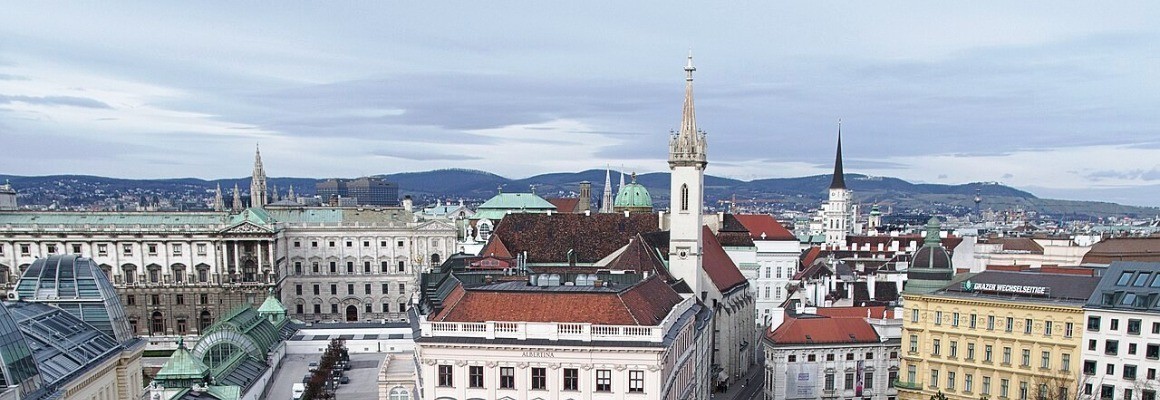
The column's central location makes it an easy stop on a walking tour of Vienna's historic centre. St. Peter's Church, St. Stephen's Cathedral, historic buildings and shops are all nearby. The monument stands outdoors and can be viewed free of charge at any time. Daylight makes it easier to appreciate the details of its sculptural decoration.
How to get there
The monument stands on Graben in Vienna's first district. The nearest underground station is Stephansplatz, served by lines U1 and U3. From there, the column is only a few minutes' walk away. Bus routes including 1A and 2A also serve the surrounding historic centre.
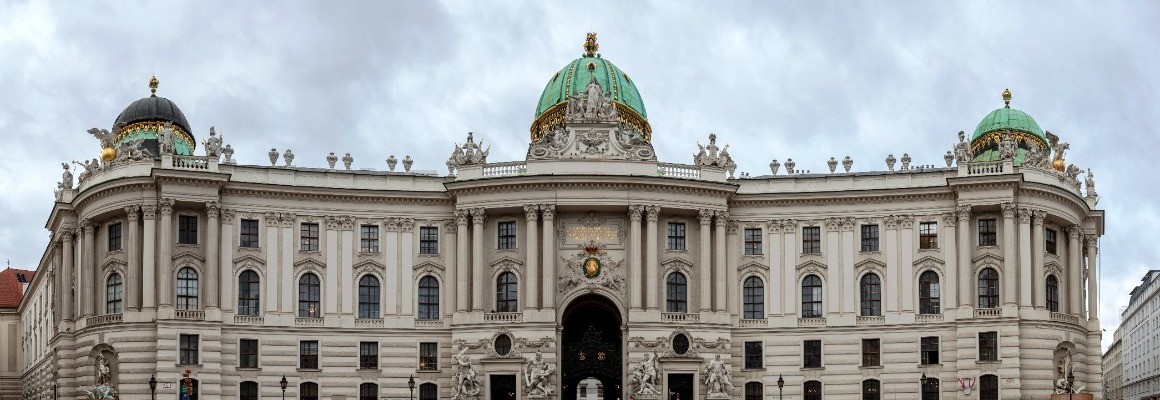
The Plague Column is an easy addition to a sightseeing walk through Vienna. A visit can be combined with St. Stephen's Cathedral, St. Peter's Church and the Hofburg Palace. The monument offers an introduction to Viennese Baroque art and shows how a devastating epidemic shaped the city's architecture, religious culture and collective memory.
Gallery