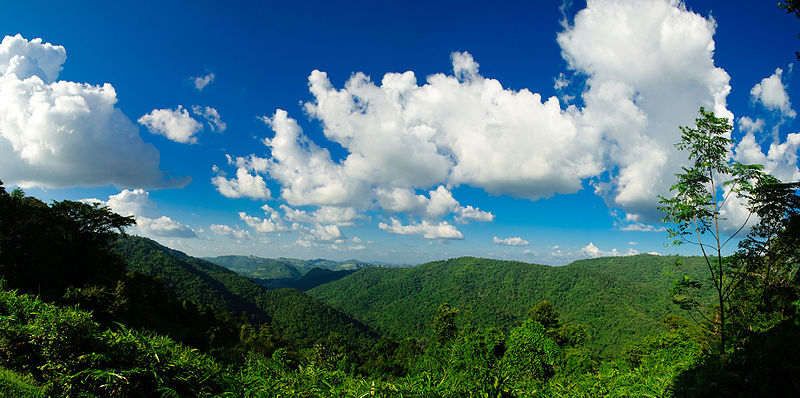
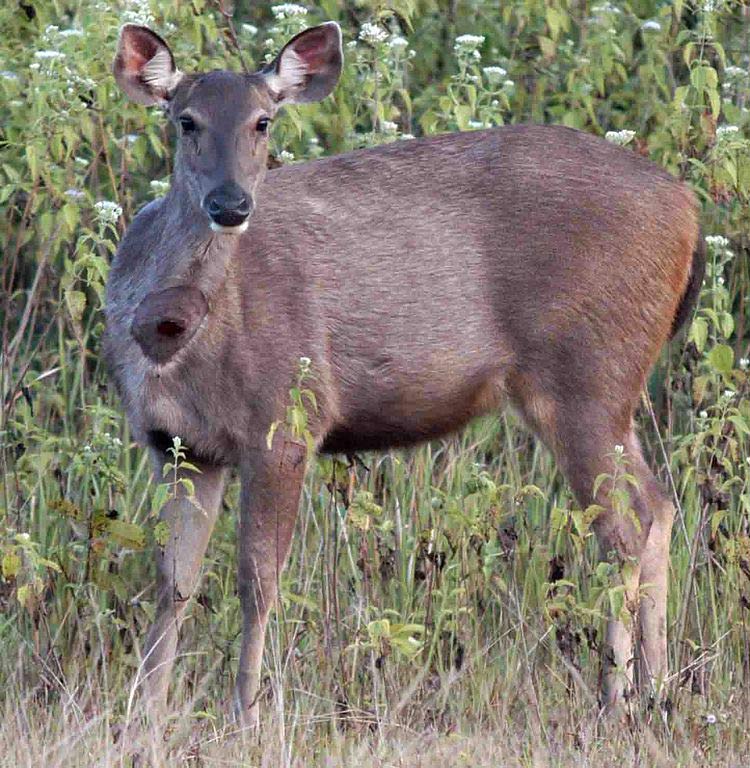
Khao Yai National Park is one of Thailand's best-known protected natural areas. Located northeast of Bangkok, it is famous for tropical forests, waterfalls, mountain scenery, and diverse wildlife. Asian elephants, gibbons, deer, macaques, and many tropical bird species live in the park.
Area and location
The park covers approximately 2,168.75 km², or 216,875 hectares. It extends across parts of four Thai provinces: Nakhon Ratchasima, Nakhon Nayok, Prachinburi, and Saraburi. It lies about 200 km from Bangkok, making it a popular destination for trips from the capital.
Khao Yai was established on 18 September 1962 as Thailand's first national park. In 2005, it became part of the Dong Phayayen–Khao Yai Forest Complex, a UNESCO World Heritage property comprising several protected areas.
Forests and vegetation
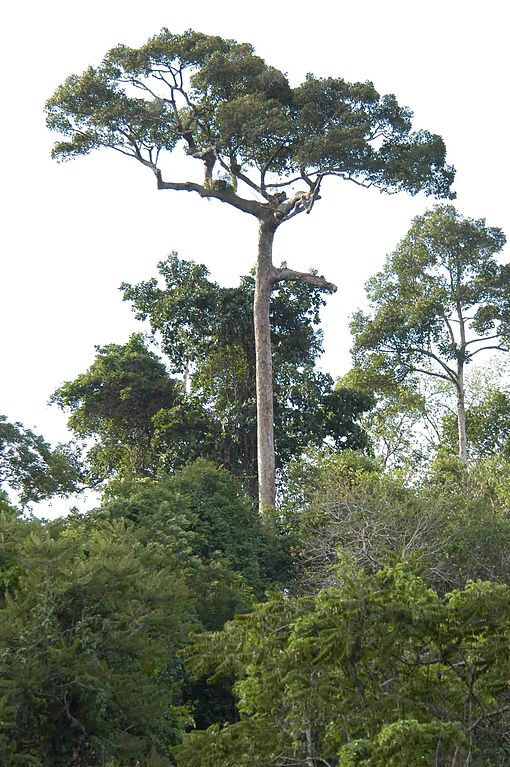
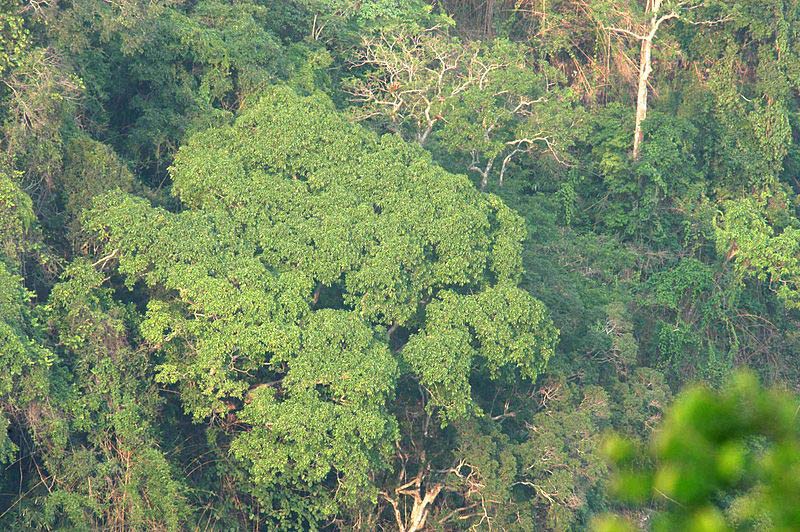
Tropical forests cover much of the park, including both moist and dry evergreen forest. Grasslands, river valleys, and diverse riverside vegetation add to the landscape. Orchids, ferns, vines, and large tropical trees grow throughout the area. The forests are also important for protecting regional water resources.
Wildlife
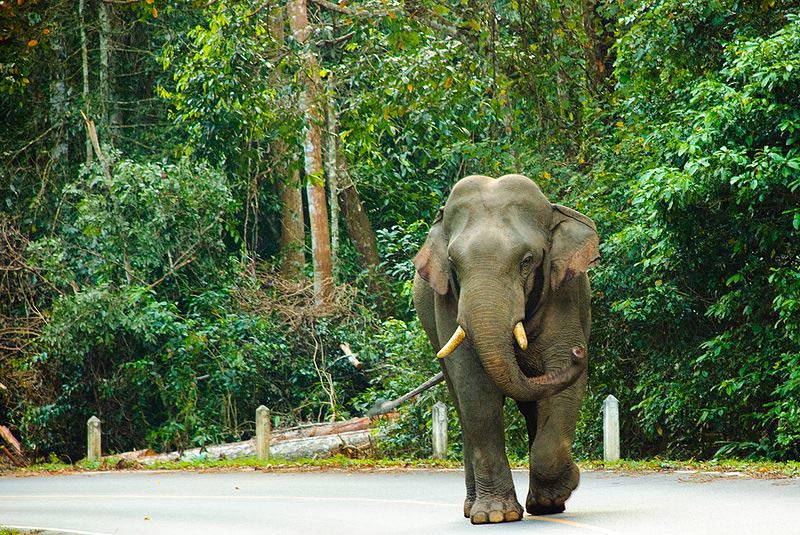
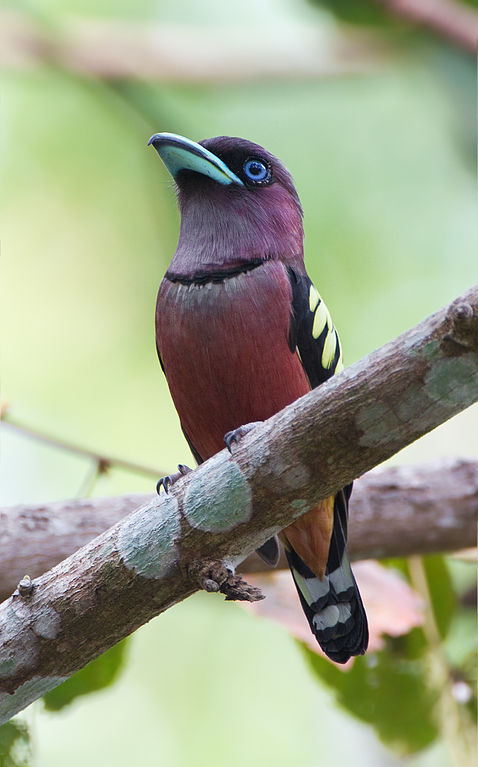
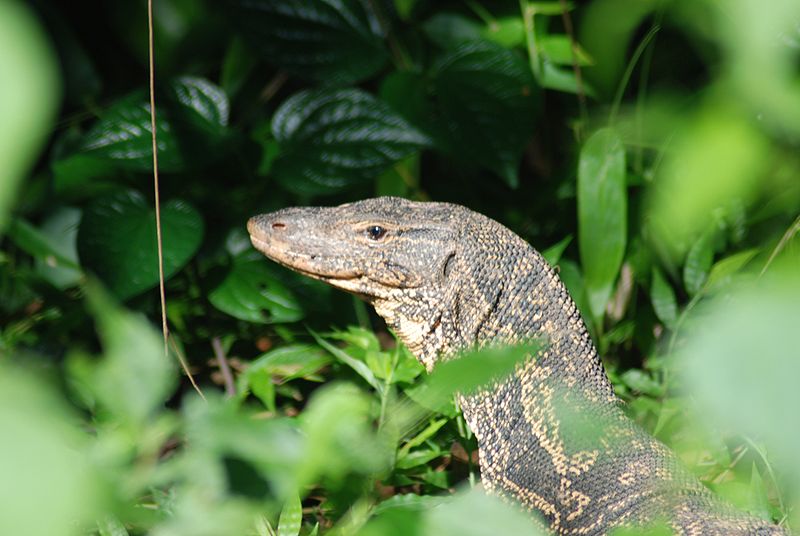
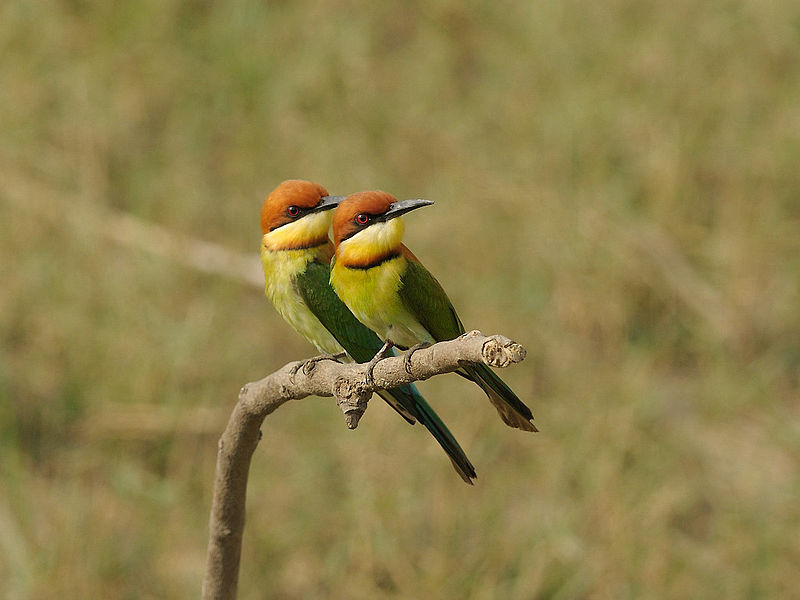
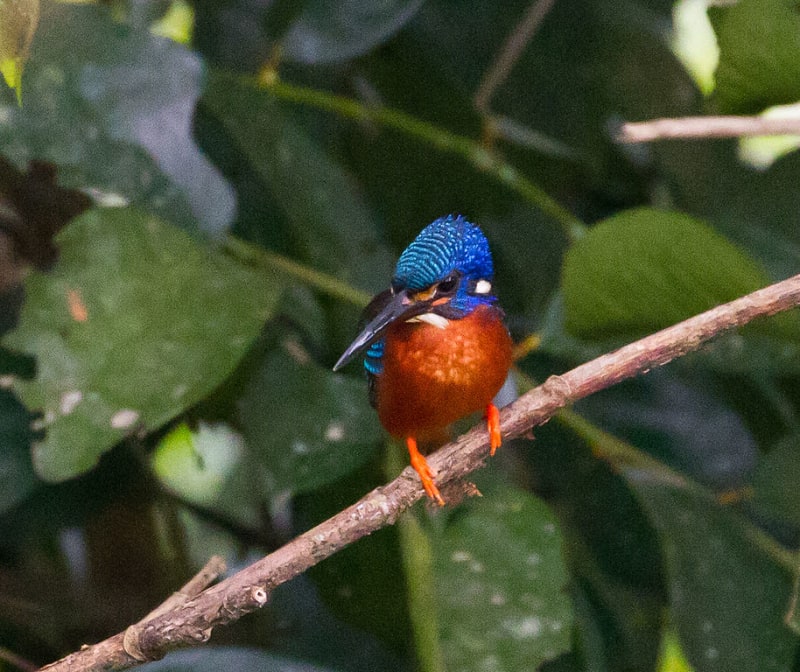
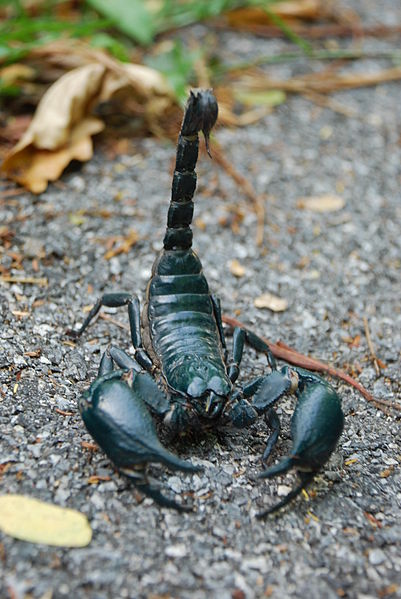
Khao Yai is home to Asian elephants, gibbons, macaques, deer, gaurs, and other mammals. It is also well known for hornbills and many other tropical birds. Wildlife often keeps its distance from people, so sightings are never guaranteed.
If a wild elephant appears near a road, visitors should keep their distance, never feed it, and follow park staff instructions. Wildlife watching should always be conducted safely, with an experienced guide when necessary.
Waterfalls
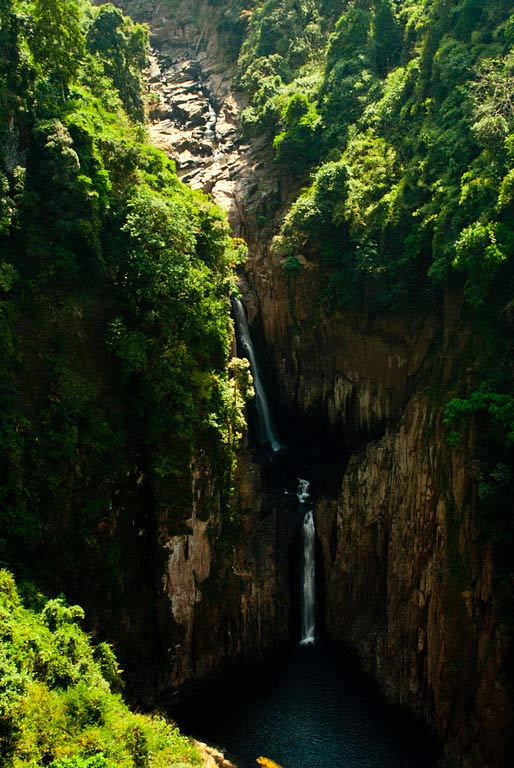
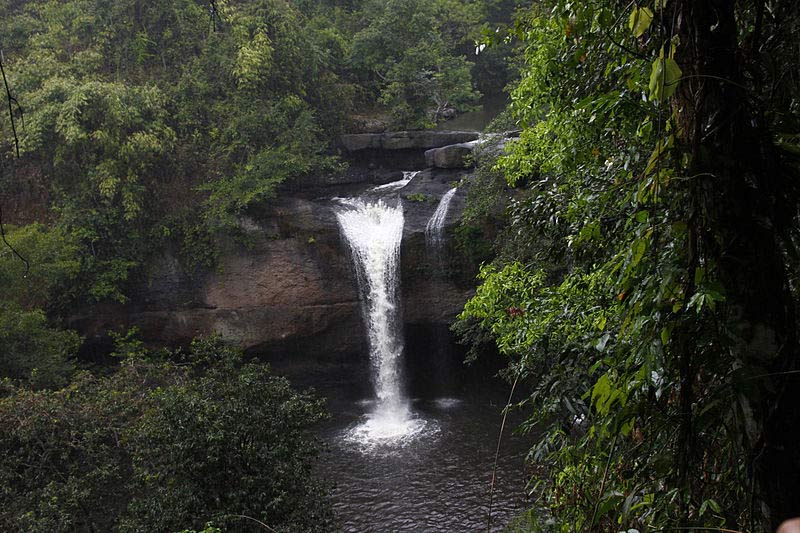
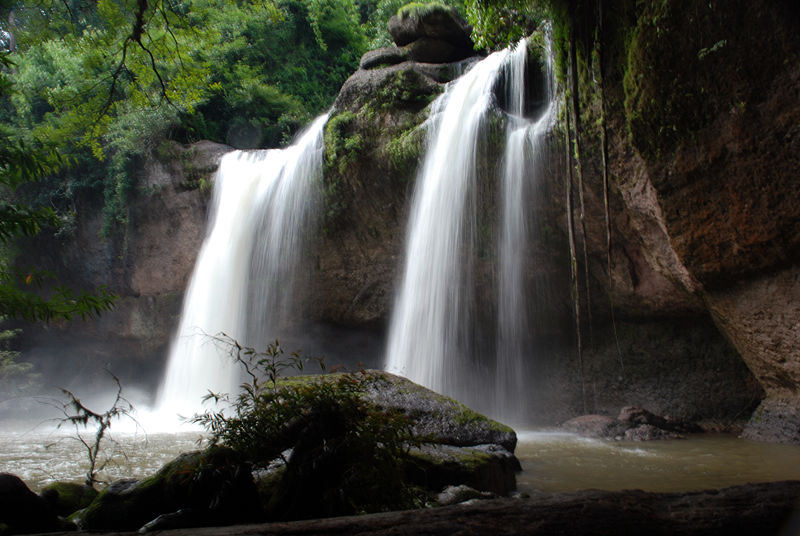
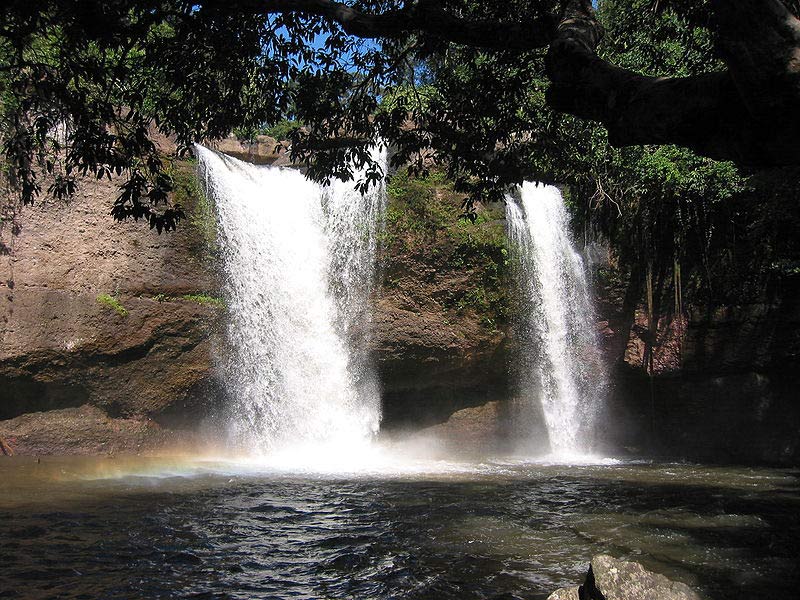
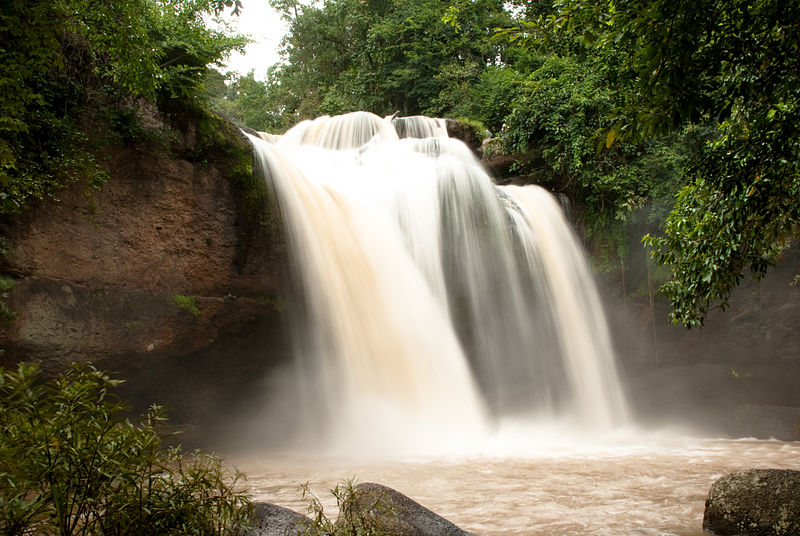
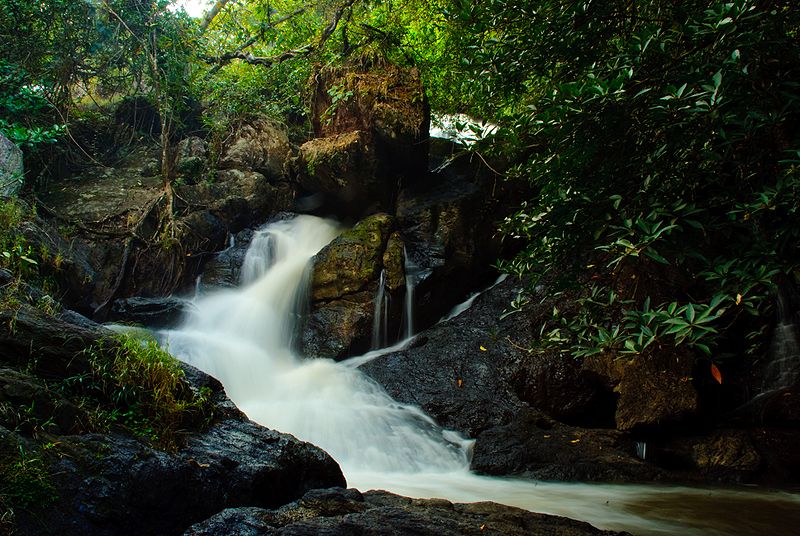
Popular natural attractions include Haew Suwat Waterfall, surrounded by forest, and Haew Narok, a multi-tiered waterfall about 150 metres high. The waterfalls are particularly impressive during the rainy season, but strong currents and slippery rocks can be dangerous.
Activities and the best time to visit
The park offers hiking trails, viewpoints, birdwatching, wildlife observation, and visits to Sai Sorn Reservoir. Organized night safaris are also popular. During the rainy season, usually from May to October, the forest becomes especially lush and the waterfalls grow stronger. Heavy rain and temporary trail closures may affect visits.
Check official park notices before travelling, especially for trail access and safety rules. Do not leave litter, collect plants, feed wildlife, or approach wild elephants. Khao Yai combines rich tropical ecosystems, scenic waterfalls, and excellent opportunities for nature-focused travel.
Gallery