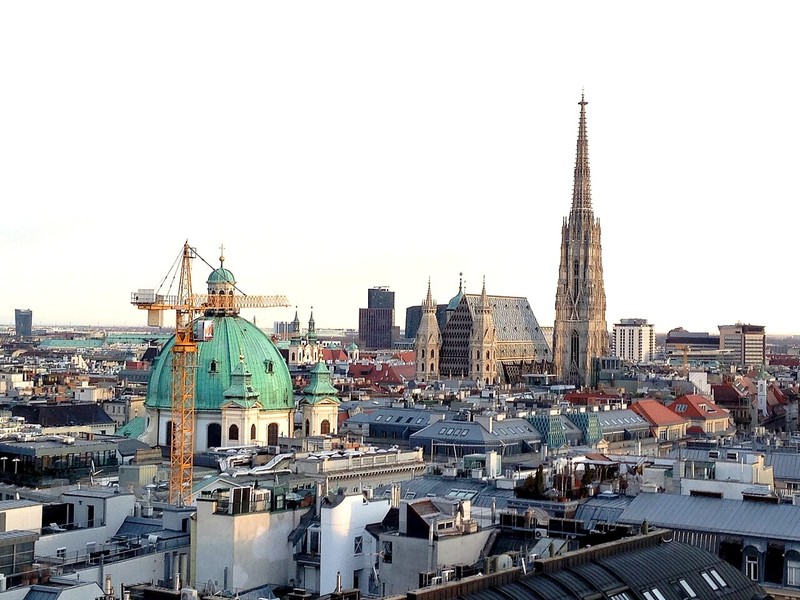
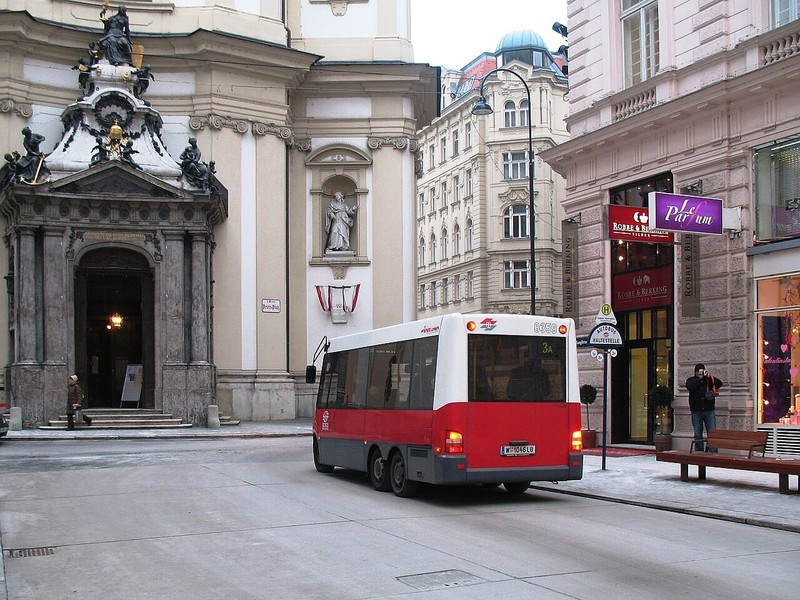
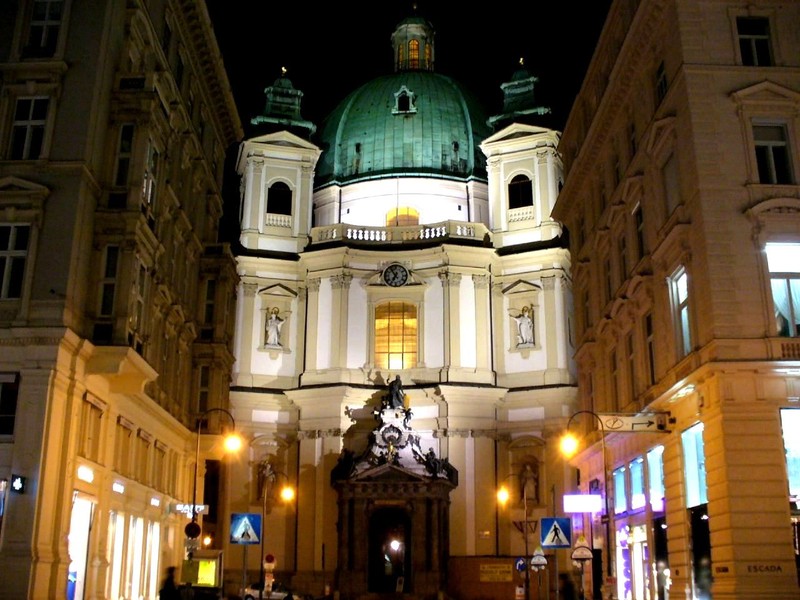
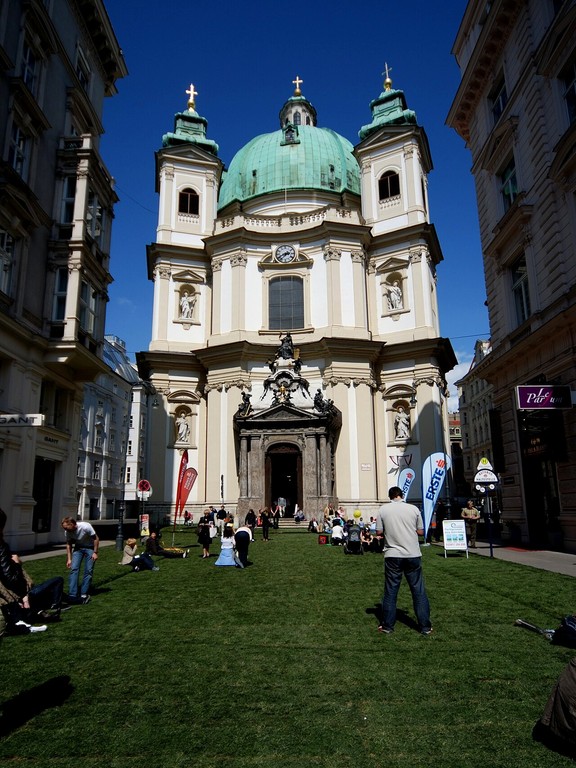
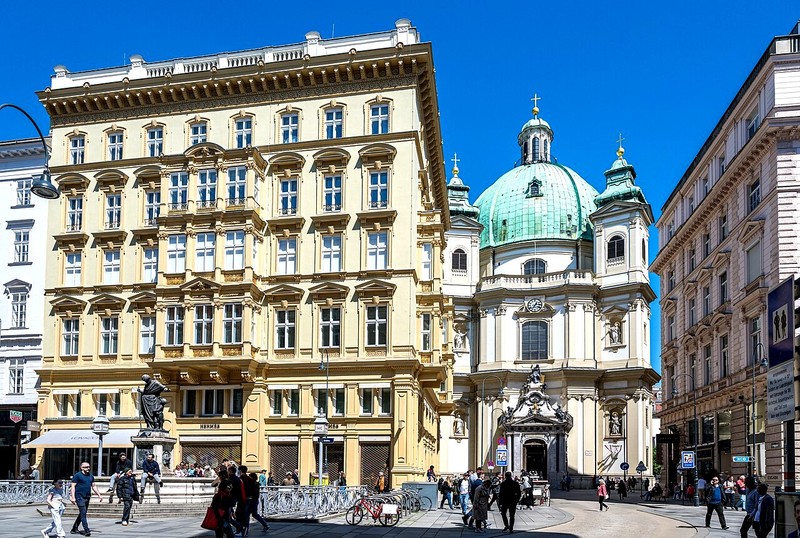
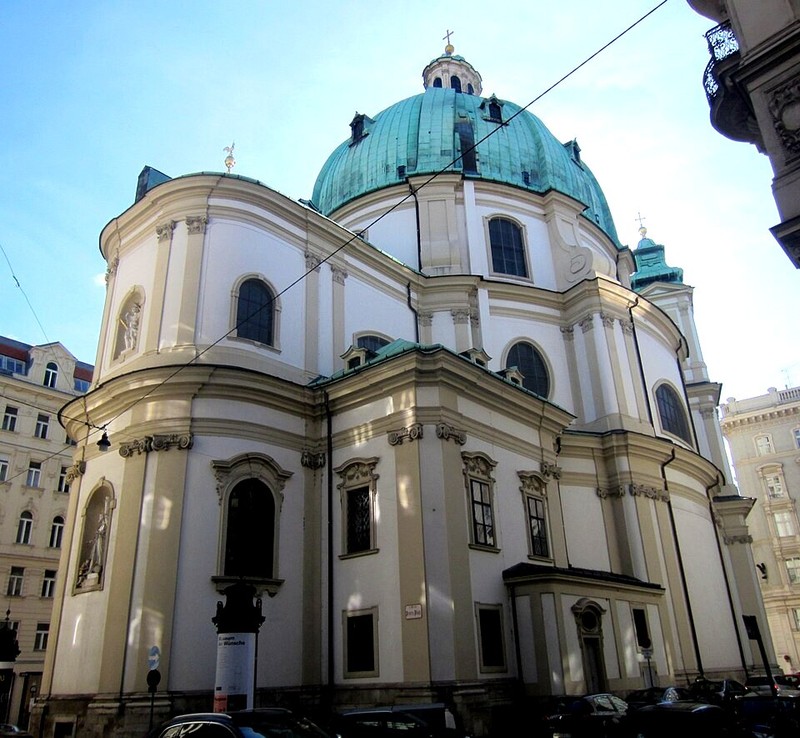
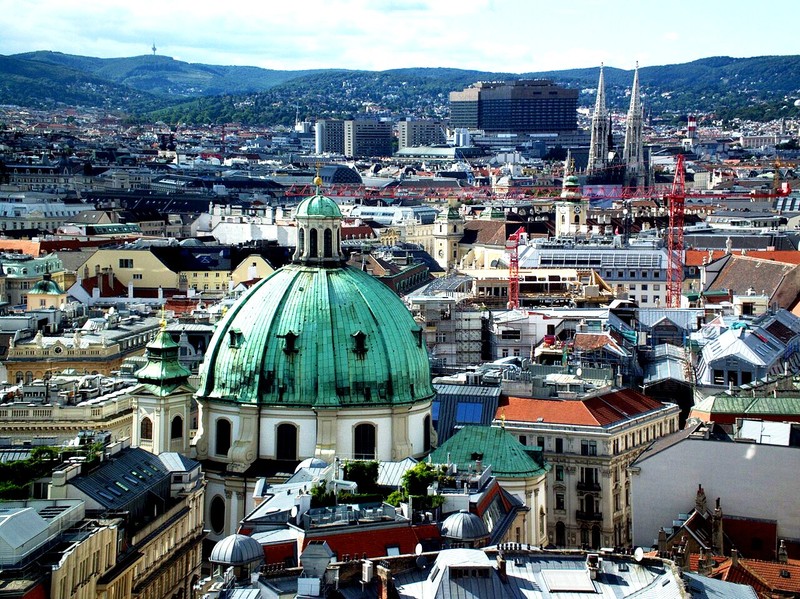
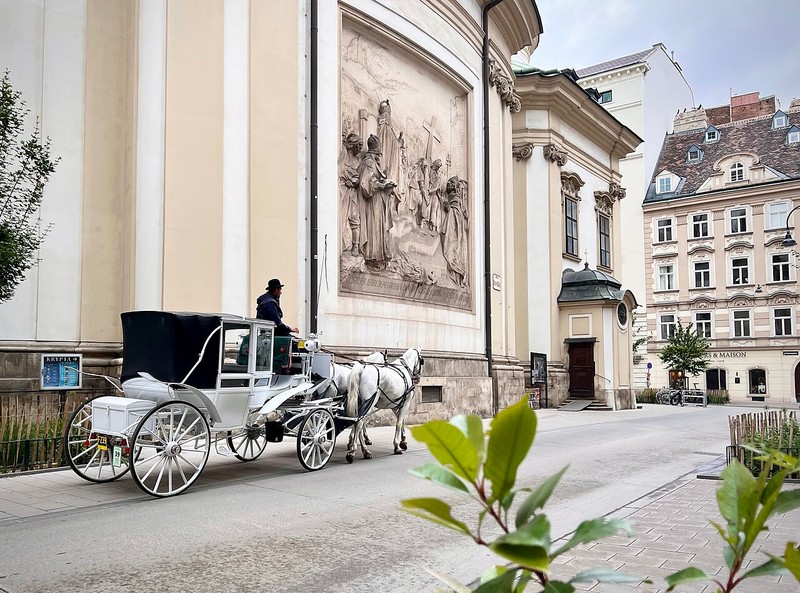
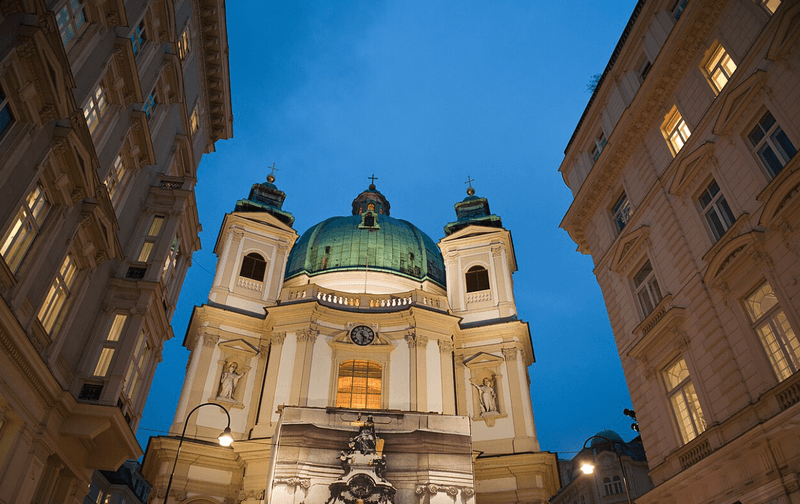
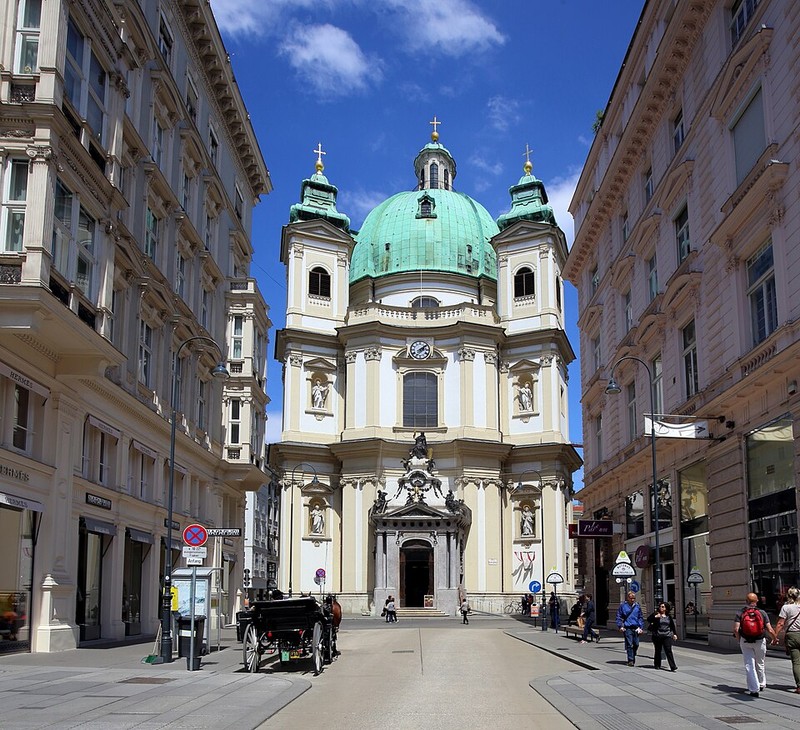
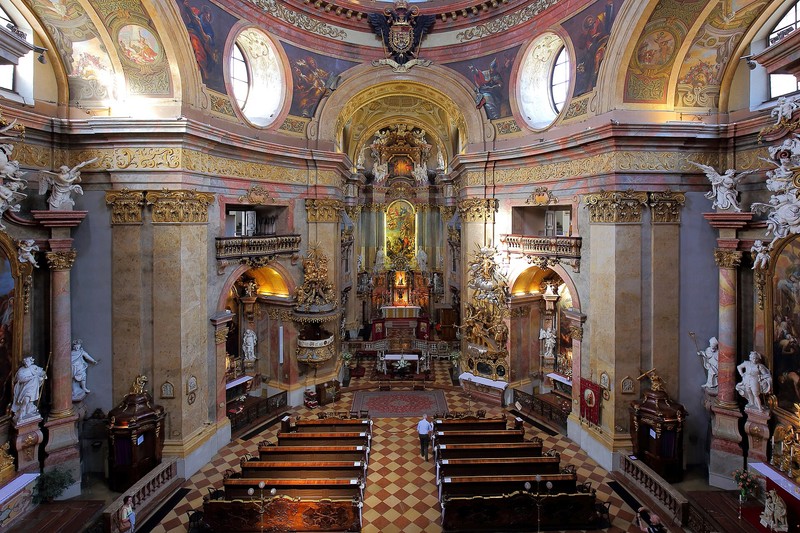
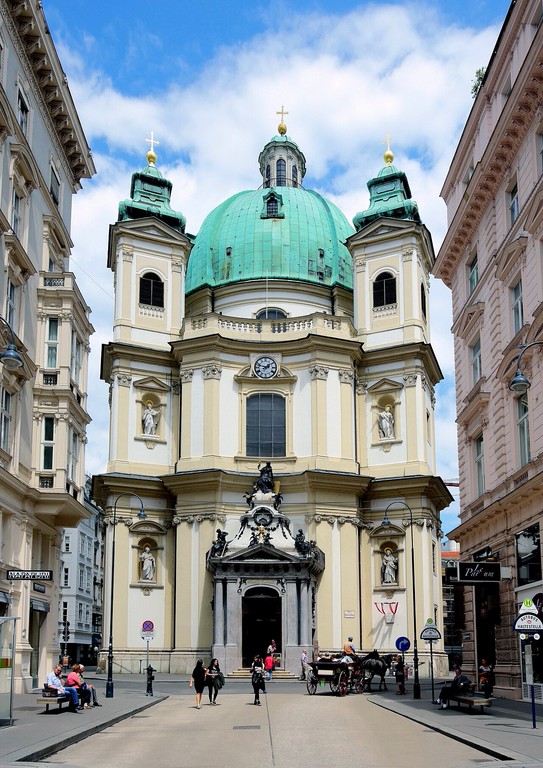
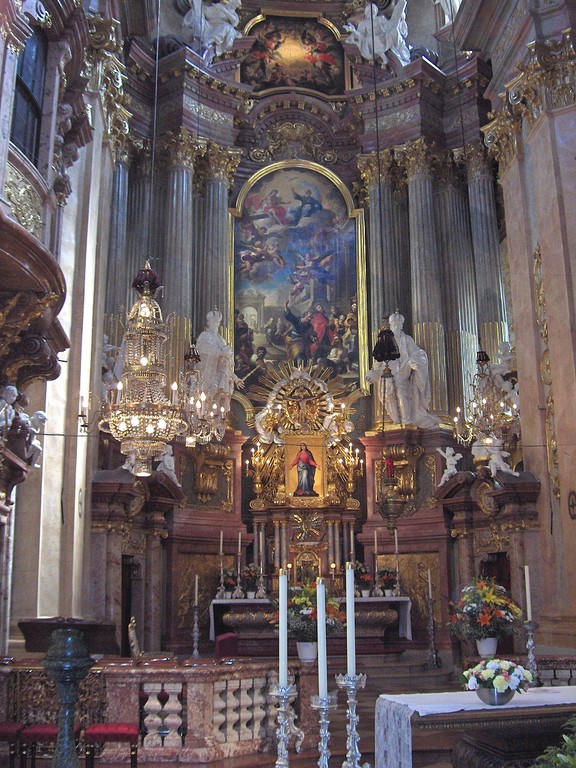
St. Peter's Church, known as Peterskirche in German, is one of Vienna's best-known Baroque churches. It stands in the historic city centre on Petersplatz, close to Graben Street and St. Stephen's Cathedral. Behind its relatively compact exterior is a richly decorated interior featuring a dome, frescoes, sculptures and gilded altars. The church is also known for its regular organ music performances.
History of St. Peter's Church
The history of Christian worship at this site dates back to the late Roman period. According to the church, the first building appeared in the second half of the 4th century within the Roman military camp of Vindobona, where a former barracks building was adapted for worship. A medieval church later stood here and was rebuilt first in the Romanesque style and then in the Gothic style.
A tradition links the church's foundation to Charlemagne and the year 792, although no documentary evidence confirms this account. The first written reference to the church dates from 1137. The medieval building gradually deteriorated and was damaged by a fire in 1661.
In the early 18th century, Emperor Leopold I supported the construction of a new church. Work began in 1701. The initial design was prepared by Gabriele Montani, with the architectural scheme also influenced by the celebrated architect Johann Lukas von Hildebrandt. The church was opened for worship in 1708 and consecrated in 1733, after completion, in honour of the Holy Trinity and Saint Peter the Apostle.
Baroque architecture and the dome
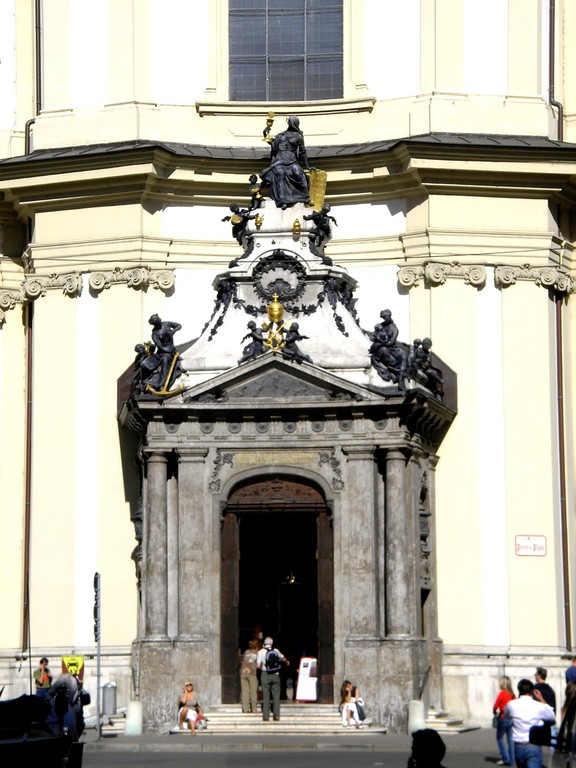
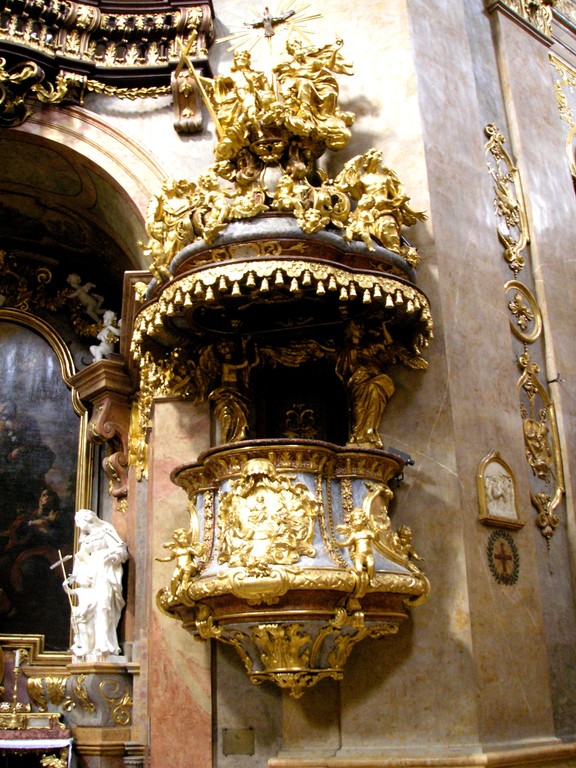
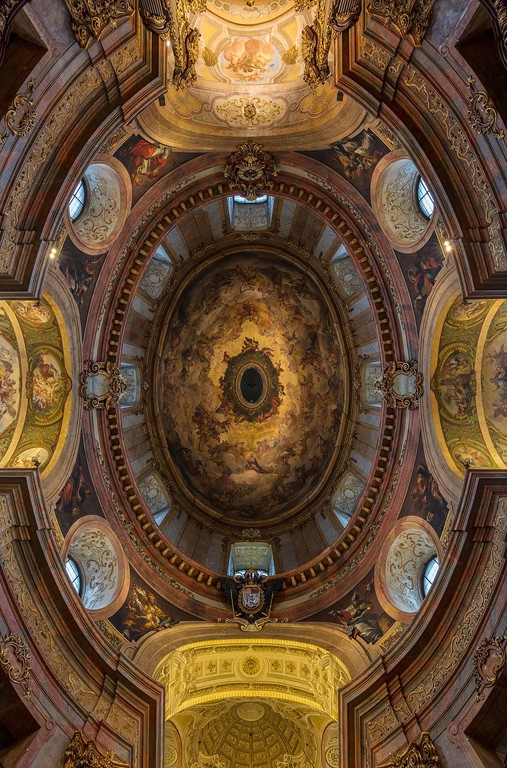
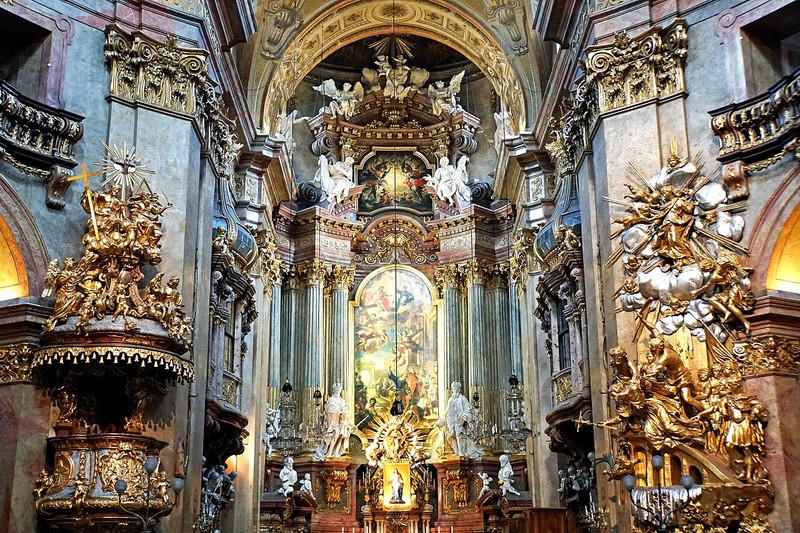
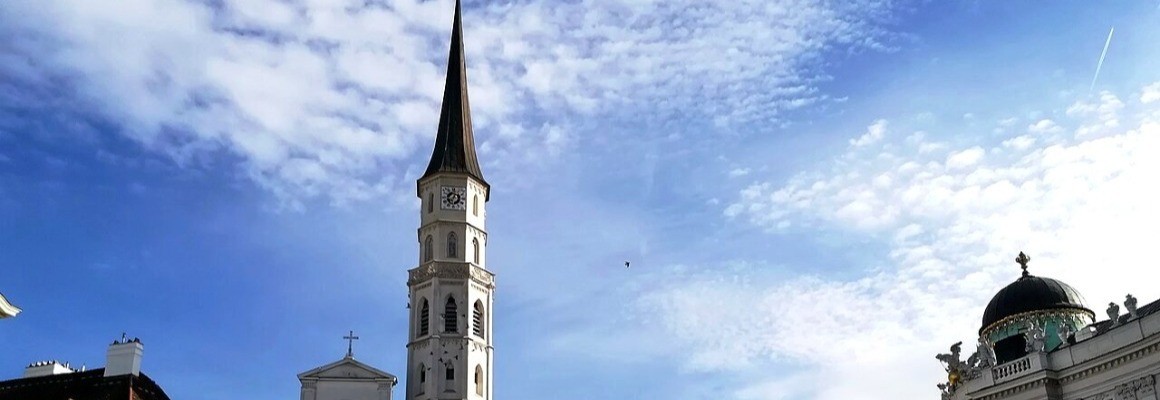
Peterskirche is considered one of Vienna's outstanding examples of Baroque architecture. Its interior is organised around an oval space beneath a high dome. Two towers frame the façade, while the entrance features columns and sculptural details. Inside, marble surfaces, gilding, decorative stucco and religious imagery create a richly ornamented atmosphere.
The dome fresco was painted by Johann Michael Rottmayr in 1713–1714. Its central subject is the Coronation of the Virgin Mary, surrounded by apostles, saints and angels.
Altars, sculptures and the organ
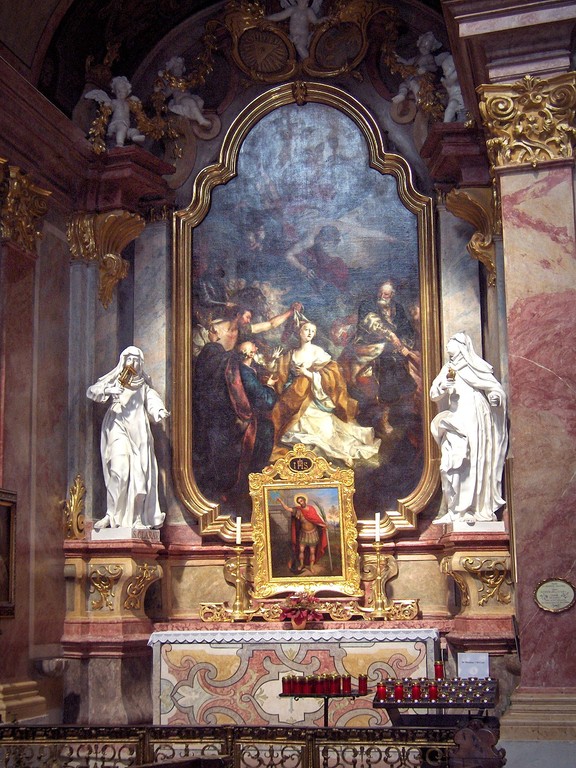
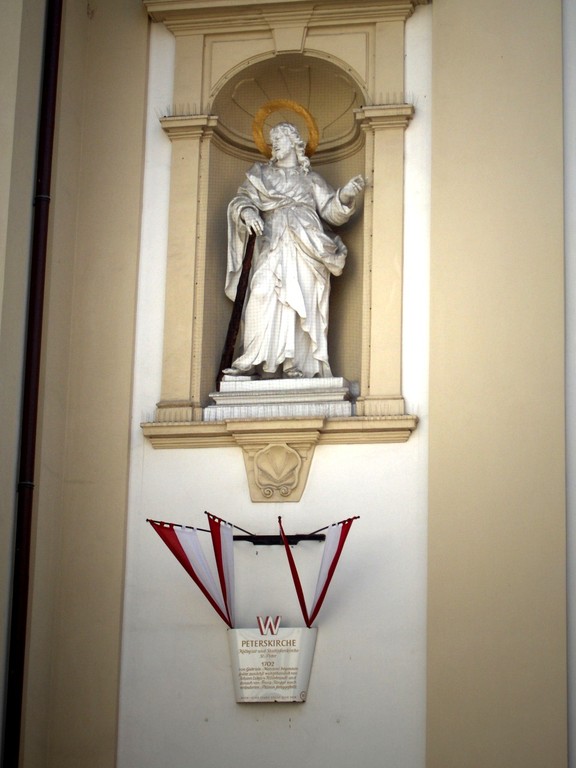
The church's decoration was created by artists associated with Vienna's Baroque period, including Matthias Steinl and other prominent painters and sculptors. Visitors can see side altars dedicated to different saints, elaborate decorative ensembles and religious artworks.
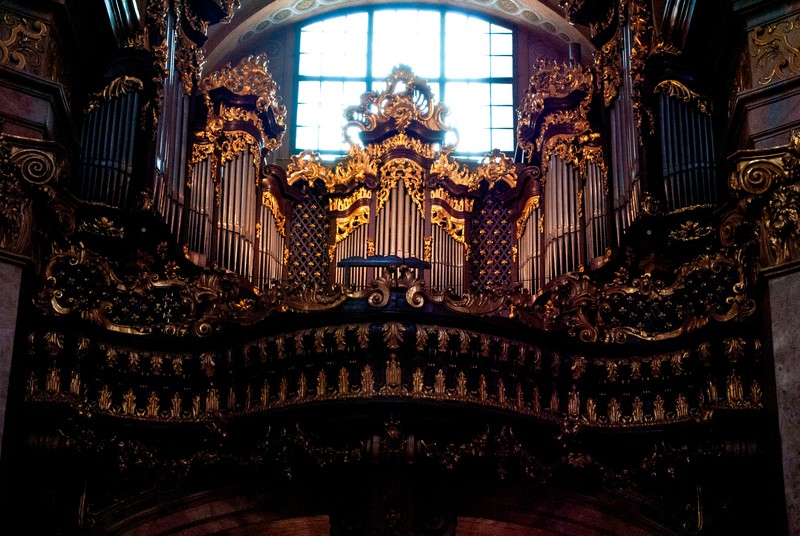
The organ gallery above the entrance is another highlight. The large organ has 2,175 pipes, three manuals and 34 stops. Music remains an important part of the church's life, with organ performances, choral programmes and classical concerts held regularly.
Concerts and Opera in the Crypt
St. Peter's Church hosts musical events featuring organ works and compositions by musicians from different periods, including Johann Sebastian Bach and Wolfgang Amadeus Mozart. Some performances are offered in exchange for voluntary donations, while selected concerts require tickets.
A crypt beneath the church also serves as a venue for chamber performances and productions presented as Opera in the Crypt. The programme changes with the season, so visitors should check dates and ticket conditions in advance.
The crypt and restoration
The crypt extends beneath the church and preserves historic architectural elements, including an early Romanesque stone lion. During Advent, it also hosts a traditional exhibition of Nativity scenes.
The church has undergone several restoration campaigns. Major work on the interior and exterior took place between 2001 and 2004, followed by repairs to parts of the dome, the portico and the organ. These efforts have helped preserve the building's historic decoration while allowing it to remain an active place of worship.
Getting to Peterskirche
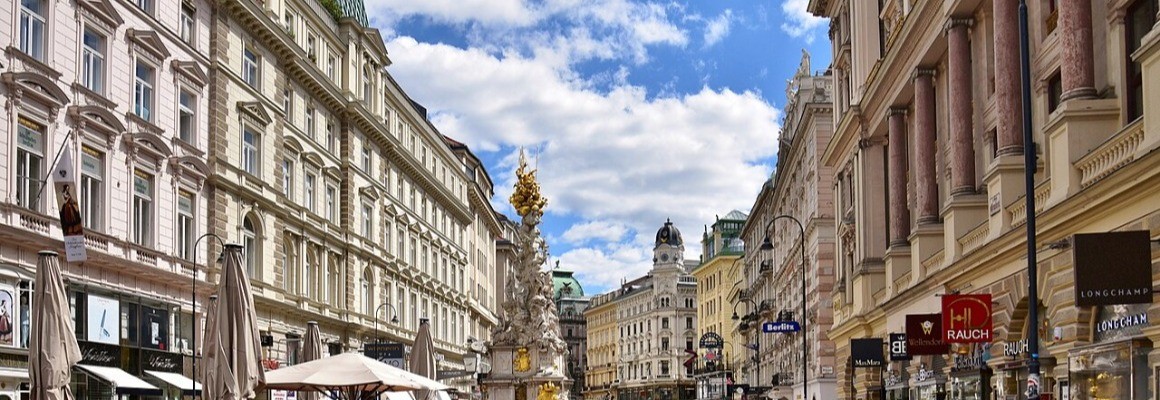
The address is Petersplatz, 1010 Vienna. The church is an easy walk from Graben Street and St. Stephen's Cathedral. The nearest underground station is Stephansplatz, served by lines U1 and U3. According to the official website, the church is generally open Monday to Friday from 8 am to 7 pm and on weekends from 9 am to 7 pm. Admission to the church is free, although some concerts and events in the crypt require tickets.
Gallery