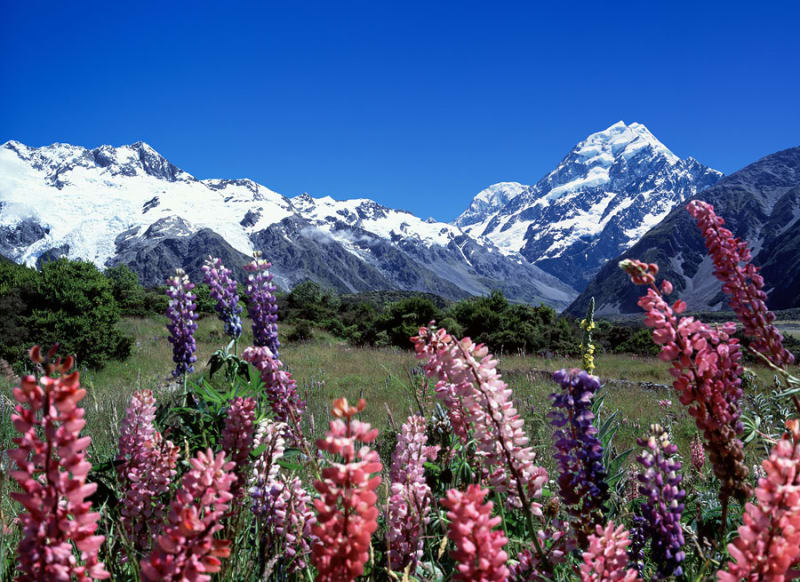
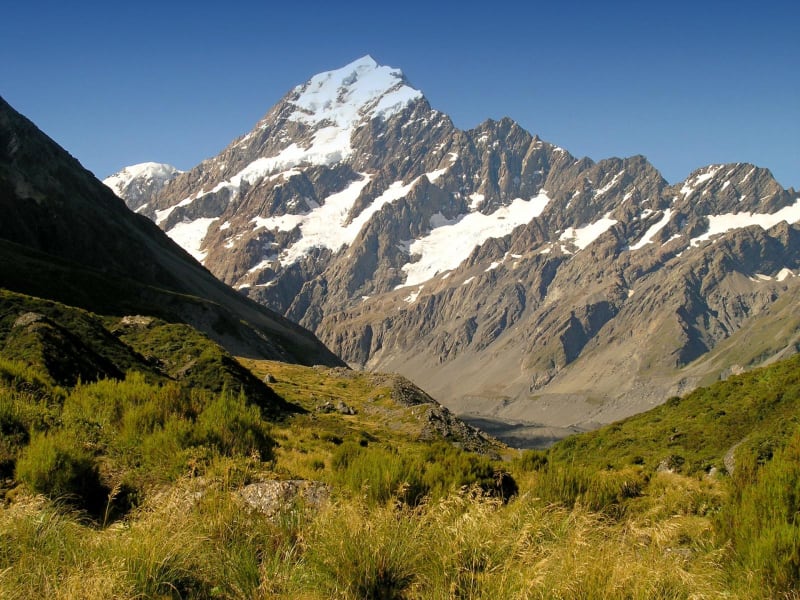
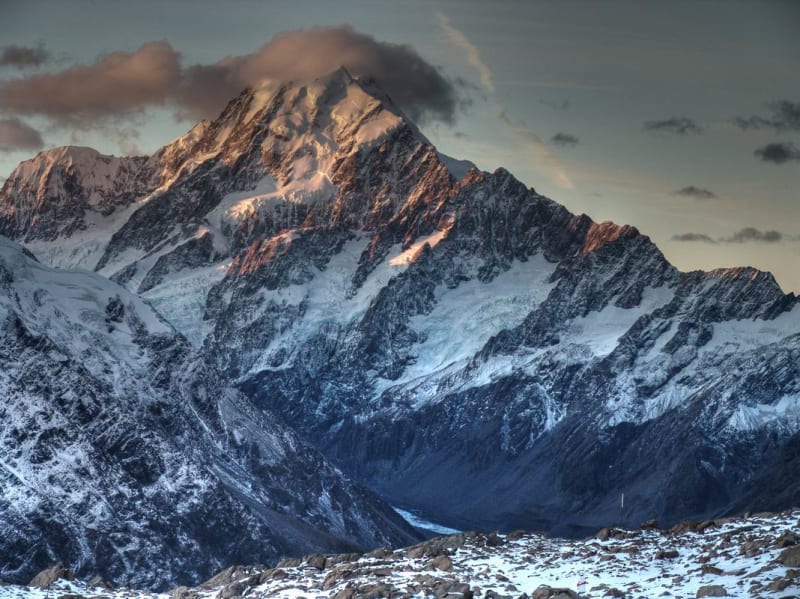
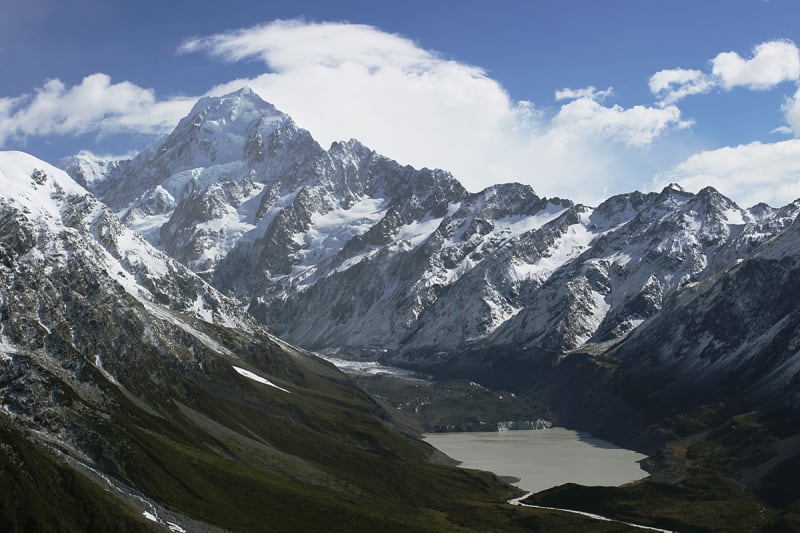
Aoraki / Mount Cook National Park is located on New Zealand’s South Island in the Canterbury region. It is a landscape of towering mountains, glaciers, deep valleys and alpine lakes. Its most prominent natural landmark is Aoraki / Mount Cook, at 3,724 metres the highest mountain in New Zealand. Glaciers cover around 40% of the park, which forms part of the Te Wāhipounamu – South West New Zealand World Heritage Area.
Aoraki / Mount Cook
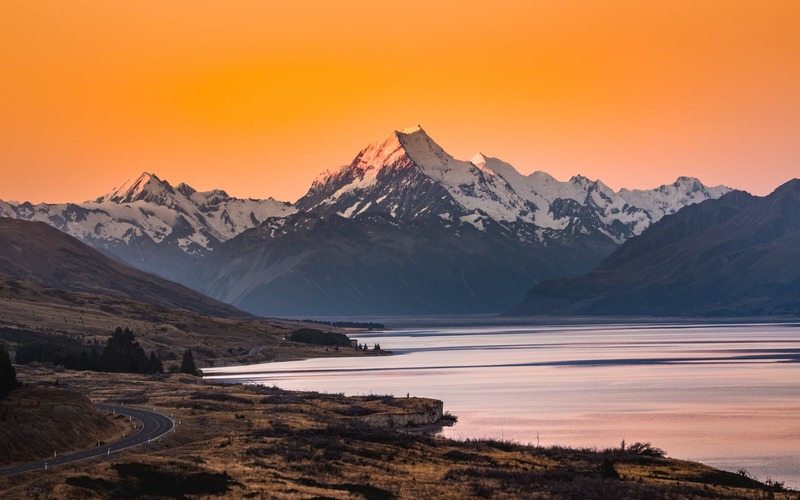
The impressive peak rises among the mountain ranges and glacial valleys of the Southern Alps. The name Aoraki holds deep significance for Māori, who regard the mountain as sacred. According to local tradition, Aoraki and his brothers turned to stone and became the mountains of the Southern Alps. Today, the peak is a symbol of New Zealand’s alpine wilderness and attracts climbers from around the world. Reaching the summit requires substantial experience, preparation and suitable weather.
Glaciers and lakes
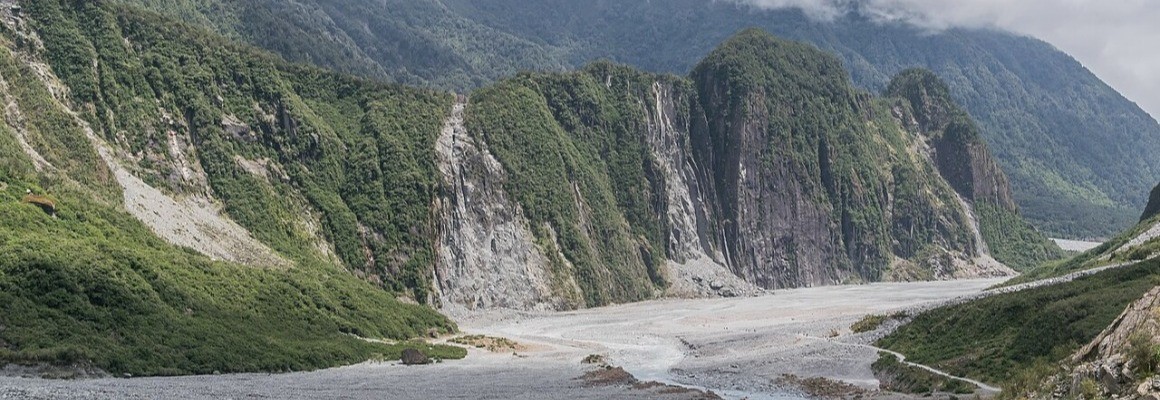
Glaciers shape much of the park’s landscape. One of the most prominent is Tasman Glacier, the longest glacier in New Zealand. It descends between mountain slopes and ends near Tasman Lake, where icebergs can be seen during the warmer months. Glacial valleys, moraines and cold alpine lakes reveal how ice shapes the mountains. A popular walking route leads to a viewpoint overlooking Tasman Lake and the surrounding glacier and peaks.
Walking tracks
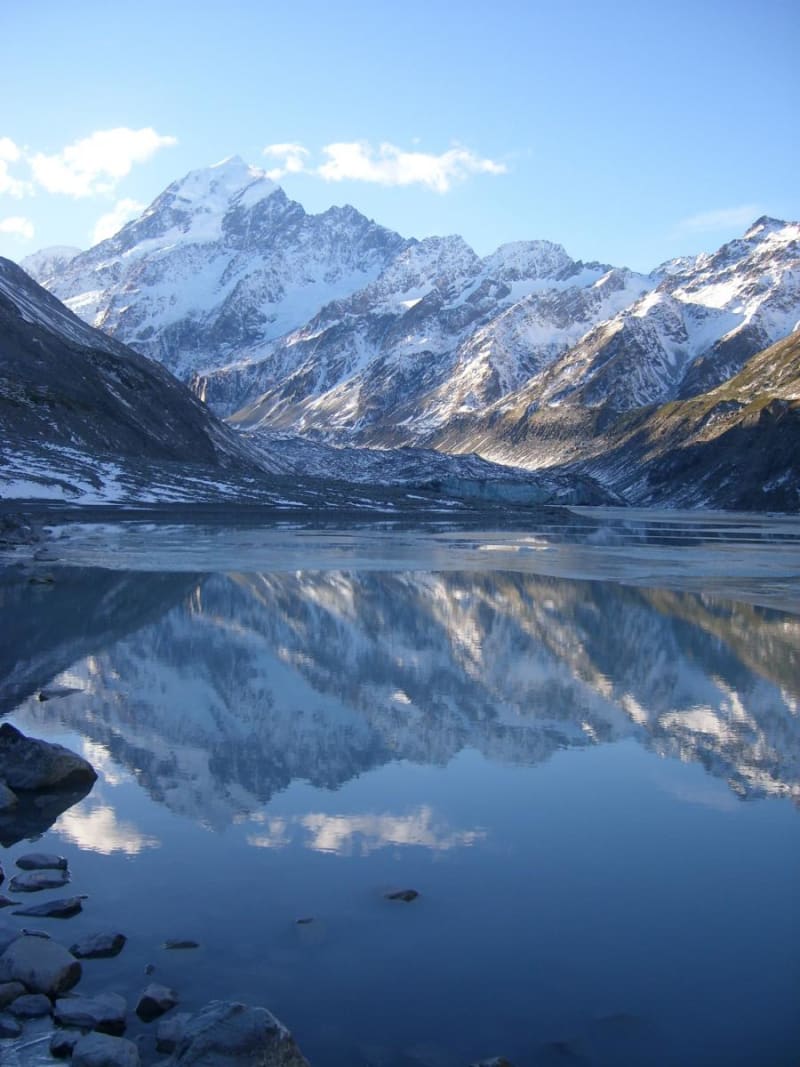
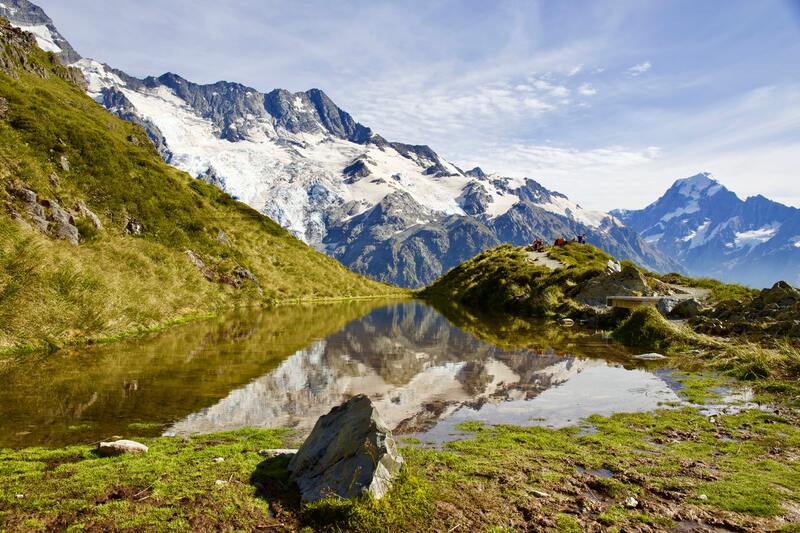
The park offers routes of different difficulty, from short walks to demanding mountain hikes. One of the best-known is the Hooker Valley Track, which follows the Hooker Valley to Hooker Lake at the foot of Mount Cook. Along the way, visitors cross suspension bridges and see mountain rivers and snow-covered peaks. The Kea Point Track offers mountain and glacier views on a relatively short walk. More experienced hikers may choose the climb to Mueller Hut for wide panoramas of glaciers and mountain ridges.
Plants and wildlife
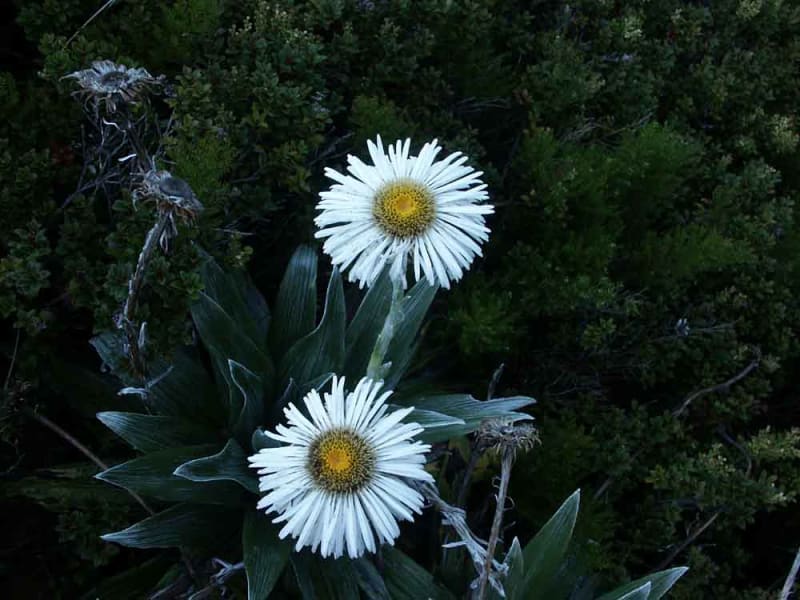
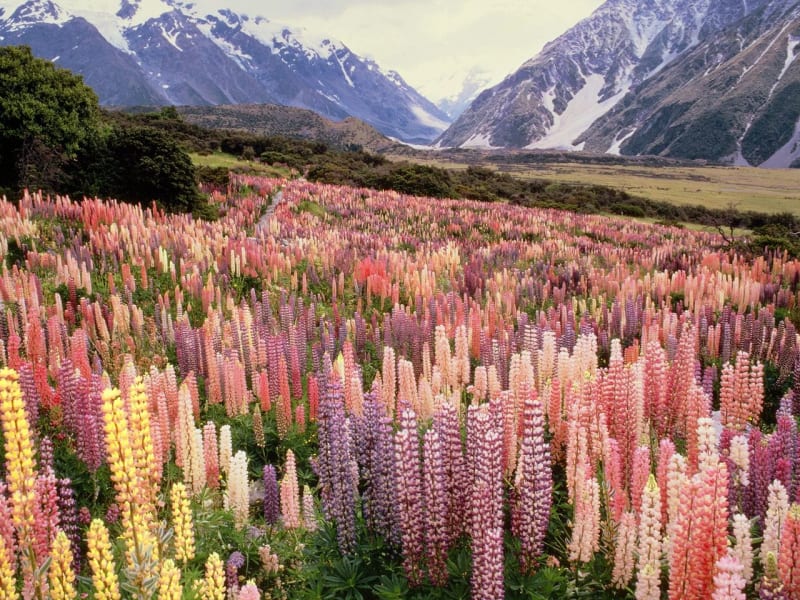
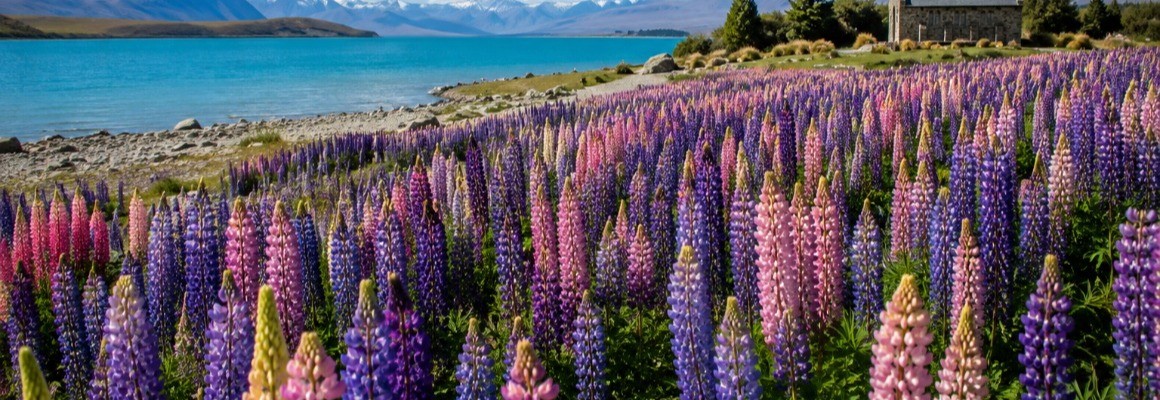
The harsh alpine climate shapes the park’s natural environment. Instead of extensive forests, much of the landscape is covered by alpine meadows, grasses, low shrubs and plants adapted to cold and wind. A notable species is the large mountain buttercup known as the Mount Cook lily. The park is home to kea, intelligent alpine parrots, as well as other birds, including the rare rock wren. Valleys and waterways support species adapted to changing mountain conditions.
Night skies and outdoor activities
Aoraki / Mount Cook National Park is known not only for its daytime scenery but also for its excellent stargazing conditions. Its distance from major cities and limited artificial lighting make it possible to see numerous stars, constellations and parts of the Milky Way. Activities around Mount Cook Village include walks, guided excursions, scenic flights and mountaineering. Before setting out, check the weather, track conditions and your own experience level, as mountain conditions can change quickly.
Aoraki / Mount Cook National Park brings together some of the South Island’s most striking natural features: high peaks, glaciers, clear lakes and expansive alpine valleys. It offers everything from relaxed walks on maintained trails to challenging mountain adventures.
Gallery