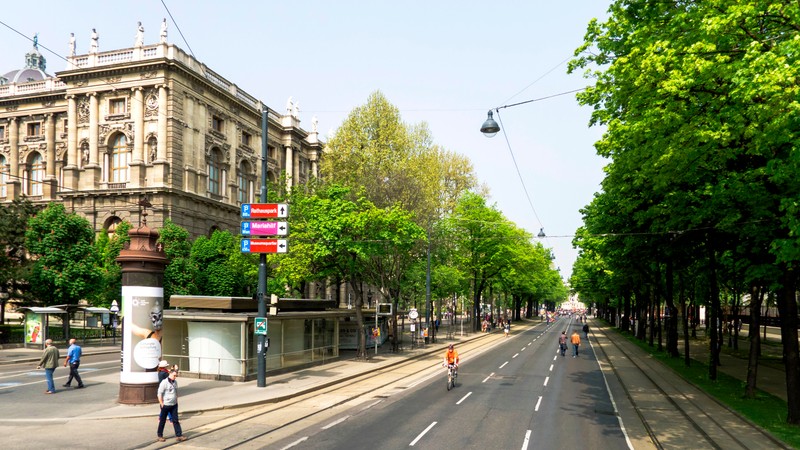
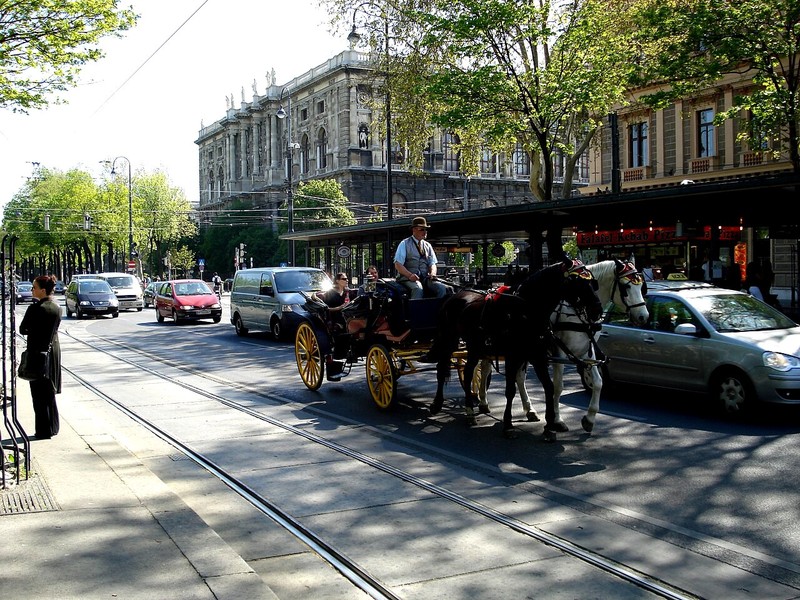
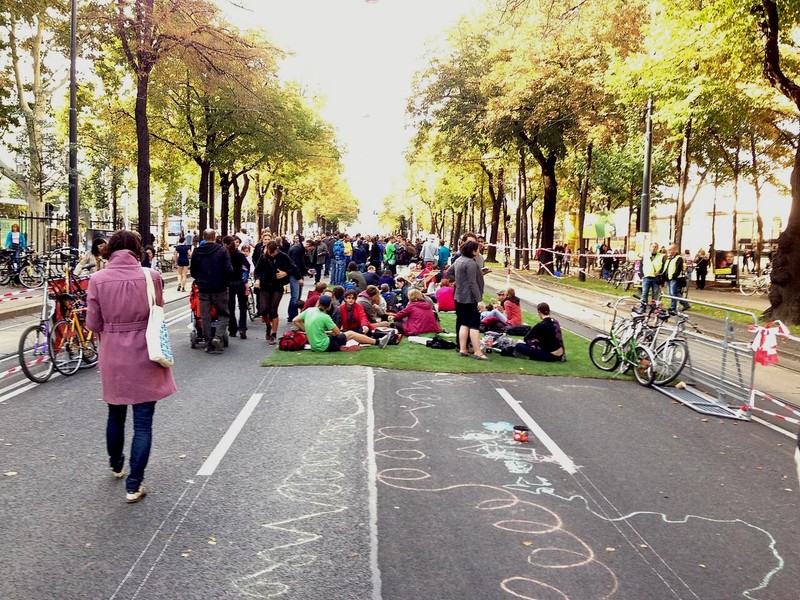
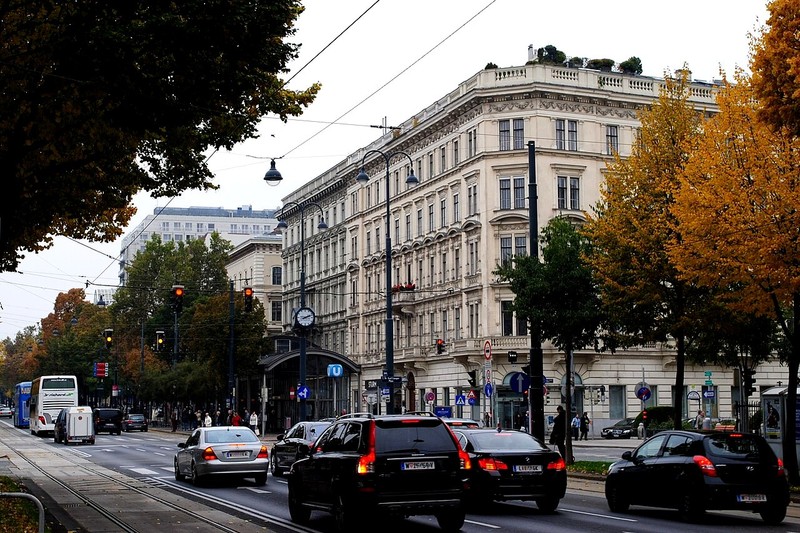
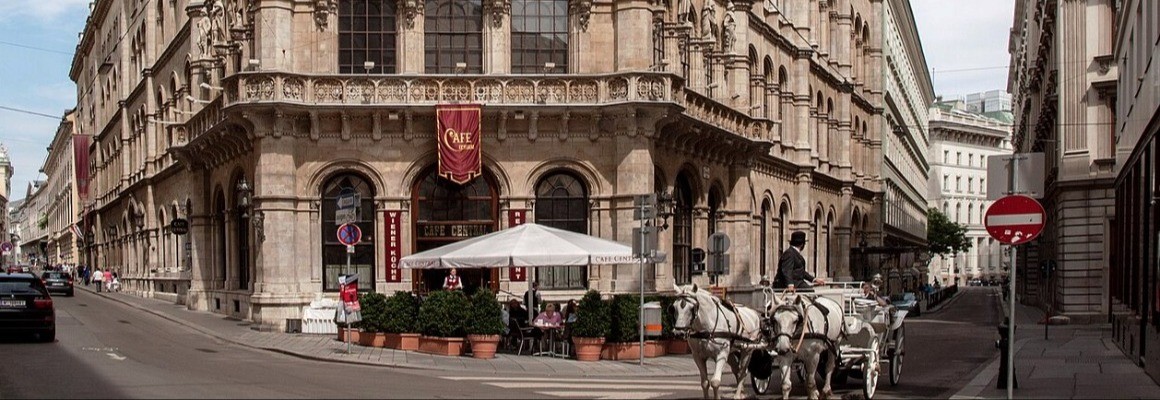
The Ringstrasse is Vienna’s famous boulevard, which encircles the historic city centre and connects many of the Austrian capital’s major landmarks. It is about 5.3 kilometres long and approximately 57 metres wide. Along the boulevard stand the Vienna State Opera, the Austrian Parliament, City Hall, the Burgtheater, the University of Vienna, major museums, palaces and green spaces.
The Ringstrasse is considered one of Europe’s most distinctive nineteenth-century architectural ensembles. Buildings in Neo-Renaissance, Neo-Gothic and Neoclassical styles stand side by side. A walk along the boulevard reveals how Vienna developed from a fortified imperial capital into a modern European city.
History of the Ringstrasse
Until the middle of the nineteenth century, Vienna’s historic centre was surrounded by city walls and defensive fortifications. As the capital expanded, these structures increasingly obstructed transport links between the centre and the suburbs. The revolutionary events of 1848 brought urban reform into sharper focus.
In December 1857, Emperor Franz Joseph I ordered the old fortifications to be demolished and replaced by a broad boulevard with public buildings, residences and green spaces. The official opening took place on 1 May 1865, although only part of the route was finished at the time. Construction and landscaping continued for several decades.
During the 1860s to the 1890s, many buildings appeared along the boulevard and shaped Vienna’s architectural identity. They demonstrated the status of the Habsburg Empire and reflected the development of public administration, education and culture.
Architectural Style
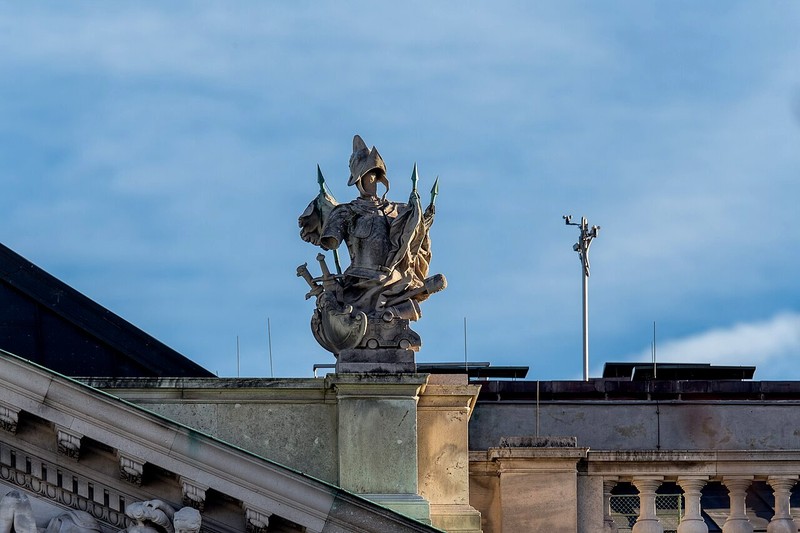
The Ringstrasse is closely associated with Historicism, a nineteenth-century movement that revived styles from earlier periods. Its buildings evoke the Italian Renaissance, Gothic town halls, ancient temples and Baroque palaces.
Leading architects who shaped the boulevard included Theophil von Hansen, Heinrich von Ferstel, Gottfried Semper, Carl von Hasenauer and Friedrich von Schmidt. They designed parliamentary buildings, museums, theatres, religious structures and private palaces.
Vienna State Opera
The Vienna State Opera is one of Austria’s leading musical venues and a major landmark on the Ringstrasse. Opened in 1869, the building was designed in the Neo-Renaissance style. The opera house is known for classical productions, performances by leading artists and its close connection with Vienna’s musical heritage.
Visitors can admire the building from outside or attend a performance or guided tour when available. The famous Vienna Opera Ball, one of Austria’s best-known social events, is also held here.
Austrian Parliament
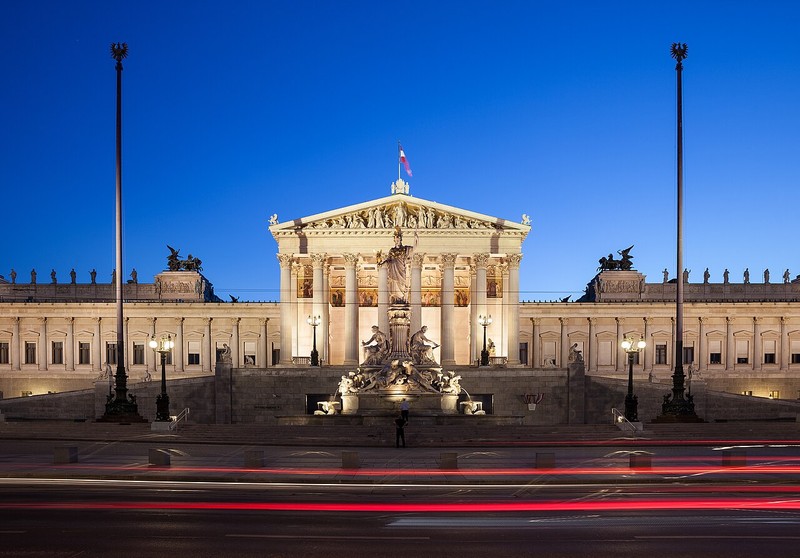
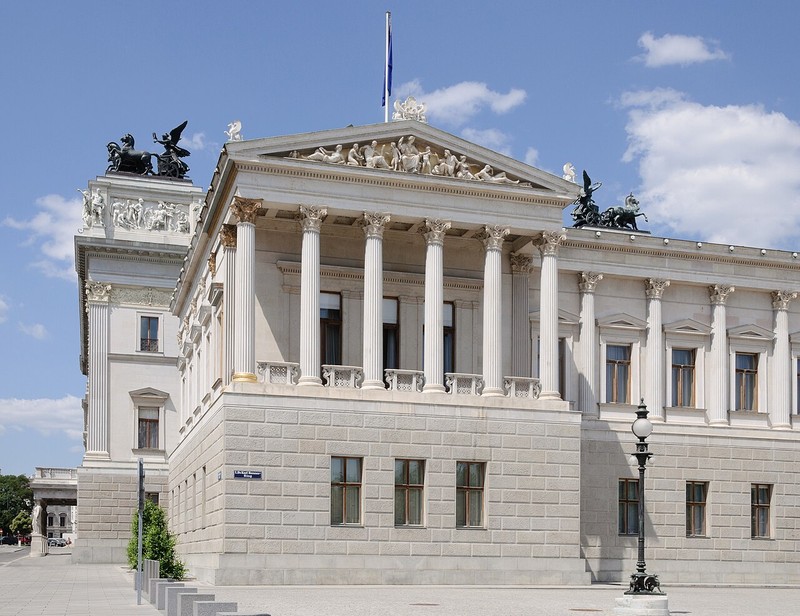
The Austrian Parliament building is one of the Ringstrasse’s most recognisable landmarks. It was built between 1874 and 1883 to a design by Theophil von Hansen, inspired by ancient Greek architecture. The style was intended to evoke the ideals of democracy and civic participation.
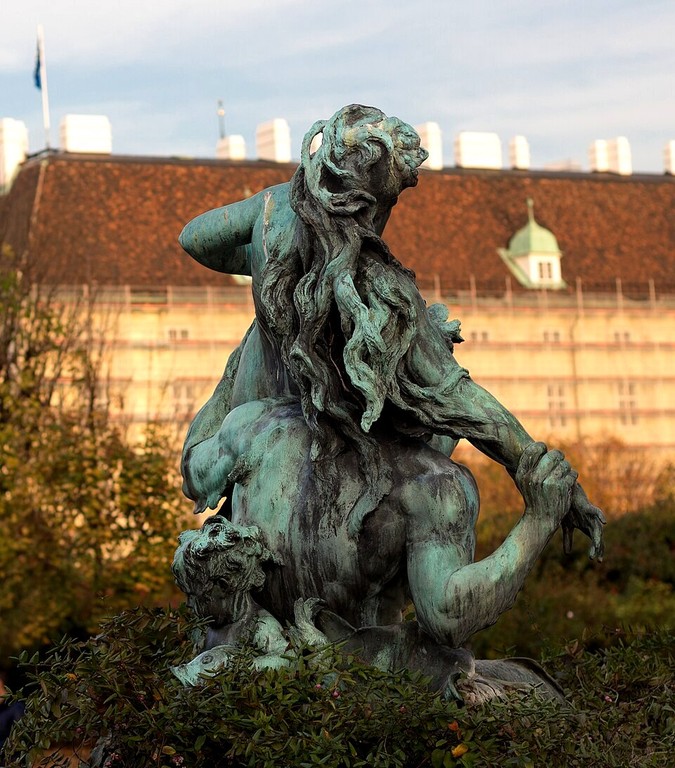
A fountain featuring Athena Pallas stands in front of the building. The sculpture and colonnade make the parliament one of the boulevard’s most photogenic sites. Access to the interior depends on current visitor rules and the event schedule.
Vienna City Hall and the Burgtheater
Vienna City Hall stands out for its tall central tower and Neo-Gothic façade. It was designed by Friedrich von Schmidt and built during the 1870s and early 1880s. Today it houses municipal government offices. The square in front regularly hosts festivals, markets and seasonal events.
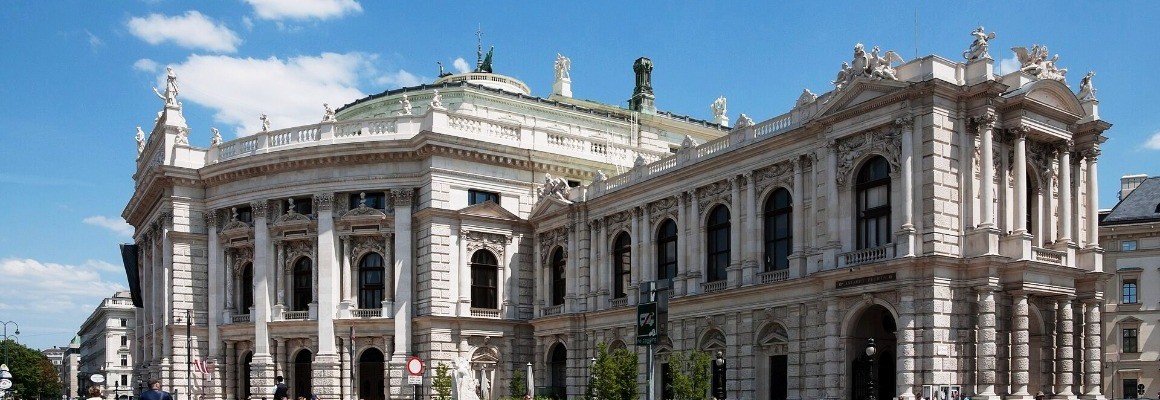
Nearby is the Burgtheater, one of the most important German-language theatres. Its current Ringstrasse building opened in 1888. The theatre’s history is closely connected with Austrian drama and stage culture.
Museums at Maria Theresa Square
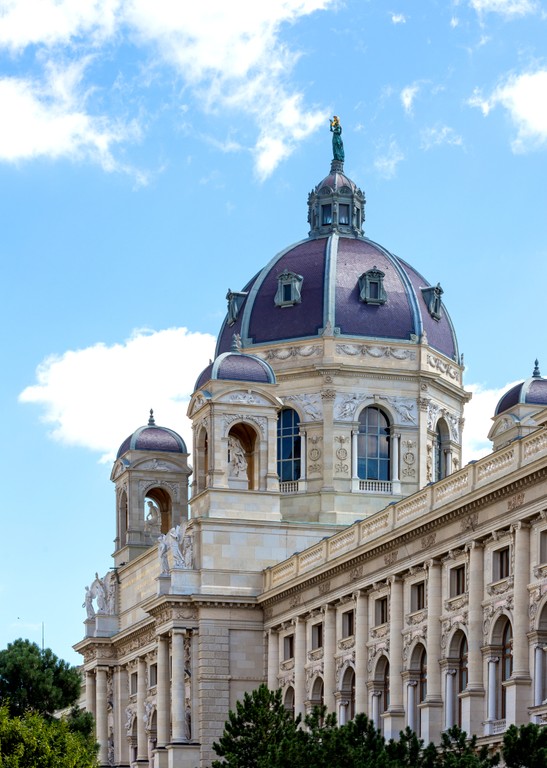
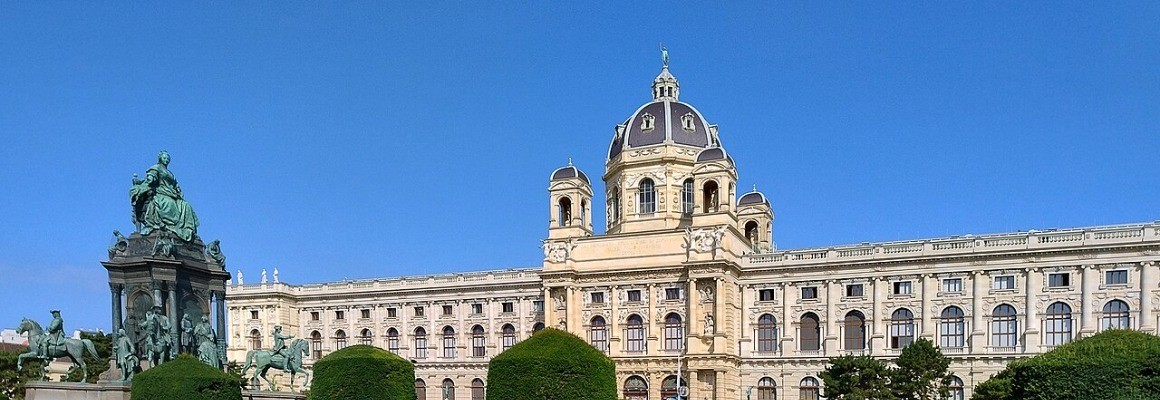
Maria Theresa Square is flanked by two grand museums facing each other. The Kunsthistorisches Museum houses collections of painting, sculpture, decorative arts and historical objects, including works by European masters and collections assembled by the Habsburgs.
Opposite stands the Natural History Museum, with exhibitions covering mineralogy, geology, zoology, botany and the history of the Earth. The two buildings form a symmetrical architectural ensemble that reflects the scale of the empire’s cultural ambitions in the nineteenth century.
A monument to Empress Maria Theresa stands in the centre of the square. The open space between the museums is ideal for a walk and photographs. Visiting one or both museums adds world-class collections to an architectural tour.
Palaces and Historic Buildings
Along the Ringstrasse and nearby streets are grand palaces built for aristocratic families, bankers and industrialists. Notable examples include Palais Epstein, Palais Todesco and Palais Ephrussi. Their façades reflect the wealth of their owners and the desire of Vienna’s affluent residents to demonstrate their social standing.
Palais Epstein is associated with architect Theophil von Hansen and features a Neo-Renaissance design. Palais Todesco is another nineteenth-century architectural landmark. Palais Ephrussi became widely known through the history of the Ephrussi family and Edmund de Waal’s book *The Hare with Amber Eyes*.
Not all palaces are open to the public, as many are used by institutions, organisations or hotels. Their façades can nevertheless be admired on a walk, with attention to the sculpture, balconies and decorated entrances.
Ringturm and Other Landmarks
Ringturm is a high-rise office building near the Danube Canal. Built in the 1950s, it was one of Vienna’s early modern tall buildings. Its clean lines contrast with the historic architecture of the boulevard and illustrate changes in the cityscape during the twentieth century.
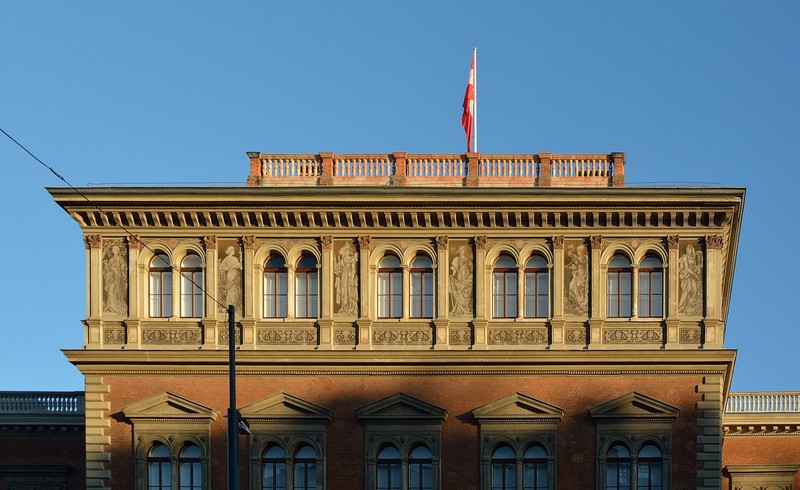
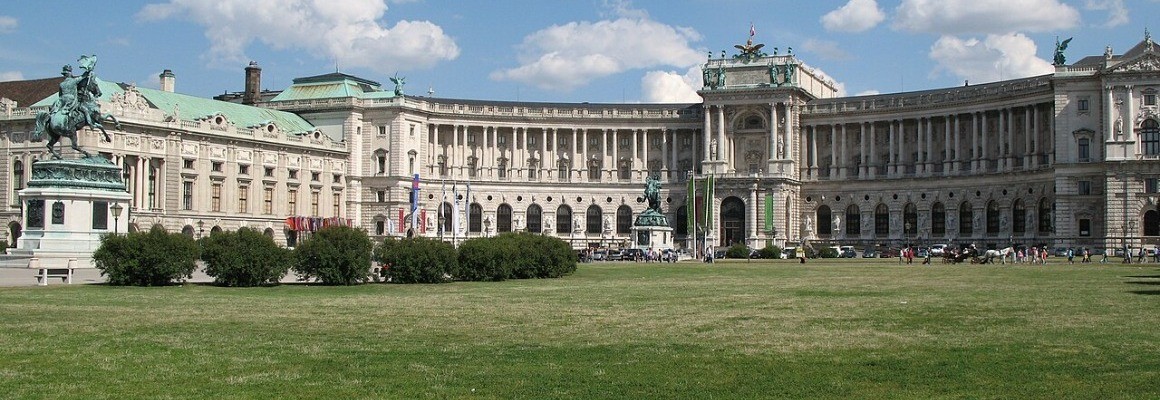
Other notable buildings along the Ringstrasse include the Vienna Stock Exchange, the Museum of Applied Arts and the University of Vienna. They can be added to a self-guided city route.
Parks and Green Spaces
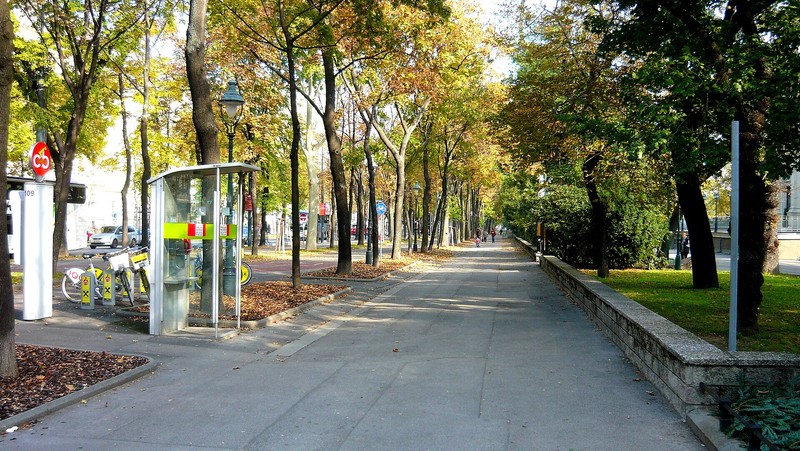
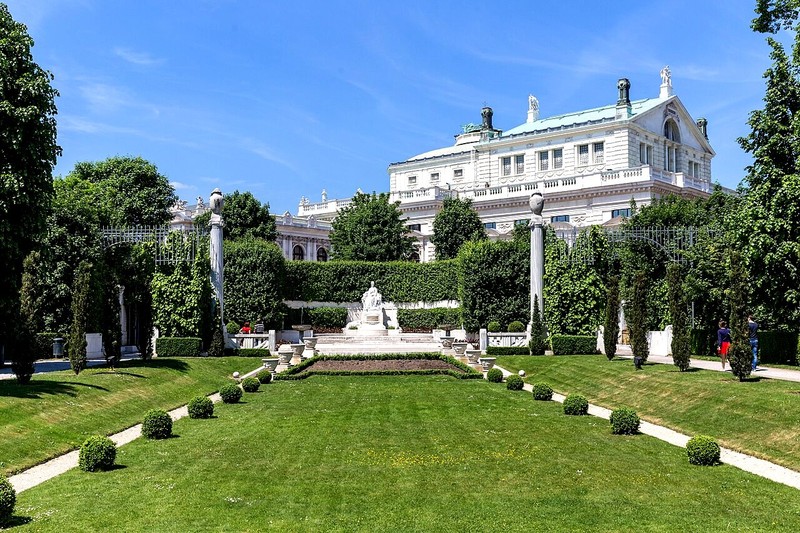
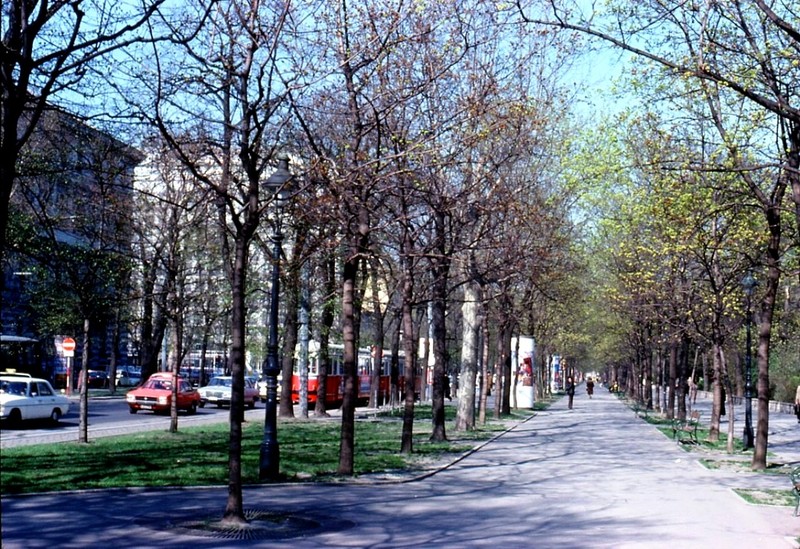
The Ringstrasse is more than an architectural route and traffic artery. Landscaped strips and nearby parks provide places to rest between sightseeing stops. Burggarten is suitable for a quiet walk near the Hofburg, while Volksgarten is known for its flowerbeds and rose gardens.
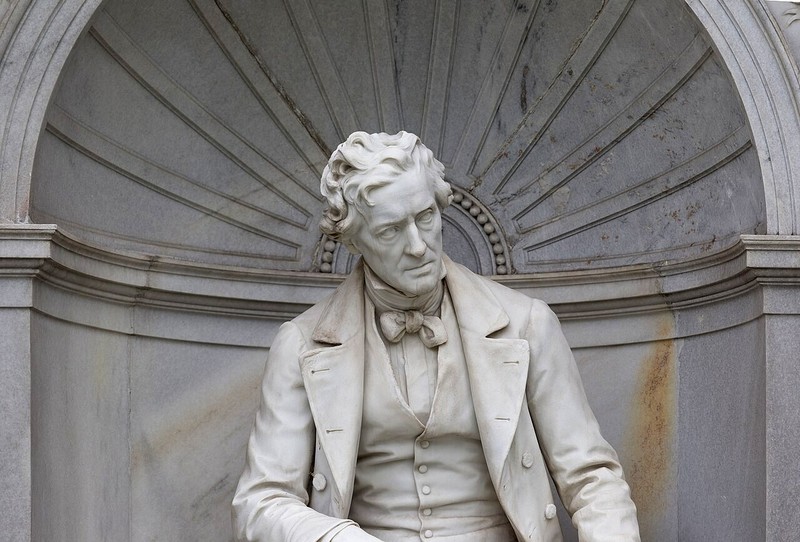
Stadtpark lies a little farther along the route and is famous for its monument to composer Johann Strauss II. These green spaces offer a welcome break between museums and monumental buildings, particularly in spring and summer.
How to Explore the Ringstrasse
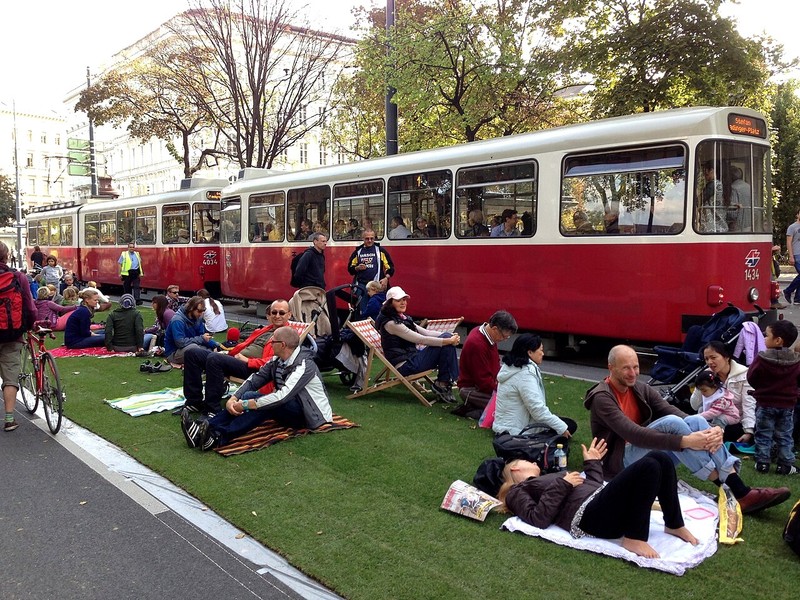
The Ringstrasse can be explored on foot, by bicycle or by tram. Walking allows visitors to examine the façades and enter the parks, but it is worth allowing several hours for the full route of about 5.3 kilometres, especially if visiting museums.
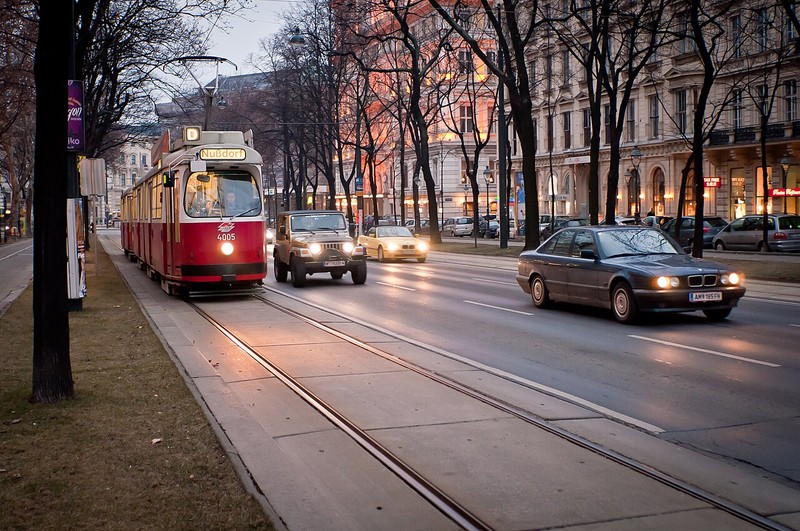
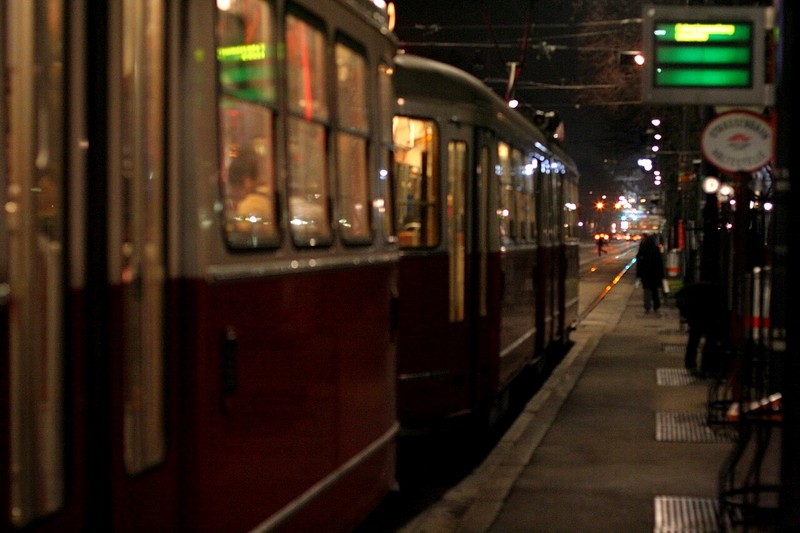
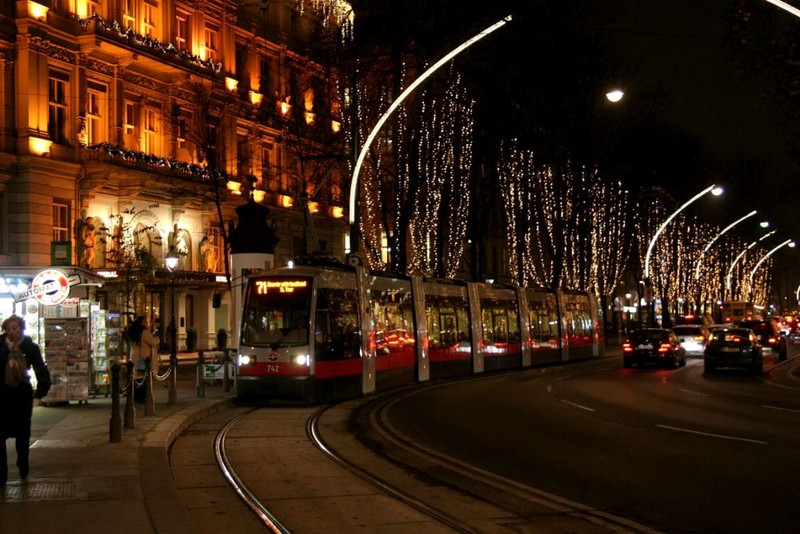
Trams that travel along sections of the ring provide a convenient way to see major landmarks without a long walk. Visitors may also consider the tourist Vienna Ring Tram if it operates on their chosen date. Check the route and timetable in advance.
How to Get to the Ringstrasse
The Ringstrasse runs through central Vienna and is accessible from different parts of the city by underground train, tram and bus. Depending on the planned route, convenient stations include Karlsplatz, Volkstheater, Rathaus and Schottentor, as well as other stops near the boulevard.
Because the Ringstrasse is a long city street, it has no single entrance or ticket office. Walking along the public streets and through the squares is free; tickets are required only for museums, performances and selected guided tours.
The Ringstrasse brings together key aspects of Vienna: imperial history, nineteenth-century architecture, music, museums and contemporary urban life. Even a short walk along the boulevard helps explain why Vienna’s historic centre is considered one of Europe’s most significant architectural ensembles.
Gallery