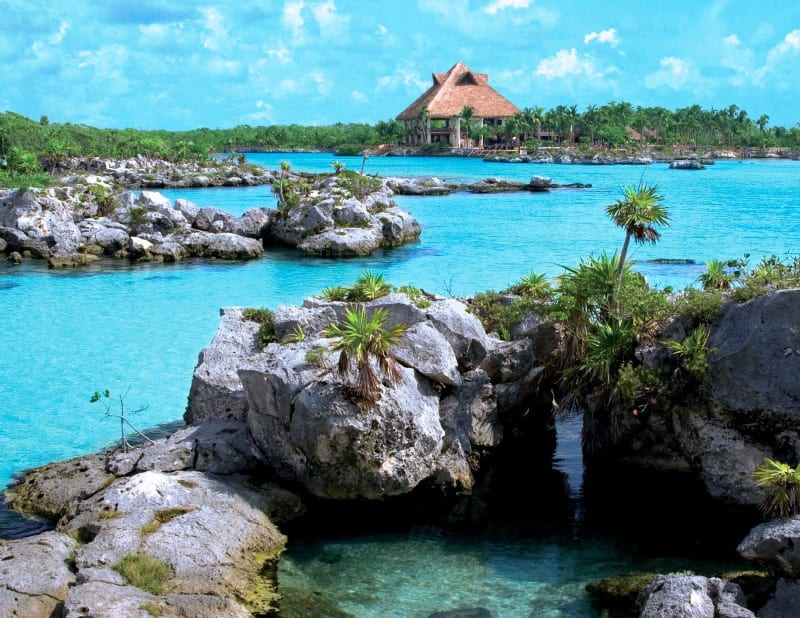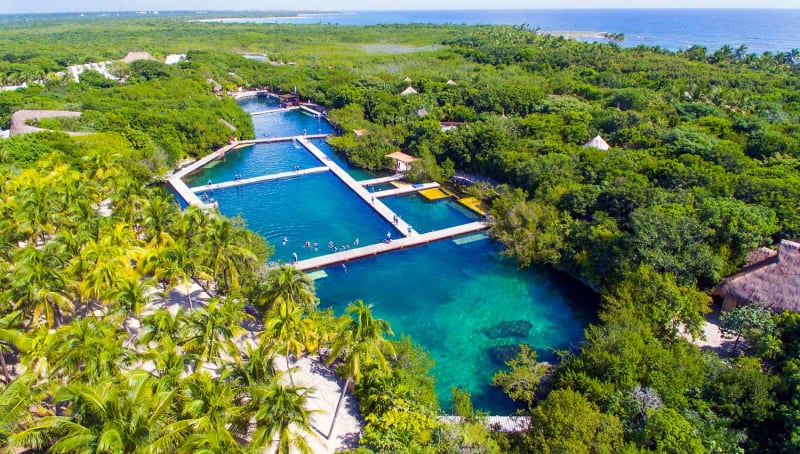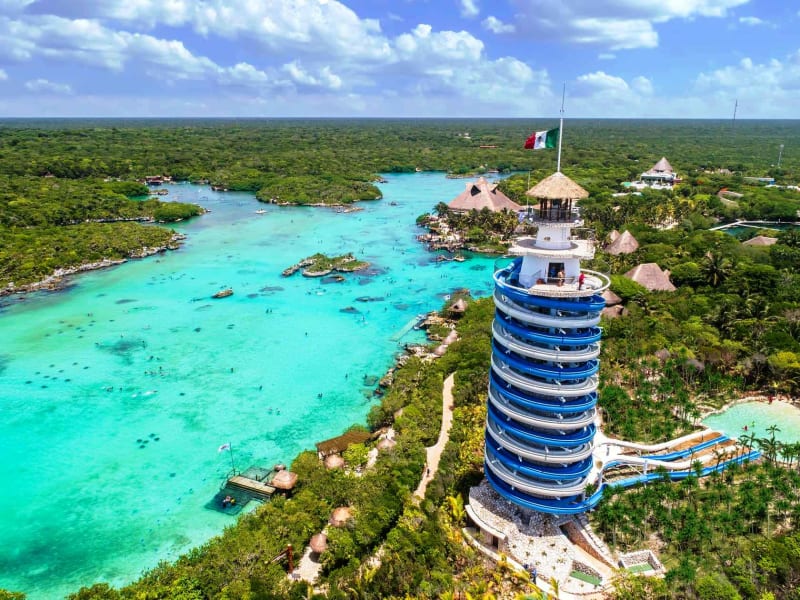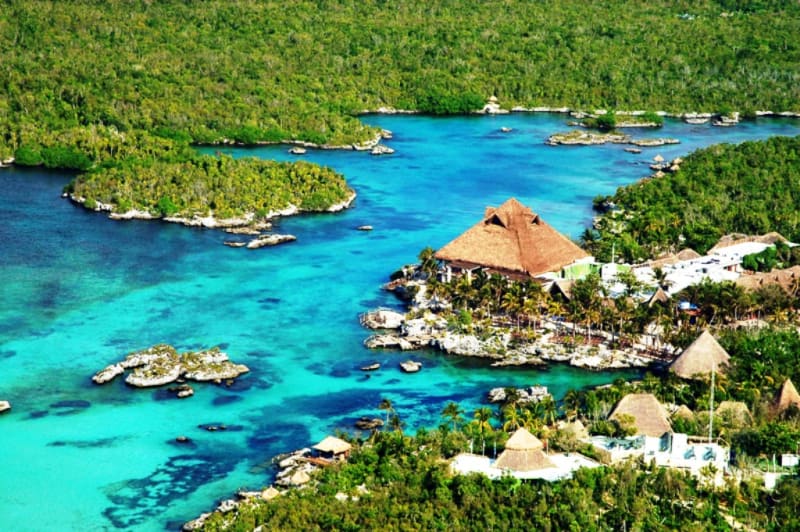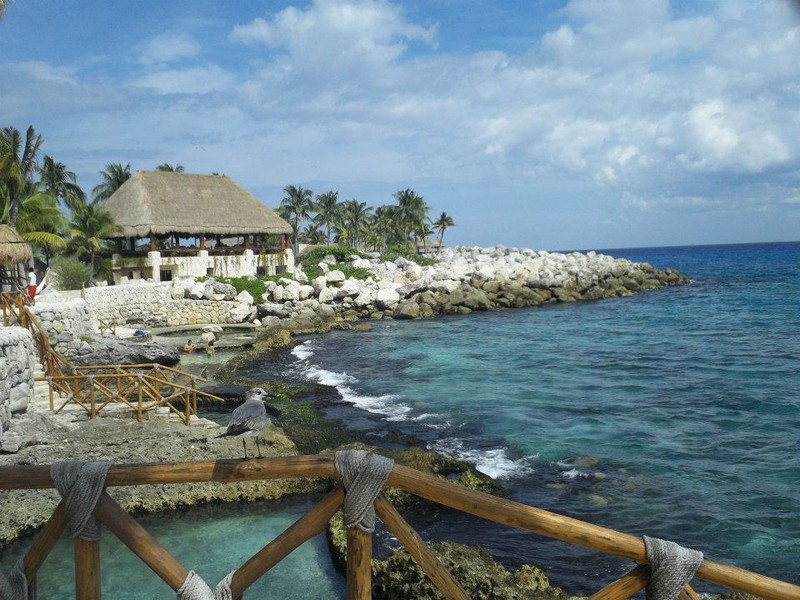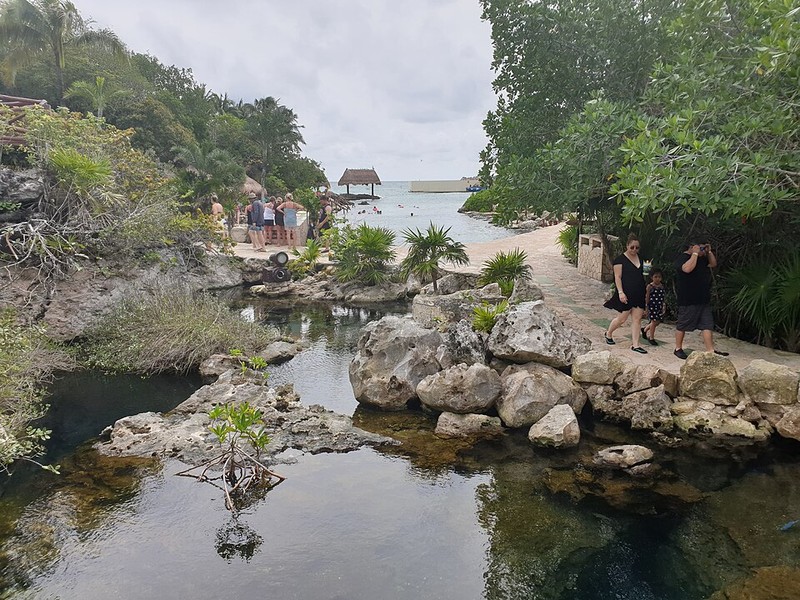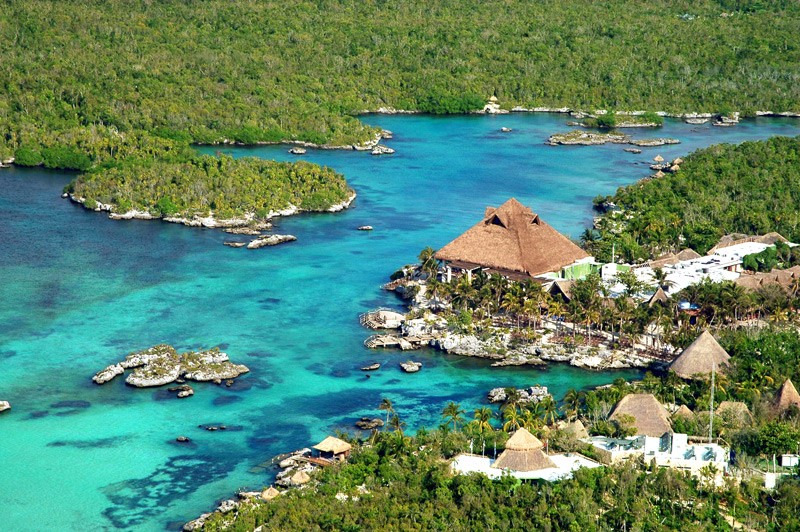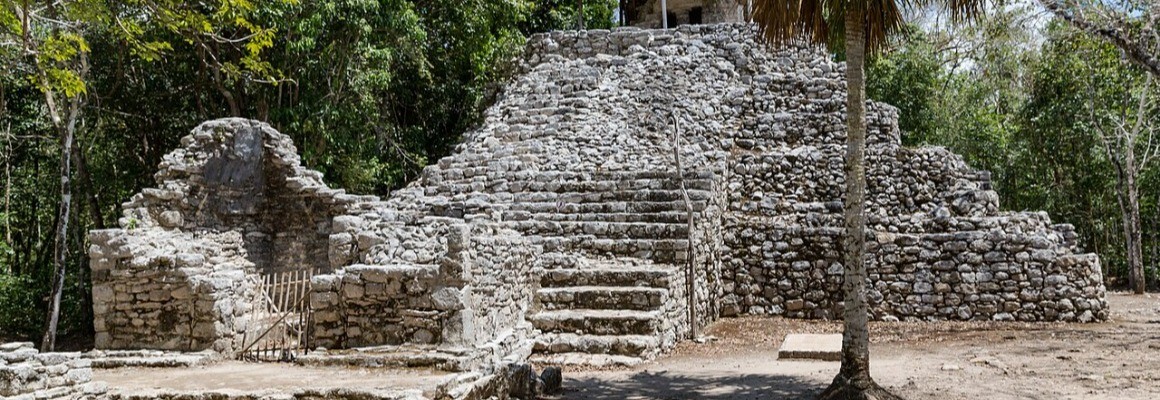

The Chel Ha Nature Park has become a real "treasure" for Mexicans and tourists from all over the world. Many people know that Mexico is a country where the people have preserved the traditions and customs of the Maya and the Aztecs. Numerous structures and their objects have been restored in their memory, and they blend harmoniously with modern buildings. Locals recommend visiting the park.
The history of the Shelf
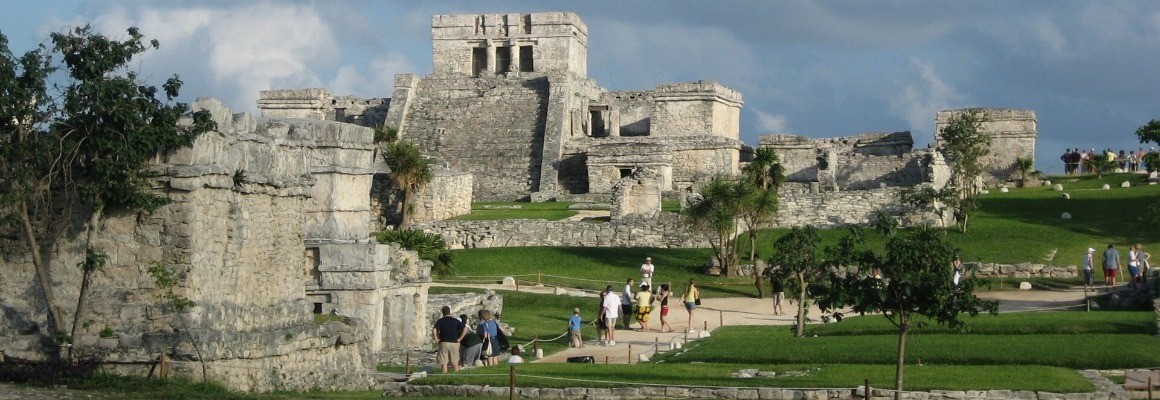
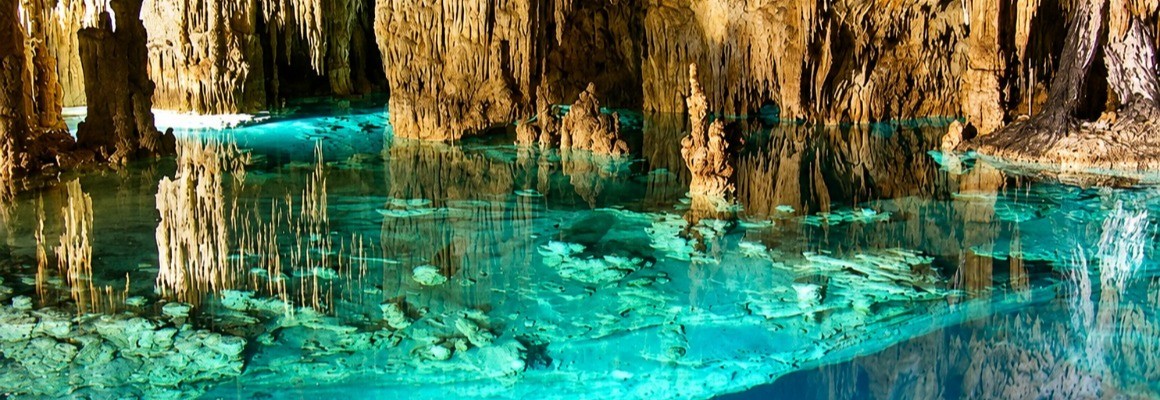
It should be said that this natural park was one of the most favorite places among the Maya rulers, translated from the Maya language - Shel-Ha, means "the place where water was born." For the Indians, the object was primarily of interest from the point of view of its practical capabilities: the place was used as a port, and later the Maya kings began to use the Shelf for recreation. This is due to the fact that there are convenient natural conditions here, as well as the beautiful flora and fauna for which Mexico is so famous, among the special places of these places, the presence of:
- karst caves and lakes;
- natural areas where a huge number of plants and trees grow;
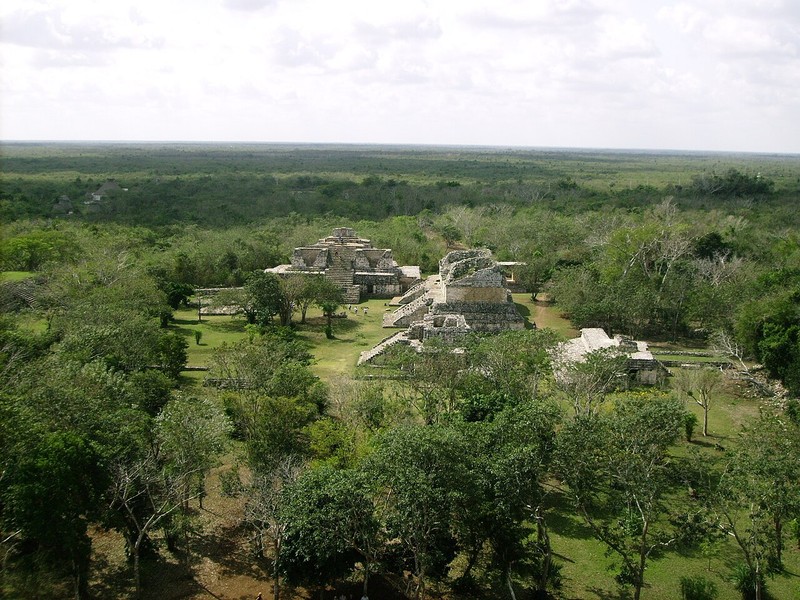
- ruins of Maya structures;
- a rich flora and fauna, where every visitor can get to know iguanas, turtles and parrots better.
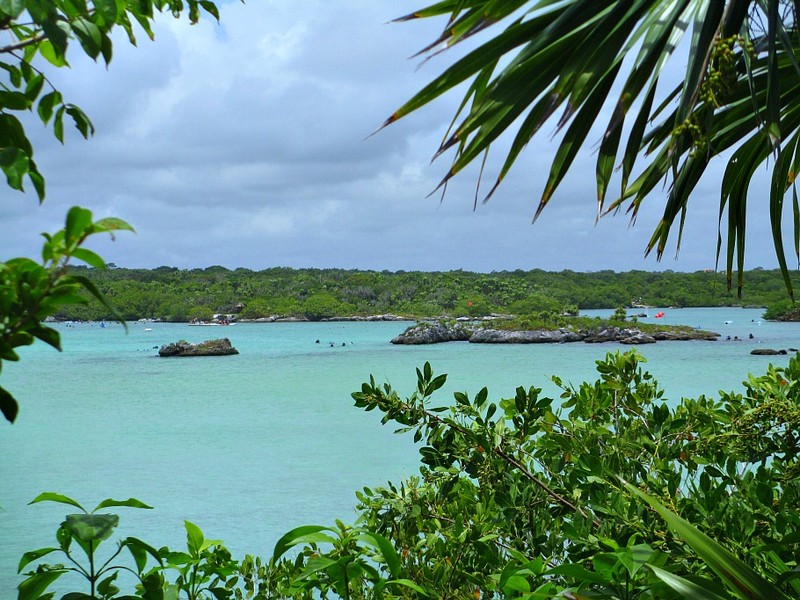
The lagoon is particularly surprising, where tourists have the opportunity to see various fish and other marine life. The unusual beauty of the local waters fascinates - it gives off shades of emerald color.
Features of the Shelf
One of the favorite sights in the park is the "dance" of the dolphin. Everyone who has been here knows that there are many dolphins here, and sometimes they start jumping out and diving, entertaining people. If you want to get to know the "treasure" for Mexicans better, you can safely go to the Shelf. Don't forget to take scuba gear and dive with an instructor who will conduct a real underwater tour.
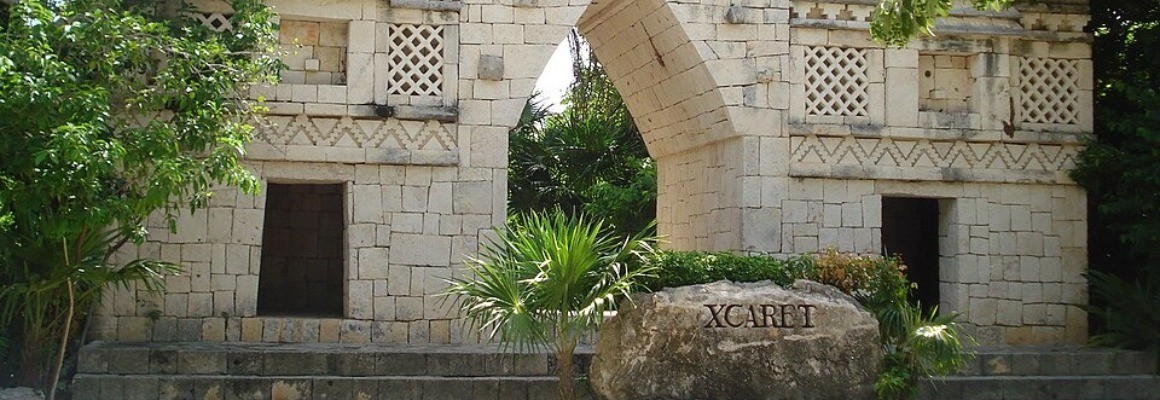
The park operates in Tulum on the Caribbean coast of the State of Quintana Roo. It was founded in 1984, and is managed by the Mexican Experiencias Xcaret Group. The shelf preserves 75% of its habitat thanks to a program of plant rescue, reproduction and reforestation launched in 2000.
Gallery